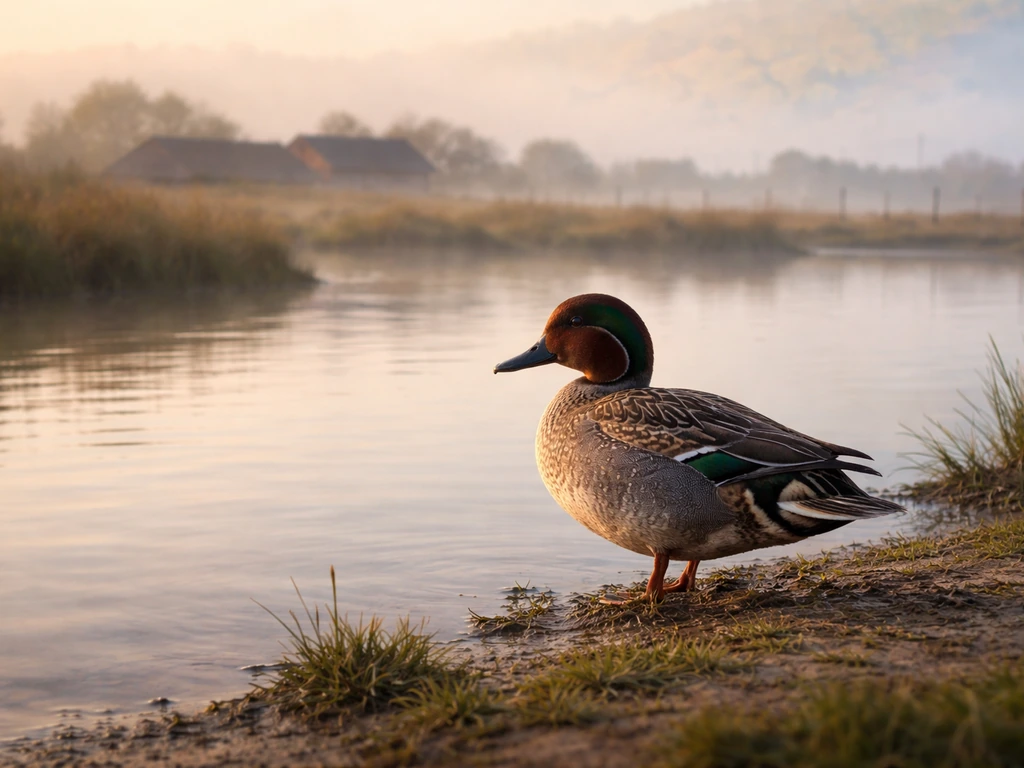
As of May 23, 2026, Florida has zero confirmed human cases of avian influenza A(H5) on record. If you are wondering whether bird flu is in Tennessee, check the same CDC and USDA state-by-state updates for the most current detections and any human cases bird flu in Tennessee. The CDC's surveillance table, which tracks human H5 infections in people exposed to affected animals, lists Florida at 0 through its last update of April 25, 2026. That does not mean Florida is completely off the map for bird flu activity in wild birds or poultry, but it does mean no person in Florida has been confirmed infected. If you're a backyard flock owner, a farmer, or just someone who saw a headline and got worried, here's exactly what you need to know and what to do.
Is Bird Flu in Florida? Current Cases and How to Check

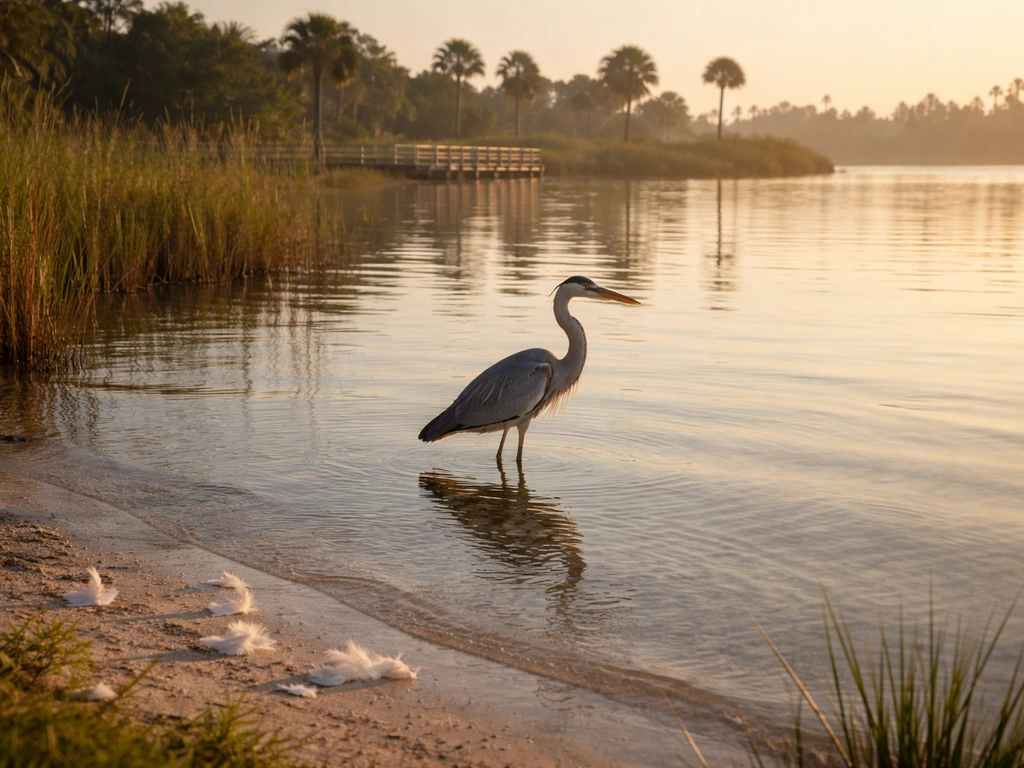
Is bird flu in Florida right now?

The honest answer is: not in humans, based on current official data. Florida does not appear in the CDC's state-by-state table of confirmed human influenza A(H5) infections. For poultry and wild birds, the situation is more nuanced. USDA APHIS runs a wild bird surveillance program specifically as an early warning system, and detections of HPAI (Highly Pathogenic Avian Influenza) in wild birds have occurred across many states. Florida's geography, as a major stopover and wintering ground for migratory waterfowl, means it is never entirely insulated from exposure risk. But confirmed detections in commercial or backyard poultry flocks, or in humans, are what trigger the most urgent response protocols, and neither is currently confirmed for Florida as of this writing.
For context, other states with significant agricultural footprints have seen poultry flock depletions and, in some cases, human exposures tracked closely by state health departments. Florida's current status is notably quieter than what has been documented in states like Texas, Michigan, Ohio, and others that have dealt with active poultry detections or human monitoring events tied to local exposures. If you are wondering, is the bird flu in michigan, the best check is the CDC and USDA state-by-state tables for the latest confirmed human infections and poultry detections. You can check whether bird flu is in Ohio by looking at the CDC and USDA APHIS state-by-state tables for confirmed human infections and poultry or wild bird detections. If you are specifically asking about whether bird flu is in Texas right now, check the CDC and USDA APHIS tables for the latest detections by state is bird flu in texas.
How to check the latest official numbers today
This is the most important thing you can do if you want a genuinely current answer, because outbreak data moves faster than any article. Here are the three sources you should go to directly:
- CDC's A(H5) Bird Flu Surveillance and Human Monitoring page: This is the go-to for human case counts by state. The table titled 'Influenza A(H5) virus infections in humans exposed to affected animals by state' is updated regularly and breaks down confirmed cases per state. As of April 25, 2026, Florida shows zero.
- CDC's A(H5) Bird Flu: Current Situation page: This gives a broader national picture including case classifications (confirmed vs. probable), monitoring numbers, and any new developments. From September 28, 2025 through April 25, 2026, at least 4,800 people nationwide were monitored and at least 150 were tested for novel influenza A.
- USDA APHIS HPAI Detections in Wild Birds and Poultry pages: For Florida-specific bird detections, APHIS publishes tables that go down to the county level. These cover wild birds, captive wild birds (classified under WOAH guidelines), and commercial or backyard poultry flocks separately.
When you check these pages, pay attention to the 'data through' date listed at the top. The CDC and USDA update their tables on a rolling basis but there can be a lag of a week or more between a detection and its appearance in the public table. If you are in a situation where timing really matters, like you work with poultry or had direct bird contact, call the Florida Department of Health or your county extension office directly rather than waiting on a website refresh.
What 'cases' actually means: poultry detections vs. human infections
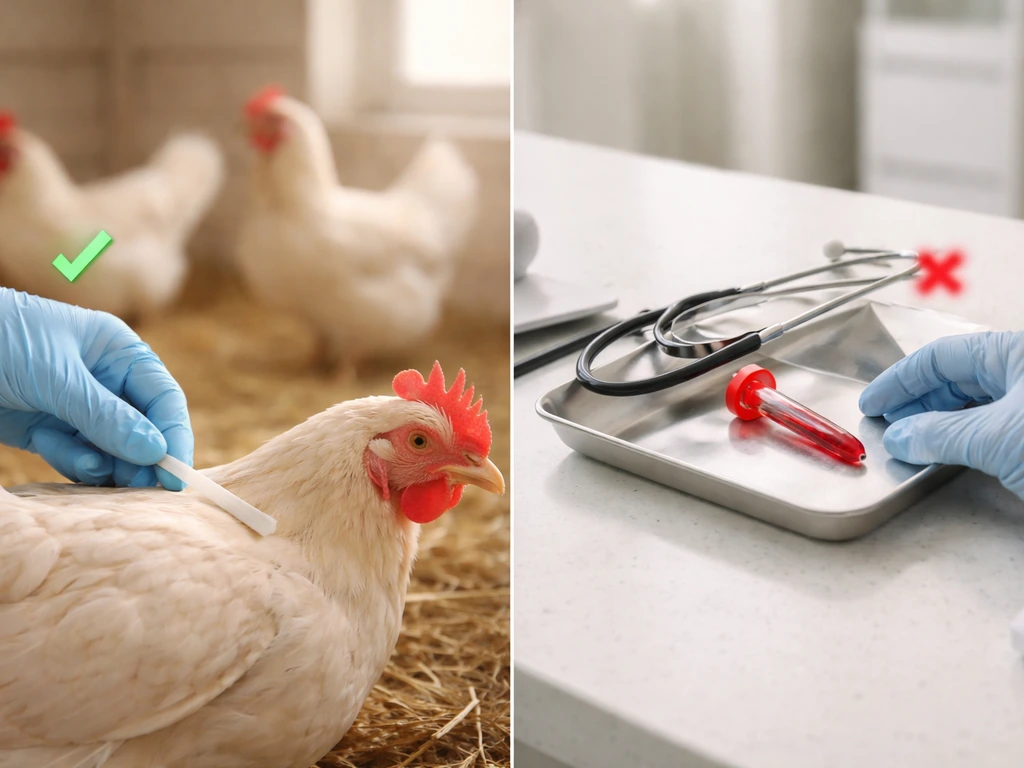
One of the biggest sources of confusion is that 'bird flu cases' can mean very different things depending on the source. Here is a plain-language breakdown:
| Type of Case | What It Means | Who Reports It | Risk to General Public |
|---|---|---|---|
| Wild bird detection | HPAI virus found in a wild bird (waterfowl, raptors, shorebirds, etc.) via RT-PCR test | USDA APHIS | Very low; wild bird contact is uncommon for most people |
| Captive wild bird detection | HPAI found in a captive bird classified as a wild species (e.g., zoo bird, rehabilitated bird) | USDA APHIS (labeled under WOAH classification) | Low; limited to handlers and caregivers |
| Poultry flock detection | HPAI confirmed in commercial or backyard flock; usually triggers depopulation | USDA APHIS / State Dept. of Agriculture | Low for public; higher occupational risk for farm workers |
| Human case (confirmed) | Lab-confirmed H5 infection in a person, typically after unprotected exposure to infected birds or contaminated environments | CDC / State Health Dept. | Very low overall; tied almost entirely to direct animal exposure |
The CDC uses a specific classification system: a case is labeled 'confirmed' when CDC lab testing verifies an H5 infection, and 'probable' when a public health lab detects it but CDC cannot independently confirm it. For Florida, none of these human case categories have been triggered as of the latest data. For Georgia, you can check the same CDC state-by-state table to see whether any confirmed or probable human bird flu cases have been reported none of these human case categories. Wild bird detections are reported using a developmental real-time RT-PCR test targeting the Eurasian lineage H5 clade 2.3.4.4b, which is the dominant strain circulating in North America. A positive wild bird test near your area does not automatically mean your flock is at risk, but it is a prompt to tighten biosecurity.
Where outbreaks tend to show up in Florida and how the virus spreads
Florida sits directly in the path of migratory waterfowl routes along the Atlantic Flyway and hosts millions of wintering birds every year. This makes it a consistent surveillance priority. HPAI is most often introduced into domestic poultry when infected migratory waterfowl mix with or come near domestic flocks, sharing water sources, feed areas, or simply landing in the same fields. That initial contact is the first domino.
Once HPAI enters a poultry flock, it spreads fast. The virus moves from bird to bird through direct contact and through contaminated manure, shared equipment, vehicles, crates, and the clothing and shoes of anyone who has been in contact with infected birds. This is why biosecurity protocols focus so heavily on cleaning and disinfecting everything that enters and exits a farm. A single truck that visited an infected site and then drives to a clean farm can be enough to start a new outbreak.
For backyard flock owners in Florida, the highest-risk scenarios involve free-ranging birds that share outdoor space with wild waterfowl, open water sources that wild birds also use, or feed left out where wild birds can access it. If you are in a coastal area, near a lake, or in a part of the state that sees significant waterfowl activity, these are the touchpoints to manage.
Symptoms to watch for: in your birds and in yourself
Signs of HPAI in poultry
HPAI in poultry moves fast and the signs are hard to miss once they appear. If you see any of the following, especially in multiple birds at once, contact USDA APHIS or the Florida Department of Agriculture immediately:
- Sudden, unexplained death in multiple birds with no prior signs
- Severe drop in egg production
- Swollen head, comb, wattles, or eyelids
- Purple/blue discoloration of the comb and wattles
- Neurological signs: circling, head tremors, loss of coordination
- Respiratory distress: gasping, nasal discharge, rattling sounds
- Extreme lethargy, birds huddled together, not eating or drinking
The key phrase with HPAI is 'sudden and severe.' If five birds die overnight with no obvious cause, do not wait to see what happens next. Call your vet or the state agriculture hotline the same day.
Symptoms in humans after bird exposure
Human infections with avian influenza are uncommon and are almost always tied to direct, unprotected exposure to infected animals or contaminated environments. The CDC does not consider bird flu a current general public health threat, but they do recommend symptom monitoring for anyone who has had that kind of exposure. If you have handled sick or dead birds without proper protective equipment, watch for these symptoms starting on the day of exposure and for 10 days after your last contact: The CDC lists HPAI A(H5N1) symptoms to report for exposure monitoring, including fever or chills, cough, sore throat, trouble breathing, conjunctivitis, headache, runny or stuffy nose, muscle or body aches, and diarrhea or vomiting watch for these symptoms starting on the day of exposure and for 10 days after your last contact:.
- Fever or chills (measured or felt)
- Cough or sore throat
- Difficulty breathing or shortness of breath
- Eye redness, tearing, or irritation (conjunctivitis)
- Runny or stuffy nose
- Headache
- Muscle or body aches
- Diarrhea or vomiting
If any of these develop within that 10-day window and you had bird exposure, call your doctor or local health department before showing up in person. Let them know about the exposure upfront. This is not a reason to panic; it is the responsible thing to do so they can assess quickly and, if needed, start antiviral treatment early.
What to do now: practical steps for Florida residents and farmers

If you have a backyard flock or work with poultry
- Keep wild birds out: Use netting, covered runs, and enclosed feeding areas to prevent contact between your birds and wild waterfowl. This is the single most effective prevention step.
- Practice strict entry biosecurity: Change shoes or use dedicated footwear before entering your coop. Do not wear clothes from other farms or poultry settings without washing them first.
- Disinfect equipment: Any tools, feeders, waterers, crates, or vehicles that contact your birds should be cleaned and disinfected regularly, especially if they have been elsewhere.
- Report sick or dead birds promptly: In Florida, contact the Florida Department of Agriculture and Consumer Services (FDACS) or USDA APHIS Wildlife Services. Do not handle dead wild birds with bare hands.
- Register your flock: Enrolled flocks in the USDA's National Poultry Improvement Plan (NPIP) get earlier alerts and access to testing resources during an outbreak.
- Monitor USDA APHIS updates weekly: Even if your county is quiet, knowing what is happening in neighboring counties or states on the same flyway gives you time to tighten protocols proactively.
If you are a Florida resident with no poultry
Your risk right now is extremely low. Do not handle dead or visibly sick wild birds with bare hands. If you find a dead bird and want to report it, contact USDA APHIS Wildlife Services or your local animal control. Avoid letting pets, especially dogs, interact with dead wild birds. Properly cooked poultry and eggs remain safe to eat; the virus is killed by standard cooking temperatures. There is no reason to avoid Florida poultry products based on current data.
Key contacts to save now
- USDA APHIS: 1-866-536-7593 (to report sick or dead birds in poultry)
- USDA Wildlife Services: for wild bird reporting, find your state contact at aphis.usda.gov
- Florida Department of Agriculture and Consumer Services (FDACS): Division of Animal Industry for poultry concerns
- Florida Department of Health: for human symptom concerns after bird exposure
- CDC Bird Flu information line and current situation page at cdc.gov/bird-flu
The bottom line: Florida is not a hotspot for bird flu in humans or confirmed poultry flocks right now, but it is never completely outside the risk picture given its geography and role in migratory bird patterns. The best thing you can do is stay informed through the official CDC and USDA APHIS pages, keep up basic biosecurity if you have birds, and respond quickly if something looks wrong. That combination of calm awareness and practical preparation is exactly the right posture.
FAQ
If Florida has zero confirmed human bird flu cases, does that mean there is no bird flu anywhere in the state?
Not necessarily. Florida can still have avian influenza activity in wild birds or poultry without any confirmed human H5 infections. The most meaningful distinction is between human confirmed/probable cases and animal detections, which can lag in public reporting and can also be localized.
What should I do if I find a dead wild bird in Florida?
Avoid touching it with bare hands or letting pets get near it. Use gloves or a bag to contain it only if you are instructed how by local guidance, then report it to the appropriate wildlife or animal authority (USDA APHIS Wildlife Services or local animal control) so testing can be arranged.
How long should I wait after a suspected exposure to sick birds before I contact a doctor?
Follow the exposure window described by public health guidance: monitor symptoms from the day of exposure through 10 days after your last contact. If symptoms start, call ahead to your doctor or local health department and mention the bird exposure before you go in.
Do backyard flocks in Florida need to report every sick chicken or only confirmed bird flu?
Report when you see sudden, severe illness or multiple deaths in a short period, or if birds show consistent neurologic or respiratory signs. You do not need to prove bird flu yourself. Early contact with USDA APHIS or Florida’s agriculture authority helps prevent spread and accelerates testing.
Can pets or farm equipment spread bird flu even if my birds look healthy?
Yes. The virus can move through contaminated manure, shared tools, vehicles, crates, and even clothing and shoes. If you visited another farm or had contact with wild waterfowl, tighten entry controls, clean/disinfect boots and equipment, and keep pets from roaming into bird areas.
If I see a positive bird flu report near me, does that automatically mean my flock is infected?
No. A nearby wild bird positive test is a warning to strengthen biosecurity, but it does not confirm infection in your flock. Risk depends on your contact pathways (shared water, feed access, free-ranging behavior, and how people or equipment move between areas).
What cooking temperature do I need for poultry and eggs to be safe?
Use standard food-safety guidance: cook poultry and eggs thoroughly until they reach safe internal temperatures and avoid cross-contamination of raw products with ready-to-eat items. Normal cooking kills the virus, so there is no need to avoid Florida poultry products based on current data.
Why might Florida appear as “zero” on human case tables even during an active animal outbreak?
Human surveillance is slower and uses confirmation testing. Animal outbreaks can produce exposures and samples before any human testing results are finalized, so you may see animal detections before any human case updates appear in the public table. The “data through” date on the reporting pages can also explain short-term differences.
I work with birds or handle crates, how can I make sure I am checking the right updates?
Check both human case reporting and animal detection reporting, and always note the “data through” date. If your timing is critical because you had direct bird contact, call Florida’s Department of Health or your county extension office rather than waiting for the next website refresh.
Is Bird Flu in Europe Now? Risk, Symptoms, Safety Steps
Find out if bird flu is in Europe now, current risk, symptoms, food safety, and exact steps for handling exposure safely