
Properly cooked chicken is safe to eat, even during a bird flu outbreak. The CDC has found no evidence that anyone in the U.S. has gotten bird flu from eating properly handled and cooked poultry. Cooking chicken to an internal temperature of 165°F kills avian influenza A viruses, along with other bacteria and viruses. The real risk with bird flu comes from direct contact with infected birds or contaminated environments, not from sitting down to a cooked chicken dinner.
Does Bird Flu Affect Chicken Meat? Food Safety Guide

Sarah Chen
25 Apr 2026
What it actually means to ask if bird flu is 'in' chicken meat
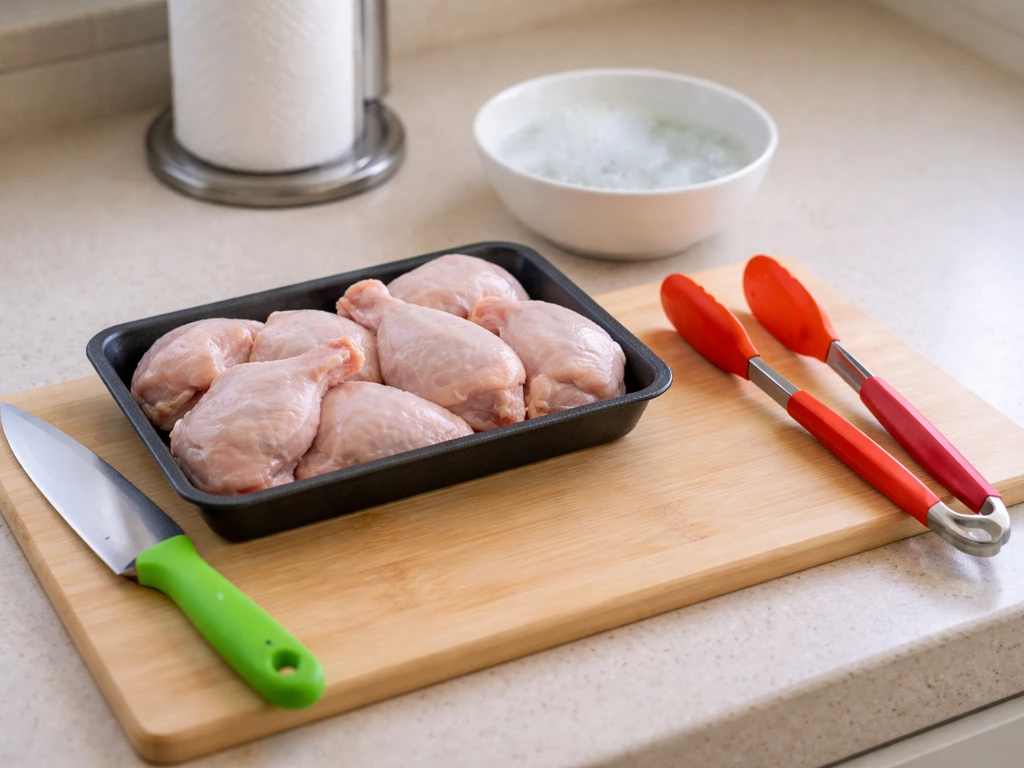
This is where a lot of the confusion starts. When an avian influenza virus infects a bird, it can spread through the animal's tissues, saliva, mucus, and feces. Experimental studies on highly pathogenic avian influenza (HPAI) H5N1 have shown the virus can persist in chicken tissues after infection, and that colder temperatures help it survive longer. So in theory, raw meat from an infected bird could contain viable virus particles.
But 'virus present in raw tissue' is very different from 'eating this meat will make you sick.' A foodborne infection risk requires you to actually consume viable virus in a way that infects you, and that chain is broken at two separate points: the regulatory system that keeps infected flocks out of the food supply, and basic cooking. Both matter. Neither is something you need to figure out on your own.
When HPAI is confirmed in a commercial flock, USDA APHIS triggers a formal outbreak response. Infected and exposed birds are depopulated (removed and destroyed), and those flocks do not enter the food supply. WOAH (the World Organisation for Animal Health) reinforces this with trade standards distinguishing between an animal disease outbreak and what can be safely traded. So the regulatory firewall is the first layer of protection. Cooking is the second.
Eating vs. handling: where the actual risk sits
The WHO and CDC both frame human exposure to bird flu around direct contact with infected live or dead birds, their feces, or contaminated environments like farms and live bird markets. That framing is deliberate. It reflects where human cases actually come from. People who have contracted H5N1 or other avian influenza strains have overwhelmingly been people who handled infected poultry, worked in live bird markets, or had prolonged close contact with sick birds. Eating properly cooked poultry has not been a documented transmission route.
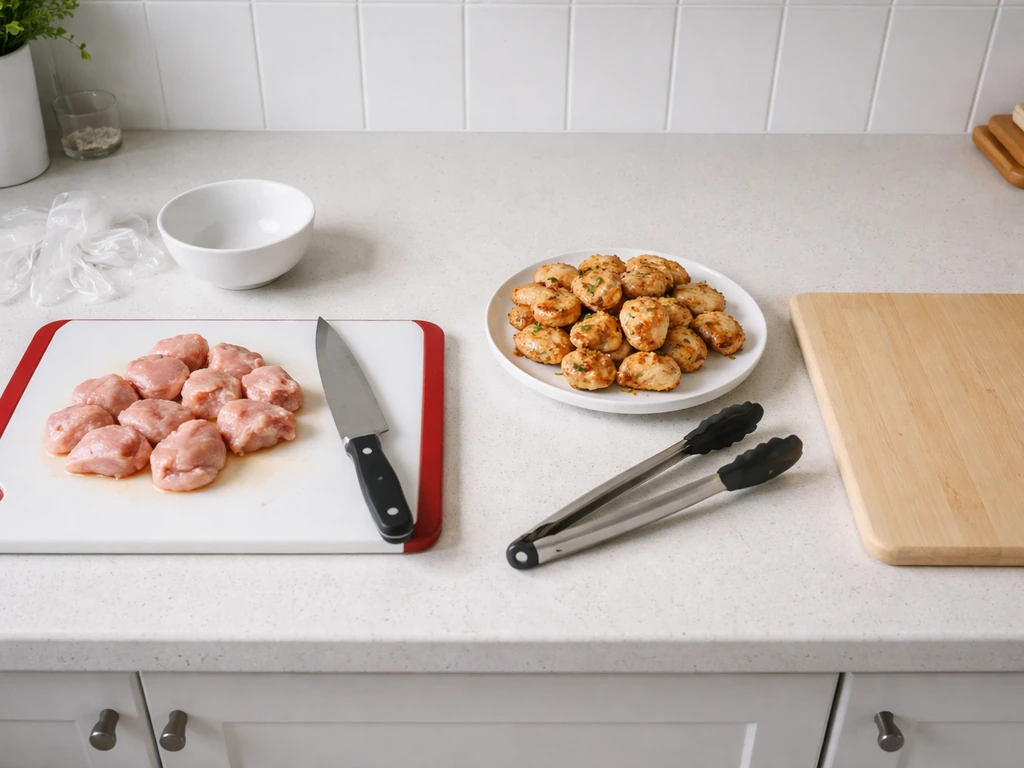
Handling raw chicken is a different conversation, though the risk is still low for the average consumer. Cross-contamination during food prep is the scenario worth taking seriously. If you're cutting raw chicken on a board and then using the same board for a salad without washing it, you've created a potential exposure route for any pathogen in that raw meat, bird flu or otherwise. This is standard food-safety logic, not specific to avian influenza.
People at genuinely higher risk are those with direct exposure to birds: backyard flock owners, farm workers, poultry processors, and veterinarians. People at genuinely higher risk are those with direct exposure to birds, so if you’re wondering who is most at risk for bird flu, start with backyard flock owners, farm workers, poultry processors, and veterinarians. If you're in one of those groups, the risk calculus is different, and the guidance is more specific. For a household consumer buying chicken at a grocery store, the risk from eating or handling it correctly is extremely low.
Cooking and kitchen safety: step by step
The USDA's food safety framework for avian influenza outbreaks comes down to four words: Clean, Separate, Cook, and Chill. Here's what that looks like in practice.
- Cook all poultry to an internal temperature of 165°F, measured with a food thermometer inserted into the thickest part of the meat. This applies to whole birds, breasts, thighs, wings, ground poultry, and stuffing cooked inside a bird. At 165°F, avian influenza viruses are inactivated.
- Do not wash raw chicken before cooking. FSIS is clear on this: washing raw poultry spreads bacteria and potentially virus particles around your sink and nearby surfaces through water splatter. Cooking to temperature handles what washing never could.
- Wash your hands with soap and water for at least 20 seconds before and after handling raw chicken. This is one of the most effective steps you can take.
- Use separate cutting boards and utensils for raw poultry and ready-to-eat foods like vegetables or bread. Keep raw chicken isolated in your grocery bag, your fridge, and on your counter.
- Thoroughly wash cutting boards, dishes, and utensils with hot soapy water after contact with raw poultry. Sanitize surfaces that had direct contact.
- Refrigerate or freeze chicken promptly. Cold temperatures do not kill avian influenza viruses (they actually help the virus survive longer in tissue), so chill is about preventing bacterial growth during storage, not about inactivating flu virus. Cooking is what handles the virus.
If you're cooking eggs, the same 165°F guidance applies to dishes with runny or lightly cooked eggs during an outbreak. For standard preparations, fully cooked eggs are safe.
If there's an outbreak near you: what to check
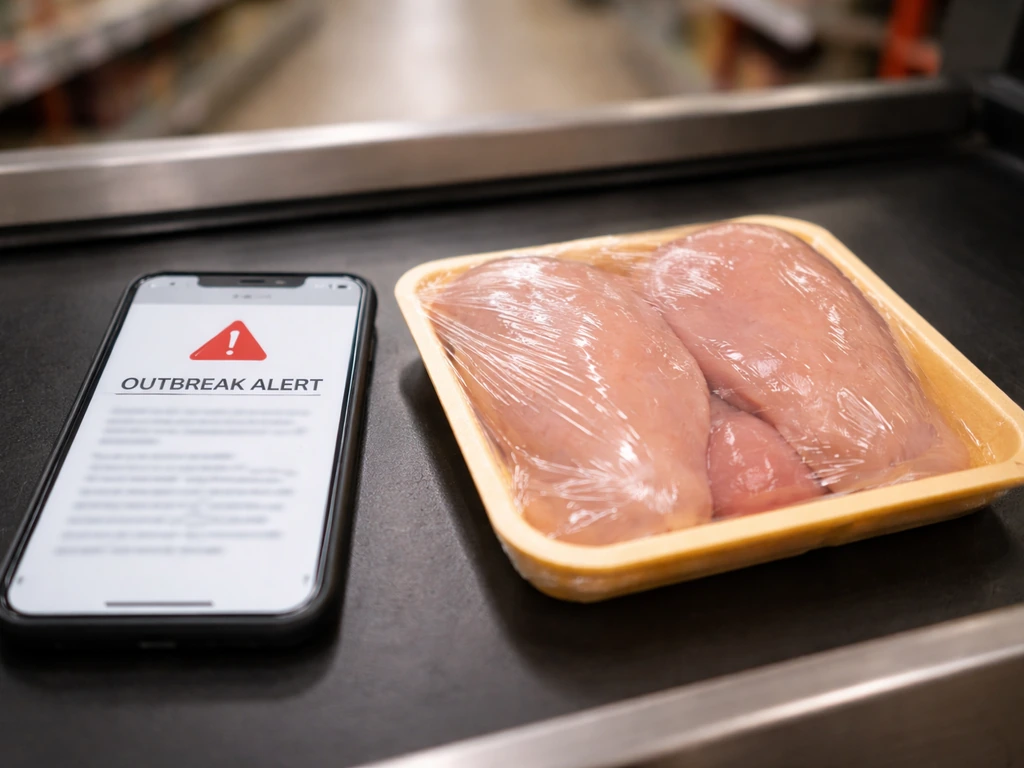
Hearing about a confirmed HPAI outbreak in your county or region naturally raises questions. Here's how to think through it practically.
For consumers: a confirmed outbreak in a nearby commercial flock does not mean chicken at your grocery store is unsafe. USDA APHIS surveillance covers commercial production flocks, backyard flocks, and the live bird marketing system. Infected flocks are depopulated and do not enter retail channels. Check USDA APHIS's publicly available HPAI in Poultry updates for current flock status in your state.
For backyard flock owners: this is where you need to pay close attention. If you keep chickens at home and there are confirmed cases in your area, monitor your birds closely for signs like sudden death, significant drop in egg production, respiratory distress, or neurological symptoms. Do not handle sick or dead birds without protective equipment. CDC advises backyard flock owners not to touch sick or dead birds, feces, litter, or contaminated surfaces or water without wearing PPE. If you suspect HPAI in your flock, contact your state veterinarian or USDA APHIS immediately.
If you've had close contact with obviously sick or dead birds (wild or domestic) and develop fever, respiratory symptoms, or eye irritation within 10 days, contact your state or local health department. The CDC provides clear exposure guidance on when to seek evaluation.
Bird flu is not seasonal flu, and it's not the same as other poultry illnesses
One of the most common points of confusion is treating avian influenza as interchangeable with the seasonal flu humans get every winter, or with common poultry diseases like Marek's disease or Newcastle disease. They're related in some ways but very different in terms of what they do, who they affect, and how they spread.
| Feature | Avian Influenza (Bird Flu) | Human Seasonal Flu | Other Poultry Diseases (e.g., Newcastle) |
|---|---|---|---|
| Primary host | Birds (wild and domestic) | Humans | Birds |
| Spreads easily between humans | No (rare, usually exposure-based) | Yes | No |
| Food safety concern from eating cooked meat | No, if cooked to 165°F | Not applicable | No |
| Risk from handling infected birds | Yes, especially HPAI strains | Low | Low to moderate |
| Outcome in infected flocks | Can be rapidly fatal (HPAI) | Not applicable | Varies by disease |
| Regulatory response when found in commercial flock | Depopulation, quarantine, APHIS response | Not applicable | Depends on disease |
HPAI strains like H5N1 are called highly pathogenic because of what they do to poultry: they can wipe out a flock very quickly, which is why the agricultural response is so aggressive. That severity in birds does not automatically translate to severity in humans, and it absolutely does not mean the cooked meat is dangerous. The two things are related but not equivalent.
It's also worth noting that bird flu affects different species of birds very differently. Wild birds, domestic poultry, and backyard flocks can all be involved in outbreaks in distinct ways, and understanding those distinctions is useful context for anyone following outbreak news. Does bird flu affect wild birds, and how does that change outbreak risk in your area?
What farmers and flock owners should do, and good habits for consumers
For farmers and commercial or backyard flock operators
Biosecurity is the single most important tool for preventing HPAI from reaching your flock. USDA APHIS outlines specific biosecurity measures for commercial and backyard producers, and these should be in place before an outbreak is reported near you, not after.
- Restrict access to your poultry areas. Limit who comes onto your property and require visitors to use dedicated footwear or boot covers.
- Keep wild birds away from your flock as much as possible. Wild birds are a major reservoir for avian influenza viruses, and contact between wild and domestic birds is a primary transmission route.
- Do not share equipment between farms without proper cleaning and disinfection.
- Report unusual illness or mortality in your flock to your state veterinarian or USDA APHIS immediately. Early detection and reporting is critical to containing outbreaks.
- Have a carcass management plan in place. EPA guidance recommends planning for proper disposal before an outbreak occurs.
- If you work with birds during a known or suspected outbreak, wear appropriate PPE including gloves, eye protection, and respiratory protection as recommended by OSHA and CDC guidance.
For everyday consumers
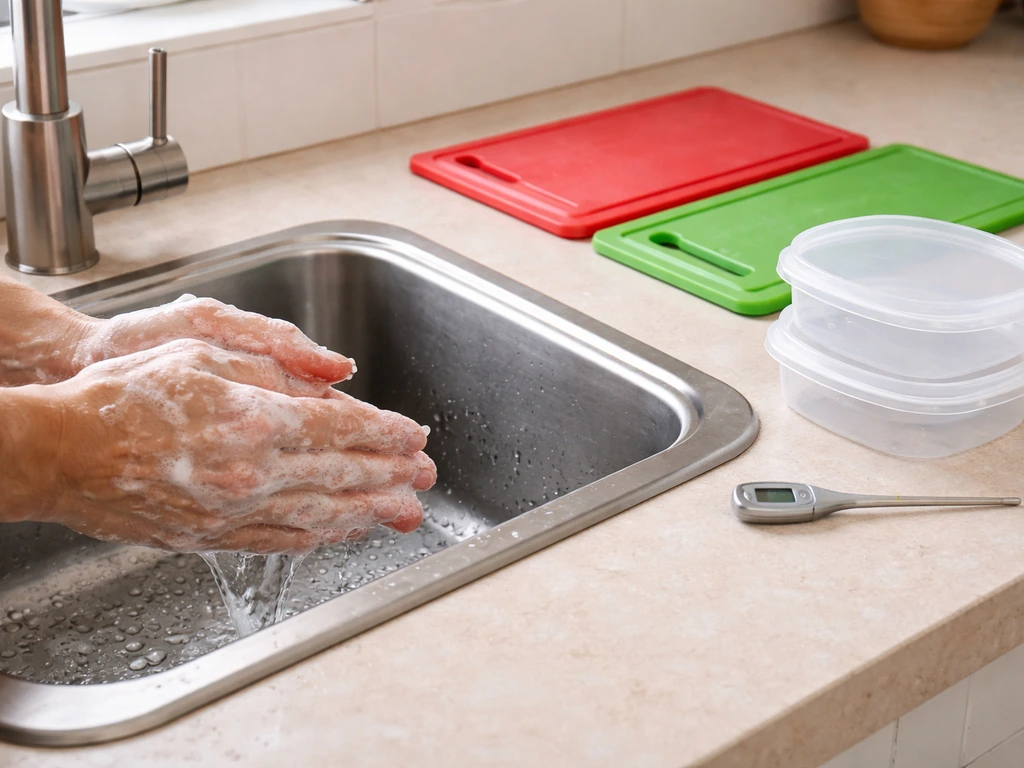
Your main tools are the cooking and kitchen hygiene steps already covered above. Beyond those, staying informed is genuinely useful. USDA APHIS posts current HPAI outbreak data by state. CDC's bird flu pages are updated regularly and provide consumer-facing guidance when recommendations change. If official guidance shifts, you'll hear about it through those channels, not through social media speculation.
The bottom line for most people is reassuring: a thermometer, clean hands, and separate cutting boards are doing most of the work here. The food safety principles that protect you from Salmonella and Campylobacter in raw chicken are the same ones that protect you from avian influenza. You don't need a separate bird flu protocol. You need to follow the food safety habits that were already worth following. In a Reddit discussion about revised CDC cooking guidance, people highlighted the same practical safeguards, like using a thermometer and preventing cross-contamination, while also expressing confusion about how bird flu could spread blank" rel="noopener noreferrer">thermometer, clean hands, and separate cutting boards.
FAQ
If I’m using chicken in a dish like soup or stew, do I still need to cook it to 165°F to be safe during a bird flu outbreak?
Yes. The internal temperature target is about the center of the meat, not the cooking time alone. Aim for 165°F in the thickest part, and avoid guessing based on color or “time in the pot.”
Does bird flu risk increase if the chicken is marinated before cooking?
It can increase only through food-prep contamination, not because the virus “survives cooking.” Do not reuse marinade that touched raw chicken. If you want sauce, boil it after marinating, or use a separate portion reserved before the chicken was added.
Can bird flu spread to me by handling raw chicken that comes from a store during an outbreak?
The more realistic concern is cross-contamination on hands and surfaces, which can spread many germs, including influenza, from raw handling. Wash hands, keep raw chicken separate, and sanitize utensils and boards that touched it.
What should I do if raw chicken juices accidentally touch my salad greens or other ready-to-eat food?
Throw away or thoroughly clean items that were directly contaminated with raw juices. In practice, avoid “wiping and hoping.” If the contamination reached sealed produce, replacing it is often safer than trying to salvage it.
Is eating chicken that’s been cooked but left out at room temperature still safe during a bird flu outbreak?
Cooking to temperature helps with viruses and bacteria in the meat, but leaving food out can allow other germs to grow after cooking. Follow normal perishable food rules, refrigerate promptly, and reheat only when you can reach steaming hot temperatures.
If I cook chicken to 165°F, can I still get sick from bird flu-related contamination?
It’s extremely unlikely from bird flu when cooking is done correctly. The bigger remaining risk for illness is kitchen hygiene errors that cause other pathogens to spread to ready-to-eat foods or to cooked food during handling.
Does freezing chicken make bird flu safer to eat?
Freezing is not a substitute for proper cooking. Cold temperatures may allow some pathogens to persist longer, so you should treat frozen chicken the same as fresh and cook to 165°F.
Are eggs affected the same way as chicken meat during a bird flu outbreak?
Egg risk depends on whether the egg is fully cooked. For runny or lightly cooked eggs, follow the same internal temperature principles during outbreaks, and ensure eggs are cooked through when you want maximum safety.
How should I protect myself if I’m a backyard flock owner and I need to dispose of sick or dead birds?
Do not handle sick or dead birds or contaminated materials without appropriate PPE. If you suspect HPAI in your flock, contact your state veterinarian or USDA APHIS quickly, and follow local disposal instructions instead of trying to manage it yourself.
If there’s an outbreak nearby, should grocery shoppers avoid chicken entirely or change brands?
Typically no. A confirmed outbreak in a commercial flock does not automatically mean retail chicken is unsafe, because infected flocks are removed from the food supply. Focus on standard safe handling and cooking rather than switching brands based on headlines.
What symptoms should trigger medical attention after contact with sick or dead birds?
If you develop fever, respiratory symptoms, or eye irritation within about 10 days after close contact with sick or dead birds, seek evaluation through your state or local health department, and mention the specific exposure.
Is bird flu the same as seasonal flu, or can I rely on flu vaccine for protection from bird flu?
They are different viruses, and seasonal flu vaccines are not a guarantee against bird flu. The practical protection for most people is avoiding exposure to infected birds and following food safety steps, especially cooking and preventing cross-contamination.