
For most people reading this today, bird flu is not something you need to panic about. If you haven't had direct contact with sick or dead birds, haven't worked on a poultry farm during an outbreak, and haven't consumed raw milk or undercooked poultry products from an infected flock, your personal risk right now is very low. That said, your level of concern should be calibrated to your actual exposure, not to headlines, and this guide will help you do exactly that.
Should I Be Worried About Bird Flu? Risk and Next Steps

Sarah Chen
1 May 2026
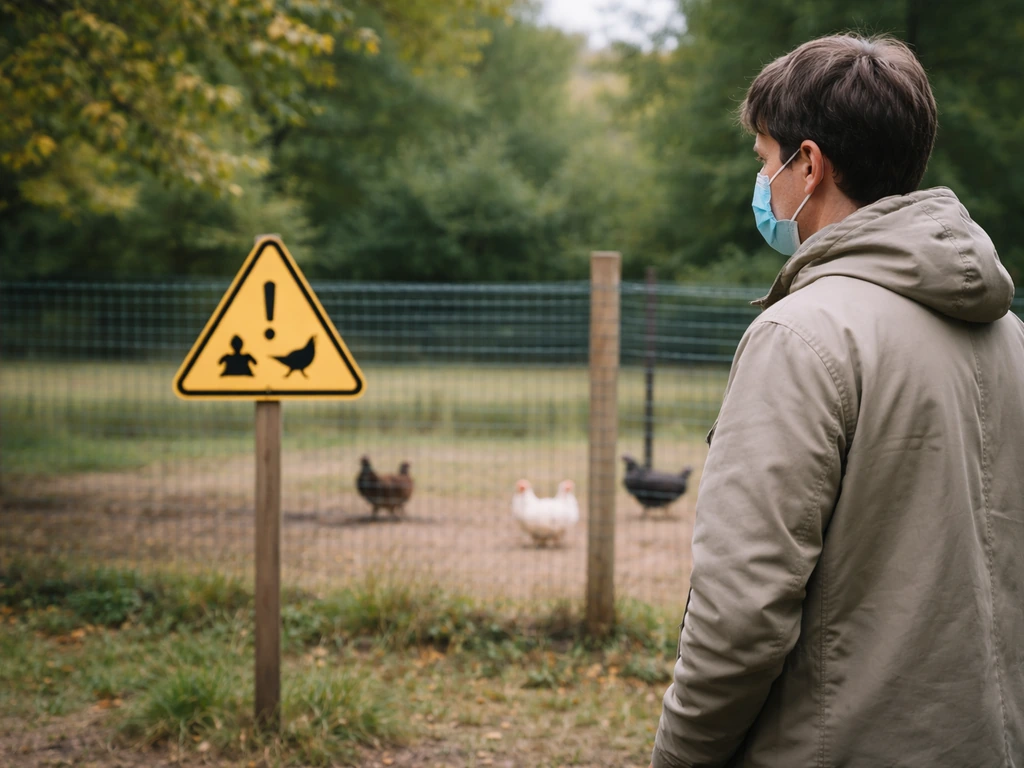
Your real risk from bird flu right now

As of May 2026, CDC surveillance shows no indicators of unusual flu activity in the general population, including from H5N1 bird flu. Between 2022 and early 2026, about 75 human H5N1 infections were reported across five countries in the Americas, and globally only four human H5N1 cases were officially reported in the January to March 2026 window. Those numbers are small given the scale of ongoing outbreaks in poultry and wild birds.
The reason the jump from birds to people stays rare is that the virus does not yet transmit efficiently between humans. That is why public health groups treat bird flu as a big deal: it can be deadly in people, even though spread between people is still limited bird flu is a big deal. [No sustained human-to-human transmission has been documented among the 28 human cases reported to WHO since 2021. ](https://www.
who. int/news-room/questions-and-answers/item/influenza-avian)
What this means practically: if you are a general member of the public with no known bird or farm exposure, your risk today is genuinely low. If you work with poultry, visited a live bird market, handled a sick or dead wild bird without protection, or drank raw milk from a potentially exposed herd, you are in a different category and the steps below are written specifically for you.
What bird flu actually is, and how it differs from the flu you usually get
Avian influenza is a contagious viral disease caused by influenza A viruses that naturally circulate in wild birds. Bird flu is a form of avian influenza, and it is a concern mainly because certain strains can infect people and have the potential to change over time what is bird flu and why are we concerned.
The strains that public health agencies track most closely are the H5 and H7 subtypes, particularly highly pathogenic avian influenza (HPAI), which is the technical term for strains that cause severe disease and very high mortality in infected poultry. HPAI H5N1 is the subtype that has driven most of the recent concern.
The H7N9 subtype, largely linked to China, has caused severe respiratory illness and death in roughly 40 percent of reported human cases, making it particularly serious when it does infect people.
Seasonal flu (the kind you get every winter) is caused by human-adapted influenza A or B viruses that spread easily from person to person. Bird flu viruses are not yet adapted to spread efficiently between people. They live primarily in birds, and when they do infect a human, it is almost always because that person had direct, close contact with infected animals or a heavily contaminated environment. That fundamental difference is why seasonal flu infects millions every year while bird flu human cases are counted in the dozens globally.
How human infections actually happen, and why most people don't get infected
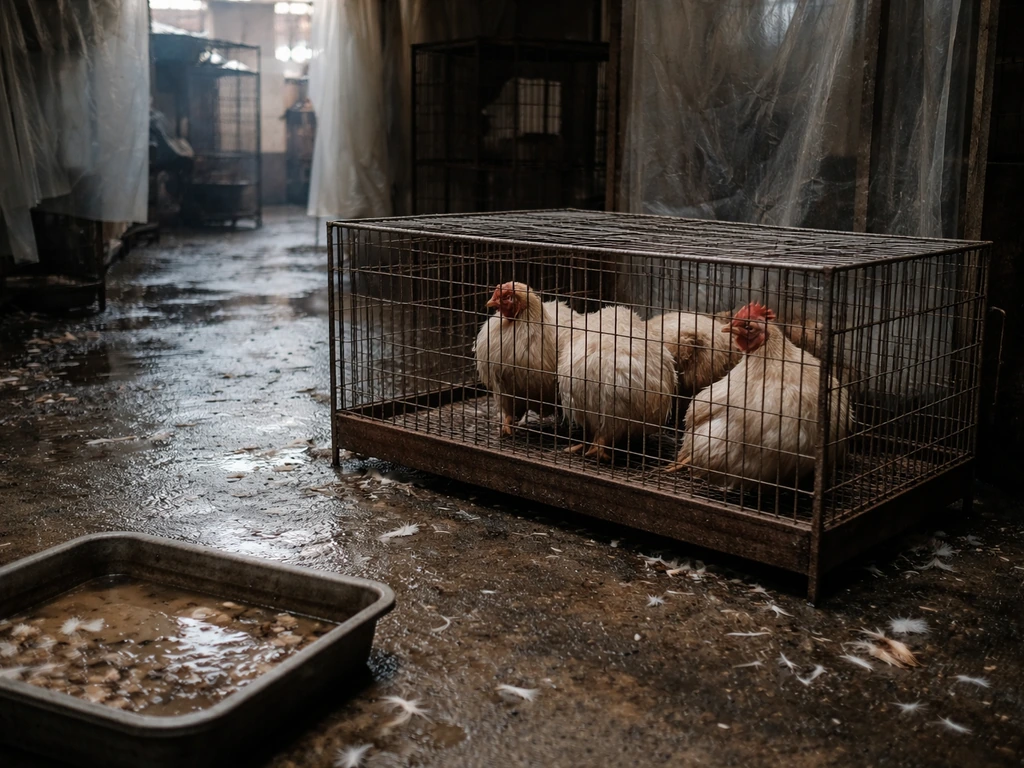
The primary risk factor for human infection, according to WHO, is exposure to live or dead infected animals or contaminated environments, such as live bird markets. More specifically, CDC's H5N1 exposure criteria cover: handling, slaughtering, defeathering, or butchering infected poultry; touching sick or dead birds without gloves; contact with water or surfaces contaminated with infected feces; and consuming or preparing raw or undercooked poultry products from an affected flock. Raw milk is also on that list. Infection happens when contaminated material reaches your eyes, nose, or mouth, whether by touching your face with a contaminated hand, inhaling aerosolized droplets during activities that stir up dust or feces, or in some cases ingestion.
Person-to-person spread has occurred, but only in rare family cluster situations, under prolonged close contact, and without proper protective equipment. It has never been sustained in the community. WHO/Europe notes there is [no evidence from the current outbreak that avian influenza has acquired the ability to spread from person to person](https://www. who.
int/europe/news-room/questions-and-answers/item/q-a--avian-influenza), and human infections are linked to direct contact with infected animals or environments such as live poultry markets. That distinction matters enormously. It is the main reason this is not a current pandemic situation, even though it is something scientists and public health agencies are watching extremely carefully. This concern is centered on whether the virus could start spreading more easily between people scientists and public health agencies are watching extremely carefully.
Properly cooked poultry and eggs carry no documented transmission risk. WHO is clear that there is no evidence avian influenza viruses are transmitted to humans through properly prepared and cooked poultry or eggs. Standard cooking temperatures kill the virus.
How to decide how worried you should actually be
Rather than a single answer, think of your risk in tiers based on two factors: your location and your exposure history in the last 10 days.
| Your situation | Risk level | What to do |
|---|---|---|
| No bird or farm contact, general public, no travel to active outbreak zones | Very low | Stay informed, no action needed beyond normal hygiene |
| Visited a farm, handled backyard poultry, or touched a wild bird while wearing gloves and proper PPE | Low to moderate | Monitor for symptoms for 10 days from last exposure |
| Handled sick or dead birds without PPE, visited a live bird market, worked on a farm with a confirmed outbreak, or consumed raw milk in an affected area | Moderate to high | Contact your state or local health department today; monitor symptoms closely for 10 days |
| Developing fever, cough, or eye redness within 10 days of any of the above exposures | Act now | Call your health department and seek medical evaluation immediately |
If you are in the US, CDC maintains a current H5N1 situation page that tracks confirmed human cases by exposure source and state. Checking that page can tell you whether your state has active cases and from what exposure types. Outside the US, WHO's human-animal interface summaries are updated regularly and show global case counts by country. Your location relative to confirmed outbreaks in poultry or other animals is one of the most useful pieces of context you can have.
Symptoms to watch for, and when to get urgent care
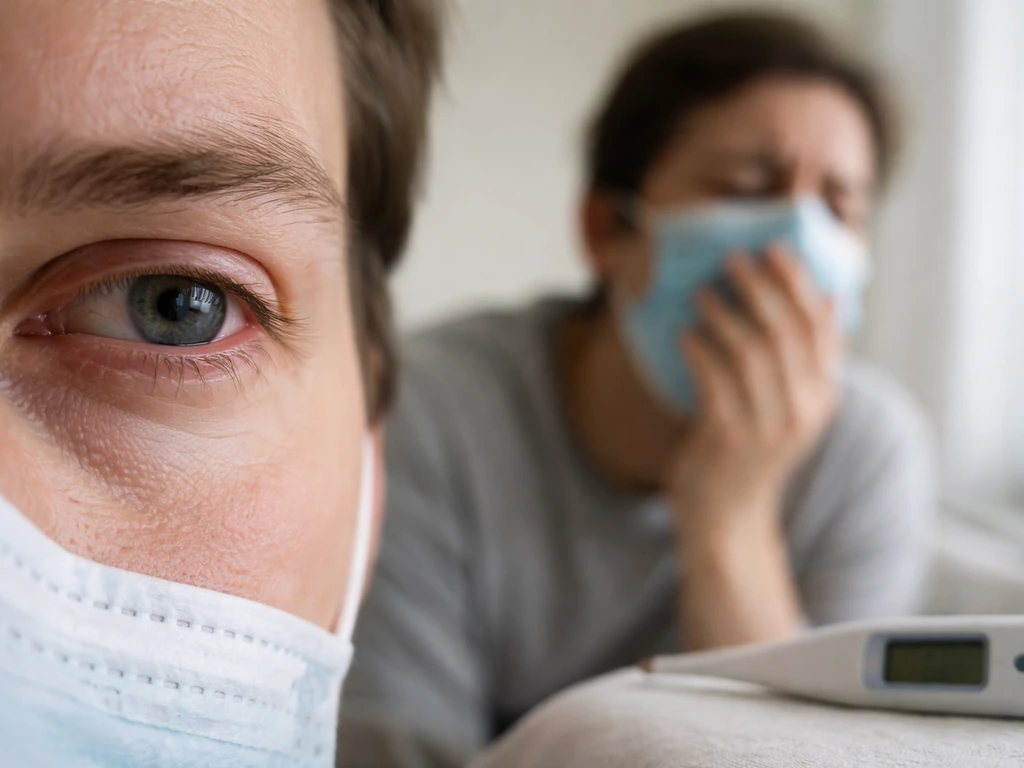
Bird flu symptoms in humans can look a lot like severe seasonal flu, but there are some differences worth knowing. Eye symptoms, specifically redness and irritation (conjunctivitis), can appear one to two days after exposure and are sometimes the first sign. Respiratory symptoms typically follow, with a window of about two to seven days from exposure to onset, with three days being the average for H5 strains.
- Fever (often high)
- Cough, which can progress to difficulty breathing
- Sore throat
- Runny or stuffy nose
- Muscle aches and fatigue
- Eye redness or discharge (conjunctivitis), which can appear 1 to 2 days after exposure
- In severe cases: pneumonia, acute respiratory distress, and hospitalization
Mild cases do occur, but severe disease is a real risk with certain strains. H7N9 in particular has been fatal in a significant proportion of reported cases. If you had a qualifying exposure and develop any of these symptoms, do not wait to see if it improves. Call your state or local health department first so they can coordinate testing, then get to a healthcare provider as quickly as possible. Early antiviral treatment significantly improves outcomes. CDC recommends that people with symptoms following a known exposure be evaluated and treated with oseltamivir (Tamiflu) as soon as possible.
What to do today if you had contact with birds or poultry
- Wash your hands thoroughly with soap and water immediately, and avoid touching your face, especially your eyes, nose, and mouth.
- Note the date and nature of the exposure so you can describe it accurately if you need to contact health authorities.
- Start a 10-day symptom monitoring period from the day of first exposure through 10 days after the last exposure.
- If you work on a farm or had high-risk exposure without PPE, contact your state or local health department today, even if you feel fine. They may offer oseltamivir as post-exposure prophylaxis for unprotected exposures.
- If you develop any symptoms during those 10 days, call your health department immediately before going to a clinic or emergency room, so they can advise on testing and reduce any potential exposure to others.
- Avoid contact with other birds or poultry during the monitoring period if possible.
- Do not prepare or handle raw poultry products during the monitoring window without gloves and thorough handwashing afterward.
One thing people often overlook: raw milk. If you drank unpasteurized milk from a dairy operation that may have had infected cattle or was located near a confirmed outbreak area, that qualifies as a potential exposure under CDC criteria. Same action applies: monitor for 10 days and contact your health department if you feel unwell.
Prevention for households and for farmers or poultry workers
For general households and backyard flock owners
- Do not touch sick or dead birds with bare hands. Use gloves and wash your hands afterward with soap and water.
- Keep backyard flocks away from wild birds as much as possible, since wild waterfowl are the primary natural reservoir.
- Cook poultry and eggs fully. Internal temperature of 165°F (74°C) kills influenza viruses.
- Avoid raw or unpasteurized dairy products.
- If you find a dead wild bird, report it to your state wildlife or agriculture agency rather than handling it yourself.
- Clean any surfaces or equipment that may have contact with bird feces using soap and water first to remove visible debris, then disinfect with an EPA-approved product that lists influenza A viruses on its label.
For farmers, poultry workers, and agricultural staff
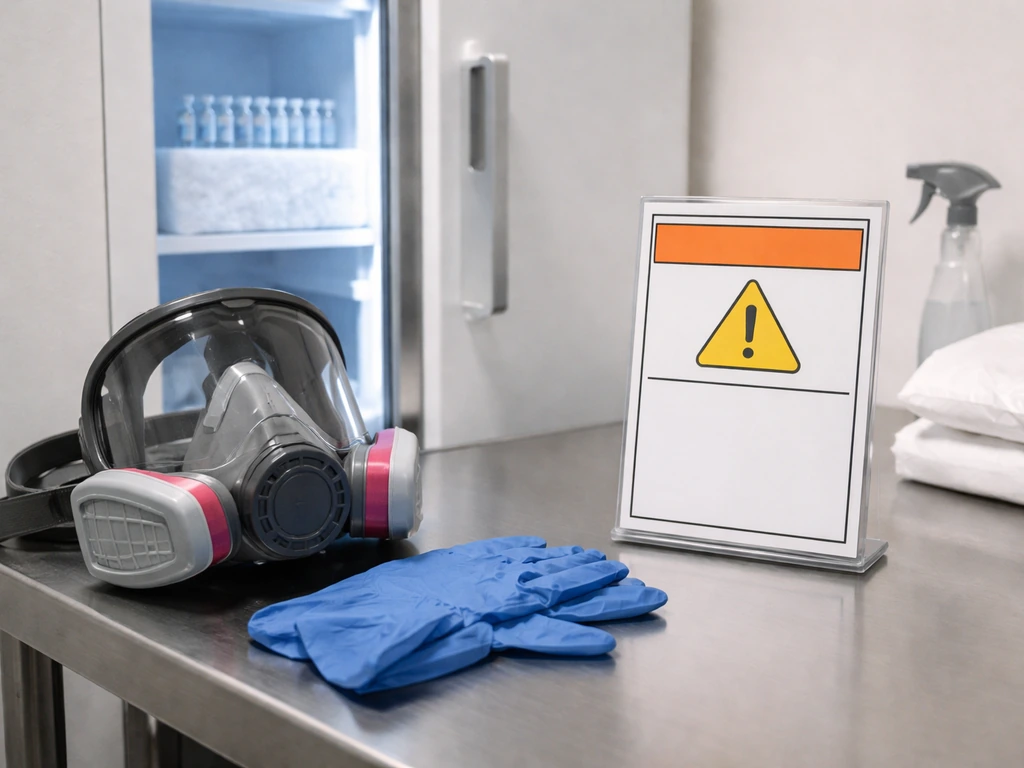
Biosecurity is your most effective tool. OSHA and CDC both emphasize that employers in poultry and agricultural settings during outbreak response should provide clean protective clothing and equipment, establish cleaning and disinfection routines for gear and facilities, and coordinate with state and local health departments when workers are exposed. For respiratory protection, CDC recommends NIOSH-approved particulate respirators when working in environments with potential virus-laden dust, aerosols, or biological material from animal secretions. During depopulation or cleaning operations, avoid activities that stir up feces, feathers, or dust without full PPE in place.
- Wear gloves, eye protection, and a NIOSH-approved respirator (N95 or higher) during contact with potentially infected birds or their environments.
- Change and wash work clothes before leaving the farm. Do not bring potentially contaminated clothing into your home.
- Shower before leaving the work site if possible during active outbreak response.
- Report sick or dying birds to your state veterinarian or agriculture department promptly. Early reporting enables faster containment.
- Do not eat, drink, or touch your face while working in poultry areas.
- Follow your employer's site-specific biosecurity protocols and use provided disinfection stations.
Vaccines, antivirals, and how to read outbreak updates
There is no bird flu vaccine currently available for the general public. WHO has recommended building a stockpile of up to 150 million doses of H5N1 vaccine for potential emergency use, and candidate vaccines do exist, but they are not in routine deployment right now. If the situation changes to sustained human-to-human transmission, that calculus would shift quickly, but that threshold has not been reached. This is one of the core reasons why scientists are paying such close attention to how the virus is evolving.
For treatment, oseltamivir (Tamiflu) is the antiviral with the most human data for bird flu and is what CDC recommends both for treatment after symptom onset and as post-exposure prophylaxis for people who had unprotected high-risk exposures. The standard prophylactic regimen is twice-daily dosing for 5 days. Access to this is through your healthcare provider and typically coordinated with your health department after a reported exposure.
When you check outbreak news, try to distinguish between three things: new cases in birds or animals (common and ongoing), new human cases (rare and closely tracked), and any evidence of human-to-human spread (which would be the signal that fundamentally changes the risk picture). CDC updates its H5N1 current situation page regularly, and WHO publishes human-animal interface summaries that cover global case counts. As long as human cases remain rare, linked to direct animal exposure, and not showing signs of person-to-person chains, the risk to the general public stays low. That could change, and responsible monitoring means staying aware, but panic is not the appropriate response to where things stand today.
If you want to go deeper on specific aspects of the risk picture, the questions of whether bird flu is truly a concern for individuals, what makes scientists particularly worried about its pandemic potential, and how to tell if your own symptoms could indicate infection are all worth exploring separately. If you are wondering, “do I have bird flu,” the next steps depend on whether you had a qualifying exposure and what symptoms you are noticing. The short version: right now, your job is to know your exposure history, act promptly if you had a qualifying contact, and keep an eye on updates from CDC and WHO. That is genuinely all most people need to do.
FAQ
If I feel sick, when should I actually ask for bird flu testing?
In most cases you do not need a special test if you have no qualifying exposure. Testing is most useful when symptoms occur after an exposure type that involves infected birds or contaminated animal material, or when local health authorities recommend it based on case investigation. If you are unsure whether your contact counts, call your state or local health department and describe what you did (for example, live bird market visit, handling a dead bird, raw milk source).
Does a negative flu test mean I can stop worrying about bird flu?
No. A negative seasonal flu test does not rule out avian influenza. Bird flu symptoms can resemble severe seasonal flu, and confirmation requires the specific testing pathway coordinated by public health or your clinician. The practical step is to report your exposure history and ask whether bird-flu-specific testing is appropriate.
Should I contact a doctor even if I have an exposure but no symptoms yet?
If you had a high-risk unprotected exposure, you should contact a healthcare provider promptly even if symptoms have not started. Oseltamivir is used both for treatment after symptom onset and for post-exposure prophylaxis, typically started as soon as possible to be most effective, and coordinated through your healthcare provider and local health department.
What should I do if I develop symptoms during the monitoring window?
If you develop symptoms after a qualifying exposure, do not wait for home recovery. The article’s guidance emphasizes early antiviral treatment, and the key is speed. Call your health department first so they can coordinate testing and guidance, then go to care quickly.
How do I decide what level of protection I need after an exposure?
Do not automatically switch to a higher level of PPE without context. For general household exposure, careful hand hygiene and avoiding contact with potentially contaminated materials are usually sufficient, while workers or responders exposed to dust, feathers, feces, or aerosols may need NIOSH-approved respiratory protection and protective clothing. If you were exposed at work, follow the employer’s site-specific protection plan.
If symptoms start late after an exposure, is it still relevant?
Yes, timing matters. Bird flu is monitored as a short window after exposure, and the article notes a 10-day monitoring approach. If you feel unwell near the end of that window, you still need to report it as a symptomatic evaluation, not as a “too late to matter” situation.
If I ate cooked chicken or eggs, can I still get bird flu from kitchen contamination?
Cooked poultry and properly cooked eggs are treated as no documented risk, but cross-contamination can still matter. For example, if raw poultry juices contact ready-to-eat foods or kitchen surfaces, you could transfer other germs. The bird-flu-specific point is that proper cooking kills avian influenza viruses, but normal food safety practices still prevent unrelated infections.
What if I was around someone who might have bird flu, can I catch it from them?
If you took care of a sick person at home, that is usually not the typical bird flu exposure pathway. Rare family-cluster spread has been reported in unusual circumstances with prolonged close contact and protective equipment not used. If you are worried about human-to-human exposure, rely on guidance from local public health rather than assuming it applies to routine caregiving.
What information should I gather if I drank unpasteurized milk and now feel unwell?
If you drank raw milk, the key action is exposure-based monitoring and contacting your health department if you become ill, as the article highlights. Also confirm the source, date, and location to help officials determine whether it overlaps with known affected areas or herds.
I work in poultry or during cleanup. Who should coordinate an exposure report, me or my employer?
If you work with poultry or did outbreak response tasks, you generally should follow employer and occupational guidance rather than self-managing. The article notes the importance of clean protective clothing and disinfection routines, and coordinating with state and local health departments when workers are exposed. Ask whether your workplace has an exposure evaluation process and who reports to health authorities.
Next Articles

Is Bird Flu in Europe Now? Risk, Symptoms, Safety Steps
Find out if bird flu is in Europe now, current risk, symptoms, food safety, and exact steps for handling exposure safely
What Is Being Done About Bird Flu: Response, Vaccines, Safety
How agencies detect, contain and treat bird flu, plus biosecurity, vaccines, human steps, and safe egg and poultry guida
What Countries Have Bird Flu Now: Updated List and How to Check
Updated list of countries with bird flu, how to verify current reports, and what to do for poultry and travel.