
As of April 2026, bird flu becoming a sustained, worldwide human pandemic remains unlikely but not impossible. The key barrier is still in place: no H5N1 strain has demonstrated the ability to spread efficiently from person to person in a sustained way. Every global health agency tracking this, including the WHO, CDC, and the joint FAO-WHO-WOAH assessment, rates the current public health risk as low for the general population. That doesn't mean the threat is zero, and it doesn't mean you should stop paying attention. It means the specific biological leap that would turn bird flu into a pandemic hasn't happened yet, and understanding what that leap looks like helps you follow this situation clearly.
Will Bird Flu Become a Pandemic? What to Know and Next Steps

Sarah Chen
26 Apr 2026
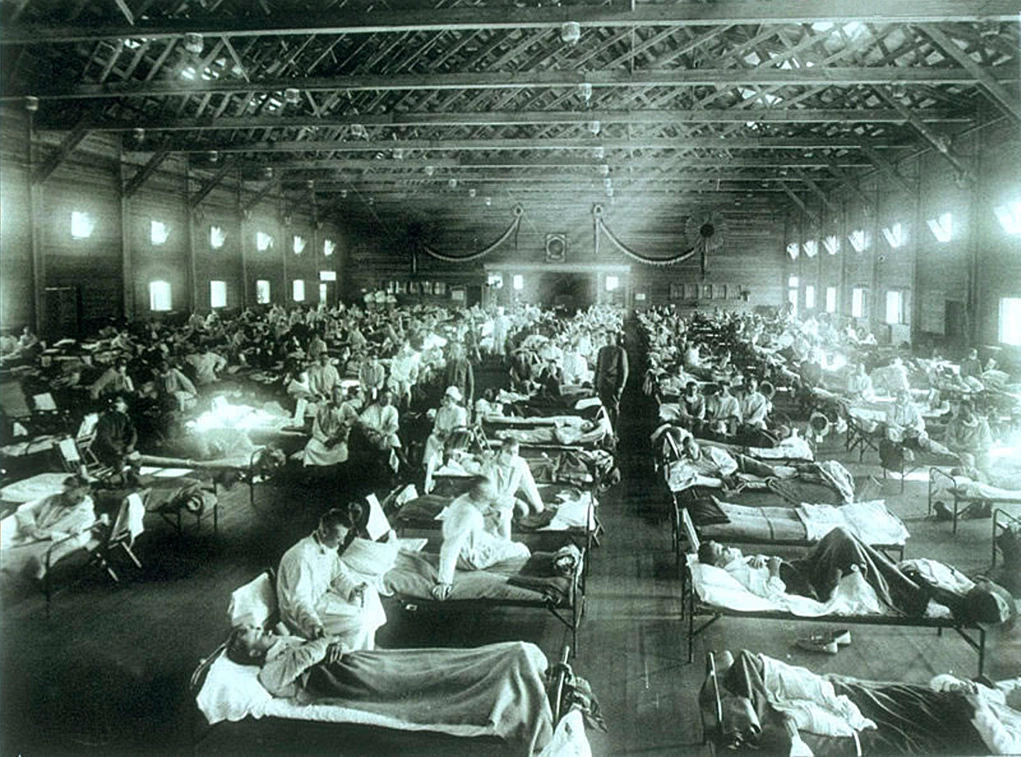
Bird flu vs. a human pandemic: what 'pandemic' actually means

The word 'pandemic' gets thrown around loosely, so let's be precise. The WHO defines an influenza pandemic as a novel influenza A virus spreading from person to person in a sustained manner around the world, affecting a very large number of people. A WHO explanation of influenza pandemics is that they occur when a novel influenza virus emerges against which most of the world’s population has little or no immunity. The CDC puts it similarly: a pandemic requires that people be easily infected with a novel virus that can spread in a sustained, person-to-person way. 'Sustained' is the operative word. A few household clusters don't count.
WHO uses a six-phase framework to track pandemic progression. Phase 3 is where we sit now with bird flu: sporadic cases or small clusters in people, but no human-to-human transmission sufficient to sustain community-level outbreaks. Phase 5 would require sustained community-level outbreaks in at least two countries within one WHO region. Phase 6 (the actual pandemic phase) requires sustained community-level outbreaks in at least one other country in a different WHO region on top of that. We are not close to Phase 5, let alone Phase 6.
This distinction matters enormously. Human infections with bird flu (H5N1, H7N9, and other avian strains) have occurred since at least 1997, almost always through direct or close contact with infected animals or their environments. Those infections are serious and sometimes fatal, but they are not a pandemic. A pandemic requires the virus to move between people easily and continuously, which bird flu simply has not done.
Is bird flu the next pandemic? Current signals and likelihood
Right now, the honest answer is: probably not imminent, but it's the animal virus most worth watching. Since the US H5N1 outbreak in dairy cattle began in late March 2024, human infections have trickled in at roughly 6 to 7 cases per month, almost all linked to direct animal exposure. Through May 2025, contact investigations and enhanced surveillance found no human-to-human transmission in the US. That pattern has held globally too: the last documented episode of even limited non-sustained human-to-human H5N1 transmission was in 2007.
From a virology standpoint, CDC's June 2024 technical report found no significant mammalian-adaptive changes in the HA gene (the part of the virus that determines how it attaches to cells) and no shifts in receptor binding that would suggest increased transmission risk among people. Viruses do mutate, and that analysis reflects a snapshot in time, but it tells us the virus hasn't quietly evolved into something more dangerous without anyone noticing.
For H7N9, another avian flu strain that caused serious concern in China, multiple epidemic seasons passed without any evidence of sustained human-to-human spread despite thorough investigations. The joint FAO-WHO-WOAH global risk assessment for H5 viruses currently sits at 'low' for the general public, rising to 'low to moderate' for people with occupational or frequent animal exposure depending on how well they follow protective measures.
Could that change? Yes. CDC explicitly acknowledges that if H5N1 acquires sustained human-to-human transmission through genetic mutation or reassortment (when two flu strains swap genetic segments inside one host), it could cause a pandemic. That's the scenario to watch for. It hasn't happened, but the fact that H5N1 is now circulating in dairy cattle across the US and in wild bird populations globally means more human exposure opportunities, and more opportunities for the virus to adapt. This is why the question of why it hasn't become a pandemic yet centers on whether sustained person-to-person spread has emerged why hasn't the bird flu become a pandemic.
How bird flu could spread to humans at scale

For bird flu to become a pandemic, a specific chain of events would need to unfold. Understanding that chain is the most useful thing you can do to evaluate the news as it comes.
- The virus accumulates mutations (or reassorts with a human flu strain) that allow it to bind efficiently to receptors in the human upper respiratory tract, not just deep in the lungs where current H5N1 tends to land.
- It develops the ability to replicate at the cooler temperatures found in the nose and throat, which is a prerequisite for easy respiratory spread between people.
- Sustained community-level transmission begins in at least one location, producing chains of infection beyond household contacts.
- The outbreak spreads across WHO regions before effective containment can occur, triggering WHO's Phase 5 and then Phase 6 criteria.
The reason none of this has happened despite decades of H5N1 circulating in birds is that these adaptations appear to be genuinely difficult for the virus to achieve simultaneously. Each step imposes biological trade-offs. A virus optimized to replicate deep in human lungs (which is partly why H5N1 can be so severe in individuals) is not automatically optimized to spread through respiratory droplets the way seasonal flu does. That said, influenza viruses are notoriously unpredictable mutators, which is exactly why surveillance is so important.
What to expect if bird flu becomes a pandemic
This is worth thinking through clearly, because anxiety often fills uncertainty with worst-case assumptions. The actual picture depends heavily on how the virus evolves before reaching pandemic status.
Disease progression in people

Current H5N1 infections in humans, when they occur, tend to start with fever and respiratory symptoms and can progress rapidly to severe pneumonia, acute respiratory distress syndrome (ARDS), and multi-organ failure. Case fatality rates historically have been high in confirmed cases, but there's an important caveat: surveillance almost certainly misses milder infections, so the true fatality rate is probably lower than recorded rates suggest. If a pandemic strain were transmissible enough to spread widely, it might also be somewhat less deadly per case (since viruses that kill hosts too quickly don't spread as efficiently), though this is not guaranteed.
Hospital and health system strain
A highly pathogenic pandemic flu would likely cause significant pressure on hospitals, particularly intensive care units, given that severe H5N1 infections often require ventilator support. Health systems would need to activate surge protocols, expand critical care capacity, and prioritize antiviral distribution. This is why pandemic preparedness plans, which CDC and WHO regularly update, focus heavily on stockpiling antivirals and ensuring vaccine production can scale quickly.
Daily life disruptions
Depending on severity and speed of spread, daily life disruptions could range from travel restrictions and large-gathering cancellations to school closures and supply chain impacts (as we saw with COVID-19). The severity of those disruptions would be calibrated to the actual transmissibility and severity of the pandemic strain. If you want to judge how bad would a bird flu pandemic be, focus on both transmissibility and how severe cases are likely to be as the virus evolves. It's not automatic that a bird flu pandemic would look like COVID-19 or the 1918 influenza pandemic; those were shaped by the specific characteristics of each virus.
Was it a pandemic? Is it over? Making sense of the outbreak timeline

No, bird flu has not been a pandemic, and there is no 'over' to speak of in that sense. The H5N1 virus has been circulating in birds since the late 1990s. The current US dairy cattle outbreak started in March 2024 and is ongoing. Human cases continue to appear, almost always tied to animal exposure, and the situation requires active monitoring. But 'ongoing outbreak in animals with sporadic human spillover' is fundamentally different from 'pandemic.' We are still firmly in the former category.
One nuance worth knowing: WHO notes that a pandemic-potential virus can sometimes achieve widespread circulation before it's detected, because early symptoms can be mild and nonspecific. This is why surveillance gaps matter. If you're trying to follow this in real time, CDC's risk assessment page, WHO situation reports, and the joint FAO-WHO-WOAH updates are the most reliable sources. They're genuinely updated as evidence changes.
Practical steps to reduce your risk right now
For the general public

- Avoid direct contact with wild birds, sick poultry, or sick animals, especially if you have no protective equipment.
- Don't touch your eyes, nose, or mouth after any contact with animals or animal environments.
- Wash hands thoroughly with soap and water after visiting farms, markets, or any setting with live birds.
- Avoid raw or undercooked poultry products. Properly cooked poultry and eggs (internal temperature of 165°F/74°C) are safe to eat.
- Don't handle dead wild birds with bare hands. Report unusual die-offs of wild birds to your local wildlife or agriculture agency.
- Stay current with your seasonal flu vaccine. It won't prevent bird flu, but reducing flu activity generally keeps surveillance cleaner and keeps you healthier.
For backyard flock owners and farm workers
- Wear an N95 respirator and disposable gloves when you can't avoid contact with poultry, especially if birds appear sick.
- Wash hands with soap and water immediately after handling birds, eggs, feces, litter, or coop equipment.
- Clean and disinfect coops regularly. Biosecurity basics like keeping wild birds out of feed areas, limiting visitor access, and cleaning vehicles entering and leaving the farm significantly reduce virus introduction risk.
- Change clothes and footwear before leaving a farm work area to avoid carrying contaminated material home.
- Follow OSHA employer guidance: your workplace should provide disinfection facilities and PPE appropriate to your exposure level.
- If you develop fever or respiratory symptoms within 10 days of working with sick or dead poultry, contact your healthcare provider immediately and tell them about the animal exposure. Early antiviral treatment matters.
- Report sick or dying flocks to your state veterinarian or USDA right away. Fast reporting protects other farms and helps public health agencies track the virus.
Vaccines, antivirals, and what public health is doing
Antivirals available right now
If you're exposed to H5N1 without recommended PPE, oseltamivir (Tamiflu) can be offered as post-exposure prophylaxis: twice daily for five days, started as soon as possible after exposure. For people who develop symptoms, antiviral treatment should start immediately without waiting for test confirmation. CDC recommends oseltamivir as the primary option because it has the most supporting human data for bird flu specifically. Peramivir (IV), zanamivir (inhaled), and baloxavir (oral) are also options. Sequenced US H5N1 viruses from this outbreak show no markers of reduced susceptibility to any of these drugs, which is genuinely reassuring. The older adamantane class (like amantadine) is not recommended because many avian flu strains are resistant to it.
Vaccines in development and stockpiled
Several pre-pandemic H5N1 vaccines have already been licensed and are being stockpiled. These are based on WHO-designated candidate vaccine viruses (CVVs), which are reference strains developed specifically so manufacturers can start scaled production quickly if a pandemic begins. In July 2024, WHO launched a specific initiative to advance mRNA-based H5N1 vaccine candidates, applying the same platform technology used for COVID-19 vaccines to bird flu. BARDA (the US Biomedical Advanced Research and Development Authority) is supporting clinical trials of an adjuvanted H5 vaccine candidate in multiple age groups. None of these are currently recommended for general public use, but the pipeline is substantially more developed than it was even five years ago.
What would trigger wider public health action
The signals that would shift public health from 'monitor' to 'act at scale' are clear: evidence of sustained human-to-human transmission outside household contacts, unusual clustering of severe respiratory illness without identified animal exposure, or genomic changes in circulating virus suggesting increased mammalian adaptation. If any of those signals appear, expect rapid updates from CDC and WHO, activation of antiviral stockpiles, acceleration of vaccine production, and guidance on protective measures for the public. OSHA’s avian influenza control and prevention guidance similarly emphasizes using PPE such as respirators and eye protection, along with appropriate work practices, to reduce exposure when handling potentially contaminated animals or surfaces. The infrastructure for that response exists and is being actively maintained.
How to stay informed without getting overwhelmed
Bookmark CDC's H5N1 risk assessment page and WHO's avian influenza situation reports. And if you are wondering about outcomes like how public health measures could affect daily life, see also whether will bird flu cause a lockdown. Both are updated regularly and written to distinguish between what's confirmed and what's uncertain. FAO-WHO-WOAH joint assessments are particularly useful for the agricultural angle.
For farm-specific guidance in the US, USDA's APHIS (Animal and Plant Health Inspection Service) is the right place to check. Avoid relying on social media or general news headlines as your primary source: bird flu generates a lot of anxiety-driven coverage that often conflates animal outbreaks, human cases, and pandemic risk into one alarming blur.
You might wonder whether a bird flu pandemic is being predicted on Reddit, but those posts are not an authoritative source Avoid relying on social media or general news headlines as your primary source. If you are searching “how serious is bird flu reddit,” use those same authoritative sources to separate discussion from confirmed risk social media or general news headlines.
If you're seeing a thread like what if bird flu jump to humans reddit, treat it as a prompt to review the official criteria for sustained person-to-person spread rather than as evidence by itself. If you are seeing the same question on social media, such as whether will bird flu become a pandemic reddit, treat it as a signal to check CDC and WHO updates rather than a conclusion.
If you are searching "should i be worried about bird flu reddit," use it to gauge questions people are asking, then confirm any claims with CDC and WHO updates Avoid relying on social media or general news headlines as your primary source.
The bottom line is this: bird flu is a serious situation that warrants consistent attention and practical precautions, especially for people who work with animals. It is not an inevitable pandemic, and the specific conditions required for it to become one have not been met. Staying informed, following exposure precautions, and knowing that effective antivirals and a vaccine development pipeline already exist puts you in a genuinely practical position, not a helpless one.
FAQ
What would it mean if reports show more human bird flu cases, but still no confirmed person-to-person spread?
More human cases alone does not automatically increase pandemic risk. The key question is whether clusters include transmission among people without shared animal exposure, especially sustained chains beyond a few close contacts. Track whether investigations explicitly rule out animal or contaminated-environment exposure for the index and secondary cases.
How can I tell the difference between a “cluster” and sustained transmission?
A useful rule of thumb is geography and continuity. Household-only or easily linkable close-contact events are not the same as sustained spread, which would show ongoing community transmission over time and across multiple locations. If public updates emphasize repeated links to animal exposure, that still points away from a pandemic.
If a bird flu case has mild symptoms, does that make a pandemic more likely?
Milder symptoms can increase detection uncertainty, which can delay recognition of spread. But mild illness does not prove the virus is transmissible from person to person. Pandemic concern rises when mild cases still show patterns of onward transmission that cannot be explained by animal exposure.
What are the most common mistakes people make when interpreting bird flu “risk” online?
A frequent error is treating animal outbreaks as if they already equal human-to-human spread, or using sensational headlines to bypass the specific criteria for sustained transmission. Another common mistake is mixing up confirmed cases with suspected cases, or assuming “more news” equals “more transmissible virus” rather than just more surveillance.
Should I start taking antivirals like oseltamivir preventively just because there are bird flu cases in the news?
No. Post-exposure prophylaxis is meant for a defined exposure where clinicians assess risk and decide the timing, dose, and duration. For the general public, routine preventive antivirals are not the approach, and starting them without a clinician recommendation can create unnecessary side effects and misuse of medication.
What should I do if I work around animals and might be exposed, but I cannot get immediate medical care?
If exposure is suspected and symptoms start, do not wait for test confirmation to seek treatment, since antivirals work best when started promptly. For non-symptomatic exposures, contact an occupational health clinician or local public health guidance as quickly as possible to discuss whether post-exposure prophylaxis is appropriate.
Does vaccination against H5N1 mean I will be protected if a pandemic strain emerges?
Pre-pandemic H5 vaccines are designed to create baseline immunity against closely related candidate strains, which can reduce illness and severity, but they may not perfectly match a new pandemic virus. If a pandemic begins, guidance may recommend updated boosters or different formulations, depending on the strain’s genetic match.
If bird flu becomes a pandemic, would it look like COVID-19 with similar daily life disruption?
Not necessarily. Disruption depends on both transmissibility and clinical severity, plus how quickly vaccination and antivirals can be scaled. A less severe but highly contagious virus could cause many infections without the same hospitalization pressure, while a more severe virus could disrupt healthcare capacity even if total infections are lower.
What genomic changes should people pay attention to in risk updates?
Risk-relevant updates typically focus on changes associated with mammalian adaptation, such as shifts that improve binding in human upper or lower respiratory tract contexts, and mutations or reassortment patterns that increase the likelihood of sustained person-to-person spread. If updates mention “increased mammalian adaptation” or specific transmission-associated markers, treat that as a signal to move from monitoring to stronger precautions.
When should I change my personal precautions level rather than just “keep watching”?
Consider increasing precautions if credible sources report unusual transmission patterns, such as sustained human-to-human spread outside household contacts, growing clusters with no animal linkage, or rapidly rising severe respiratory illness rates in a defined community. If none of those signals appear and cases remain animal-associated, maintain standard exposure precautions without escalating to extreme measures.
Next Articles
Is Bird Flu in Europe Now? Risk, Symptoms, Safety Steps
Find out if bird flu is in Europe now, current risk, symptoms, food safety, and exact steps for handling exposure safely
What Is Being Done About Bird Flu: Response, Vaccines, Safety
How agencies detect, contain and treat bird flu, plus biosecurity, vaccines, human steps, and safe egg and poultry guida

What Countries Have Bird Flu Now: Updated List and How to Check
Updated list of countries with bird flu, how to verify current reports, and what to do for poultry and travel.