
Bird flu, or avian influenza, is a viral infection caused by influenza Type A viruses that naturally circulate in wild birds. It can infect domestic poultry, a range of other animals, and occasionally humans. The reason it gets so much attention compared to other flu types is that Influenza A is the only influenza virus type known to cause global flu pandemics, which puts it in a different category from Influenza B, C, or D. While Influenza B and C mainly circulate in humans, and Influenza D largely sticks to cattle, Influenza A viruses have a much wider host range and a track record of jumping species boundaries in dangerous ways.
What Is Bird Flu Disease Avian Influenza and Human Risk

Sarah Chen
9 Apr 2026

What bird flu actually is
The CDC defines avian influenza as the disease caused by infection with avian (bird) influenza Type A viruses. These viruses are classified by two surface proteins: hemagglutinin (H) and neuraminidase (N). The H protein helps the virus latch onto and enter host cells; the N protein helps newly made copies of the virus escape from those cells to infect more. Different combinations of H and N subtypes produce strains like H5N1, H7N9, H5N6, and H9N2, each with its own behavior, host range, and severity profile. If you want to go deeper on the biology, how bird flu works at the cellular level is worth reading.
Bird flu strains are also categorized by pathogenicity: how sick they make birds. Highly pathogenic avian influenza (HPAI) strains cause severe disease and high death rates in poultry. Low pathogenic avian influenza (LPAI) strains cause mild or even no symptoms in birds but can still spread and, in some cases, mutate into more dangerous forms. This distinction matters a lot for understanding outbreak alerts, because an HPAI detection in a commercial flock is a very different situation from an LPAI finding in a wild bird survey.
What bird flu does in birds and other animals
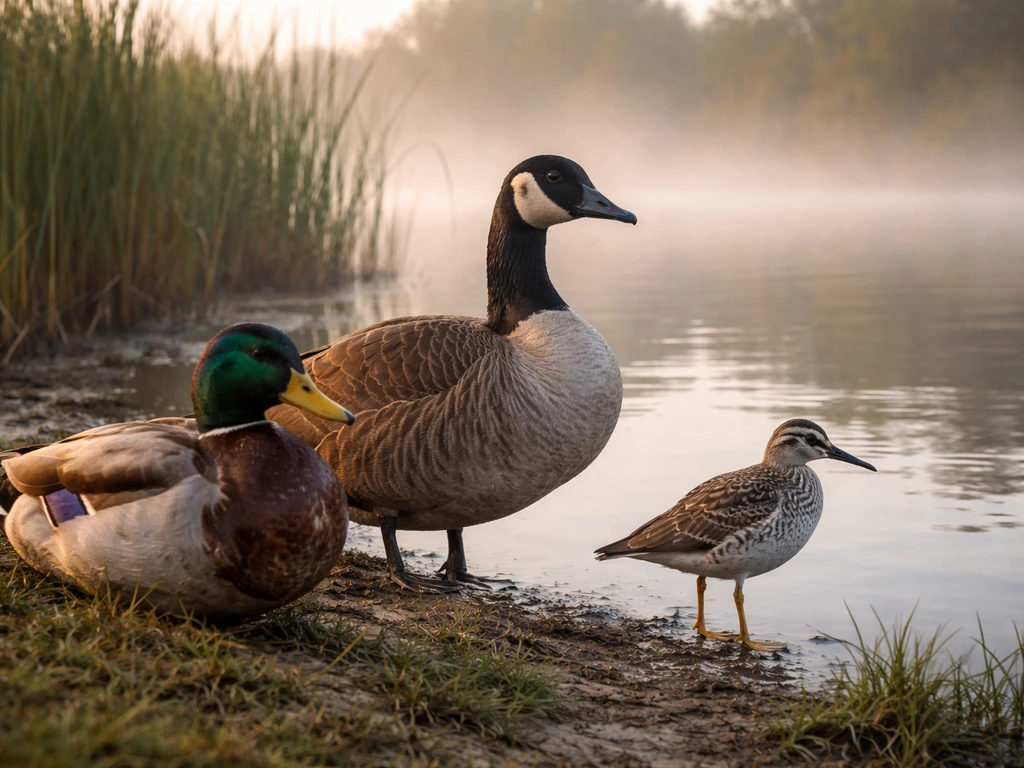
Wild waterfowl, particularly ducks, geese, and shorebirds, are the natural reservoir for avian influenza viruses. They carry many strains without getting seriously ill, shedding virus in their droppings, saliva, and nasal secretions. Domestic poultry, including chickens, turkeys, and quail, have much less natural tolerance. When HPAI strains hit a poultry flock, the results can be rapid and devastating. The USDA APHIS notes that avian influenza, or bird flu, is a contagious viral disease of domestic and wild birds, and that HPAI strains are deadly to domestic poultry and can wipe out entire flocks within days.
For a full clinical picture, what the effects of bird flu look like in animals covers the progression in detail. In short, infected chickens and turkeys can show swollen heads, discoloration of the comb and wattles (the fleshy parts of a chicken's face and neck), respiratory distress, neurological signs like loss of coordination, and sudden death. With HPAI H5N1, mortality in an unvaccinated flock can reach 90 to 100 percent within days.
Beyond poultry, bird flu has been detected in a widening range of animals. Mink, foxes, sea lions, bears, and dairy cattle have all tested positive in recent years, often after exposure to infected wild birds or contaminated environments. The 2024 H5N1 outbreak in U.S. dairy cattle was particularly significant because it showed the virus could establish itself in a new mammalian host with direct implications for farm workers and food safety monitoring.
How bird flu spreads
Among birds and animals
The primary route of spread among birds is fecal-oral: infected birds shed virus in droppings, and susceptible birds pick it up by contacting contaminated water, feed, soil, or equipment. This is why shared water sources like ponds and drainage areas are such high-risk spots on farms. Virus can also spread via respiratory secretions during close contact. On commercial farms, mechanical transmission through contaminated clothing, boots, vehicles, and shared equipment is a major amplifier once the virus enters a facility.
From birds to humans
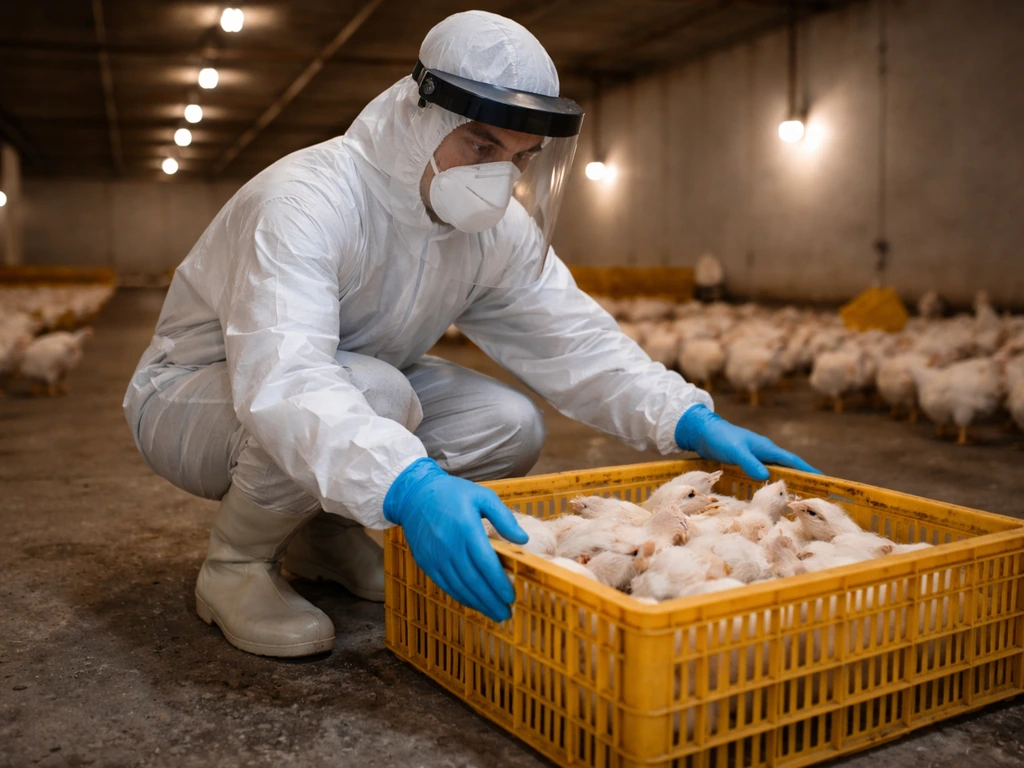
Human infections are rare but real. How bird flu is transmitted to people comes down to close, direct contact with infected birds or their environments. Handling sick or dead birds without protection, working in live poultry markets, or being exposed to heavily contaminated environments (barns, coops, wet markets) are the main risk factors. The CDC has confirmed that A(H5N1) and A(H7N9) have caused the majority of human avian influenza infections reported globally, with H5N6 and H9N2 also responsible for human cases in recent years. Sustained human-to-human transmission has not been established for any current bird flu strain, which is the key factor keeping this from becoming a pandemic today.
If you want a broader breakdown of exposure scenarios, what bird flu is and how you can get it walks through the contact patterns that actually matter versus the ones that don't, including the question of whether eating poultry or eggs poses a risk.
Symptoms: what to look for in birds and in people
In poultry and other animals
- Sudden, unexplained death in multiple birds with no prior signs
- Swollen head, face, eyelids, or wattles
- Purple or blue discoloration of the comb and wattles (cyanosis)
- Nasal discharge, coughing, and sneezing
- Watery or bloody diarrhea
- Lack of coordination, tremors, or other neurological signs
- Dramatic drop in egg production or soft-shelled eggs
- Reduced appetite and sudden lethargy across the flock
In mammals like mink or sea lions, signs have included severe respiratory illness, neurological symptoms, and high mortality. In dairy cattle infected with H5N1, the main presentation has been a sharp drop in milk production alongside thick, discolored milk, rather than the severe respiratory disease seen in poultry.
In humans

blank" rel="noopener noreferrer">Human symptoms from avian influenza A infections range from mild conjunctivitis (eye redness and irritation) to severe pneumonia. The typical onset includes fever above 38°C (100.4°F), cough, sore throat, muscle aches, and fatigue, which looks a lot like seasonal flu at first. What distinguishes severe avian influenza cases is how quickly they can progress to respiratory failure, acute respiratory distress syndrome (ARDS), and multi-organ involvement. H5N1 historically has had a high case fatality rate in confirmed human cases, though this is partly because mild cases are often undetected. What bird flu does to the human body covers the clinical course in more detail if you or someone you know has had a potential exposure.
How risky is this to people, really
This is where a lot of misinformation circulates, so let's be direct. The risk to the general public from bird flu right now is low. The vast majority of confirmed human cases globally have involved people with direct, sustained contact with infected animals: poultry farm workers, live market workers, and veterinarians. Casual exposure, like walking past a chicken in a yard or eating properly cooked poultry, does not create meaningful risk.
That said, the risk is not zero, and it is worth understanding the difference between current risk and potential risk. Bird flu is monitored so closely precisely because Influenza A viruses have pandemic history. Each time a new mammalian host is infected, there are more opportunities for the virus to mutate in ways that could make human-to-human spread easier. The 2024 U.S. dairy cattle outbreak led to dozens of confirmed human cases among farm workers, with most experiencing mild illness. That outcome is reassuring, but it also underlines why surveillance and biosecurity matter.
To understand what "bird flu" actually means in the context of outbreak alerts and public health language, what bird flu means when officials use the term helps decode the terminology so you can interpret news reports accurately.
Prevention and biosecurity: what to do on a farm or at home
For poultry farmers and backyard keepers

- Keep flocks away from wild birds by using covered runs, netting, and enclosed housing, especially during migration seasons when wild waterfowl are active in your area.
- Use dedicated footwear and clothing for the coop or barn that stays on-site. Clean and disinfect boots before entering and before leaving.
- Source birds from reputable suppliers with documented health screening. Quarantine any new birds for at least 30 days before introducing them to your existing flock.
- Never share equipment between farms without thorough cleaning and disinfection. This includes feeders, waterers, crates, and vehicles.
- Report sudden unexplained illness or death in your birds to your state veterinarian or local agricultural authority immediately. Early detection limits spread and protects neighboring farms.
- Keep detailed records of visitors, feed deliveries, and any birds entering or leaving your property. Traceability is critical in outbreak investigations.
- Ensure fresh, clean water is sourced from closed systems rather than open ponds or streams that wild birds can access.
For households and general consumers
- Cook poultry to an internal temperature of 74°C (165°F) and eggs until both yolk and white are firm. Proper cooking inactivates avian influenza viruses.
- Wash hands thoroughly with soap and water after handling raw poultry or eggs.
- Avoid contact with sick or dead wild birds. If you find a dead bird (especially a wild duck, goose, or raptor), do not handle it with bare hands. Report unusual die-offs to local wildlife authorities.
- If you keep backyard chickens, follow the same biosecurity basics as small-scale farmers: limit wild bird access, clean regularly, and monitor for signs of illness.
- People who work with poultry or livestock should wear appropriate personal protective equipment (gloves, eye protection, respiratory protection) when handling sick animals or cleaning contaminated areas.
Diagnosis, treatment, and vaccines
Getting a diagnosis
In birds, avian influenza is diagnosed through laboratory testing of swabs (cloacal and oropharyngeal) or tissue samples. State and federal veterinary labs can run PCR tests that identify both the presence of influenza A and the specific subtype. In humans, diagnosis follows a similar path: a nasopharyngeal swab tested by PCR at a public health laboratory. If you or someone in your household develops flu-like symptoms within 10 days of direct contact with sick or dead poultry, live bird markets, or infected animals, tell your doctor about that exposure immediately. Standard flu tests may not detect avian influenza subtypes reliably, so the exposure history is crucial for getting the right test ordered.
Treatment options
For humans, antiviral medications in the neuraminidase inhibitor class, particularly oseltamivir (Tamiflu) and zanamivir (Relenza), are the current treatment of choice. They work best when started early, ideally within 48 hours of symptom onset. Baloxavir marboxil is a newer antiviral that has also shown activity against influenza A strains including some avian subtypes. For severe cases, hospitalization and supportive care (oxygen, mechanical ventilation) may be needed. There is no treatment that cures bird flu in poultry; infected flocks are typically culled to prevent spread, which is one reason early reporting matters so much.
The vaccine picture
| Aspect | In Poultry/Birds | In Humans |
|---|---|---|
| Vaccine availability | Available and used in some countries (e.g., China, Egypt, Vietnam); not widely used in the U.S. due to trade and surveillance concerns | Candidate H5N1 vaccines exist in government stockpiles; not available for general public as of April 2026 |
| Current use | Targeted vaccination in high-risk regions and specific outbreak scenarios | Strategic reserve for potential pandemic response; limited trials ongoing |
| Effectiveness | Reduces mortality and viral shedding but does not fully prevent infection or spread | Pre-pandemic stockpile vaccines show immune responses but are not yet matched to current circulating strains |
| Seasonal flu vaccine protection | Not applicable | Does not protect against avian influenza subtypes; still recommended to reduce co-infection risk |
| Key limitation | Vaccinated birds can still carry and shed virus, complicating surveillance | No licensed H5N1 vaccine available to the general public; rollout would depend on a declared pandemic |
The practical takeaway on vaccines: if you are a poultry farmer in the U.S., vaccination is not currently part of the standard control strategy, and any decision to vaccinate would involve coordination with state and federal authorities. If you are a concerned individual wondering whether you should get vaccinated against bird flu, the honest answer is that there is nothing available to the general public right now, and the seasonal flu shot, while important for overall health, does not cover avian strains.
What to do right now if you are concerned
If you are a farmer or backyard keeper and you have seen unusual illness or sudden deaths in your flock, call your state veterinarian or USDA's toll-free number (1-866-536-7593) today. Do not wait to see if the birds recover. If you have had direct contact with sick poultry or other infected animals and you are now feeling unwell with fever and respiratory symptoms, call your doctor or local health department and specifically mention the animal contact. Do not just walk into an emergency room without calling ahead, because healthcare facilities need to prepare appropriate precautions.
If you are simply trying to understand the disease and your actual risk as a consumer or concerned citizen, the most important things to remember are: cook your food properly, avoid handling sick or dead wild birds, and stay informed through the CDC and USDA websites rather than social media. Bird flu is a serious animal disease that warrants vigilance, not panic. Understanding what bird flu means in practical terms and knowing the actual transmission thresholds puts you in a much better position than either ignoring it or catastrophizing.
FAQ
What is the difference between bird flu and “avian influenza” (are they the same disease)?
In everyday public health language, “bird flu” and “avian influenza” refer to the same overall condition, a viral infection caused by influenza A viruses that circulate in birds. “Bird flu” is a general label, while “avian influenza” is the technical term used in official definitions and lab reporting.
If someone eats chicken or eggs, can they get bird flu from food?
Risk from properly cooked poultry and eggs is considered very low. The main concern is exposure to contaminated environments or infected animals, not ingestion. If you have sick household members or ongoing symptoms after an exposure, your doctor will still focus on the contact history rather than food history.
How do I know whether I’m dealing with low pathogenic (LPAI) or highly pathogenic avian influenza (HPAI)?
You cannot reliably tell by appearance alone, because LPAI can cause mild or even no symptoms in birds. The distinction is determined by lab testing and characterization, including whether the strain is classified as highly pathogenic, so outbreak alerts should be treated as lab-confirmed guidance, not visual impressions.
Can bird flu spread through water even if the birds never touch my chickens directly?
Yes. Since virus can be shed in droppings and secretions, shared ponds, drainage ditches, and water troughs can act as contamination sources. Even without direct bird-to-bird contact, using the same water supply, foot traffic between areas, or shared equipment can spread virus.
Is human-to-human spread possible with bird flu?
Sustained human-to-human transmission has not been established for current bird flu strains of concern. However, public health monitoring is crucial because each new mammalian infection can create opportunities for mutations that might change transmissibility, so guidance can evolve with new findings.
What should I do if I had contact with a sick or dead bird and then developed symptoms?
Call your healthcare provider or local health department and describe the specific exposure, including the type of animal, timing, and setting (for example, live market, farm work, barn exposure, or handling carcasses). Standard flu tests may not confirm the avian subtype, so the clinician may need to order targeted testing.
How soon after exposure do symptoms usually appear?
Symptoms typically begin within days after the relevant exposure, and clinicians use timing windows to decide whether bird flu evaluation is appropriate. The article’s practical threshold is about 10 days, so if symptoms appear within that period after direct animal or environment contact, you should report the exposure promptly.
Are seasonal flu shots helpful if bird flu is spreading?
Seasonal flu vaccination does not cover avian influenza subtypes. It can still be useful for preventing typical seasonal influenza A and B, which reduces diagnostic confusion and lowers the chance of co-infection, but it does not protect specifically against bird flu viruses.
What precautions should farm workers or backyard keepers use if they suspect bird flu in birds?
Avoid handling sick or dead birds without protection, isolate the area, and follow biosecurity steps such as limiting entry, using disposable or dedicated clothing and footwear, and sanitizing equipment. Because mechanical spread via boots, vehicles, and clothing can amplify outbreaks, cleaning and restricting movement are as important as separating birds.
If a poultry flock is infected, why is culling recommended instead of “treating” the birds?
There is no curative treatment for bird flu in poultry. The goal is to stop transmission, so infected flocks are typically culled, and reporting quickly allows veterinary and public health actions to limit spread to other farms and animal populations.
Do pets like cats or dogs get bird flu from farm animals or wild birds?
Bird flu has been detected in multiple mammals, but domestic pets are not the main pathway to human risk. If pets have had close contact with sick birds or contaminated materials, the safer approach is to contact a veterinarian and describe the exposure, especially if pets develop respiratory or neurological illness.
What symptoms in humans should trigger concern beyond “regular flu”?
Bird flu can start like seasonal flu, with fever, cough, sore throat, muscle aches, and fatigue, but it may progress quickly to severe respiratory illness. Seek urgent medical advice if symptoms worsen rapidly or include signs of breathing difficulty, and always mention any recent direct animal or barn, market, or contaminated-environment exposure.
Where should someone call for help after seeing unusual poultry illness or sudden bird deaths?
If you suspect a bird flu outbreak in poultry or backyard birds, contact your state veterinarian and follow USDA guidance for reporting. Don’t wait for recovery, because early notification supports faster testing, containment, and recommendations for people who may have been exposed.
Next Articles
Is Bird Flu in Europe Now? Risk, Symptoms, Safety Steps
Find out if bird flu is in Europe now, current risk, symptoms, food safety, and exact steps for handling exposure safely
What Is Being Done About Bird Flu: Response, Vaccines, Safety
How agencies detect, contain and treat bird flu, plus biosecurity, vaccines, human steps, and safe egg and poultry guida

What Countries Have Bird Flu Now: Updated List and How to Check
Updated list of countries with bird flu, how to verify current reports, and what to do for poultry and travel.