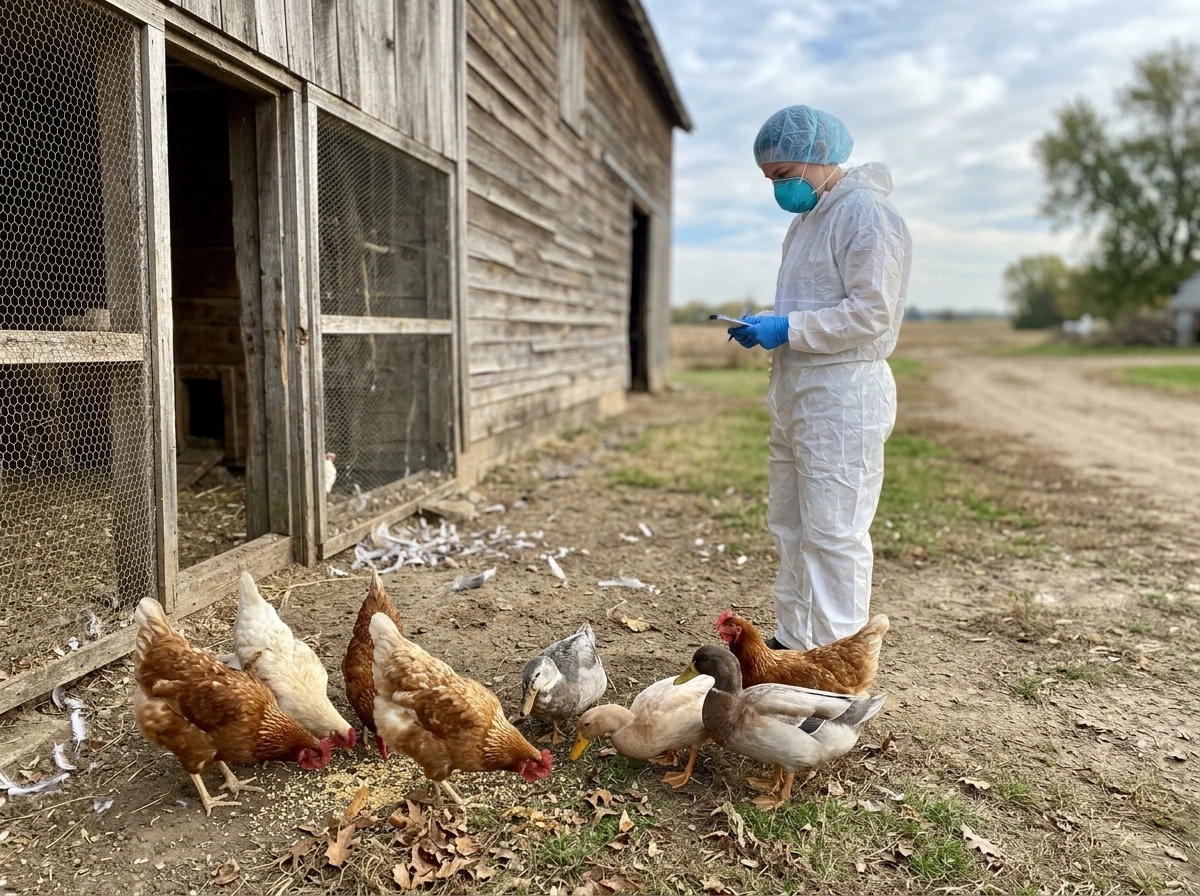
Bird flu is a real concern right now, and it makes sense that you want the facts. Here is what you actually need to know: bird flu (technically avian influenza) is a viral infection that primarily affects birds, but certain strains, most notably H5N1, can infect humans who come into close contact with infected animals or their environments. The current public health focus in the U.S. is on highly pathogenic avian influenza A(H5N1), often shortened to 'H5N1 bird flu.' The good news is that as of today, there is no confirmed sustained human-to-human spread in the United States or anywhere else in the world. That matters a lot, and we will come back to it. But it does not mean you should ignore it, especially if you live or work around birds, poultry, or livestock.
What to Know About Bird Flu: Symptoms, Exposure, Steps

Bird flu basics: what it is and why it matters
Avian influenza viruses are influenza A viruses that naturally circulate among wild birds. Most strains do not infect people at all. The ones that occasionally do, especially H5N1, are classified as 'highly pathogenic,' meaning they cause severe illness in poultry and can, under the right exposure conditions, infect humans. The World Health Organization describes avian influenza as an infection mainly affecting birds that can sometimes cause sporadic infections in humans, almost always tied to direct exposure to infected animals or contaminated environments.
Why does it matter today? Because H5N1 has been spreading more broadly among wild birds and has crossed into dairy cattle herds in the U.S., creating new exposure pathways that did not exist a few years ago. That expanded animal reservoir means more chances for incidental human exposure, which is why public health agencies are paying close attention. It is not a pandemic right now, but it is something worth understanding clearly, especially if your daily life puts you near birds or farm animals.
How bird flu spreads, and how people can get exposed
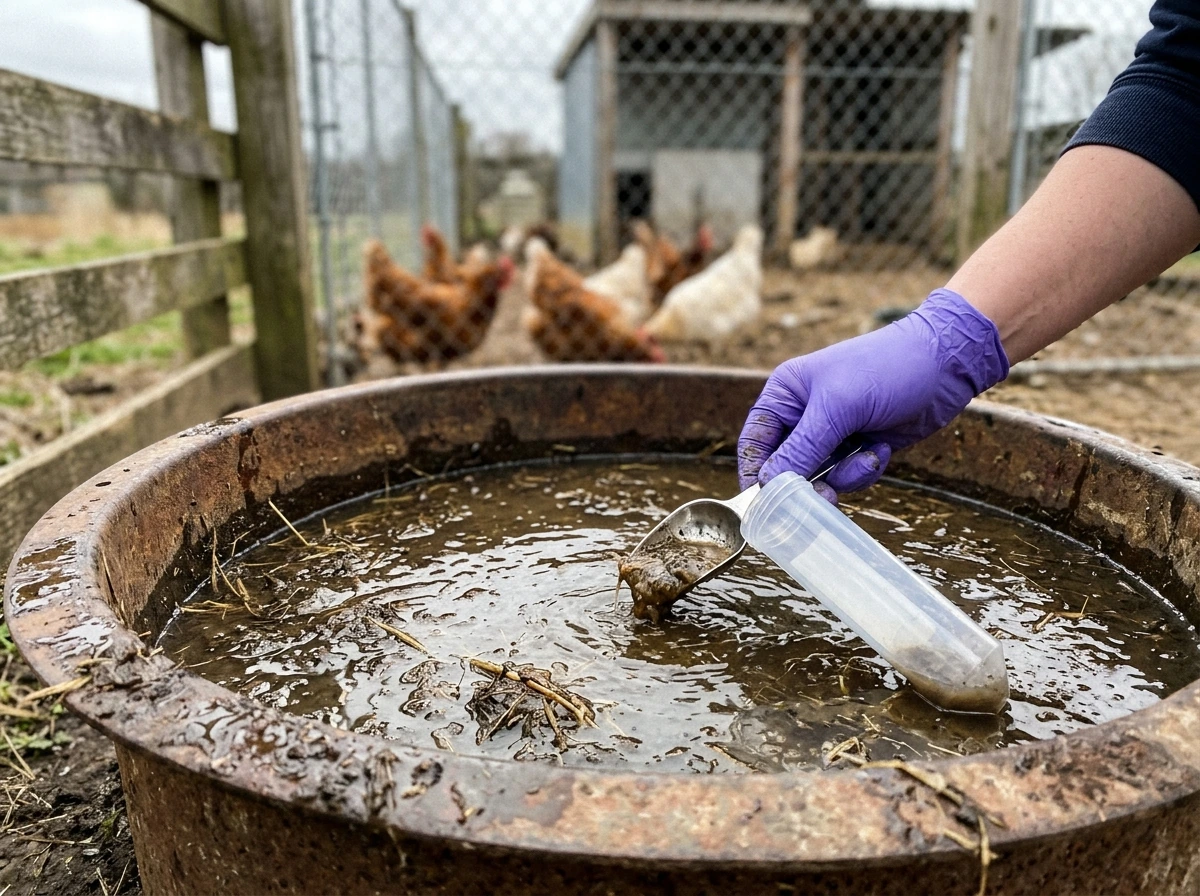
Bird flu spreads among birds primarily through direct contact with infected birds, their droppings, saliva, and respiratory secretions, as well as through contaminated water, feed, and surfaces. Wild birds (especially waterfowl) often carry the virus without showing symptoms and can infect domestic poultry when the two populations interact. From there, the virus can reach backyard flocks, commercial farms, and in recent cases, dairy cattle.
For humans, exposure almost always happens through direct, close contact with infected animals or their environments. The CDC is specific about this: human infection occurs after exposure to infected animals or the environments they live in. The most common exposure routes include handling sick or dead birds, contact with the feces, litter, or bodily fluids of infected birds or mammals, and, notably in recent U.S. cases, unprotected exposure to raw milk from infected dairy cattle. An example the CDC highlights as a high-risk scenario is an unprotected splash of raw cow milk in the face from a potentially infected animal.
The critical point about human-to-human transmission: it has not been identified in the U.S., and sustained human-to-human transmission has not been reported anywhere in the world. That is a meaningful distinction. It means the virus is not spreading from person to person in communities the way seasonal flu does. Almost every human case traces back to an animal exposure event.
Who is most at risk, and what real-world exposure looks like
If you have no contact with birds, poultry, or livestock, your personal risk right now is very low. The people who need to pay the closest attention are those with regular or occupational exposure to animals. The CDC specifically calls out dairy workers and poultry workers as groups with meaningful exposure potential, and organizes risk into low, medium, and high categories based on job task and protection used.bird flu.
Real-world exposure scenarios that put people at higher risk include:
- Working on a poultry farm during a culling or depopulation response without recommended PPE (personal protective equipment)
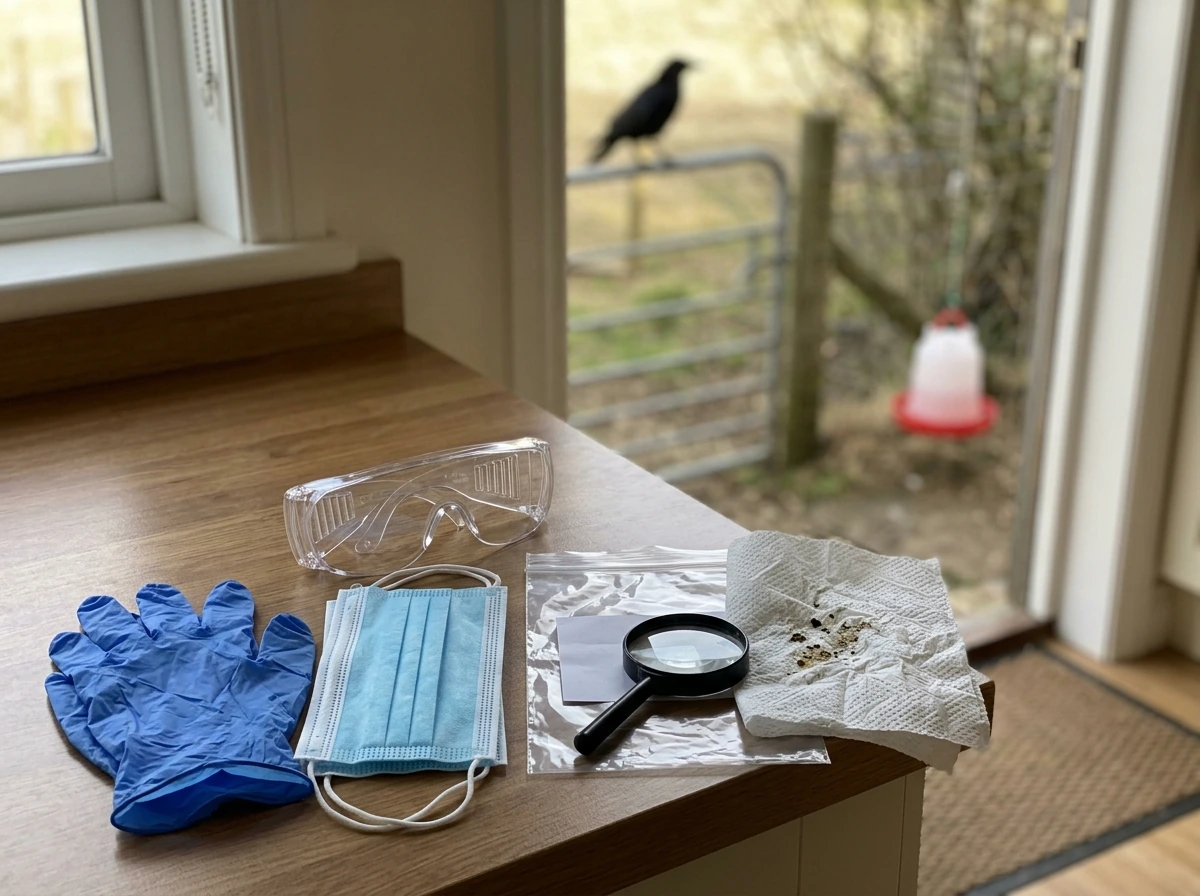
- Handling sick or dead wild birds or backyard poultry without gloves or eye protection
- Working in a dairy barn with infected cows, especially during milking, without eye and respiratory protection
- Close, unprotected contact (within about six feet) with infected birds or animals without a mask or eye protection
- Touching your face after handling contaminated materials like litter, feces, or raw milk
Backyard flock owners are also a group worth mentioning. Backyard birds can be exposed to wild birds and become infected, and owners who handle their flock daily may not think of themselves as 'farm workers,' but they carry similar exposure risks. If you keep chickens or ducks, the guidance below applies directly to you.
Human symptoms to watch for, and when to get care
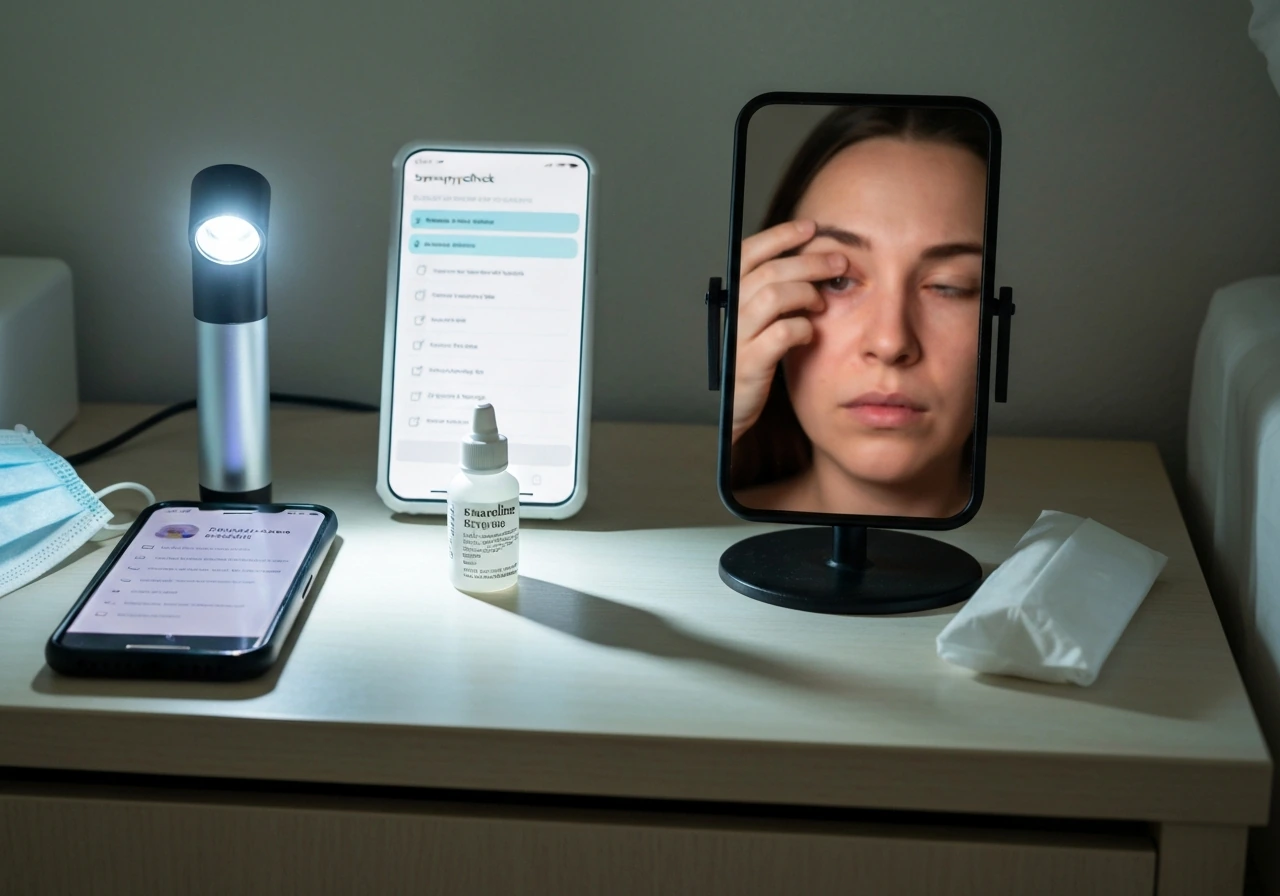
This is important to understand: human illness from H5N1 bird flu can range from very mild to extremely severe. The mild end includes symptoms like conjunctivitis (red, irritated, or runny eyes), sore throat, cough, runny nose, fatigue, muscle aches, headache, and mild fever. Those can look a lot like a regular cold or flu, which is exactly why exposure history matters so much when you talk to a doctor. The severe end includes pneumonia, multi-organ failure, encephalitis (brain inflammation), and can be fatal.
According to CDC guidance for clinicians, the symptoms that should raise concern for H5N1 specifically, in the context of a relevant exposure, include acute respiratory illness or conjunctivitis. PAHO and WHO both flag fever, cough, upper respiratory symptoms, conjunctivitis, and gastrointestinal symptoms as the reported human symptom profile. Note that conjunctivitis (eye redness or discharge) appearing after a bird or animal exposure is a specific and relatively distinctive warning sign.
When should you seek care? If you develop any of those symptoms within 10 days of a known or suspected exposure to potentially infected birds, poultry, or dairy cattle, contact a healthcare provider promptly. Do not wait to see if it gets worse. Call ahead before going to a clinic so they can prepare appropriately and ask about your exposure history. Mention the exposure immediately, because without that context, a clinician may not think to test for avian influenza.
What to do after a suspected exposure
If you think you have had a significant exposure to potentially infected birds or animals, here is a practical step-by-step approach based on CDC and WHO guidance:
- Monitor your health for 10 days after your last exposure. The CDC uses a 10-day monitoring window for exposed persons in U.S. investigations.
- Watch for any of the symptoms described above, especially fever, respiratory symptoms, or eye irritation.
- Contact your local or state health department to report a significant exposure. Occupational exposures on farms should be reported through workplace health channels as well.
- Call a healthcare provider if symptoms appear. Call ahead, describe the exposure, and ask for guidance on where and how to be evaluated.
- Ask your provider about antiviral post-exposure prophylaxis (PEP). The CDC has interim guidance recommending oseltamivir (Tamiflu) as PEP for certain exposures to novel influenza A viruses including H5N1. This is a twice-daily dosing regimen and the decision is made based on your specific exposure level.
- Avoid close contact with others while symptomatic, as a standard precaution, even though human-to-human spread has not been documented.
- Do not handle birds or animals again until cleared by a public health official if you are in an active investigation.
The antiviral piece is worth emphasizing: oseltamivir PEP is not a guarantee, and it is based on limited data, but it is the current interim recommendation the CDC is using for high-exposure situations. This is a conversation to have with your doctor or public health contact right away after a significant exposure, not a week later.
Prevention steps you can actually take
Prevention is where you have the most control. The core principle across all CDC and WHO guidance is the same: reduce your exposure to potentially infected birds, animals, and the environments they live in. Here is how that breaks down by situation.
If you keep backyard birds or poultry
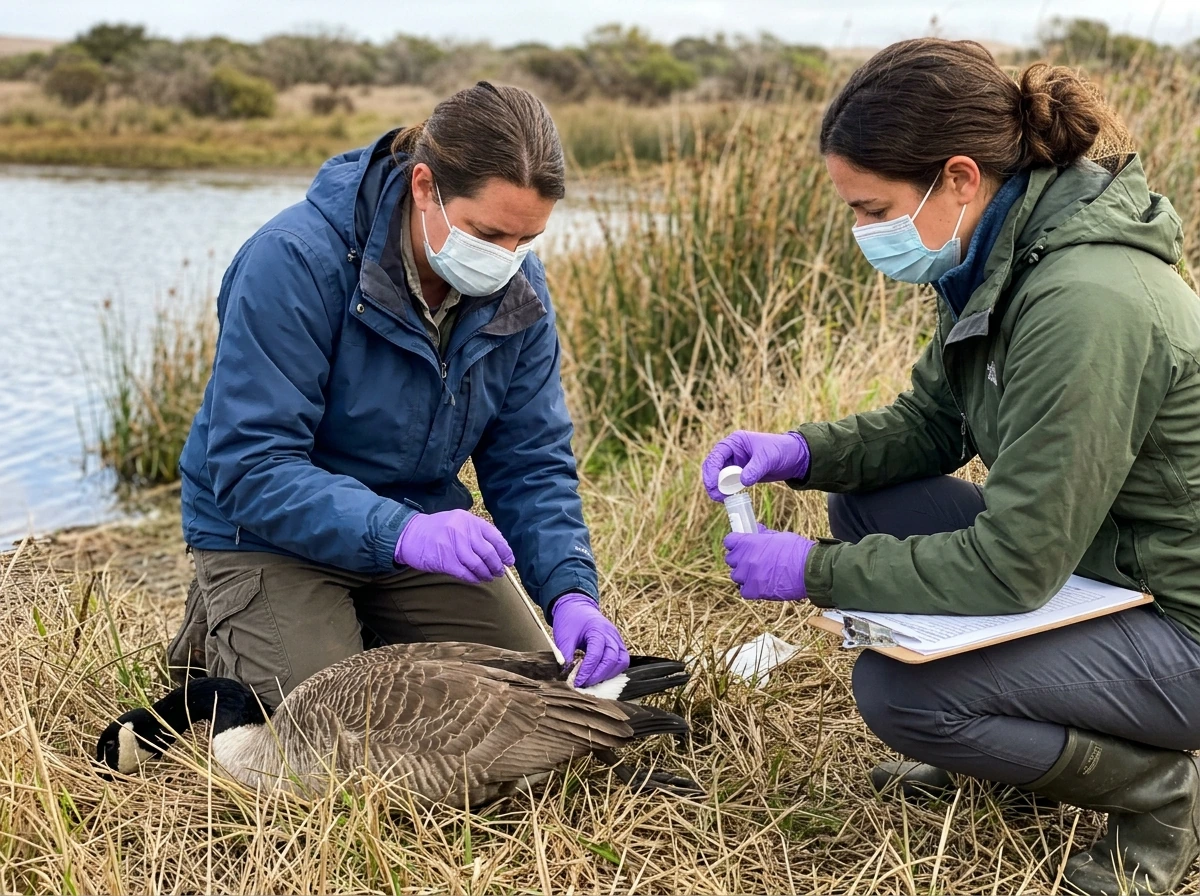
- Do not touch sick or dead birds with bare hands. Use gloves and wash your hands thoroughly afterward.
- Do not touch bird feces, litter, or water sources from potentially infected birds without PPE.
- Limit wild bird access to your flock's feed and water to reduce cross-contamination risk.
- Observe your flock regularly and report unusual illness or death to your state veterinarian or USDA.
- Wear a well-fitting mask and eye protection if you are handling birds during a suspected outbreak in your area.
If you work on a farm or with livestock
- Wear appropriate PPE during high-risk tasks: gloves, eye protection (goggles or face shield), an N95 or better respirator, and protective clothing.
- During poultry culling or depopulation, full PPE is essential. This is one of the CDC's specifically flagged high-risk scenarios.
- In dairy settings, avoid unprotected exposure to raw milk, especially during milking. Eye protection matters here.
- Change and launder work clothes before leaving the farm where possible.
- Follow your employer's or your state's specific H5N1 worker guidance, which may be more detailed depending on your region.
General hygiene and everyday precautions
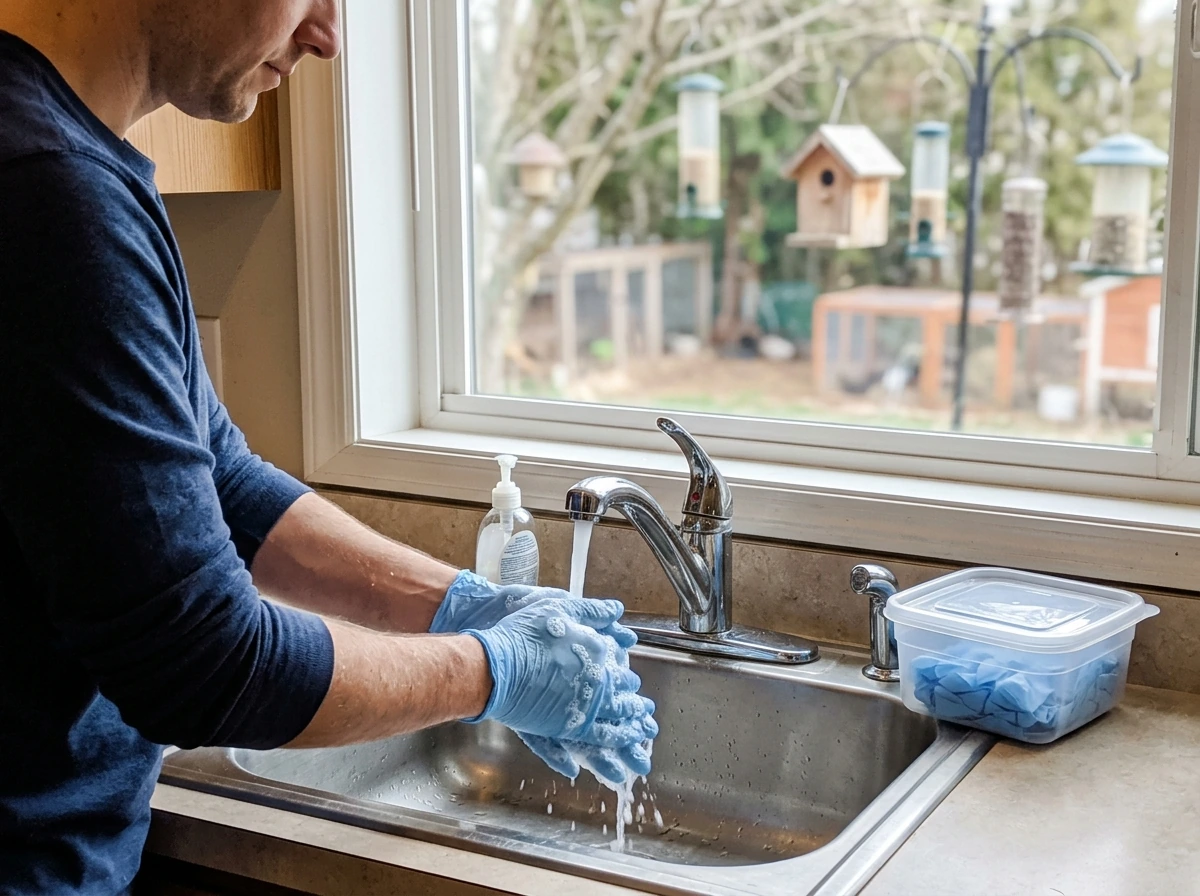
- Wash your hands with soap and water thoroughly after any contact with birds, animals, or their environments.
- Do not consume raw or undercooked poultry or eggs, and avoid raw milk from potentially infected herds.
- Do not handle wild birds, even if they appear sick or injured, without protection. Contact wildlife authorities instead.
- If you are traveling internationally to areas with active avian influenza outbreaks, avoid live poultry markets and farms where possible, and follow WHO and CDC travel advisories.
How to stay updated with trustworthy information
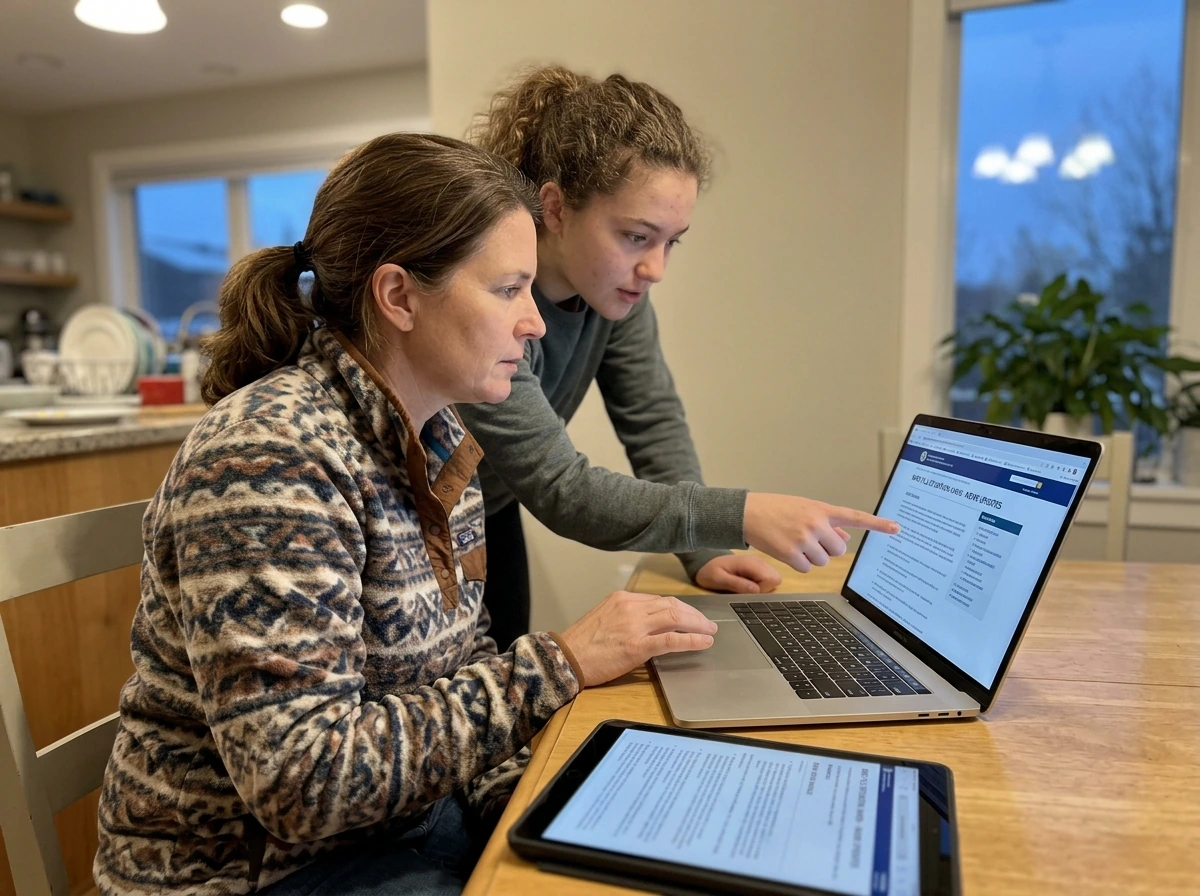
The information landscape around bird flu moves fast, and not all of it is reliable. Here are the sources worth bookmarking and checking regularly, along with what each one is most useful for.
| Source | What it covers | Best for |
|---|---|---|
| CDC A(H5) Bird Flu: Current Situation page | U.S. human case counts, animal situation updates, updated every 2 weeks aligned with routine influenza data cycles | Up-to-date U.S. situation tracking |
| CDC Wild Bird Flu Situation page | Wild bird H5 detections by region and species | Understanding where the virus is circulating in wildlife near you |
| CDC Global Summary of Recent Human H5N1 Cases | Periodic international case summaries with date ranges | Global context for human case trends |
| WHO Avian Influenza Q&A and Disease Outbreak News | Definitions, transmission basics, international outbreak notifications | Understanding the global picture and official WHO guidance |
| Your state health department website | Local alerts, farm outbreak notifications, worker guidance specific to your state | Localized risk and response info |
| USDA APHIS (Animal and Plant Health Inspection Service) | Confirmed detections in poultry and dairy cattle by state | Knowing what is happening in food animal populations near you |
One practical note: the CDC streamlined its H5 updates to align with routine influenza data reporting, so expect updates roughly every two weeks rather than daily. If you want faster notifications on major developments, the CDC's Health Alert Network (HAN) is the channel to watch, as it is where clinician-level alerts about confirmed human cases and new guidance are published first.
When you talk to a clinician, come prepared. The most useful things to tell them are: what your exposure was specifically (what animal, what activity, what protection you were or were not wearing), when the exposure happened, and what symptoms you are experiencing and when they started. If you have had potential farm or poultry exposure and you are feeling unwell, lead with that information. It changes the clinical picture immediately and determines whether testing for avian influenza is appropriate.
The bottom line: bird flu is worth taking seriously as a public health matter, but the practical steps to protect yourself are concrete and manageable. Reduce your exposure to infected or potentially infected animals, use protection when you cannot avoid contact, know the symptoms, monitor yourself for 10 days after any significant exposure, and go to a provider promptly if something feels off. That is genuinely most of what you need to do today.
FAQ
If I touched a sick bird or cleaned bird droppings, do I need to quarantine myself for 10 days?
You usually do not need to quarantine unless a clinician or public health team tells you to. What matters is self-monitoring for symptoms for 10 days after the exposure, and contacting a healthcare provider promptly if symptoms begin. If you were unprotected during the exposure, especially with eye or face contact, call ahead so testing and treatment decisions can be made quickly.
What counts as a “significant exposure” that makes antiviral preventive treatment worth discussing?
“Significant” generally means close, unprotected contact with potentially infected animals or their environments, such as handling sick or dead birds, cleaning areas contaminated with feces or secretions, or exposure of the eyes, nose, or mouth due to splashes. If the exposure involved no protective equipment, or you received material onto your face, you should treat it as potentially significant and contact a clinician or public health line immediately.
Can I catch bird flu just from being in the same area as birds, like walking near wildlife?
In most situations, casual contact or being outdoors near wild birds does not create the same exposure pathway as handling animals or contaminated materials. Higher concern is tied to direct contact with infected birds or their droppings, litter, respiratory secretions, or contaminated environments where splash and close contact are possible.
If I only had symptoms but no obvious animal contact, should I still ask about bird flu testing?
Testing decisions depend heavily on exposure history. If you have conjunctivitis or an acute respiratory illness and you had any credible exposure in the prior 10 days, mention it specifically to the clinician. If there is truly no animal or farm exposure, clinicians will typically consider more common causes first.
What symptom pattern is most concerning after an exposure?
Conjunctivitis after a bird or animal exposure is a relatively distinctive warning sign, especially when it appears in the days after exposure. Acute respiratory illness with fever, cough, or breathing symptoms also raises concern when it occurs within 10 days of potential exposure.
Do gastrointestinal symptoms alone mean I have bird flu?
Gastrointestinal symptoms can be part of the reported symptom profile, but they are not specific. If GI symptoms occur with relevant exposure, especially alongside fever or respiratory symptoms, contact a healthcare provider and emphasize the exposure details, since the clinician may weigh avian influenza higher in that context.
Should I wear a mask or eye protection when working with birds or dairy cattle?
If you are handling animals, cleaning, or working in areas with droppings or contaminated bedding, use appropriate protective equipment to prevent exposure of your eyes, nose, and mouth. The key goal is preventing face splash and minimizing contact with secretions and contaminated surfaces, particularly if you cannot fully avoid close work.
What should I do with leftover raw milk or suspect contaminated dairy products?
Do not consume raw milk or dairy products from herds or animals that are potentially infected. If you are involved in dairy work and suspect contamination, follow your workplace and public health instructions for disposal and sanitation rather than improvising.
If someone close to me gets sick, do I need to avoid them or take special precautions at home?
Because sustained human-to-human spread has not been identified, household contact generally is not treated the same way as seasonal flu. However, if you shared a common animal exposure and you develop symptoms, contact a healthcare provider. If there is a known exposure event, ask the clinician or public health team whether additional precautions are needed for your specific situation.
When contacting a clinician, what exact details should I provide to improve the chance they test appropriately?
Be ready with: what animal or setting you were exposed to (bird type, poultry site, or dairy herd), what you were doing (handling, cleaning, milking, entering barns), what protection you used or did not use, when the exposure happened, and when symptoms started. Leading with the exposure history helps the clinician decide whether avian influenza testing fits the scenario.
What if my symptoms start after 10 days from exposure?
The 10-day window is a practical guidance point for monitoring after exposure, but if you develop concerning symptoms later, you should still seek medical advice. Explain the timeline clearly and include any other possible exposures you may have had, because clinicians will consider the full context rather than the window alone.
What Is the Avian Bird Flu (Avian Influenza)?
Plain-English guide to avian bird flu, what it is, what causes it, how it spreads, and what to do if you’re exposed.