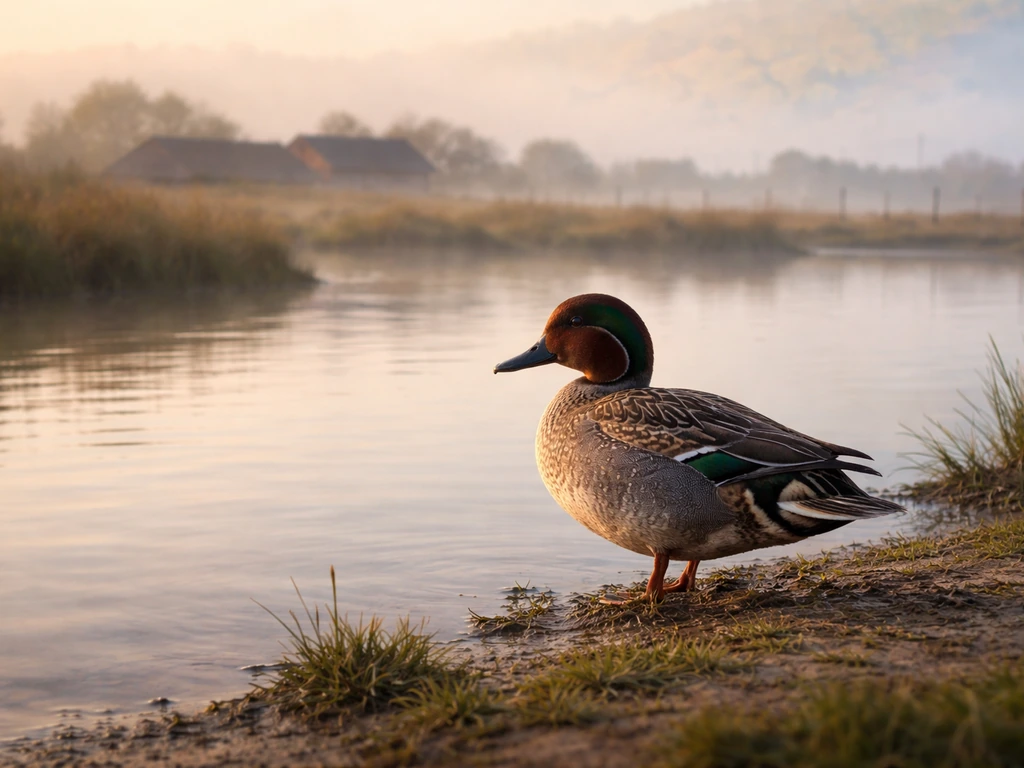
Yes, bird flu has been detected in Massachusetts. As of early 2026, there was a confirmed case of Highly Pathogenic Avian Influenza (HPAI) in a backyard flock in Dukes County, with the depopulation recorded on January 6, 2026. Wild bird detections tracked by Massachusetts Department of Fish and Wildlife through the USDA APHIS database have also been documented in the state. That said, no human cases have been linked to Massachusetts, the general public risk remains low, and commercially sold eggs and poultry on store shelves are safe when handled and cooked properly. Here is what you actually need to know and do right now.
Is Bird Flu in Massachusetts Right Now? What to Know

Sarah Chen
10 Jun 2026
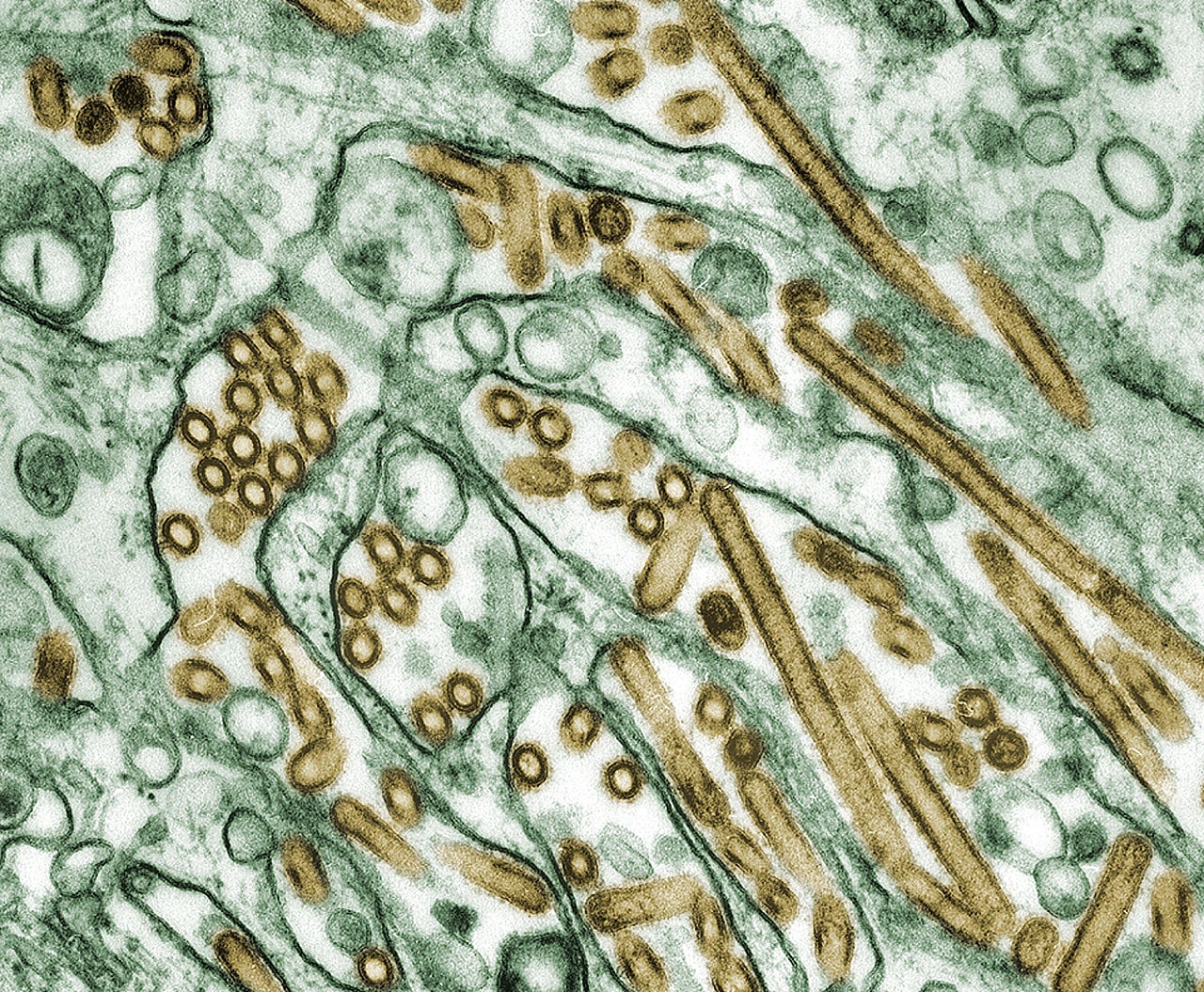
What's been confirmed in Massachusetts so far
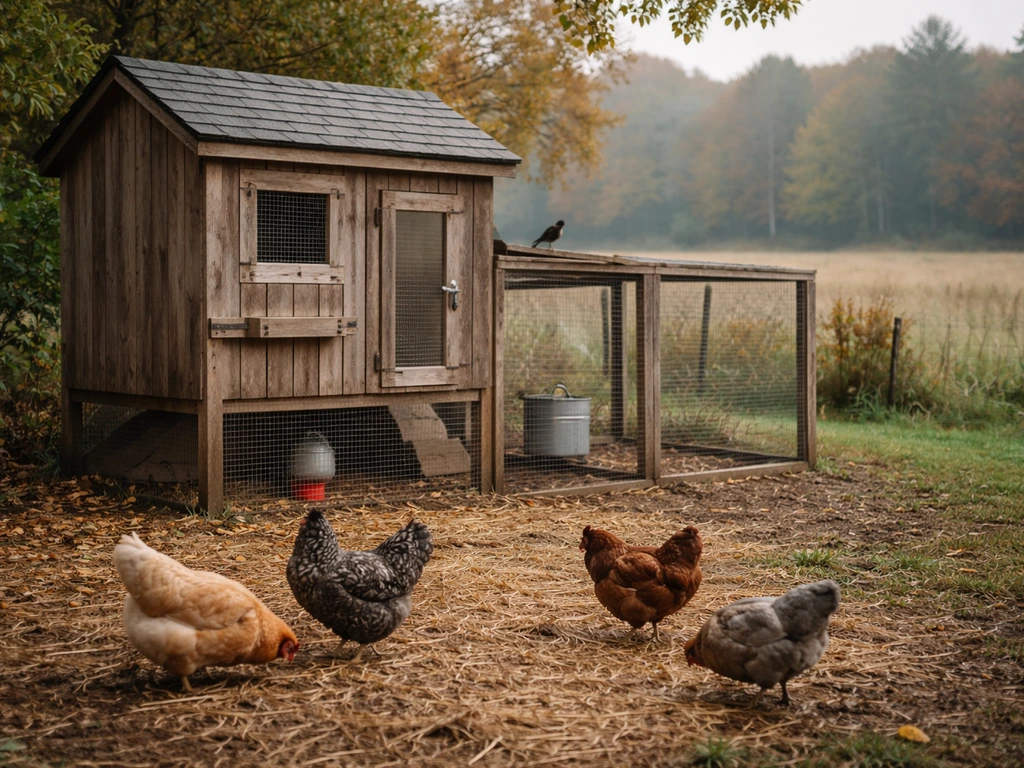
The most concrete recent event in Massachusetts is the January 2026 depopulation of a non-commercial backyard flock in Dukes County (Martha's Vineyard) due to a confirmed HPAI detection. "Depopulation" means the birds were humanely euthanized to stop the virus from spreading further, which is standard protocol under both state and federal response guidelines. This was classified by the World Organisation for Animal Health (WOAH) as a non-poultry species in a non-commercial setting, meaning it was not a commercial farm operation.
Wild bird detections in Massachusetts have also been logged in the USDA APHIS tracking database, identified through the Massachusetts Department of Fish and Wildlife (MA DFW) partnership. These detections are confirmed via PCR testing, which is the gold-standard molecular test for identifying the virus. Wild bird detections do not automatically mean your backyard flock or household is at risk, but they do signal that the virus is circulating in the environment and that precautions matter.
To get the most current picture as of today, check two primary sources: the Mass.gov Department of Agricultural Resources avian influenza page, and the USDA APHIS confirmed HPAI detections page for both commercial and backyard flocks. These are updated as new cases are confirmed and will always be more current than any article you read.
How bird flu actually spreads in the U.S.
Wild birds, especially waterfowl like ducks and geese, are the main reservoir of HPAI. They carry the virus in their droppings and can contaminate water sources, soil, and surfaces during migration. Domestic poultry, including chickens, turkeys, and ducks, become infected primarily through contact with infected wild birds or exposure to contaminated environments. This is why spring and fall migration seasons tend to drive the most outbreak activity.
The virus can also travel indirectly through contaminated farm equipment, egg flats or crates, and even people's clothing, shoes, and hands. This is not a theoretical risk: equipment and footwear have been implicated in spreading HPAI between flocks. That's the whole reason biosecurity protocols exist, and it's why even visiting a neighbor's flock after being near your own carries real risk.
Human infection is uncommon and is almost entirely tied to direct, close contact with sick or dead birds or heavily contaminated environments. Human-to-human transmission of avian influenza A viruses is rare. Probable limited transmission between people has been documented only in rare cases involving close, unprotected exposure to a symptomatic person. There is currently no sustained human-to-human transmission, which is what would be required for a pandemic-level event. Both the CDC and WHO confirm this remains the case as of 2026.
Symptoms to watch for: in people and in birds
Signs in people

If you have had direct contact with infected birds or their environment, monitor yourself for 10 days after your last exposure. Symptoms can start as early as 1 to 2 days after exposure (especially eye symptoms) or up to 7 days later for respiratory symptoms. Early illness often looks like seasonal flu: fever, cough, sore throat, muscle aches, and fatigue. It can progress to lower respiratory tract illness, including pneumonia. One distinguishing feature seen in some bird flu cases is conjunctivitis, meaning redness, irritation, or discharge in one or both eyes. If you develop any of these symptoms after a known exposure to sick or dead birds, contact your local health department before going to a clinic or hospital so they can guide your next steps.
Importantly, most US human cases reported so far have been mild overall and were all linked to known animal exposure. If you have no recent contact with birds or their environments, bird flu is a very unlikely explanation for flu-like symptoms.
Warning signs in birds and poultry
- Sudden, unexplained death in multiple birds
- Significant drop in egg production
- Lethargy, loss of appetite, or birds huddling together
- Swelling of the head, neck, or eyelids
- Discoloration or purple-blue tint to combs, wattles, or legs
- Neurological signs: twisting of the neck, tremors, loss of coordination
- Respiratory distress: labored breathing, nasal discharge, gasping
If you observe 5 or more wild bird deaths in one location, Massachusetts advises reporting this through the state's online form (available on Mass.gov). For sick or dying domestic birds, contact the Massachusetts Department of Agricultural Resources or USDA APHIS immediately. Do not wait to see if they recover.
Where to track current outbreak data
For Massachusetts-specific updates, start at Mass.gov and navigate to the Department of Agricultural Resources avian influenza section. The state posts news releases when new flock detections are confirmed, as they did for the January 2026 Dukes County event.
At the federal level, blank" rel="noopener noreferrer">USDA APHIS maintains two separate live tracking pages you should bookmark: one for confirmed HPAI in commercial and backyard flocks, and one for HPAI detections in wild birds. Both let you filter by state and show the date the detection was confirmed by PCR. To frame the risk as of today, CDC maintains an “A(H5) Bird Flu: Current Situation” page that summarizes the status in the U.S. and provides contextual risk assessment language blank" rel="noopener noreferrer">A(H5) Bird Flu Current Situation page. The CDC's A(H5) Bird Flu Current Situation page covers the human health side, including any confirmed US human cases and the agency's current risk assessment language. These three sources together give you a complete real-time picture. You can also look for Maryland updates by checking USDA APHIS confirmed detections filtered to Maryland for the most current information is bird flu in maryland.
| Source | What it tracks | Best for |
|---|---|---|
| Mass.gov (MDAR) | State flock detections, news releases, reporting forms | Massachusetts residents and flock owners |
| USDA APHIS – Flock page | Confirmed HPAI in commercial and backyard flocks by state/date | Poultry and backyard bird owners nationwide |
| USDA APHIS – Wild birds page | PCR-confirmed wild bird detections by state/species/date | Understanding environmental virus circulation |
| CDC A(H5) Situation page | Human cases, risk assessment, exposure guidance | Anyone concerned about personal health risk |
Is it safe? Eggs, poultry, and everyday exposure risks
Store-bought eggs and poultry are safe to eat. Birds affected by HPAI are not allowed to enter the commercial food supply, and both USDA inspection and cooking render any residual risk negligible. The key number to remember is 165°F: cooking poultry and eggs to an internal temperature of 165°F kills avian influenza viruses along with other pathogens. Use a meat thermometer rather than going by color or texture alone.
For eggs specifically, the FDA and USDA have conducted joint risk assessments and concluded that properly handled and cooked eggs from the retail market are safe during HPAI outbreaks. Avoid eating raw or undercooked eggs (runny yolks included) during active outbreak periods as a reasonable extra precaution.
For people who do not raise birds or work with poultry, everyday exposure risk is very low. Casual contact with healthy-appearing wild birds in a park, for example, is not the same as handling sick or dead birds with bare hands. The risk profile changes significantly if you are removing dead waterfowl, cleaning a coop in an affected area, or working on a poultry farm. In those situations, protective equipment and hygiene matter a great deal.
If you are a farmer or backyard keeper in Massachusetts, especially given the recent Dukes County detection, treat the current situation as a heightened-risk period. That means putting your biosecurity measures into practice now, not waiting for a detection on your property.
Prevention steps for households and poultry owners
For households and general residents
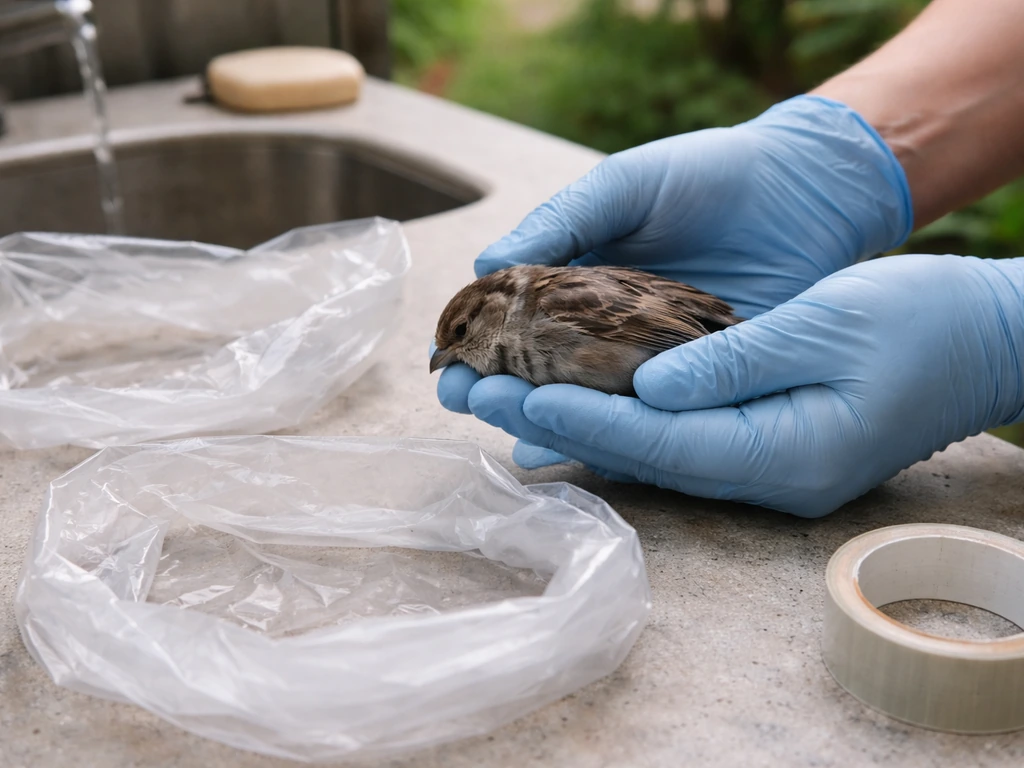
- Do not handle sick or dead wild birds with bare hands; use gloves and double-bag carcasses before disposal
- Wash hands thoroughly with soap and water after any contact with birds or outdoor environments where birds congregate
- Cook all poultry and eggs to 165°F internal temperature
- Avoid letting pets (especially dogs) interact with dead wild birds
- Report clusters of 5 or more dead wild birds to Mass.gov using the state reporting form
For backyard flock and poultry owners
- Keep wild birds out: use covered runs, netting, and enclosed housing to physically separate your flock from wild waterfowl and shorebirds
- Store all feed in sealed, wildlife-proof containers so wild birds cannot access or contaminate it
- Do not allow your flock access to open water sources (ponds, streams) that wild birds use
- Dedicate specific footwear and clothing to the coop area; change and clean before leaving
- Disinfect equipment, tools, and vehicles before they enter your property if they have been used elsewhere
- Limit visitors to your flock, and require anyone entering to wear clean footwear and wash hands
- Enroll in the USDA APHIS flock registration program so you can be notified quickly if there is a detection near you
- If you suspect illness in your flock, isolate affected birds immediately and call MDAR or USDA APHIS before handling further
Massachusetts is close to several northeastern states where HPAI has also been tracked, including New Jersey, Pennsylvania, Maryland, Virginia, and North Carolina, all of which have their own ongoing surveillance situations. Migratory birds do not recognize state lines, so the pressure on backyard and commercial flocks in New England is connected to what is happening regionally. Staying informed about neighboring states' situations is genuinely useful, not just an academic exercise. You can also look up whether bird flu is bird flu in North Carolina by checking the latest USDA APHIS and state wildlife and agriculture updates. You can also check whether is bird flu in virginia is being reported there so you know how the risk may be shifting near you Staying informed about neighboring states' situations.
When to see a doctor and what to expect
If you have had direct or close contact with sick, dying, or dead birds and develop any symptoms within 10 days of that exposure, do not just walk into an urgent care clinic. Call your local or state health department first. This allows them to coordinate testing and notify clinical staff so they can take appropriate precautions before you arrive. This step protects both you and others.
When you are evaluated, a clinician will likely collect nasal and throat swabs for avian influenza testing. If you have eye symptoms such as redness or discharge, an eye swab may also be collected. Testing for avian influenza is not the same as a standard flu test; samples typically need to be sent to a public health laboratory, so results are not immediate.
Treatment for bird flu centers on antivirals, specifically oseltamivir (commonly known as Tamiflu). The CDC recommends initiating oseltamivir as soon as possible for people with symptoms and a credible exposure history, without waiting for test confirmation if the clinical picture strongly suggests bird flu. For hospitalized patients meeting exposure and symptom criteria, treatment is recommended regardless of how much time has passed since illness onset. Early treatment is associated with shorter illness duration and lower risk of complications.
People of all ages who develop bird flu symptoms after a known exposure should be evaluated promptly. Do not try to manage this at home with over-the-counter flu remedies while hoping it resolves on its own. The window for antiviral effectiveness is narrow, and acting early makes a meaningful difference in outcomes.
FAQ
What should I do if I find multiple dead wild birds in Massachusetts?
If you notice 5 or more wild bird deaths in one spot, use Massachusetts’ reporting form, but if the birds are clustered at a business, park, or event venue, you should also notify the property manager or local public works so they can restrict access and coordinate cleanup.
Does the 10-day monitoring window apply if I touched contaminated surfaces or equipment, not the birds themselves?
If you have physical contact, clean-up involvement, or you handled potentially contaminated items (boots, gloves, equipment), treat that as a meaningful exposure and monitor for symptoms for 10 days from your last contact, even if the birds looked healthy when you first saw them.
What if I get flu-like symptoms in Massachusetts but I never touched birds?
If you have symptoms but no known exposure, bird flu is unlikely, however eye symptoms are a reason to seek medical advice if they come with fever, cough, shortness of breath, or severe fatigue. Tell the clinician about any recent wild bird contact or travel so they can judge whether specialized testing is appropriate.
Can I bring bird flu risk into my home on my clothes or shoes, and how should I handle laundry?
Yes. Avoid washing or laundering contaminated clothing with other laundry. If you wore outer layers near sick or dead birds, keep them separate until cleaned, and wash hands thoroughly after removing items. The article’s general hygiene point still matters most for household cross-contamination.
What should backyard keepers do if one chicken or duck seems sick or dies?
If you find a sick or dead domestic bird (including backyard flocks), contact Massachusetts’ agricultural authorities or USDA APHIS immediately. Do not attempt disposal, necropsy, or “waiting to see” if it improves, because movement and improper handling can spread virus between animals and locations.
If eggs are sold in stores, is there any extra food-safety step I should take during an HPAI outbreak?
When eggs look normal, the safest extra precaution is to avoid raw preparations (runny yolks, homemade raw batter, and unpasteurized egg products) during periods when there are active detections in your area. Normal retail cooking practices still apply.
How can I be sure my cooking temperature is actually high enough for safety?
For poultry meat and eggs, a meat thermometer is the best approach because color and texture can be misleading. Cook to 165°F internal temperature, and keep hot food from “resting” at lukewarm temperatures, since thorough heating and safe holding are both part of risk control.
Why does the article emphasize calling ahead instead of going straight to urgent care?
If someone has conjunctivitis plus fever or respiratory symptoms after close bird exposure, you should contact the health department before going in, because they may coordinate testing and protective precautions for the clinic. Call ahead, do not rely on a standard rapid flu result to rule it out.
How often should I check updates, and which tracking pages are most useful for Massachusetts residents?
There is value in checking both state and federal pages even between major announcements, because wild bird detections can change day to day. Bookmark the USDA APHIS confirmed pages and filter by Massachusetts, then cross-check with Mass.gov updates for context.
What does “heightened-risk period” mean in practice for backyard flocks?
If you raise birds, the practical “next step” is to implement biosecurity now. Focus on limiting visitors, managing footwear and clothing changes, preventing contact with wild birds and their droppings, and controlling how feed and bedding are stored to avoid contamination.
Next Article
Is Bird Flu in Europe Now? Risk, Symptoms, Safety Steps
Find out if bird flu is in Europe now, current risk, symptoms, food safety, and exact steps for handling exposure safely