Quite a lot is being done, and it spans multiple layers: wild bird monitoring, farm-level outbreak response, human case detection and treatment, vaccine stockpiling, and food safety oversight. CDC’s interim HPAI (H5N1) recommendations also outline infection prevention and control measures, PPE, testing, patient investigations, monitoring of exposed persons, antiviral treatment, and antiviral chemoprophylaxis for exposed persons [infection prevention/control, PPE, testing, patient investigations, monitoring exposed persons, antiviral treatment, and antiviral chemoprophylaxis of exposed persons](https://www. cdc. gov/bird-flu/prevention/hpai-interim-recommendations.
What Is Being Done About Bird Flu: Response, Vaccines, Safety

Sarah Chen
11 Jun 2026
html). The short version is that agencies like the USDA's Animal and Plant Health Inspection Service (APHIS) and the CDC are running active, coordinated programs right now, not waiting for a pandemic signal before acting. Here is what that actually looks like on the ground, and what it means for you.
How bird flu is being tracked right now
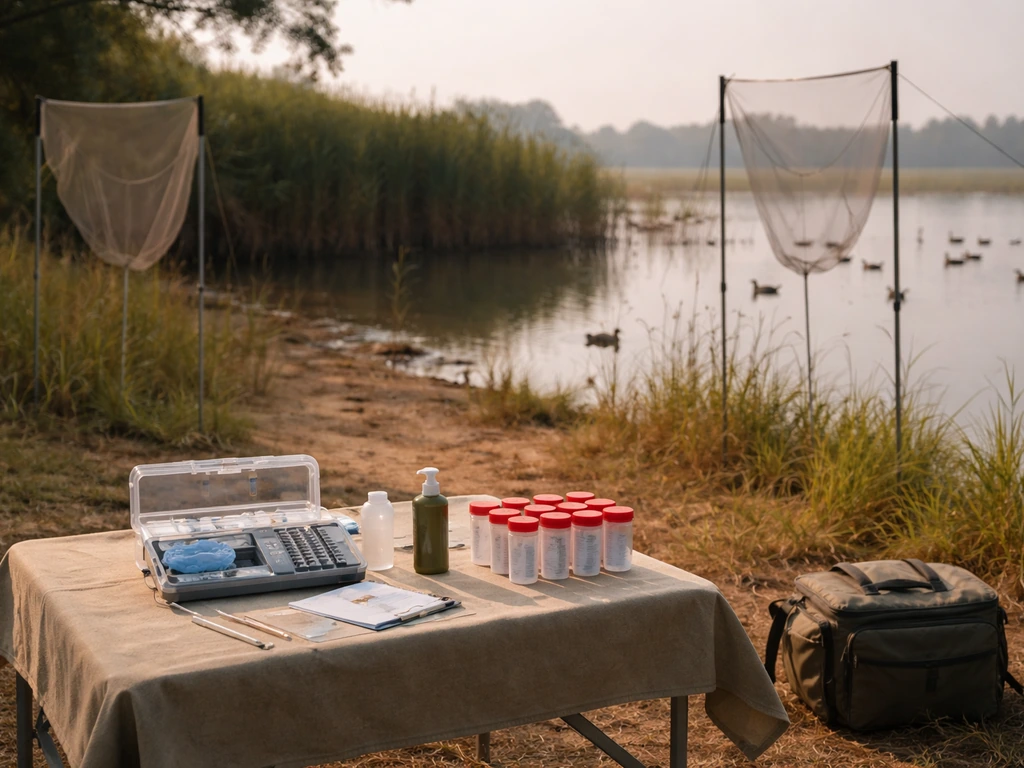
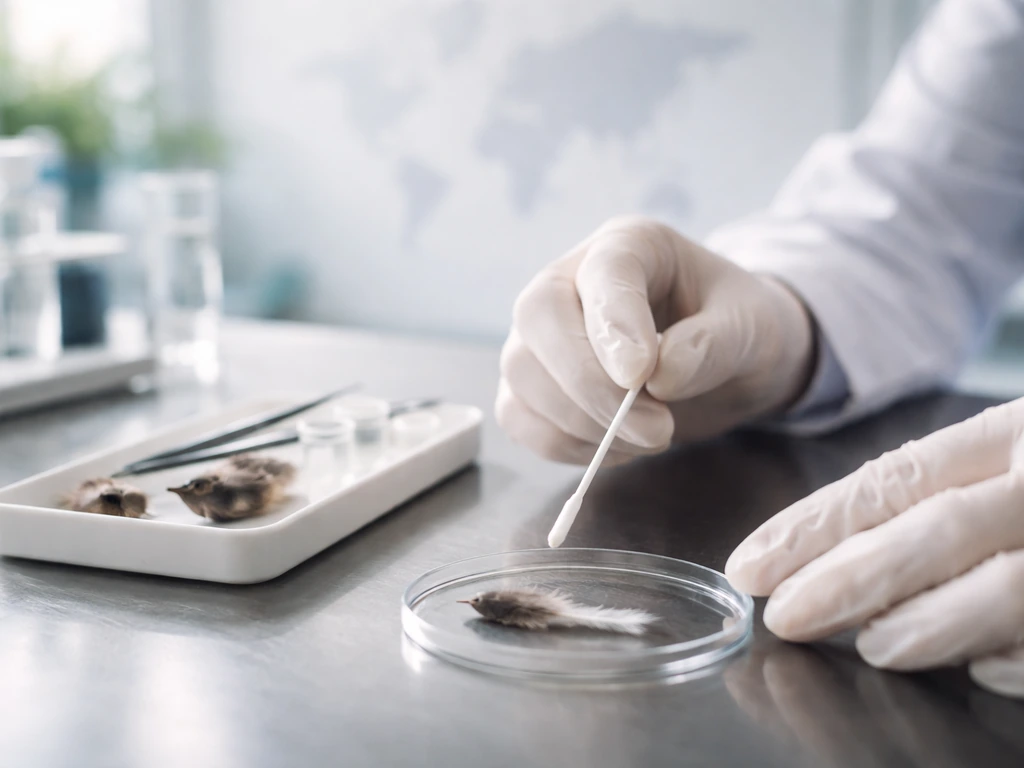
Surveillance is the foundation of the entire response. USDA APHIS runs a wild bird surveillance program that functions as an early warning system, designed to catch new introductions or spread of avian influenza viruses before they reach commercial and backyard poultry.
Samples from wild birds are tested using the National Animal Health Laboratory Network (NAHLN) H5 assay, and any positives can be further characterized with a real-time RT-PCR test (a molecular test that looks for the virus's genetic material) specifically targeting the Eurasian lineage goose/Guangdong H5 clade 2. 3. 4. 4b strain, which is the strain currently driving the global outbreak.
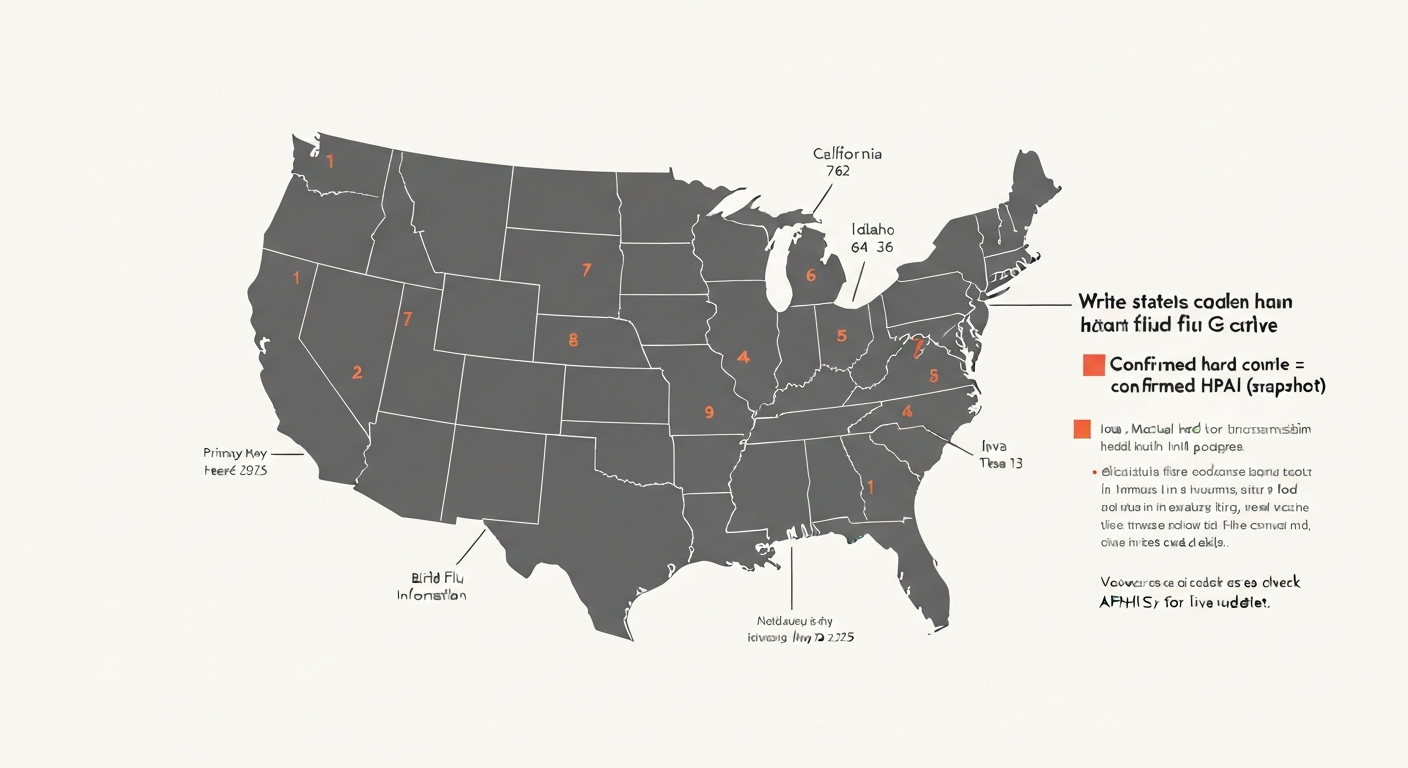
APHIS publishes a running list of HPAI detections in wild birds, updated regularly, so state animal health officials and poultry producers can see where the virus is moving geographically.
On the human side, the CDC uses a case definition for novel influenza A virus infections that requires, among other criteria, a positive confirmatory molecular test, typically an rT-PCR with H5-specific primers and probes. This standardizes how cases are counted across all 50 states and ensures a detection in one state is classified the same way as one in another. State health departments report suspected cases up to CDC, and the Health Alert Network (HAN) is used to push rapid updates and updated clinical guidance to clinicians and public health responders when a confirmed human case occurs.
It is also worth knowing that surveillance is not limited to the US. Bird flu has also been reported in Europe, so similar surveillance and response measures matter there too bird flu in Europe. Related sibling topics around what other countries are doing and where bird flu currently circulates globally are important context, because wild migratory birds do not respect borders.
If you want the quick answer to what countries have bird flu right now, official surveillance reports from health and agriculture agencies are the best place to check what it means for where bird flu circulates globally. Bird flu does show up in other countries too, so international reporting and monitoring are part of how outbreaks are tracked globally bird flu in other countries. The wild bird surveillance network is partly designed with that in mind.
What happens when a person is infected
The CDC has published interim recommendations specifically for HPAI A(H5N1), and they cover the full chain from suspecting a case to managing it clinically. When someone with known or possible exposure to infected birds or animals develops respiratory symptoms or other illness consistent with influenza, clinicians are directed to test using influenza A(H5N1) RT-PCR with H5-specific primers. That test result drives everything that follows.
For treatment, the guidance is to start oseltamivir (the antiviral most people know as Tamiflu) empirically at a twice-daily oral dose for five days, and importantly, this recommendation applies regardless of how long ago symptoms started. That is different from standard seasonal flu guidance, where antivirals are most effective in the first 48 hours. The reason is that H5N1 can be severe enough that the benefit of treatment outweighs waiting for confirmation even if the window has passed.
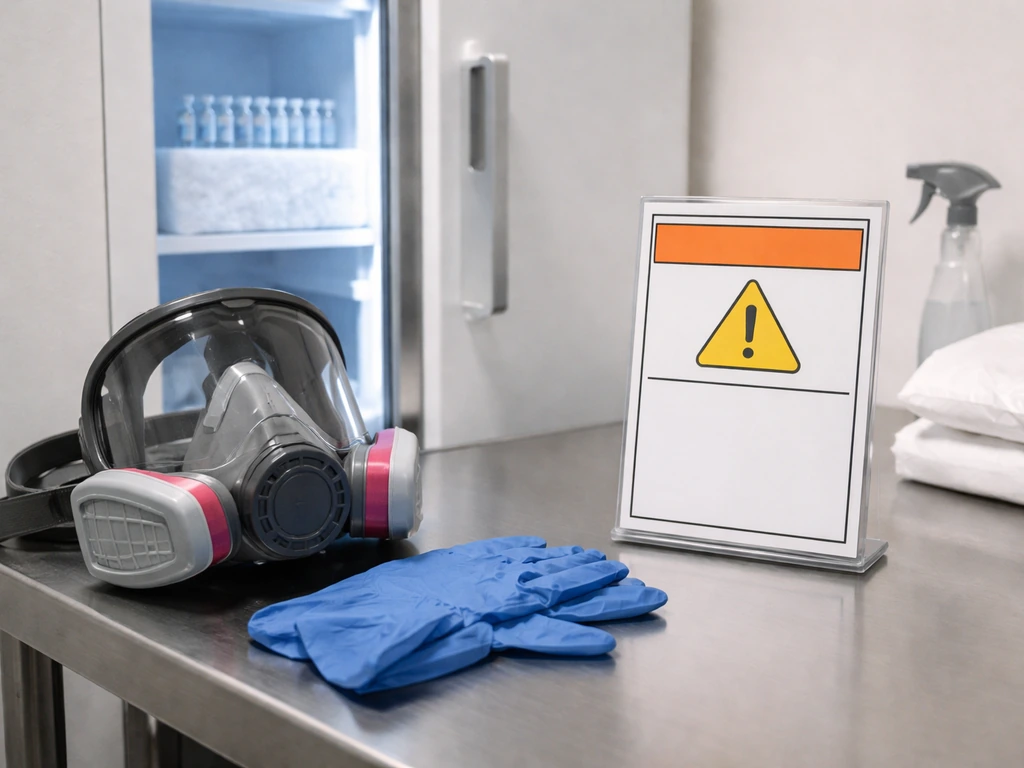
Beyond the patient, public health investigators conduct contact tracing to identify and monitor anyone who was exposed. Exposed persons are offered antiviral chemoprophylaxis (a preventive dose of antiviral medication) and are monitored for symptoms. Infection prevention and control measures, including specific personal protective equipment (PPE) requirements, are applied for anyone in direct or close contact, defined as within about six feet, with a sick or suspected case. That PPE list includes NIOSH-approved particulate respirators, goggles, gloves, boot covers, fluid-resistant coveralls, and disposable head covers. These are not vague suggestions; they are spelled out in federal guidance.
How farms respond to an outbreak
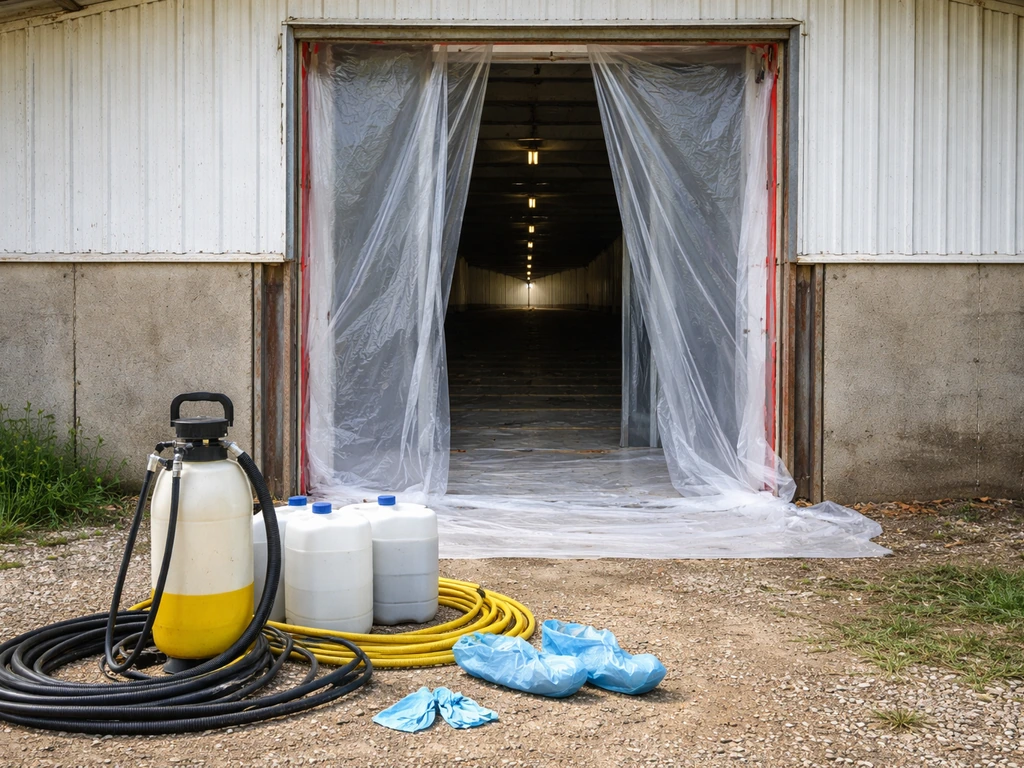
The immediate containment steps
When HPAI is confirmed on a commercial or backyard poultry premises, APHIS coordinates an emergency response with federal, state, tribal, and industry partners. The infected premises are placed inside what is called an infected zone, typically a three-kilometer radius around the index case (the first confirmed site). Within that zone, the standard response for HPAI is depopulation, which means humanely killing and properly disposing of the affected flock to prevent further virus spread. This is sometimes called the stamping-out policy, and while it sounds drastic, it is the fastest and most effective way to eliminate the virus from a known source.
After depopulation, cleaning and disinfection begins. APHIS frames this as virus elimination, with specific procedural steps for removing organic material, applying EPA-approved disinfectants, and conducting final verification before the premises can be restocked. Decisions about how individual premises are managed are made by State Animal Health Officials or Tribal officials, with APHIS support and oversight.
Movement controls and surveillance zones
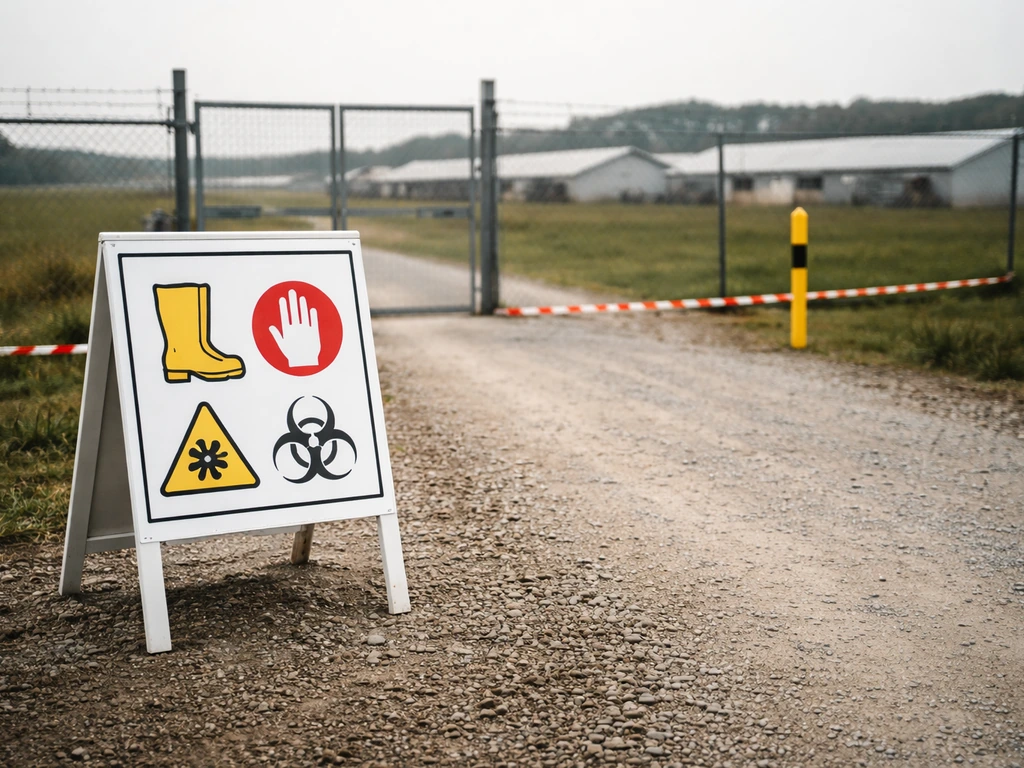
Beyond the infected zone, a larger surveillance zone is established. APHIS has a specific program for surveillance of backyard flocks within control areas and surveillance zones tied to a confirmed World Organisation for Animal Health (WOAH) poultry premises. Commercial and backyard flocks in those zones are tested, and movement of birds, eggs, and related materials is restricted until the area is cleared. This is how the virus is prevented from hitching a ride on trucks moving birds to other parts of the country.
Biosecurity requirements also ramp up industry-wide after any detection. Farms are expected to reinforce barriers to wild bird contact, restrict visitor access, disinfect vehicles entering and leaving the property, and monitor flocks closely for signs of illness. These are not new rules that appear only during an outbreak; they are baseline requirements that become strictly enforced when the virus is circulating nearby.
As of 2026, USDA has committed $1 billion to a comprehensive strategy to curb HPAI, protect the US poultry industry, and address downstream effects like elevated egg prices. That funding covers response operations, producer indemnity payments for depopulated flocks, research, and surveillance infrastructure.
Vaccines: what exists, who has them, and who might get them
This is an area where a lot of people have questions, so it is worth being precise. There are actually two separate vaccine conversations happening at once: vaccines for birds and vaccines for humans.
Human vaccines
The FDA has approved an H5N1 influenza vaccine specifically designated for the national stockpile. This means a real vaccine exists and is being held in reserve for emergency use if human-to-human transmission begins or a declared public health emergency requires mass deployment. It is not being offered to the general public right now, and that is a deliberate, risk-based decision: mass vaccination with a stockpiled product before there is sustained human spread carries its own logistical and risk tradeoffs.
Separately, the CDC has identified two candidate vaccine viruses (CVVs) whose hemagglutinin (HA) proteins, the surface protein the immune system targets, are nearly identical or identical to the clade 2.3.4.4b H5N1 viruses currently circulating in birds and mammals. These CVVs are ready to seed vaccine manufacturing if the order is given. Think of them as a production-ready recipe that manufacturers can use to scale up quickly. The gap between where things stand today and a deployed vaccine is shorter than it was before 2020, partly because of manufacturing improvements made during the COVID-19 response.
Poultry vaccines
Avian influenza vaccines for birds exist and are used in some countries, but the US has not moved to routine poultry vaccination, partly because vaccinated flocks can make it harder to distinguish infected birds from vaccinated ones in surveillance testing, which complicates export trade certifications. This trade-off is under active debate, and USDA has been studying vaccine use as part of its long-term HPAI strategy. It is not a closed question.
What the guidance says for you personally
Whether you keep backyard chickens, live near a farm, or just want to know how to behave sensibly, the guidance is pretty concrete.
If you keep backyard poultry
- Do not touch sick or dead birds, their feces or litter, or water sources they may have contaminated without PPE (at minimum, gloves and a well-fitted mask or respirator).
- If you suspect your birds are sick, report it to your state veterinarian or local agricultural extension office immediately. Do not wait to see if they recover.
- Clean and disinfect any surfaces, equipment, or clothing that may have come into contact with sick birds using an EPA-approved disinfectant with label claims against influenza A viruses.
- Follow PPE disposal and hand-washing steps after any contact with potentially infected materials.
- Reinforce barriers between your birds and wild birds: netting, covered runs, and keeping feed covered reduces contact.
If you work with poultry or dairy animals
CDC has dedicated guidance for workers exposed to H5N1, covering dairy and poultry settings specifically. The core of it is consistent PPE use during animal contact, prompt reporting of symptoms to an occupational health contact or healthcare provider, and awareness that your employer should have an exposure response plan. If you develop fever, respiratory symptoms, or conjunctivitis (eye inflammation) after animal contact, tell your provider about that exposure explicitly, because it changes how they should test and treat you.
If you see sick or dead wild birds
Do not handle them with bare hands. Report clusters of dead wild birds, especially waterfowl or shorebirds, to your state wildlife agency or USDA APHIS Wildlife Services. Single dead birds are common and not necessarily a signal; clusters or unusual die-offs in species like ducks, geese, or shorebirds are worth reporting.
Is the food you eat actually safe?
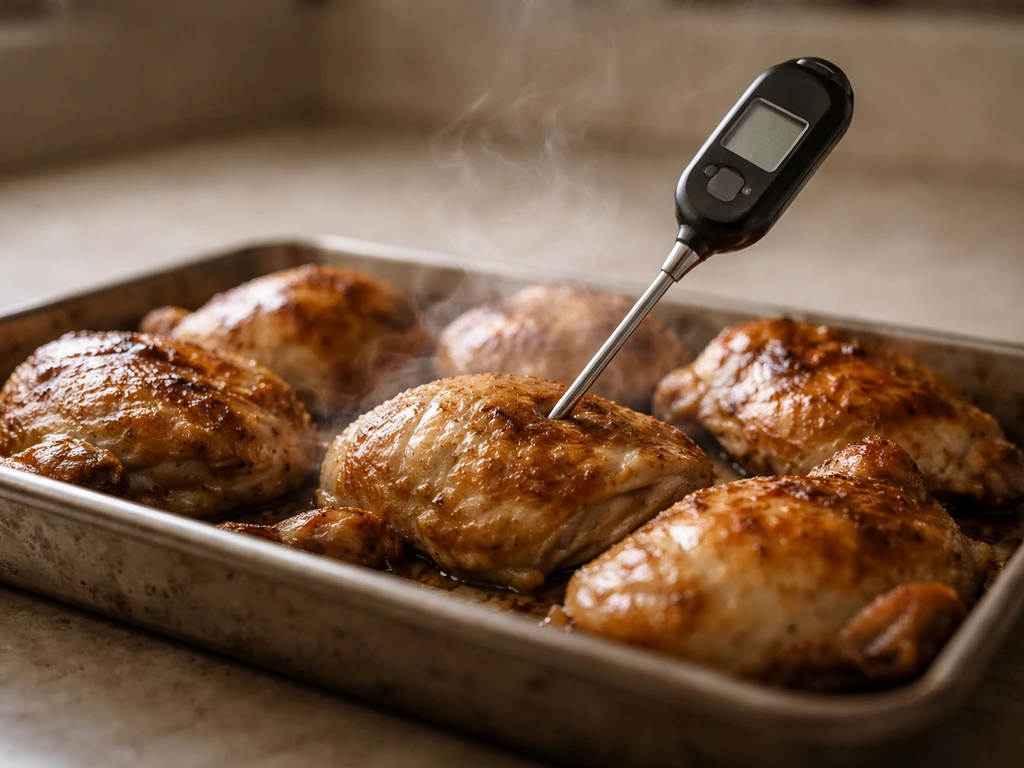
Yes, with normal cooking. This is the area where a lot of unnecessary anxiety circulates, so here is the straightforward answer: cooking poultry and eggs to an internal temperature of 165°F (74°C) kills avian influenza A viruses. This is not a precautionary margin; it is a temperature that reliably inactivates the virus. FoodSafety.gov's safe minimum internal temperature guidance confirms 165°F for all poultry, including ground poultry, giblets, and stuffing cooked inside poultry. Egg dishes like casseroles should also reach 165°F.
The FDA has specifically addressed egg safety during HPAI outbreaks, emphasizing that proper cooking temperatures and preventing cross-contamination in the kitchen are the key controls. The commercial egg supply goes through USDA inspection, and eggs from flocks confirmed positive for HPAI are not entering the food supply. The food safety risk from properly handled, commercially sourced, fully cooked eggs and poultry is extremely low.
The behaviors that matter most are the same ones that prevent salmonella: cook thoroughly, do not let raw poultry juices contaminate ready-to-eat foods, and wash hands and surfaces after handling raw product. If you are already doing those things, bird flu does not change your kitchen routine.
| Food Item | Safe Internal Temperature | Notes |
|---|---|---|
| Whole poultry (chicken, turkey, duck) | 165°F (74°C) | Use a food thermometer in the thickest part, away from bone |
| Ground poultry | 165°F (74°C) | Throughout the product, not just the surface |
| Poultry pieces (breasts, thighs, wings) | 165°F (74°C) | Same standard applies |
| Egg dishes and casseroles | 165°F (74°C) | Including dishes with eggs baked inside |
| Giblets and stuffing cooked inside poultry | 165°F (74°C) | Often the hardest area to get to temperature; check separately |
The longer game: preparedness and research
Beyond the immediate response, agencies are investing in infrastructure designed to catch the next outbreak faster and respond more effectively. On the surveillance side, this means expanding wild bird monitoring networks, improving the speed of lab turnaround for samples, and integrating genomic sequencing so that when a new virus is detected, scientists can quickly tell whether it has acquired mutations that affect transmissibility or severity in humans.
Contingency planning is also ongoing. That includes stockpile management for antivirals and human vaccines, exercises that test how federal and state agencies would coordinate a large-scale response, and research into better diagnostic tools, faster vaccine platforms, and antiviral options beyond oseltamivir. The CVV readiness work mentioned earlier, keeping candidate vaccine viruses updated and matched to circulating strains, is part of this long game.
Research into the virus itself is continuous: monitoring for genetic changes that would suggest the virus is adapting to spread more efficiently between mammals, tracking which animal species are acting as reservoirs, and studying immunity in populations with prior exposure. None of this is glamorous, but it is the scaffolding that makes a faster response possible if the situation changes.
Your practical next steps today
- Bookmark the USDA APHIS HPAI resources page and the CDC bird flu page for official updates. These are updated regularly and are far more reliable than social media during an outbreak.
- If you keep backyard poultry, review your state's reporting process now, before anything goes wrong. Knowing who to call ahead of time saves critical hours.
- Practice standard food safety with poultry and eggs: cook to 165°F, avoid cross-contamination, wash hands. You probably already do this.
- If you work in poultry, dairy, or wildlife handling roles, ask your employer about their current H5N1 exposure protocol and make sure you have the right PPE on hand.
- If you develop flu-like symptoms or conjunctivitis after any contact with birds or animals, tell your healthcare provider about the exposure so they test appropriately.
- Do not handle sick or dead wild birds with bare hands. Report unusual die-offs to your state wildlife agency.
The response to bird flu is active, layered, and genuinely serious, but it is also calibrated to real risk levels rather than worst-case scenarios. The surveillance, clinical guidance, farm response protocols, food safety standards, and vaccine readiness described here represent years of investment and refinement. Staying informed through official sources, following the practical steps above, and knowing when and how to report concerns puts you in a reasonable position regardless of how the situation evolves.
FAQ
Is the response only starting if we see a pandemic, or is it happening now?
Most of the response is already “in motion” because it is triggered by detections in birds or confirmed human cases, not by an overall pandemic declaration. For you, that means the practical signals to watch for are state or local health alerts about a confirmed H5N1 case, and agriculture updates about detections in backyard or commercial premises near you, since those drive testing and movement restrictions.
What should I do if I might have been exposed, but I am not sure it was a “confirmed” exposure?
If you are exposed through work (dairy, poultry, animal handling), the CDC guidance emphasizes employer and occupational-health reporting so you get evaluated quickly. If you had a bird exposure as a non-worker, the key step is still to tell your clinician specifically that you had exposure to infected or potentially infected animals, because that changes which tests are ordered (H5-specific RT-PCR rather than generic influenza testing).
If symptoms started days ago, will treatment still be considered for H5N1?
Antivirals are most effective when started early, but for suspected or confirmed H5N1 infection the guidance supports starting oseltamivir even if symptoms started earlier than the usual seasonal-flu window. Practically, this means you should not wait for test confirmation before asking a clinician about H5N1 when there is recent animal exposure and compatible symptoms.
Why isn’t the US vaccinating chickens routinely, if vaccines exist?
No, poultry vaccination is not routine in the US largely because vaccination can complicate surveillance and certification. With vaccinated birds, it can be harder to tell an infected bird from a vaccinated one using standard testing, which can affect trade paperwork and outbreak boundary decisions even when vaccination reduces virus spread.
What is the difference between candidate vaccine viruses and the stockpiled human vaccine?
The candidate vaccine viruses (CVVs) are prepared to match circulating strains, but they are not the same as a vaccine being administered. They are “seed” components meant to shorten the time from an updated match to manufacturing, while the stockpiled human vaccine is intended for emergency deployment if a public health threshold is met.
After an infected poultry site is cleaned, when can birds be restocked?
Infected-premises response typically includes depopulation plus cleaning, disinfection, and final verification before birds can be restocked. The most important timing nuance is that restocking depends on clearance testing and procedures, not just on initial cleanup, so follow official restocking and movement updates for your area rather than assuming the area is reopened immediately.
When should I report dead wild birds, and will one dead bird trigger action?
For the backyard situation, the “right” reporting is usually clusters of dead birds, especially among waterfowl or shorebirds, or unusual die-offs in a short time. Single dead birds can be common for many reasons, so if you report, include basic context like location, species, number of birds, and whether others nearby are sick or dying.
What should backyard owners actually do versus what is mostly for commercial farms?
Biosecurity expectations can include restricting visitors, disinfecting vehicles, limiting contact with wild birds, and monitoring flocks for illness, but your role depends on where you live. For individuals, the actionable items are avoiding handling sick or dead birds with bare hands, washing hands after any animal contact, and reporting concerns, rather than trying to apply farm-level containment practices yourself.
Does cooking 165°F mean I can ignore kitchen hygiene during an outbreak?
Normal cooking temperatures are designed for food safety, not for “extra protection” beyond inactivation. Practically, the key is preventing cross-contamination during cooking and cleaning up raw poultry juices, because contamination of ready-to-eat foods can create a risk even when the cooked product itself is properly cooked.
What symptoms matter after animal exposure, besides general flu-like illness?
If you are in a dairy or poultry setting, watch for symptoms after animal contact including fever, respiratory symptoms, and conjunctivitis (eye inflammation). If symptoms occur, contact a healthcare provider and explicitly mention the animal exposure, since it can change how quickly and which tests are ordered.
How do movement restrictions affect people who transport birds or eggs?
Travel and movement restrictions tend to be implemented around confirmed premises and control areas to prevent spread through birds, eggs, and related materials. If you keep poultry or sell eggs, the most important practical step is to follow your state animal health guidance on movement and testing requirements, since rules can vary by zone and update as areas clear.
Why does genomic sequencing matter to the overall response?
Genomic sequencing is used to understand how a detected virus relates to known strains and whether there are mutations that could affect traits like transmissibility or severity in humans. That matters for the public in a subtle way, because it can influence whether clinical guidance and risk assessments are updated as the virus changes over time.