
As of June 2026, avian influenza (bird flu) has been detected in birds across more than 70 countries, spread across every major region of the world. Because detections have been reported worldwide, the answer to whether bird flu is in other countries is yes is bird flu in other countries. That number shifts week to week because new detections in wild birds or poultry are reported continuously.
What Countries Have Bird Flu Now: Updated List and How to Check

Sarah Chen
3 Jun 2026
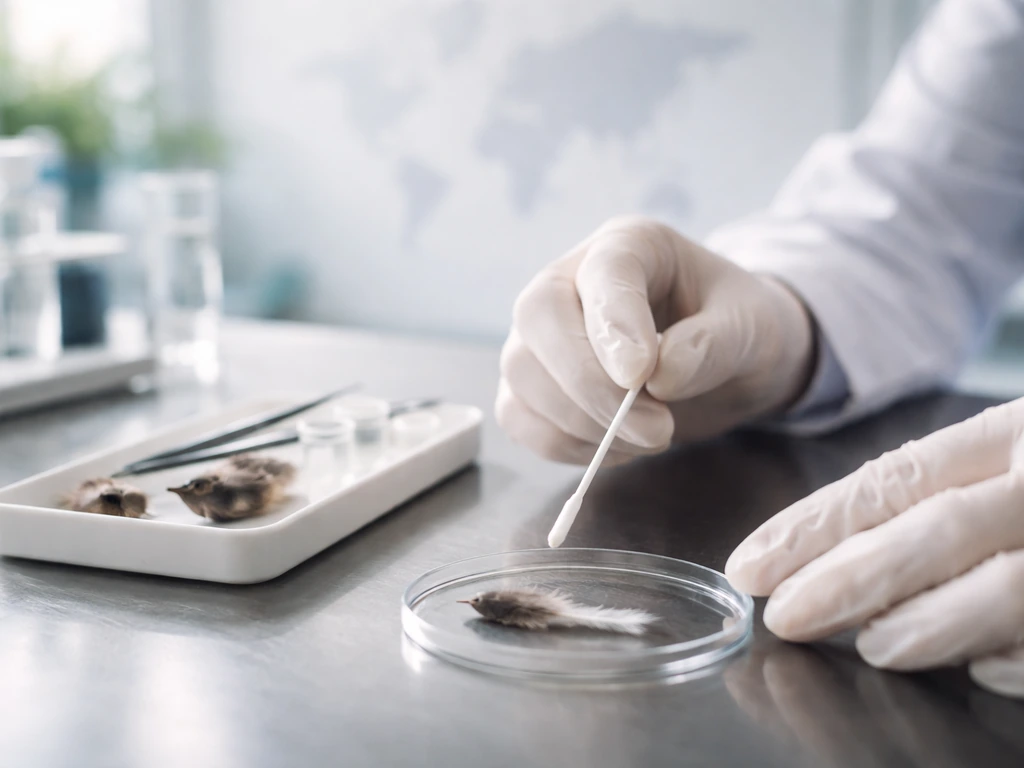
If you want the single most reliable snapshot right now, check WOAH's WAHIS event dashboard or the FAO avian influenza interactive map, both of which update as member countries submit new reports. The rest of this guide will help you understand what that list actually means, which strains matter, and what to do with the information depending on whether you're a traveler, a poultry owner, or just trying to figure out the actual risk.
Animal detections vs. human cases: why the distinction matters
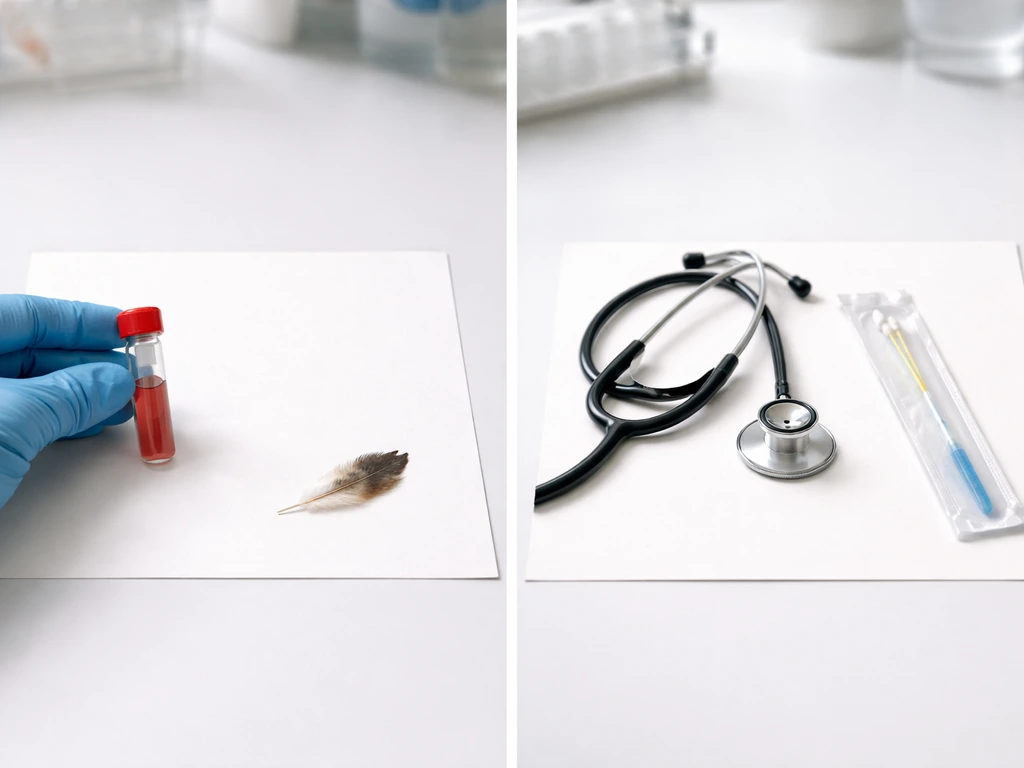
When a headline says a country "has bird flu," it almost always means the virus was found in birds, not people. Those are very different situations. A country with confirmed HPAI (highly pathogenic avian influenza) detections in wild geese or domestic chickens is a country where the virus is circulating in the animal population. Human infections are separate events, reported through a different surveillance channel, and they remain sporadic and rare. WHO Europe describes human H5N1 infections as linked to direct contact with infected birds or mammals, exposure at live poultry markets, or time spent on premises with infected animals. No sustained human-to-human transmission has been confirmed.
So when you're scanning outbreak maps or reading reports, keep this question in mind: is this an animal detection or a confirmed human case? The animal list is long and growing. The human case list is much shorter and geographically concentrated in places with very close, often occupational, contact with infected flocks. Keeping those two lists separate in your head will save you a lot of unnecessary alarm.
Why the number of affected countries keeps changing
There is no fixed, permanent list of "countries with bird flu." The count depends on three things: the time window you're using, which species are included, and which reporting system you're drawing from. WOAH's HPAI Situation Reports, for example, use defined cut-off dates, so Report 78 reflected data through December 31, 2025, while Report 81 reflects a later period. EFSA takes a window-based approach too: between late November 2025 and late February 2026, authorities reported 406 outbreaks in domestic birds and 2,108 in wild birds across 32 European countries alone. That's just one region over roughly three months. Add in Asia, the Americas, Africa, and Oceania and the global number climbs quickly.
Wild bird migration is the biggest driver of that constant change. Migratory waterfowl carry HPAI H5 viruses across continents and introduce the virus to new poultry flocks or local wild bird populations when they land. A country that was clear last quarter can have active detections this quarter simply because a flyway passed through. That's not a failure of surveillance; it's the virus behaving exactly as expected.
Current affected countries by region
Rather than a static list that will be outdated the moment you read it, here's a region-by-region picture of where bird flu has been consistently active as of mid-2026, with the understanding that specific countries shift in and out based on new detections.
Europe

Europe remains one of the most heavily documented regions, primarily because EFSA and national veterinary agencies publish detailed, time-windowed reports. If you are specifically asking whether bird flu is in Europe, EFSA and national veterinary agencies are the best places to see what is currently active there. blank" rel="noopener noreferrer">Between September and November 2025, 29 European countries reported HPAI A(H5) detections. By the following quarter, that count had grown to 32 countries. Countries with persistent or recurring outbreaks include France, the Netherlands, Germany, Poland, Hungary, Italy, and the United Kingdom, though most EU and EEA member states have reported at least some detections in wild birds. The virus circulates seasonally here, peaking in autumn and winter alongside waterfowl migration.
Asia
Asia has the longest history with HPAI H5N1 and remains a high-activity zone. Countries with ongoing or recurrent poultry outbreaks include China, Vietnam, Cambodia, Bangladesh, India, Indonesia, and Japan. Cambodia in particular has reported sporadic human cases tied to backyard poultry contact in recent years. Live bird markets in densely populated cities remain a known transmission risk point in several Southeast Asian countries.
The Americas
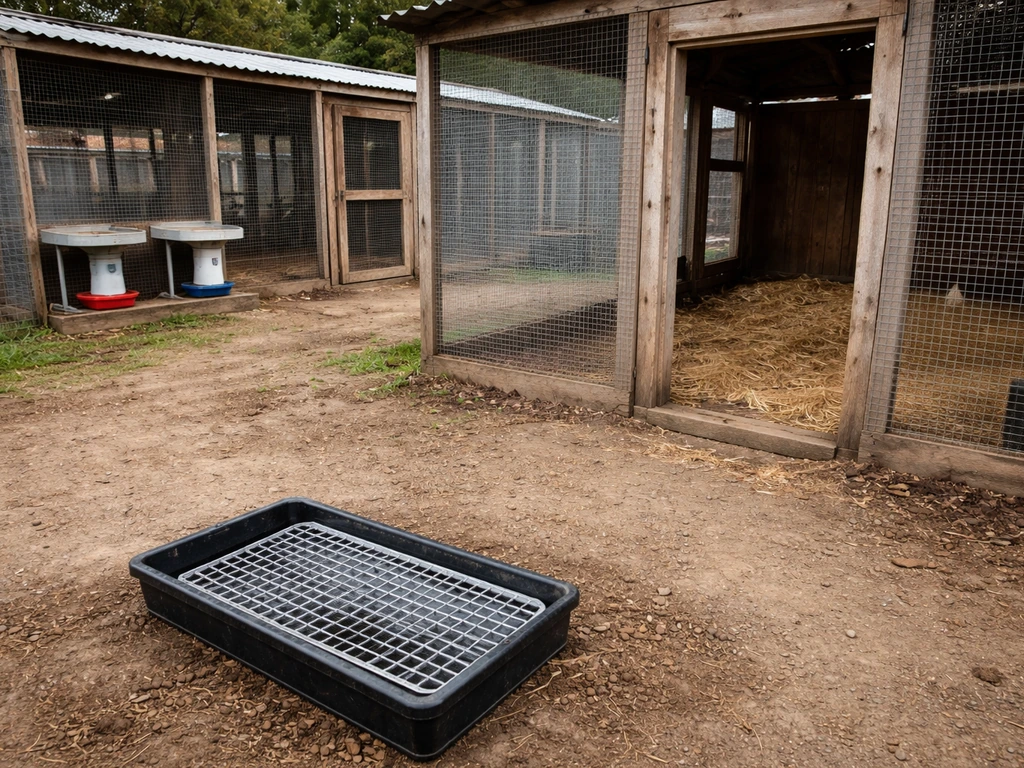
HPAI H5N1 arrived in North America in 2021 and has since spread broadly. The United States has reported widespread outbreaks in commercial poultry and dairy cattle, as well as detections in wild birds across nearly every state. Canada and Mexico have also reported poultry outbreaks. In South America, Chile, Peru, Colombia, Ecuador, and several other countries have reported detections in wild birds and poultry, with Peru and Chile also documenting high mortality events in marine birds and sea lions.
Africa and the Middle East
West Africa and the Horn of Africa have documented HPAI outbreaks, with Nigeria, Ghana, Cameroon, and Ethiopia among the most frequently affected countries. Egypt has had persistent H5N1 circulation in poultry for years and has historically reported a higher proportion of human cases than most countries. The Middle East sees periodic incursions, particularly in countries along major migratory flyways.
Oceania
Australia confirmed its first significant HPAI H7N3 outbreak in commercial poultry in Victoria in 2024 and has been on heightened alert since. New Zealand has detected HPAI in wild birds as well. The Pacific island nations have had fewer documented events, partly reflecting surveillance capacity differences rather than necessarily lower actual prevalence.
Where to check the actual, up-to-date outbreak map
No article, including this one, can give you a live, verified list of affected countries. Here are the authoritative sources you should go to directly, listed by what they're best for:
| Source | Best for | Update frequency |
|---|---|---|
| WOAH WAHIS Event Dashboard | Official country-submitted HPAI detections in animals, searchable by disease, country, and date | Ongoing as reports are submitted |
| FAO Avian Influenza Dashboard | Interactive global map with outbreak locations, affected species, virus subtypes, and time filters | Regularly updated |
| EFSA Avian Influenza Reports | Detailed EU/EEA regional breakdowns with window-based counts for domestic and wild birds | Quarterly reports plus news updates |
| WHO Influenza Zoonoses Tracker | Human case counts, countries, exposure context, and case outcomes | Updated with new confirmed human infections |
| CDC HPAI Detections in the US | US-specific confirmed detections in poultry, wild birds, and mammals including cattle | Regularly updated |
When using any of these sources, pay attention to the data cut-off date (every report has one), the species covered, and whether the figures include wild birds, domestic poultry, or both. FAO's dashboard is particularly useful because it lets you filter by time period and species so you can build the exact view you need rather than reading through a dense PDF.
HPAI vs. LPAI: what the strain type actually means for you
Avian influenza viruses are classified as either highly pathogenic (HPAI) or low pathogenic (LPAI), and that distinction has real consequences for how seriously an outbreak is treated. HPAI viruses, especially H5 and H7 subtypes, cause severe disease and high mortality in poultry and are compulsorily reportable to WOAH by all member countries. LPAI viruses cause milder illness in birds, don't trigger mass die-offs, and are reported voluntarily in wild birds rather than under the same mandatory framework. When you see outbreak maps, they are overwhelmingly showing HPAI events.
For human risk, the most closely watched strain globally is HPAI H5N1, particularly the clade 2.3.4.4b that has driven the current global wave. It has caused the most documented human infections, though still in small numbers and primarily among people with direct, close contact with infected animals. Other subtypes like H5N8, H5N6, and H7N9 have also caused occasional human infections in specific regions. LPAI viruses pose negligible direct risk to healthy humans with normal exposure levels.
WOAH's reporting framework actually has three distinct categories for avian influenza: HPAI in poultry, HPAI in birds other than poultry including wild birds, and LPAI in domestic or captive wild birds where there is proven natural transmission to humans with severe consequences. That third category is rare and has not been triggered in recent reporting periods according to WOAH's own situation reports. Knowing this helps you read official reports more accurately rather than treating every detection as equivalent.
What to do if you're a poultry owner in an affected area
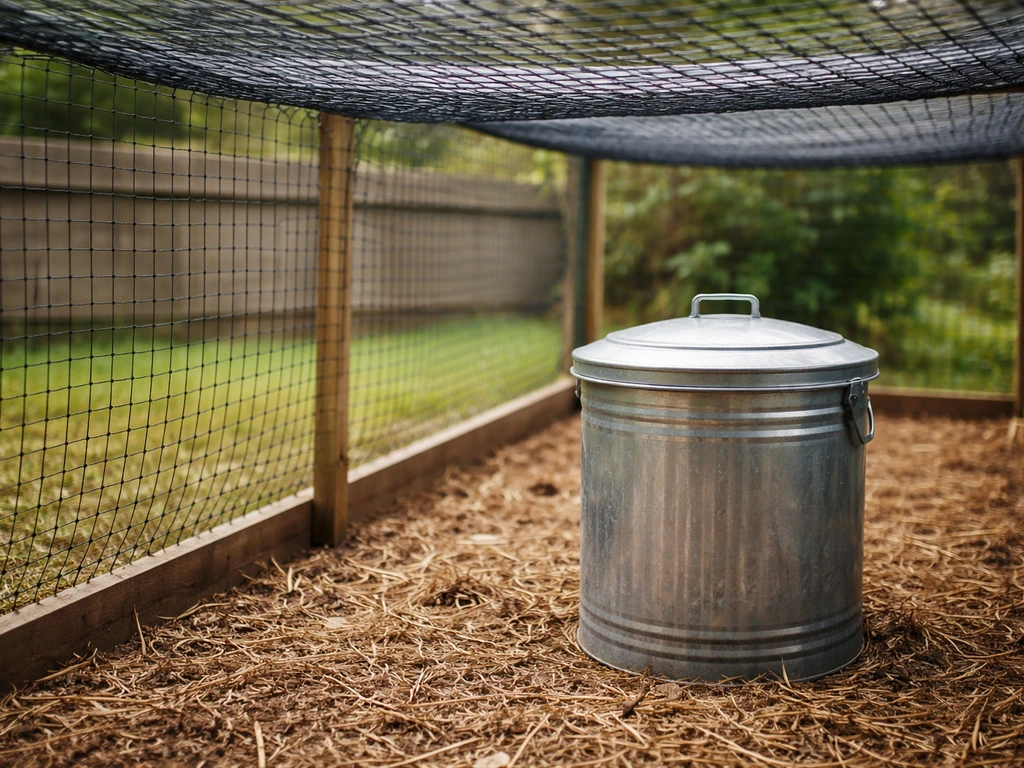
If you keep chickens, ducks, turkeys, or any other poultry and you're in a country or region with active HPAI detections, biosecurity is your primary tool. USDA APHIS is direct about this: biosecurity is the key to protecting your flock. That means limiting your birds' exposure to wild birds and the people or equipment that might bring the virus in from outside.
- Keep wild birds out: use covered or enclosed housing where possible, and prevent wild waterfowl from accessing feed, water, or areas where your birds live.
- Control what enters your bird area: only bring in cleaned and disinfected equipment, tools, and footwear. Change clothes and wash hands before and after contact with your flock.
- Limit visitors: if someone has been around other poultry, ask them to wait 48 to 72 hours before visiting your birds.
- Know the signs of illness: sudden unexplained death in birds, significant drop in egg production, respiratory distress, swollen heads, purple discoloration of wattles and combs, and neurological signs are all potential HPAI indicators.
- Report sick or dead birds immediately: in the US, call your state veterinarian or USDA APHIS at 1-866-536-7593. In other countries, contact your national animal health authority. Early reporting is critical because outbreaks spread quickly.
- If you find dead wild birds (especially waterfowl, gulls, or raptors) in unusual numbers, report those too. Don't handle them without appropriate protection.
If you're traveling to a country with active HPAI in poultry, the main practical precaution is avoiding live poultry markets, backyard flocks, and any setting where birds are sick or have recently died. These are the environments where the handful of documented human infections have occurred. Passing through an airport, visiting a city, or eating at a restaurant in an affected country does not meaningfully increase your risk.
Food safety: eggs, poultry, and when you actually need to worry
Properly cooked poultry and eggs are safe to eat, even during HPAI outbreaks. Heat kills avian influenza A viruses. The CDC is clear: cooking poultry to an internal temperature of 165°F (74°C) and cooking eggs until both the yolk and white are firm eliminates the virus. There is no documented case of anyone getting bird flu from eating thoroughly cooked poultry or eggs.
Where food handling does carry a small risk is during raw preparation, particularly in settings where you might be handling birds that were already sick or contaminated. If you're processing your own birds or buying live birds at markets in high-risk countries, wash your hands thoroughly after handling raw poultry and keep raw poultry away from other foods. Avoid consuming raw or undercooked poultry products, including dishes made with runny eggs or raw blood-based preparations common in some regional cuisines.
Commercially produced eggs and poultry in countries with active food safety and veterinary inspection systems go through screening processes that add an additional layer of protection. If you're buying from a grocery store in the US, EU, UK, Canada, or Australia, your practical food safety risk from bird flu is extremely low. The risk profile is different if you're purchasing live birds from unregulated markets in regions with ongoing active outbreaks, which is exactly why those settings keep appearing in human case exposure histories.
Bird flu vs. seasonal flu: a quick but important distinction
Avian influenza is caused by influenza A viruses adapted to infect birds. Seasonal human flu is caused by influenza A and B viruses adapted to spread efficiently between people. They're related but different, in the same way that the cold virus and a rhinovirus are related but not identical. Your annual flu vaccine does not protect against H5N1 or other avian influenza subtypes, and exposure to human seasonal flu does not give you meaningful immunity to bird flu strains.
They require separate vaccines, and while H5N1 vaccines for humans have been developed and stockpiled in several countries, they are not part of routine public vaccination programs as of mid-2026. You can also look at what other countries are doing about bird flu, including surveillance, vaccination policies, and biosecurity measures in poultry and live bird markets what are other countries doing about bird flu.
The distinction also matters when assessing pandemic risk. Seasonal flu spreads easily from person to person because it's well-adapted to the human respiratory tract. HPAI H5N1 is not currently adapted for efficient human-to-human transmission. That's why the total global human case count, despite years of widespread animal outbreaks, remains in the hundreds rather than millions. Pandemic risk isn't zero, but it requires the virus to acquire specific mutations that it hasn't consistently demonstrated so far. What countries are doing to monitor and respond to that risk is a separate but important part of understanding the full picture.
FAQ
How can I tell if a country’s “bird flu” report is about wild birds, poultry, or both?
Check the source’s category labels, not just the country name. In WOAH-style reporting, events are separated by HPAI in poultry versus HPAI in other birds (including wild birds), and the risk to people and the meaning of “active” can differ depending on which group is affected.
If my country is not on an outbreak map, does that mean bird flu is definitely not there?
Not necessarily. Absence can mean no recent detections were reported in the selected time window, or that surveillance and testing are limited. Use multiple sources and adjust the date filters to confirm whether it’s truly a gap in reporting versus a real absence of virus.
Why do some maps show a higher number of countries than others?
They often use different time cut-offs and different species inclusion rules. Two dashboards can both be accurate, one may count outbreaks in wild birds only for a certain period, while another counts both wild and domestic birds across a broader range.
What should I look for to understand whether the situation is getting worse?
Look for trends over consecutive reporting periods in the same categories, especially repeated detections in poultry or the same administrative region. A one-time wild bird event is less informative than recurring poultry outbreaks across multiple weeks or seasons.
Are all H5N1 detections the same, or do clades matter for risk?
Clades matter mainly for interpreting human infection patterns and how the virus is evolving. Even within H5N1, different clades may be more associated with the ongoing human cases than others, so it is useful to see whether reports mention clade details.
Does a human case in a country mean the virus is spreading between people there?
No. Human infections are generally linked to direct or close contact with infected animals, not sustained community spread. If reports do not confirm ongoing human-to-human transmission, treat the main risk as occupational or animal-contact related.
I’m traveling for work, should I avoid all bird-related places in affected countries?
It’s most important to avoid settings tied to infected poultry exposure, such as live bird markets and locations where birds have been sick or recently died. Normal tourism activities, airport transit, and eating properly cooked food generally do not meaningfully change risk compared with everyday baseline.
Is cooked poultry or eggs always safe during an outbreak?
Food safety depends on thorough cooking. Poultry and eggs should be cooked until fully done, which reaches temperatures that inactivate the virus. Risk increases mainly with raw handling or consuming undercooked products.
What is the biggest mistake poultry owners make when trying to protect their flock?
Assuming “no cases in my area” equals “no risk,” then not tightening biosecurity. The key practical step is controlling contact between your birds and wild birds, and also managing people, vehicles, and equipment that could bring virus in from outside.
If I see a country with bird flu, should I assume it is HPAI H5N1?
Not automatically. Official maps and reports may mix different subtypes and pathogenicity categories. Confirm whether the events are HPAI versus LPAI and note the subtype (for example, H5, H7, or others) before drawing conclusions.
Do annual flu vaccines or catching seasonal flu protect me from bird flu?
They do not provide meaningful protection against avian influenza like H5N1. Human seasonal flu vaccines target viruses adapted to spread among people, so protection against bird-adapted strains is not the same as protection against seasonal influenza.
If human cases are rare, why do headlines still cause panic?
Because media coverage often collapses “bird detections” and “human infections” into one storyline. Using the separate categories in official reports (animal events versus human cases) prevents overestimating how easily it could spread among people.
How do I check the situation accurately on a given day?
Pick one authoritative dashboard, set the date range to the most recent reporting window you care about, and filter by species group (poultry versus wild birds) and pathogen category (HPAI versus LPAI). Then cross-check with the other main source to confirm the update date and cut-off.