
Yes, bird flu (avian influenza) is actively being reported in other countries right now. As of early 2026, the World Organisation for Animal Health (WOAH) and other international bodies have documented hundreds of outbreaks in poultry and wild birds across dozens of countries, with smaller numbers of human infections reported in places like Cambodia and China. That said, the global public health risk to the general population remains assessed as low by WHO, FAO, and WOAH jointly. What this means for you specifically depends on whether you're a traveler, a poultry keeper, or someone who's just wondering if their eggs are safe to eat. All of those questions have straightforward answers.
Is Bird Flu in Other Countries? Current Global Update

Sarah Chen
1 Jun 2026
What 'bird flu' actually means, and why the answer varies by country
Bird flu is a shorthand term for avian influenza viruses, a family of influenza A viruses that primarily circulate in birds. The tricky part is that not all bird flu strains are the same, and different subtypes behave very differently. The two main categories you'll see in headlines are LPAI (low pathogenicity avian influenza) and HPAI (high pathogenicity avian influenza). HPAI is the serious one: it spreads fast among birds and can wipe out flocks. The strains getting the most international attention right now are HPAI H5N1 and related H5 subtypes, along with H9N2 and others that occasionally infect humans.
Why does the answer vary by country? Because surveillance capacity, reporting systems, and the types of birds present all differ. If you want to know what countries have bird flu right now, reliable outbreak lists from WOAH and ECDC can help you check the latest updates by region country-specific surveillance capacity and reporting systems. Some countries have robust monitoring programs that detect and report cases quickly. Others have limited infrastructure. So when you see a country with no reported outbreaks, that might mean clean, or it might mean under-detected. The countries with the most reported outbreaks are often simply the ones looking hardest. WOAH requires member countries to notify it within 24 hours of a confirmed important epidemiological event, and those notifications are published in English, French, and Spanish after verification. But voluntary reporting and detection capacity still vary enormously.
Quick answer: yes, other countries are reporting bird flu right now
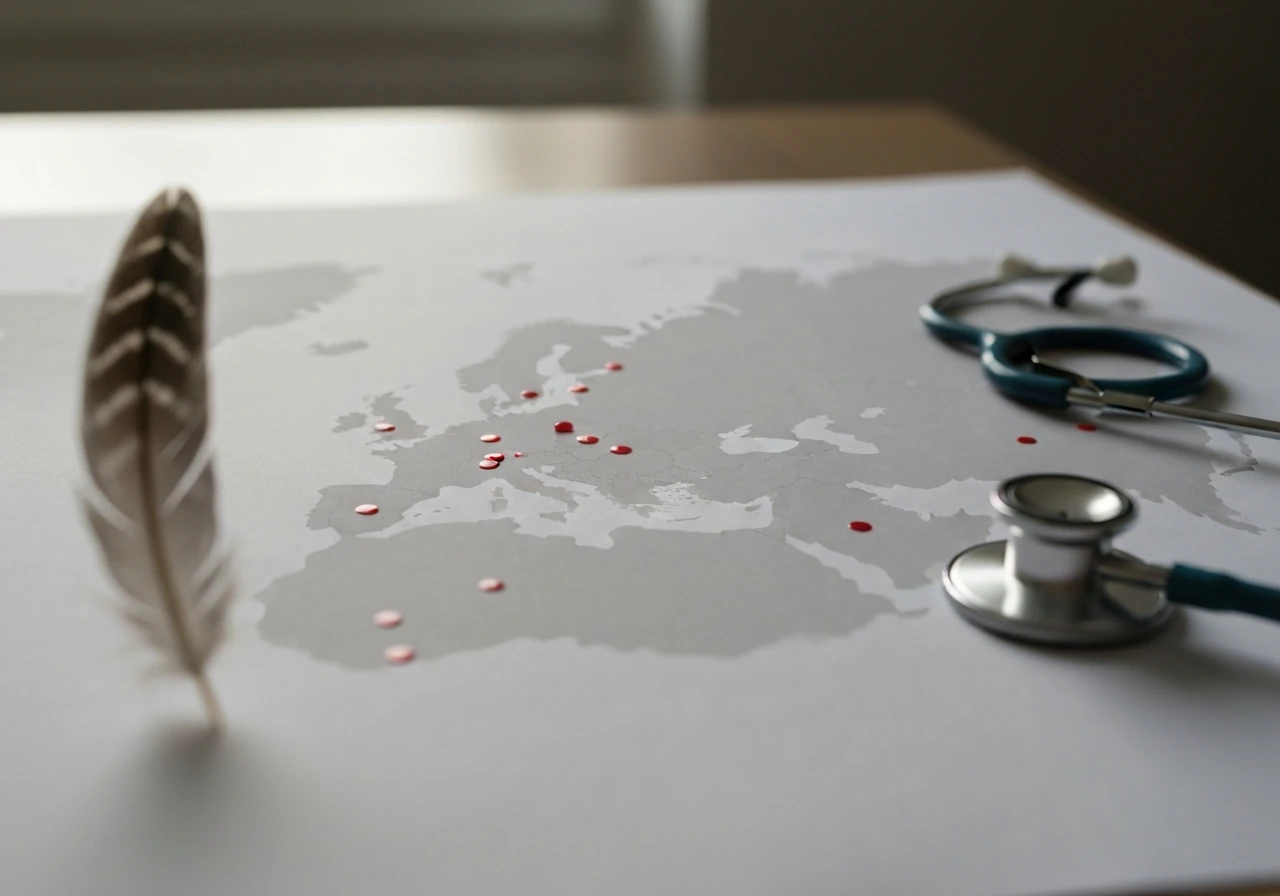
Between late November 2025 and late February 2026, authorities across 32 European countries recorded 406 outbreaks in domestic birds and more than 2,100 detections in wild birds, according to EFSA (European Food Safety Authority) and ECDC (European Centre for Disease Prevention and Control) quarterly monitoring. Globally, WOAH's HPAI Situation Report 80, covering data submitted in February 2026, documented high numbers of outbreaks in both poultry and wild birds, as well as detections in mammals. That report was followed by Situation Report 81 covering March 2026, confirming that this is an ongoing, continuously monitored situation, not a one-time event.
On the human infection side, the same November 2025 to February 2026 monitoring window captured 10 confirmed human cases across two countries: one H5N1 case in Cambodia and nine cases in China (eight H9N2 and one H10N3). None were fatal. These numbers sound alarming at first glance, but they represent a very small fraction of the billions of people who live and work near birds globally, and all cases were linked to direct animal exposure.
So the honest summary is: bird flu is widespread in birds internationally, localized human infections occur but remain uncommon, and human-to-human transmission has not been documented.
How to check reliable outbreak updates for specific regions
If you want to know what's happening in a particular country right now, these are the sources actually worth bookmarking:
- WOAH WAHIS (World Animal Health Information System): The official global reporting system for animal disease events. Immediate notifications are published after WOAH verification. You can filter by country, species, and disease type. WOAH also publishes numbered HPAI Situation Reports periodically, with Report 80 covering February 2026 data and Report 81 covering March 2026.
- FAO Avian Influenza Dashboard: FAO maintains an interactive map and analytics tool showing outbreak locations, affected species, and circulating virus subtypes across countries. It's designed for risk assessment and is regularly updated.
- FAO EMPRES-AH (Global AIV with Zoonotic Potential): This hub integrates data from WOAH, FAO, and national authorities, with a specific focus on strains that have zoonotic potential, meaning those that can infect humans.
- ECDC (for Europe): ECDC publishes quarterly avian influenza overview reports covering human cases and poultry/wild bird detections across European countries. Their December 2025 to February 2026 report is the most recent published window as of June 2026.
- CDC A(H5) Bird Flu Current Situation page: CDC updated and streamlined its H5 bird flu reporting in July 2025. This is the best single U.S.-focused source, but it also covers global context.
- USDA APHIS HPAI Detections in Wild Birds: For U.S.-specific wild bird surveillance, APHIS maintains a live list including strain subtype, species, and state. As of May 2026, detections like EA H5 in Minnesota wood ducks are still being logged.
A practical tip: when you're reading any outbreak report, always check the 'as-of' date. WOAH's situation reports explicitly state they are based on information submitted in a specific month, so a report labeled February 2026 may not capture events confirmed in March. Layering a few of these sources gives you a much more complete picture than relying on news headlines alone.
Risk to people versus risk to poultry: what international outbreaks actually mean

Here's where people often conflate two very different risk pictures. For poultry, international bird flu outbreaks are genuinely serious. HPAI can devastate flocks rapidly, and the European data alone shows 406 domestic bird outbreaks in a single three-month window. ECDC data also confirms that more than 90% of those poultry detections resulted from primary introduction via wild birds, particularly waterfowl species that were affected more heavily than in previous years. That wild-bird-to-domestic-flock pathway is the dominant risk mechanism globally.
For people, the picture is significantly different. WHO's primary finding on human infection risk is that exposure to live or dead infected animals, or to contaminated environments like live bird markets, is the main driver. CDC says human infections with avian influenza A viruses are uncommon and generally occur after unprotected exposure to infected poultry or virus-contaminated environments, with illness severity ranging from mild to severe (including death). Casual contact in everyday settings is not associated with transmission. The joint FAO/WHO/WOAH public health risk assessment dated March 1, 2026 rates the global public health risk from HPAI H5 viruses as low for the general population, and low to moderate for occupationally exposed persons depending on local conditions and protective measures. No human-to-human spread has been documented in the U.S. or globally in sustained community transmission.
| Risk Category | Risk Level | Primary Driver |
|---|---|---|
| General public (no animal exposure) | Low | No significant exposure pathway |
| Travelers to affected regions (no bird contact) | Low | No close animal exposure |
| Poultry/farm workers (with PPE) | Low to moderate | Occupational exposure, mitigated by protection |
| Poultry/farm workers (without PPE) | Moderate | Unprotected exposure to infected birds or environments |
| Domestic poultry flocks near wild birds | High (for birds) | Wild bird introduction, especially waterfowl |
What you should do right now
If you're traveling internationally
The core rule is simple: avoid direct contact with live or dead birds in countries with active outbreaks. That means skipping live bird markets, not handling sick or dead wild birds, and washing hands thoroughly after any incidental contact with animals or farm environments. Check the FAO dashboard and ECDC or CDC travel guidance for your destination before you go. If you develop flu-like symptoms within 10 days of returning from a country with known outbreaks, tell your doctor about the travel history and any animal exposure. That context matters for diagnosis.
If you keep backyard or commercial poultry
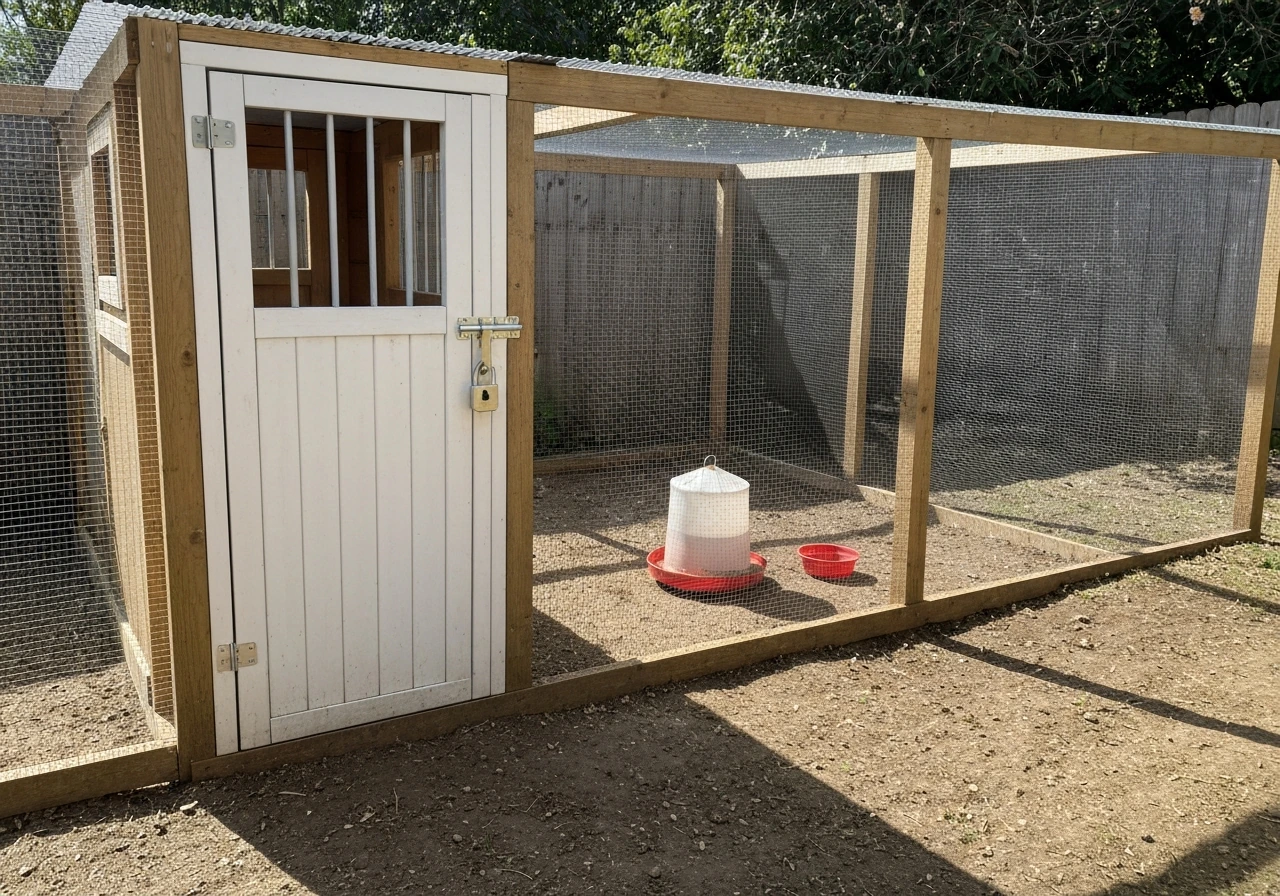
Your risk picture is the most concrete. Biosecurity is your best tool. Limit contact between your flock and wild birds by housing birds when possible, securing feed, and fencing areas to reduce waterfowl access. Know what sick birds look like: sudden drops in egg production, unusual deaths, neurological signs like circling or head tremors, and respiratory distress are all red flags. If you see these signs, report immediately to your state or national agricultural authority. In the U.S., that means USDA APHIS. In Europe, contact your national competent authority. USDA APHIS maintains a live list of U.S. wild-bird HPAI detections, with details such as the WOAH strain or subtype, bird species, sampling method, and the WOAH classification USDA APHIS’s live list of wild-bird HPAI detections. Early reporting is critical, both for containing spread and for any compensation or support programs.
If you're a household concerned about general risk
Your day-to-day risk from internationally circulating bird flu is genuinely low. The practical steps that matter are mostly about food handling (covered in the next section) and basic hygiene. Don't handle sick or dead wild birds. If you find a dead bird, contact your local wildlife or agriculture authority rather than picking it up. Keep an eye on trusted outbreak sources if you live in an agricultural area or near wetlands where waterfowl congregate.
Food safety and handling: poultry and eggs

This is one of the most common questions people have, and the answer is reassuring but worth understanding properly. Properly cooked poultry and eggs are safe to eat. Avian influenza viruses are heat-sensitive and are killed by standard cooking temperatures. Poultry should reach an internal temperature of 165°F (74°C), and eggs should be cooked until both the yolk and white are firm. The virus does not survive proper cooking.
The handling stage is where care matters. Raw poultry or eggs from infected birds can carry virus on their surfaces, so cross-contamination in the kitchen is the realistic risk. Standard food safety practices cover this completely:
- Wash hands thoroughly with soap and water before and after handling raw poultry or eggs.
- Use separate cutting boards for raw poultry and other foods.
- Don't wash raw poultry before cooking (it spreads bacteria and viruses to surrounding surfaces).
- Refrigerate or freeze poultry and eggs promptly.
- Cook to proper internal temperatures: 165°F (74°C) for poultry, fully set yolks and whites for eggs.
- Clean and disinfect any surfaces or utensils that contact raw poultry.
Commercially inspected poultry and eggs go through regulatory oversight that screens for disease before products reach the market. Backyard egg producers should apply the same food safety rules and be especially vigilant if their flock shows any signs of illness, in which case consult an agricultural authority before consuming eggs.
Prevention, biosecurity, and the medical tools available
Biosecurity for farms and backyard flocks
The ECDC finding that over 90% of European poultry outbreaks were caused by primary introduction from wild birds makes the biosecurity calculus clear: the goal is reducing wild bird contact with domestic flocks. Key biosecurity measures include housing birds indoors during high-risk migration periods, using covered water sources so wild birds can't contaminate drinking water, cleaning and disinfecting equipment between uses, and controlling who enters poultry areas (visitor logs, dedicated footwear, protective clothing). For larger operations, formal biosecurity plans aligned with WOAH standards or national requirements are essential.
Surveillance and reporting
Surveillance is what makes early response possible. WOAH's WAHIS system, which requires 24-hour notification from member countries for qualifying events, is the backbone of international tracking. At the national level, farmers and wildlife observers play a real role by reporting sick or dead birds to agricultural authorities. In the U.S., reports go to USDA APHIS. In Europe, national competent authorities feed data into ECDC and EFSA monitoring. The faster a detection is reported, the faster containment measures can be deployed.
Medical response: antivirals and vaccines
For humans, antiviral medications like oseltamivir (Tamiflu) are available and are most effective when started early after exposure or symptom onset. These are not over-the-counter medications; they require a prescription and should be taken under medical supervision. If you've had a known high-risk exposure (unprotected contact with infected birds or contaminated environments), seek medical advice quickly rather than waiting for symptoms.
On the vaccine front, human vaccines for H5N1 and related strains have been developed and stockpiled in several countries as a pandemic preparedness measure. These are not currently recommended for the general public but are part of the response toolkit if a strain with efficient human-to-human transmission were to emerge. For poultry, vaccines are used in some countries as part of flock protection programs, though their use varies by national policy. The broader international response and what countries are actively doing, including vaccine deployment strategies and surveillance investments, is a topic worth following as the situation continues to evolve. Learn more about what is being done about bird flu, including how different countries coordinate surveillance, reporting, and health measures the broader international response.
The bottom line: internationally, bird flu is a real and active concern for animal health, with ongoing poultry and wild bird outbreaks across dozens of countries. The human health risk is genuinely low for most people, but not zero for those with regular animal exposure. Use trusted sources like WOAH, FAO, ECDC, and CDC to stay current, apply basic biosecurity and food safety practices, and report anything unusual in your flock early. That combination covers the vast majority of practical risk reduction available to you today.
FAQ
If a country doesn’t report any bird flu outbreaks, should I assume it’s safe to travel there or keep poultry there?
Not necessarily. Absence of reported outbreaks can reflect limited testing and reporting, not true absence of infection. If you are traveling, follow general precautions where outbreaks are known in the wider region, avoid live bird markets, and practice strict hand hygiene after any animal or farm environment contact. If you keep poultry, treat your area as potentially at risk during migration periods, tighten wild bird exclusion, and ask local agricultural authorities what surveillance or reporting channel they use.
Does bird flu status affect the safety of eggs and poultry from that country while I’m there?
In general, properly cooked poultry and eggs are safe, even when outbreaks are occurring. The bigger risk is kitchen handling, especially with raw products. Use separate cutting boards and utensils for raw poultry, avoid washing raw meat or eggs, cook to the recommended internal temperature (165°F or 74°C for poultry), and cook eggs until both yolk and white are fully firm.
Can bird flu spread from person to person through casual contact like sharing a room or public transport?
Current evidence indicates casual contact is not the driver of spread. Human infections have been linked to direct exposure to infected animals or contaminated settings such as live bird markets. If you have no animal exposure and no known contact with a confirmed human case, your personal risk from casual community exposure is typically considered very low.
I work with animals or at a poultry-related job. What should count as a “high-risk exposure” that warrants medical attention?
High-risk exposure generally involves unprotected direct contact with sick or dead birds, assisting with carcass removal, cleaning contaminated poultry areas without proper protection, or spending time in environments like live bird markets where infected animals may be present. If you develop flu-like symptoms after such exposure, contact a clinician promptly and disclose the specific animal and location history, since early treatment can matter.
What should I do if I find a dead wild bird in an area where bird flu is circulating?
Do not pick it up with bare hands. Keep people and pets away, and contact your local wildlife or agricultural authority for guidance on handling and disposal. If you must wait near the animal, limit contact and wash hands thoroughly after any unavoidable contact with the site. This reduces both personal exposure and the chance of spreading contamination to other locations.
Are there extra precautions for travelers who take part in bird-related activities, like birdwatching near wetlands or hunting?
Yes, mainly hygiene and contact prevention. Avoid handling or approaching sick or dead birds, don’t touch birds or nests, and keep distance from waterfowl roost areas when birds appear unwell. If you wear gear that could be contaminated (boots, gloves, outerwear), clean it before interacting with households or farms, and wash hands after any time spent near carcasses or farm perimeters.
How can I interpret WOAH or ECDC outbreak listings, especially the dates?
Always check the “as-of” month or submission window, because a report reflects events confirmed and sent to the system during a defined time period, not everything happening at that moment. If you want the most current picture, combine the latest situation report with the most recent regional updates, and consider that numbers can increase when previously suspected cases are confirmed.
If my flock has mild illness or reduced egg production, does that mean bird flu is present?
Reduced egg production and other symptoms can come from many causes, not just avian influenza. However, sudden drops in production, clusters of unusual deaths, or neurological and respiratory signs are enough reason to escalate quickly. Isolate the birds, limit access to the area, and report to the relevant agricultural authority so testing can confirm or rule out HPAI.
Do I need a vaccine before travel to a country with bird flu outbreaks?
For most travelers, human vaccines are not recommended. Vaccination decisions depend on whether you have occupational exposure or special high-risk circumstances, and they follow country-specific recommendations. If you have a job involving poultry or bird handling, ask a travel clinic or occupational health provider well before departure about any targeted guidance.