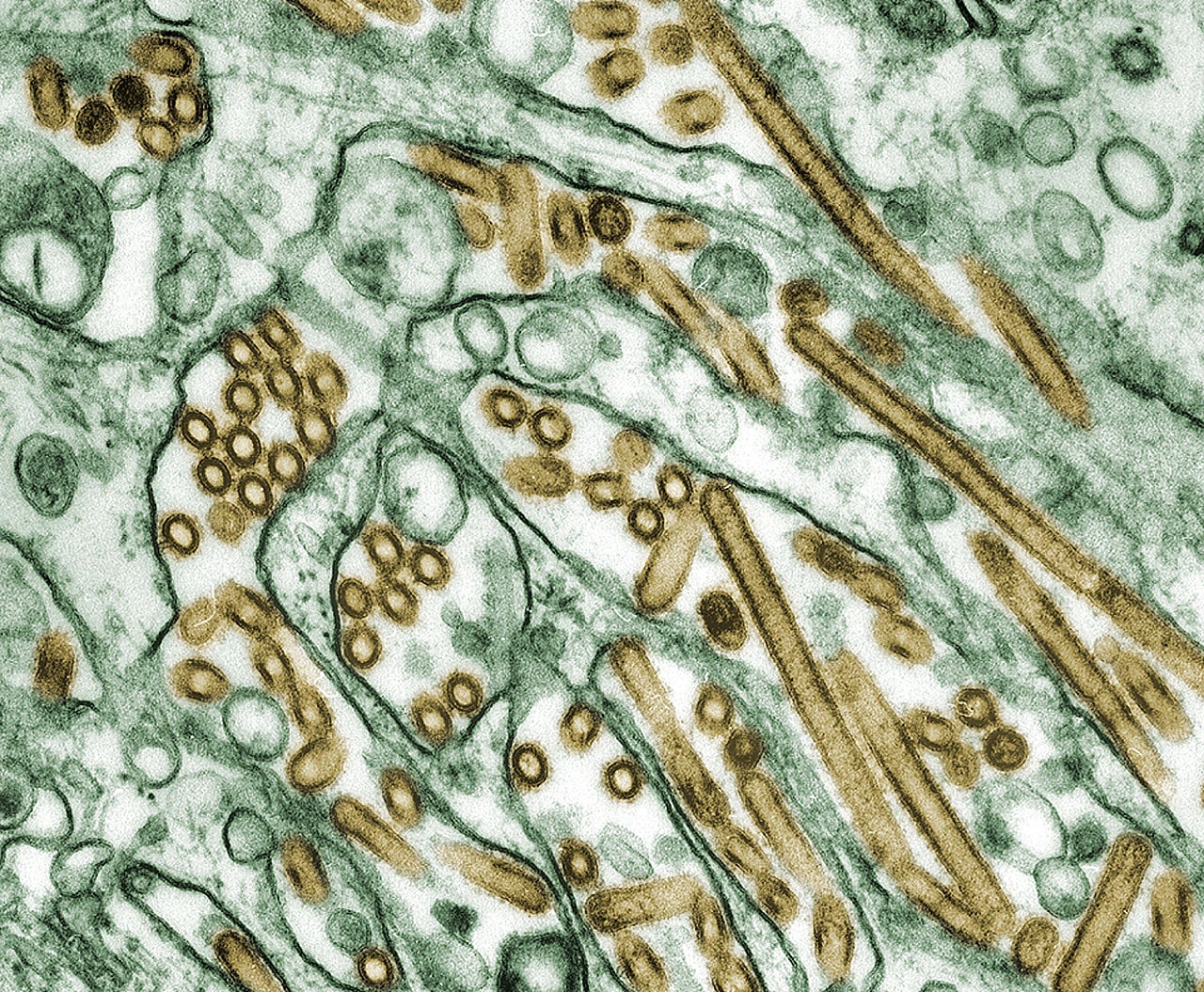
Yes, bird flu has been confirmed in New Jersey. On January 22, 2026, USDA APHIS and the NJ Department of Agriculture (NJDA) confirmed a highly pathogenic avian influenza (HPAI) case on a commercial bird farm in Burlington County. As of June 22, 2026, that confirmed commercial outbreak is the most recent officially documented case in a NJ poultry operation, but ongoing surveillance continues because wild migratory birds move through the state year-round. The realistic risk to most NJ residents is very low, but if you keep backyard chickens, work with poultry, or handle wild birds, there are specific, practical steps you should take right now. If you are asking, "is bird flu in Maryland," the best move is to check your state's health and agriculture updates, since detections can change quickly backyard chickens, work with poultry, or handle wild birds.
Is Bird Flu in NJ Right Now? How to Check Risk and Stay Safe

How to Check Whether Bird Flu Is Currently Active in NJ
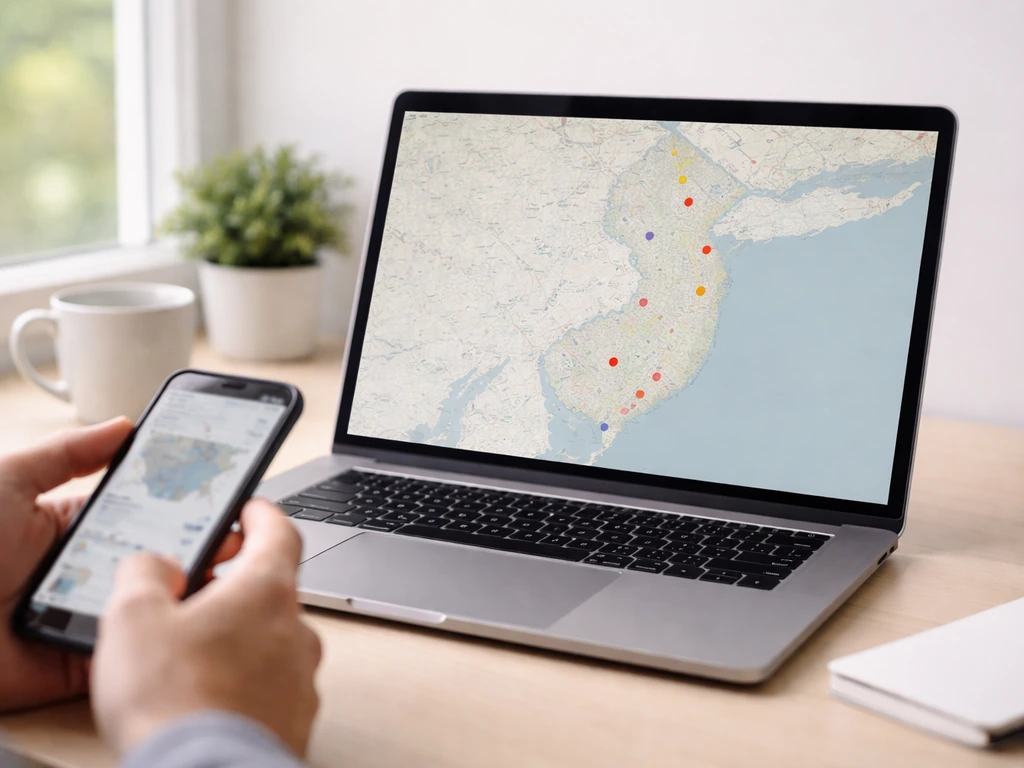
The most reliable way to stay current is to check two sources simultaneously. First, the USDA APHIS website maintains a live table of HPAI detections in both commercial/backyard poultry and wild birds. The date that matters is the "Date Detected," which is defined as the date National Veterinary Services Laboratories (NVSL) confirmed the sample, not just when someone collected it. That page was last modified June 1, 2026, so it is actively updated. Second, the NJDA issues press releases whenever a new confirmed case hits a NJ farm. The Burlington County confirmation on January 22, 2026 came through exactly that channel.
The CDC tracks human cases separately. If you want to know whether any NJ resident has tested positive for bird flu in humans, the CDC's H5N1 human case tracker is your source. As of the date of this article, there are no confirmed human HPAI cases tied specifically to New Jersey. Different alert levels mean different things: a USDA detection in wild birds means the virus is circulating in waterfowl populations (common during migration season); a confirmed poultry flock case means human handlers on that operation face elevated exposure risk; a confirmed human case triggers a much more active public health response. Understanding which category you're looking at keeps you from overreacting or underreacting.
Neighboring states are also worth watching if you're near a border. Pennsylvania, Maryland, Virginia, and Massachusetts have all seen HPAI activity in recent seasons, and migratory flyways don't respect state lines. If those states are reporting active detections in wild birds, NJ's risk of exposure in wild bird populations goes up too.
What Bird Flu in NJ Actually Means for People
Here's where a lot of people get confused, so let's be direct. HPAI (highly pathogenic avian influenza) is devastating for birds. In poultry, it kills quickly and spreads fast through flocks. In people, it's a very different story. Human infections from HPAI H5N1 are rare worldwide, and they almost always involve direct, close contact with infected birds or heavily contaminated environments. Casual exposure, like walking past a park pond or seeing geese overhead, does not put you at meaningful risk.
NJ DOH guidance is explicit on this point: blank" rel="noopener noreferrer">there are no known human HPAI infections from simply being near wild bird droppings. The risk concentrates sharply in higher-exposure scenarios: farm workers handling sick or dead birds, people cleaning out infected coops without proper protective equipment, and anyone performing carcass disposal during an outbreak. For the vast majority of NJ residents going about their daily lives, bird flu is not a personal health threat right now. You may also be wondering whether bird flu is birded in nearby states, including Virginia is bird flu in Virginia.
How the Virus Actually Spreads Locally
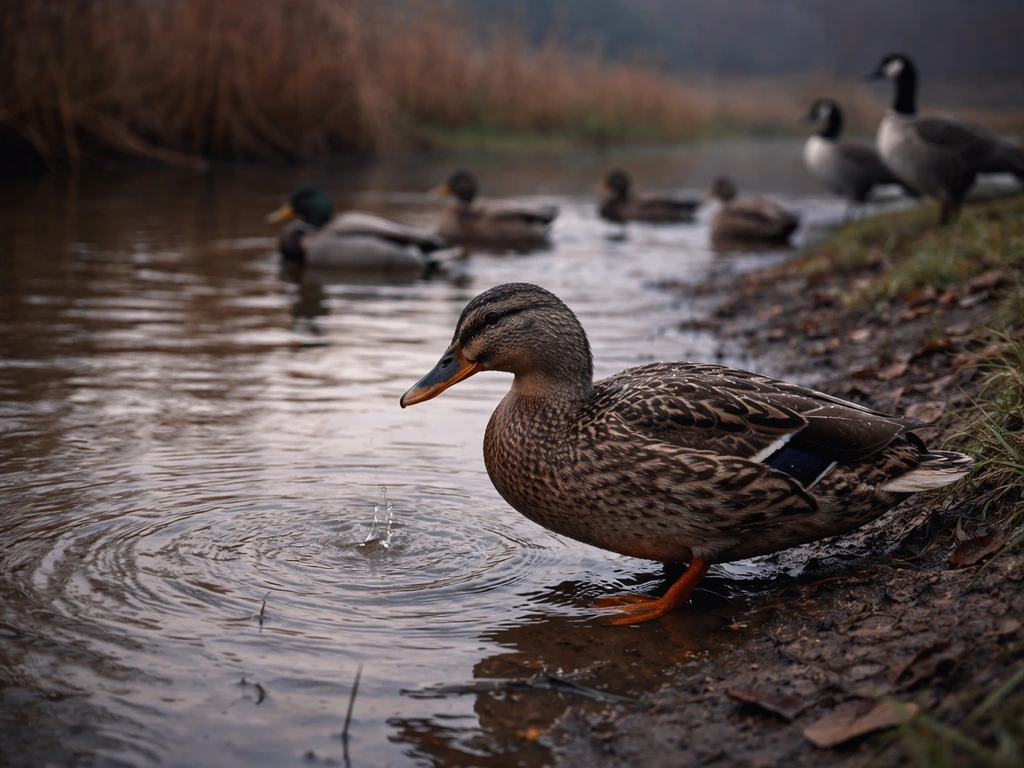
Wild migratory waterfowl, especially ducks and geese, are the primary reservoir for HPAI. They can carry and shed the virus without always showing signs of illness, which is why NJDA surveillance focuses heavily on them. The virus moves into domestic poultry when wild birds share water sources, when contaminated feces get tracked into a coop on boots or equipment, or when infected wild birds land in areas where chickens, ducks, or turkeys are kept.
NJDA explains that HPAI enters birds through inhalation, ingestion, or through mucous membranes like the eyes. The virus is shed in large amounts through feces, saliva, and respiratory secretions from infected birds. That means contaminated surfaces, shared water, and even dust in a poorly ventilated barn can be transmission routes. For people, the exposure pathways mirror this: touching infected birds or their secretions and then touching your face, mouth, or eyes is how transmission to humans happens. Properly worn PPE (gloves, eye protection, a respirator) breaks that chain reliably.
What to Watch For: Symptoms in Humans and Signs in Birds
Signs of HPAI in Poultry and Wild Birds
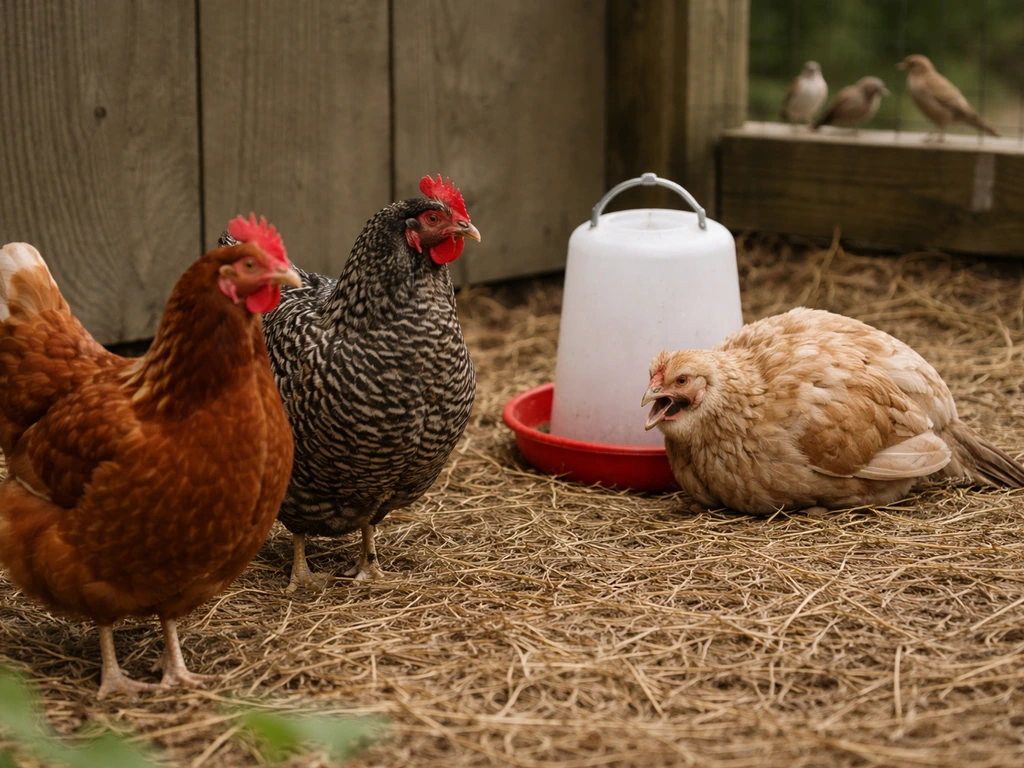
If you keep backyard chickens or other poultry, knowing what sick birds look like can save your flock and prevent further spread. NJDA lists these warning signs:
- A sudden spike in bird deaths with no obvious explanation
- Respiratory distress: sneezing, gasping, coughing, or nasal discharge
- Watery or green-tinged diarrhea
- A sharp drop in egg production, or eggs that look abnormal in shape or shell quality
- Swelling, blue-purple discoloration of the wattles (the fleshy flap under the beak), comb, or legs
NJDA's reporting threshold for small flock owners is concrete and worth remembering: if you lose one bird per day for two days in a row and can't explain why, that is enough to warrant a call to animal health authorities. Don't wait for a bigger die-off.
Symptoms in Humans After Exposure
Human HPAI symptoms overlap significantly with regular flu, which makes exposure history the key diagnostic factor. If you've had direct contact with sick or dead birds and then develop any of the following, you need to tell your doctor about that exposure immediately:
- Fever or feeling feverish/chills
- Cough, sore throat, or runny nose
- Muscle or body aches
- Headache and fatigue
- Eye redness or irritation (conjunctivitis)
- Shortness of breath or difficulty breathing (a more serious sign)
- Diarrhea or vomiting in some cases
The incubation period (time from exposure to symptoms appearing) for HPAI H5N1 in humans is typically 2 to 5 days but can be up to 10 days. If you had a meaningful exposure and symptoms develop within that window, act quickly rather than waiting to see if you feel better on your own.
Is It Safe to Eat Eggs and Chicken Right Now?
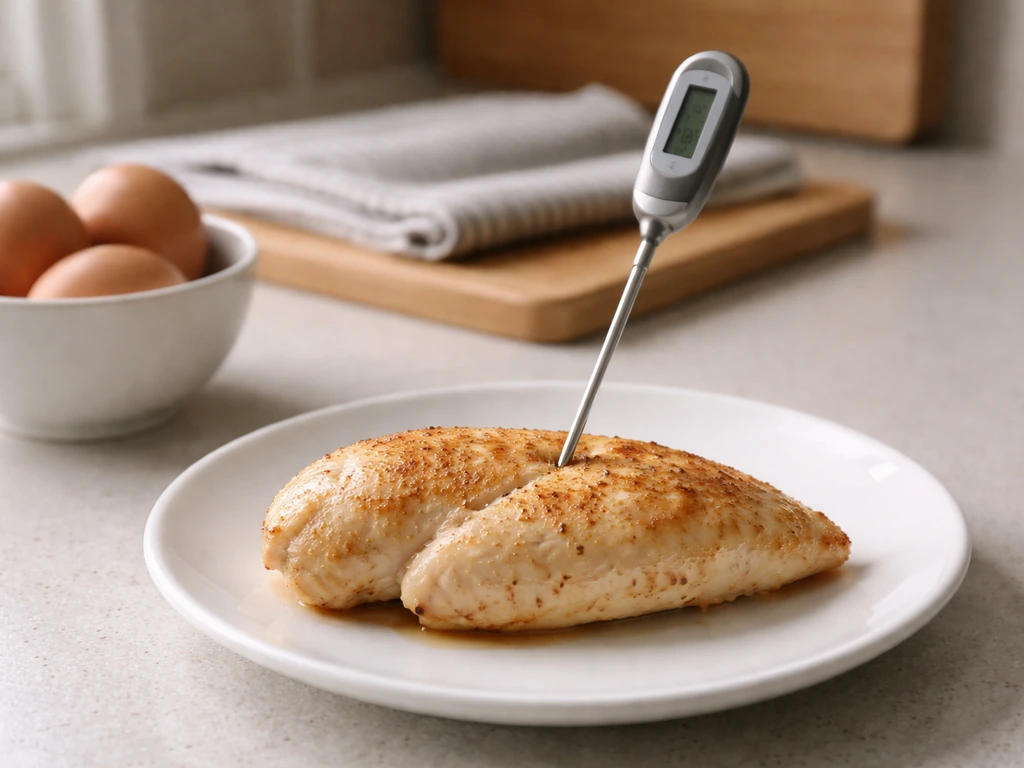
Yes, properly cooked poultry and eggs are safe to eat. Both the CDC and USDA are unambiguous on this: cooking poultry or eggs to an internal temperature of 165°F kills avian influenza viruses, along with other bacteria and pathogens. There is no evidence that anyone has contracted bird flu from eating commercially sold, properly cooked chicken or eggs.
That said, safe handling in the kitchen still matters. The two main risk-reduction practices are thorough cooking and preventing cross-contamination. Here's what that looks like practically: If you're also tracking the broader situation, you can compare NJ guidance with updates on whether bird flu is in North Carolina.
- Use a food thermometer to confirm poultry reaches 165°F internally, not just on the surface
- Do not rinse raw poultry in the sink, which spreads droplets to nearby surfaces
- Wash hands with soap and water after handling raw poultry or eggs
- Use separate cutting boards for raw poultry versus ready-to-eat foods
- Avoid eating runny or undercooked eggs if you are in a high-risk health category
- Commercially pasteurized eggs and USDA-inspected poultry go through oversight processes that add another layer of safety
If you gather eggs from your own backyard flock and that flock has been exposed to wild birds, the calculus changes slightly. Wash eggs, refrigerate them promptly, and cook them fully until both the white and yolk are set. If your flock shows signs of HPAI or you suspect exposure, contact NJDA before handling eggs from those birds.
Who Is Most at Risk and When to Call for Help
Most NJ residents face negligible risk from bird flu. The people who need to be more careful fall into clear categories: commercial poultry farm workers, backyard flock owners, waterfowl hunters, wildlife rehabilitators, veterinarians, and anyone involved in cleanup or carcass disposal at an affected site. Within those groups, people with underlying health conditions or compromised immune systems face higher severity risk if they do get infected.
If you fall into one of those higher-exposure groups, here is when to reach out and to whom:
| Situation | Who to Contact | Contact Info |
|---|---|---|
| Sick or dead birds in your flock (especially 1+ per day for 2 days) | NJDA State Veterinarian | 609-671-6400 or state.veterinarian@ag.nj.gov |
| Sick or dead birds in your flock (USDA reporting line) | USDA APHIS NJ Area Office | 609-259-5260 or 1-866-536-7593 |
| You handled infected birds and now have flu-like symptoms | Your primary care doctor or urgent care | Tell them your exposure history before you arrive so they can prepare |
| Dead wild birds in large numbers (10+ in one area) | NJ Division of Fish & Wildlife or NJDA | Report through NJDA's website or call the state vet line |
| Confirmed exposure on a farm with active HPAI outbreak | NJ Department of Health | Contact local or state health department for monitoring guidance |
Do not wait to see if symptoms improve if you've had a real exposure. CDC guidance is clear: prompt medical evaluation matters, both for your own outcome and for triggering appropriate public health monitoring.
Prevention: A Practical Checklist for NJ Households, Backyard Flocks, and Farms
For NJ Households With No Poultry
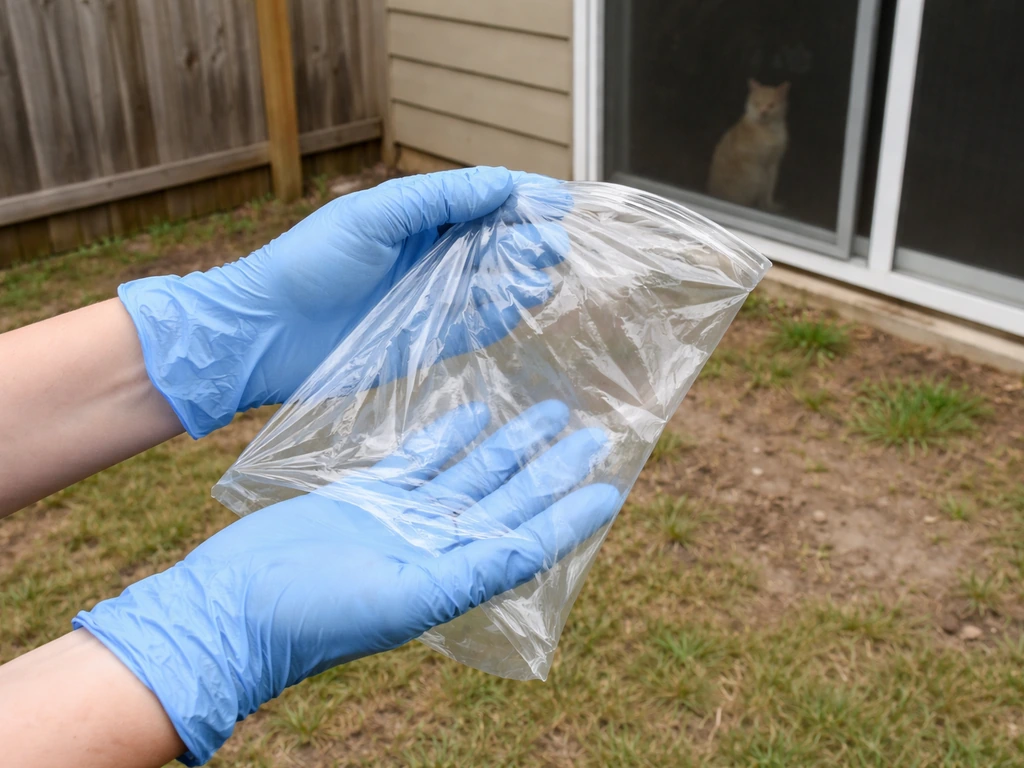
- Avoid touching dead wild birds with bare hands; use gloves or a plastic bag inverted over your hand if you need to move one
- Keep pets, especially dogs and cats, away from dead wild birds
- Cook all poultry and eggs to 165°F and practice standard kitchen hygiene
- Do not bring wild birds into your home for care without contacting a licensed wildlife rehabilitator first
For Backyard Flock Owners
- Keep your flock physically separated from wild birds: use covered runs, bird netting, and solid-sided coops
- Do not share equipment, feeders, or water sources between your birds and wild birds
- Change clothes and wash hands before and after entering your coop area
- Dedicate a pair of boots to coop use only; do not wear them elsewhere
- Source new birds only from NPIP (National Poultry Improvement Plan)-certified flocks
- Report any sudden deaths or illness signs to NJDA immediately using the threshold of 1 bird/day for 2 consecutive days
- Keep a log of bird health observations; it helps authorities assess the timeline if you do report
For Commercial Poultry Operations
- Maintain full biosecurity protocols: controlled access zones, visitor logs, vehicle sanitation stations
- Ensure all workers are trained on PPE use: N95 or higher respirator, eye protection, gloves, and disposable coveralls when handling birds
- Have a written response plan in place before an outbreak, not after
- Conduct regular flock health checks and document mortality data daily
- Coordinate with USDA APHIS and NJDA for surveillance testing if you're near a confirmed case or in a high-risk county
- Participate in the USDA's voluntary surveillance programs if you haven't already
Treatment and Vaccines: What to Expect if You're Exposed
If you've had a meaningful exposure to HPAI-infected birds and develop symptoms, the primary treatment is oseltamivir (brand name Tamiflu). The CDC recommends starting it as soon as possible after symptom onset. For non-hospitalized patients, the standard course is two doses per day for 5 days. Earlier treatment generally means better outcomes, which is another reason not to sit on symptoms if you have a known exposure history.
On the question of preventive antiviral treatment (chemoprophylaxis) after exposure: the CDC does not routinely recommend it for people who had a low-risk exposure or who used proper PPE correctly with no breaches during handling or decontamination. If you wore your gloves and respirator correctly and had no known PPE failure, prophylactic Tamiflu is not automatically indicated. Your doctor or local health department will assess your specific exposure to make that call.
There is a pre-pandemic H5N1 vaccine in the U.S. government's Strategic National Stockpile, but it is not available to the general public right now and is not recommended for routine use. It exists as a preparedness measure. If H5N1 were declared a public health emergency of international concern and human-to-human transmission became widespread, vaccine distribution protocols would activate. That is not the situation today. For now, the closest thing to a practical protective measure for high-risk workers is proper PPE, not a vaccine.
If you're a farm worker or poultry handler in NJ and you want to talk through your specific exposure scenario, your county health department or the NJ Department of Health is the right starting point. They can assess your exposure level, determine whether monitoring is warranted, and connect you with testing if symptoms develop. Don't try to self-diagnose a bird flu exposure at home; the stakes of getting it wrong in either direction (unnecessary panic versus delayed treatment) are high enough that a phone call is worth it.
FAQ
If bird flu is in NJ, what date should I treat as “current,” the report date or the sample confirmation date?
Use the “Date Detected” field (not the reporting or collection date) on the USDA APHIS HPAI table, then cross-check whether NJDA issued a same-week press release for the specific county or farm. If you see a later “Date Detected” update, treat that as the trigger for new protective actions like tighter coop hygiene and extra PPE.
Does seeing wild birds around my house mean I should worry about my personal exposure?
If you only saw wild birds in a park or backyard with no handling and no contact with droppings on your hands and face, that is generally considered low-risk. Focus on washing hands after any outdoor contact, keeping pets from pecking sick birds, and avoiding touching your eyes or mouth until after you wash.
What should I stop doing immediately if I suspect my backyard chickens were exposed?
For backyard flocks, avoid taking birds out of the coop, feeding birds by hand, or “checking” sick birds with bare hands. If you must inspect, use disposable gloves, eye protection, and a mask that can filter fine particles, then disinfect tools afterward (and keep other people and pets away from the area).
I found a dead bird, what is the safest next step for me to take in NJ?
If you find a dead wild bird, do not bag it without gloves. Use a method that prevents aerosolizing material (place it carefully into a sealed bag or container, then wash hands thoroughly). The practical next step is to contact NJDA or local animal health authorities for guidance on disposal rather than guessing.
How do I prevent bird flu risk from spreading within my own property?
Treat “cross-contamination” as a bigger issue than casual exposure. Keep poultry boots and equipment separate from household items, change or sanitize before entering your home, and disinfect surfaces in the coop area before letting family members or pets walk through.
Are eggs from my own backyard flock safe if I think my flock may have been exposed to wild birds?
Commercially sold eggs and properly cooked poultry are safe, but backyard eggs from a flock that you believe may have been exposed require extra caution. If you suspect exposure, don’t rely on “taste test” or partial cooking, instead cook thoroughly and follow NJDA instructions for whether to collect or discard eggs from that flock.
How do I figure out whether my situation is low-risk or higher-risk?
Track your exposure category first. Routine public settings and seeing birds are low-risk, while farm-related handling of sick or dead birds, cleaning coops, and carcass disposal are higher-risk and merit quicker medical contact if symptoms start.
If I develop flu symptoms after possible exposure, when should I seek care, and who should I call?
Call your doctor or local health department promptly if you had meaningful direct exposure (handling sick or dead birds, cleaning contaminated areas without appropriate protection) and you develop flu-like symptoms within the typical 2 to 5 day window, up to 10 days. The key detail is to explain the specific exposure timeline so clinicians can decide on testing and whether antiviral treatment is appropriate.
If treatment is needed, is it time-sensitive, and should I wait for test confirmation?
Tamiflu decisions depend on timing and exposure history. Don’t wait for test results if you had a real exposure and symptoms begin, because clinicians generally consider starting as soon as possible after onset, and faster treatment tends to improve outcomes.
When would prophylactic Tamiflu be considered after exposure, and what counts as a PPE “breach”?
CDC guidance generally does not support automatic antiviral prevention for people with low-risk exposure or who had correct PPE with no breaches. If your PPE had a problem, for example a tear, uncovered face exposure, or you cleaned without a respirator, that is the kind of “breach” detail your doctor or local health department needs to assess whether prophylaxis is warranted.
If there is no H5N1 vaccine for the public, what are the most practical protections for higher-risk workers in NJ?
No public H5N1 vaccine access means your practical protection for higher-risk work is administrative and barrier controls. That includes job-specific PPE, training on doffing without self-contamination, and procedures for isolating sick birds and disinfecting equipment.
Is Bird Flu in Massachusetts Right Now? What to Know
See if bird flu is in Massachusetts now, plus symptoms, transmission, safety steps, and what to do after exposure.