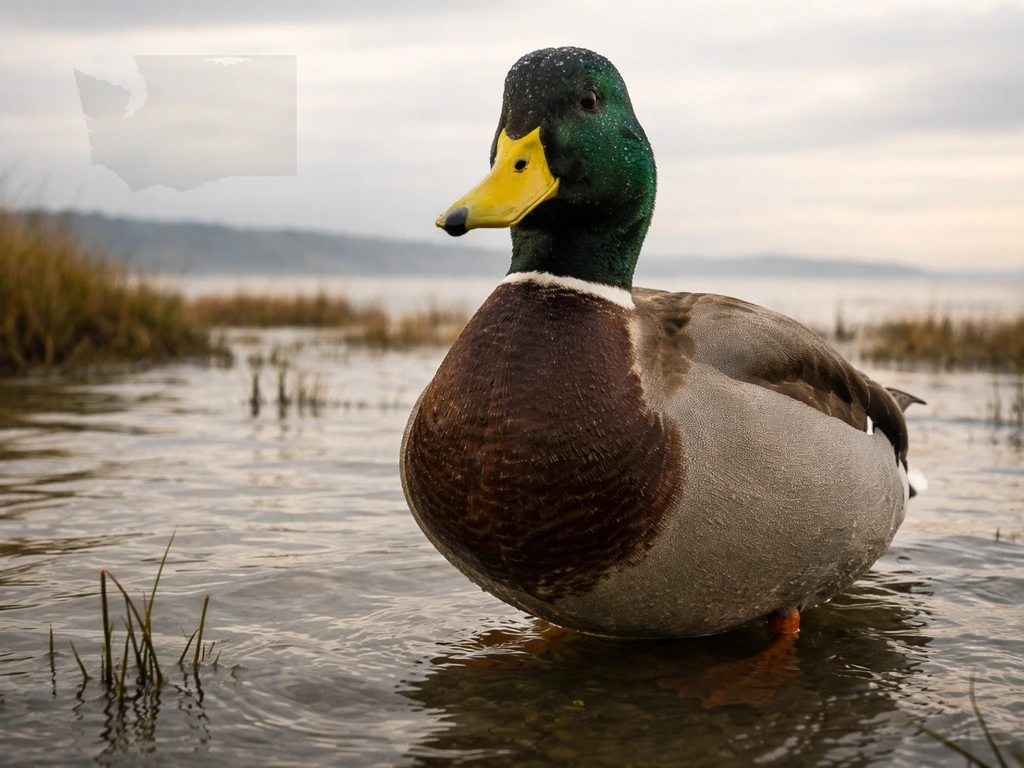
Yes, bird flu has been confirmed in Oregon, but the most recent poultry premises detection was back in January 2026, and as of March 31, 2026, the Oregon Department of Agriculture reported no new positive premises since then. On the human side, Oregon has recorded exactly one confirmed human case of HPAI H5N1, with zero deaths. So while bird flu is genuinely present in the state, active transmission right now appears to be at a low point, not a peak. You may also be wondering, is bird flu in Colorado, and whether any detections there affect travel or poultry owners.
Is Bird Flu in Oregon Right Now? Current Status and What to Do

Sarah Chen
24 Jun 2026

What the current Oregon bird flu numbers actually mean
Since the current HPAI (highly pathogenic avian influenza) outbreak began in 2022, Oregon has tallied 68 total cases across 23 counties. Breaking that down: 3 commercial poultry flocks, 58 backyard flocks, 6 feline premises, and 1 other avian premises. The last confirmed positive poultry premises were on January 2, January 12, and January 23, 2026, all in Umatilla and Tillamook counties. After that, no new premises tested positive, and those three active quarantines were released.
When official sources say 'case,' they almost always mean a detection in a bird or on a premises, not a human getting sick. The Oregon Health Authority confirmed one human case in Oregon during the 2025-2026 season, which matches the CDC's national table showing Oregon with 1 human case and 0 deaths. Nationally, the U.S. has reported 71 total human A(H5) bird flu cases since February 2024. That context matters: 1 human case in Oregon out of the entire state's population is a very different picture from what headlines sometimes imply.
It's also worth knowing how case counts get reported. CDC classifies detections as confirmed when their own lab verifies the result, and as probable when a state or local public health lab detects H5 positive but CDC confirmation isn't available yet. That's why case counts can look slightly different depending on which source you're reading on a given day.
Bird flu is not the same thing as your regular winter flu
Bird flu (avian influenza) and seasonal flu are both influenza A viruses, but they behave very differently in people. Seasonal flu spreads easily from person to person through respiratory droplets. HPAI H5N1, the strain circulating now, does not spread easily between people at all. The cases we've seen in the U.S. have almost exclusively come from direct, unprotected contact with infected birds, infected dairy cattle, or contaminated environments. There is no sustained human-to-human transmission happening.
The fear around bird flu often comes from knowing that influenza viruses can mutate, and that a strain capable of spreading easily between people could theoretically cause a pandemic. That's a legitimate concern researchers monitor closely. But right now, H5N1 has not made that jump, and the actual risk to someone going about daily life in Oregon is extremely low. Knowing that distinction helps you stay appropriately cautious without unnecessary panic.
How bird flu actually spreads, and who is really at risk
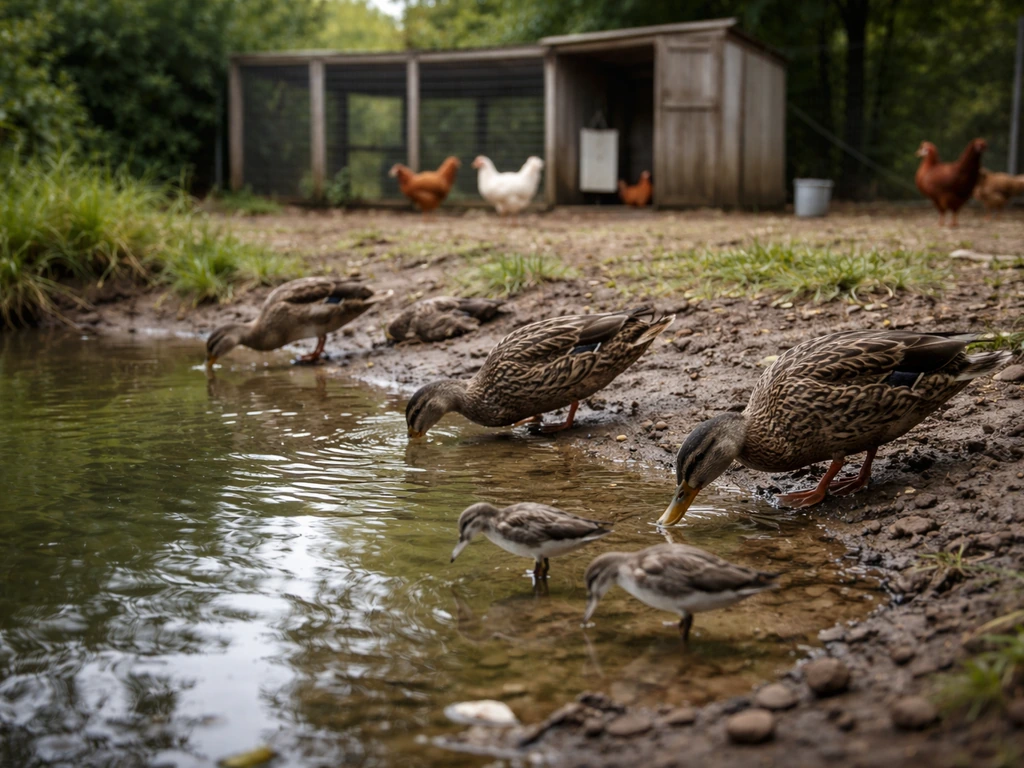
For everyday Oregonians, the realistic exposure routes are narrow. CDC is direct about this: people rarely get bird flu, and when they do, it's most often through direct, unprotected contact with infected birds or contaminated surfaces, with no gloves, no eye protection, and no face covering. Casual outdoor exposure, like walking past wild birds at a park or spotting a dead bird on a trail, carries very low risk as long as you don't touch it. If you’re wondering is bird flu in wv, keep in mind the same exposure routes and risk-reduction steps discussed for Oregon generally apply wherever outbreaks occur.
For poultry owners and farm workers, the risk calculus is different. Wild birds are the primary source of HPAI transmission to domestic flocks. They carry the virus in their droppings, which can contaminate water sources, soil, and shared equipment, especially during migratory seasons when large flocks move through the Pacific Flyway right over Oregon. Anyone who works with poultry, handles sick or dead birds, or cleans coops without protective gear is in a higher exposure category.
- Touching infected birds or their droppings with bare hands or face
- Cleaning coops, water systems, or equipment contaminated by wild bird droppings
- Handling sick or dead poultry without gloves, eye protection, and a mask
- Close contact with infected dairy cattle (nationally documented exposure route)
- Not washing hands after any contact with birds or farm environments
Human symptoms: what to watch for and when to call a doctor
If you've had direct contact with sick or dead birds and then feel unwell, take that seriously. The most notable symptom pattern in recent U.S. human cases has actually been eye redness (conjunctivitis), which can show up as soon as one to two days after exposure. Beyond that, symptoms can look like a regular respiratory illness: cough, sore throat, shortness of breath, fever, fatigue, and in some cases gastrointestinal symptoms.
The key trigger for action is the combination of recent exposure and new symptoms. CDC guidance says that anyone who develops respiratory symptoms or red, irritated eyes after contact with potentially infected birds or animals should be evaluated by a healthcare provider promptly. Treatment with oseltamivir (commonly known as Tamiflu) is recommended as soon as possible if bird flu is suspected, and it works best when started early. Don't wait to see if symptoms resolve on their own if you have a known exposure in your recent history.
| Symptom | Typical Onset After Exposure | Action |
|---|---|---|
| Eye redness (conjunctivitis) | 1-2 days | Contact healthcare provider, mention bird exposure |
| Cough, sore throat, difficulty breathing | 1-5 days | Seek care promptly, mention bird exposure |
| Fever, fatigue, body aches | 1-5 days | Contact healthcare provider |
| Shortness of breath or chest tightness | Variable | Seek care urgently |
Signs of bird flu in your flock and what to do immediately
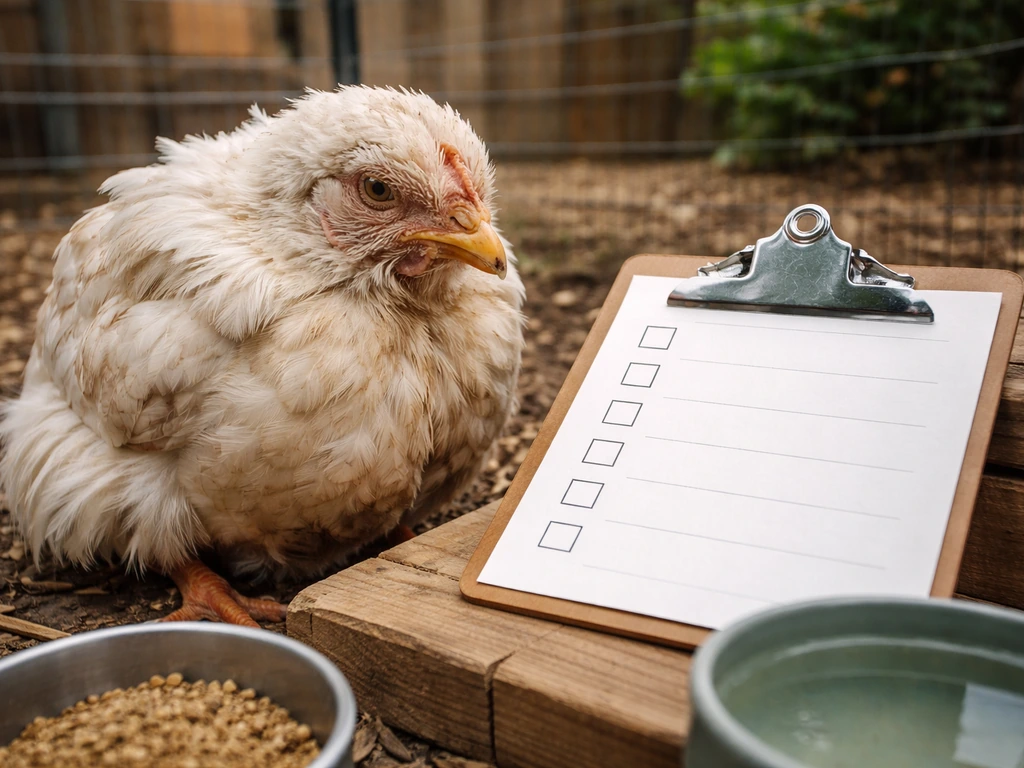
One of the more alarming things about HPAI in poultry is that it can cause sudden death with little to no warning. Birds may die before you notice anything is wrong. Other signs to watch for include swelling of the head or face, discoloration (bluish tint) of the comb or wattles, sudden and severe drops in egg production, unusual neurological behavior like tremors or loss of coordination, and respiratory distress.
If you see any of these signs, especially in multiple birds, do not wait and do not try to handle or move the birds without protection. Oregon ODA's guidance is clear: if you find sick or dead birds, don't touch them, and report immediately. You can reach the Oregon Department of Agriculture's Animal Health division, and USDA APHIS also has reporting channels. Early reporting is what triggers a rapid response that can protect neighboring flocks, and it's what got Oregon through 68 cases without losing its entire commercial poultry industry.
- Stop moving birds or equipment off the property immediately
- Do not handle sick or dead birds with bare hands
- Contact Oregon ODA Animal Health at 503-986-4680 or your local veterinarian
- Keep records of how many birds are sick or dead and when you first noticed signs
- Restrict access to the affected area until officials advise otherwise
Practical prevention for backyard flock owners, wild bird watchers, and everyone else
If you keep backyard chickens or ducks
The 58 backyard flock detections in Oregon since 2022 should be a clear signal: backyard birds are not immune to this, and they're actually more exposed than commercial flocks in some ways because biosecurity is harder to maintain. The biggest practical step you can take is reducing wild bird contact. Use covered feeders, bring food and water indoors overnight, and keep your flock in an enclosed run that wild birds can't access. Change clothes and wash hands thoroughly before and after entering your coop space. Don't share equipment with neighbors who keep birds.
If you encounter a dead or sick wild bird
Leave it alone. USDA APHIS has a fact sheet specifically for this situation, and the advice is simple: do not pick up the bird, do not let pets sniff or mouth it, and report the finding. You can report dead wild birds to the Oregon Department of Fish and Wildlife or through USDA APHIS. The virus can survive in carcasses and droppings, so even a dead bird that's been there a while can be a source of contamination for your dogs, cats, or your own footwear if you're not careful.
Food handling and eggs: what's actually safe
Commercially sold eggs and poultry in Oregon go through inspection and come from flocks that are monitored. There is no credible evidence that properly cooked poultry or eggs transmit bird flu to people. Cook eggs until both the yolk and white are firm, and cook poultry to an internal temperature of 165°F. Wash hands after handling raw poultry. If you're collecting eggs from your own backyard flock, wash them and your hands, and if your birds show any signs of illness, stop consuming their eggs and contact ODA.
Oregon in the broader regional picture
Oregon sits along the Pacific Flyway, one of North America's major migratory bird routes, which puts it in the same risk zone as neighboring states. Washington state, for example, has also seen HPAI activity, and the situation in any Pacific Northwest state tends to track closely with migratory patterns in fall and winter. Montana and Colorado have similarly dealt with HPAI detections in both wild birds and domestic flocks. The good news for Oregon right now is that detections have been quiet since January 2026, but migratory season later in the year always brings renewed attention. Staying informed through Oregon ODA's situation updates is genuinely worth the few minutes it takes.
The bottom line: bird flu is in Oregon's recent history, it has touched both backyard and commercial flocks, and one Oregonian has been confirmed sick. But as of mid-2026, active detections have paused, the human risk to most residents remains very low, and the practical steps to protect yourself and your birds are straightforward. Whether bird flu is in Hawaii depends on current detections, so check the latest public health and agriculture updates for the most recent status bird flu in Hawaii. Report dead birds, protect your flock from wild bird contact, and if you get sick after handling birds, tell your doctor right away.
FAQ
Is bird flu in Oregon likely to spread to people through normal everyday contact with others?
Current evidence indicates there is no sustained person-to-person spread for H5N1. The key risk remains unprotected contact with infected birds, dairy cattle, or contaminated environments. If you are sick after being around a sick bird, focus on notifying your clinician about the exposure, rather than assuming you could have caught it just by being near other people.
If I touched a dead bird (without gloves), what should I do right away?
Wash your hands and exposed skin thoroughly with soap and water, avoid touching your eyes or face afterward, and disinfect the area where the bird was. If you develop red, irritated eyes or respiratory symptoms within days, contact a healthcare provider promptly and mention the bird contact so clinicians can consider early testing and treatment.
Can my pets bring bird flu home if they sniff or mouth a dead bird?
Yes, pets can mechanically spread virus from carcasses and droppings through their fur, paws, and mouths. Keep pets from approaching wildlife carcasses, and if an incident happens, prevent contact with your face, wash the pet and your hands safely, and consider contacting a veterinarian for advice, especially if your pet becomes ill.
Should I stop eating eggs from my backyard flock if bird flu is possible?
Do not consume eggs from birds that show illness or die unexpectedly, and stop taking eggs from the affected pen until Oregon ODA advises it is safe. If your birds look healthy and you have no known exposure to sick or dead birds, normal hygiene (handwashing, proper refrigeration, and clean egg handling) is still important.
What level of symptoms is “enough” to seek care after bird exposure?
Seek prompt evaluation if you have either red eye symptoms (conjunctivitis) or new respiratory symptoms (cough, sore throat, fever, shortness of breath) after recent exposure to potentially infected birds or animals. The combination matters more than severity alone, because treatment is most effective when started early.
How quickly do authorities need to be notified, and what information helps?
Report as soon as you discover sick or dead birds, especially if there are multiple birds or unusual behavior. Include the location, approximate dates, how you found the birds, whether pets touched them, and the number of birds affected, which helps triage and coordinate the response.
If I find dead wild birds on my property, can I clean it myself?
Avoid handling carcasses directly and do not sweep or vacuum, which can aerosolize contamination. If cleanup is needed, follow agency guidance on personal protective equipment and disposal, and consider contacting Oregon ODA or USDA channels for specific instructions based on the site and number of birds.
Does bird flu risk change if I live near the coast or in areas with lots of migratory birds?
Risk tends to rise during periods when migratory waterfowl and other wild birds concentrate, especially near wetlands and along migration corridors. That means you should step up protective measures then, such as covered feeders, tighter coop enclosures, and keeping water indoors overnight when possible.
Are there specific biosecurity mistakes that commonly lead to backyard outbreaks?
Common mistakes include allowing wild birds to access open feeders or water, sharing poultry equipment between households, skipping footwear or clothing changes after working in the coop, and letting pets mingle with the birds or bedding. A simple improvement with high impact is keeping food and water enclosed and minimizing shared items and visits between flocks.
If the latest Oregon detections are quiet, should backyard owners still monitor their flocks?
Yes. Quiet periods do not remove the baseline risk because virus activity can resume with seasonal movement of wild birds. Continue daily observations, especially for sudden death, facial swelling, comb discoloration, and sharp egg drops, and be ready to report immediately if you see multiple concerning signs.
Next Article
Is Bird Flu in Washington State Today? Cases and Updates
Find out if bird flu is in Washington State today, the exact confirmed cases, and practical safety steps.