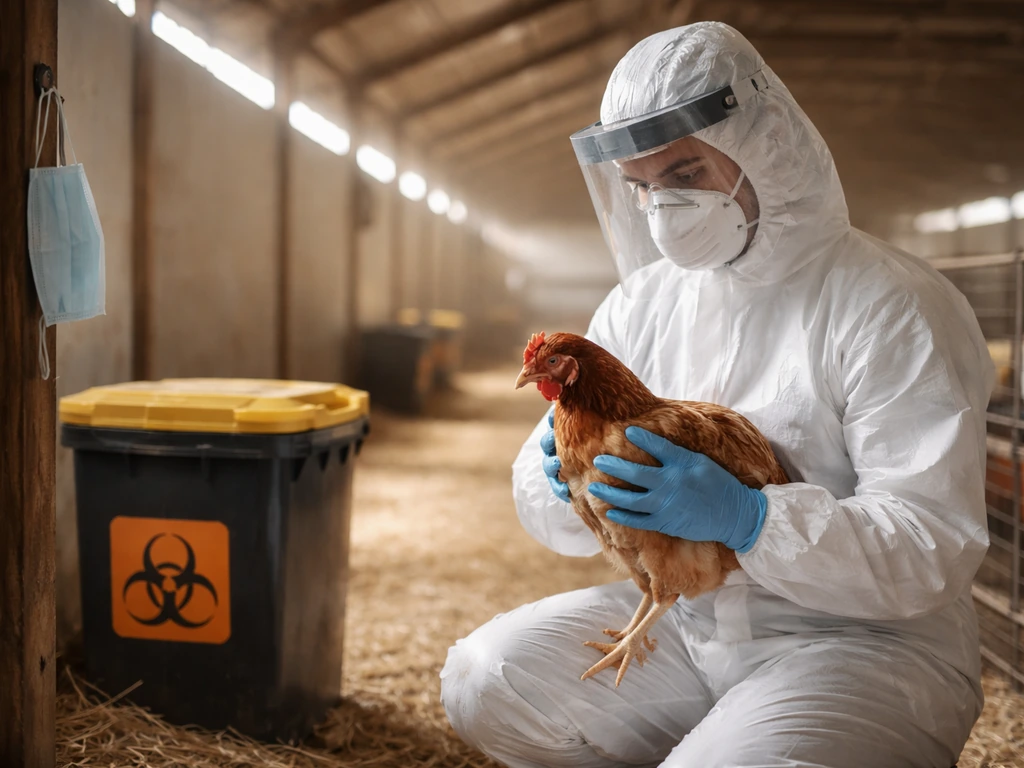
Bird flu in birds most often looks like a sudden, dramatic shift in behavior: birds that were active the day before are now huddled, lethargic, and refusing to eat. In severe (highly pathogenic) cases you may see swollen heads, blue-purple discoloration of the comb and wattles, nasal discharge, labored breathing, and even sudden death with no warning signs at all. That said, visual signs alone cannot confirm avian influenza. Low-pathogenicity strains can cause almost no visible symptoms, and several other poultry diseases look nearly identical. What you see in the flock is your cue to act, not your diagnosis.
What Does Bird Flu Look Like in Birds? Signs and Lesions

Sarah Chen
27 Apr 2026
What 'bird flu looking' really means (appearance vs. diagnosis)
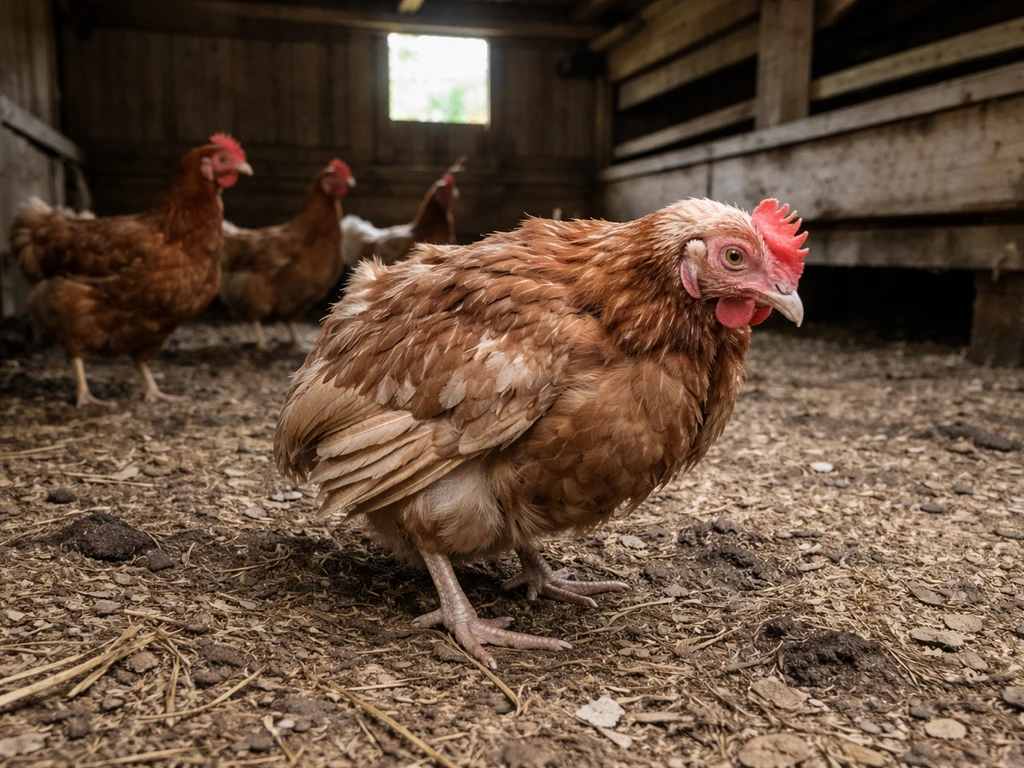
When people search for what bird flu looks like, they're usually trying to answer one of two very practical questions: 'Is something wrong with my birds? ' or 'Should I be worried about this dead bird I found? ' Both are legitimate. The problem is that avian influenza (AI) exists on a spectrum.
The World Organisation for Animal Health (WOAH) classifies strains into two main pathotypes: low pathogenicity avian influenza (LPAI), which typically causes few or no outward signs, and highly pathogenic avian influenza (HPAI), which can cause severe systemic disease and rapid, mass mortality. A flock infected with LPAI might look completely normal. A flock hit by HPAI can go from apparently healthy to catastrophic losses within 24 to 48 hours.
The Merck Veterinary Manual is explicit: 'clinical signs alone are not diagnostic. ' Every major authority, including the CDC, WOAH, and USDA APHIS, requires laboratory confirmation before an official diagnosis is made.
So when you're reading the signs below, treat them as a checklist for 'I need to call my vet now,' not as a definitive identification guide.
Common outward signs in chickens and other farm poultry
HPAI is the version most backyard flock owners and farmers need to know, because it moves fast and the stakes are high. Maine's Department of Agriculture, Conservation and Forestry published one of the clearest practical sign lists, which aligns well with clinical descriptions in the scientific literature.
That sign list details HPAI warning signs relevant to backyard and commercial poultry, including sudden death without clinical signs, decreased appetite or energy, reduced egg production or soft or misshapen eggs, facial swelling, purple discoloration of comb and wattles, respiratory discharge like coughing or sneezing, incoordination, and diarrhea Maine's Department of Agriculture, Conservation and Forestry published one of the clearest practical sign lists.
Here's what to watch for in your chickens, turkeys, ducks, or other domestic poultry.
- Sudden death with no prior signs (in peracute cases, birds may be found dead before you ever notice they were ill)
- Lack of energy, depression, and loss of appetite (birds huddling, not moving to feed or water)
- Sharp drop in egg production, or eggs that are soft-shelled, misshapen, or otherwise abnormal
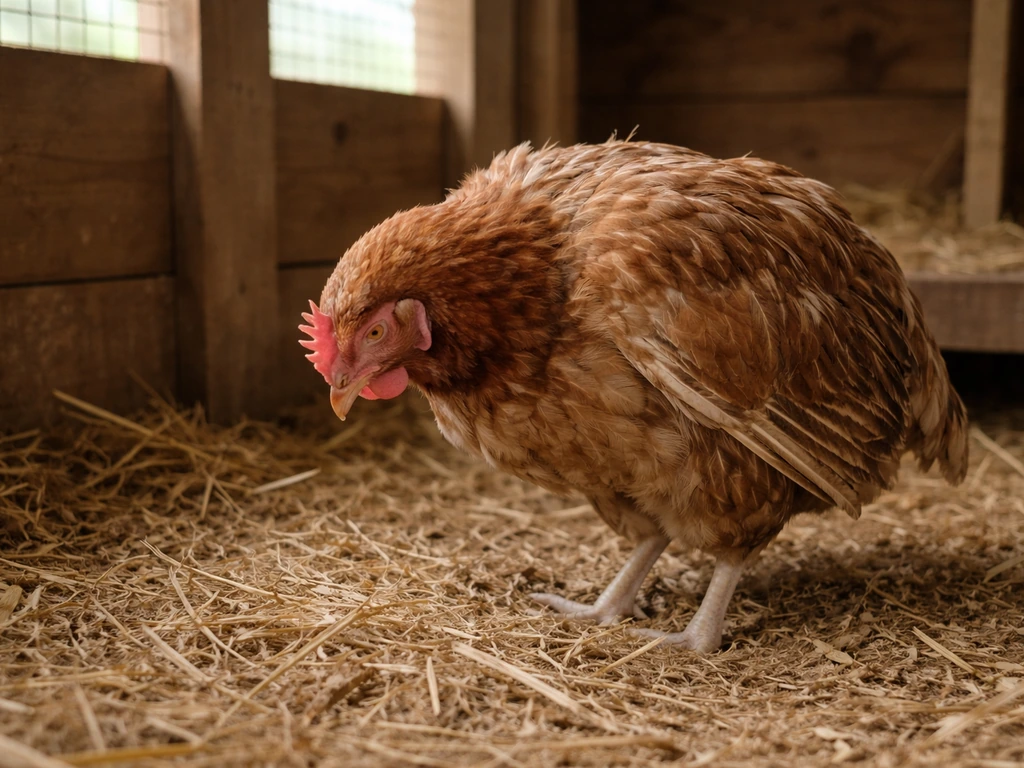
- Swelling of the head, comb, eyelids, wattles, and hocks (the joint above the foot)
- Purple or blue discoloration of the comb, wattles, and legs (caused by poor circulation and internal hemorrhage)
- Nasal discharge, coughing, and sneezing
- Labored or open-mouth breathing
- Neurological signs: incoordination, stumbling, tremors, twisted neck (torticollis), or seizure-like movement
- Diarrhea, often watery
- Ruffled feathers and a hunched, prostrate posture
The purple-to-blue discoloration and facial swelling tend to be the most visually striking signs of HPAI, and they're caused by subcutaneous hemorrhaging and fluid accumulation. Research on the 2012 HPAI H7N3 outbreak in Mexico documented all of these, including conjunctivitis (red, weeping eyes) and facial edema in dying birds. The shanks and feet can also look red and swollen from hemorrhaging beneath the skin. But again: LPAI can produce only mild respiratory symptoms or a quiet dip in egg production that you might attribute to stress or seasonal change. That's exactly why the USDA APHIS stresses laboratory testing even when signs seem minor.
Signs in wild birds (and why they're harder to assess)
Wild birds are a different story. Waterfowl (ducks, geese, swans) and shorebirds have historically been the natural reservoir for many AI strains, and they can carry the virus while showing few outward signs. In recent HPAI H5N1 outbreaks, however, raptors, seabirds, and other wild species have shown severe neurological signs and high mortality. When Maine reported hooded mergansers found dead and testing positive for HPAI, those birds were essentially discovered as carcasses, not as visibly 'sick' animals someone had monitored over time.
Massachusetts guidance for animal control officers lists the wild bird signs to watch for as: sudden death or finding multiple dead birds in the same area, diarrhea, respiratory signs like coughing or sneezing, and discharge from the mouth. Neurological signs, including loss of coordination and inability to fly, are also reported. The challenge is that wild birds instinctively hide illness, observers rarely have baseline behavior to compare against, and carcasses degrade quickly in the field.
USGS surveillance data underscores the scale of this problem: from 2016 to 2021, researchers tested over 3,400 wild-bird carcasses and more than 12,400 swab samples from apparently healthy birds to track AI. The sheer volume reflects how unreliable visual observation is in a wild setting. If you find a dead wild bird or a cluster of dead birds, the right move is to report it to your state wildlife agency, not to try to diagnose it yourself.
What a sick bird with avian flu may look and act like
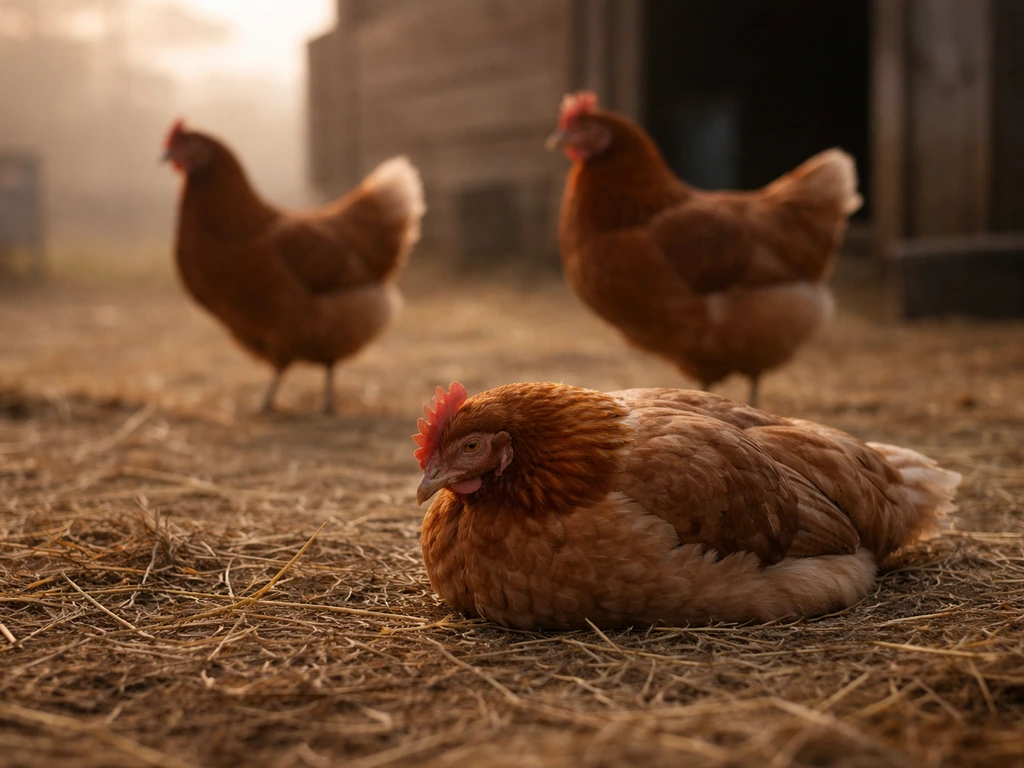
Pulling the behavioral and physical signs together into a realistic picture: a chicken with HPAI in the early hours might simply seem 'off. ' She's sitting when the others are active, her feathers are fluffed up, and she's not interested in scratch or water. Over the next few hours to days (or faster in peracute cases), that escalates. You might see her tilting her head, stumbling, or falling over.
Her face may look puffy. The normally red comb could be turning dark purple. She may have discharge from her nostrils or be breathing with her beak open. Other birds in the flock may start showing the same signs in sequence, or you may find multiple dead birds the next morning with no warning.
The pace and severity are your biggest clues that this isn't a routine respiratory illness like infectious bronchitis or Newcastle disease. HPAI can kill a significant percentage of a flock within a very short window, sometimes 48 to 72 hours. If you see rapid, escalating illness spreading through multiple birds simultaneously, that urgency is itself a red flag. Other diseases can mimic individual signs, but the combination of sudden high mortality plus neurological signs plus facial swelling is a pattern that should put avian influenza at the top of your differential list, even if it's not a confirmed diagnosis.
What bird flu looks like in humans
Bird flu in people doesn't look the same as it does in birds, and it doesn't typically look dramatically different from other flu-like illnesses at first, which is part of what makes it tricky. The CDC and WHO describe human bird flu symptoms as including fever, cough, sore throat, fatigue, muscle aches, and shortness of breath or difficulty breathing in moderate-to-severe cases. In recent U.S. H5 cases, eye redness (conjunctivitis) has been the predominant symptom reported, sometimes without much respiratory involvement at all. That's a useful distinguishing detail: if you've had direct contact with infected birds and then develop red, irritated eyes along with flu-like symptoms, that combination is a reason to call your health department.
The WHO recommends seeking medical care for flu-like symptoms after any recent exposure to birds in areas experiencing avian influenza outbreaks. Illness in humans can range from mild (conjunctivitis only) to severe (respiratory failure, pneumonia), and you cannot reliably tell which direction it will go from symptoms alone. Just as with birds, no healthcare provider diagnoses human bird flu by appearance. Clinical specimens (nasal or throat swabs) have to be sent to a public health laboratory for specialized H5 testing.
If you're reading this because you're concerned about human symptoms specifically, the companion topic on bird flu in humans covers the clinical progression in more depth. The page on bird flu in humans also explains how common infections are in people and what factors influence risk. If you’re trying to understand what bird flu in humans means, the next step is to review the specific symptoms and how clinicians confirm cases.
What the bird flu virus actually looks like under a microscope
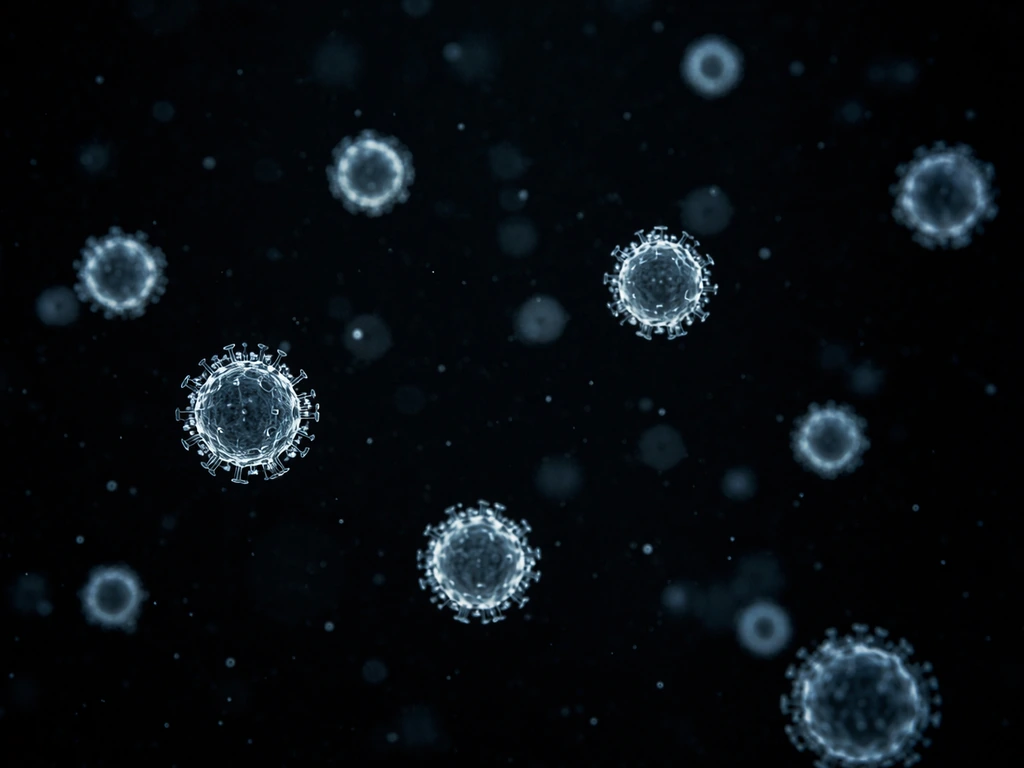
This is where a lot of search results blur things together, so it's worth being precise. The influenza A virus (which includes all avian influenza strains) is not something you can see with the naked eye or even a standard light microscope. Under electron microscopy, influenza virions (individual virus particles) appear as roughly spherical or sometimes elongated, enveloped particles about 80 to 120 nanometers in diameter. For context, that's about 1,000 times smaller than the width of a human hair.
The outer envelope is studded with two types of protein spikes: hemagglutinin (HA), the 'H' in strain names like H5N1, which the virus uses to attach to cells, and neuraminidase (NA), the 'N,' which helps new virus particles escape from infected cells. Cryo-electron tomography studies have mapped the distribution of these glycoproteins across the virion surface, showing HA spikes outnumbering NA by roughly 4 to 1 on most virions.
The reason this matters in a practical guide is that searches for 'what does bird flu look like' sometimes land on scientific images of viral particles, and people wonder if that's what they should be looking for in their flock. It isn't. Those electron microscope images require highly specialized equipment and prepared samples. What you're looking for in your birds is behavioral and physical changes, and what confirms the presence of virus is a laboratory PCR test, not any visual inspection. Because the signs in pigeons follow the same avian influenza pattern, the safest approach is to compare what you see and contact a veterinarian promptly for confirmation what does bird flu look like in pigeons.
What to do if you suspect bird flu in your flock or find a sick wild bird
If you have a backyard flock or farm birds
- Isolate sick birds immediately. Move them away from the rest of your flock. Do not let healthy birds have contact with birds showing signs, their droppings, or their equipment.
- Stop moving birds, equipment, or supplies off your property until you've talked to a vet. HPAI spreads through direct bird contact and through contaminated surfaces including manure, egg flats, crates, clothing, and shoes.
- Call your veterinarian right away and report what you're seeing. Your vet can help determine whether to collect samples and can contact state or federal animal health officials on your behalf.
- Contact your state veterinarian or USDA APHIS directly. APHIS and state animal health offices coordinate testing and response. You can also call the USDA toll-free at 1-866-536-7593.
- Protect yourself. Wear gloves, a face mask or respirator, and eye protection when handling sick or dead birds. The CDC recommends PPE for backyard flock owners responding to potential AI cases. Wash your hands thoroughly afterward.
- Do not move or dispose of dead birds until authorities advise you. Carcasses may need to be tested, and improper disposal can spread contamination.
- Clean and disinfect footwear and any equipment before leaving the bird area. Use a disinfectant footbath or disposable boot covers.
- Monitor your own health. If you develop fever, respiratory symptoms, or eye redness within 10 days of exposure to sick birds, contact your state or local health department immediately.
If you find sick or dead wild birds
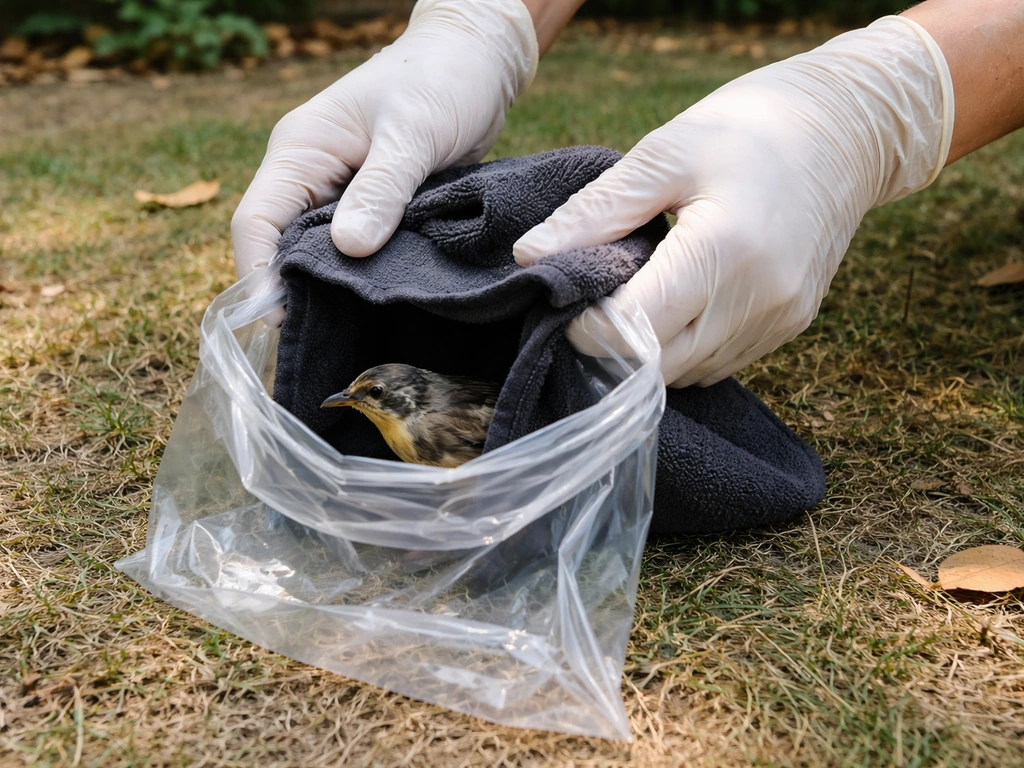
- Do not handle the bird with bare hands. If you must move it, use gloves and a plastic bag turned inside out.
- Report it to your state wildlife agency. States like Maine and Massachusetts have active surveillance programs and want to know about dead bird clusters, especially waterfowl or raptors.
- Report clusters, not just individuals. A single dead songbird is usually not alarming. Multiple dead birds of the same or different species in the same location is the pattern that triggers investigation.
- Wash your hands thoroughly after any contact, even indirect contact with an area where dead birds were found.
Ongoing biosecurity that reduces your risk
- Keep wild birds away from your flock's feed, water, and living area. Wild waterfowl are a primary AI reservoir.
- Limit who enters the bird area and require anyone coming in to change footwear or use a footbath.
- Clean and disinfect tools, equipment, and vehicles that come into contact with your birds.
- Source new birds only from reputable suppliers and quarantine any new additions for at least 30 days before integrating them with your existing flock.
- Stay current on USDA APHIS and your state ag department alerts, especially during peak migration seasons when wild bird transmission risk is highest.
The bottom line is that your eyes are your early warning system, not your diagnostic tool. If you want to gauge urgency, it helps to understand how common bird flu is overall and where outbreaks tend to occur how common is bird flu. It can also help to review the chances of bird flu spreading in your area, because risk depends on where outbreaks are occurring how common is bird flu.
Knowing what HPAI looks like in birds helps you recognize when something is seriously wrong and prompts you to act fast. If you're also wondering what bird flu looks like in dogs, the signs can be different from what you see in birds and they still require prompt veterinary evaluation what does bird flu look like in dogs. Acting fast, specifically isolating birds, calling your vet, and reporting to authorities, is what actually limits spread.
The visual signs described here are your cue to make that call, not to wait and see.
FAQ
If my birds seem “off” but only one bird is sick, does that still fit bird flu?
Yes. Early high-pathogenicity cases can start as one bird that looks lethargic, fluffed, or stops eating before the rest catch up. The key issue is speed and spread, if you notice worsening within hours or additional birds developing similar signs, treat it as urgent and call your veterinarian for guidance and testing.
Can bird flu be confused with ordinary “stuffy nose” or mild respiratory disease?
It can, especially with low-pathogenicity strains that cause few visible signs or with respiratory conditions that cause coughing, sneezing, and nasal discharge. A major differentiator is escalation, for example facial swelling, blue-purple comb changes, and multiple birds sickening rapidly over 1 to 2 days. When discharge and breathing changes are present, isolate and seek testing rather than assuming a common respiratory illness.
What should I do first if I suspect bird flu, isolation or testing?
Start with isolation and biosecurity immediately, then pursue testing through your veterinarian or state program. Isolate the flock from other birds, restrict people and equipment, and avoid moving birds to another location. Testing is what confirms the cause, but rapid isolation is what reduces the chance of spreading the virus while results are pending.
Do I need to stop collecting eggs if I notice illness signs but don’t have a diagnosis yet?
If birds are sick, stop using eggs from affected birds until you get veterinary direction. Even though illness is the bigger immediate concern, egg production and shedding patterns vary by strain and timing. Follow your vet or local animal health guidance on disposal, cleaning, and whether eggs can be used or must be discarded.
If I find a single dead wild bird, is that still something I should report?
Often, yes. Reporting is especially important if the bird is in a location with other unusual wildlife deaths, if the carcass appears fresh, or if multiple birds are found close together in a short time. Even one carcass can help surveillance teams interpret whether a localized outbreak is occurring.
What if the carcass is decomposed, can that affect whether it can be tested?
Yes. Decomposition can reduce test reliability and makes sample collection more difficult. If you find a carcass, keep it contained (typically double-bagged or in a sealed container if instructed), avoid handling with bare hands, and report quickly so authorities can decide on sampling.
Are eye discharge or red eyes enough to conclude bird flu in wild birds or poultry?
No. Eye redness, weeping, and conjunctivitis can occur with several poultry diseases, and some avian influenza cases include eye involvement while others primarily show respiratory or neurological signs. Treat eye changes as a warning sign only, and rely on laboratory testing for confirmation.
Does vaccination mean my birds can’t have bird flu?
Vaccination can reduce the likelihood of severe disease for certain strains, but it does not guarantee protection against all avian influenza types and it does not replace testing when signs are serious. If you have vaccinated birds and still see rapid illness, contact your veterinarian, because control decisions and surveillance still depend on identifying the specific virus.
What practical signs tell me to look for neurological problems versus breathing problems?
Neurological warning signs include loss of coordination, stumbling, inability to stand normally, paralysis, head tilting, or trouble flying. Breathing-focused problems include open-mouth breathing, gasping, coughing, or obvious respiratory distress. Bird flu patterns can include both, and the combination with facial swelling and rapid flock spread is particularly concerning.
Is it safe to clean the coop after reporting a suspected case right away?
You should avoid major cleaning steps until authorities or your veterinarian advise you. Improper disinfection, moving contaminated materials, or rinsing with high-pressure water can spread virus through dust and aerosols. Typically, you follow specific containment and disinfection instructions using the products and contact times they recommend.
If I had contact with my birds, when should I seek human medical advice?
Seek medical advice promptly after flu-like symptoms if you had recent direct exposure to birds from an area with avian influenza activity, especially if there were signs of illness or you handled sick or dead birds. Mention the bird exposure and any eye symptoms. Because testing requires specialized specimens, do not rely on symptom appearance to decide severity.
Next Article
What Is Bird Flu in Humans? Symptoms, Causes, and Cases
Plain-language guide to avian influenza in people: symptoms, causes, where outbreaks occur, and how to prevent risk.