
Bird flu in humans refers to infection by avian influenza A viruses, a family of flu strains that naturally circulate in wild birds and domestic poultry but can, under certain conditions, jump to people. When that happens, the result is called "human avian influenza" or, more commonly, bird flu in humans. It is not the same as seasonal human flu, and it does not spread the same way. Understanding exactly what it is, who gets it, and what the actual risk looks like will get you much further than headlines can.
What Is Bird Flu in Humans? Symptoms, Causes, and Cases

Sarah Chen
17 Apr 2026
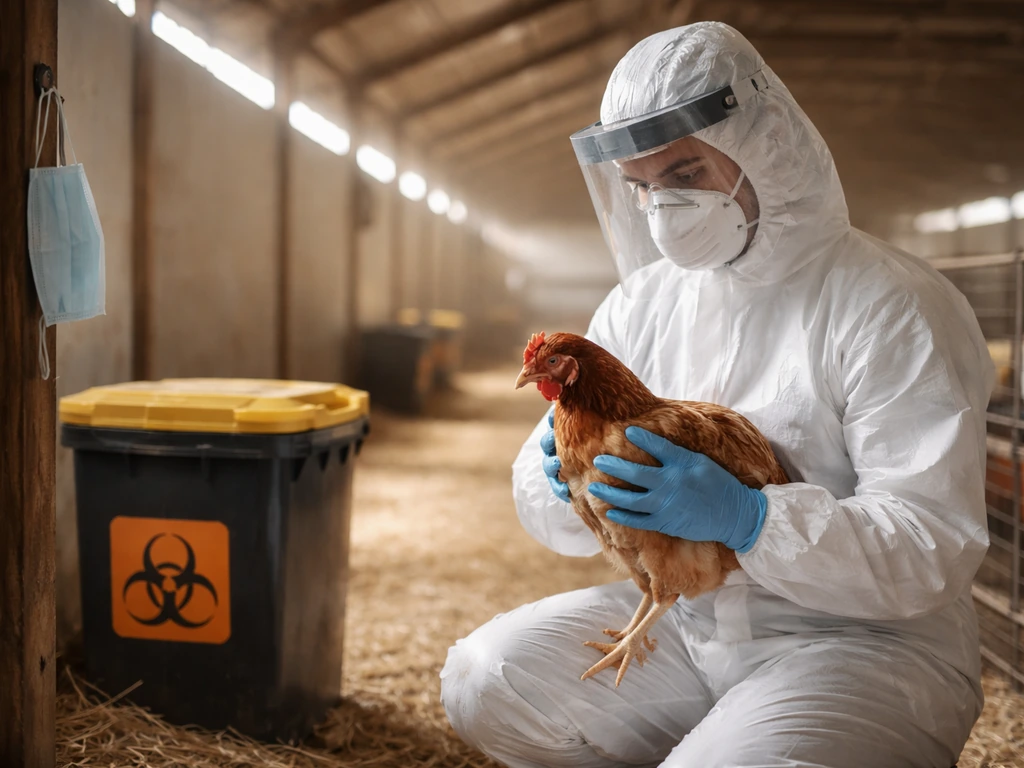
What bird flu in humans actually means
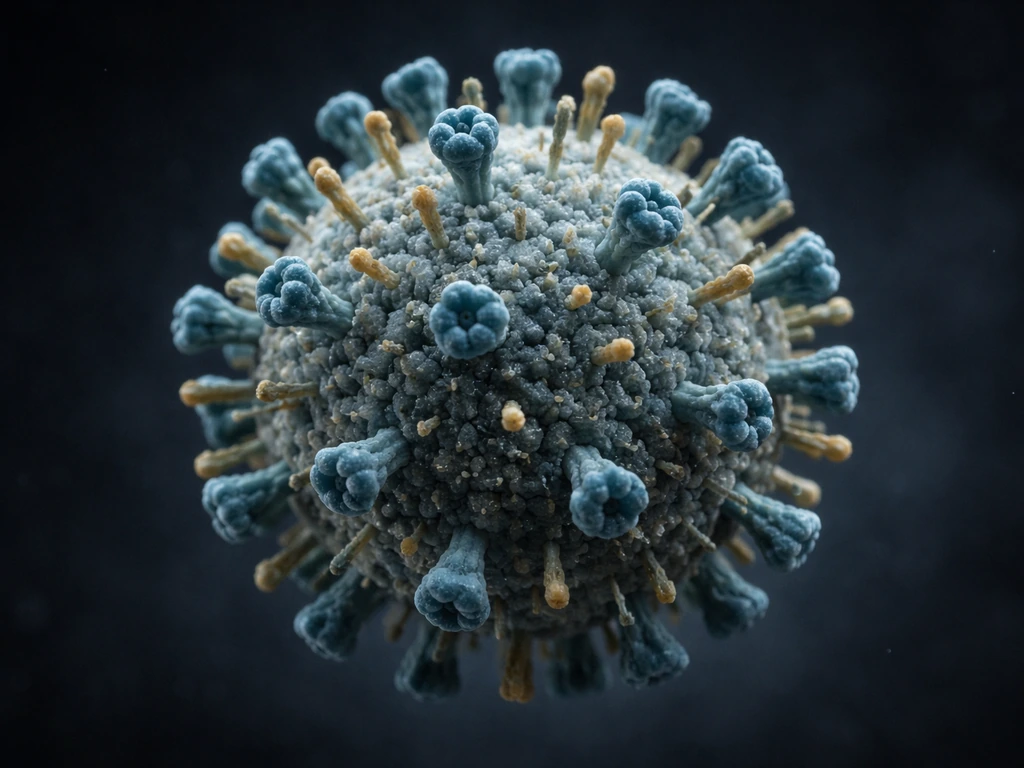
Avian influenza A viruses are classified by two surface proteins: hemagglutinin (H) and neuraminidase (N). The subtypes that have caused the most human infections are A(H5N1) and A(H7N9), though other subtypes like A(H9N2) have also infected people. "Bird flu in humans" is not a single disease entity but a catch-all phrase for any time one of these avian influenza A subtypes crosses from an infected bird or contaminated environment into a person. The WHO and CDC both use formal case definitions tied to specific subtypes, particularly A(H5N1), for official public-health notification purposes. So when you see a headline saying "human bird flu case confirmed," it almost always means a specific subtype has been laboratory-confirmed in a person, usually after direct exposure to infected animals.
It is worth being clear about what bird flu in humans is not. It is not a novel pandemic virus circulating freely between people. Sustained human-to-human transmission has not been identified for H5N1 or any other avian influenza A subtype currently in circulation. The virus has not adapted to spread efficiently in humans, which is the core reason why global case counts remain low despite how widely H5N1 circulates in birds and dairy cattle in some regions.
Are there actual human cases right now?
Yes, there are confirmed human cases, but "ongoing" does not mean "widespread outbreak in people." In the United States alone, CDC confirmed three human H5 bird flu cases in early 2025: a dairy worker in Nevada, a poultry worker in Ohio, and a backyard flock owner in Wyoming. As of March 2025, out of 70 total U.S. human H5N1 infections identified, only one resulted in death. That is a much lower fatality profile than the global historical picture of H5N1, which is partly because the U.S. cases have largely been caught early and involved people with occupational exposure who were being monitored.
blank" rel="noopener noreferrer">Globally, the WHO compiled 261 confirmed human H5N1 infections between January 2003 and December 2024 from reporting under international health regulations. That number spans more than two decades of global surveillance. PAHO and WHO continue to report ongoing circulation of H5N1 in the Americas with sporadic human infections, all linked to direct animal contact, and no evidence of person-to-person chains. If you are wondering how common bird flu actually is in humans, the short answer is: uncommon, sporadic, and tied almost entirely to animal exposure.
Where in the world is bird flu in humans showing up?

Human cases have been reported across Asia, Africa, the Middle East, Europe, and the Americas, mostly mirroring where H5N1 and other subtypes are actively circulating in poultry and wild birds. Historically, countries like Egypt, Indonesia, Vietnam, and China have reported the highest numbers of human H5N1 cases, generally in settings with dense backyard poultry farming and live bird market exposure. More recently, the Americas have entered the picture, with sporadic human infections linked to H5N1 in dairy cattle and infected backyard flocks in the United States. The WHO's EMRO region (Eastern Mediterranean) has also documented human cases tied to H9N2, a subtype that tends to cause milder illness.
The geographic pattern tells you something important: human infections track closely with where the virus is active in animals. If you live somewhere with no confirmed H5N1 or H7N9 activity in local poultry or wildlife, your personal risk is extremely low. If you are in or traveling through a region with active outbreaks in birds, or if you work with poultry or dairy cattle in a country where these strains are circulating, your calculus changes. You can get a clearer picture of how common bird flu is overall to put local and global data in perspective.
How do people actually catch bird flu?
The most important thing to know about transmission is that bird flu does not spread easily to humans. When it does happen, the route is almost always direct or very close contact with infected animals or their contaminated environment. The CDC identifies several specific exposure pathways:
- Direct contact with infected birds or other animals (touching, handling, slaughtering, or butchering infected poultry)
- Contact with surfaces, water, or materials contaminated with infected bird mucus, saliva, or feces
- Splashes of contaminated liquids into the eyes, nose, or mouth, including raw milk from infected dairy cattle
- Visiting live poultry markets where infected birds are sold and the environment is heavily contaminated
- Close or prolonged contact with a person who has bird flu (rare, and linked to household-level caregiving rather than casual contact)
Droplet transmission from infected birds, especially in poorly ventilated enclosed environments like poultry houses or live markets, is the dominant real-world route. Casual exposure, such as being near wild birds in a park or eating properly cooked poultry, has not been linked to human infection. The WHO is explicit that sustained human-to-human transmission has not been identified, and the CDC notes that even the limited person-to-person spread reported historically (before 2007) was not sustained. This is why the global case count stays so low even when H5N1 is widespread in animals.
What actually puts you at risk: causes and risk factors
The biological cause of bird flu in humans is an avian influenza A virus, with H5N1 and H7N9 historically responsible for the most severe human cases. But having the virus circulating in your area is not enough on its own to infect you. The real risk factors are behavioral and occupational, not just geographic.
The people most likely to get infected are poultry farmers, slaughterhouse workers, live bird market vendors, and anyone else with repeated close contact with potentially infected birds or their environments. Dairy farm workers have also come into the picture with the recent U.S. H5N1 dairy cattle outbreak. Hunters who handle wild waterfowl, and people who own backyard flocks (as the Wyoming 2025 case showed), also carry some risk. Outside these groups, the average person has a very low probability of exposure, which maps directly onto a very low probability of infection. For a direct look at what your actual chances of getting bird flu are, occupational and geographic factors dominate the calculation.
Age and underlying health conditions may affect how severe infection becomes if it does occur, but they do not appear to dramatically raise the probability of initial infection compared to the simple fact of exposure. The CDC notes people of all ages can get bird flu after exposure to infected animals. The risk factor that matters most, by far, is whether you are in direct contact with infected birds or contaminated environments.
What bird flu looks like in a person: symptoms and how illness progresses
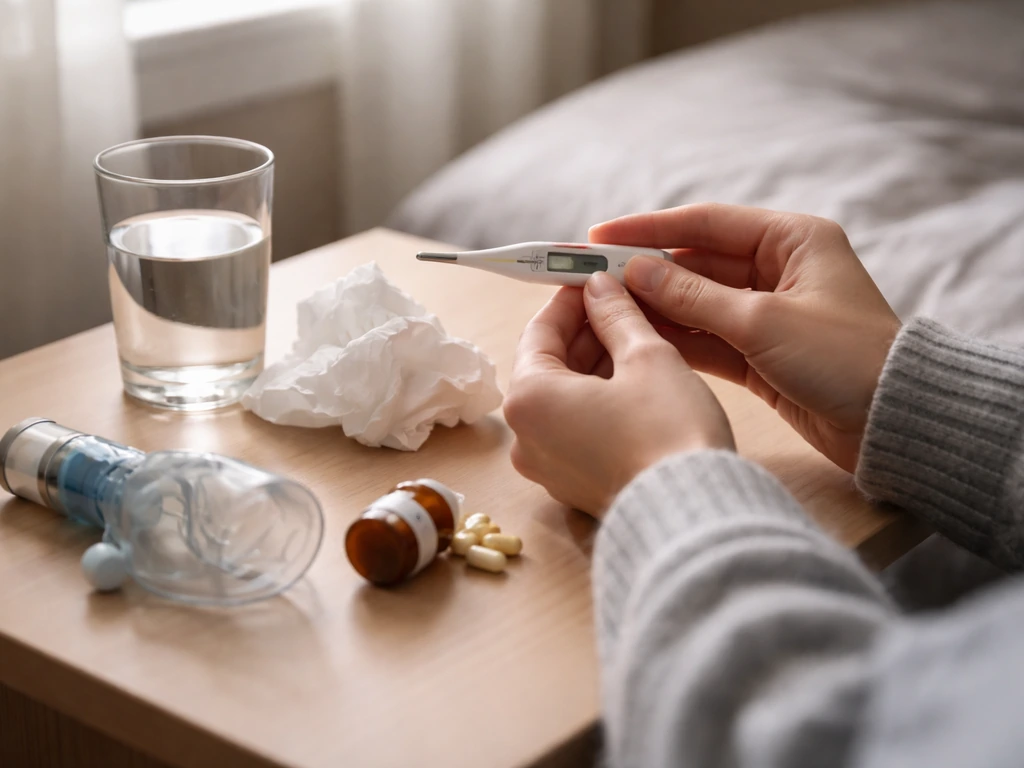
Symptoms of bird flu in humans tend to appear within two to five days of exposure, though the incubation period can extend up to ten days for some subtypes. Early symptoms often look like severe seasonal flu: fever, cough, sore throat, muscle aches, and fatigue. From there, many H5N1 cases progress more aggressively than seasonal flu, frequently developing into pneumonia, severe respiratory distress, and in serious cases, acute respiratory distress syndrome (ARDS) or multi-organ failure. Some cases, particularly those linked to H9N2 or milder subtypes, have presented with only conjunctivitis (eye infection) or mild upper respiratory symptoms.
Gastrointestinal symptoms, including nausea, vomiting, and diarrhea, have also been reported in H5N1 patients, which is less common in regular seasonal flu. One useful framing: if you have been in close contact with sick or dead birds and you develop a fever and respiratory symptoms within a week of that exposure, bird flu needs to be on the radar for your healthcare provider, even if your symptoms initially seem moderate. Early reporting of the exposure history is critical because it changes the clinical approach entirely.
How serious is bird flu in humans, and what should you do?
Severity in context
Bird flu in humans has historically been associated with high fatality rates in global surveillance data, particularly for H5N1. However, the U.S. outbreak experience with H5N1 in 2024 and 2025 has shown a much milder profile overall, likely because cases were identified early through occupational monitoring and treated promptly. Of 70 U.S. human infections identified as of early 2025, only one person died. That is a very different picture from earlier decades of H5N1 in parts of Southeast Asia and Africa, where case fatality rates exceeded 50 percent in reported cases, partly because only the sickest patients were identified and counted. The key takeaway is that early detection and early treatment dramatically change outcomes.
Treatment options

Antiviral medications work, and timing matters enormously. The CDC recommends oseltamivir (brand name Tamiflu) as the primary treatment for bird flu in humans, and it works best when started within two days of symptom onset. If you have been exposed to infected birds or animals and develop symptoms, this is not a "wait and see" situation. The CDC explicitly recommends that anyone with bird flu symptoms after exposure to potentially infected animals be evaluated by a healthcare provider and treated with oseltamivir as soon as possible if infection is confirmed or suspected. Post-exposure prophylaxis with oseltamivir is also recommended for people who have had significant exposure but are not yet symptomatic, typically for five to ten days.
When to seek care
If you have had direct contact with sick or dead birds (or other potentially infected animals like dairy cattle), and you develop fever, cough, or any respiratory symptoms within ten days of that exposure, call a healthcare provider before walking into a clinic. Letting them know about the exposure in advance allows the facility to take appropriate infection control precautions and avoids any risk of inadvertently exposing other patients. If symptoms are severe (difficulty breathing, persistent chest pain, confusion, or lips turning blue), seek emergency care immediately.
Practical steps to lower your risk
For most people with no occupational exposure to poultry or livestock, the everyday risk of bird flu is genuinely low. Properly cooked poultry and eggs are safe to eat. Casual outdoor exposure to wild birds carries no meaningful risk. But if you work with birds or livestock, or keep a backyard flock, there are concrete steps worth taking.
- Wear appropriate personal protective equipment (PPE) when handling birds, including gloves, eye protection, and an N95 or equivalent respirator in enclosed or high-exposure settings
- Avoid touching your face (eyes, nose, mouth) when working around birds or in poultry environments
- Wash hands thoroughly with soap and water after any contact with birds, their droppings, or contaminated surfaces
- Report sick or dying birds to your local agricultural authority promptly; do not handle dead wild birds with bare hands
- If you keep a backyard flock, monitor birds for signs of illness and follow biosecurity protocols to limit wild bird contact with your flock
- Stay current on seasonal flu vaccination, which does not prevent bird flu but reduces the risk of co-infection and potential viral mixing
- If you are in an occupation with high bird exposure, ask your employer about monitoring programs and know your nearest contact for post-exposure evaluation
Knowing what bird flu looks like in birds is genuinely useful here because recognizing sick poultry early is one of the most effective ways to avoid exposure in the first place. Infected birds often show neurological symptoms, swollen heads, and sudden death, but sometimes they appear normal while still shedding virus, so behavioral and environmental monitoring matters just as much as waiting for obvious illness.
Bird flu versus other flu types: a quick comparison

| Feature | Seasonal Human Flu | Bird Flu (H5N1) in Humans | Bird Flu (H9N2) in Humans |
|---|---|---|---|
| Primary host | Humans | Wild birds, poultry, some mammals | Poultry (especially chickens) |
| Human-to-human spread | Yes, efficient | Not sustained | Not sustained |
| Main route to humans | Respiratory droplets from people | Direct contact with infected animals/environments | Direct contact with infected poultry |
| Typical severity | Mild to moderate; severe in high-risk groups | Can be severe; varies by exposure context | Generally mild |
| Annual global human cases | Hundreds of millions | Dozens (sporadic) | Dozens (sporadic) |
| Antiviral treatment | Oseltamivir, others | Oseltamivir (start within 48 hrs) | Oseltamivir |
The contrast makes the risk profile clearer. Seasonal flu spreads easily and infects huge numbers of people every year precisely because it transmits between humans efficiently. Bird flu does not have that capability yet, which is why sporadic occupational cases do not become community outbreaks.
What about other animals: does their risk matter to yours?
H5N1 has also been detected in mammals, including cats, foxes, sea lions, and most relevantly for households, dogs. While dogs are not a primary host and the risk of dog-to-human transmission is considered very low, knowing the signs matters if you live near an active outbreak area or your dog has access to dead wild birds. You can read more about what bird flu looks like in dogs if that is a concern. Similarly, pigeons in urban environments are sometimes a source of worry for city residents; understanding what bird flu looks like in pigeons helps separate real risk from routine bird-watching anxiety. And if you want a broader sense of how common bird flu is in dogs as a species, the short answer is: rare, and largely tied to the same kind of direct infected-animal exposure that drives human cases.
The bottom line on bird flu in humans
Bird flu in humans is a real phenomenon, not a theoretical one. Cases are confirmed regularly in people with occupational or direct animal exposure. But it is not spreading between people, it responds to antivirals when caught early, and for the vast majority of the population with no close contact with infected animals, the personal risk is low. The biggest practical priority is knowing your exposure risk, recognizing the symptoms early if you have been exposed, and acting quickly with medical evaluation and antiviral treatment. Panic is not warranted. Preparation and awareness are.
FAQ
If I see “bird flu in humans” in the news, does it mean the same illness every time?
The phrase usually means a specific subtype of avian influenza A has been detected in a person by lab testing, most often H5N1 or H7N9. It is not a diagnosis you can make based on symptoms alone, because seasonal flu and other respiratory infections can look similar. Subtype matters, because it affects how clinicians think about expected severity, infection control, and reporting requirements.
How do I tell whether my flu-like illness fits the exposure pattern for bird flu?
Infections are typically linked to close contact with infected birds, poultry, or contaminated environments, not casual exposure. For practical decision-making, the biggest red flags are (1) being around sick or dead birds, (2) working with poultry or dairy animals, or (3) handling potentially contaminated bedding, manure, or carcasses. If none of those exposures happened, the likelihood is much lower even if you have flu-like symptoms.
What timing matters most after an exposure, and when should I stop worrying about bird flu?
Even though some subtypes can incubate up to about 10 days, the article’s 2 to 5 day window is common enough that timing is useful. If you were exposed and symptoms start within 10 days, contact a healthcare provider promptly and mention the exposure. If symptoms start weeks later without further exposure, bird flu becomes less likely and clinicians will usually broaden the workup to other causes.
Why is it recommended to call ahead instead of just going to the clinic?
You should call ahead before arriving if you had direct contact with potentially infected birds or animals and you now have fever or respiratory symptoms within about 10 days. This lets staff put infection control measures in place and helps avoid exposing other patients. If symptoms are severe, use emergency care immediately rather than waiting for a call-back.
If bird flu is suspected, should treatment wait for confirmatory lab results?
Antivirals are most effective when started early, ideally within 2 days of symptom onset. That means delaying for test results can reduce benefit if clinicians suspect avian influenza based on exposure history. Ask the clinician to explain the plan for testing and how quickly you could start treatment if results support the suspicion.
Can someone get medication before symptoms start, and who qualifies?
Yes. Post-exposure prophylaxis with oseltamivir is sometimes recommended for people with significant exposure who have not developed symptoms, typically for about 5 to 10 days. The key point is that prophylaxis is exposure-based, not “just in case” for anyone who lives nearby. A clinician or public-health team should assess what counts as significant exposure.
What should I do if I feel sick after animal exposure but I’m not sure it’s bird flu?
Not all severe respiratory illness after animal exposure is bird flu. Other infections like seasonal influenza, COVID-19, and various bacterial pneumonias can also cause rapid worsening. The decision aid is exposure plus symptom pattern: fever plus cough or breathing difficulty after contact with sick or dead birds or contaminated materials should trigger immediate medical evaluation, regardless of how mild symptoms seem at first.
Is there any risk from eating poultry or eggs during an outbreak?
Proper cooking and normal food handling practices mean you generally should not get bird flu from eating fully cooked poultry and eggs. The higher-risk activities are handling raw or contaminated products, touching carcasses, cleaning poultry areas without protection, or exposure to droplets in poorly ventilated animal spaces. If you are working with animals, using appropriate protective equipment and hygiene practices matters more than diet.
What’s the practical risk if my dog interacts with dead wild birds, and what should I do?
Dog-to-human transmission is considered very low, but a practical household risk still exists if a dog has been in contact with dead wild birds, then people get exposed through handling contaminated fur or saliva. If your dog brought a dead bird indoors or you suspect contact, wear gloves for cleanup, avoid aerosolizing debris, and wash hands and surfaces thoroughly. Seek medical care for people only if they themselves had direct high-risk exposure to the animal material and then develop compatible symptoms.
Do older age or chronic illness make it more likely that I will catch bird flu?
For most people, risk is dominated by exposure level rather than by age or underlying conditions. Age and health issues can influence how severe an infection becomes, but they are not the main reason infections occur in the first place. If you are not in an occupational or direct animal-contact category, your probability of infection is generally very low even if you have chronic conditions.
If I get tested, what information should I ask about results and subtype?
Because “bird flu in humans” is a broad label, clinicians generally use the exposure history to decide whether to suspect a specific avian influenza subtype and whether antivirals should be started now. If you are tested, ask what subtype they are looking for and whether results are pending. Knowing the suspected subtype can help you understand isolation guidance and what changes if results come back.
What are the most effective steps to protect myself if I keep backyard birds?
You can be exposed without developing infection, because infection does not occur simply from being in the same area. The strongest protective step is to reduce or avoid direct contact with sick or dead birds and contaminated materials, especially in enclosed or poorly ventilated settings. If you keep backyard flocks, promptly report unusual illness or sudden deaths to local animal health officials and limit contact until guidance is provided.