
Bird flu is genuinely widespread in wild birds worldwide right now, but that does not mean it is everywhere all the time in the same way. H5 highly pathogenic avian influenza (HPAI) has been circulating globally in wild bird populations since at least 2020, and since then the number of reported outbreaks in both wild birds and domestic poultry has increased sharply. For domestic poultry and backyard flocks, outbreaks happen in clusters tied to geography, season, and contact with wild birds. So the honest answer is: bird flu is common in wild birds globally, less common but serious in domestic poultry, and the risk to any specific flock depends heavily on where you are, what time of year it is, and what biosecurity steps you take.
How Common Is Bird Flu? Wild, Chickens, and Backyard Flocks

Sarah Chen
29 May 2026
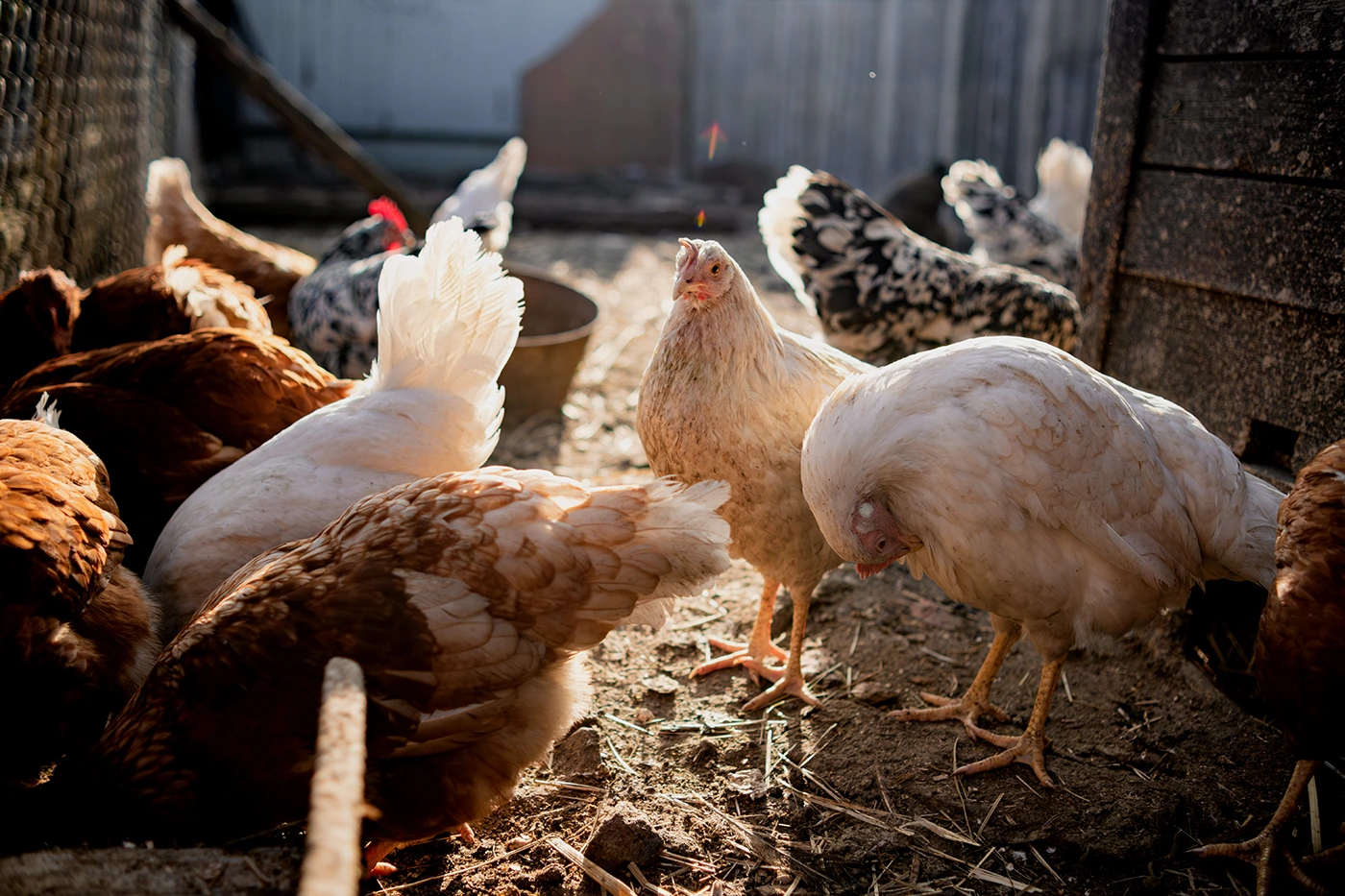
How widespread is bird flu globally right now?

The dominant strain driving current concern is HPAI A(H5N1), specifically the clade 2. 3. 4. 4b lineage.
The CDC describes this strain as widespread in wild birds worldwide, and WOAH's latest situation report (Situation Report 81, based on data submitted through March 2026) confirms ongoing detections across multiple continents.
The FAO and WHO jointly updated their public health assessment in March 2026 based on data through March 1, 2026, and the picture it paints is one of sustained, elevated global activity. This is not a brief outbreak that came and went. Since 2020, global HPAI activity has been at levels that surveillance systems had not previously tracked at this scale.
As of early 2026, PAHO and WHO reported that 105 outbreaks in avian species had been reported to WOAH in just the first 69 days of 2026, between January 1 and March 9.
Bird flu in wild birds: very common, with seasonal peaks
Wild birds, especially waterfowl and shorebirds, are the natural reservoir for avian influenza viruses. HPAI A(H5) strains have been found in wild birds across all four U.S. flyways (the major migratory pathways birds use). Between September 2025 and January 2026 alone, USGS documented 241 bird mortality events involving more than 126,000 wild birds across 28 U.S. states. That is a strong signal of how frequent and geographically broad wild-bird impacts can be during a single migratory season.
In Europe, the numbers are similarly striking. Between late November 2025 and late February 2026, EFSA (the European Food Safety Authority) recorded 2,108 HPAI detections in wild birds across 32 countries. Seasonality matters a lot here. WOAH's surveillance data shows a consistent pattern: in the Northern Hemisphere, outbreak reports tend to be lowest in September, start climbing in October, and peak in February as migratory birds move and congregate. If you are a poultry keeper, that seasonal curve is your practical risk calendar.
It is worth being clear about what 'common in wild birds' actually means. Wild birds carry avian influenza viruses without necessarily dying from them, particularly low-pathogenicity strains. HPAI strains like 2.3.4.4b are more lethal to wild birds than older strains were, which is part of why mortality events like the ones USGS documents are now tracked so closely. But the virus circulating in wild populations does not automatically mean your local birds are infected. It means the risk of a wild bird introducing the virus to a domestic flock is real and ongoing, especially during migration season.
Bird flu in domestic poultry: outbreak-driven, not constant background noise

Domestic poultry do not maintain bird flu on their own the way wild birds do. Instead, outbreaks in domestic flocks are typically seeded by contact with infected wild birds or contaminated environments. That distinction matters. A domestic flock does not have a constant low-level infection smoldering in the background. It either has the virus or it does not, and when it does, HPAI spreads fast and kills quickly.
EFSA's winter 2025 to 2026 data recorded 406 HPAI outbreaks in domestic birds across 32 European countries in just three months. In the U.S., the current wave of HPAI in commercial poultry began in 2022 and has continued since, with outbreaks tracked by USDA APHIS on a running detection list that is updated frequently (the wild-bird detection page, for example, shows a last-modified date of May 22, 2026). Globally, domestic poultry outbreaks are geographically widespread during peak season rather than confined to one or two countries.
HPAI is described by USDA APHIS as extremely contagious and often deadly to domestic poultry. That is not hyperbole. In highly susceptible species like chickens and turkeys, flock mortality can reach close to 100 percent once HPAI takes hold. This is precisely why regulatory response to a confirmed outbreak typically involves immediate culling of affected and exposed flocks.
Chickens and backyard flocks specifically
Chickens, both in commercial operations and backyard settings, are among the most susceptible domestic birds to HPAI. The U.S. outbreaks that began in 2022 included detections in commercial facilities as well as in backyard and hobbyist flocks, all tied to the same H5N1 clade 2.3.4.4b strain found in wild birds. So the same virus circulating in migrating waterfowl is the one showing up in backyard coops.
Backyard flocks face a specific vulnerability that commercial operations partly manage through strict biosecurity: direct or indirect exposure to wild birds. A backyard chicken that free-ranges near a pond where infected waterfowl have been, or that shares water or feed with wild birds, has a real pathway to exposure.
If you’re wondering what bird flu looks like in dogs, the main point is that symptoms are usually non-specific and concern should focus on exposure to infected birds or environments rather than a single distinctive sign exposure to wild birds. The blank" rel="noopener noreferrer">CDC has operational guidance specifically for backyard flock owners, and it covers both what to watch for and how to reduce risk.
If you are asking what bird flu looks like in pigeons, the first step is to watch for similar symptoms and report any sick or dead birds promptly backyard flocks. Infected birds can spread the virus through mucus, saliva, and feces, and some infected birds show no obvious signs before spreading the virus. Bird flu in birds often becomes noticeable through abnormal behavior, sudden illness, or unexplained deaths infected birds can spread the virus.
That makes monitoring, not just visual inspection of sick birds, the relevant practice.
What 'common' actually means: outbreaks vs. ongoing infection
When people ask how common bird flu is, they are often conflating two different things. The first is the ongoing, low-level presence of avian influenza viruses in wild bird populations globally. That is genuinely constant. Avian influenza viruses have circulated in wild birds for decades. The second is discrete outbreak events in domestic flocks, which are episodic rather than continuous. Understanding the difference changes how you interpret any given news story or outbreak report.
Geography shapes this enormously. A country or region may go months without a domestic poultry outbreak and then see a cluster during migration season. WOAH's surveillance data covers outbreaks by country and month, which means that what is 'common' in one region during February may be very different from what is happening in July or in a different country. The specific strain also matters. Not all avian influenza is HPAI. Low-pathogenicity avian influenza (LPAI) strains circulate much more broadly but cause far less severe disease in poultry and pose different public health considerations.
It is also worth knowing that surveillance systems capture what is reported, and reporting is not uniform. WOAH's notifications differ by host category, and some low-pathogenicity or wild-bird detections fall under voluntary or six-monthly reporting rather than immediate alerts. That means the true frequency of bird flu in wild birds is almost certainly higher than official detection counts suggest, while official outbreak counts in domestic poultry tend to be more complete because sick or dead flocks trigger regulatory responses.
Where to check current bird flu data for your area

Using a handful of regularly updated sources gives you a much clearer picture than news headlines do. Here are the most useful ones, depending on what you need to know:
| Source | What it covers | How often updated |
|---|---|---|
| USDA APHIS (aphis.usda.gov) | U.S. wild-bird and poultry HPAI detections by state, species, and date | Frequently (wild-bird page last modified May 22, 2026) |
| CDC Bird Flu Situation Page (cdc.gov) | U.S. and global context, human cases, poultry outbreaks | Monthly updates for H5 situation; ongoing for alerts |
| WOAH WAHIS Portal (wahis.woah.org) | Country-reported outbreaks in animals globally | Alerts after verification; six-monthly summaries |
| EFSA Avian Influenza Reports (efsa.europa.eu) | European detections in domestic and wild birds by season | Quarterly reports covering three-month windows |
| FAO Avian Influenza Dashboard (fao.org) | Global H5 HPAI outbreak patterns and risk context | Ongoing synthesis from WOAH/FAO data |
| Your state or regional agriculture department | Local flock quarantine zones, active outbreak reports, hotlines | Varies; often most current for local action triggers |
For a practical local example, blank" rel="noopener noreferrer">Washington State's HPAI emergency response update page lists the date of the last detection in domestic flocks and includes a hotline for reporting sick birds. Many other U.S. states have equivalent pages. Checking your state agriculture department or equivalent national body is often the fastest way to understand whether there are active confirmed outbreaks near you right now.
What this means for you practically: poultry keepers and concerned individuals
If you keep chickens or other domestic birds, the situation right now calls for routine vigilance rather than panic. HPAI is genuinely widespread in wild birds, and that creates a real but manageable background risk for domestic flocks, especially during fall and winter migration. If you are wondering what this means for your personal risk, it helps to consider your exposure to domestic birds and whether you are near areas with recent detections risk to you. The good news is that the biosecurity steps that reduce risk are not complicated or expensive.
- Limit or eliminate contact between your flock and wild birds: cover runs, secure feed storage, and prevent wild birds from accessing water sources your flock uses
- Do not share equipment between your flock and any other flock without cleaning and disinfecting first
- Change footwear and clothing before entering your birds' space if you have been around other flocks or wild-bird habitats
- Know what sick birds look like: sudden death, significant drop in egg production, swollen face or head, discharge from eyes or nostrils, and neurological signs like lack of coordination are all red flags
- If you find multiple dead birds or a cluster of sick birds, contact your state agriculture department or a veterinarian before handling them; most states have reporting hotlines
- Check USDA APHIS and your state agriculture department at the start of each migration season (October through February in the Northern Hemisphere) for active outbreak alerts in your region
If you are not a poultry keeper but are concerned about personal risk, the current public health assessment from FAO, WHO, and WOAH rates the risk to the general public from current H5 strains as low. Human infections from bird flu do occur, and there are closely related articles that cover how common bird flu is in humans and what your actual chances of getting it are. Those risks are real but remain very low for people who are not in direct contact with infected birds or contaminated environments. Avoiding handling sick or dead wild birds, and washing your hands thoroughly after any contact with live birds, covers most of the practical exposure risk for the average person.
The bottom line on how common bird flu is
Bird flu at the wild-bird level is genuinely, persistently common right now. For humans, the question is less about how many bird outbreaks occur and more about how often H5 strains spill over to people how common is bird flu in humans. It has been circulating broadly since 2020, and the current strain is more lethal to wild birds than previous ones.
In domestic poultry, outbreaks are frequent but episodic: they track closely with migration season, geography, and flock biosecurity practices. Bird flu in dogs is far less common than in birds and poultry, but dogs can still become infected through close contact with sick or contaminated animals or environments outbreaks are frequent but episodic. Chickens and backyard flocks are vulnerable but not inevitably at risk.
The practical takeaway is to stay informed through USDA APHIS, CDC, and your local agriculture department, tighten biosecurity before and during migration season, and know the reporting process if your birds get sick. That combination, rather than either alarm or dismissal, is the right response to where things stand today.
FAQ
How common is bird flu in a specific country or state, not worldwide?
It varies a lot by location and month. Use your national or state agriculture feed to check whether there are recent confirmed detections in domestic flocks (not just wild birds), then align that with the local migration season timing (risk is typically higher in late winter than early fall in many Northern Hemisphere regions).
If bird flu is common in wild birds, does that mean my backyard flock will get it too?
Not automatically. Risk depends on whether wild birds are getting access to your birds or their food, water, and bedding. The biggest avoidable pathway is contact with wild waterfowl and shorebirds, or contamination of feed and water with wild bird droppings.
What makes an outbreak more likely in backyard flocks, seasonally?
Late fall through winter is often the highest-risk window because migratory birds congregate and move between roosting and feeding areas. If you see sudden increases in wild bird sickness or unexplained waterfowl deaths nearby, your seasonal risk effectively spikes and biosecurity should be tightened immediately.
Does a lack of reported cases in my area mean there is no virus around?
No. Wild-bird infections can be detected unevenly, and reporting practices differ by country and host type. Domestic outbreaks are usually caught sooner because sick or dead flocks trigger regulatory response, but wild-bird detections can lag or be incomplete.
Are low-pathogenic bird flu viruses also common, and are they the same risk as HPAI?
Low-pathogenic strains are generally more widespread in wild birds, but they tend to cause less severe disease in poultry. The article focus is highly pathogenic H5 activity, which is more likely to cause rapid, severe die-offs in susceptible flocks, so the practical mitigation steps are similar but the urgency can be higher for HPAI confirmations.
How quickly should I act if I find a dead wild bird near my property?
Treat it as a prompt trigger to reduce exposure: avoid handling it with bare hands, keep pets away, and clean any contact surfaces with appropriate disinfectant. If you have domestic birds, consider temporarily limiting outdoor access (for example, covered runs) until local authorities confirm whether it is linked to HPAI activity.
What should I do if my chickens look sick, but I do not see obvious symptoms like in news photos?
Bird flu signs can be non-specific, so focus on the exposure history first (recent contact with wild birds, shared water, wet feed, access to ponds or puddles). If illness or sudden mortality clusters in a flock, contact your local animal health authority promptly rather than waiting for a perfect match to a symptom list.
Can people catch bird flu from backyard birds without touching sick birds?
The risk to the general public is assessed as low, but household exposure can still occur through contamination if someone handles sick or dead birds or works in areas with contaminated manure. The highest-yield prevention is avoiding handling sick animals, and washing hands thoroughly after any bird contact.
Is bird flu in dogs common, and what situation creates the real risk?
It is uncommon compared with birds, but dogs can become infected through close contact with sick or dead birds or contaminated environments. The safest practice is to prevent pets from scavenging and to wash hands after cleaning up potential animal remains.
If H5N1 is widespread, why do domestic outbreaks appear in clusters instead of continuously?
Domestic flocks do not sustain the virus indefinitely on their own; outbreaks usually require introduction (infected wild birds or contaminated materials) plus conditions that allow spread within the flock. That is why geography and biosecurity strongly influence when and where clusters appear.
What is the most useful way to track risk week to week if I raise chickens?
Combine three signals: local confirmed domestic outbreaks near you, wild-bird die-off or detections in your region, and current time of year relative to migration. If you see new domestic detections in your wider area during peak migration, assume elevated risk even if your flock seems fine and reinforce biosecurity immediately.
Next Articles
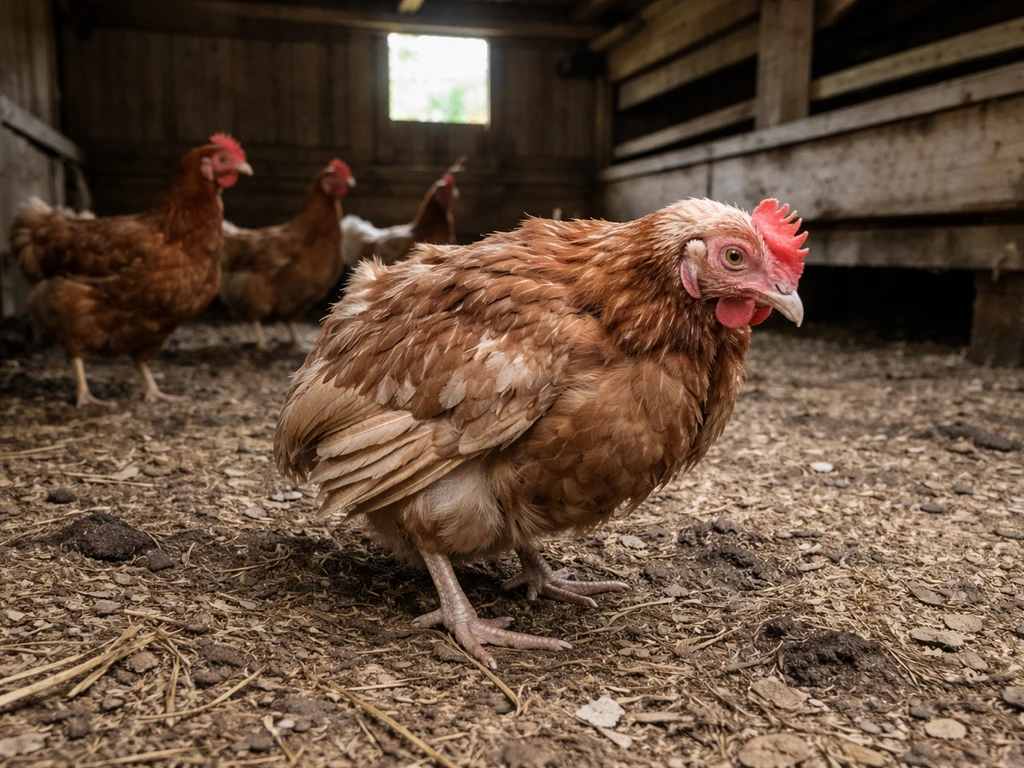
What Does Bird Flu Look Like in Birds? Signs and Lesions
Recognize avian influenza signs in chickens and wild birds, plus typical lesions and what the virus looks like under mic
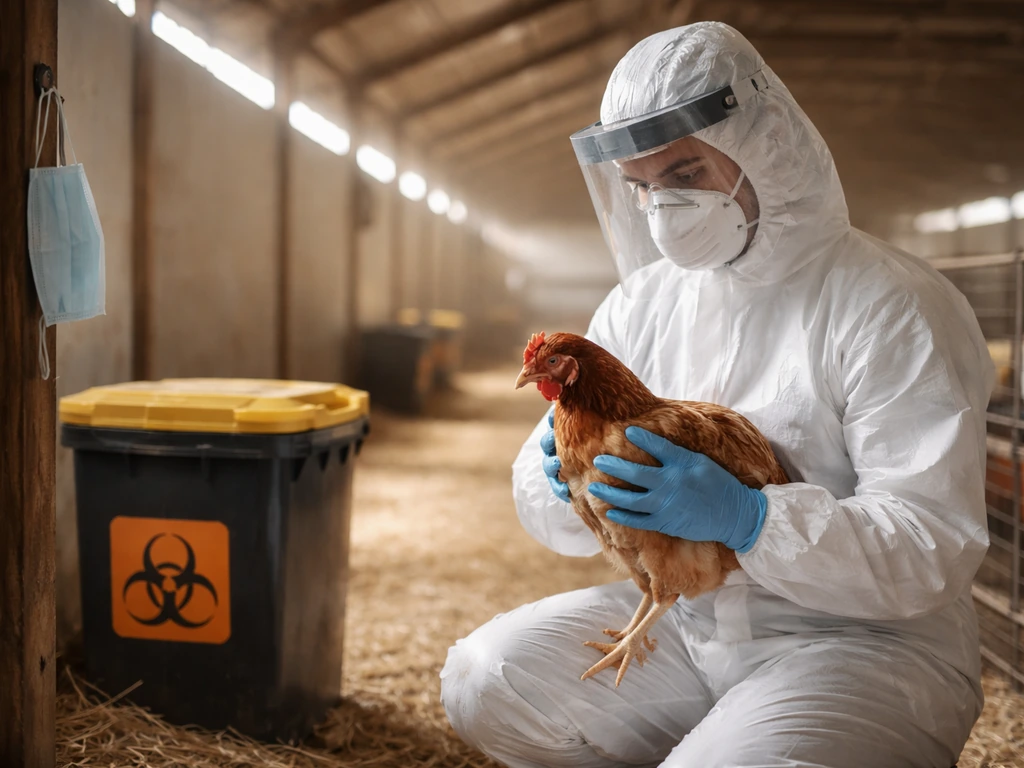
What Is Bird Flu in Humans? Symptoms, Causes, and Cases
Plain-language guide to avian influenza in people: symptoms, causes, where outbreaks occur, and how to prevent risk.
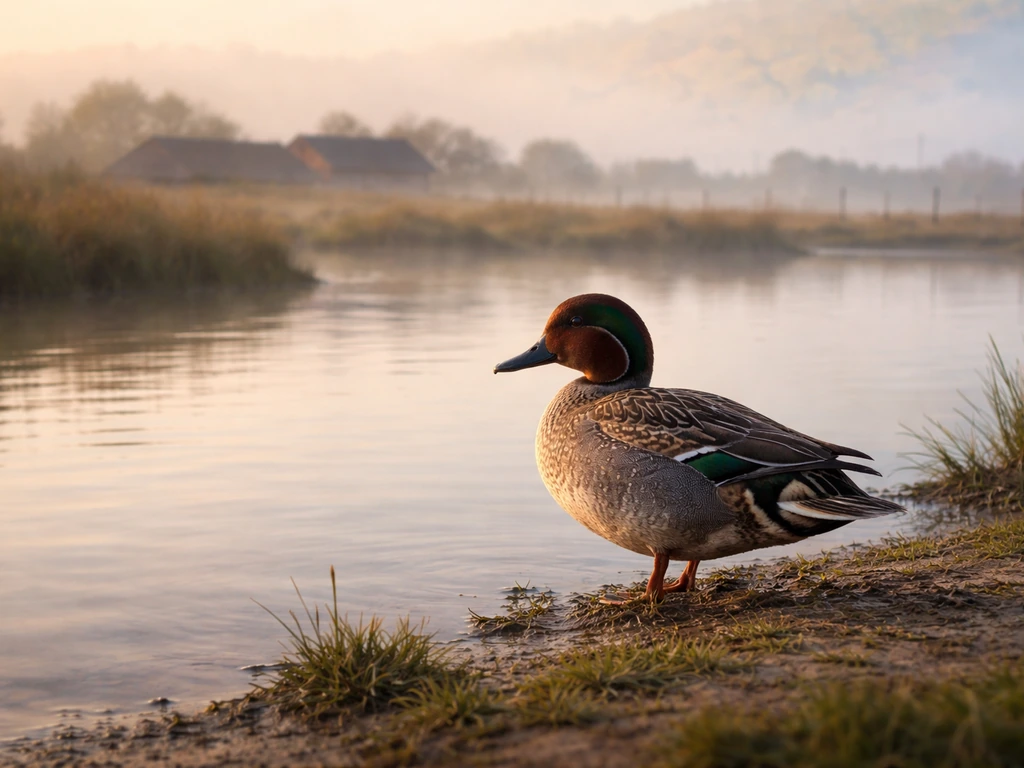
Is Bird Flu in Europe Now? Risk, Symptoms, Safety Steps
Find out if bird flu is in Europe now, current risk, symptoms, food safety, and exact steps for handling exposure safely