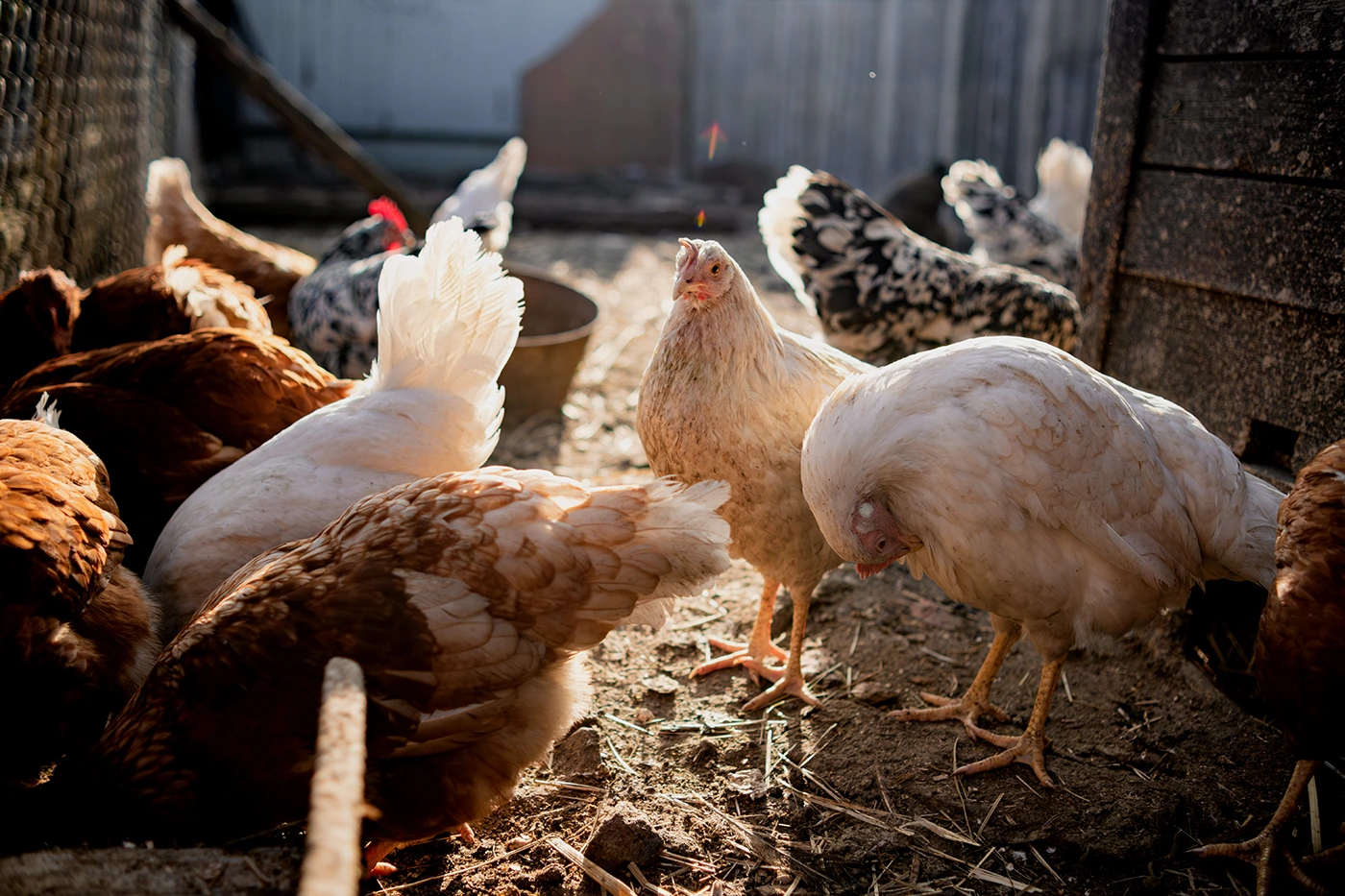
Bird flu in humans is genuinely rare. Since 2003, the WHO has recorded fewer than 1,000 confirmed human H5N1 cases worldwide, specifically 997 confirmed cases and 478 deaths over more than two decades of global surveillance. To put that in perspective, seasonal flu infects roughly 9 to 41 million Americans every single year. So if you're trying to gauge your personal risk after seeing a sick bird or hearing about an outbreak on the news, the baseline answer is: the risk is very low for most people, and it stays low as long as you avoid direct, unprotected contact with infected birds or animals.
How Common Is Bird Flu in Humans Compared to Seasonal Flu

Sarah Chen
15 Jun 2026

What 'common' actually means here
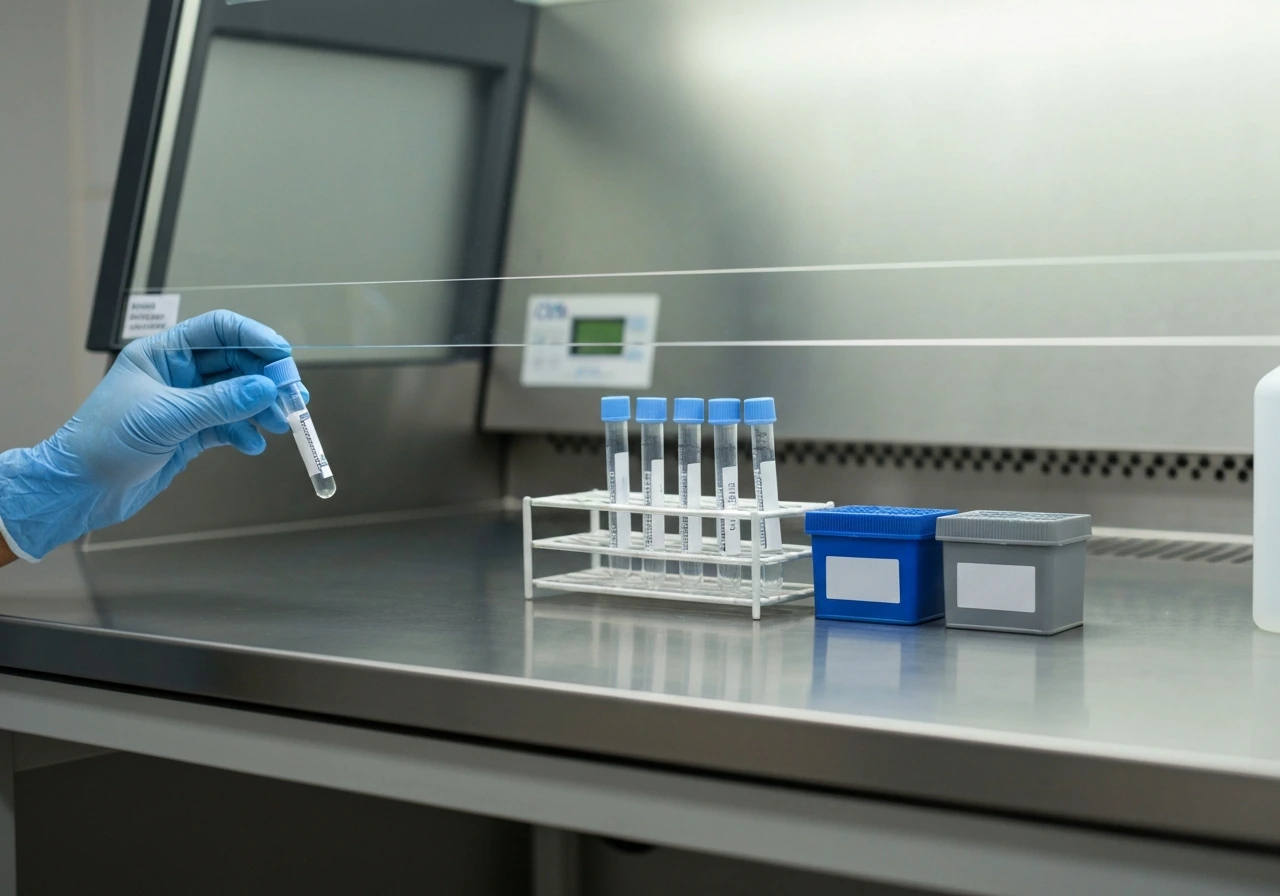
When public health agencies talk about how common bird flu is in humans, they're counting laboratory-confirmed cases, meaning someone tested positive for an avian influenza A virus (like H5N1 or H5N2) using methods like RT-PCR and genetic sequencing. That's a high bar. Many people who get briefly exposed but never develop symptoms, or who get mild symptoms and never get tested, aren't counted. This means the official numbers are probably an undercount of total exposures, but it also means confirmed cases represent real infections, not just proximity to a sick bird.
There's also a difference between a 'case' and a 'suspected exposure.' The CDC uses a formal case definition that includes epidemiologic criteria, for example, close unprotected contact within about 2 meters of a confirmed or probable human case, or direct contact with infected animals or contaminated environments. Not every exposure leads to infection, and not every infection gets counted in the official tally. Keeping that distinction in mind helps you read outbreak news without overreacting.
The bottom line on frequency: just how rare is it?
Globally, WHO's cumulative H5N1 data (updated through March 2026) shows 997 confirmed human cases over 23 years. That averages out to roughly 43 cases per year worldwide, and many years saw far fewer than that. In the Americas specifically, PAHO reported only 75 human H5N1 infections and 2 deaths between April 2022 and March 2026, covering multiple countries.
The U.S. situation shifted somewhat starting in April 2024, when an outbreak in dairy cattle drove more human cases than had historically been seen stateside. At the peak of that concern, CDC estimated roughly 6 to 7 human H5N1 cases per month in the U.S., still a small number in absolute terms, but notable because it was tied to a new exposure route (dairy farm workers in contact with infected cattle, not just poultry). Even so, the vast majority of those cases were mild.
The case fatality rate for H5N1 historically looks alarming on paper, around 48% of confirmed global cases have been fatal. But that number is almost certainly inflated by underreporting of mild cases: only the sickest people historically got tested and counted. The U.S. cases since 2024 have mostly been mild or moderate, suggesting the true severity picture may be less dire than the historical rate implies.
What makes it rarer or more common: outbreaks, regions, and virus strains
Bird flu is not a single thing, 'avian influenza' covers multiple subtypes, and risk varies significantly by which one is circulating. H5N1 (particularly clade 2.3.4.4b) has driven most recent global concern. H7N9 caused hundreds of human cases in China between 2013 and 2017. H5N2 and H5N6 have caused smaller clusters. Each subtype has its own geographic footprint, animal reservoir, and human infection pattern. About Estimated Flu Burden | CDC notes that cDC “About Estimated Flu Burden” notes that between 2010 and 2025 the annual estimated burden of flu includes ~120,000–710,000 hospitalizations and ~6,300–52,000 deaths (range across years).
Geographic location matters a lot. Historically, most H5N1 human cases came from Southeast Asia, Egypt, and parts of the Middle East, regions with close human-poultry contact and live poultry markets. As the virus spread to new animal populations (including dairy cattle in North America), new regional exposure risks emerged. WHO and FAO publish regular joint risk assessments that track where active spillover events are happening, and those assessments have been updated as recently as May 2026.
Timing also shifts the calculus. During active poultry outbreaks, the pool of potentially infectious birds that humans might encounter is larger. That doesn't automatically mean human cases spike proportionally, human cases still require direct, unprotected contact, but it does raise background exposure risk for people working with or around affected flocks.
Who is actually at risk and how does exposure happen
The overwhelming majority of human bird flu cases trace back to a single, identifiable route: direct, unprotected contact with infected birds or animals. This includes touching sick or dead poultry, handling contaminated surfaces like feces or litter, working in environments where infected animals are present, and handling raw or unpasteurized products from infected animals. Person-to-person transmission has been extremely rare and has not led to sustained community spread, research suggests an R0 (basic reproduction number) of less than 0.2 for H5N1, meaning each infected person infects fewer than one other person on average.
That makes certain groups meaningfully higher risk than the general public.
- Poultry farm workers and veterinarians with regular, close contact with flocks
- Dairy farm workers, particularly during outbreaks involving infected cattle
- Wildlife handlers and researchers working with wild birds
- People who visit live poultry markets, especially in regions with active H5 circulation
- Hunters who handle wild waterfowl, which can carry avian influenza without obvious illness
- Household contacts of confirmed human cases (though transmission events are rare)
For the average person who doesn't work with animals, the risk is very close to zero. Casual contact, walking past a backyard flock, visiting a farm as a tourist, or eating properly cooked poultry, does not represent meaningful exposure risk.
Bird flu versus seasonal flu: a sense of scale

| Metric | Seasonal Flu (U.S., annual) | Bird Flu H5N1 (global, 2003–2026) |
|---|---|---|
| Estimated illnesses | 9.3 million – 41 million per year | 997 confirmed cases total |
| Hospitalizations | 100,000 – 710,000 per year | Many confirmed cases; hospitalization data varies by outbreak |
| Deaths | 4,900 – 52,000 per year | 478 confirmed deaths total (23 years) |
| Person-to-person spread | Sustained, efficient | Extremely limited (R0 < 0.2 in H5N1 studies) |
| Primary risk group | Everyone, especially elderly/immunocompromised | People with direct animal exposure |
The 2023–2024 flu season alone produced an estimated 34 million symptomatic illnesses, 380,000 hospitalizations, and 17,000 deaths in the U. S. Bird flu's total confirmed global human toll over 23 years is a fraction of a single bad flu season.
In the same way, bird flu in dogs is extremely uncommon, and infections are rare compared with everyday canine respiratory illnesses Bird flu's total confirmed global human toll over 23 years is a fraction of a single bad flu season. . That's not to dismiss bird flu as a concern, the worry is about what it could become if it adapted to spread efficiently between people, not what it currently is.
Right now, for a person without animal exposure, seasonal flu is orders of magnitude more likely to make you sick.
Symptoms to watch for and when to call a doctor after exposure
If you've had direct, unprotected contact with sick or dead poultry (or other infected animals), the main thing to do is monitor yourself for 10 days from the date of last exposure. If you are trying to figure out what bird flu looks like in pigeons, watch for sick or dead birds and contact local animal health authorities for guidance what bird flu look like in pigeons. That's the window CDC uses for post-exposure observation.
Bird flu symptoms overlap significantly with seasonal flu and COVID-19, which is exactly why exposure history matters so much for diagnosis. Bird flu symptoms in birds can look different depending on the subtype, so knowing what to look for in birds helps you understand the risk level after an exposure what does bird flu look like in birds. Common signs include:
- Fever and chills
- Cough or sore throat
- Muscle aches and fatigue
- Eye redness or irritation (conjunctivitis) — this has been the most common finding in many recent U.S. cases
- Runny or stuffy nose
- In more severe cases: difficulty breathing, pneumonia, or neurological symptoms like encephalitis
Most U.S. H5N1 cases since 2024 have been mild, with conjunctivitis being a frequent presenting symptom, sometimes the only one. Severe disease, when it occurs, can involve pneumonia with high concentrations of virus in the lower respiratory tract and may last several weeks. But mild cases have been far more common in recent U.S. exposure events.
If you develop any of these symptoms within 10 days of a known exposure, don't wait. Contact your state or local health department immediately, they coordinate testing and can connect you with a clinician quickly. The CDC recommends that clinicians prescribe antiviral medications (like oseltamivir, commonly known as Tamiflu) for ill persons with suspected bird flu after exposure, and starting treatment early matters.
If you feel seriously unwell, trouble breathing, chest pain, severe confusion, go to an emergency room and tell them about your animal exposure upfront so they can take appropriate precautions. [Selecting Personal Protective Equipment for Avian Influenza A Viruses in the Workplace | CDC](https://www. cdc. gov/bird-flu/worker-safety/selecting-ppe-workplace.
html) notes that cDC “Selecting Personal Protective Equipment for Avian Influenza A Viruses in the Workplace” states that PPE selection should consider eye protection and respiratory protection (e. g. , N95 or greater filtering facepiece respirator) and notes that those unable to wear a properly sealing respirator should not work near infected animals where feasible.
Practical prevention for households and farm workers
For general households
- Don't handle sick or dead wild birds with bare hands — use gloves or a bag turned inside-out, and wash hands thoroughly afterward
- Keep backyard poultry away from wild birds as much as possible
- Cook poultry and eggs thoroughly to safe internal temperatures (165°F for poultry)
- Avoid raw or unpasteurized dairy products, especially during active outbreaks
- If you visit a live bird market, avoid direct contact with birds and surfaces, and wash hands before touching your face
For poultry and farm workers
Workers with direct contact with potentially infected birds or animals need to take PPE seriously. CDC and OSHA guidance is clear on this point.
- Wear an N95 respirator (or higher-grade filtering facepiece) when working around confirmed or potentially infected animals — aerosol exposure through the nose and mouth is a real route
- Use eye protection (goggles or a face shield), not just glasses, since direct eye contamination is a documented exposure route and conjunctivitis is a known outcome
- Wear gloves and consider coveralls or protective outer clothing that can be removed before leaving the work area
- Wash hands thoroughly with soap and water after removing PPE and after any contact with birds, litter, feces, or contaminated surfaces
- Do not eat, drink, or touch your face while in contaminated work areas
- If you cannot wear a properly sealing respirator, you should not work directly near infected animals where feasible — this is an OSHA-aligned recommendation
- Report sick or dead bird clusters on your property to your state veterinarian or local agricultural extension office promptly — early reporting helps contain outbreaks and protects other workers
- If you become ill within 10 days of exposure, isolate from coworkers and family, and contact your health department before returning to work
Reporting and surveillance
One thing worth understanding: the 'how rare is it' answer is partly shaped by how well we're looking for cases. Surveillance has improved significantly since 2024, and that means more cases get detected, including mild ones that previously would have gone unrecognized. An uptick in reported cases during an active outbreak doesn't necessarily mean the virus got more dangerous; it may mean testing and reporting improved. Staying connected to updates from the CDC and WHO during outbreak periods helps you interpret the numbers accurately rather than in isolation.
FAQ
If bird flu is rare, why do I sometimes see headlines that sound like it is spreading?
News numbers usually reflect laboratory-confirmed infections. If you were exposed but did not have a diagnostic test, your case would not appear in official tallies, so your personal risk assessment should focus on whether you had direct unprotected animal exposure and whether symptoms appear, not on the size of public case counts alone.
Does “bird flu” mean the same risk level everywhere and for every subtype?
The risk depends on the subtype and your exposure route. Even though H5N1 has driven most recent global concern, other avian influenza subtypes (like H7N9) have different geographic patterns and exposure contexts, so a “bird flu” headline without subtype detail is harder to interpret for personal risk.
How does risk change if I used PPE or had some protection during contact with potentially infected animals?
If you were near infected birds or animals but had protected contact (for example, appropriate gloves and respiratory protection and no handling of raw material without barrier protection), your risk is generally much lower than unprotected contact. Still, if you develop symptoms within the recommended observation window, you should report the exposure and ask about testing rather than assuming protection makes symptoms impossible.
What is the right observation window after a possible exposure?
Roughly 10 days from the last unprotected exposure is the key window for self-monitoring. If symptoms start earlier or later, contact a clinician anyway if you were exposed, but 10 days is the time frame agencies use for post-exposure observation, so it helps guide urgency.
If the fatality rate looks high, am I guaranteed a severe outcome if I get infected?
Yes. Mild or atypical symptoms can occur and are more likely to go untested, which can make official fatality rates look worse than the true severity. If you have respiratory symptoms after a known exposure, seek care promptly because antivirals work best when started early, and clinicians need exposure history to decide on testing.
What should I do if someone in my household becomes ill and bird flu is mentioned as a possibility?
In most situations, person-to-person spread has not been sustained. However, if a household or close-contact setting involves someone who is suspected or confirmed to have bird flu and you have close unprotected exposure to their respiratory secretions, you should contact local health authorities for guidance on whether additional monitoring or testing is recommended.
Is exposure to any bird enough to worry, or only certain situations?
Not all “bird exposures” are equal. Touching healthy birds or being outdoors near wild birds is usually low risk, while handling sick or dead birds, cleaning contaminated surfaces, or working in areas with infected poultry or animals is higher risk. The exposure route matters more than the location alone.
What should bird flu monitoring look like for farm or wildlife workers, not the general public?
If you are an animal worker, monitor for symptoms and follow your workplace PPE and respiratory protection program, but also confirm your employer has a plan for reporting exposures and getting you connected to occupational health or your state/local public health team. Delays in reporting can reduce the chance of timely antiviral treatment if you become ill.
What details should I tell my doctor or health department after an exposure?
If you are worried about a specific incident (for example, you found a sick bird, cleaned droppings, or had exposure to raw unpasteurized products), the most useful info to provide is the exact type of animal exposure, whether it was unprotected, where it happened, and the timing of last contact relative to symptom onset. That helps clinicians and public health decide on testing and whether antivirals are appropriate.
How does eating poultry relate to bird flu risk compared with touching sick animals?
Cooked, properly handled poultry is not the same exposure as handling raw or unpasteurized products from potentially infected animals. For personal risk, focus on avoiding unprotected contact with infected animals and avoiding raw products when your exposure could involve infected herds or flocks.
Next Article
How Common Is Bird Flu? Wild, Chickens, and Backyard Flocks
Learn how common bird flu is in wild birds, chickens, and backyard flocks, plus how to check local risk and act.