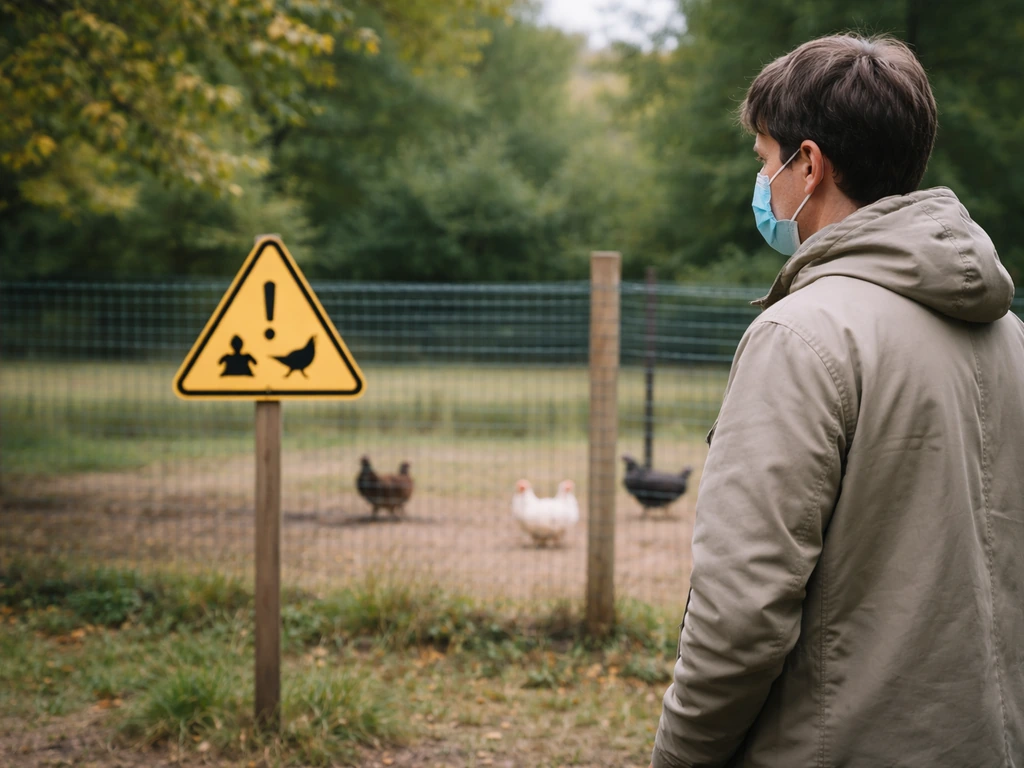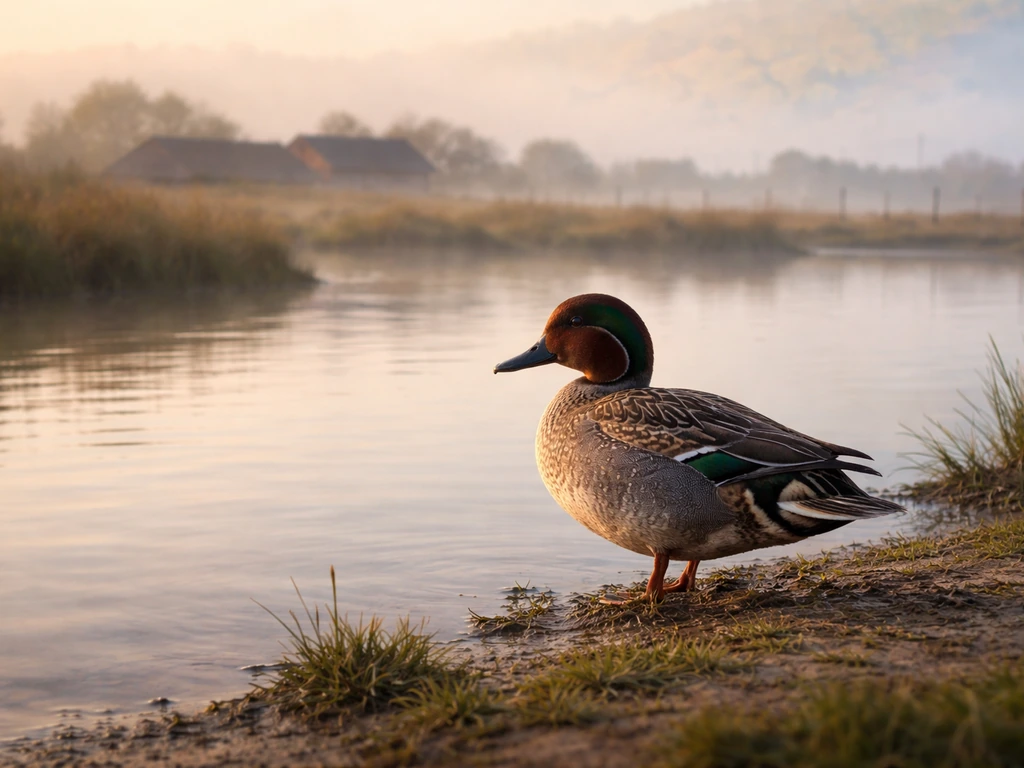
For most people searching this question right now, bird flu is very unlikely. The current public health risk from avian influenza A(H5) in the U.S. remains low, and the vast majority of human cases have come from direct, unprotected contact with infected or dead birds, poultry, or contaminated farm environments. If you haven't had that kind of exposure in the last 10 days, your symptoms are almost certainly something else. But if you have been around sick or dead birds, worked on a farm during an outbreak, or visited a live-bird market recently, this article will walk you through exactly how to figure out your risk, what to watch for, and what to do today.
Do I Have Bird Flu? Symptoms, Risk, and What to Do Now

Sarah Chen
16 May 2026

What bird flu actually is (and what it isn't)
Bird flu, or avian influenza, is caused by influenza type A viruses that naturally circulate in birds. The strain getting the most attention right now is highly pathogenic avian influenza A(H5N1), which can infect poultry and occasionally spills over into humans. It is not the same as seasonal flu, even though both are caused by influenza A viruses. The key difference is where it lives: bird flu is fundamentally an animal disease. Human infections are uncommon and almost always tied to a specific animal exposure, not community spread the way seasonal flu works. Human-to-human transmission remains rare, which is why the overall public health risk stays relatively low even when there are active poultry outbreaks in your region.
It's worth saying plainly: bird flu is not a pandemic circulating right now. The concern scientists have, which is well worth understanding on its own, is about what could happen if the virus mutated to spread efficiently between people. The reason scientists are worried is that a mutation could eventually help the virus spread more easily between people what could happen if the virus mutated to spread efficiently between people. That's a real and legitimate worry for researchers and public health officials. But for you, sitting here today with some symptoms, the question is much more concrete: have you been exposed to infected birds, and do your symptoms fit the pattern?
Bird flu symptoms vs. regular flu: what's actually different
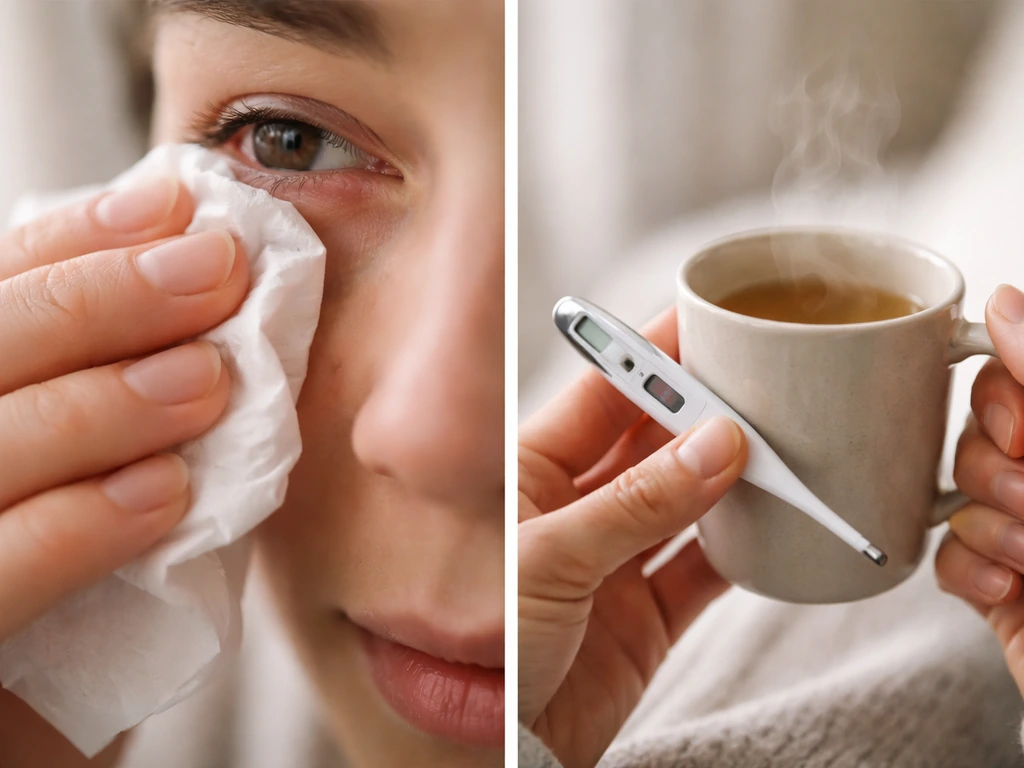
This is where bird flu gets interesting and a bit counterintuitive. The symptom that stands out most in recent U.S. cases isn't the classic fever and cough you'd expect. Eye redness and irritation (conjunctivitis) has been the predominant symptom in confirmed human HPAI A(H5N1) cases. In one CDC case series, eye irritation or redness appeared in 97% of confirmed and probable cases, while fever showed up in only about 29% and muscle aches in about 34%. That's a very different profile from seasonal flu, where fever and body aches tend to dominate.
Eye symptoms can appear as early as 1 to 2 days after exposure. Respiratory symptoms, like cough and sore throat, typically begin around 3 days after exposure but can range from about 2 to 7 days. Bird flu can also progress to more serious illness including pneumonia in some people, but it can also stay mild. Illness generally lasts a few days to less than two weeks, though that varies.
| Symptom | Bird Flu (HPAI A(H5N1)) | Seasonal Flu |
|---|---|---|
| Eye redness/irritation | Very common (97% of cases) | Uncommon |
| Fever | Present in ~29% of cases | Very common |
| Muscle aches | Present in ~34% of cases | Very common |
| Cough/sore throat | Present (16-39% of cases) | Very common |
| Shortness of breath | Can occur; sign of worsening | Occasional |
| Fatigue | Can occur | Very common |
| Onset after exposure | Eye: 1-2 days; respiratory: ~3 days (range 2-7) | 1-4 days incubation |
The takeaway: if your main symptoms are fever, body aches, and fatigue with no eye involvement and no bird exposure, you're looking at seasonal flu or another respiratory illness far more likely than bird flu. Red, irritated eyes combined with a known bird exposure is a much more meaningful flag.
Exposure risk check: when 'do I have bird flu?' is a real question
The single biggest factor in whether bird flu is on the table is what you've been doing in the last 10 days. Animal exposure, specifically unprotected contact with infected or dead birds, poultry, or contaminated environments, is the main risk factor. Community spread in the general population is not driving human cases right now. So before you go further, ask yourself honestly:
- Have you handled sick or dead wild birds, backyard chickens, turkeys, or other poultry in the last 10 days?
- Have you worked on or visited a farm, live poultry market, or operation with a known or suspected HPAI outbreak?
- Were you in close contact with the environment where infected birds live, including their feces, mucous, or saliva, without protective gear?
- Do you live in a household where someone else has had direct bird exposure?
- Have you been in a geographic area with confirmed HPAI detections and had any outdoor exposure to wild birds?
If you answered no to all of these, bird flu is extremely unlikely to explain your symptoms, and you should think about seasonal flu, COVID-19, or another respiratory infection instead. If you answered yes to any of them and you're now feeling sick, keep reading.
Self-triage today: urgent signs and when to call
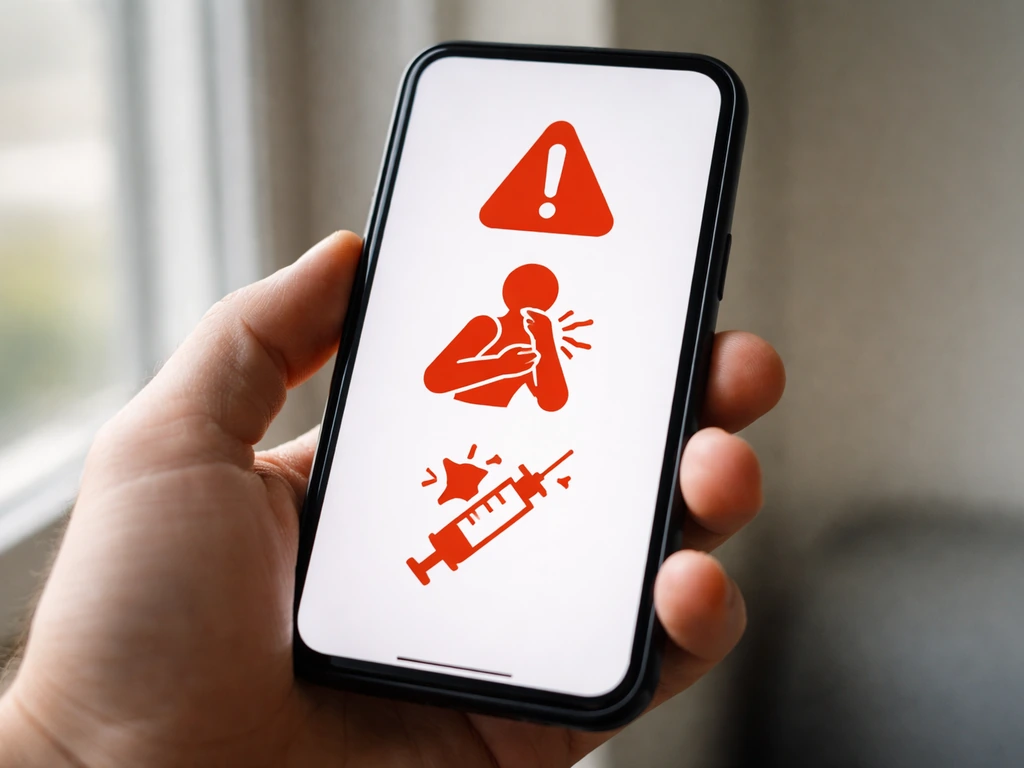
If you've had a relevant bird or poultry exposure in the last 10 days and you develop any symptoms during that window, the CDC's guidance is clear: contact your state or local health department immediately. Don't wait to see if symptoms get worse. Don't rely on a home flu test. Call first, describe your exposure, and let them guide next steps. This matters because antiviral treatment (specifically oseltamivir, also known as Tamiflu) works best when started within two days of symptom onset, so timing is real.
That said, some signs mean you need urgent medical care today, not just a phone call:
- Difficulty breathing or shortness of breath
- Chest pain or pressure
- Confusion or altered mental state
- Severe or worsening respiratory symptoms that feel like they're progressing quickly
- High fever that isn't responding to standard fever reducers
- Bluish lips or fingertips
If you have any of those signs alongside a recent bird exposure, go to an emergency department and tell them upfront about the exposure before you enter the waiting area. This lets staff put appropriate infection control precautions in place immediately, which protects both you and others.
For milder symptoms (eye redness, a cough, mild sore throat) with a known exposure but no severe signs, start with a call to your state or local health department. They'll coordinate with healthcare providers and guide you on whether to go in for evaluation, where to go, and what to say when you get there.
Doctor visit and testing: what to expect
One of the most important things to know: you cannot reliably self-diagnose bird flu. A standard rapid flu test from the drugstore will not tell you if you have avian influenza A(H5N1). Rapid flu tests are designed for seasonal flu strains and their sensitivity for novel avian influenza is unreliable. Confirmed diagnosis requires specialized testing, typically RT-PCR (polymerase chain reaction, a lab method that detects viral genetic material), done through public health laboratories using CDC-approved assays.
When you show up for evaluation with a relevant exposure history and compatible symptoms, the healthcare team will collect specimens, which may include a respiratory swab and, depending on your symptoms, a conjunctival (eye) swab. The CDC's testing guidance recommends specimen collection for patients with acute respiratory illness or conjunctivitis who have had unprotected exposure to potentially infected animals or their environments within 10 days of illness onset. Specimens go to public health labs for H5-specific testing.
Healthcare settings manage suspected novel influenza A cases with enhanced precautions, including airborne infection isolation rooms and N95 or higher respiratory protection for staff. This may feel intense if you're the patient, but it's standard protocol for any suspected novel influenza, not a sign that staff think you're definitely infected.
If your exposure history and symptoms meet the criteria, a doctor may prescribe empiric oseltamivir (Tamiflu) while test results are pending. This is especially true for hospitalized patients, where treatment starts immediately regardless of how long it's been since symptom onset. For outpatients, starting treatment as soon as possible, ideally within 48 hours of symptoms beginning, gives the best outcomes.
If you've handled poultry or live with birds
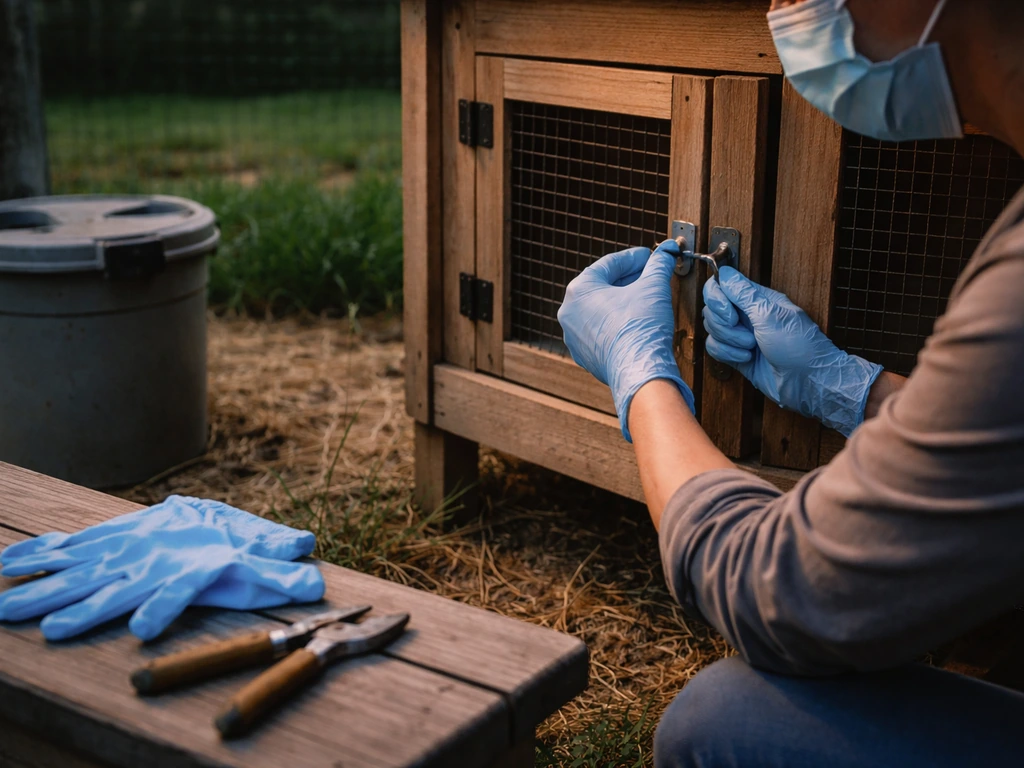
Farmers, farm workers, backyard flock owners, and anyone regularly around poultry or wild birds face a different risk calculation than the general public. If this is you, understanding what sick birds look like and how to protect yourself matters a lot.
Signs of illness in birds to watch for
- Sudden, unexplained death in multiple birds
- Significant drop in egg production or feed/water intake
- Swelling of the head, neck, or eyelids
- Respiratory distress: gasping, rattling breathing, nasal discharge
- Neurological signs: incoordination, tremors, twisted necks
- Diarrhea or unusual feces
If you see these signs in your flock, OSHA and the CDC both advise immediately notifying state or federal animal health officials. In the U.S. that means contacting your state veterinarian's office or the USDA APHIS (Animal and Plant Health Inspection Service). Do not wait for birds to die before reporting.
Protecting yourself around potentially infected birds
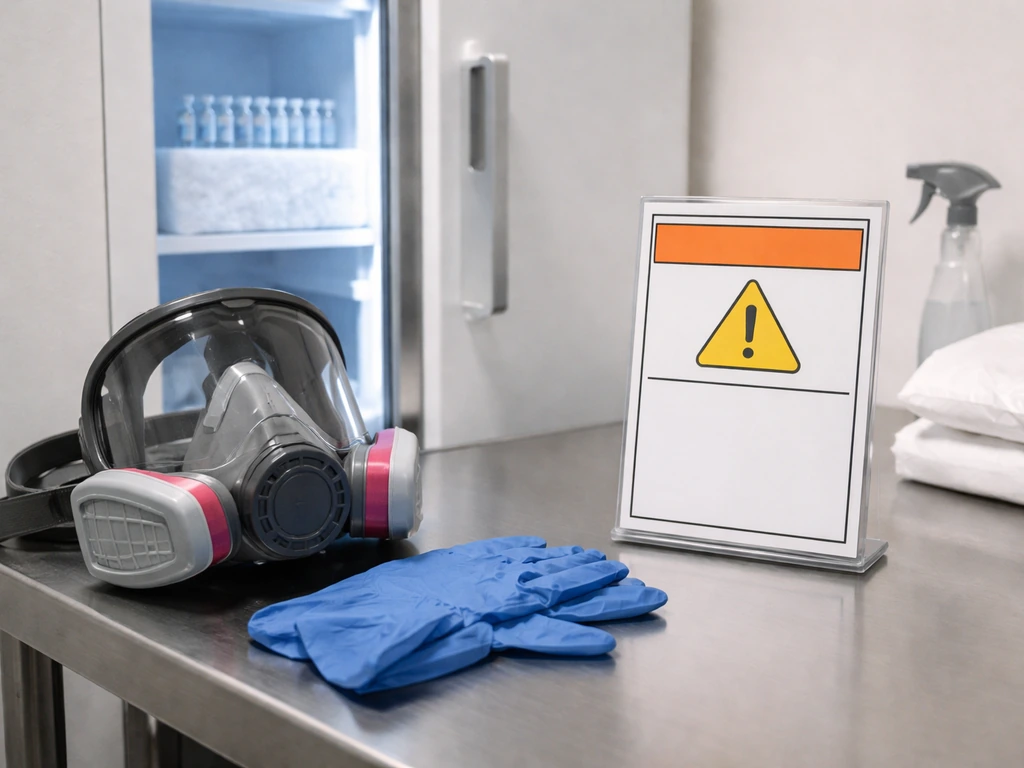
The virus sheds through infected birds' mucous, saliva, and feces, and you can be exposed through direct contact or even by touching a contaminated surface and then touching your face. PPE (personal protective equipment) matters here: N95 respirators or higher, eye protection (goggles or a face shield), gloves, and waterproof boots or boot covers are the standard for anyone working with infected or potentially infected flocks. Wash hands thoroughly after any contact with birds, contaminated surfaces, or after removing PPE, and before eating, drinking, or touching your face. Disposable PPE should be changed out regularly, and reusable gear needs proper disinfection after each use.
If you've had unprotected exposure to a sick or dead bird and you develop symptoms in the next 10 days, treat that as a potential exposure event and follow the call-your-health-department guidance above. The CDC has specific guidance for farm workers exposed to H5N1, and your state agricultural extension office or health department can walk you through post-exposure monitoring steps.
Food safety: is it safe to eat poultry and eggs right now?
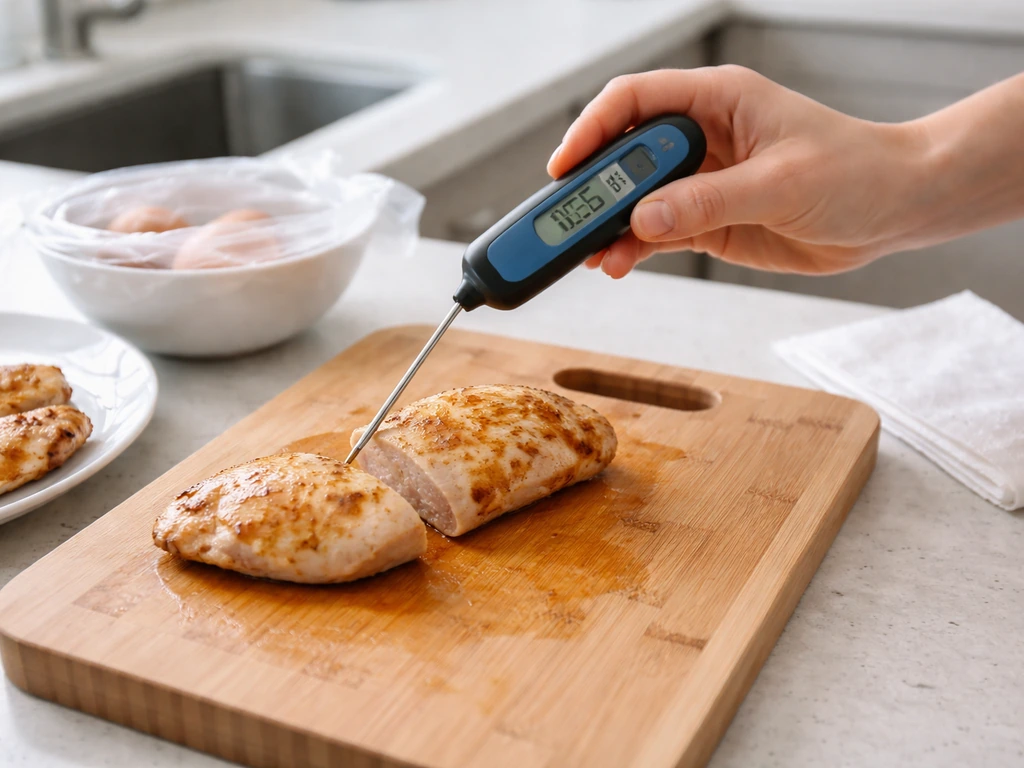
Yes, with normal food safety practices. Getting bird flu from eating properly cooked poultry or eggs is not a realistic concern. The USDA is clear that avian influenza is not transmissible through eating properly prepared poultry, and the FDA's joint risk assessment with USDA confirms that proper cooking reduces consumer risk further. The key is heat: cook all poultry to an internal temperature of 165°F (74°C), which kills influenza viruses. Eggs should be cooked until both the yolk and white are firm.
Cross-contamination is the real practical concern in the kitchen. Raw poultry can carry pathogens on its surface, so keep raw poultry separate from other foods, use separate cutting boards, wash your hands after handling raw meat, and sanitize surfaces. These are standard food safety steps, not bird-flu-specific measures, but they cover the bases.
Avoid handling or eating wild birds you find dead or sick. That's a different situation from commercially processed poultry that has gone through standard inspection and handling.
Prevention and how to stay current on outbreaks
For the general public, the most practical prevention is simply avoiding unprotected contact with sick or dead wild birds and birds of unknown health status, and following normal food safety hygiene. If you work with poultry or birds professionally, consistent use of appropriate PPE and following your employer's or the CDC's workplace guidance is the main line of defense.
On vaccines: as of May 2026, there is no broadly available bird-flu vaccine for the general public in the U.S. Vaccine candidates targeting H5N1 have been developed and stockpiled as part of pandemic preparedness, and the situation continues to evolve. This is an area worth watching, and public health authorities will communicate if recommendations change.
For current, accurate outbreak information, go directly to the source:
- CDC Bird Flu (avian influenza) homepage at cdc.gov/bird-flu: updated case counts, current risk assessments, and clinical guidance
- USDA APHIS: tracks confirmed HPAI detections in poultry and wild birds by state
- Your state health department website: local exposure alerts and testing guidance
- WHO Influenza (Avian) page: global situation updates
The concern scientists have about bird flu's pandemic potential is real and worth understanding in context, but the current situation for most people is low risk. What matters most right now is knowing your actual exposure, recognizing the right symptoms (especially eye redness in anyone with bird contact), and acting quickly if both of those align. If you're reading this because you're worried, a quick, honest exposure history is the most useful thing you can do in the next five minutes.
FAQ
I have red, irritated eyes. Does that always mean bird flu if I was around birds?
Not always. Eye redness can come from many causes (allergies, viral conjunctivitis, irritation from smoke or chemicals). Bird flu becomes more concerning when eye symptoms occur within a few days of unprotected contact with sick or dead birds, poultry, or contaminated farm environments. If the timing fits that exposure window, contact your state or local health department for guidance rather than assuming it is “just conjunctivitis.”
How soon after exposure should symptoms start?
Eye symptoms can start as early as 1 to 2 days after exposure, while respiratory symptoms like cough and sore throat often begin around day 3 (though the range can be roughly 2 to 7 days). Symptoms outside about a week after the exposure, especially without ongoing exposure, makes bird flu less likely compared with other respiratory infections.
If I have symptoms but I am not sure whether I had bird exposure, what should I do?
Assume the exposure might have happened if you had activities like cleaning a backyard coop, visiting a live-bird market, working on a farm during an outbreak, or handling wild birds you found. The practical step is to contact your state or local health department and describe what you did, when you did it, and what protective gear you used. They can help determine whether your situation meets criteria for testing and treatment.
Why shouldn’t I rely on a home rapid flu test?
Most home rapid flu tests are tuned for seasonal influenza, and they are not reliable for detecting novel avian influenza like H5N1. A negative home test does not rule it out after a relevant bird exposure, and the recommended next step is still to involve public health if your exposure history and symptom pattern fit.
If my test result comes back negative for influenza, should I stop worrying?
For suspected bird flu, decisions are driven more by exposure history and the right specimen testing than by a single “flu” result. If you had unprotected bird or poultry exposure within the last 10 days and you have compatible symptoms, contact the health department so they can decide if specialized testing (such as RT-PCR with H5-specific assays) is still needed.
I’m in the same house as someone who might have bird flu. Do I need to quarantine or avoid them?
Because human-to-human spread has been rare, household quarantine is not automatically the default. However, you should contact your local health department for tailored advice if the person has confirmed or strongly suspected infection. Until you hear back, practice standard respiratory hygiene and avoid close contact with their respiratory secretions, especially if they have conjunctivitis.
Does bird flu spread through food or from touching packaged poultry?
The article notes that properly cooked poultry and eggs are not a realistic route of infection, and heat is the key (cook poultry to 165°F/74°C, and cook eggs until yolk and white are firm). Touching raw poultry can still be a kitchen contamination issue for other germs, so wash hands, separate raw and ready-to-eat foods, and sanitize surfaces to reduce general foodborne risk.
What if I handled a dead wild bird but I already feel better now? Do I still need to report it?
If you had unprotected contact and you develop symptoms within roughly the next 10 days, that is when you should seek guidance. If you have no symptoms during that window, bird flu is unlikely, but reporting the event can still be useful for local surveillance, especially if multiple sick or dead birds are involved. Consider contacting local animal health or your state agency if you want the event documented.
When should I go to the emergency department versus call first?
Call your state or local health department first for mild symptoms after a relevant exposure. Go to the emergency department immediately if you have severe breathing trouble, significant low oxygen, new confusion or extreme drowsiness, worsening distress, or any other urgent medical red flags (and tell staff about the bird exposure before waiting).
If Tamiflu is time-sensitive, should I ask for it right away?
Ask the health department or clinician promptly when you call, especially if symptoms began within the last 48 hours. The general principle is that antivirals work best when started early, but prescribing decisions depend on exposure history, symptom severity, and whether the case meets criteria for empiric treatment while tests are pending.
I work with poultry and use PPE, but I still had a gap (no eye protection for a moment). Am I at risk?
Risk is highest with unprotected exposure to potentially infected birds, poultry, or contaminated environments, and gaps in PPE matter most when they affect eyes, respirators, or hand hygiene. If you had a meaningful lapse, contact your supervisor and follow workplace/public health guidance for post-exposure monitoring, especially if you develop eye irritation or respiratory symptoms within about a week.
Is there any situation where I should consider bird flu even without obvious bird exposure?
Bird flu is uncommon without a relevant animal exposure. The situations that raise concern are often specific and time-linked, such as recent work at a farm with an outbreak, handling animals during an event where sick or dead birds were present, or visiting a live-bird market while knowing you had close contact. If none of those apply, other respiratory infections are more likely.