
Bird flu does not affect all birds equally, and saying it does would be misleading. Avian influenza viruses can infect a wide range of bird species, but susceptibility, severity, and outcomes vary enormously depending on the virus strain (low pathogenic vs. USDA APHIS similarly describes avian influenza as a contagious viral disease of domestic and wild birds, noting that [severity varies by strain and the species affected](https://www. aphis.
Does Bird Flu Affect All Birds? Hosts, Spread, and Safety Steps

Sarah Chen
28 Apr 2026
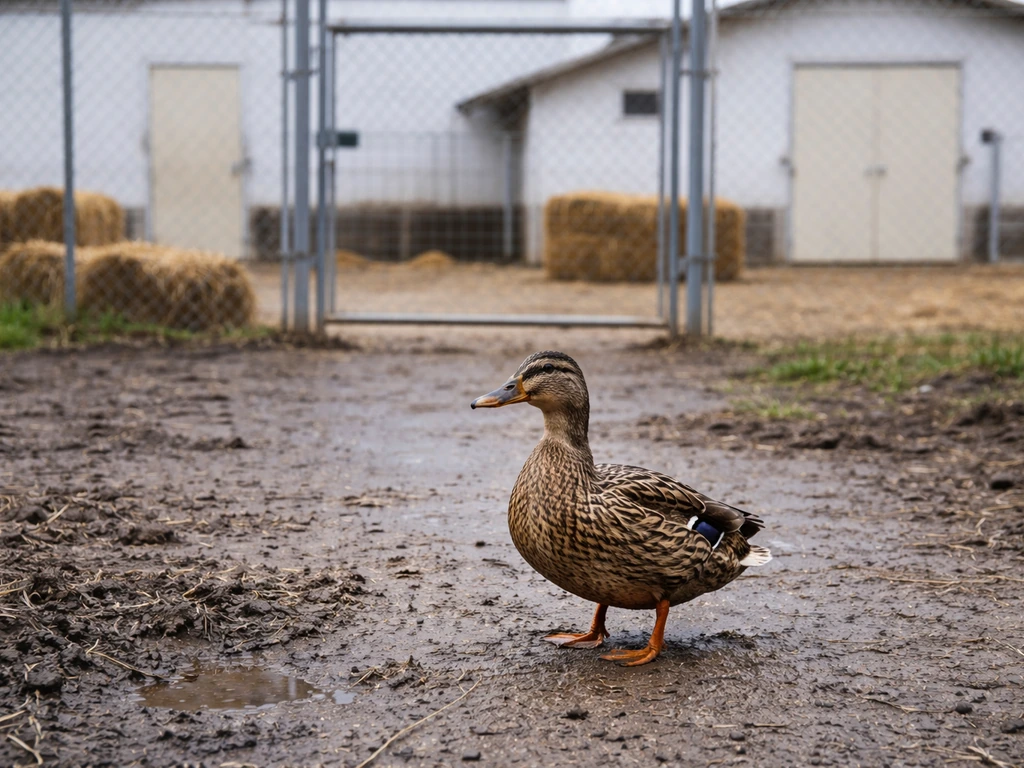
usda. gov/livestock-poultry-disease/avian/avian-influenza). high pathogenic), the bird species involved, and the individual bird's exposure history. In most wild birds, low pathogenic avian influenza (LPAI) causes little to no illness at all.
It's the high pathogenic strains, particularly H5N1, that spread rapidly and kill at high rates, mainly in domestic poultry like chickens and turkeys. Beyond birds, H5N1 has now been confirmed in cattle, cats, marine mammals, and humans, making this a genuinely cross-species issue worth understanding clearly.
Does bird flu affect every bird species?
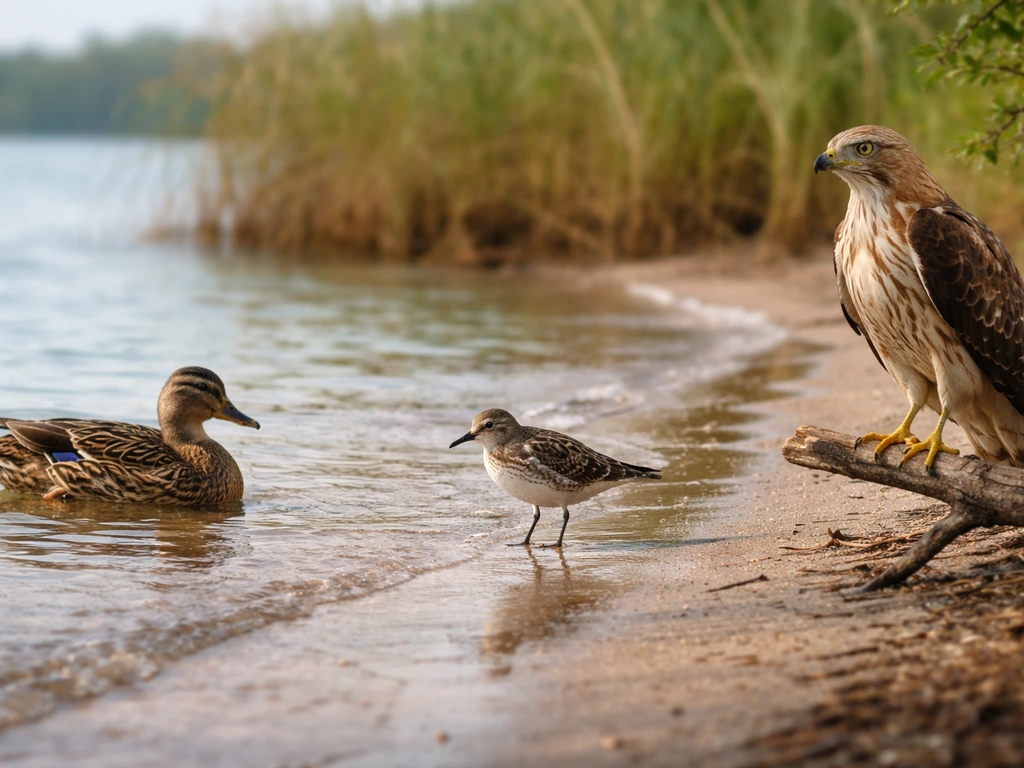
Technically, avian influenza viruses have been detected across a huge range of bird species, but "affected" can mean very different things. A wild duck carrying LPAI and showing zero symptoms is "affected" in the sense of being infected. A chicken flock hit by HPAI H5N1 and wiped out in 48 hours is "affected" in a completely different way. The World Organisation for Animal Health (WOAH) notes that species susceptibility varies and is not even fully understood yet, which means there are still gaps in what we know.
What we do know is that LPAI is routinely found in wild birds, especially waterfowl and shorebirds, and rarely causes serious illness in them. These birds act as a natural reservoir, carrying the virus without obvious disease. HPAI is the version that becomes a serious problem, and it tends to hit domestic poultry hardest. Even among domestic birds, though, species vary in how badly they're hit.
Which birds are most susceptible and how disease severity varies
Domestic poultry are generally the most vulnerable, especially to HPAI strains. HPAI can be a serious concern for chicken meat if infected birds are contaminated during slaughter, but properly handled products reduce risk HPAI strains. USDA APHIS specifically lists chickens, turkeys, pheasants, quail, ducks, geese, and guinea fowl as species affected by avian influenza. Among these, chickens and turkeys tend to experience the most severe outcomes from HPAI, with death rates approaching 90 to 100 percent in some outbreaks. Waterfowl like domestic ducks and geese can carry H5N1 and survive, or show only mild illness, which makes them a sneaky transmission risk on mixed-species farms.
Wild birds present a more complicated picture. In general, yes, bird flu can affect wild birds, but the impact depends on the type of virus and the species involved does bird flu affect wild birds. Many species, particularly migratory waterfowl like mallards, teal, and geese, carry LPAI without getting sick at all. However, since H5N1 became more widespread globally, wild bird die-offs have been documented in species that historically tolerated avian flu well. Raptors like eagles and hawks that scavenge or prey on infected birds are particularly vulnerable to HPAI. Shorebirds and colonial seabirds have also suffered significant mortality events in recent years.
| Bird Category | Primary Virus Type | Typical Severity | Role in Spread |
|---|---|---|---|
| Migratory waterfowl (wild ducks, geese) | LPAI (sometimes HPAI) | Usually mild or asymptomatic | Primary natural reservoir; spreads to domestic flocks |
| Domestic chickens and turkeys | HPAI when exposed | Severe; very high death rates | Highly vulnerable, not a natural reservoir |
| Domestic ducks and geese | LPAI or HPAI | Mild to moderate; can survive H5N1 | Can silently carry and shed virus |
| Shorebirds and seabirds | HPAI increasingly | Moderate to severe with HPAI | Affected by spread of H5N1 globally |
| Raptors (eagles, hawks, owls) | HPAI via prey/scavenging | Severe; high mortality | Dead-end hosts; not major spreaders |
| Backyard mixed flocks (quail, guinea fowl, pheasant) | LPAI or HPAI | Variable; often severe with HPAI | Bridge species between wild and farm birds |
Can other animals get bird flu? Host range explained
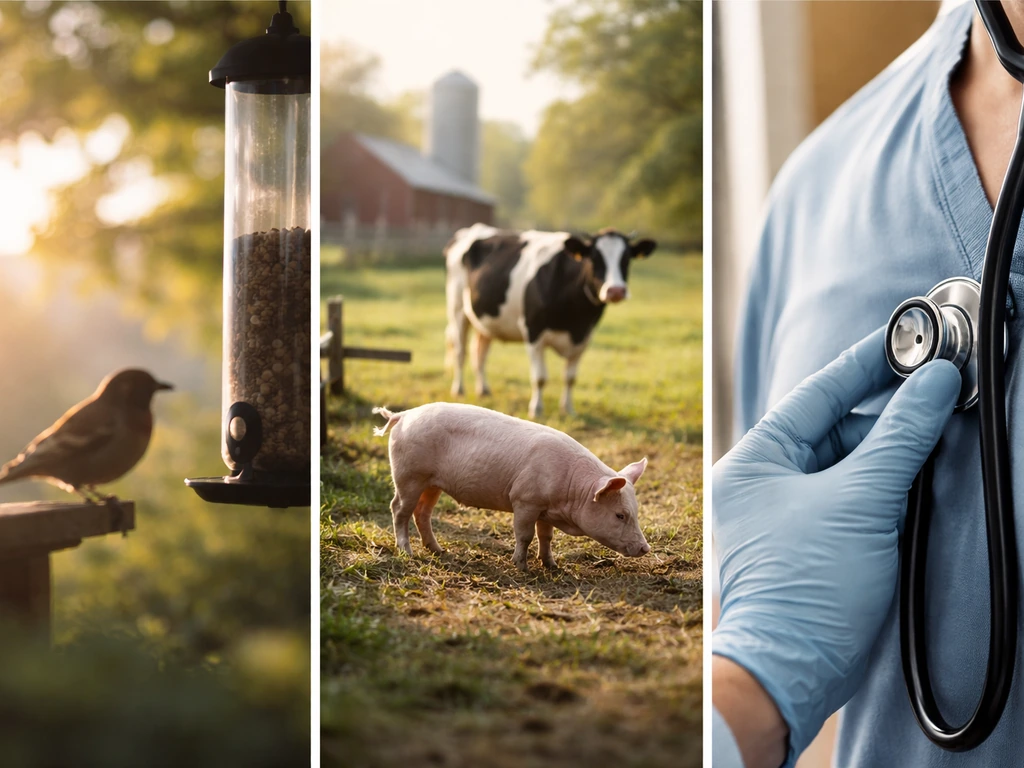
Yes, and this is where things get more complicated than most people expect. H5N1 has been documented in a growing list of mammals. The WHO and USDA APHIS both confirm detections in farmed fur animals, marine mammals like seals and sea lions, and wild terrestrial mammals. Cattle became a major story in 2024 when H5N1 was confirmed in dairy herds across multiple U.S. states, with the virus found in raw milk at high concentrations. Cats, both domestic and farm cats, have gotten sick and died after contact with infected birds or raw milk from infected cows. Dogs have shown some susceptibility in research contexts, though clinical illness in dogs from natural exposure has been less commonly documented.
Humans can also be infected, which is why this site covers both the agricultural and public health angles. Human cases are still relatively rare and typically involve close, direct contact with infected animals. Bird flu affects people, but the highest risk is from close contact with infected birds or contaminated material rather than casual exposure who does bird flu affect.
Among humans, the highest risk is for people with close, direct exposure to infected birds or contaminated material who does bird flu affect. The virus does not currently spread easily from person to person, which is an important distinction. But the expanding host range, especially the cattle situation, has added new exposure pathways that didn't exist a few years ago.
Can bird flu spread to other animals? Contagiousness and transmission routes
Within bird populations, avian influenza spreads primarily through direct bird-to-bird contact and through contact with contaminated feces, saliva, and respiratory secretions. On farms, transmission also happens via contaminated equipment, vehicles, crates, and even clothing and shoes. This is why biosecurity protocols are so strict around poultry operations: the virus can travel on your boots from one pen to another.
For cross-species transmission to other animals, the routes are more specific. Cats appear to get infected most commonly by eating infected birds or by drinking raw milk from H5N1-positive cows. NIH-reported research found that H5N1 from dairy cattle can cause severe disease in mammal models through both oral ingestion and respiratory routes, with the virus spreading systemically to multiple tissues. Marine mammals likely get infected through eating infected fish or seabirds. Farm workers in dairy operations were exposed mainly through milking, cleaning manure, and transporting cattle, according to a 2024 MMWR report out of Colorado.
The key takeaway is that transmission to non-bird animals generally requires a meaningful exposure event: eating an infected animal, handling infected material without protection, or prolonged close contact with an infected animal. Casual or incidental contact is much lower risk than sustained, hands-on exposure.
Can bird flu kill other animals? Outcomes across species
Yes, HPAI H5N1 can and does kill non-bird animals. Cats exposed to infected birds or raw milk from infected cows have died from H5N1 infection, and mortality rates in affected cats have been notably high. Marine mammal die-offs, including large seal and sea lion mortality events, have been linked to H5N1. Among livestock, cattle infected with H5N1 have generally recovered, though the illness is significant: reduced milk production, respiratory signs, and systemic illness are common. The virus found in dairy cattle appears to spread within herds primarily through the milking process and contaminated equipment rather than through respiratory routes.
In wildlife, the story varies by species. Scavenging mammals like foxes, raccoons, skunks, and bears have tested positive for H5N1 after likely eating infected birds. Deaths have been documented in some of these species. USDA APHIS frames outcomes as variable by species, noting that illness and death are possible in infected mammals but not guaranteed. The severity depends on the strain, the dose of exposure, and the animal's own immune response.
Practical next steps if you suspect bird flu around birds or mixed pets and livestock
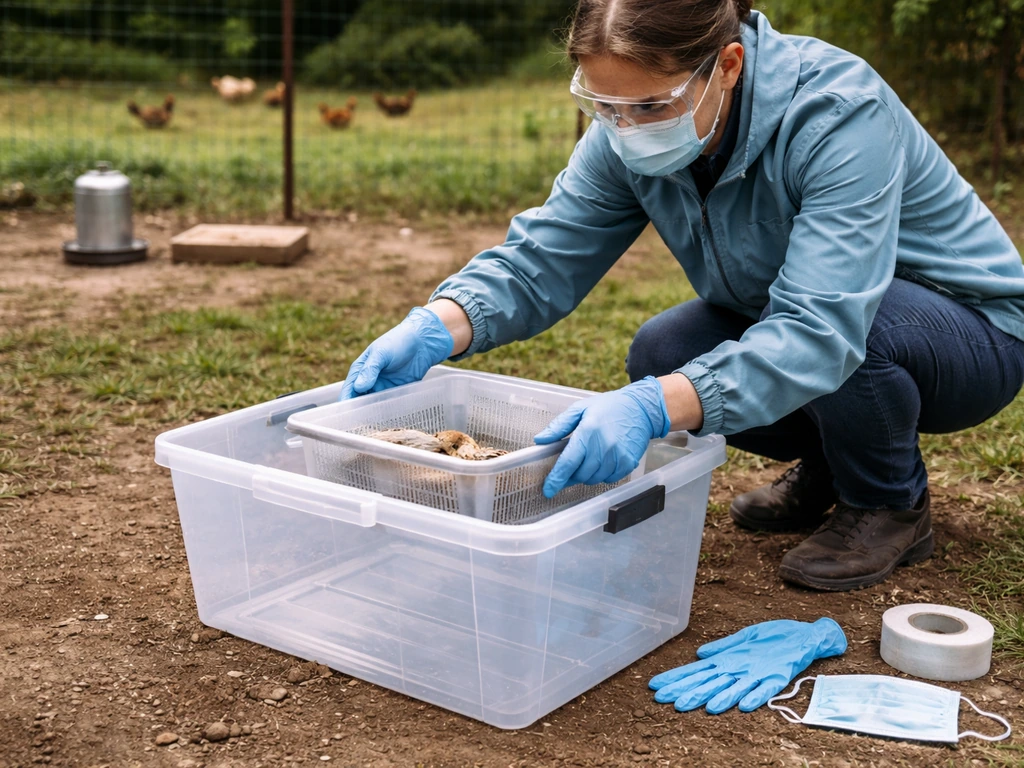
If you're seeing unexplained illness or death in your backyard flock, farm birds, or in wild birds near your property, take these steps now rather than waiting to see if things improve.
- Isolate sick or dead birds immediately. Separate them from healthy birds and from other animals like cats, dogs, or livestock that share the space.
- Do not touch dead wild birds or sick birds with bare hands. Use gloves, a plastic bag turned inside out, or a shovel to handle carcasses.
- Contact your veterinarian as a first call if you have domestic birds or livestock showing symptoms. They can advise on testing and next steps.
- If you have a commercial or backyard flock, contact your State animal health official or the USDA APHIS Area Veterinarian in Charge. APHIS has formal response protocols, including sample collection and testing coordination.
- Keep other animals away from areas where sick or dead birds have been. This especially applies to cats, which are at real risk from eating infected birds.
- Don't move birds, equipment, or vehicles off the property until you've spoken to an animal health official. Contaminated equipment is a documented transmission route.
- Monitor yourself and anyone who has had direct contact with the sick animals for fever, respiratory symptoms, or conjunctivitis (eye redness/irritation) for at least 10 days. Contact your healthcare provider if symptoms develop.
For mixed-species environments like hobby farms or homesteads with chickens, ducks, cats, and dogs sharing space, the risk picture is layered. Your chickens are highly vulnerable to HPAI. Your ducks might carry it silently. Your farm cats are genuinely at risk if they have access to sick or dead birds. Dogs appear less susceptible to serious illness but can still be exposed. Keeping cats indoors or away from the bird area, and keeping dogs from scavenging dead wildlife, are practical steps worth taking immediately.
Prevention and safety: protecting humans, poultry, and animals
For backyard flock owners and farmers, personal protective equipment (PPE) is not optional when handling birds suspected of having avian influenza. CDC guidance calls for gloves, eye protection, an N95 respirator or better, and protective clothing. Reusable or washable PPE should be cleaned and decontaminated after each use. Use an EPA-registered disinfectant with label claims for influenza A viruses on surfaces, equipment, and footwear. Continue wearing PPE in contaminated areas until there are no longer infected birds, eggs, feces, or contaminated litter present.
From a flock protection standpoint, biosecurity is your first line of defense. Keep wild birds out of your poultry housing with netting and enclosed runs. Don't share equipment between flocks or with neighboring farms without disinfecting first. Change clothes and wash hands thoroughly before and after working with birds. If you're in an area with active HPAI detections, consider restricting access to your property and avoiding bringing in new birds until the situation is clearer.
For human safety specifically, the risk from bird flu is real but context-dependent. It is not a disease you catch from being near healthy birds or from eating properly cooked poultry or eggs. Properly cooked chicken and eggs are safe. The risk comes from direct, unprotected contact with infected animals or their secretions. If you work with poultry or livestock professionally, particularly in dairy operations or in areas with HPAI-confirmed flocks, follow APHIS and CDC PPE guidance and coordinate with your employer and local agricultural officials.
One thing worth putting to rest: bird flu is not the same as seasonal human flu, and it does not spread easily between people. The concern is not that H5N1 will sweep through your neighborhood the way flu does in winter. The concern is specific: people and animals in direct, close contact with infected birds or contaminated material are at real risk, and those people need to take precautions. Everyone else benefits from understanding the situation accurately without overreacting. Questions about which specific animals, wild or domestic, are most at risk, and which people face the greatest exposure, are closely related to what's covered here, and the answers differ enough to be worth exploring in detail separately.
FAQ
Does bird flu infect every single bird species?
No. The virus has been detected in many bird species, but which species become sick, die, or show symptoms depends on the virus strain and the bird’s susceptibility. Some birds can carry low pathogenic strains with no obvious illness, so infection does not always look like disease.
If a bird tests positive, does that mean it will get sick and spread it easily?
Not necessarily. A bird can be infected yet show mild or no illness, especially with low pathogenic strains. In higher pathogenic outbreaks, infected birds and contaminated secretions and feces are more likely to create fast spread, particularly in crowded domestic settings.
Are wild ducks and geese always a high-risk group?
They can be, but the risk varies by the strain. Waterfowl often carry low pathogenic avian influenza without major symptoms, which can still allow transmission. After high pathogenic H5N1 becomes established, some wild species can experience die-offs and become more dangerous sources of virus.
Can I get bird flu from seeing a sick bird outside my home?
The highest risk is from direct, unprotected contact with infected animals or their contaminated materials, not from simply being nearby. If you find a sick or dead bird, avoid handling it with bare hands, keep pets away, and contact your local wildlife or public health guidance for next steps.
Does cooking poultry or eggs eliminate the risk completely?
Properly cooked poultry and eggs greatly reduce risk. The key factor is avoiding raw or undercooked products and preventing cross-contamination in the kitchen, especially when working with meat or eggs from an area with known avian influenza activity.
If my backyard flock has no symptoms, could bird flu still be present?
Yes. Some birds, particularly with lower pathogenic infections, can carry virus without clear outward signs. That is why biosecurity and restricting contact with wild birds matter even when your flock looks healthy.
What should I do if one of my birds dies suddenly?
Treat it as potentially infectious. Isolate the bird, avoid touching other birds, and use PPE if you must handle it. Do not move carcasses around your property, and follow local reporting and testing instructions so authorities can assess whether it might be high pathogenic avian influenza.
How do I protect multiple species on a hobby farm without cross-contamination?
Separate work areas and tools by species, and disinfect equipment between uses. For mixed species, remember that ducks may appear healthy while still carrying virus, so assume contamination risk around all poultry, litter, and water sources.
Is touching bird litter, feathers, or cages the same as touching a sick bird?
It can be similar. Avian influenza can spread through contact with contaminated feces, saliva, and respiratory secretions. If you clean coops or handle bedding, use gloves and appropriate respiratory protection, then disinfect surfaces and footwear before moving to other areas.
Can dogs and cats get infected without directly seeing sick birds?
Yes, because exposure can happen through eating infected birds or accessing raw milk or contaminated material. Even if birds look okay, wildlife around the property or sick animals you did not notice can still create exposure for pets that scavenge.
Does bird flu spread easily through person-to-person contact?
Current evidence indicates it does not spread easily between people. Human risk is primarily linked to close, direct exposure to infected animals or contaminated materials. That means general casual contact is much less concerning than occupational or caregiving exposure.
If I want to prevent bringing bird flu onto my property, what is the most practical first step?
Control entry points and limit contact with wild birds. Use enclosed runs or netting, reduce shared traffic with other flocks (including footwear and equipment), and consider postponing adding new birds until local detections stabilize.
Next Article
Does Bird Flu Affect Chicken Meat? Food Safety Guide
Explains if bird flu can contaminate chicken meat, how cooking reduces risk, and safe handling steps for outbreaks