
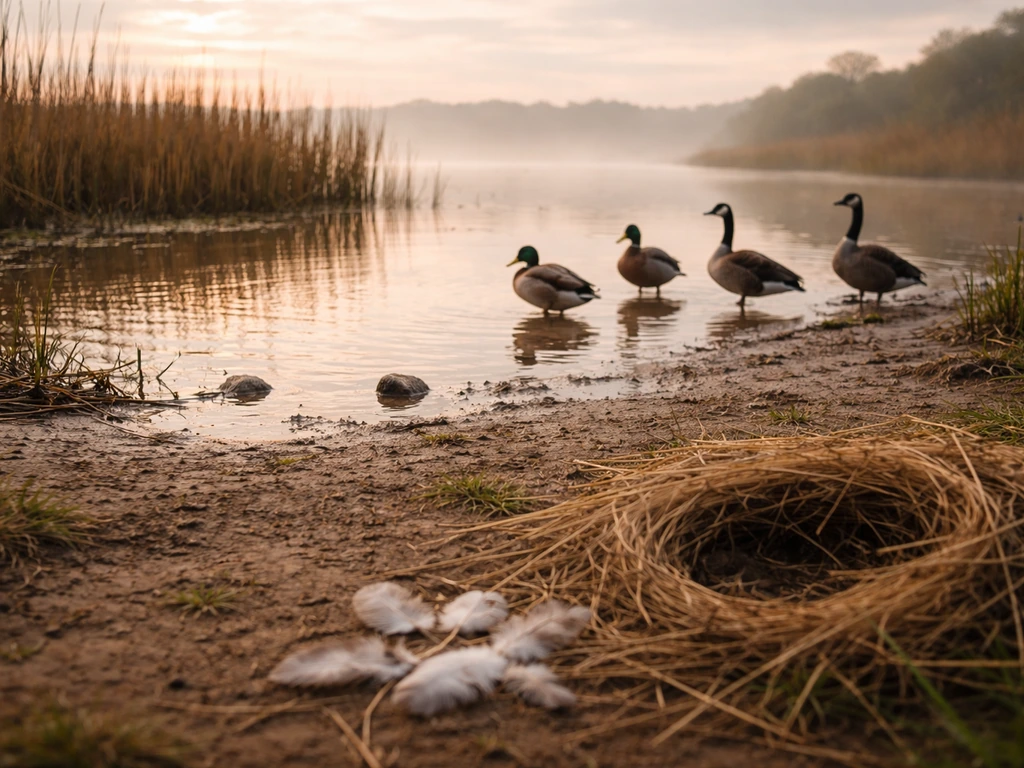
The short answer: wild waterfowl, especially ducks, geese, and swans, are the primary natural reservoir for avian influenza viruses. USDA APHIS also notes that wild birds can be infected with highly pathogenic avian influenza and may show no signs of illness. Shorebirds and gulls are close behind. Among domestic birds, chickens, turkeys, and farmed ducks are the most commonly and severely affected. But the fuller picture matters, because 'carrying' bird flu and 'dying from it' are not the same thing, and understanding that difference is what actually helps you assess your real-world risk.
What Birds Carry Bird Flu? Wild and Poultry Guide

Sarah Chen
20 Apr 2026
Bird flu basics: carriers vs. affected species
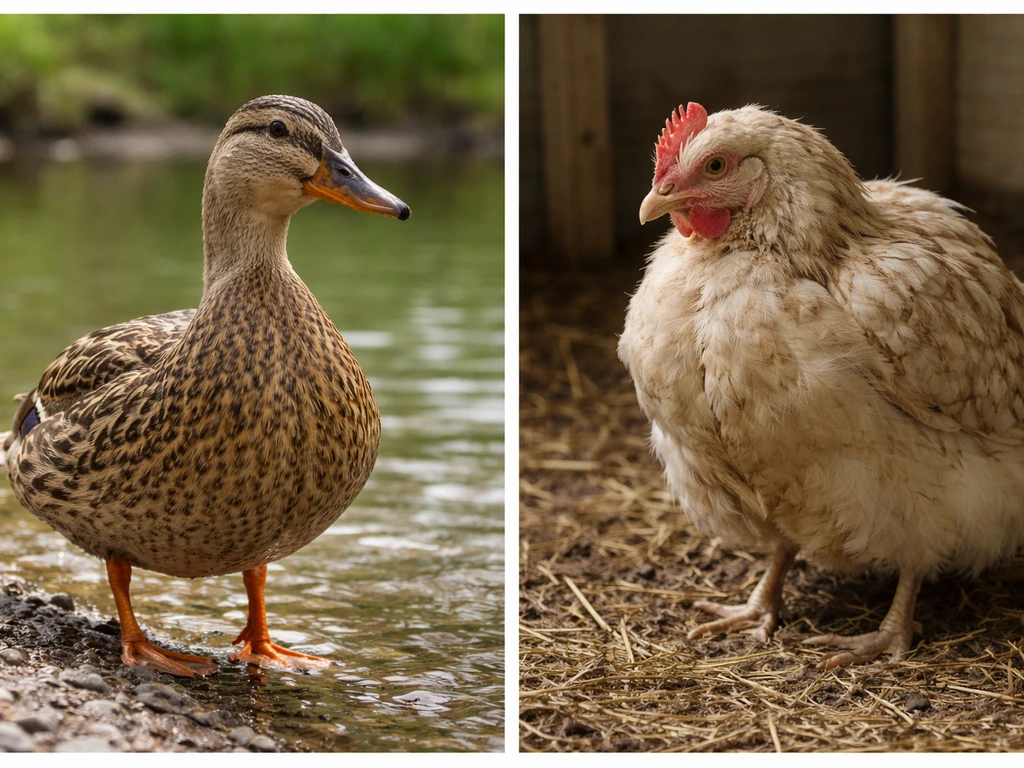
Avian influenza (AI) describes a family of influenza A viruses that circulate in birds. Strains are classified as either low pathogenicity avian influenza (LPAI) or highly pathogenic avian influenza (HPAI), based on how severely they make poultry sick. HPAI H5N1 is the strain that has dominated headlines and outbreaks since 2021. Here is the distinction that trips most people up: a bird can be a reservoir (carrying and shedding the virus without obviously suffering) or it can be an amplifying host (getting sick, shedding enormous viral loads, and dying). Wild waterfowl tend to be reservoirs; commercially farmed chickens tend to be amplifying hosts. Both matter for spread, but in very different ways.
It is also worth being clear that bird flu is not caused by a single bird species. Different avian influenza subtypes circulate across dozens of species simultaneously. Asking 'which bird causes bird flu' is a bit like asking which person causes the common cold; the virus moves through populations, not from one culprit species. What we can say with confidence is which birds are the most important vehicles for keeping the virus circulating and spreading it to new areas.
Wild birds most commonly involved
According to CDC-referenced surveillance research, wild birds in the orders Anseriformes (ducks, geese, and swans) and Charadriiformes (gulls and shorebirds) are considered the predominant natural reservoirs for avian influenza viruses. Many of the AI subtypes that cycle through these birds are low pathogenicity strains, meaning the birds carry and shed the virus with few or no outward symptoms. This is exactly why wild waterfowl are so important epidemiologically: a healthy-looking mallard on a pond can still be shedding live virus in its droppings.
HPAI strains like H5N1 have changed this picture somewhat. Since the 2021 to 2022 wave, HPAI has been detected in wild birds far more broadly than in previous outbreaks, including in raptors (eagles, hawks, falcons), corvids (crows, ravens), herons, pelicans, and even some songbirds. Many of these species do get sick and die from HPAI, so they are not classic reservoirs in the same way ducks are, but they can still shed virus before symptoms appear or during early illness. The USDA APHIS explicitly notes that wild birds can be infected with HPAI and show no signs of illness at all, which underlines why you cannot judge risk by a bird's appearance alone.
- Dabbling and diving ducks (mallards, teal, pintails, scaup): primary natural reservoir, often asymptomatic
- Geese (Canada geese, snow geese, white-fronted geese): frequent carriers, especially during migration
- Swans: documented HPAI infections, can shed without obvious illness
- Gulls (herring gulls, laughing gulls): significant role in coastal spread and long-distance movement
- Shorebirds (sandpipers, plovers): part of the Charadriiformes reservoir group
- Raptors (bald eagles, red-tailed hawks, great horned owls): frequently affected by HPAI but typically die rather than persist as reservoirs
- Herons and egrets: documented HPAI mortality events, especially near waterfowl concentrations
- Pelicans and cormorants: notable die-offs in North and South America since 2022
- Corvids (crows, ravens): susceptible to HPAI, often found dead during outbreaks
Migration is the mechanism that drives geographic spread. As infected wild birds travel along flyways, they deposit virus-laden droppings in wetlands, fields, and water sources across entire continents. This is why outbreaks in poultry often cluster near flyway corridors and peak during spring and fall migration seasons.
Domestic and farmed birds most commonly affected
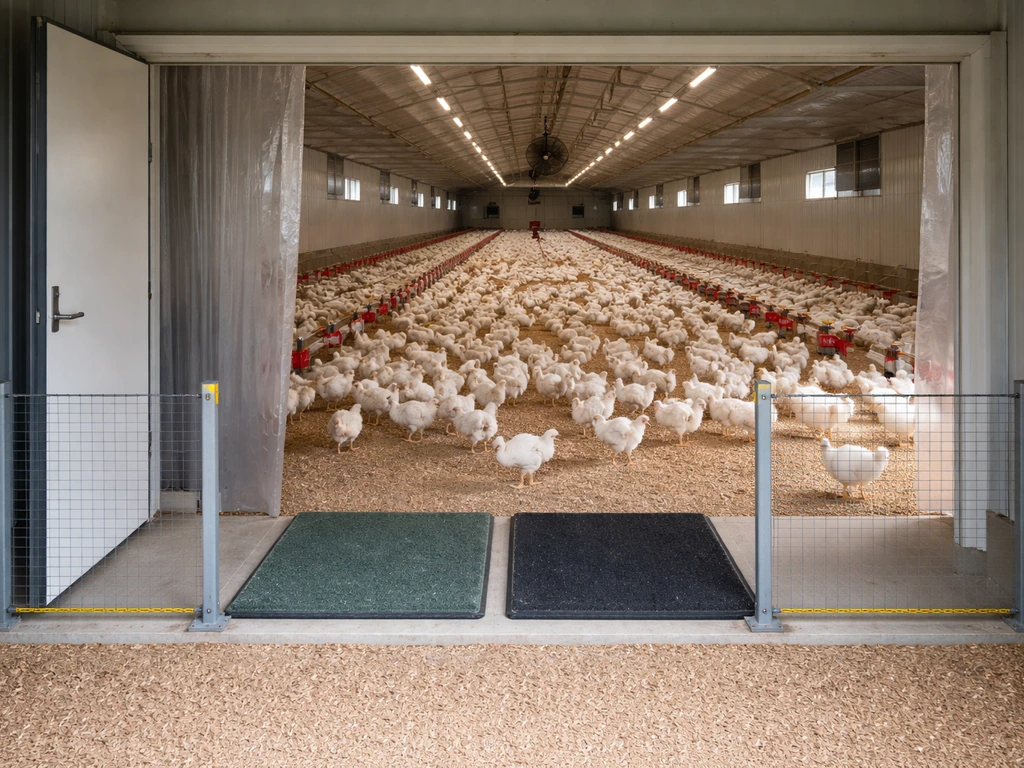
Among domestic birds, chickens are by far the most severely affected by HPAI. The virus spreads explosively through commercial flocks, often killing nearly all birds within days of introduction. Turkeys are similarly vulnerable and have been at the center of some of the largest HPAI outbreaks in U.S. history, including the 2015 Minnesota outbreak that resulted in the destruction of tens of millions of birds. Farmed ducks and geese occupy a middle ground: like their wild relatives, they can sometimes carry and shed HPAI with milder symptoms than chickens, which actually makes them more dangerous from a biosecurity standpoint because infected flocks may not trigger immediate alarms.
| Bird Type | Susceptibility to HPAI | Asymptomatic Carriage Possible? | Role in Spread |
|---|---|---|---|
| Chickens | Very high; near-total flock mortality common | Rarely | Amplifying host; major outbreak driver |
| Turkeys | Very high; rapid flock-wide spread | Rarely | Amplifying host; frequent commercial outbreak source |
| Domestic ducks | Moderate; often milder symptoms than chickens | Yes, sometimes | Bridge host between wild and commercial birds |
| Domestic geese | Moderate to high | Occasionally | Can shed before showing illness |
| Guinea fowl | High susceptibility documented | Rarely | Amplifying host in backyard settings |
| Backyard chickens and mixed flocks | High | Rarely | Risk exposure point near wild bird habitats |
| Ostriches and emus (ratites) | Susceptible; documented outbreaks | Rarely | Amplifying host in farming contexts |
Backyard and hobby flocks deserve a specific mention. They tend to have higher contact with wild birds than commercial operations, whether through shared water sources, open-air enclosures, or free-ranging birds. That contact gap is exactly where the virus bridges from wild waterfowl to domestic birds.
Can all birds get it? Why susceptibility varies
Technically, almost any bird species can be infected with some strain of avian influenza under the right conditions. But susceptibility varies enormously by species, ecological niche, and the specific AI strain involved. The reasons are partly biological (receptor distribution in the respiratory and gastrointestinal tracts differs across species) and partly ecological (exposure opportunity matters: a bird that never contacts contaminated water or infected birds has no route of infection regardless of its theoretical susceptibility).
Wild waterfowl have co-evolved with low-pathogenicity avian influenza strains over millennia, which is likely why they tolerate infection so well. Chickens, by contrast, have no such evolutionary relationship with HPAI and mount a catastrophic immune response that leads to rapid death. Raptors fall somewhere in the middle: they are exposed by eating infected prey birds, and while many die, there are documented survivors. Songbirds like house sparrows and finches are generally considered low-risk carriers, though isolated HPAI detections have occurred. The practical takeaway is that proximity to waterfowl and shared water environments, not membership in any single bird family, is the strongest predictor of exposure.
How bird flu actually spreads between birds (and to people)
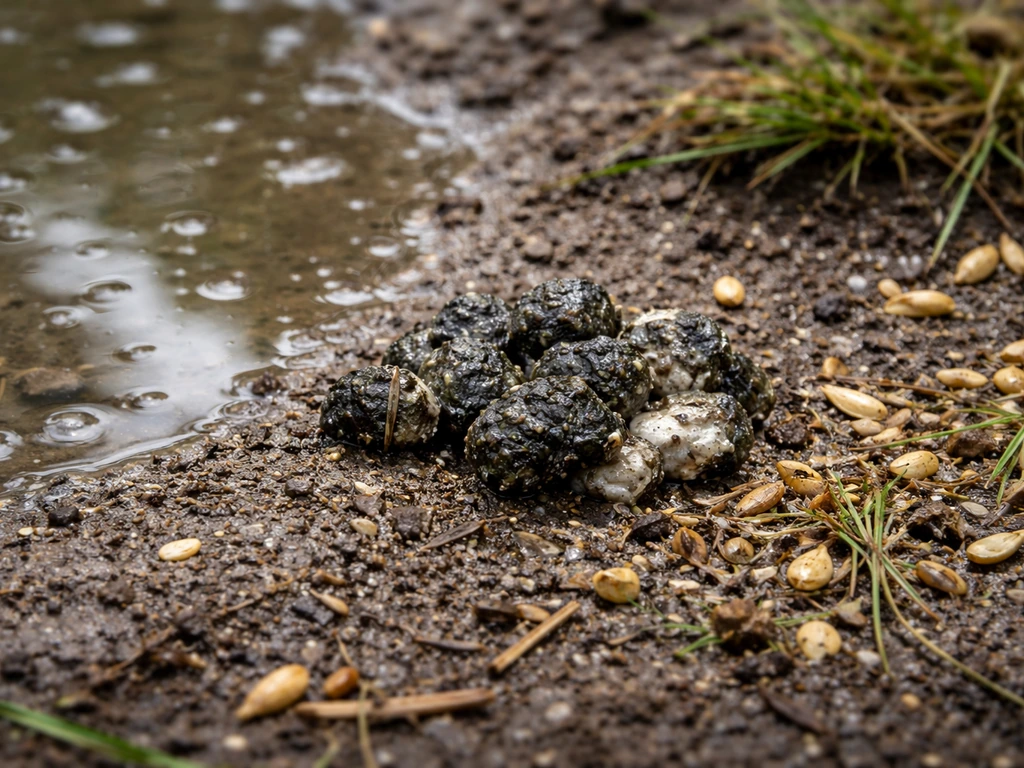
The main transmission route between birds is fecal-oral: an infected bird sheds virus in its droppings, the virus contaminates water or soil, and another bird ingests it or inhales contaminated droplets. Viral shedding also occurs from the upper respiratory tract, so direct bird-to-bird contact, shared feed, and shared water sources are all meaningful transmission routes. This is why a single infected duck landing on a farm pond can seed a poultry outbreak.
For human risk, the World Organization for Animal Health (WOAH) is clear that infection risk is usually tied to direct contact with secretions and excretions from infected birds, especially feces. The routes that matter most are: handling sick or dead birds without protection, exposure to contaminated water sources (ponds, troughs, lakes), and contact with surfaces carrying dried bird droppings. Casual observation of wild birds from a normal distance is not considered a meaningful risk. The virus does not spread easily between people, and human cases remain rare and almost always tied to close, unprotected contact with infected birds or their environments. If you are curious about the broader guidelines governing avian influenza response and movement restrictions, those details are covered in dedicated resources on WHO guidelines and current regulations. If you are wondering whether are bird flu restrictions still in place, that guidance is typically driven by ongoing detections and local risk levels. For more detail on who can spread bird flu and what actions to take, review the current bird flu response guidance from WHO and other public health agencies guidelines governing avian influenza response and movement restrictions.
What to do if you find sick or dead birds
Finding a dead bird, especially near water or in a group, can be unsettling. Here is how to handle it practically and safely.
If you find dead or sick wild birds
- Do not touch the bird with bare hands. This applies even if it looks healthy. Assume any wild bird, especially waterfowl or raptors, could potentially be shedding virus.
- Keep pets and children away from the carcass immediately.
- Report unusual die-offs (multiple dead birds in one area) to your state wildlife agency or the USDA APHIS Wildlife Services hotline. Single dead birds in non-outbreak areas are usually lower priority but can still be reported.
- If you need to move a carcass (for example, from a yard), use disposable gloves, place the bird in a sealed plastic bag, and wash your hands thoroughly with soap and water afterward.
- Avoid areas where large numbers of waterfowl are congregating during active outbreak periods, particularly if you have backyard poultry at home, since you could mechanically carry virus on your clothing or footwear.
If you keep backyard poultry or a small flock
The CDC advises that if you suspect birds in your flock have avian influenza, do not touch sick or dead birds, their feces, litter, or any surfaces and water sources that might be contaminated with saliva, feces, or body fluids unless you are wearing appropriate PPE (gloves, eye protection, and a properly fitted respirator at minimum). Report sick or dying birds to your state veterinarian or USDA APHIS immediately. Beyond the acute response, the best ongoing protection for a backyard flock involves a few consistent practices. In practice, quarantine is one of the key steps people use to prevent birds are quarantine to prevent the spread of bird flu from continuing to spread through a flock.
- Prevent wild bird access to feed, water, and housing areas using covered feeders and enclosed runs
- Use dedicated footwear for the coop and change clothes before and after tending birds
- Avoid introducing new birds without a quarantine period of at least 30 days
- Do not share equipment with neighboring flocks without disinfecting it first
- Keep a record of flock health so you can quickly identify when something is wrong
- After handling birds or cleaning the coop, wash hands with soap and water for at least 20 seconds
When to seek medical advice
If you have had direct, unprotected contact with sick or dead birds (wild or domestic) and develop fever, cough, sore throat, or eye irritation within 10 days, contact your healthcare provider and mention the exposure. If you want the most up-to-date who bird flu warning and actions to take, consult the current WHO bird flu response guidance. Be specific: tell them you were in contact with birds and when. Human bird flu cases are rare, but early medical evaluation matters when exposure has occurred. Do not wait to see if symptoms resolve on their own in that scenario. For most people who simply observed wild birds at a normal distance or handled commercial poultry products from a grocery store, the risk is effectively zero.
The bottom line is that wild waterfowl, primarily ducks, geese, swans, and shorebirds, are the engine that keeps avian influenza viruses circulating globally. They pass it to commercial poultry, which amplify and spread it within flocks. Certain wild birds like mourning doves are far less implicated in active spread than waterfowl, and understanding those distinctions helps you calibrate your actual concern rather than treating every bird as an equal threat. The science here is reassuringly specific: distance yourself from sick or dead birds, protect your flock from wild bird contact, and report unusual die-offs to the right authorities. That covers the vast majority of real-world risk.
FAQ
If a bird looks healthy, can it still carry bird flu?
Not usually. Most “carriers” are birds that shed virus while looking healthy, especially wild waterfowl. If you see a healthy duck or goose on a pond, it can still contaminate nearby water, so the safer rule is to avoid contact with any wild-bird feces and keep poultry away from shared water, rather than relying on appearance.
Can bird flu spread from a contaminated pond or barn area even if I do not see sick wild birds?
Yes, but it is usually “about the environment,” not the individual bird. Bird flu can spread through contaminated water and surfaces (for example, pond edges, troughs, and wet soil that gets tracked into barns). This means a flock can be exposed even if the wild birds are gone by the time you notice illness.
What is the most common backyard mistake that increases the chance of introducing bird flu?
Mixing birds is the biggest mistake in backyard settings. Even if your birds do not show symptoms, adding new birds to a flock without a quarantine period and strict separation of water, feeders, and tools can introduce virus. Use dedicated boots, gloves, and utensils for each flock and avoid sharing equipment between yards.
What should I do if I find a dead bird on my property?
You should not handle carcasses or feathers. If you find dead or sick birds, keep people and pets away, do not sweep or bag them with bare hands, and report to local authorities (often your state veterinarian or agricultural agency). Use PPE only if you are trained or directed to collect samples.
How can my feeding or watering setup make my birds more exposed to wild waterfowl?
Feeding and watering practices matter. Leaving bird feed out in ways that invite wild waterfowl, or using open sources that wild birds can access, increases exposure. Cover feed, bring waterfowl access under control, and consider enclosed or screened feeding and watering setups.
If I see crows, eagles, or hawks acting sick, does that mean bird flu is definitely circulating near me?
Raptors and corvids are usually not considered long-term reservoirs like ducks, but they can still shed virus during early illness or before death. Their presence can signal local circulation of HPAI, so treat a cluster of sick or dying birds as a warning, even if the species is not a waterfowl.
Do farm outbreaks usually happen because of contact with a specific bird species?
If you raise poultry commercially, exposure risk is strongly tied to biosecurity gaps (shared transport, poorly disinfected equipment, and access by wild birds to open water and feed). The exact “vehicle” can vary by farm, so focus on preventing wild bird contact and preventing contaminated materials from entering barns.
What human activities are actually considered higher risk compared with just watching wild birds?
For humans, casual viewing from a distance is not a meaningful route. The higher-risk scenarios involve unprotected handling of sick or dead birds, cleanup of droppings and contaminated materials, and exposure to contaminated water sources. If you must clean, use appropriate PPE and avoid generating dust or splashing.
If my flock stays healthy, do I still need to take action after a possible exposure to wild birds?
Yes, symptoms can vary and “no symptoms in birds” does not guarantee safety. After an exposure event, keep birds separated from wild birds, observe for illness for a period consistent with your local guidance, and follow veterinary or regulatory instructions for testing and movement.
Why do different sources list different “risk” birds, and how should I interpret that?
It depends on the strain and the species. Some species are more often associated with low-pathogenic strains and asymptomatic shedding, while others more commonly show severe disease when infected. The practical takeaway is not to rank every bird species by fear level, but to focus on exposure pathways like shared water and fecal contamination.