H1N1 is not bird flu. H1N1 is a subtype of influenza A that circulates primarily in humans, while "bird flu" refers to avian influenza A viruses that originate in birds and only occasionally infect people. The two are related in the sense that all influenza A viruses share a common family tree, but they are biologically distinct, spread differently, carry different risks, and require different responses. If you're trying to figure out which one you're dealing with right now, the most important question is this: have you had direct contact with birds or poultry recently, or are you just feeling sick during flu season? That single question will point you in the right direction faster than anything else.
Is H1N1 Bird Flu? Key Differences, Risks, and Next Steps

Sarah Chen
24 May 2026
What "bird flu" and "H1N1" actually mean
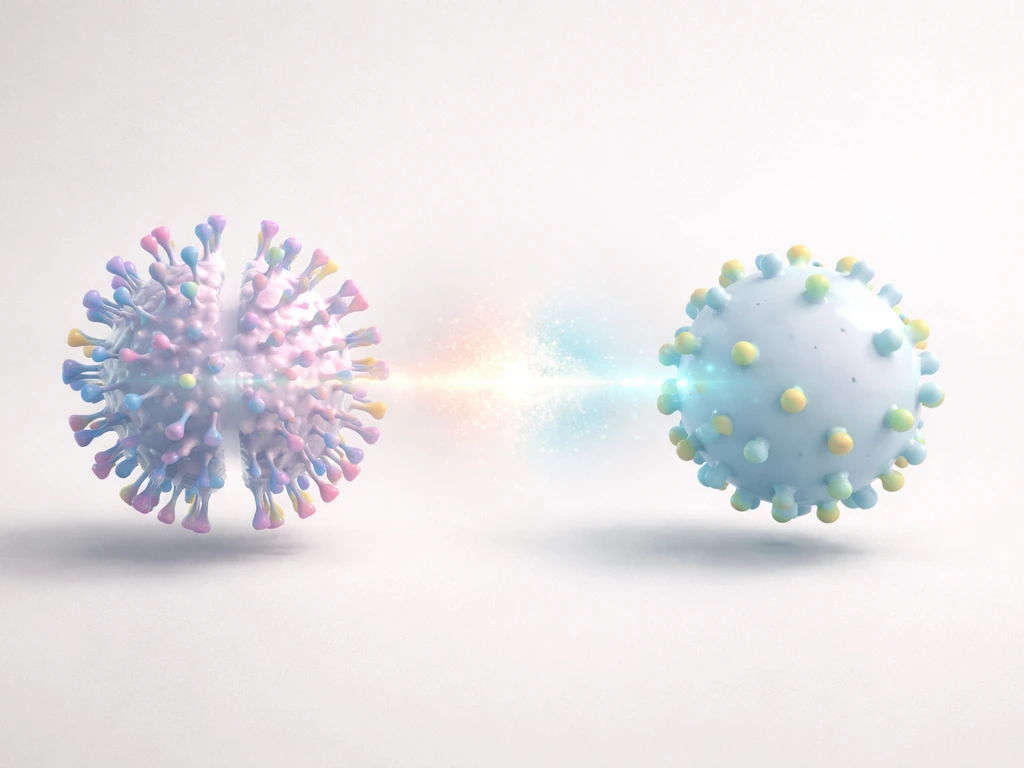
Influenza A viruses are classified by two surface proteins: hemagglutinin (H) and neuraminidase (N). The combination of these proteins gives each subtype its name, so H1N1, H3N2, H5N1, and H5N2 are all influenza A subtypes. "Bird flu" is a common label for avian influenza A viruses, especially the subtypes that primarily infect birds, with H5N1 being the most well-known example in recent years. The CDC defines bird flu in humans as any illness caused by infection with avian influenza type A viruses. These viruses live and circulate in bird populations, and people typically only get infected after direct exposure to infected animals or contaminated environments.
H1N1, by contrast, is a subtype that circulates among humans as part of the regular seasonal flu. The strain most people remember is the 2009 pandemic virus, which the CDC designated A(H1N1)pdm09 specifically to distinguish it from the seasonal H1N1 strains that were already circulating before the pandemic hit. The pandemic virus spread globally in 2009, caused significant illness, and then became part of the seasonal flu mix. Today, the H1N1 viruses circulating in humans are direct descendants of that 2009 pandemic strain, and they're included in the seasonal flu shot every year. So when someone says "H1N1," they're talking about a human flu virus, not a bird virus.
The confusion between H1N1 and bird flu is understandable. Both involve influenza A, both have been associated with pandemic scares, and media coverage has historically blurred the lines. A related mix-up involves the 2009 H1N1 pandemic, which was also called "swine flu" because the virus had genes from swine influenza viruses. A related mix-up involves the 2009 H1N1 pandemic, which was also called "swine flu" because the virus had genes from swine influenza viruses is h1n1 bird or swine flu. That's a separate but related question worth noting: H1N1 has genuine swine flu connections but is not, and has never been, classified as bird flu. Similarly, the Spanish flu of 1918 was an H1N1 virus with avian-like genes, but it was not the same as the modern avian influenza strains causing concern today.
How H1N1 and bird flu actually spread
The transmission routes for H1N1 and bird flu are meaningfully different, and understanding this matters for figuring out your actual risk.
How H1N1 spreads between people
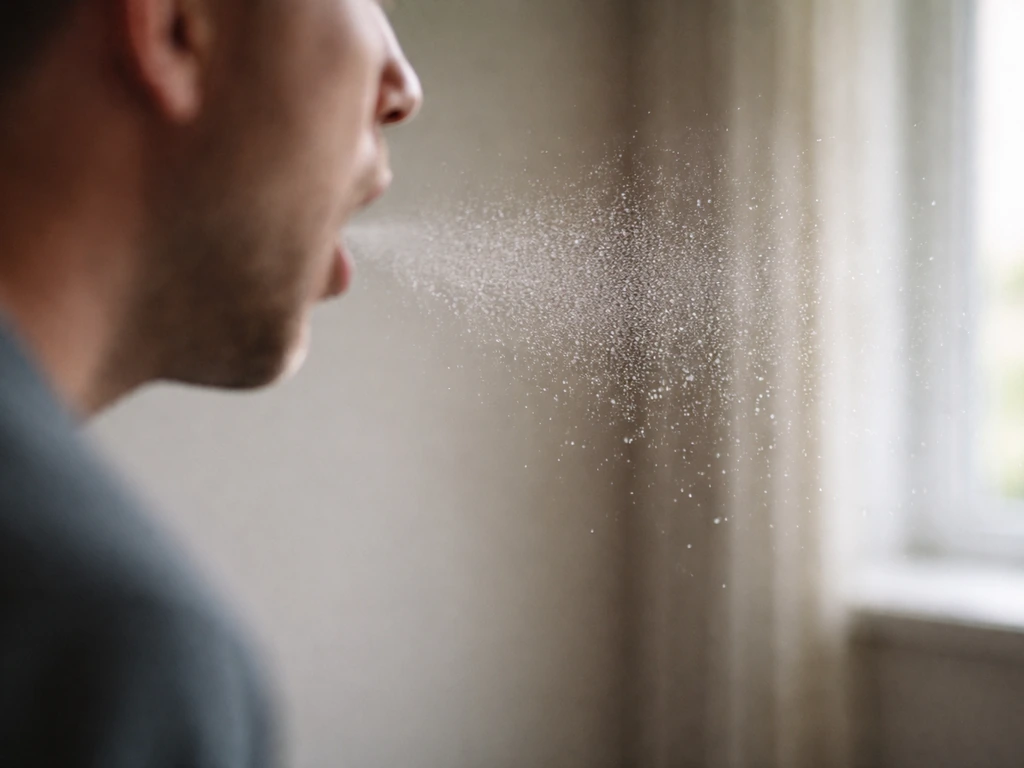
Seasonal H1N1 spreads the same way all human influenza viruses do: mainly through respiratory droplets produced when an infected person coughs, sneezes, or talks. You can also pick it up by touching a surface with live influenza virus on it and then touching your eyes, nose, or mouth, though this route is less common. One important wrinkle is that people can be infectious starting about one day before symptoms appear and remain contagious for up to five to seven days after getting sick. That means someone who feels fine can still pass H1N1 to you. Sustained human-to-human spread is what drives seasonal flu outbreaks, and it's exactly what makes H1N1 so effective at moving through communities quickly.
How bird flu reaches people
Bird flu is a different story. The WHO and CDC are consistent on this point: the primary risk factor for human infection with avian influenza is direct or close contact with infected birds, whether live or dead, or environments contaminated with the virus. This includes visiting live bird markets, working on farms with infected flocks, handling sick or dead poultry, and touching contaminated surfaces and then touching your face. Inhaling or ingesting droplets from infected birds or their environment is also a recognized route. What bird flu does not do effectively, at least not yet, is spread sustainably from person to person. The WHO notes that while very limited human-to-human transmission may have occurred in rare instances, sustained spread between people has not been identified. That distinction is the main reason avian influenza hasn't triggered a new pandemic despite causing serious illness in individual cases.
| Feature | H1N1 (Seasonal) | Bird Flu (Avian Influenza A) |
|---|---|---|
| Primary host | Humans | Birds (poultry, wild birds) |
| Main route to humans | Person-to-person droplets | Direct contact with infected birds or contaminated environments |
| Sustained human-to-human spread | Yes | Not identified to date |
| Typical exposure scenario | Being around sick people | Farms, live bird markets, handling infected poultry |
| Current seasonal circulation | Yes, included in flu shot | No routine human circulation |
Symptoms: what each virus actually does to you
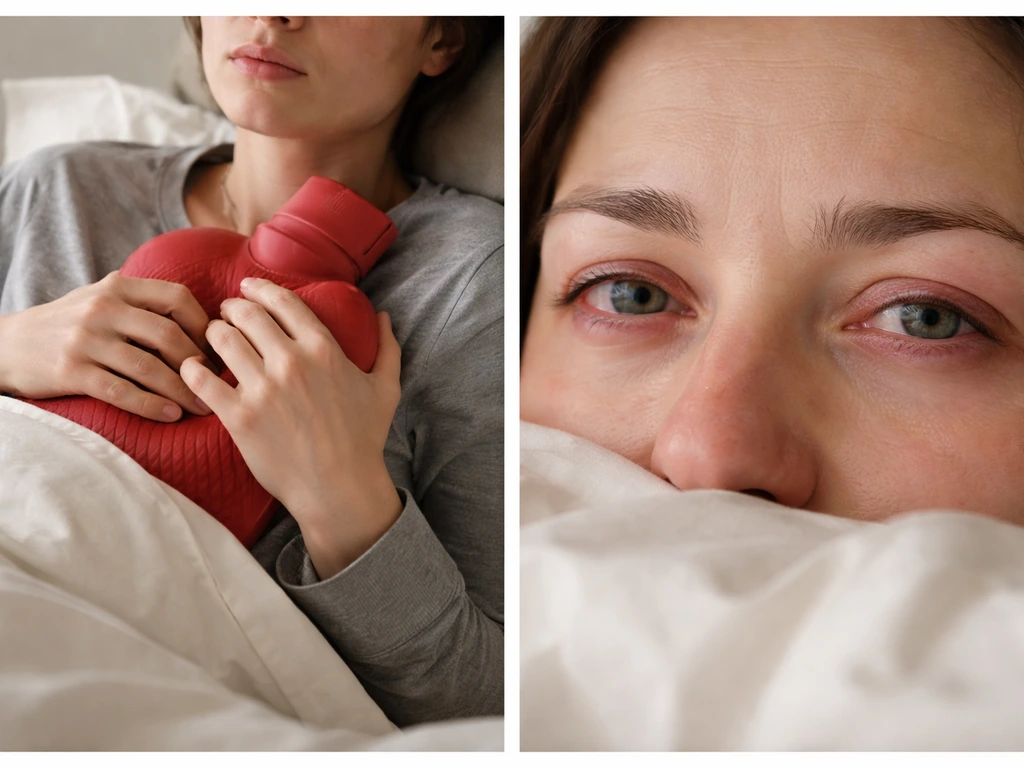
The symptom overlap between H1N1 and bird flu can make things confusing, but there are some real differences in how these illnesses tend to unfold.
Seasonal H1N1 symptoms
Seasonal H1N1 causes the typical flu syndrome most people know well: fever, chills, body aches, headache, fatigue, sore throat, runny or stuffy nose, and sometimes vomiting or diarrhea. The WHO notes symptoms usually begin blank" rel="noopener noreferrer">one to four days after infection) and the illness typically lasts around a week. Most healthy adults recover without complications, though young children, older adults, pregnant people, and those with underlying health conditions face higher risk of serious illness. Emergency warning signs, like difficulty breathing, persistent chest pain, confusion, or severe vomiting, mean you need medical care immediately. blank" rel="noopener noreferrer">Emergency warning signs, like difficulty breathing, persistent chest pain, confusion, or severe vomiting, mean you need medical care immediately.
Bird flu symptoms in people
Bird flu in humans can look like regular flu at first, but it has a few notable features. Eye redness and irritation (conjunctivitis) has been a prominent early symptom in recent U.S. H5N1 cases, sometimes appearing on its own without classic respiratory symptoms. At the milder end, bird flu can cause upper respiratory symptoms, conjunctivitis, or gastrointestinal illness. At the severe end, it can progress to pneumonia, respiratory failure, and multi-organ failure. The range from mild to fatal is real, and it's part of why any credible exposure history takes bird flu seriously. If you've had contact with potentially infected birds and develop respiratory symptoms or eye redness, that combination warrants medical evaluation right away, not a wait-and-see approach.
How to assess your risk and what to do right now
The first thing to do is be honest about your exposure. Most people searching this question are worried because they're sick, heard something in the news, or had some proximity to birds. Here's a practical way to sort out where you stand.
If you haven't had bird or poultry contact
If you're sick with flu symptoms and your only exposure has been other people, you're almost certainly dealing with seasonal influenza, which may well be H1N1. Get rest, stay hydrated, and stay home to avoid spreading it. If you're in a high-risk group or your symptoms are severe, call your doctor early because antivirals work best within the first one to two days of illness. The annual flu shot remains your best protection going into each season.
If you've had contact with birds or poultry

If you've handled sick or dead birds, visited a live poultry market, worked on or near a farm with an active outbreak, or had any other direct exposure to birds or their environment, your situation needs more careful attention. The CDC recommends monitoring for symptoms starting from your first exposure and continuing for 10 days after your last exposure. If you develop any respiratory illness or conjunctivitis during that window, isolate at home away from household members, do not go to work or school, and contact your local or state public health department immediately. They will guide you on testing. Do not just walk into an urgent care without calling first, because they need to know your exposure history to handle your visit safely.
- Think through your last 10 days: any contact with birds, poultry, live bird markets, or farm animals?
- If yes, and you're developing symptoms: isolate at home and call your local or state health department.
- If no animal exposure and you're sick: treat as seasonal flu, call your doctor if you're high-risk or symptoms are severe.
- If you're asymptomatic but had a high-risk bird exposure: start monitoring daily, note any new symptoms, and know the health department number.
- Do not delay seeking evaluation if you have both a credible bird exposure and respiratory symptoms or eye redness.
Prevention and safety: food, farms, and basic hygiene
Food safety
Properly cooked poultry and eggs are safe to eat even during avian influenza outbreaks. Influenza viruses are killed by normal cooking temperatures, so thorough cooking eliminates any risk from the food itself. The concern is not eating poultry; it's handling raw poultry in ways that expose your hands and then your face to the virus. Wash hands thoroughly after handling raw poultry, use separate cutting boards, and avoid cross-contamination in the kitchen.
Farm biosecurity
If you're a farmer or work with poultry, biosecurity is your primary line of defense against bird flu reaching your flock and potentially reaching you. Limit access to your farm from outside visitors and vehicles. Monitor your birds regularly for signs of illness, including sudden death, reduced egg production, respiratory distress, or unusual behavior. If you suspect an outbreak, contact your state veterinarian or the USDA Animal and Plant Health Inspection Service (APHIS) immediately. When working with sick or potentially exposed birds, wear appropriate personal protective equipment: gloves, eye protection, and a properly fitted respirator. The CDC and OSHA are clear that if you've had close contact with infected birds during an outbreak response, the health department will likely follow up with you, but don't wait to be contacted if you develop symptoms.
General hygiene
For both H1N1 and bird flu, the fundamentals of good respiratory hygiene apply: wash hands frequently with soap and water for at least 20 seconds, avoid touching your face with unwashed hands, cover coughs and sneezes, and stay home when you're sick. These steps reduce the spread of seasonal H1N1 meaningfully. For bird flu, avoiding high-risk animal contacts in the first place is the most important preventive action if you're not in a farming or occupational exposure context.
Testing, treatment, and vaccines: what's actually available
Testing
For seasonal flu including H1N1, standard influenza tests available at clinics and hospitals can detect influenza A and B. These include rapid influenza diagnostic tests (RIDTs), rapid molecular assays, and RT-PCR tests, with PCR being the most accurate. For bird flu, specifically avian influenza A(H5), the testing process is different. Standard rapid flu tests can't confirm an H5 subtype. If you have a relevant exposure history and are developing symptoms, your healthcare provider and public health department will coordinate specialized testing. The CDC is explicit that anyone with acute respiratory illness or conjunctivitis after high-risk bird exposure should be isolated and tested for influenza A(H5) virus. Don't let a negative rapid flu test falsely reassure you if you had a real bird exposure.
Treatment
For both seasonal H1N1 and bird flu, the antiviral oseltamivir (brand name Tamiflu) is the recommended treatment, and it works best when started within one to two days of symptom onset. For bird flu specifically, oseltamivir is the preferred antiviral because it has the most human data available. The CDC recommends that anyone with suspected or confirmed bird flu receive oseltamivir as soon as possible, and healthcare providers may start treatment empirically before test results come back if the exposure history is strong. Post-exposure prophylaxis with oseltamivir may also be offered to close contacts of confirmed H5N1 cases. If you're dealing with routine H1N1 and you're otherwise healthy, antivirals may or may not be prescribed depending on severity and risk factors, but they're worth asking about early.
Vaccines
Seasonal flu vaccines cover H1N1 every year. The CDC recommends annual flu vaccination for everyone aged six months and older. That vaccine will not protect you against avian influenza A(H5N1) or other bird flu subtypes. For bird flu, the situation is different. The CDC has developed H5 candidate vaccine viruses in preparation for a potential pandemic, and the FDA has previously licensed an adjuvanted H5N1 vaccine for use in the United States. However, no H5N1 vaccine is part of routine vaccination right now; any deployment would be a public health response measure in the event of a declared outbreak or pandemic escalation. The bottom line: get your seasonal flu shot every year to protect against H1N1 and other circulating strains, and watch for official guidance on bird flu vaccines if the outbreak situation changes.
FAQ
How can I tell if my flu is likely H1N1 versus bird flu when symptoms look similar?
If you were exposed only to sick people (school, coworkers, household), it is overwhelmingly more likely to be seasonal influenza (often H1N1) than avian influenza. Bird flu concern mainly applies when you have had close contact with birds or contaminated poultry environments, so “community flu” without bird exposure is a different risk scenario.
If my rapid flu test is negative, does that rule out bird flu?
A negative rapid flu test is common and can still miss the specific subtype you are worried about. For suspected bird flu, rapid tests that only broadly detect influenza A are not enough to rule out avian influenza, so your clinician should use the exposure history to decide on specialized testing.
When should I ask about antivirals for H1N1 or suspected bird flu?
For H1N1, antivirals are most helpful when started early, typically within about 24 to 48 hours of symptom onset, and they are especially important for people at higher risk of complications. For suspected bird flu, clinicians may treat right away based on exposure risk, because waiting for test results can delay benefit.
If I’m starting to feel better, when am I still contagious with H1N1?
You should not rely on an “all clear” because you feel better. Infectiousness for seasonal influenza can begin before symptoms and continues for several days after they start, so continue staying home until you are clearly improving and able to reduce close contact with others, particularly in high-risk households.
Does bird flu spread easily from person to person in households?
Seasonal H1N1 spreads efficiently in community settings because it sustains human-to-human transmission. Bird flu is different, because ongoing sustained person-to-person spread has not been identified, so household risk depends heavily on whether there is actual confirmed exposure to an infected person or high-risk animal contact rather than just “having been around someone sick.”
What should I do if I have conjunctivitis after handling birds or visiting a live poultry market?
If you develop eye redness or conjunctivitis after a relevant bird exposure, do not assume it is just a minor eye infection. Seek medical evaluation promptly and tell the care team about the bird or poultry exposure so they can coordinate the right isolation and testing approach.
If someone in my home is suspected of having bird flu, what precautions should we take?
If you are caring for someone who has suspected or confirmed bird flu, you still need to protect yourself, even though sustained person-to-person spread is not established. Focus on standard precautions plus the specific measures your local health department advises (which may include masking and eye protection), and avoid close face-to-face contact during the period they are infectious.
If bird flu is in the news, is it safe to eat eggs and poultry?
The main practical safety point is separating “safe to eat” from “safe to handle.” Cooking kills influenza viruses, but bird-flu risk is about contamination during raw handling, so use gloves if needed, wash hands well, and avoid cross-contamination between raw poultry areas and ready-to-eat foods.
I work with poultry, what early warning signs in birds mean I should take action immediately?
If you work with poultry and notice signs like sudden death, reduced egg production, or unusual respiratory illness in birds, you should report it promptly rather than waiting for human symptoms. Early reporting helps protect the flock and reduces the chance of exposure events that would put you or your family at risk.
Why do I need to call public health first instead of just going to urgent care?
If you had a significant bird exposure and then developed symptoms, it is important to isolate and contact your local or state public health department for guidance before going in for evaluation. That allows them to recommend the correct testing and protect other patients and staff from unnecessary exposure.