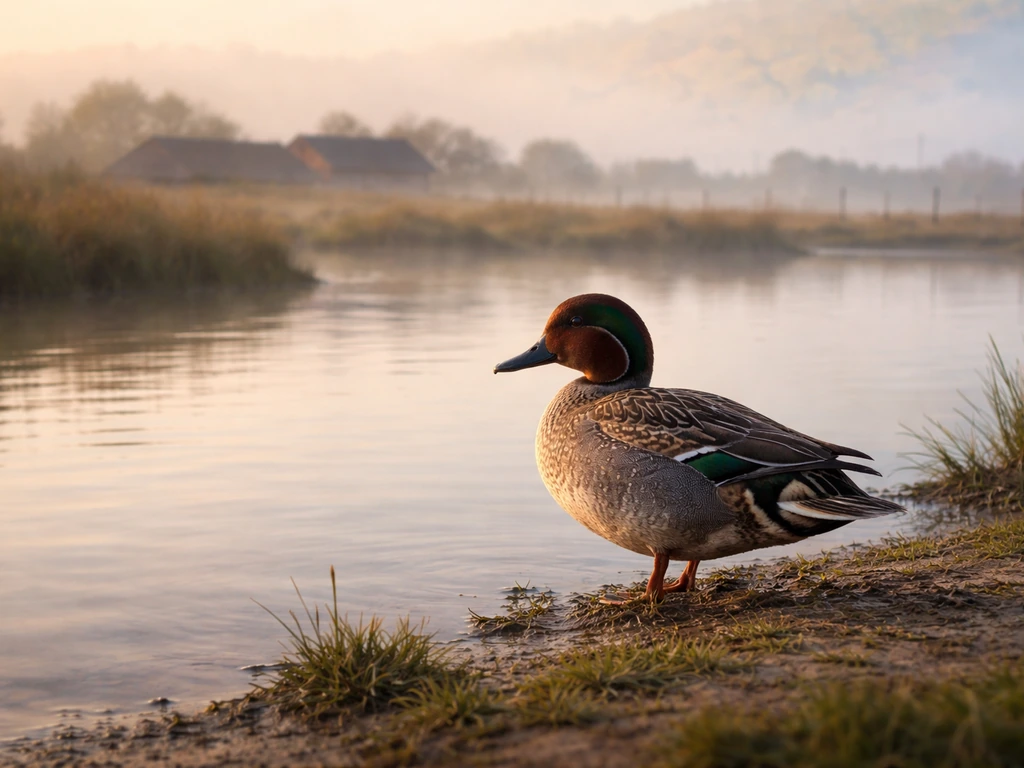
H5N1 bird flu is a highly pathogenic avian influenza virus that primarily infects birds but can occasionally jump to humans, usually through direct or very close contact with infected birds or contaminated environments. As of mid-2026, the global health risk to the general public remains low. Human cases are rare and sporadic, sustained human-to-human transmission has not been documented, and a WHO weekly update from May 22, 2026 reported zero new confirmed human H5N1 infections in the prior week. That said, H5N1 is not something to dismiss lightly: when it does infect people, it can cause severe illness. So your real job is knowing your actual exposure risk and what to do about it.
Is H5N1 Bird Flu Spreading to Humans? Risk and What to Do

Sarah Chen
28 Jun 2026
What H5N1 bird flu actually is (and why it matters)
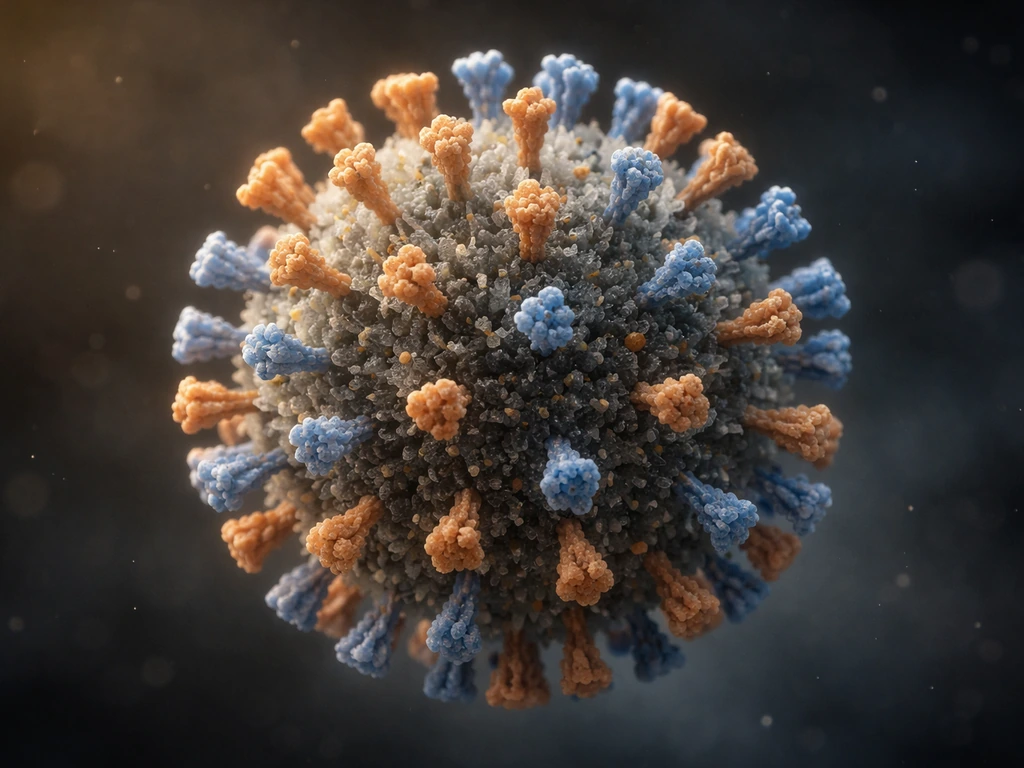
H5N1 is a subtype of influenza A virus. The name breaks down simply: "H" and "N" refer to two proteins on the virus surface, hemagglutinin (type 5) and neuraminidase (type 1). It belongs to a family of influenza A(H5) subtypes that circulate in birds, including H5N2, H5N5, H5N6, and others. H5N5 bird flu is another influenza A(H5) subtype that, like H5N1, involves proteins on the virus surface and can circulate in birds what is h5n5 bird flu. Most of these subtypes infect birds only. H5N1 stands out because it is the subtype most associated with sporadic human infections going back to 1997.
The "highly pathogenic" label (HPAI) matters too. It means the virus is extremely infectious and often fatal in domestic poultry. A flock can be devastated quickly. That's different from low-pathogenic strains that cause milder illness in birds. When people talk about "bird flu" as a serious concern, they're almost always referring to HPAI H5N1 specifically, not every avian influenza virus in existence.
H5N1 is not seasonal flu. To get a clearer sense of how bad is h5n1 bird flu, it helps to compare real-world exposure risk and what drives outbreaks. Seasonal influenza circulates every winter, spreads easily between people, and is what your annual flu shot targets. H5N1 does not spread efficiently between people (at least not in any form seen so far), and seasonal flu vaccines offer no protection against it. That distinction matters a lot for understanding both the risk and the response.
How H5N1 spreads: from birds to humans and the real risk factors
The overwhelming majority of human H5N1 cases documented since 2003 share one common thread: close, direct exposure to infected birds. The WHO and CDC have both been clear about this. People most at risk are those who have direct physical contact with infected poultry (touching sick or dead birds without protection), are in close proximity to infected birds (within about 6 feet), or visit live bird markets where the virus can be present in the environment.
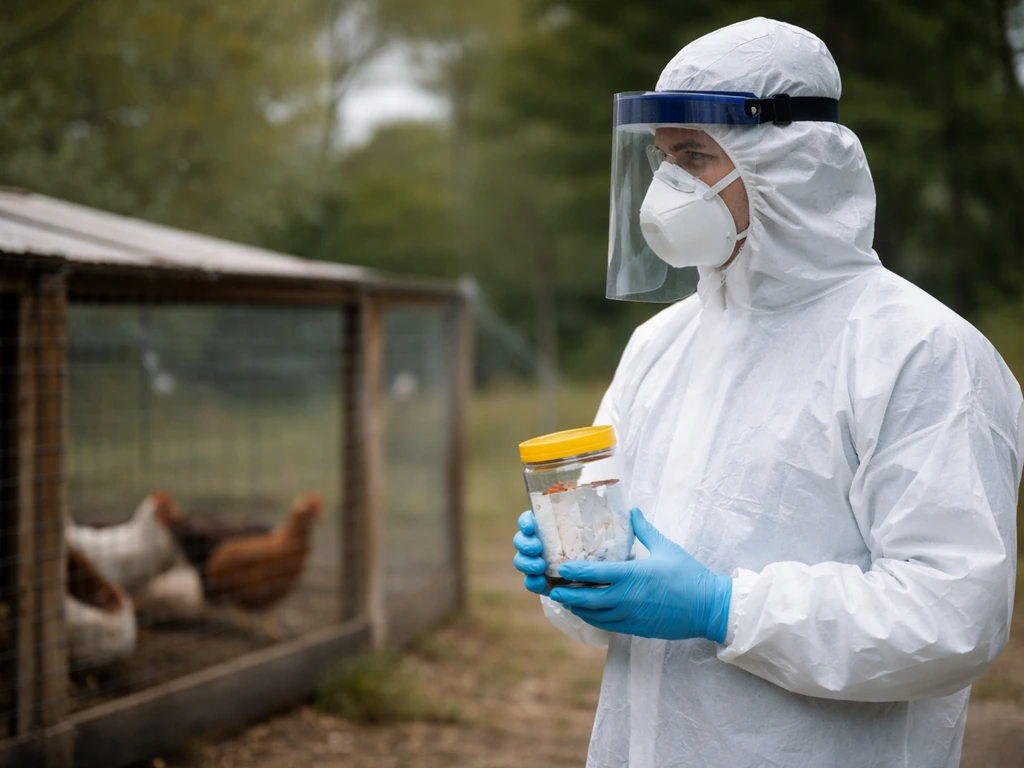
Infection can happen through inhalation of contaminated droplets or dust, contact with infected surfaces followed by touching the eyes, nose, or mouth, or direct exposure to the eyes (which is why conjunctivitis is an early symptom in some cases). Most human infections have occurred in people who were not using appropriate personal protective equipment (PPE). This is an important point because it means the risk is largely controllable with the right precautions.
For everyday people who don't work with birds, the risk is genuinely very low. You are not going to catch H5N1 from a coworker, a crowded bus, or a trip to the grocery store. There is currently no documented sustained human-to-human transmission of H5N1. The groups with real, meaningful exposure risk are poultry farm workers, veterinarians, wildlife biologists handling wild birds, and anyone responding to a bird die-off.
Symptoms to watch for: what it looks like in people and in poultry
In humans
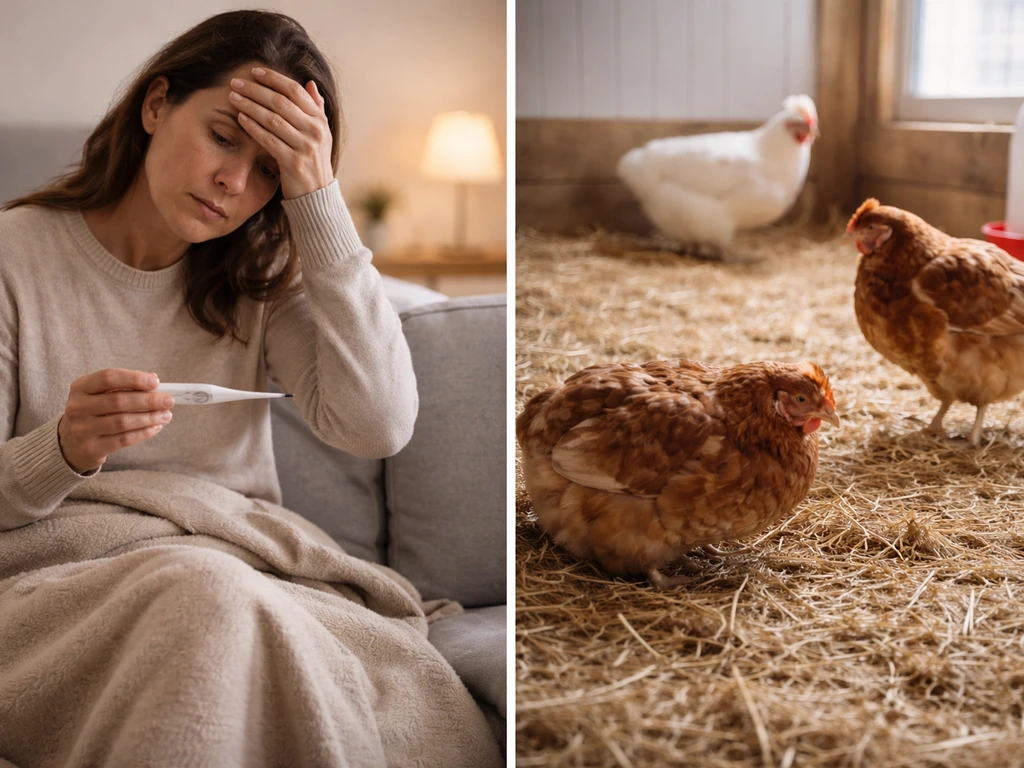
H5N1 symptoms in people can range from mild to severe and can progress quickly. The incubation period (time from exposure to symptoms) averages about 3 days but can range from 2 to 7 days. Eye redness and irritation (conjunctivitis) can show up as early as 1 to 2 days after exposure, sometimes before respiratory symptoms appear. That's one reason doctors also collect conjunctival swabs when testing for suspected H5N1.
- Fever of 100°F (37.8°C) or higher
- Cough, which may become severe
- Eye redness or irritation (conjunctivitis)
- Sore throat
- Muscle aches
- Shortness of breath or difficulty breathing in more serious cases
- In severe cases: pneumonia, acute respiratory distress, and multi-organ failure
The mild end of the spectrum can look a lot like a regular cold or pinkeye, which is part of what makes surveillance tricky. If you've had any exposure to potentially infected birds in the past week and develop any of these symptoms, that exposure history is critical information your doctor needs immediately.
In poultry
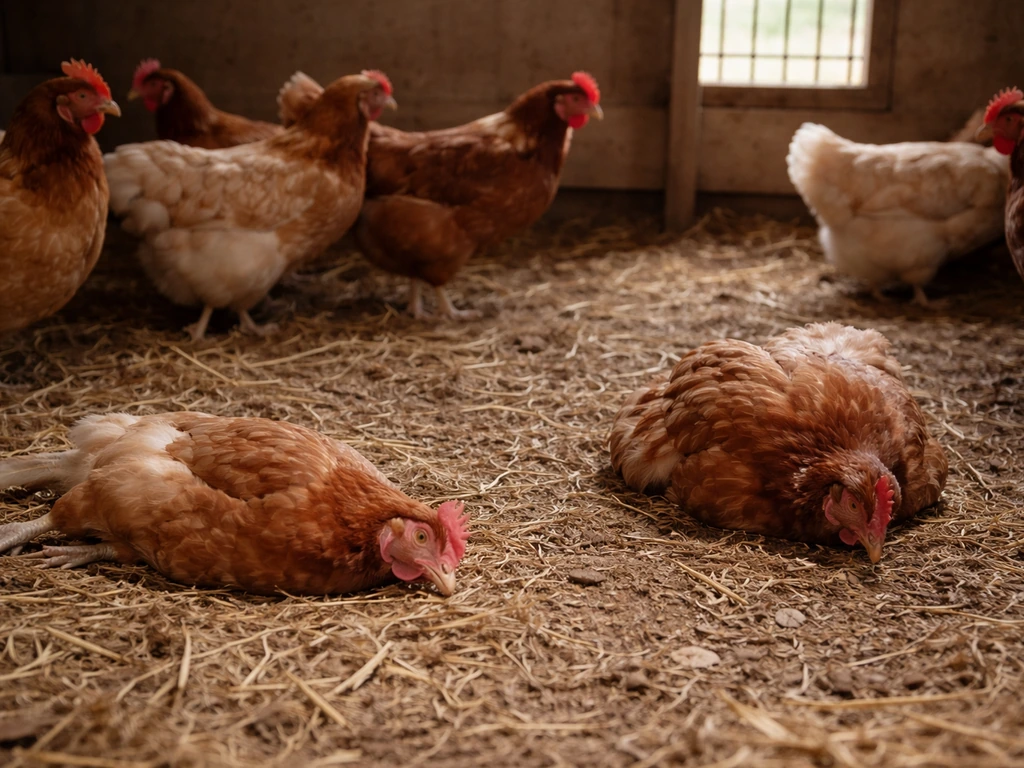
Birds infected with HPAI H5N1 can deteriorate and die very rapidly, sometimes with no prior warning signs at all. Sudden death without any observed illness in multiple birds is one of the most alarming indicators. Other signs include a sharp drop in egg production, soft-shelled or misshapen eggs, swollen or discolored combs and wattles, respiratory distress, and neurological symptoms like loss of coordination. If you see multiple sudden unexplained deaths in your flock, do not wait to report it.
Current risk level and how to check if there's an active outbreak near you
Right now, the joint WHO/FAO/WOAH public health assessment (updated as of March 1, 2026) rates the overall global public health risk from H5N1 as low for the general population. WHO cumulative data tracking confirmed human H5N1 cases runs from 2003 through March 2026, and while the total number over more than two decades is significant, annual confirmed human cases remain a fraction of what a true pandemic-level threat would look like. The situation can change, which is why monitoring current data matters.
To check the current situation today, the two most reliable sources are the CDC's active H5 Bird Flu Current Situation page and the WHO's avian influenza updates. CDC updated its reporting framework in July 2025 and maintains a global summary of recent human cases. WHO's regional offices (including WPRO) publish weekly avian influenza updates that include any newly confirmed human cases. Bookmark both. If you're a farmer or work in agriculture, your state or national animal health authority is another layer to monitor, since animal-level outbreak data often precedes human case reports.
Food safety: what's actually safe to eat during a bird flu situation

This is one of the most common worries people bring to me, and the honest answer is reassuring: properly cooked poultry and eggs are safe to eat. H5N1 is heat-sensitive. Cooking poultry to an internal temperature of 165°F (74°C) kills the virus. The FDA, CDC, and WHO all align on this minimum temperature for poultry products. Use a food thermometer in the thickest part of the meat, not near bone, to confirm it's reached temperature.
The risk isn't in eating cooked food. It's in handling raw poultry and eggs carelessly, particularly if the source is from an area with a known active outbreak. Here are the practical food safety steps that matter:
- Cook all poultry to at least 165°F (74°C) internal temperature, verified with a food thermometer
- Cook eggs until both the yolk and white are firm, or use pasteurized eggs for recipes requiring raw eggs
- Wash hands thoroughly with soap and water after handling raw poultry, eggs, or any packaging
- Do not rinse raw poultry in the sink (this just spreads bacteria and viruses around your kitchen surfaces)
- Use separate cutting boards and utensils for raw poultry versus ready-to-eat foods
- Keep raw poultry and eggs away from other foods in the refrigerator to prevent drip contamination
- Clean and sanitize surfaces, cutting boards, and utensils that contacted raw poultry before using them for anything else
Commercially processed poultry and eggs in grocery stores go through inspection and processing controls that further reduce risk. The greater concern would be for people who process their own backyard flock birds, especially if those birds showed signs of illness. In that scenario, avoid processing sick birds yourself, report the situation, and follow guidance from your local agricultural authority.
Prevention and biosecurity: protecting yourself, your household, and your farm
For individuals and households
- Avoid touching sick or dead wild birds with bare hands. Use gloves or a bag inverted over your hand if you must handle them, and wash hands afterward
- Avoid live bird markets in regions with active H5N1 outbreaks in poultry
- Do not let children play near areas where sick or dead birds are present
- Wash hands after any contact with birds, bird droppings, or environments where birds congregate
- Follow proper food handling practices described above
For poultry farmers and backyard flock owners
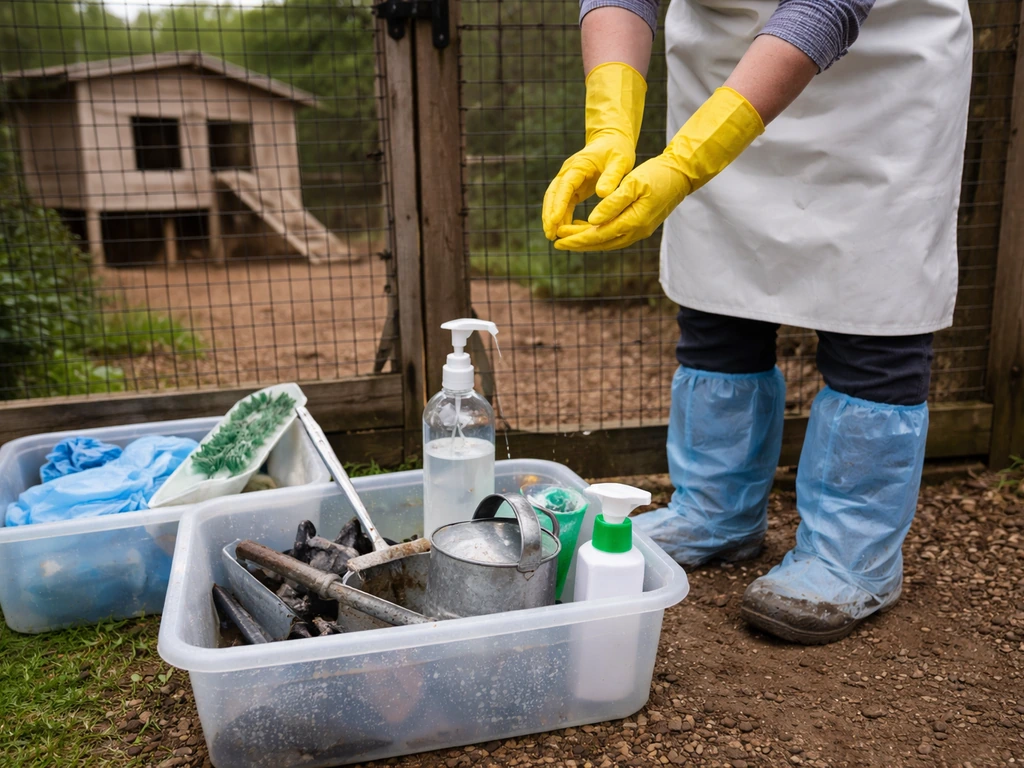
Biosecurity is your most important tool. This is the set of practices that keeps the virus from getting into your flock in the first place. The USDA's "Defend the Flock" program outlines the core principles, and they're straightforward even if they require consistency.
- Restrict access to your flock. Keep visitors, vehicles, and equipment that may have been near other birds off your property or properly cleaned and disinfected
- Keep wild birds away from domestic poultry housing and feed as much as possible, since migratory waterfowl are a key reservoir for H5N1
- Wear dedicated footwear and clothing in poultry areas, and change before leaving
- Use appropriate PPE when working with birds in any area with potential exposure risk: gloves, eye protection, and respiratory protection (an N95 respirator or better) for high-risk tasks
- Monitor your flock daily for signs of illness, especially sudden deaths or unexplained drops in egg production
- Do not move birds from a flock showing signs of illness
- Report suspected HPAI immediately to USDA APHIS (1-866-536-7593) or your state veterinarian. Early reporting is critical and required by law
- Clean and disinfect equipment and facilities regularly using approved disinfectants
What to do if you're exposed or someone gets sick
If you've had a known exposure (working with infected birds, PPE breach during a response, visiting a farm with a confirmed outbreak) and you develop symptoms, here is what to do specifically. If symptoms like conjunctivitis, fever (100°F/37.8°C or greater), cough, or other warning signs develop after working with or being exposed to potentially infected animals or contaminated environments, follow CDC guidance to stay home and contact a health provider or your health department. Do not just wait it out.
- Stay home and isolate yourself from others as much as possible to avoid any potential spread
- Call your doctor or local health department before going in person. Tell them about your exposure history, including where and when it happened
- Your doctor should notify the state health department immediately when they're considering testing for novel influenza A virus infection (including H5N1), so proper testing and contact follow-up can be arranged quickly
- Testing typically involves nasal or oropharyngeal swabs collected as early as possible. If conjunctivitis is present, a conjunctival swab may also be collected
- Do not discard protective gear or wash clothing before your health provider or public health official advises you to, as these may be relevant for investigation
- If you're a farm worker with exposure but no symptoms, your employer or public health authority may still offer monitoring or testing, especially if PPE was not used
If someone develops severe respiratory illness, especially worsening shortness of breath, low oxygen levels, or high fever that isn't improving after exposure to potentially infected birds, that's an emergency room situation. Don't wait for test results to seek urgent care.
Antivirals, vaccines, and where to get reliable updates right now
Treatment with antivirals
Oseltamivir (brand name Tamiflu) is the primary antiviral used for H5N1. CDC recommends starting it as soon as possible for anyone with suspected or confirmed novel influenza A infection, even before test results come back. CDC recommends blank" rel="noopener noreferrer">starting oseltamivir as soon as possible for symptomatic outpatients and hospitalized patients with suspected or confirmed novel influenza A virus infection associated with severe disease, and it can also be offered as post-exposure prophylaxis for certain exposed persons based on risk. Early treatment matters significantly with H5N1 because the disease can progress rapidly. Oseltamivir can also be offered as post-exposure prophylaxis (PEP) for certain exposed persons, particularly those with high-risk exposures or PPE breaches, based on a risk assessment by public health officials.
Vaccines for H5N1
There are H5N1 vaccines developed and stockpiled for pandemic preparedness use, but they are not currently available to the general public as a routine vaccination. Your annual seasonal flu shot does not protect against H5N1. Common confusion is whether a seasonal flu shot counts as protection, but which is not correct about h5n1 bird flu is that your annual shot does not protect against H5N1. The pandemic-oriented H5N1 vaccines exist in government stockpiles in several countries, intended for use if a pandemic strain emerges with efficient human-to-human transmission. For now, the most practical "vaccine" against H5N1 for most people is prevention through avoiding exposure.
Reliable sources to check today
| Source | What it gives you | How often it updates |
|---|---|---|
| CDC A(H5) Current Situation page | US-focused human case summary, risk assessment, guidance documents | Updated with new information as it becomes available; reporting cadence updated July 2025 |
| WHO Avian Influenza updates (including weekly WPRO updates) | Global confirmed human case counts, weekly surveillance summaries | Weekly (WPRO publishes numbered weekly updates) |
| WHO/FAO/WOAH Joint Public Health Assessment | Synthesized global risk assessment from three major international health/agriculture bodies | Periodic (most recent as of March 1, 2026) |
| USDA APHIS Animal Disease Information | US poultry flock detections, affected states, biosecurity resources | Updated as new detections are confirmed |
| Your state or national veterinary/agriculture authority | Local outbreak data and reporting procedures | Varies by jurisdiction |
The bottom line on risk today: H5N1 is a real virus with a serious track record when it infects people, but it is not spreading through communities the way seasonal flu does. Your risk as a member of the general public with no bird exposure is very low right now. If you work with poultry or wild birds, that changes things, and the steps above are genuinely worth following. Watch the CDC and WHO pages for any changes in the situation, keep your biosecurity practices consistent if you have a flock, and don't hesitate to call your health department if you've had a real exposure and feel unwell.
FAQ
Can I get H5N1 from pets or from touching my pet that was near a sick bird?
Transmission is not well documented through household pets, but pets can mechanically carry virus on fur or feathers if they contact sick or dead birds. If your pet was exposed, avoid handling its fur closely, wear gloves if cleanup is needed, keep children away from droppings or nesting material, and wash hands thoroughly after contact.
Is it safe to visit a backyard flock or live bird market if there are no visible sick birds?
Risk is mainly tied to exposure to infected birds and contaminated environments. Even when birds look normal, virus can still be present in areas like cages and bedding. Consider avoiding high-risk settings during active outbreaks, and if you go, wear appropriate PPE (especially eye protection) and do not touch birds or shared surfaces.
If I handled raw poultry from the grocery store, do I need to do anything extra to protect myself?
For properly handled commercial food, routine exposure cleanup is usually sufficient. Wash hands with soap and water after handling raw meat, avoid touching your face while cooking, and disinfect food-contact areas. Extra steps like medical follow-up are only warranted if you also had direct contact with sick birds or a known exposure event.
What should I do if my flock has sick or dead birds, but I am not sure it is H5N1?
Treat it as a potentially high-consequence outbreak. Do not move birds or contaminated items around the property, isolate the area, use PPE for cleanup, and report immediately to your local animal health authority. Prompt reporting can trigger testing and guidance, even if the cause ends up being something else.
How long after an exposure should I watch for symptoms, and when should I call a doctor?
The incubation window averages around 3 days, but symptoms can occur as late as about a week after exposure. If you had a high-risk bird exposure and develop fever, cough, breathing trouble, or conjunctivitis within that timeframe, contact a clinician promptly and mention the specific exposure and timing.
What if I have conjunctivitis only, no breathing symptoms, after possible bird exposure?
Conjunctivitis can be an early sign, especially after direct or close exposure. Even without respiratory symptoms, you should call your doctor or urgent care and disclose the bird exposure, because testing and early treatment decisions depend heavily on exposure history.
Do I need to wear an N95 or respirator when cleaning after a bird die-off?
If you are doing cleanup in a setting where infected birds are possible, respiratory protection reduces inhalation risk from contaminated dust or droplets. Fit matters, and you should also use eye protection and gloves, then follow local guidance for disinfectants and waste disposal.
Can I be around someone who is sick with H5N1, and will I catch it from them?
Sustained human-to-human spread has not been documented, but close contact with an ill person can still carry general respiratory infection risk. If someone is suspected or confirmed with H5N1, follow public health instructions, and healthcare settings will use appropriate PPE and isolation precautions.
What antiviral should be used if H5N1 is suspected, and can it wait for test results?
Oseltamivir is the main antiviral used, and treatment is typically started as soon as possible when clinicians suspect H5N1, often before confirmatory tests return. If you had a high-risk bird exposure and develop severe symptoms, emphasize urgency and the exposure history when you seek care.
Does having had seasonal flu in the past or getting a seasonal flu shot change H5N1 risk?
A seasonal flu shot does not protect against H5N1. Past seasonal flu infection is also not expected to prevent H5N1, because they are different influenza threats. Prevention still comes down to exposure avoidance, PPE, and prompt medical care after high-risk exposure.
Next Article
Is Bird Flu in Europe Now? Risk, Symptoms, Safety Steps
Find out if bird flu is in Europe now, current risk, symptoms, food safety, and exact steps for handling exposure safely