
Yes, bird flu is actively going around right now, but the picture is more nuanced than that one-line answer suggests. As of early 2026, highly pathogenic avian influenza (HPAI) continues to circulate in wild birds and poultry flocks across multiple continents, with WOAH's Situation Report 80 covering February 2026 confirming ongoing detections in numerous countries. Human infections remain rare and almost always tied to direct, close contact with infected birds. For most households, the day-to-day risk is low. For backyard poultry keepers and farmers, it demands serious attention. Here is what is actually happening and what you should do about it today.
Is Bird Flu Going Around? Current Risk and What to Do

Sarah Chen
3 May 2026
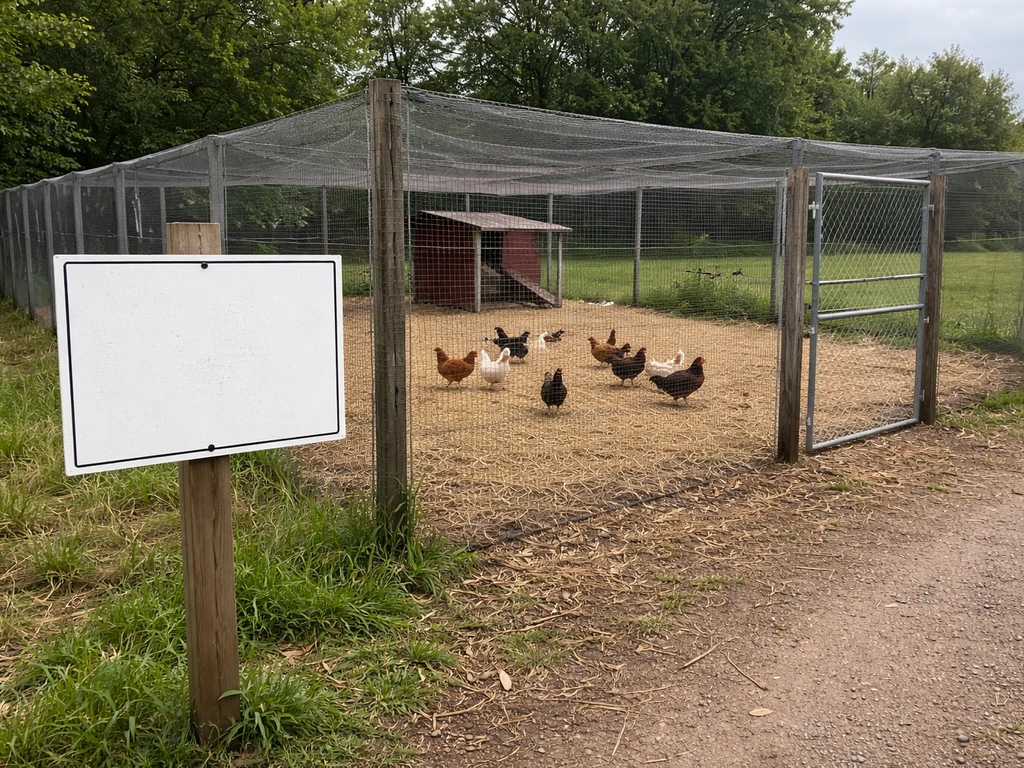
What 'going around' really means: birds versus humans
When people search for whether bird flu is 'going around,' they usually mean one of two very different things: is it spreading in bird populations, or is it spreading between people? The honest answer right now is yes to the first, and no to the second. HPAI, which stands for highly pathogenic avian influenza, has been circulating globally in wild birds and poultry for several years. It kills poultry rapidly and devastates flocks. In wild birds, especially migratory waterfowl, it spreads across continents along migration routes. That is the version that is very much 'going around.'
Human infections are a separate category. When a person does catch bird flu, it typically happens after prolonged, unprotected exposure to infected birds or their droppings, secretions, or contaminated environments. The strain most commonly seen, H5N1, does not spread efficiently from human to human. There is no sustained human-to-human transmission happening as of May 2026. The WHO's influenza at the human-animal interface assessment from 31 March 2026 continues to frame the global risk to the general public as low, while acknowledging that individuals with heavy occupational exposure to infected birds face a higher personal risk. That distinction matters enormously when you are trying to figure out what to worry about and what to do.
It is also worth separating bird flu from seasonal flu entirely. Seasonal flu is caused by influenza A and B strains adapted to spread between people easily. Bird flu strains like H5N1 or H5N2 are influenza A viruses too, but they are adapted to birds. The two are related but not the same thing, and the seasonal flu shot does not protect you against HPAI strains. That confusion is one of the biggest drivers of misinformation, so it is worth being clear on this from the start.
How to check the latest outbreak status where you live
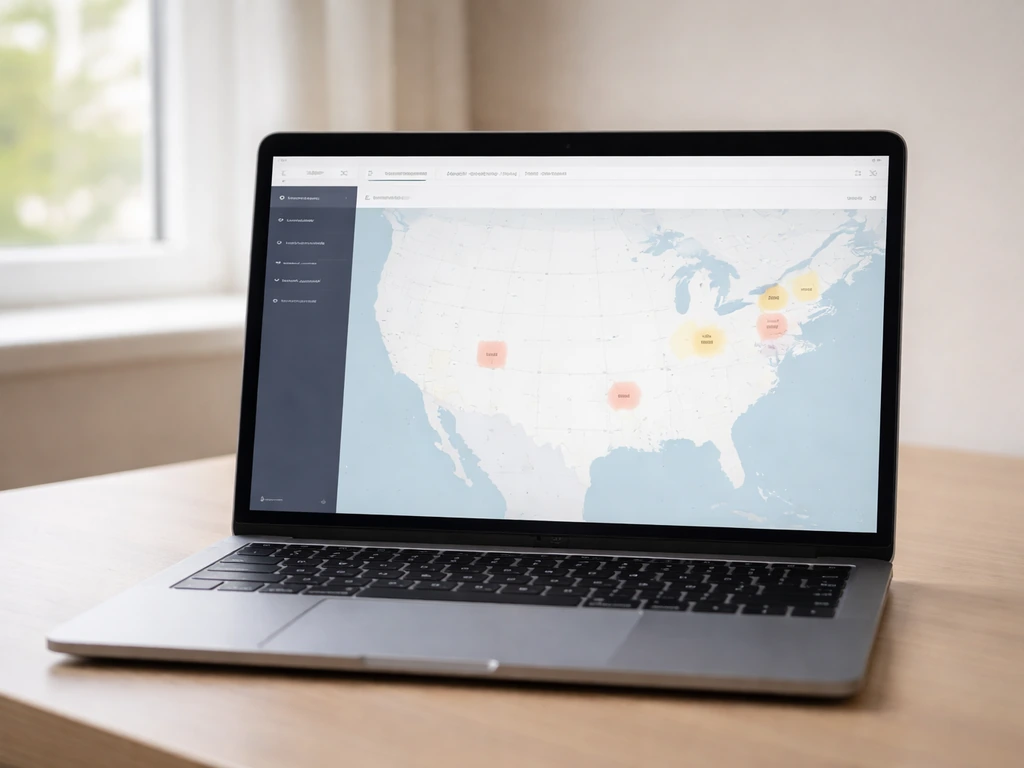
The most reliable way to know whether HPAI has been detected in your region is to go straight to the primary surveillance sources. Do not rely on social media or news aggregators for this, because they tend to amplify the alarming cases without providing the geographic or epidemiological context you actually need. These same precautions and monitoring steps are also how you stay on top of bird flu developments near you.
- WOAH (World Organisation for Animal Health) publishes regular HPAI Situation Reports at woah.org. Situation Report 80, covering February 2026, is the most recent comprehensive global snapshot. It breaks down outbreaks by country, species affected, and time period, including separate data for poultry flocks and wild birds.
- WHO publishes its 'Influenza at the Human-Animal Interface' summary and risk assessment roughly monthly at who.int. The 31 March 2026 edition is the most current as of this writing. It summarizes confirmed human cases globally and provides an official risk assessment.
- Your national agriculture ministry or department (USDA in the US, DEFRA in the UK, CFIA in Canada, etc.) will publish country-specific outbreak maps and flock depopulation notices. These are your best local sources.
- Your national public health agency (CDC, UKHSA, ECDC, etc.) tracks any human cases and publishes guidance for healthcare providers and the public.
- State or provincial animal health departments often post the most current local detections, sometimes updated within 24 to 48 hours of a confirmed finding.
When you look at these reports, pay attention to whether the detected cases are in wild birds or commercial/backyard poultry, and how geographically close they are to your location. A detection in migratory waterfowl a few states away is a very different risk level than a confirmed flock outbreak at a farm two counties over.
How bird flu spreads: the transmission routes that actually matter
Bird flu does not spread the same way seasonal flu does. Understanding the actual routes helps you avoid both false panic and false security.
Bird to bird
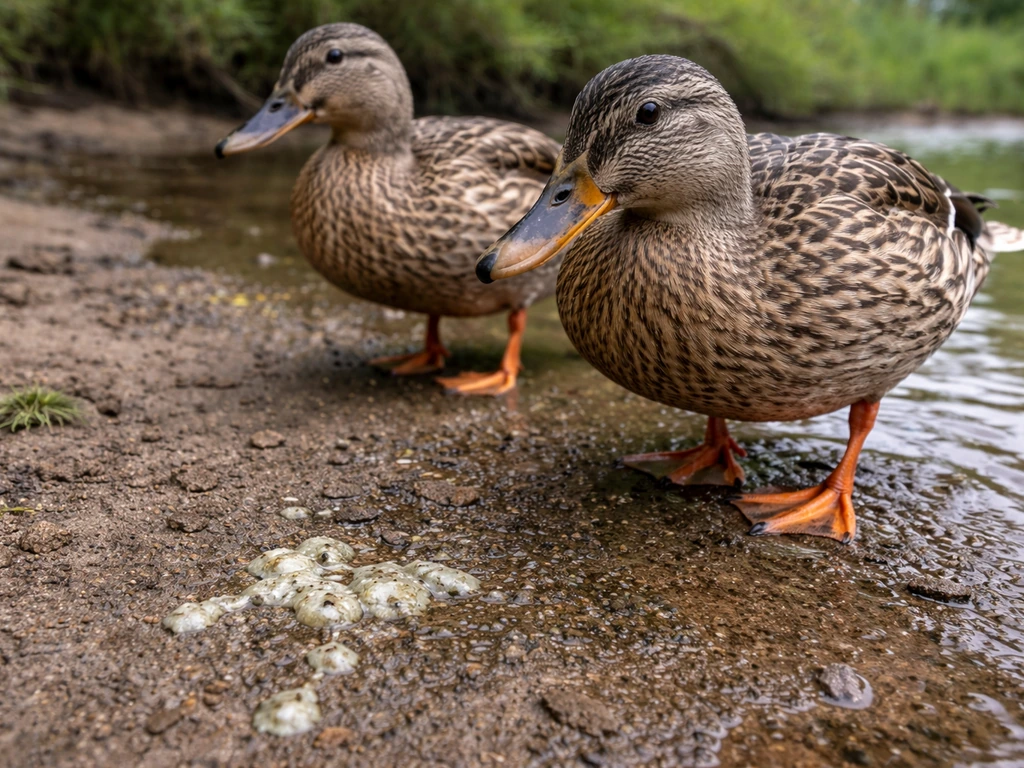
This is the primary and most efficient transmission route. Infected birds shed the virus in their saliva, nasal secretions, and feces. Other birds pick it up through direct contact or by sharing contaminated water, feed, or surfaces. Wild migratory birds, particularly ducks and geese, can carry and shed HPAI viruses without always showing obvious illness, which makes them effective long-distance carriers. This is why outbreaks often track along migratory flyways and why the seasonal pattern of bird flu activity tends to follow bird migration.
Bird to human
Human infections almost always involve close, direct, or prolonged exposure to infected birds or heavily contaminated environments. Think poultry workers culling infected flocks without adequate protective equipment, or people handling sick or dead wild birds without gloves. Breathing in virus-laden dust in an enclosed poultry shed is also a known exposure route. Simply being near birds outdoors is not a meaningful risk for most people.
Contaminated surfaces and fomites
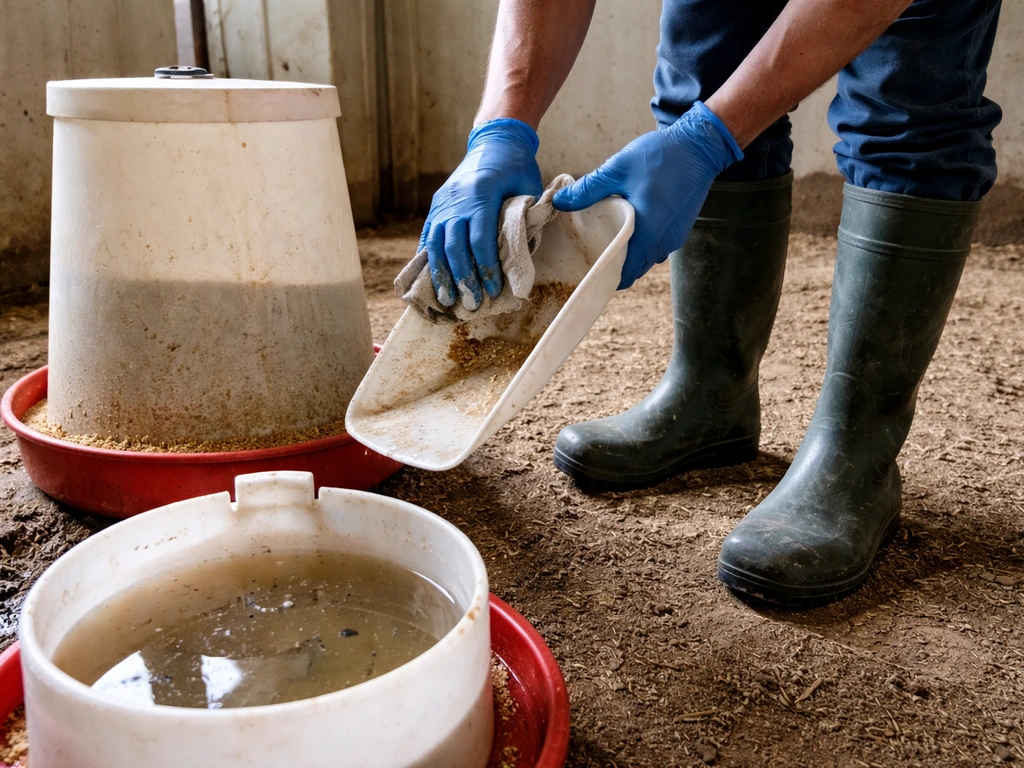
HPAI viruses can survive on surfaces, equipment, clothing, and vehicle tires for varying periods depending on temperature and humidity. Cold, wet conditions extend survival. This is why biosecurity measures for farms focus heavily on decontamination of equipment, footwear, and vehicles entering or leaving premises.
Food-related exposure
Properly cooked poultry and eggs are safe. The virus is inactivated by heat, and standard cooking temperatures (reaching an internal temperature of 74 degrees Celsius or 165 degrees Fahrenheit for poultry) destroy it. The food safety risk is in raw handling, particularly if handling birds from an infected flock. Commercially produced eggs and poultry in most countries go through inspection processes that provide an additional layer of safety.
Human risk today: symptoms, when to worry, and what to do
The vast majority of people have no meaningful exposure risk right now. If you have not been handling live or dead birds, visiting farms with known outbreaks, or working in a poultry processing environment, your personal risk is very low. That said, knowing the symptoms and the trigger points for seeking care is important.
Symptoms of bird flu in humans
Early symptoms of H5N1 in humans often look like severe influenza: high fever (usually above 38 degrees Celsius or 100.4 degrees Fahrenheit), cough, sore throat, muscle aches, and fatigue. What sets bird flu apart from typical seasonal flu is the frequency with which it progresses to pneumonia and acute respiratory distress syndrome (ARDS), which can be life-threatening. Eye inflammation (conjunctivitis) has also been reported in some H5 cases. The incubation period is typically two to five days, but can extend to ten days.
When to seek medical attention
If you develop a fever and respiratory symptoms within ten days of handling sick or dead birds (wild or domestic), you should contact a healthcare provider and specifically mention your exposure history. If you were exposed to infected birds or other animals, or to environments contaminated with avian influenza viruses, CDC recommends monitoring for illness for 10 days after the last exposure and contacting your state or local health department if symptoms develop during that time window. Do not just walk into a waiting room; call ahead so the provider can take appropriate precautions. Early antiviral treatment, specifically oseltamivir (Tamiflu), is more effective when started promptly. Public health authorities in most countries have protocols for testing and isolating suspected cases, so reporting your exposure is both appropriate and helpful.
Poultry and backyard bird risk: signs of illness and biosecurity
If you keep chickens, ducks, geese, turkeys, or other poultry, you need to be paying closer attention than the average household. HPAI can kill an entire flock within 48 hours of the first bird showing signs. Early detection and immediate reporting are critical, both for containing the outbreak and for protecting your neighbors' flocks.
Signs of HPAI in poultry
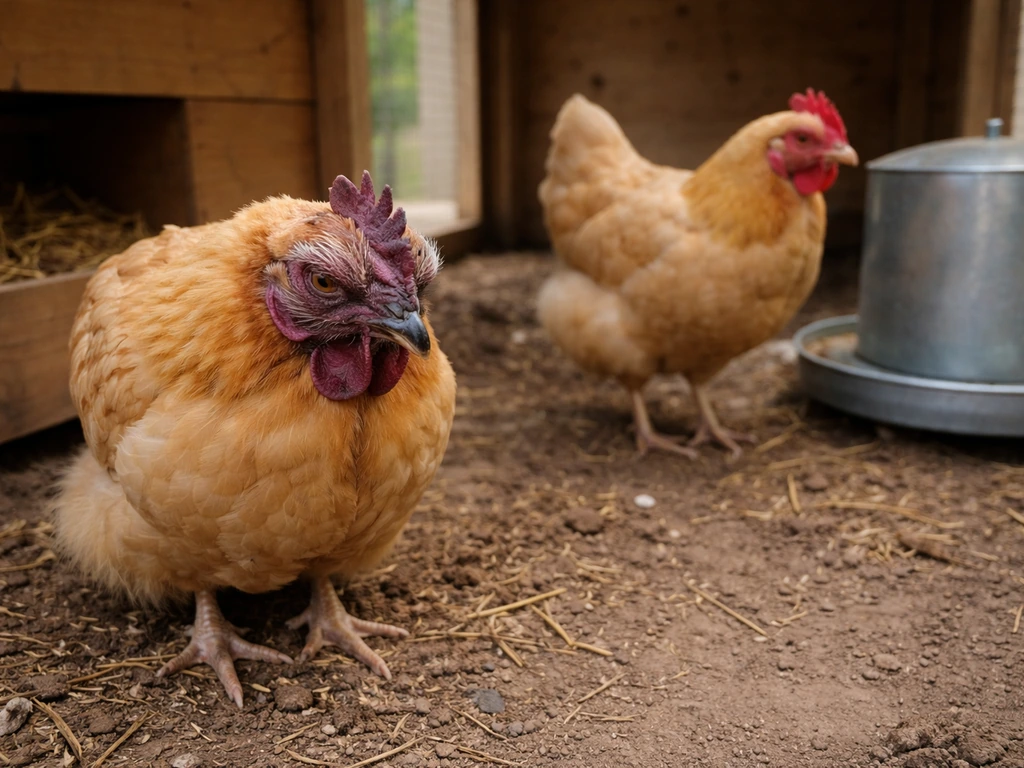
- Sudden, unexplained death in multiple birds within a short period
- Severe drop in egg production
- Swelling of the head, eyelids, comb, wattles, or hocks
- Purple or blue discoloration of the comb and wattles (cyanosis)
- Bloody or watery diarrhea
- Neurological signs: tremors, loss of coordination, twisted necks
- Gasping, nasal discharge, or labored breathing
- Sudden dramatic drop in feed and water consumption
If you see any combination of these signs, especially sudden unexplained mortality, contact your state or national veterinary authority immediately. Do not wait to see if birds recover. HPAI moves fast.
Basic biosecurity for backyard flocks
- Keep poultry away from wild birds as much as possible. Use covered runs or netting over outdoor areas.
- Avoid shared water sources with wild waterfowl.
- Change footwear or use dedicated boots before entering your bird enclosure.
- Wash hands thoroughly after handling birds or cleaning enclosures.
- Do not bring in new birds from unknown sources without a quarantine period of at least 30 days.
- Keep visitors (and their vehicles) away from your flock area during periods of heightened regional risk.
- Dispose of dead birds safely, following your local animal health authority's guidelines.
Food and household safety: eggs, meat, and safe handling
Let me be direct here: commercially produced poultry and eggs in countries with functioning food safety systems pose essentially no meaningful risk to consumers from HPAI. Thorough cooking eliminates the virus. The scenarios where food handling becomes a concern are narrow: people processing birds from an infected backyard flock, hunters handling wild waterfowl in areas with known detections, or people obtaining eggs or poultry from informal sources with no oversight.
Safe handling practices
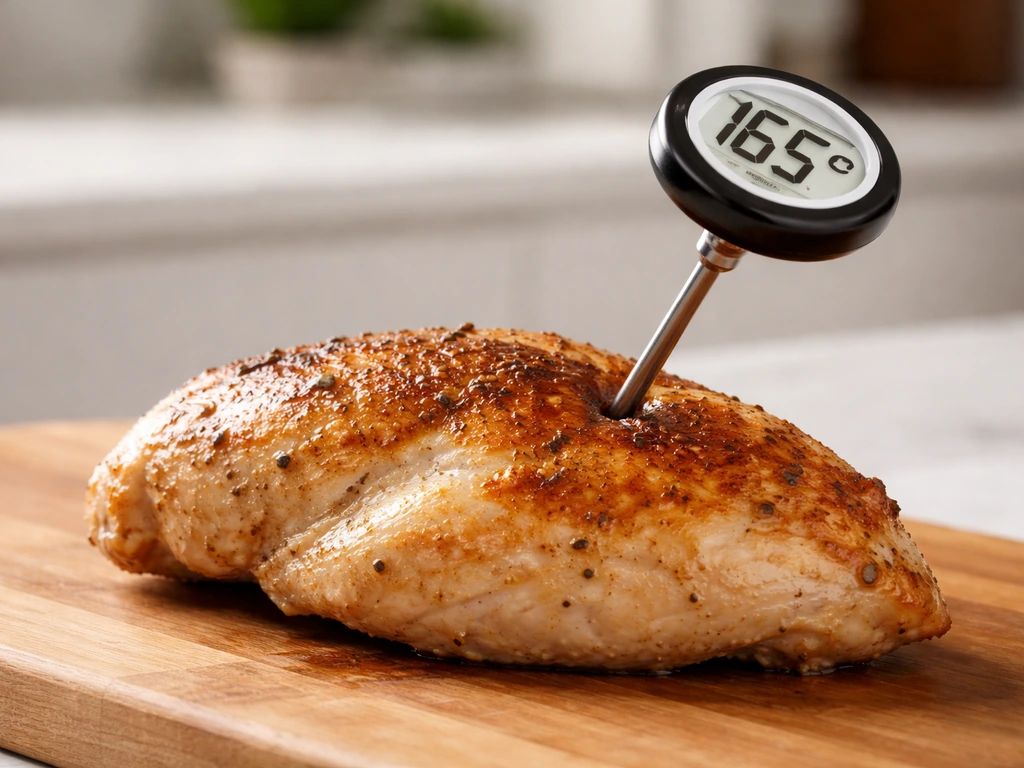
- Cook all poultry to an internal temperature of 74 degrees Celsius (165 degrees Fahrenheit). Use a meat thermometer to verify, not just visual cues.
- Cook eggs until both the yolk and white are firm. Avoid dishes with raw or undercooked eggs if HPAI activity is high in your area.
- Wash hands with soap and water for at least 20 seconds after handling raw poultry or eggs.
- Use separate cutting boards for raw poultry and other foods, and sanitize surfaces after contact.
- If you are processing birds from your own flock and suspect illness, wear gloves and a face mask, and consider contacting your vet before proceeding.
- Do not handle sick or dead wild birds with bare hands. Use gloves and double-bag the carcass before disposal or reporting.
Prevention and protection: practical steps for farmers and families
Prevention looks different depending on whether you are a commercial poultry farmer, a backyard flock keeper, or a general household with no bird contact. Here is how to think about it by situation.
| Situation | Primary Risk | Key Prevention Steps |
|---|---|---|
| Commercial poultry farmer | Flock infection via wild birds or contaminated equipment | Strict biosecurity protocols, enhanced surveillance during migration seasons, report sick or dead birds immediately, follow depopulation and compensation procedures |
| Backyard flock keeper | Flock infection via wild bird contact or contaminated footwear/equipment | Covered runs, dedicated footwear, 30-day quarantine for new birds, regular monitoring, know your regional contact for reporting |
| Poultry or farm worker | Direct exposure during culling or flock handling | Use PPE (gloves, N95 or equivalent mask, eye protection, coveralls) when handling sick birds or during outbreak response |
| Hunter handling wild waterfowl | Contact with infected wild birds during dressing | Wear gloves, do not handle birds that appear sick or were found dead, cook thoroughly, wash hands after handling |
| General household with no bird contact | Very low | Normal food safety practices, stay informed via official sources, no additional precautions currently needed |
For everyone, staying informed is itself a prevention tool. Knowing when there are active detections in your region lets you tighten practices appropriately rather than operating at maximum alert all the time, which is not sustainable. You may be wondering how often bird flu happens, but the key point is that outbreaks are driven by where and when HPAI is detected in birds how often does bird flu happen. Watching for updates from WOAH, WHO, and your national animal health or public health agency gives you the signal you need to act.
Treatment, testing, and vaccines: what's actually available
Testing

If a healthcare provider suspects bird flu in a human patient (based on symptoms plus exposure history), they will collect respiratory samples (nasopharyngeal swabs, sometimes lower respiratory specimens) and send them to a public health laboratory capable of running specialized influenza typing. Standard rapid flu tests used in clinics do not reliably detect avian influenza strains, so do not assume a negative rapid flu test rules out H5N1 if your exposure history is significant. Always disclose your bird contact to your provider explicitly.
Treatment
Antiviral medications, primarily oseltamivir (Tamiflu) and zanamivir (Relenza), are the current treatment options for human bird flu cases. Both are neuraminidase inhibitors that work best when started within 48 hours of symptom onset, though they can still be beneficial later in severe cases. Peramivir (given intravenously) is another option for hospitalized patients. Most countries with active human surveillance programs have stockpiles of these antivirals. Treatment is also supportive: oxygen, mechanical ventilation if needed, and management of secondary infections.
Vaccines
There is no widely available, approved H5N1 vaccine for general public use as of May 2026. Several candidate vaccines have been developed and stockpiled by some governments as pandemic preparedness measures, and some countries have used poultry vaccines to try to reduce HPAI burden in commercial flocks. For people, the current strategy is primarily surveillance, antiviral treatment if infection occurs, and PPE for high-risk occupational groups rather than mass vaccination. That could change rapidly if sustained human-to-human transmission were detected, which is what public health agencies are watching for. If you are a poultry worker or in another high-exposure role, ask your occupational health provider about current guidance, as recommendations can shift with outbreak conditions.
The bottom line is this: bird flu is genuinely circulating in birds globally right now, and that warrants real attention from anyone who keeps poultry or works with birds. For everyone else, the current risk level does not call for alarm but does call for basic food safety, staying informed, and knowing what symptoms would prompt a call to a doctor. The situation is active but it is being monitored closely by WOAH, WHO, and national health authorities. That surveillance is your early warning system, and checking in with it periodically is the most practical thing most people can do today.
FAQ
If I had a negative rapid flu test, does that mean I cannot have bird flu?
Not necessarily. Standard rapid flu tests are mainly designed to detect typical seasonal influenza viruses, so they may miss avian strains like H5N1. If you had fever plus respiratory symptoms after handling sick or dead birds, you should tell the clinician about the exposure and ask whether specialized influenza testing is needed.
What should I do if I find a dead wild bird on my property?
Avoid handling it with bare hands. Use gloves or a bag to contain it, keep pets and people away, and contact your local wildlife or animal health authority for guidance on reporting and disposal. If you had direct contact with droppings or body fluids and develop fever or cough within about 10 days, seek care and mention the exposure.
How long can bird flu virus remain infectious on surfaces or clothing?
It can persist longer in cold or wet conditions, which is why farms emphasize cleaning footwear, equipment, and vehicles entering or leaving premises. For households, the practical takeaway is to change clothes after any poultry contact, wash hands thoroughly, and avoid bringing potentially contaminated items indoors (or disinfect them) if you were near sick or dead birds.
Can I get bird flu from eating cooked poultry or eggs?
Cooked food is considered safe when poultry and eggs are fully cooked. The main risk is raw handling, especially if you are processing birds from an infected source. If you handled raw poultry from a backyard or informal source during an outbreak, wash hands and sanitize surfaces before preparing other food.
Is it safe to visit a farm or buy poultry during an outbreak in the region?
It depends on whether the farm has known detections and whether visitors are allowed under biosecurity rules. If there is an outbreak nearby, follow posted farm guidance, do not enter areas with sick birds, avoid touching animals, and if you must handle anything, use protective gear and hand hygiene. When in doubt, postpone the visit.
What are practical biosecurity steps for backyard flock owners that are not obvious?
Separate indoor storage for feed and equipment, use dedicated footwear, and prevent contact with wild birds by covering feed and water. Limit flock exposure to shared tools, keep birds indoors where feasible, and disinfect entry points after any visitors who may have been around other poultry.
What should I report if my birds start dying suddenly?
Report the first unexplained increase in deaths or sudden mortality promptly, not after recovery. Provide details like species, approximate onset time, whether birds were wild-caught or recently moved, and any signs you noticed (before death if observed). Early reporting helps authorities determine whether it is likely HPAI versus other causes.
Are pets (cats, dogs) at risk if they are around sick poultry or wild birds?
Pets can be exposed through contact with contaminated droppings or carcasses, even if they are not commonly the source of outbreaks. Keep pets away from dead or sick birds, avoid allowing them to roam near poultry pens during an outbreak, and wash hands after pet contact. If a pet appears ill after such exposure, contact a veterinarian.
What exposure counts as “prolonged or close” for human risk?
Human risk is usually linked to sustained, unprotected contact with infected birds or heavily contaminated environments, such as culling without adequate protection, cleaning contaminated sheds, or handling sick or dead wild birds. Casual outdoor proximity without direct contact is typically not meaningful for most people.
When should a poultry worker or high-exposure job ask for changes in protection?
Ask occupational health for updated guidance if there are new detections in local flocks or wild birds, if you are assigned tasks involving culling, and if your PPE is not designed for dusty, enclosed areas (including eye protection and properly fitted respiratory protection). Recommendations can change as risk assessments evolve.
Next Articles
Is Bird Flu in Europe Now? Risk, Symptoms, Safety Steps
Find out if bird flu is in Europe now, current risk, symptoms, food safety, and exact steps for handling exposure safely
What Is Being Done About Bird Flu: Response, Vaccines, Safety
How agencies detect, contain and treat bird flu, plus biosecurity, vaccines, human steps, and safe egg and poultry guida
What Countries Have Bird Flu Now: Updated List and How to Check
Updated list of countries with bird flu, how to verify current reports, and what to do for poultry and travel.