
Bird flu is a Type A flu, but not all Type A flu is bird flu. Think of it like this: Type A influenza is a broad category, and bird flu is one specific subset within that category. When you see a headline about "Type A flu" it could mean seasonal human flu, swine flu, or avian (bird) flu. When a headline specifically says "bird flu," it means an avian influenza A virus, most often a subtype like H5N1 or H7N9, that primarily circulates in birds and only rarely infects people.
Is Type A Flu the Same as Bird Flu?

Sarah Chen
20 May 2026

Type A influenza vs bird flu: what the terms actually mean
Influenza viruses are divided into four main types: A, B, C, and D. Type A (influenza A) is the one that gets most of the attention because it infects both animals and humans, mutates quickly, and has historically caused pandemics. Influenza A viruses are further divided into subtypes based on two proteins sitting on the surface of the virus: hemagglutinin (HA) and neuraminidase (NA). That's where you get the subtype names like H1N1, H3N2, H5N1, and H7N9. The "H" number refers to which version of hemagglutinin the virus carries; the "N" number refers to the neuraminidase version.
"Bird flu," or avian influenza, refers specifically to influenza A viruses that primarily infect birds. The term covers a range of subtypes, including H5N1, H5N6, H7N9, and H9N2, that circulate in domestic poultry and wild birds. So when someone says "bird flu is a Type A flu," that is technically correct. But calling all Type A flu "bird flu" would be wrong, in the same way that calling all citrus "lemons" would be wrong. Seasonal flu strains like H1N1 and H3N2 are also Type A influenza viruses, and they spread mainly between people, not birds.
Are they the same? how to tell the difference in plain language
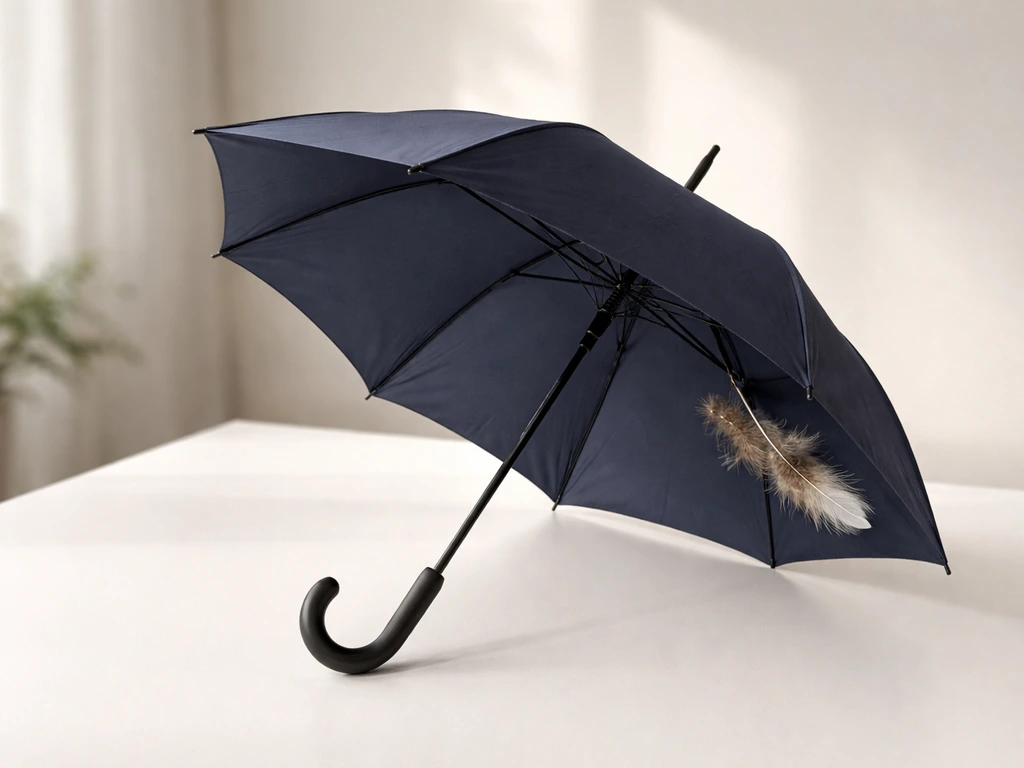
The simplest way to keep these straight: Type A flu is the umbrella, bird flu lives under one part of that umbrella. Here is what that looks like in practice.
| Feature | Type A Flu (general) | Bird Flu (avian influenza) |
|---|---|---|
| What it is | A broad category of influenza viruses | A specific subset of influenza A viruses that primarily infect birds |
| Primary host | Humans, birds, pigs, horses, and others | Birds (poultry and wild birds) |
| Common human subtypes | H1N1, H3N2 (seasonal flu) | H5N1, H7N9, H5N6, H9N2 |
| Human-to-human spread | Efficient and sustained | Rare and not sustained |
| Typical human exposure route | Respiratory contact with infected people | Direct contact with infected birds or contaminated environments |
| Global circulation in people | Constant (seasonal) | Sporadic, mostly occupational |
When you read a news headline saying "health officials confirm Type A flu cluster," that tells you very little on its own. It could be a routine seasonal flu outbreak. When the headline says "H5N1 detected in farmworkers," that is a bird flu story with a meaningfully different risk profile. The subtype number is the detail that actually matters.
Which viruses cause bird flu (and whether they're "Type A")

Every bird flu virus is an influenza A virus. There are no bird flu viruses in the Type B, C, or D categories. The avian influenza subtypes that have been associated with disease in birds and reported human infections include H5N1, H7N9, H5N6, and H9N2, among others. H5N1 and H7N9 have caused the most severe human illness historically. H9N2 tends to cause milder disease but is widespread in poultry in parts of Asia. These are all still influenza A viruses, just with surface proteins that are better adapted to infect bird cells than human cells, which is a big part of why human-to-human transmission is so rare.
Avian influenza viruses are also classified by their pathogenicity in birds: highly pathogenic avian influenza (HPAI) strains like HPAI H5N1 cause severe disease and high death rates in poultry, while low pathogenic avian influenza (LPAI) strains cause milder illness in birds but can still infect people in some cases. The HPAI/LPAI distinction matters a lot for agriculture and outbreak response, even if it does not always predict how sick a human will get.
Human risk comparison: symptoms and severity patterns
Seasonal Type A flu (the kind circulating in people every winter) typically hits fast. You get fever, chills, muscle aches, headache, fatigue, a dry cough, sore throat, and a runny nose, usually within one to four days of exposure. Most healthy adults recover in about a week without complications, though the elderly, young children, and immunocompromised people face higher risk of serious illness.
Bird flu in humans looks different and is often more severe. [Respiratory symptoms like cough and shortness of breath are common](https://www. cdc. gov/bird-flu/signs-symptoms/index.
html), but eye symptoms, specifically redness, irritation, and conjunctivitis, are also a distinct feature not typically seen with seasonal flu. For H5 virus exposures, eye symptoms can appear as quickly as one to two days after exposure, with respiratory symptoms often appearing around day three (with a range of roughly two to seven days). Human cases have ranged from completely asymptomatic to fatal pneumonia.
That wide range is not reassuring in the abstract, but it reflects the reality that illness severity varies by subtype, viral load, and the individual's immune response. The good news is that human infection with avian influenza A viruses is uncommon. It happens sporadically in countries where people have close contact with infected poultry, and it is almost always tied to a direct animal exposure, not community spread.
When to seek medical care

If you have had direct, unprotected contact with sick or dead birds (or their droppings, bedding, or secretions) and develop fever, cough, difficulty breathing, or eye irritation within ten days of that exposure, contact a healthcare provider immediately and mention the bird exposure. Antiviral treatment (typically oseltamivir, brand name Tamiflu) may be prescribed for suspected cases, and early treatment matters. Do not wait to see if symptoms resolve on their own if you know you had a significant exposure.
Transmission routes: how each spreads (birds vs humans)
Seasonal Type A flu spreads the way most respiratory viruses do: mainly person to person through respiratory droplets when an infected person coughs, sneezes, or talks at close range. Airborne transmission via small-particle aerosols can also occur, especially in confined spaces. This is why seasonal flu spreads so efficiently in schools, offices, and households.
Bird flu transmission to humans works differently. The most common route is direct, unprotected contact with infected birds or animals, including live poultry, dead birds, or contaminated surfaces like cages, bedding, and water. The virus can also spread through the air as droplets or dust in environments where infected birds are present, which is why live bird markets and backyard poultry settings are considered higher-risk settings. Infected birds shed the virus in their droppings, saliva, and respiratory secretions.
Human-to-human transmission of avian influenza A viruses is rare. People sometimes describe certain avian-influenza reports as “bird flu-like covid,” but the key issue is still the influenza A exposure risk, not a true coronavirus spread pattern is bird flu-like covid. There have been a small number of probable limited cases, including a few clusters involving H5N1, H7N7, and H7N9, where close, unprotected household contact with a confirmed case appeared to result in transmission.
But these were not sustained chains of spread. This is a critical distinction: bird flu does not currently spread efficiently between people the way seasonal flu does, and that is the main reason it has not caused a pandemic, though health authorities continue to monitor for any changes in this pattern. If you're wondering what strain is bird flu, it usually refers to specific avian influenza strains such as H5N1 or H7N9.
Prevention and safety: what to do if you're around birds or worried about exposure
For the general public
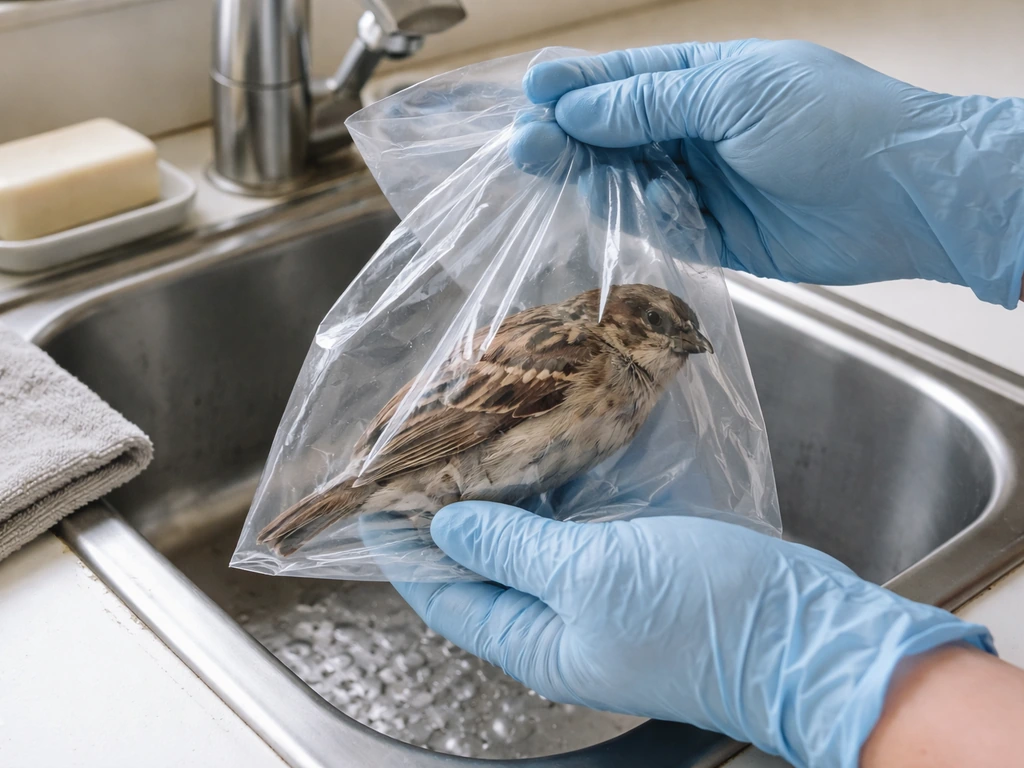
- Avoid touching sick or dead wild birds with bare hands. If you need to handle a dead bird (for example to report it to wildlife authorities), use gloves and a plastic bag, and wash your hands thoroughly afterward.
- Avoid visiting live bird markets or poultry operations in regions with active outbreaks unless necessary, and follow all posted hygiene protocols if you do.
- Cook all poultry and eggs thoroughly. There is no evidence in the US that anyone has been infected through properly handled and cooked poultry products. Uncooked poultry products, including blood, have been linked to a small number of infections in Southeast Asia, so thorough cooking is a straightforward protective measure.
- Wash hands with soap and water after any contact with birds, poultry, or their environments.
- If you develop flu-like symptoms or eye irritation within ten days of a bird exposure, call a healthcare provider and tell them about the exposure before going in, so they can take appropriate precautions.
For poultry farmers and agricultural workers
- Use NIOSH-approved particulate respirators when working in environments where infected birds are present or suspected. Standard surgical masks are not adequate for high-risk exposures.
- Wear full PPE including gloves, eye protection, and protective clothing when handling sick birds or working in affected flocks.
- Isolate sick birds immediately and report unusual illness or death patterns in your flock to your veterinarian and state or federal animal health officials. Early reporting is essential for containment.
- Follow biosecurity protocols from USDA APHIS "Defend the Flock" guidance, which emphasizes restricting visitor access, cleaning and disinfecting equipment, and monitoring for signs of illness.
- Be aware that if avian influenza is confirmed in your flock, containment may require culling infected animals and those in close contact as part of eradication policy.
The bottom line on prevention is straightforward: the exposure route for bird flu is almost always birds, not other people. Avoiding unprotected contact with sick or dead birds, using appropriate protective equipment when working with poultry, and cooking poultry products thoroughly covers the main bases for most people. The broader classification question, whether it is called "Type A" or "bird flu," matters less than understanding where the actual risk comes from and taking those specific precautions.
FAQ
If I see “Type A flu” on the news, how can I tell whether it is actually bird flu?
Look for the subtype (H number, like H5N1 or H7N9) or the specific wording “avian” or “bird flu.” If the headline only says “Type A,” it usually means seasonal human influenza and does not specify an avian source.
Are all H5N1 and H7N9 infections considered “bird flu,” even though they are influenza A?
Yes. H5N1, H7N9, and other avian subtypes are “bird flu” when they are avian influenza A viruses that primarily circulate in birds. The subtype is what makes it avian, not whether the case is occurring in a person.
Can bird flu ever be Type B, C, or D influenza?
No. Bird flu refers to influenza A viruses, so it will not be Type B, C, or D. If someone describes “bird flu” as a non-A type, that is likely a misunderstanding.
What’s the difference between HPAI and LPAI, and why do people mention it?
HPAI means highly pathogenic strains in birds and is associated with severe disease and high poultry death rates. LPAI causes milder illness in birds but can still infect humans in some situations, so the agricultural and outbreak response is different even if human severity varies.
If someone develops fever and cough after being around birds, should they treat it like seasonal flu at home first?
No. If symptoms show up within about 10 days of unprotected contact with sick or dead birds or their droppings, seek medical care and specifically mention the exposure. Early antiviral treatment may be time-sensitive for suspected influenza A avian infection.
Does bird flu always cause eye symptoms like conjunctivitis?
Eye symptoms are common in avian influenza A and are a notable difference from typical seasonal flu, but they are not guaranteed in every case. The key trigger is the exposure history plus compatible symptoms like respiratory distress or fever.
Is bird flu spread the same way as seasonal flu, through casual contact?
Usually no. Seasonal flu spreads efficiently person-to-person through respiratory droplets. Avian influenza A infections in humans are most often linked to direct exposure to infected birds or contaminated environments, with sustained human-to-human spread being rare.
If there is a household cluster, does that mean bird flu spreads like normal flu?
Not necessarily. Rare clusters can occur with close unprotected contact, but they have not shown the sustained transmission pattern seen with seasonal influenza. Public health guidance should still be driven by confirmed subtype and exposure details.
How do I think about time to symptoms after bird exposure?
After significant unprotected bird exposure, fever and respiratory symptoms can begin roughly days later, and for some H5 exposures eye irritation may appear earlier (about 1 to 2 days). If symptoms start within the first 10 days, contact a healthcare provider promptly and mention the exposure.
Are COVID-like descriptions (“bird flu-like covid”) useful for deciding what to do?
Not for the main decision. Even if reports use comparison language, your risk assessment should focus on influenza A exposure to infected birds and your symptoms, not a coronavirus transmission pattern.
Next Article
Is Bird Flu in Europe Now? Risk, Symptoms, Safety Steps
Find out if bird flu is in Europe now, current risk, symptoms, food safety, and exact steps for handling exposure safely