
Bird flu and swine flu are both caused by influenza A viruses, but they come from different animal reservoirs, spread differently, and carry very different risk profiles for people. Mayo Clinic notes that bird flu is caused by influenza type A virus infections in bird species, and that officials worry the viruses can change to infect humans and spread among people.
Swine Flu vs Bird Flu: Key Differences, Risk, and Precautions

Sarah Chen
5 May 2026
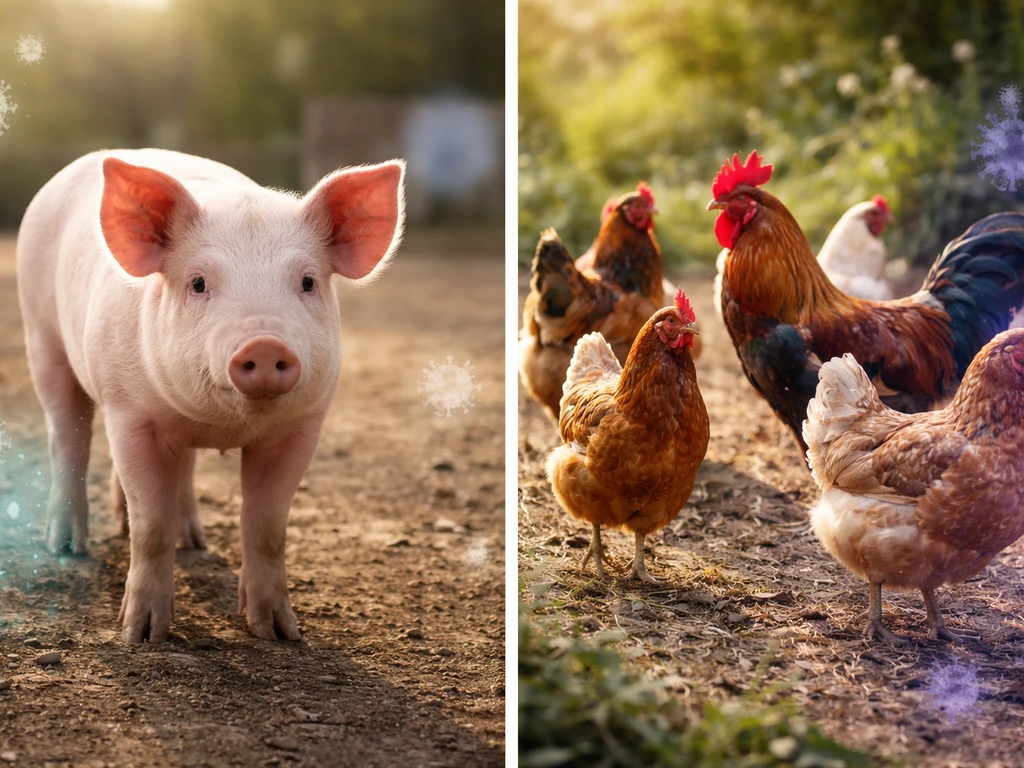
Bird flu (avian influenza) originates in birds, most commonly wild waterfowl, and spreads to humans almost exclusively through direct, close contact with infected birds or contaminated environments. Swine flu originates in pigs, and the human-adapted version, most infamously the 2009 H1N1 pandemic strain, spread efficiently from person to person much like seasonal flu. That fundamental difference in human-to-human transmissibility is the most important thing to understand when comparing the two.
Human metapneumovirus vs bird flu highlights how some respiratory viruses spread very efficiently among people while bird flu usually requires specific animal contact.
What bird flu and swine flu actually are
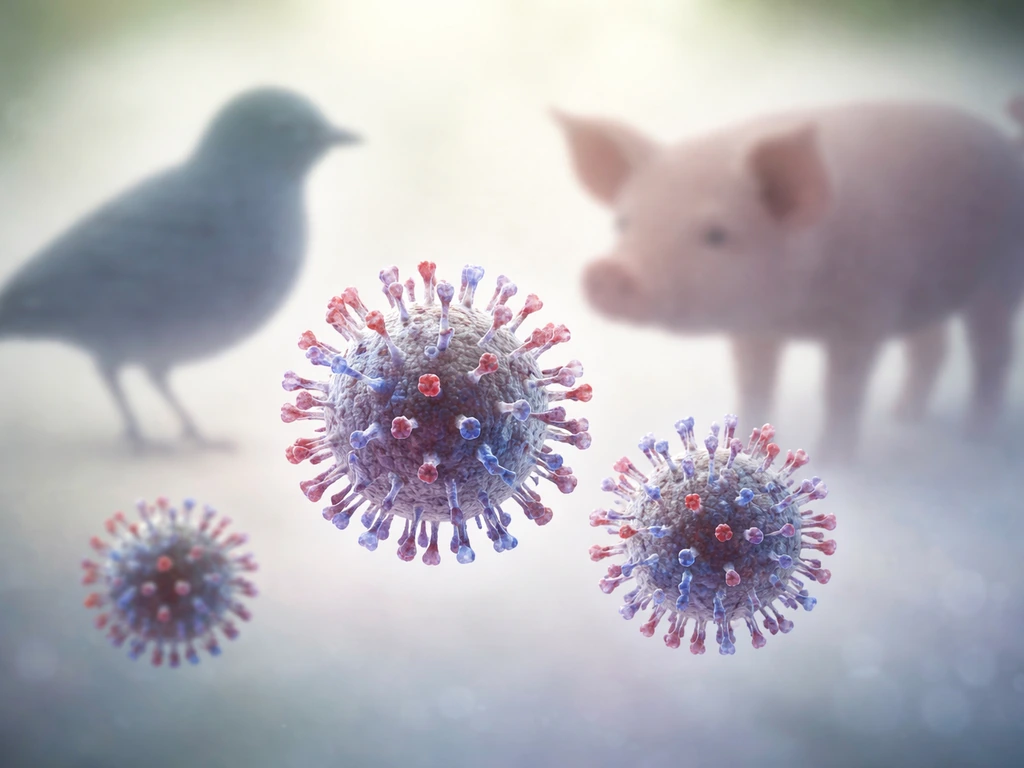
Influenza A viruses are named based on two surface proteins, hemagglutinin (H) and neuraminidase (N), and by the host species where the virus normally circulates. When you hear 'avian influenza' or 'bird flu,' that refers to influenza A viruses whose natural reservoir is birds. The WHO defines avian influenza as a disease caused by a virus that mainly affects birds but can also infect mammals, including humans. The most dangerous avian strains are classified as highly pathogenic avian influenza (HPAI), particularly the H5N1 and related H5 subtypes, which are responsible for most serious human cases in recent years.
Swine influenza is an influenza A virus disease that primarily circulates in pigs. When a human gets infected with one of these pig-origin viruses, the CDC designates it a 'variant virus,' for example A(H3N2)v, where the 'v' signals the virus came from swine. The 2009 pandemic strain, labeled swine-origin influenza A (H1N1) or S-OIV at the time, was a swine-origin virus that acquired the ability to spread efficiently between people, which is what made it a pandemic. That's a critical distinction: most swine influenza in humans stays as a one-off zoonotic spillover, just like most bird flu in humans.
Where outbreaks come from: the natural reservoirs
Wild aquatic birds, think ducks, geese, and shorebirds, are the ecological reservoir for low pathogenicity avian influenza (LPAI) viruses. These birds often carry and shed the virus without getting sick themselves. The problem starts when that virus moves into domestic poultry flocks, where it can mutate into the highly pathogenic form that devastates chickens and turkeys. WOAH (the World Organisation for Animal Health) draws a clear line between LPAI, which causes little or no visible disease in many species, and HPAI, which can be catastrophic for domestic birds and occasionally spills into humans.
Swine influenza lives in pigs. WOAH describes it as a highly contagious viral infection of swine, circulating continuously in pig populations around the world. Pigs are sometimes called 'mixing vessels' in virology because they can be infected by both human and avian influenza strains, which occasionally reassort (swap genetic segments) inside a single pig to create novel viruses. That's actually how the 2009 H1N1 pandemic virus is believed to have emerged. So while birds are the reservoir for bird flu, pigs are the reservoir for swine flu, and they're separated enough that catching bird flu from a pig or vice versa is not a standard route of concern.
How each virus spreads to people (and between people)
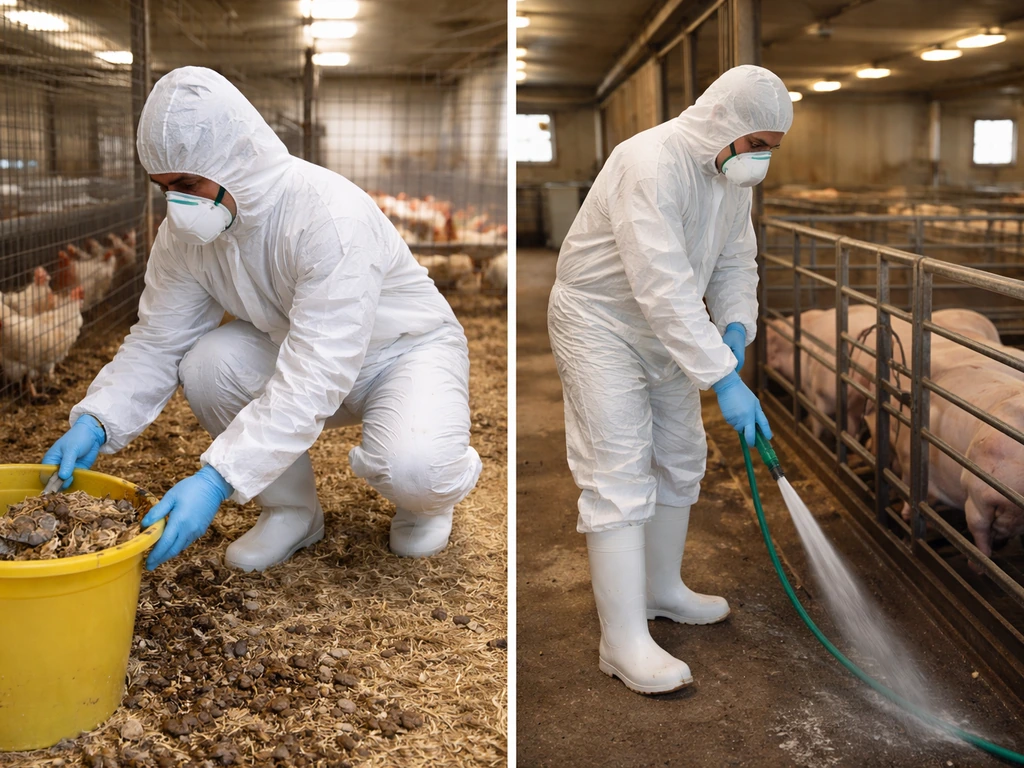
This is where bird flu and swine flu differ most sharply, and it's what determines actual public health risk. For bird flu, human infections are rare and almost always require direct or close, unprotected contact with infected birds, live poultry markets, or contaminated environments. The CDC notes that touching your eyes, nose, or mouth after handling infected birds or contaminated materials like raw milk containing live avian influenza virus is how people typically get infected. Human-to-human transmission of bird flu has been documented in only a handful of scenarios, described by the CDC as 'probable limited, non-sustained' spread, meaning it doesn't keep going through a community the way seasonal flu does.
Swine flu, in its zoonotic form, follows a similar pattern: you generally need close contact with infected pigs to catch a swine-origin variant virus. But the 2009 H1N1 strain was a different story entirely. Once it acquired efficient human-to-human transmission, it behaved like any other respiratory virus spreading through droplets in the air, just as seasonal flu does. The WHO frames this clearly: a pandemic occurs when a novel virus gains the ability for sustained human-to-human transmission.
H5N1 bird flu, despite circulating for decades and causing sporadic human cases since the late 1990s, still has not made that leap as of 2026. Because H5N9 is an emerging mix of genes linked to both bird flu types, comparing it to H5N1 helps clarify how the risk and spread could change h5n9 bird flu vs h5n1. That's reassuring, but it's also why public health agencies watch it so carefully.
| Feature | Bird Flu (Avian Influenza) | Swine Flu (Swine Influenza) |
|---|---|---|
| Natural reservoir | Wild aquatic birds, domestic poultry | Pigs |
| Primary human exposure route | Direct contact with infected birds, poultry, or contaminated environments | Direct contact with infected pigs; person-to-person in pandemic strains |
| Sustained human-to-human spread | Not documented (only limited, non-sustained cases) | Yes, for pandemic-adapted strains like 2009 H1N1 |
| Most concerning subtypes | H5N1, H5N8, H7N9, H9N2 | H1N1 (pandemic 2009), H3N2v (variant) |
| Pandemic potential | High concern, not yet realized | Realized in 2009; ongoing monitoring needed |
| General public risk (2026) | Very low; mainly affects those with animal contact | Low for novel variants; seasonal H1N1 now circulates widely |
What the illness looks like in people and animals
In people
For bird flu, the CDC reports that the incubation period for avian influenza A(H5) infections in humans is about 3 days from exposure, with a range of roughly 2 to 7 days. Most U.S. human cases of H5 bird flu have been mild, with symptoms like fever, cough, sore throat, and sometimes conjunctivitis (eye redness and discharge). Severe cases can progress to pneumonia, which may require hospitalization, and people with severe disease can have high viral loads in their lower respiratory tract and remain contagious for several weeks. It's a serious illness when it turns severe, no question.
Swine-origin influenza in humans, according to WOAH, generally resembles seasonal flu: upper respiratory symptoms, fever, body aches, fatigue, and in worse cases, pneumonia. The 2009 H1N1 pandemic followed this pattern. The CDC defined confirmed cases at the time as acute febrile respiratory illness combined with laboratory confirmation of the swine-origin virus. In terms of symptom experience, swine flu in people often feels like a bad seasonal flu, while severe bird flu can feel more like viral pneumonia from the start.
In animals
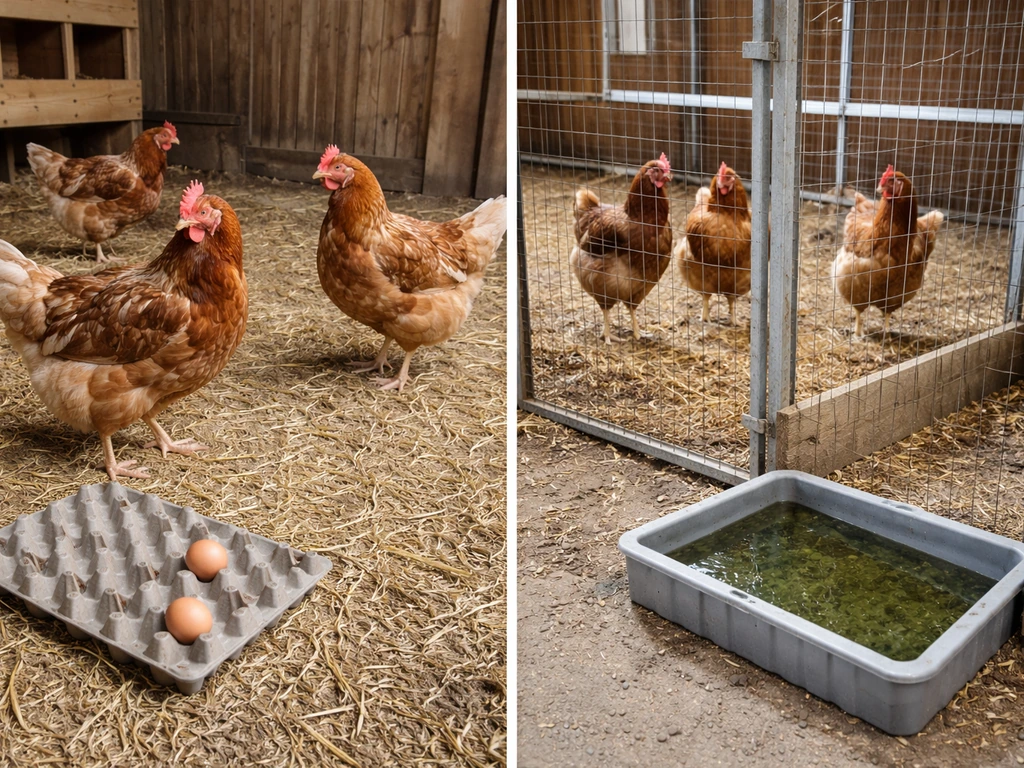
In poultry, LPAI often causes mild signs: a drop in egg production, mild respiratory symptoms, low mortality. HPAI is a different beast entirely. It can cause sudden, severe, and widespread death in flocks, sometimes within days. The USDA ARS notes that rapidly appearing clinical disease or reduced feed and water consumption in a flock should immediately prompt testing. Swine influenza in pigs looks like a respiratory disease: difficulty breathing, loss of appetite, weight loss, and it spreads efficiently pig to pig within herds.
Who actually needs to worry
If you're a member of the general public who doesn't handle poultry or pigs, your risk from both bird flu and novel swine-origin flu is genuinely very low. The WHO notes that human infections with avian influenza viruses have been limited and sporadic, and they advise that people visiting regions with ongoing animal outbreaks should take precautions and monitor their health. But for someone going to the grocery store in a U.S. city, the actual exposure pathway simply isn't there.
The picture is different for people who work with or around poultry and swine. Poultry farmers, veterinarians, slaughterhouse workers, live poultry market workers, and wildlife responders who handle sick or dead birds face the most real exposure risk for bird flu. Swine handlers, pig farmers, and veterinarians are the primary at-risk group for swine-origin variant viruses. The CDC and NIOSH are explicit that typical bird flu infections happen after close, prolonged, and unprotected contact, including touching the mouth, eyes, or nose after animal exposure.
- General public: very low risk for both; standard flu hygiene applies
- Backyard flock owners: moderate risk if birds are exposed to wild waterfowl; monitor flock health closely
- Commercial poultry workers: higher risk during outbreaks; PPE is essential
- Pig farmers and swine handlers: primary at-risk group for swine-origin variant viruses
- Veterinarians and wildlife responders: elevated risk due to direct animal contact across species
- Travelers to regions with active H5N1 outbreaks: should avoid live animal markets and sick animals
Prevention steps for people and farm operations
For individuals
The CDC's core advice for preventing bird flu is straightforward: avoid unprotected exposure to sick or dead animals, including wild birds and poultry. If direct contact is unavoidable, wear recommended personal protective equipment (PPE), which includes gloves, eye protection, an N95 or equivalent respirator, and protective clothing. Wash your hands thoroughly after any animal contact. Don't touch your face during or after handling animals. These aren't exotic biosafety protocols; they're the same basic principles that protect against many zoonotic diseases.
For poultry and swine operations
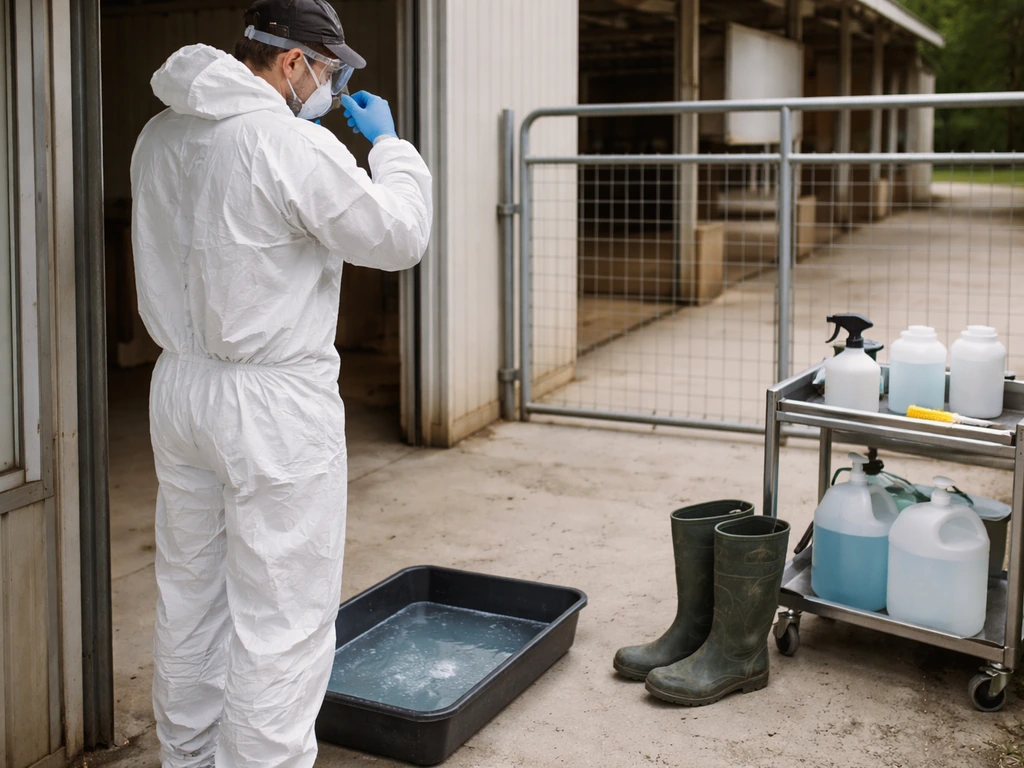
On the farm side, biosecurity is the primary defense. For poultry operations, that means controlling who and what enters your facility, limiting contact between domestic birds and wild waterfowl, using footwear disinfection stations, and monitoring your flock daily for respiratory signs or drops in egg production. Any flock showing sudden illness or unusual mortality should be reported and tested immediately. WOAH notes that outbreak control in poultry typically involves culling infected and directly exposed animals to contain spread rapidly. For swine operations, similar principles apply: limit outside animal contact, quarantine new arrivals, and report unexpected respiratory illness in your herd to your veterinarian.
- Wear full PPE (gloves, respirator, eye protection, coveralls) when handling sick or dead birds or pigs
- Restrict access to animal housing areas and use dedicated farm clothing and footwear
- Report unexpected illness or mortality in flocks or herds to your state veterinarian promptly
- Prevent contact between domestic poultry and wild waterfowl (fence, netting, covered runs)
- Quarantine newly acquired animals before introducing them to your main herd or flock
- Disinfect equipment and vehicles that move between farms
Food safety during an outbreak: what's actually safe to eat
This is one of the most common sources of confusion and unnecessary anxiety. The CDC is clear: in the United States, there is no evidence that anyone has gotten infected with avian influenza A viruses after eating properly handled and cooked poultry products. Cooking kills the virus. Poultry cooked to an internal temperature of 165°F (74°C) is safe. Eggs cooked until both the yolk and white are firm are safe. This applies during bird flu outbreaks just as it does at any other time. You don't need to stop eating chicken or eggs when H5N1 is detected in a flock somewhere.
Where you do need to be more careful is with raw or undercooked poultry products, and especially with unpasteurized raw milk. The CDC has documented that avian influenza A virus can be present in raw milk from infected dairy cattle, and touching your eyes, nose, or mouth after handling contaminated raw milk is a real transmission route. Pasteurized dairy products are safe. The practical rule: cook everything thoroughly, avoid raw milk during active outbreaks, and practice standard food hygiene (separate cutting boards for raw poultry, wash hands after handling raw meat). These practices protect against bird flu and a long list of other foodborne illnesses.
| Food Item | Safe During Bird Flu Outbreak? | Key Guidance |
|---|---|---|
| Cooked poultry (chicken, turkey, duck) | Yes | Cook to internal temp of 165°F (74°C) |
| Cooked eggs | Yes | Cook until yolk and white are fully set |
| Raw or undercooked poultry | Use caution | Avoid; handle with standard raw-meat hygiene |
| Pasteurized dairy (milk, cheese) | Yes | No known risk from pasteurized products |
| Unpasteurized raw milk | Avoid during outbreaks | Live virus can be present; CDC-confirmed risk route |
| Commercial processed poultry products | Yes | Fully cooked products carry no documented risk |
Treatment, vaccines, and when to call a doctor
Antivirals: the main treatment tool
The CDC recommends oseltamivir (brand name Tamiflu) as the primary antiviral for treating bird flu because it has the most supporting human data of any available flu antiviral. The key is timing: the WHO advises that patients with progressive, complicated, or severe illness should receive antivirals as soon as possible, and global data confirms that early treatment with oseltamivir is associated with better survival compared to delayed treatment. If you've had a known exposure to infected birds or other animals and develop fever and respiratory symptoms, don't wait to see if it gets better on its own. Contact a healthcare provider immediately and mention the exposure.
For people with significant unprotected exposure to infected animals, the CDC's interim guidance includes antiviral post-exposure prophylaxis, meaning preventive oseltamivir even before symptoms appear. This is a real option that your local or state health department can help coordinate after a documented exposure event. The same antiviral framework applies for swine-origin variant viruses: oseltamivir and related neuraminidase inhibitors are effective against both avian and swine influenza strains.
Vaccines: available but limited
H5N1 vaccines for humans have been developed for pandemic preparedness purposes but are not widely available to the general public. According to WHO Europe, when vaccine campaigns are used, they target specific high-risk groups: poultry farmers, veterinarians, laboratory scientists, and fur-farm workers. The 2009 H1N1 pandemic response demonstrated that a pandemic-specific monovalent vaccine (a single-strain vaccine designed for that outbreak) can be developed and deployed, but it takes time. Seasonal flu vaccines do not protect against novel avian or swine influenza strains, though they remain valuable for reducing overall flu burden and the risk of co-infection.
Common myths worth clearing up
One persistent myth is that bird flu is automatically 'more dangerous' than swine flu, full stop. That myth is often confused with how bird flu compares to other emerging threats like norovirus versus bird flu, which have very different ways of spreading. It's more complicated than that.
Severe H5N1 bird flu has historically had a high case fatality rate in humans, but the total number of human cases has been very small because transmission from birds to people is genuinely rare. The 2009 swine flu pandemic infected tens of millions of people but had a lower case fatality rate than initially feared. Risk is a combination of how often you're exposed and how bad the outcome is if you are.
For most people, the 2009 H1N1 pandemic was the bigger real-world risk event. For someone working in a poultry barn during an H5N1 outbreak, that calculus flips.
Another common misconception is that you can get bird flu from eating chicken at a restaurant or that you should stop buying eggs during an outbreak. As the CDC evidence shows, properly cooked poultry products have no documented transmission risk in the U. S. A third myth is that the names 'bird flu' and 'swine flu' are interchangeable or refer to the same disease.
They are distinct viruses from different animal reservoirs with different transmission dynamics, as the naming conventions from the CDC and WOAH make clear. The confusion is understandable, but the practical implications are quite different. If you are wondering about the difference between bird flu and swine flu joke, the key is how each one is transmitted and who is most exposed.
When to actually seek medical care
The CDC's guidance is clear: if you've had close contact with infected or potentially infected birds, dairy cattle, pigs, or other animals, and you develop fever or respiratory symptoms, you should be evaluated by a healthcare provider and treated with oseltamivir as soon as possible. Don't downplay the exposure history when you call or go in; lead with it. The exposure context is what triggers the right testing and treatment pathway. For farm workers or others with repeated animal contact during an active outbreak, connecting with your state health department proactively, before you're sick, is a smart step that can accelerate care if symptoms develop.
FAQ
Do seasonal flu vaccines protect against bird flu or swine flu?
Seasonal flu shots do not prevent novel bird flu or swine-origin variant infections. They can still lower your overall flu risk and reduce the chance of getting sick with a different influenza strain at the same time, which matters because co-infection can complicate illness and testing.
If I’m around poultry or pigs and I get symptoms, when should I seek treatment?
If you get sick after a high-risk animal exposure, the deciding factor is your timing and exposure history, not whether the symptoms feel “mild.” Antiviral treatment is most helpful when started early, so contact a clinician as soon as you develop fever and respiratory symptoms, and tell them exactly what animals, tasks, and dates were involved.
Should I take antivirals after an exposure if I feel fine?
Guidance is different for confirmed symptoms versus routine monitoring. If you have no symptoms, do not self-start antivirals; instead, ask your local or state health department whether there is a post-exposure prophylaxis program for your specific exposure type and risk level.
How much risk do I have if I live near an outbreak but do not work with animals?
You usually need close, unprotected contact with infected animals or contaminated material for bird flu. If you are in a place with outbreaks but are not handling animals, your risk is typically low and you should focus on hygiene and avoiding face-touching, rather than assuming you must be tested immediately.
When after exposure would symptoms from bird flu or swine-origin flu be expected?
Yes, the incubation window is a useful planning tool, but testing decisions should be based on exposure date plus symptoms. In general, symptoms appearing within a few days after a documented high-risk exposure should prompt urgent evaluation, even if you feel “mostly okay” at first.
If I get pink eye after handling birds, could it be bird flu?
For bird flu from H5-type viruses, eye symptoms like conjunctivitis can occur, so consider exposure-related evaluation even if your main complaint is an eye issue plus recent animal contact. Clinicians may use exposure context to guide swabbing and treatment urgency.
Do I need a test after any possible bird flu or swine flu exposure?
There is no general recommendation to test everyone after a single low-contact event. If you had close, prolonged, unprotected contact (or significant exposure to sick or dead animals), testing and possibly antivirals become more likely. For minor exposure without symptoms, follow local public health instructions.
What’s the biggest practical mistake workers make that increases risk?
If you work with animals, “standard food and hand hygiene” is not the same as “food handling prevention.” The key extra step is PPE during animal work and careful hygiene afterward, especially before eating or touching your face. Separate work clothes or thorough laundering can reduce risk of bringing contamination home.
If cooked chicken is safe, what food-related precautions matter most during bird flu outbreaks?
Cooked poultry and properly handled eggs are considered safe in the U.S., but raw or undercooked poultry and unpasteurized dairy can be different. The higher-value safety change during an outbreak is to avoid raw milk and be strict about keeping raw poultry juices away from ready-to-eat foods.
Is every swine flu infection in humans the same as the 2009 H1N1 pandemic?
Do not confuse “variant” swine influenza with the 2009 pandemic strain. Most swine-origin infections in humans are rare one-off spillovers, but if you get sick after specific animal contact during an outbreak, clinicians still may consider swine-origin testing and antivirals based on exposure and timing.
What signs would mean bird flu risk is becoming more like a human pandemic risk?
The key is to track whether there is evidence of sustained human-to-human transmission, not just the number of human cases. A virus can cause sporadic cases without spreading efficiently between people, and that difference is what drives public health alert levels and broader interventions.
Should poultry or pig workers contact public health before they get sick?
For high-risk workers, it can help to proactively register with occupational health or your state health department during ongoing outbreaks, so you know how exposures are documented and how post-exposure options work. Waiting until you feel sick can delay antivirals if symptoms start.
Next Article
Is Bird Flu in Europe Now? Risk, Symptoms, Safety Steps
Find out if bird flu is in Europe now, current risk, symptoms, food safety, and exact steps for handling exposure safely