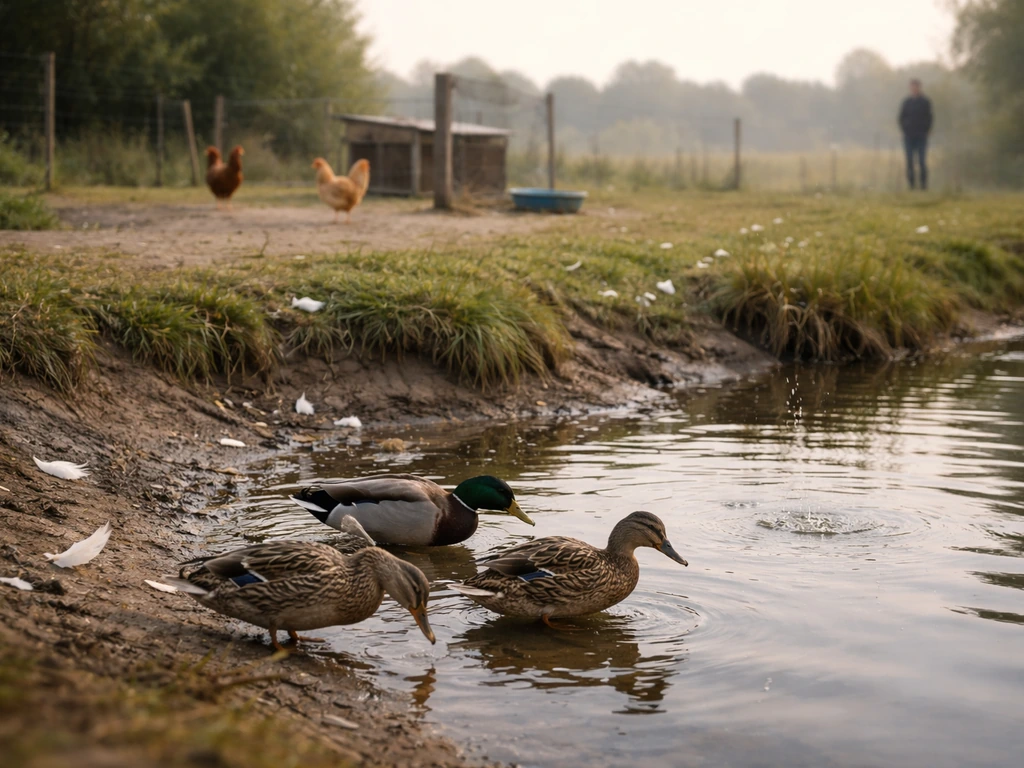
Bird flu spreads the same way it always has: through direct contact with infected birds, contaminated environments, and the movement of people, animals, and equipment between flocks and farms. Understanding exactly how avian influenza moves helps you cut through the noise, assess your real risk, and take steps that actually matter.
How Did Bird Flu Spread How Transmission Works and Why

Sarah Chen
11 Apr 2026
The basics of avian influenza transmission
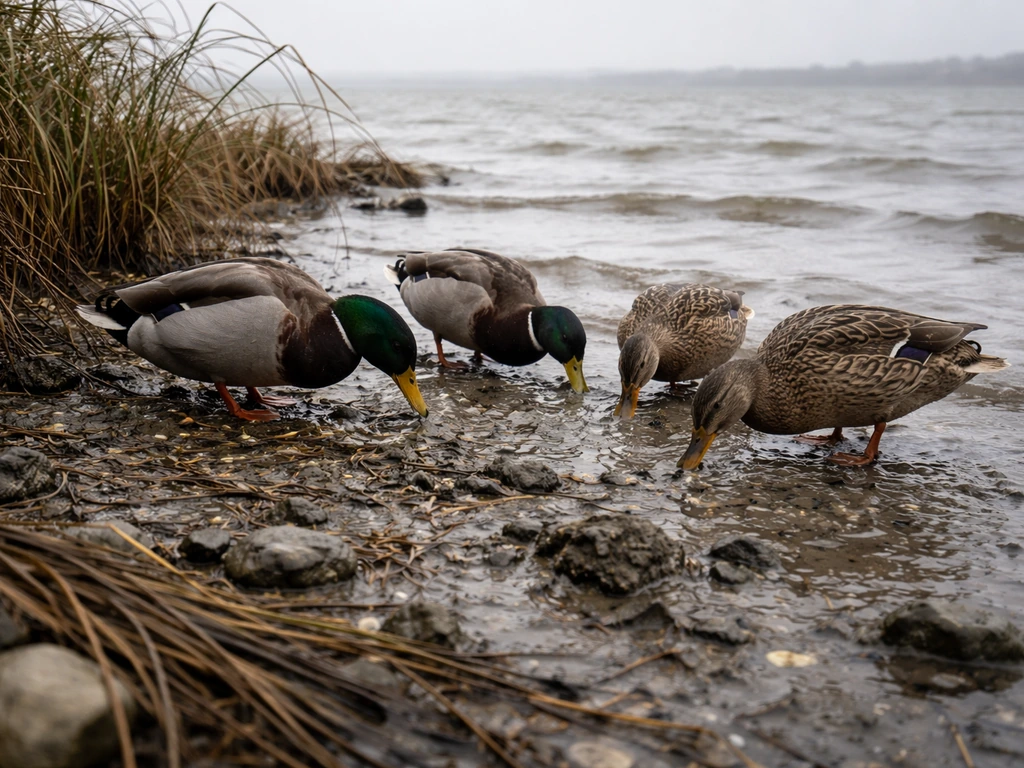
Avian influenza (bird flu) is caused by influenza A viruses that circulate naturally in wild birds, particularly waterfowl. These viruses are shed in respiratory secretions, feces, saliva, and blood. When those materials come into contact with a susceptible bird, animal, or person, the virus has its opportunity to infect. That's the core of every transmission route, whether you're talking about a flock of chickens, a dairy herd, or a farmworker.
The strains that matter most are labeled HPAI (highly pathogenic avian influenza) or LPAI (low pathogenic avian influenza). HPAI strains, especially H5N1 and H5N2, cause severe disease and death in poultry and have driven the major outbreaks of the past two decades. LPAI strains tend to cause milder symptoms in birds and rarely affect people. Most of the public concern and most of the research around transmission routes focuses on HPAI strains, so that's what this article mostly addresses.
If you want to understand the broader picture of where bird flu originally comes from in ecological terms, that context is worth having before diving into how it moves from place to place.
How bird flu spreads between birds
The most direct route is bird-to-bird contact. An infected bird sheds virus in its feces, nasal secretions, and saliva. A healthy bird that comes into contact with those materials, either by sharing water and feed sources, being housed in the same space, or simply walking through contaminated litter, can become infected. USDA APHIS notes that HPAI can spread through direct contact with infected birds as well as through contaminated surfaces and materials such as manure and farming equipment contaminated litter. According to USDA APHIS, direct bird-to-bird contact is a primary driver of spread, and domesticated birds are especially vulnerable because they're kept in close quarters.
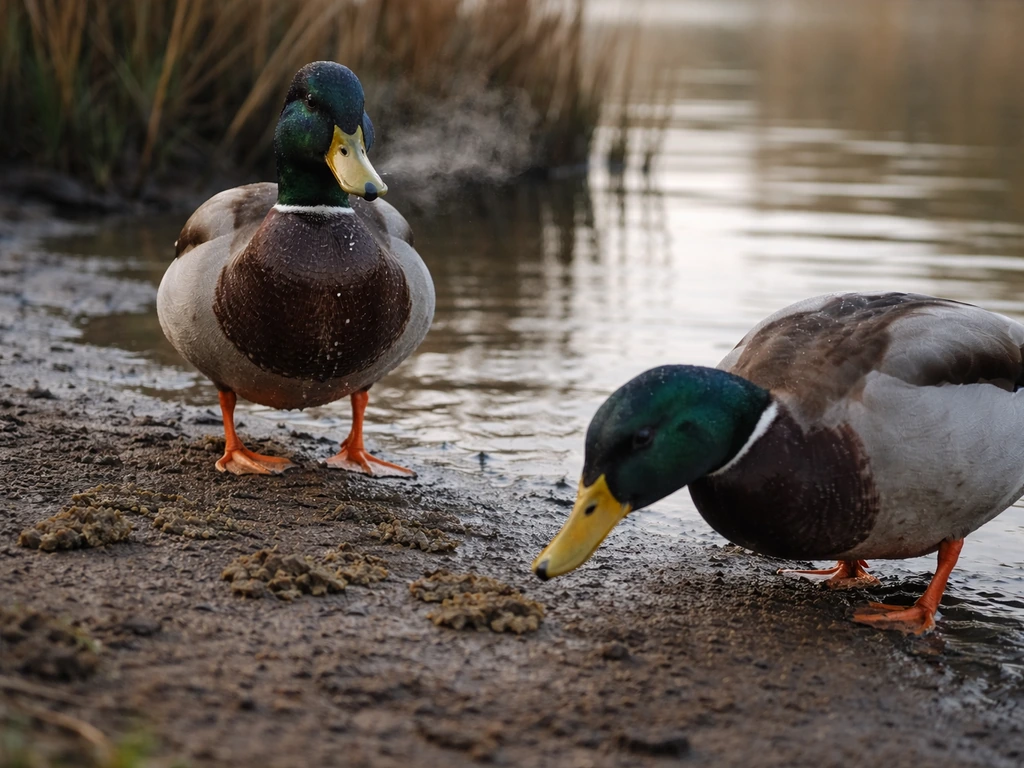
Wild waterfowl, particularly ducks and geese, are the natural reservoir for avian influenza viruses. They often carry these viruses without showing signs of illness, which makes them effective silent spreaders. When migratory waterfowl land near commercial or backyard flocks, they can leave behind contaminated droppings that infect domestic birds. This is one reason outbreaks spike during migration seasons and why outdoor flocks face higher baseline risk.
Once a virus gets into a flock, it moves fast. Shared water drinkers, feeders, and bedding become contaminated quickly. A single infected bird can expose every other bird in that housing unit within hours. This is the reason early detection and isolation matter so much in commercial poultry operations.
How bird flu spreads between animals, including mammals
Bird flu has historically been a disease of birds, but the H5N1 strain that began spreading through U.S. dairy cattle in 2024 made clear that mammals are not immune. The same exposure routes that infect birds can infect mammals: direct contact with infected animals, consumption of contaminated materials, and exposure to infectious secretions.
Cats on farms where H5N1-infected dairy cattle were present developed serious illness and died after consuming unpasteurized (raw) milk from infected cows and/or raw poultry products. This was a significant finding because it confirmed that domestic animals sharing an environment with infected livestock face real risk, especially if they're eating raw animal products. The FDA has since required pet food manufacturers using uncooked or unpasteurized materials from poultry or cattle to specifically account for H5N1 as a known hazard in their food safety plans.
Beyond cats, a range of wild and domestic mammals including foxes, skunks, bears, and marine mammals have tested positive for H5N1 in recent years, almost always traced back to consuming infected birds or being in environments heavily contaminated with bird feces. Transmission between mammals in the wild appears to occur, though it's less efficient than transmission between birds. The dairy cattle situation is distinct, likely involving cow-to-cow spread through contaminated milking equipment and infected udder secretions, which is a different route than the typical fecal-oral pathway.
How bird flu spreads to people
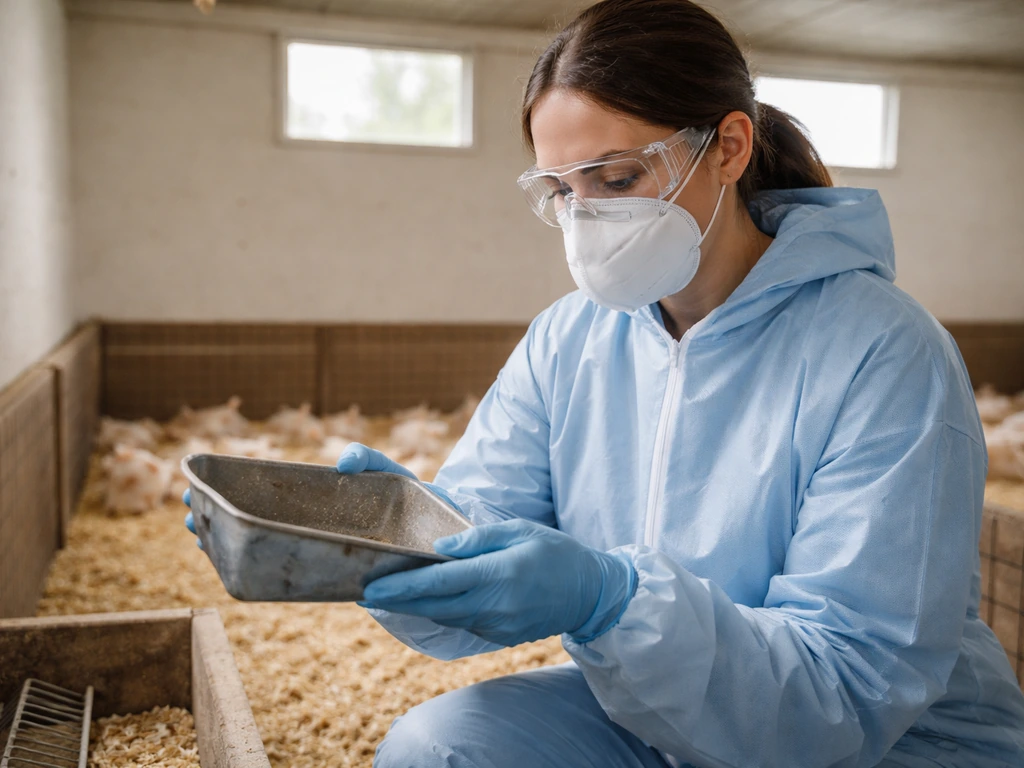
The overwhelming majority of human bird flu cases come from close, unprotected exposure to infected animals or their environments. The CDC is clear on this: people most often get infected after direct contact with infected birds or animals, including visiting live poultry markets, handling sick or dead birds, or working with infected livestock without protective equipment.
There are three main exposure routes for humans. First, direct contact with infected animals: touching live or dead infected poultry, their feces, blood, or mucus without gloves or adequate handwashing. Second, contact with contaminated surfaces: the virus can survive on surfaces, clothing, and equipment, and if you touch those surfaces and then touch your mouth, nose, or eyes, you can infect yourself. OSHA notes that avian influenza can infect unprotected people who work with infected animals or contaminated materials, including by inhaling infectious dusts or droplets and through contact with contaminated surfaces or equipment. Third, inhalation of infectious droplets or particles in enclosed environments with infected birds, particularly in poorly ventilated spaces like poultry barns or live markets.
Farmworkers, veterinarians, poultry processing workers, and people visiting live bird markets carry the highest occupational risk. Recreational hunters who handle wild waterfowl without precautions are also in a higher-risk group. Most people who contract bird flu have a clear, identifiable exposure event, which is reassuring for the general public but a serious concern for anyone regularly working with animals.
The critical reassurance here is that human-to-human transmission of bird flu remains extremely limited. There is no evidence of sustained human-to-human spread of H5N1 in the United States, and globally, only a small number of clusters have suggested any limited person-to-person transmission, always following very close, unprotected contact with a severely ill person. These events have not led to ongoing chains of transmission. That picture could theoretically change if the virus mutates significantly, but as of today, the risk to people not in contact with infected animals is very low.
The question of whether bird flu came from China and how its geographic origins connect to the strains now circulating in the U.S. is a separate but related question that helps explain why certain strains have become more widespread than others.
Why outbreaks spread quickly once they start
Several biological and practical factors make bird flu outbreaks hard to contain once they begin. Understanding these drivers is the first step to countering them.
The virus survives in the environment longer than most people expect
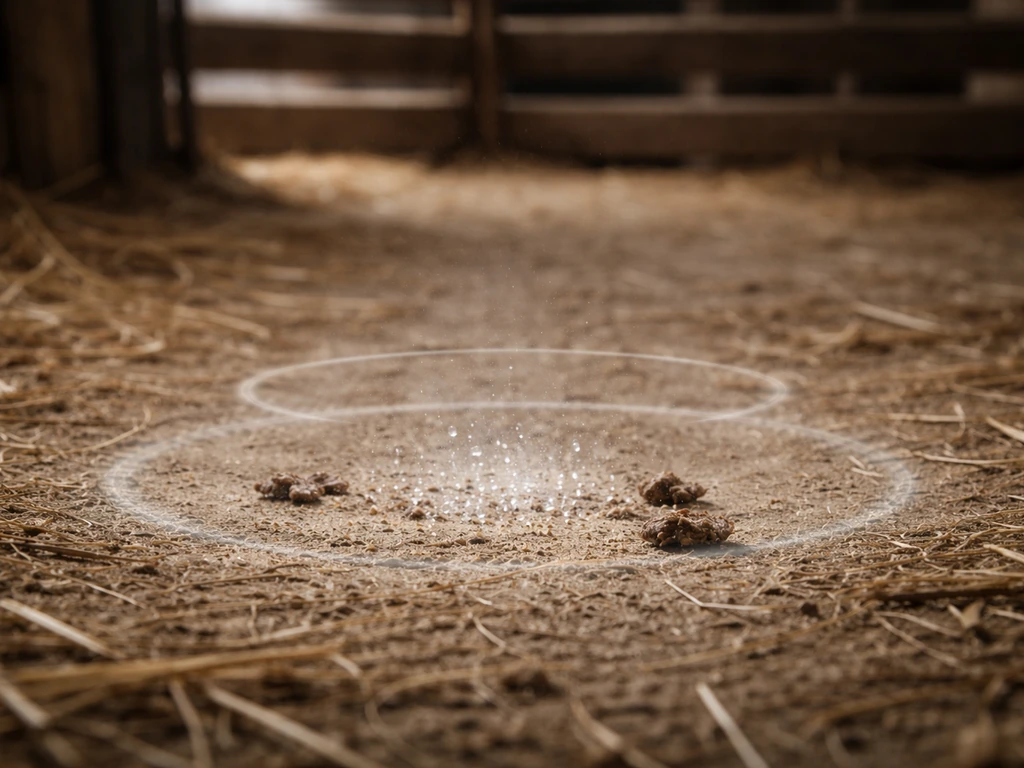
Avian influenza viruses are hardier than common cold viruses. At around 20°C (roughly room temperature), the virus can survive in respiratory droplets and feces for up to 11 days, and in feathers for up to 160 days. At colder temperatures, survival extends dramatically: in water at 4°C, the virus can survive for around 40 days in seawater and potentially close to a year in ice. Research has detected HPAI H5N1 viral RNA in poultry feces, soil, water plants, feathers from recently dead birds, and mud collected from outbreak environments. In mud specifically, studies have found the virus persists longer than in open water, often 10 to 14 days under experimental conditions.
What this means practically: a barn that housed infected birds does not become safe the moment the birds are removed. Contaminated mud, litter, water systems, and surfaces remain infectious for days to weeks. Colder seasons, as WOAH has noted, can extend that window further, which correlates with the higher incidence of outbreaks in late fall and winter.
Wild bird migration is hard to control
The FAO identifies long-distance spread as primarily driven by wild bird migration. Migratory waterfowl travel flyways that cross multiple countries and continents, depositing virus-laden droppings along the way. This is why H5N1 has appeared simultaneously in geographically distant locations and why controlling the virus at national borders is nearly impossible. Commercial poultry trade then becomes the most important factor for local spread once a virus arrives in a region.
Farming and handling practices create multiple exposure windows
Vehicles, equipment, and people moving between farms create the same kind of transmission chain as infected birds themselves. USDA APHIS case reviews have identified shared vehicles and equipment in the days before clinical signs appeared as a key factor in lateral spread between farms. In one analyzed case series, farms sharing equipment and vehicles daily had linked infections across an 11-day window. The challenge is that much farm equipment is difficult to fully disinfect, and sharing is common across the industry. The USDA dairy farm data echoes this: normal operations involving the movement of people, vehicles, and equipment on and off premises were identified as likely contributors to herd-to-herd spread.
Live bird markets are high-risk mixing points
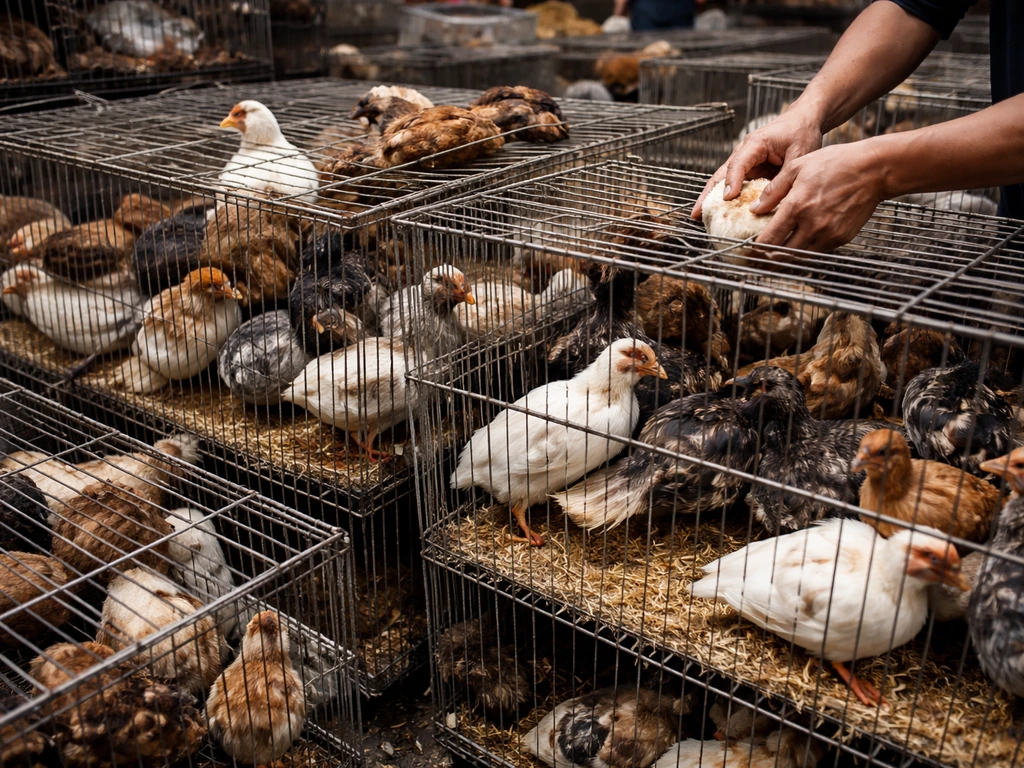
Live bird markets bring together birds from multiple farms, regions, and sometimes countries. Birds of different species, ages, and health statuses share cages, surfaces, and airspace. This mixing environment accelerates transmission between birds and increases human exposure risk for market workers and visitors. The FAO and WHO consistently flag live bird markets as among the most significant risk environments for both avian and human infections.
How bird flu moves to new locations and other flocks
Geographic spread follows a predictable set of routes. Wild bird migration lays the groundwork at a continental scale. After that, local and regional spread is driven by the movement of live poultry, contaminated equipment, vehicles, and people between farms, markets, and processing facilities. To understand this in greater detail, the specific mechanics of how bird flu spreads from farm to farm cover the biosecurity failures and transport pathways that connect outbreaks across a region.
The Merck Veterinary Manual identifies biosecurity breaches as the primary mechanism of farm-to-farm spread, specifically the movement of infected poultry and fomites (contaminated objects like equipment, crates, and clothing carrying infectious feces or respiratory secretions). A worker who walks through infected litter and then enters a clean barn without changing boots or coveralls is effectively hand-delivering the virus. This is not hypothetical; it's documented repeatedly in outbreak investigations.
Contaminated water sources are another underappreciated route. Shared waterways, drainage runoff from infected premises, and water used in poultry housing can carry viable virus. Environmental monitoring during HPAI outbreaks has detected virus in mud, pond sediment, and water plants near affected farms, illustrating how the surrounding environment becomes an extension of the infected flock.
Comparing the main transmission routes
| Transmission Route | Who/What Is Affected | Key Risk Factor | How to Reduce Risk |
|---|---|---|---|
| Direct bird-to-bird contact | Domestic and wild birds | Shared housing, water, and feed | Separate flocks; prevent contact with wild birds |
| Contaminated environment (feces, mud, water) | Birds, mammals, and people | Virus survives days to weeks outside a host | Clean and disinfect housing; avoid bare-hand contact with litter |
| Fomites (equipment, vehicles, clothing) | Poultry farms and dairy herds | Shared tools, boots, and vehicles between premises | Dedicated equipment per farm; disinfect before entry/exit |
| Live bird markets and poultry trade | Birds and people at markets | Mixing of birds from many sources | Reduce market exposure; source birds from traceable suppliers |
| Raw/unpasteurized animal products | Cats, mammals, and potentially people | Consumption of infected milk or poultry products | Avoid raw milk; use pasteurized products only |
| Infected animal contact (occupational) | Farmworkers, veterinarians, processors | Unprotected handling of infected animals or materials | Use PPE; follow handwashing and decontamination protocols |
| Wild bird migration | Backyard and commercial flocks | Seasonal; hard to prevent entirely | Covered housing; reduce access to outdoor ponds and shared water |
What you should actually do to reduce risk
If you're a concerned member of the public
Your risk from bird flu in daily life is genuinely low if you're not working with poultry or livestock. A few practical steps will cover the realistic exposure scenarios most people might face.
- Don't handle sick or dead wild birds with bare hands. Use gloves or a bag, and wash your hands thoroughly afterward.
- Avoid unpasteurized (raw) milk and raw poultry products. Pasteurization and cooking to proper temperatures inactivate avian influenza viruses.
- If you visit a live bird market or poultry farm, avoid touching birds directly and wash your hands before touching your face.
- If you develop fever, cough, or respiratory symptoms within 10 days of contact with birds or livestock, tell your doctor about the exposure explicitly. Prompt testing matters.
- Monitor yourself for symptoms after any unusual exposure to sick animals and contact your local health department if you're unsure whether you need evaluation.
If you work with poultry or livestock
Occupational exposure is where the real risk concentration sits. The CDC's farm worker guidance and ECDC protective measures guidance both emphasize a consistent set of practices that make a meaningful difference.
- Wear appropriate PPE when working with potentially infected animals: gloves, eye protection, N95 respirator or better, and coveralls or a dedicated work uniform.
- Change and decontaminate before leaving a potentially exposed area. Don't carry contaminated clothing into your home or vehicle.
- If you get a splash of potentially contaminated material on your face or in your eyes, follow CDC guidance for prompt washing and report the exposure to your supervisor and healthcare provider.
- Self-monitor for flu-like symptoms for 10 days after a known or suspected exposure, and seek prompt medical evaluation if symptoms develop.
- Contacts of any confirmed case should be monitored and tested per public health authority guidance to rule out further spread.
If you keep backyard or commercial poultry
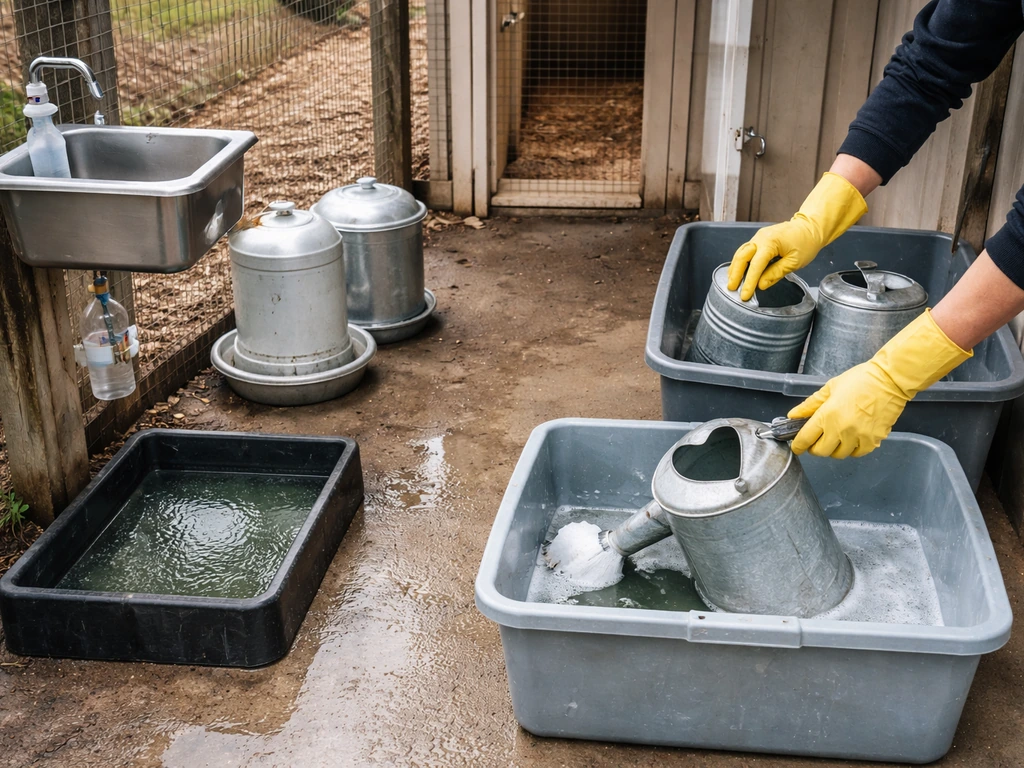
Biosecurity is not a bureaucratic formality: it's the practical barrier between your flock and a devastating outbreak. USDA APHIS recommendations translate into specific daily habits.
- Clean and disinfect equipment and housing daily during elevated risk periods, and never borrow tools or equipment from other farms without disinfecting them first.
- Keep dedicated boots and coveralls for your flock area and change them before entering or leaving.
- Quarantine any new or returning birds for at least 30 days before integrating them with your existing flock.
- Minimize visitor and vehicle traffic to your flock area. Every person and vehicle is a potential fomite vector.
- Reduce your birds' exposure to wild waterfowl by using covered housing and eliminating shared water sources where wild birds can land.
- Report any unexplained illness or sudden death in your flock to your state veterinarian or USDA APHIS immediately. Early reporting saves neighboring flocks.
- Clean and disinfect markets and areas where birds from different backgrounds mix, as FAO emphasizes this is critical for breaking the environmental spread cycle.
The bottom line is this: bird flu spreads through identifiable, preventable routes. Wild bird migration is outside anyone's control, but the pathways from wild birds to domestic flocks, from farm to farm, and from animals to people all run through human behavior and human choices about contact, hygiene, and biosecurity. Every protective measure you take narrows those pathways, and the collective effect of many people taking these steps seriously is what slows and contains outbreaks.
FAQ
How did bird flu spread to people who do not raise poultry?
If you do not work around poultry or livestock, the main realistic exposure risk is indirect contact, for example, touching raw or contaminated poultry products and then touching your face. The bigger concern for most people is occupational exposure, live market visits, or handling sick or dead birds without gloves and proper handwashing.
Does bird flu spread through casual contact in public places?
For humans, the highest-risk situations are usually close, unprotected contact with sick or dead birds, live markets, or working with infected livestock without appropriate personal protective equipment. Simply being in the same general area is less important than whether you had direct contact with infectious secretions, feces, or contaminated clothing and surfaces.
If infected birds are removed, when is an area actually safe?
Virus persistence matters, so a barn or pen can remain a transmission source even after animals are removed. Practical takeaway, follow guidance on downtime, proper clean-out, and disinfection, and treat shared items like boots, scrapers, hoses, and bedding as potentially contaminated until cleaned and handled under biosecurity procedures.
Does cold weather mean bird flu stays infectious longer indoors and outdoors?
Cold conditions and contaminated materials can extend the infectious period, but safety is not guaranteed by time alone. A decision aid is to assume anything that contacted litter, feathers, feces, or standing water could still carry virus, then rely on documented cleaning and disinfection plus an adequate rest period rather than guessing based on a calendar date.
What are the most common non-obvious ways bird flu spreads on a farm?
A common mistake is focusing only on live birds and ignoring fomites, for example, feed scoops, crates, boots, ladders, gloves, and vehicles. If these items move between barns or farms without decontamination and boot or coverall changes, they can create a chain of spread even when no birds are visibly ill yet.
How can bird flu spread before anyone notices sick birds?
In outbreak investigations, timing is crucial because a farm can be exposed before clinical signs are obvious. If you moved equipment, people, or animals to and from another premise in the days before illness, those contacts can explain linked cases even if the source flock looked healthy at the time.
Why are live bird markets especially risky for how bird flu spreads?
For live bird markets, risk increases because birds from many sources share airspace, cages, and surfaces, and workers may touch faces or fail to fully change protective clothing. A practical mitigation step is to use gloves when handling cages or birds, avoid touching your face, and wash hands thoroughly after leaving the market.
How did bird flu spread to dairy cattle and other mammals?
Transmission from birds to mammals is usually tied to eating infected birds or raw animal products, or heavy environmental contamination, rather than efficient routine spread between household animals. If animals are fed raw poultry or unpasteurized milk on premises with suspected HPAI, risk rises substantially, and safe feeding and strong sanitation become the key controls.
Does detection in pets or wildlife mean human spread is more likely?
Pets and wildlife can test positive, but that does not automatically mean sustained spread among mammals is common. The decision point is exposure, if they ingest infected birds or have close contact with contaminated bedding and feces, they can get sick, whereas broader, easy mammal-to-mammal transmission is less efficient based on what has been observed.
Could how bird flu spreads change due to mutations, and would that raise human risk?
If a virus changes, the balance between animal spread and human transmissibility could change too. The current risk remains centered on direct animal or contaminated-environment exposure, but if there is evidence of more efficient human-to-human spread (for example, sustained clusters), that would change guidance quickly.
Next Article
Where Does Bird Flu Come From? Origins and How It Spreads
Explains where bird flu comes from: wild bird reservoirs, how strains emerge, spread to poultry and humans, and real exp