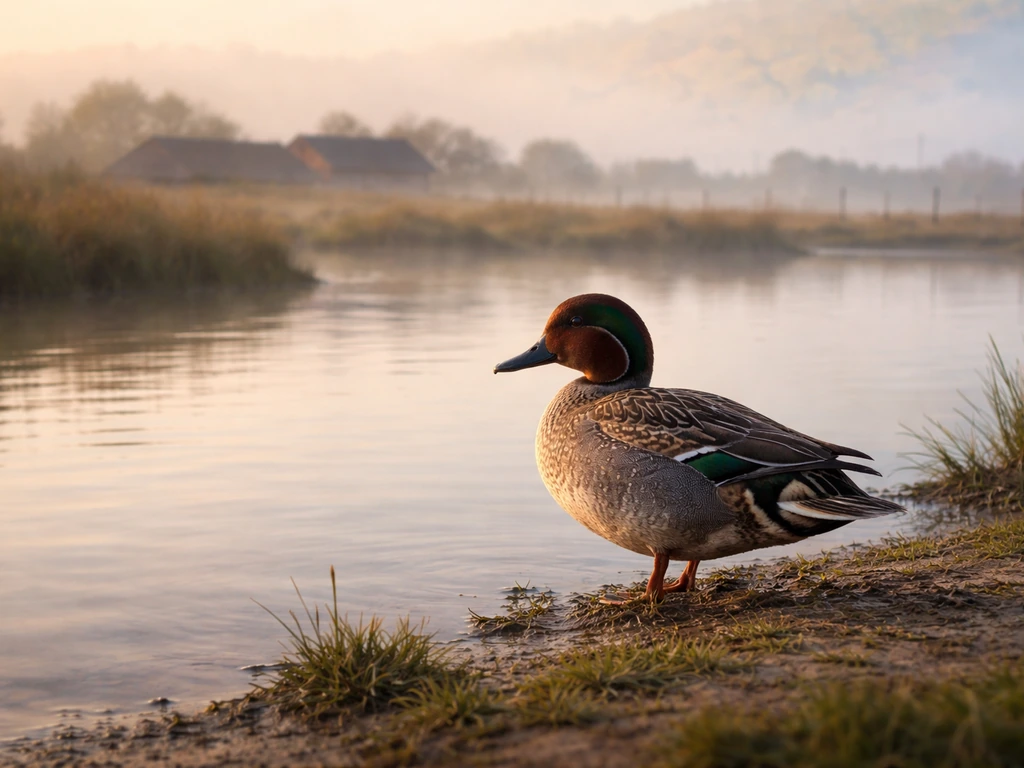
Bird flu comes from wild birds, specifically aquatic and migratory species that have carried influenza A viruses in their guts for millions of years without getting seriously sick. From that reservoir, the virus spills over into domestic poultry, and from poultry it occasionally infects people who are in close, direct contact with infected animals or their environments. There is no single birthplace or one-time origin event. Different strains have emerged in different places, and the virus keeps evolving, reassorting, and traveling wherever migratory birds fly. That's the core answer, but the details matter a lot if you're trying to assess your own risk or protect a flock.
Where Does Bird Flu Come From? Origins and How It Spreads

Sarah Chen
10 Apr 2026
What bird flu actually is, and why origin questions matter
"Bird flu" is the common name for avian influenza, which is caused by influenza A viruses. These viruses are classified by two surface proteins: hemagglutinin (HA) and neuraminidase (NA). Different combinations of these proteins create different subtypes, like H5N1, H7N9, or H9N2. Each subtype behaves differently: some spread easily among birds but rarely infect people, others are more dangerous when they do cross into humans, and some fall somewhere in between. Knowing which subtype is circulating tells public health officials a lot about what to expect.
Origin questions matter for a practical reason: knowing where a strain came from helps track how it moves, which farms or regions are at risk, what wild bird species are involved, and whether the virus is gaining new capabilities through genetic reassortment (when two strains infect the same host and swap gene segments, creating a hybrid). H5N1 alone has split into multiple genetic lineages, called clades, since it was first identified. That's why you'll hear experts say there's no single "origin" for bird flu the way you might think of a specific lab accident or patient zero.
Wild birds: the original and ongoing source
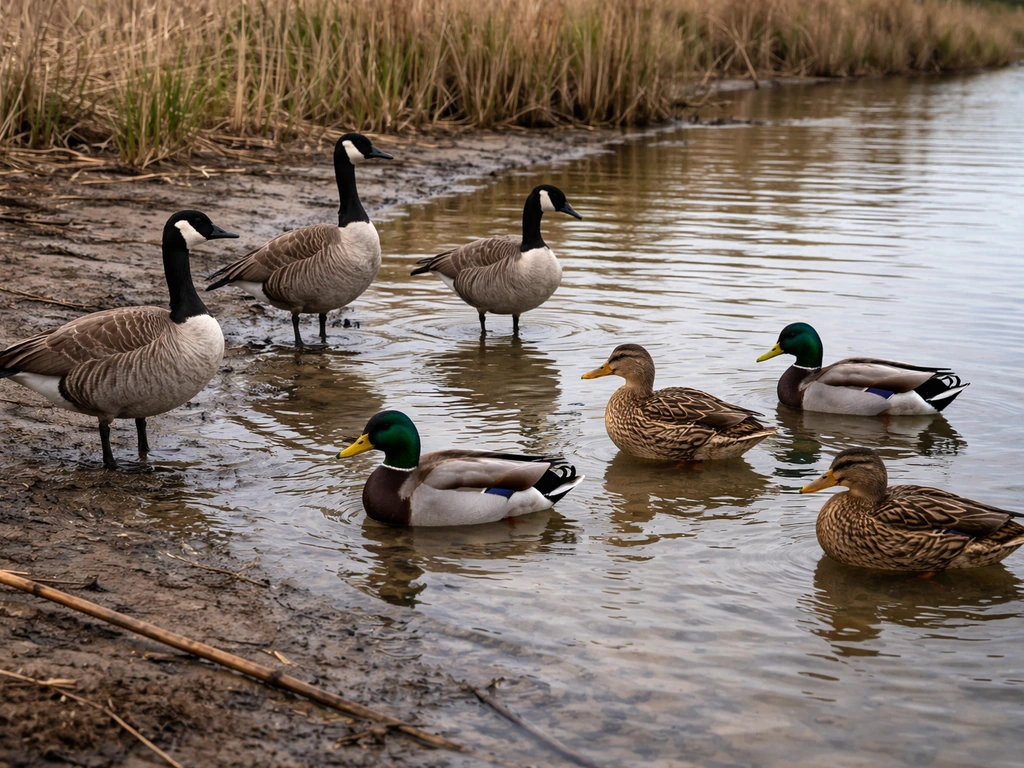
Waterfowl, especially ducks, geese, swans, and shorebirds like gulls, are the natural reservoir for avian influenza viruses. The term "natural reservoir" means these birds carry the virus persistently and shed it into the environment, but usually don't get seriously ill themselves. Research from year-round surveillance of mallards (Anas platyrhynchos) has shown that influenza A viruses can persist genetically across seasons, including during spring, which historically was under-sampled. That persistence is important: the virus doesn't disappear between outbreaks. It circulates quietly in wild populations and re-emerges when conditions are right.
A four-year surveillance study in China's Yangtze River wetlands (2013–2017) identified both Anseriformes (waterfowl) and Charadriiformes (shorebirds and gulls) as key reservoir groups, and found evidence of inter-seasonal persistence and genetic reassortment within those wild populations. Migratory flyways connect these reservoirs across continents. When infected wild birds land near poultry farms, share water sources with domestic flocks, or pass through live bird markets, they create opportunities for the virus to jump into domesticated species. Since 2021, the global panzootic (an outbreak affecting animals across multiple continents) has spread across an unprecedented range of bird species worldwide, which is a direct reflection of how extensively the virus now circulates in wild bird populations.
How bird flu spreads from birds to other animals and into people
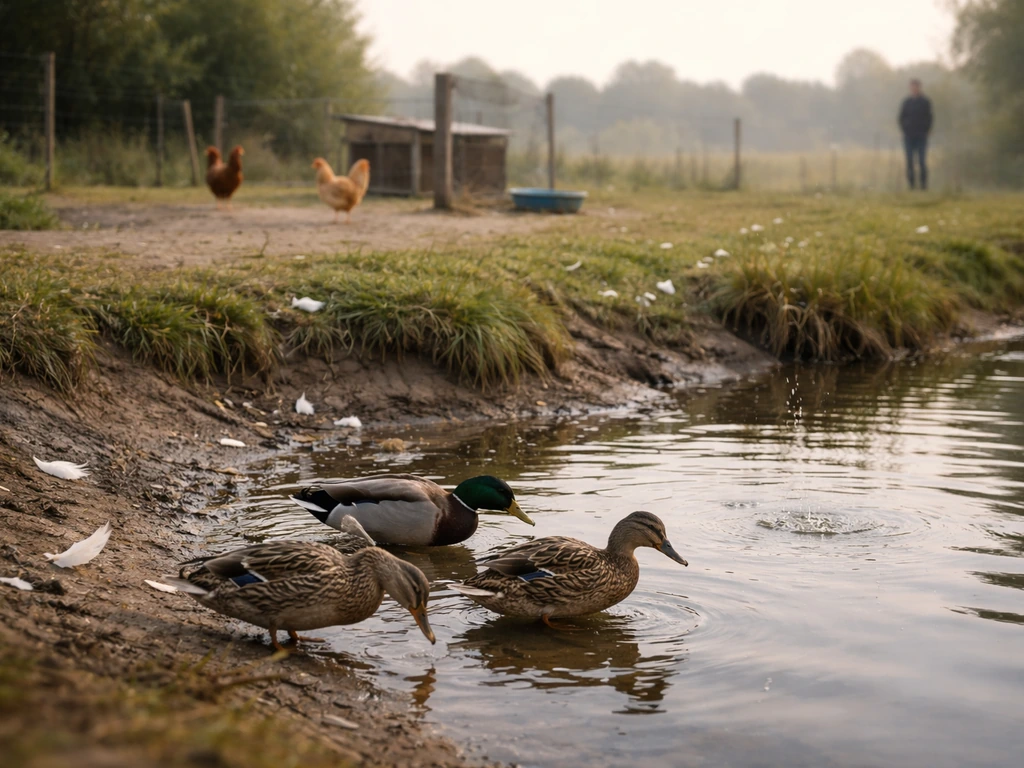
The pathway from wild bird to human isn't a straight line. It usually goes: wild bird sheds virus into the environment, virus reaches domestic poultry through direct contact or contaminated water/surfaces, poultry flock becomes infected (sometimes with high mortality in the case of highly pathogenic strains), and then a person who works with or around that infected flock is exposed. How bird flu spread from its wild reservoir into global poultry operations is a story driven as much by farming infrastructure and human behavior as by virology.
The virus spreads between birds primarily through respiratory secretions and feces. Infected birds shed enormous quantities of virus in their droppings, which can contaminate feed, water, equipment, and soil. People and vehicles that move between farms can mechanically carry contaminated material. blank" rel="noopener noreferrer">Live bird markets are a particularly efficient mixing environment: birds from multiple farms and species are crowded together, creating conditions where the virus not only spreads but can also reassort into new combinations. Understanding how bird flu spreads from farm to farm is critical for biosecurity planning, because many transmission events happen through shared equipment and routine farm traffic rather than through dramatic contact with wild birds.
Geographic origins: where major strains have come from
The most high-profile strains have strong geographic anchors in their early detection history, even if they later spread globally. H5N1 was first isolated from humans in Hong Kong in 1997, making it the first recognized case of this subtype causing severe human illness. H7N9 was identified in humans for the first time in March 2013 in China, when Chinese CDC laboratory-confirmed three human infections with what was then a previously unreported avian influenza virus. H5N6 followed: the first human case was detected in Sichuan Province, China in April 2014, with a second case identified that December in Guangdong Province. H9N2 was first isolated from humans in Hong Kong in 1999.
It's worth being direct about what this geographic pattern means, and what it doesn't. A common question is whether bird flu came from China, and the honest answer is that several major strains were first detected in China or Hong Kong, largely because of the density of live bird markets, the scale of poultry production, and robust surveillance systems in the region. But "first detected" is not the same as "only source." The United States recorded 66 confirmed human H5N1 cases and one in Canada during 2024 alone, and in 2026 the WHO documented the world's first human case of influenza A(H5N5) in the United States. Avian influenza is a global, multi-origin story.
| Strain | First human detection | Location | Typical exposure route |
|---|---|---|---|
| H5N1 | 1997 | Hong Kong | Poultry contact, live markets |
| H9N2 | 1999 | Hong Kong | Poultry and live bird market contact |
| H7N9 | March 2013 | China | Live poultry markets, farms |
| H5N6 | April 2014 | Sichuan, China | Poultry contact |
| H5N5 | 2025–2026 | United States | Animal contact (novel, under study) |
How people actually get bird flu

Human infections are sporadic, meaning they happen in specific exposure situations rather than through casual community spread. The WHO is clear that people are at risk through direct contact with infected poultry (live or dead) and contaminated environments like farms or live bird markets. Most human cases reported to ECDC had documented exposure to poultry or, more recently, dairy cattle before their illness began.
The CDC categorizes working at live bird markets as high-risk, and that includes specific activities: handling poultry, cleaning pens, slaughter and evisceration, and disposing of carcasses or waste. If you're not doing any of those things, your personal risk is very low. The virus does not spread easily from person to person, and there is no evidence that anyone in the United States has been infected through properly handled and cooked poultry or eggs. Uncooked poultry products have been linked to infections in parts of Southeast Asia, which is a strong argument for basic kitchen hygiene rather than avoiding poultry entirely.
The highest-risk scenarios at a glance
- Handling sick or dead birds (wild or domestic) without protective equipment
- Working on a farm with a confirmed or suspected outbreak
- Working at or visiting a live bird market where slaughter occurs
- Cleaning or handling equipment shared between farms during an active outbreak
- Touching your face, eyes, or mouth after contact with contaminated surfaces without washing hands
Why outbreaks happen when they do
Outbreaks don't happen randomly. They follow predictable patterns driven by biology, agriculture, and environment. Wild bird migration is the biggest trigger: as infected birds move along flyways between seasons, they introduce the virus to new geographic areas and new poultry populations. Biosecurity gaps on farms then determine whether a single introduction stays contained or erupts into a full flock outbreak. Specific risk practices identified in epidemiological work include shared equipment between farms (manure spreaders, feeders, tractors) that haven't been adequately cleaned between uses.
Live bird markets accelerate things further. When birds from multiple farms and multiple species are brought together in one place, the conditions for genetic reassortment are essentially ideal. A duck carrying one strain and a chicken carrying another can co-infect the same cell, producing a hybrid virus with a different combination of surface proteins. This is one reason new subtypes keep emerging from regions with large, active live poultry trade.
Environmental conditions also play a role. Cold, wet conditions help the virus survive longer outside a host. Bodies of water shared between wild and domestic birds are a classic transmission bridge. Farm design that keeps poultry separated from wild birds, with enclosed housing and separate water supplies, significantly reduces introduction risk. EFSA's biosecurity guidance is direct on this: avoid unnecessary entry by people, vehicles, and equipment, and promptly dispose of manure, leftover feed, and dead birds to reduce the environmental load and stop attracting wild birds.
Tracking current outbreaks: how to find the latest origin details

The situation changes frequently enough that any specific case count in an article can be outdated within weeks. The best approach is to go directly to the surveillance sources that update regularly. The CDC streamlined its H5N1 human monitoring updates in July 2025 and continues to publish strain-specific situation updates. The WHO publishes Disease Outbreak News (DON) reports that document novel human cases by strain, country, and sequence data, which is how the first H5N5 human case was officially documented. PAHO launched an interactive A(H5N1) dashboard for the Americas that shows confirmed cases by country in near real-time.
- CDC H5N1 Bird Flu Surveillance page: updated regularly with U.S. human and animal case counts, broken down by state and exposure category
- WHO Disease Outbreak News (DON): covers novel and emerging strain detections globally, with sequencing and exposure context
- PAHO A(H5N1) Americas Dashboard: country-level confirmed human cases with timeline filtering
- WOAH (World Organisation for Animal Health): global animal outbreak data by country and species
- ECDC Avian Influenza Overview reports: published quarterly, covering human cases across Europe with exposure data
If you're trying to assess whether a specific region's outbreak is relevant to your travel or farm situation, the WOAH and ECDC reports are particularly useful because they break down the likely source of each flock detection, including whether wild birds or farm-to-farm spread was the probable introduction route.
What you should actually do: food safety, farm precautions, and when to call a doctor
Food handling
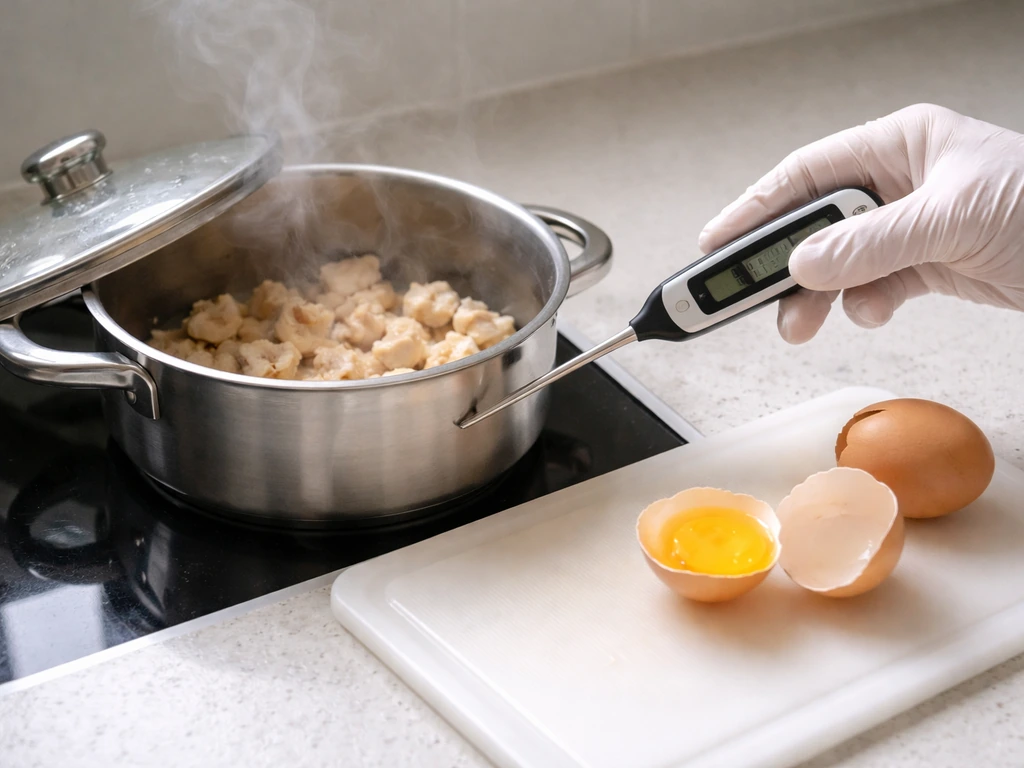
Cook poultry and eggs thoroughly. The FDA and USDA are in agreement: there is no evidence the virus can be transmitted to humans through properly prepared food. The standard food-safety temperatures that kill salmonella and other pathogens also inactivate avian influenza viruses. Don't handle raw poultry and then touch your face without washing your hands first. That's genuinely the main ask here, and it's the same advice that applies to any raw meat.
If you work with birds or livestock
- Wear appropriate PPE (gloves, eye protection, respiratory protection) when handling birds during an active or suspected outbreak
- Don't bring equipment between farms without cleaning and disinfecting it first
- Report sick or dying birds to your state veterinarian or USDA APHIS promptly, and don't wait to see if they recover
- Keep wild birds away from domestic flocks with enclosed housing and separate water sources
- Dispose of dead birds, manure, and leftover feed promptly and in a way that doesn't attract wild birds or scavengers
When to seek medical advice
If you've had high-risk exposure (contact with sick or dead birds, work in a known outbreak environment, or a breach of recommended PPE) and you develop any acute respiratory symptoms, conjunctivitis (red, irritated eyes), or fever within 10 days, contact a healthcare provider and mention the exposure immediately. Don't wait to see if it resolves on its own. The CDC recommends isolation and testing for influenza A(H5) in anyone who develops respiratory illness or conjunctivitis after high-risk exposure.
Even if you're asymptomatic after a documented high-risk exposure event, public health officials may offer you a swab test through a public health lab. ECDC advises medical follow-up for exposed individuals for 10 to 14 days after their last exposure. The WHO is consistent on this: seek care immediately if you have flu-like symptoms or eye irritation after exposure to sick or dead animals in an area with known avian influenza activity. These recommendations aren't alarmist.
They exist because early identification and antiviral treatment (when started promptly) significantly improve outcomes, and because rapid case detection is what allows public health systems to contain potential clusters before they grow.
FAQ
Can bird flu come from a backyard bird feeder or birdbath, even if I do not have poultry?
Yes. Wild aquatic and migratory birds can shed influenza A viruses into shared outdoor areas, so feeders, birdbaths, and nearby water can become contaminated. The practical difference is that human illness is still uncommon, and the highest risk is for people with direct contact with sick or dead birds or with outbreak-associated environments. Keep feeders clean, avoid sweeping droppings, and wear gloves and a mask when cleaning, then wash hands thoroughly.
If the virus comes from wild birds, why do outbreaks happen mostly in poultry farms?
Wild birds are the reservoir, but domestic birds provide dense, susceptible hosts where the virus can amplify quickly. Farming factors like shared water sources, open access for wild birds to poultry housing, and farm-to-farm equipment traffic can turn a single viral introduction into a large outbreak. Even if wild bird shedding occurs, outbreaks may not occur without these bridging and amplification conditions.
Does bird flu “spread through the air” like a regular cold or flu?
It can spread between birds through respiratory secretions, but sustained community-level spread among people is not expected. The higher concern for humans comes from close, direct contact with infected poultry or contaminated environments, especially in settings like live bird markets or during cleaning and slaughter. Ventilation and avoiding close exposure to sick birds reduce risk more than avoiding casual outdoor contact.
How do live bird markets change the risk compared with keeping birds on a single farm?
Live bird markets mix many species and sources in crowded conditions, which increases both transmission and the chance of genetic reassortment in co-infected animals. That mixing can also accelerate spread to multiple poultry buyers or farms once birds leave the market. If you work in that environment, risk depends heavily on specific tasks like handling birds, cleaning pens, and disposing of waste.
If I eat poultry or eggs, what’s the realistic risk?
When poultry and eggs are handled and cooked properly, the risk of human infection is considered extremely low because standard cooking kills influenza viruses. The key mistake is not cooking or contaminating other foods with raw juices, then touching your face before washing hands. For higher-risk situations, prioritize avoiding cross-contamination in the kitchen rather than skipping poultry entirely.
What about milk or dairy cattle exposure, is that different from poultry exposure?
Yes, the exposure route can differ. When human infections have been linked to dairy cattle, the concern is contact with animal secretions and potentially contaminated environments or products, rather than the typical poultry contact pathway. If you have occupational exposure on farms with known activity, follow the same approach outlined for high-risk avian exposures, including PPE use and prompt medical evaluation for symptoms.
What should I do if I find dead wild birds in my area?
Avoid direct contact and do not move carcasses with bare hands. Use gloves if you must report or handle the situation, and wash hands and any exposed surfaces immediately. Reporting to local wildlife or public health authorities helps identify whether avian influenza activity is present, which is more useful than trying to test or dispose of birds yourself.
If someone was exposed to infected poultry, when do symptoms matter most?
Timing matters because testing and treatment are most effective when started early. The guidance in the article emphasizes seeking care promptly for acute respiratory symptoms or conjunctivitis with fever within about 10 days after high-risk exposure, and it also notes medical follow-up for a period after last exposure. If symptoms start later, you should still contact a clinician and disclose the exposure history.
I had contact with poultry that looked healthy. Am I still “high-risk”?
Usually not. Risk is highest with direct exposure to sick or dead birds, handling during an outbreak, or contamination events like cleaning pens with poor PPE. Contact with apparently healthy birds outside known outbreak settings generally confers much lower risk, but if you later learn the birds were part of an outbreak or you had a PPE breach, it becomes more important to contact a healthcare provider.
Can bird flu be “caught” from wild birds in parks or while traveling?
Casual outdoor exposure is generally low risk. The higher-risk travel scenario is close contact with sick or dead birds, visiting environments with active live bird markets, or working in farm settings during outbreak periods. If you travel to an area with known activity, your risk mitigation plan should focus on avoiding high-contact settings and using appropriate PPE if you must be around poultry or farm waste.
Why is surveillance updates important if I already know where bird flu comes from?
Because “origin” does not tell you whether a specific strain is currently circulating locally or whether it has changed. Ongoing monitoring can indicate which subtype or lineage is present, whether spread appears driven by wild introductions or farm-to-farm movement, and whether there are novel human cases. For personal decisions, the key is matching the current local situation to your actual exposure type.
Next Article
Is Bird Flu in Europe Now? Risk, Symptoms, Safety Steps
Find out if bird flu is in Europe now, current risk, symptoms, food safety, and exact steps for handling exposure safely