
Bird flu in chickens is caused by avian influenza type A viruses, and outbreaks almost always start the same way: the virus gets onto your property through contact with wild birds, contaminated people, or contaminated equipment, and then spreads rapidly between birds through droppings, respiratory secretions, and shared feed or water. Understanding that causal chain is the fastest way to figure out where your risk is and what to do about it right now. Knowing which virus causes bird flu helps you understand the routes it uses to enter a flock and what biosecurity steps matter most what bird flu in chickens.
What Causes Bird Flu in Chickens and How It Spreads

Sarah Chen
23 Apr 2026
What bird flu actually means when we talk about chickens
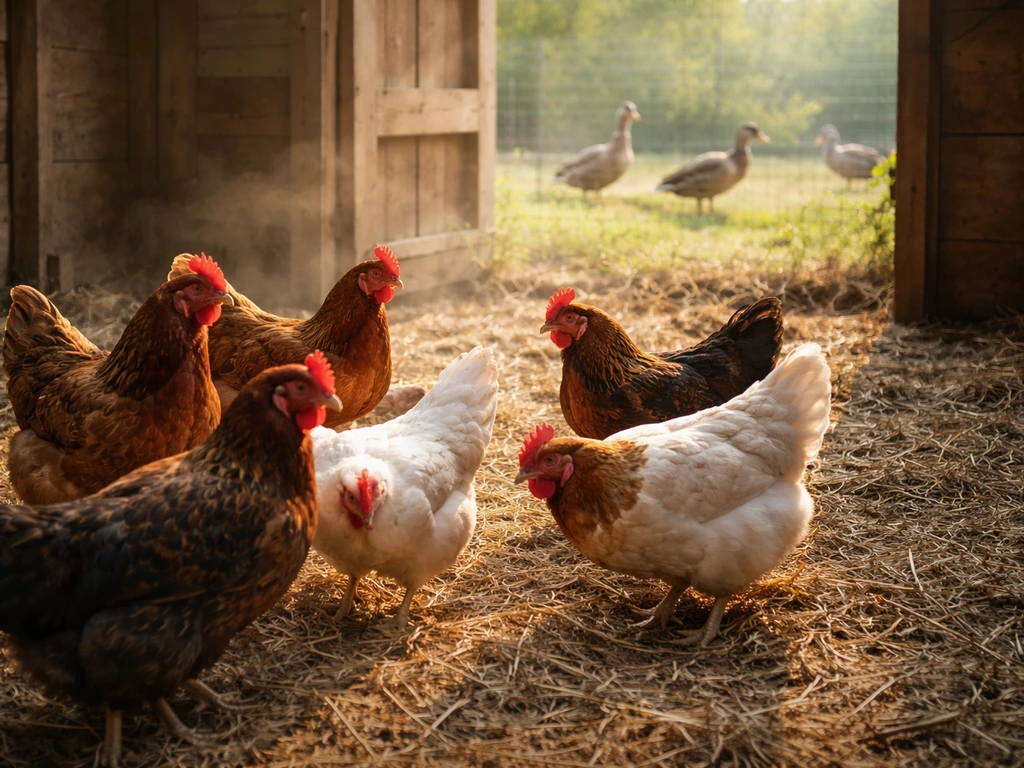
When someone says "bird flu in chickens" or asks "is bird flu in chickens," they're usually referring to an infection of a domestic poultry flock with an avian influenza type A virus. The USDA APHIS defines avian influenza as a contagious viral disease affecting both domestic and wild birds. It is not a single disease with one predictable outcome. The severity depends almost entirely on which strain is involved, and that distinction matters a lot practically.
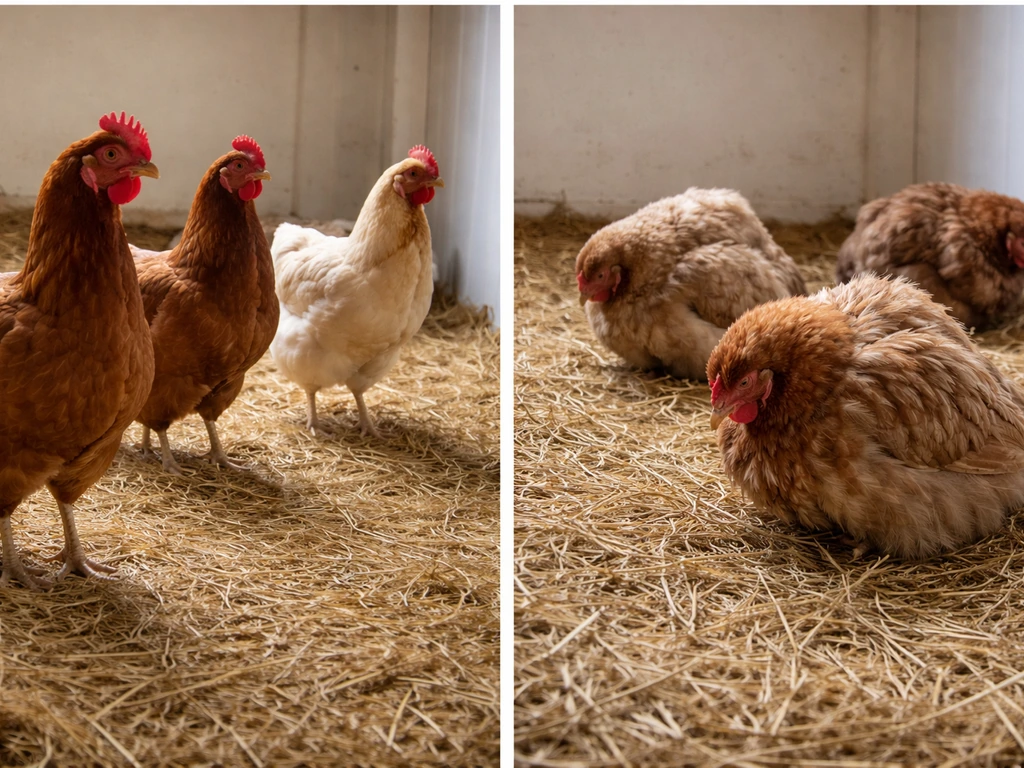
There are two categories: low pathogenicity avian influenza (LPAI) and high pathogenicity avian influenza (HPAI). "Pathogenicity" just means how harmful the virus is to birds. LPAI strains typically cause few or no visible signs of illness in a flock. HPAI strains, on the other hand, can be catastrophic. We're talking about sudden death with no prior warning, drops in egg production, greenish or watery diarrhea, and flock mortality that can wipe out birds within days. If you've seen news coverage of massive flock losses, that's HPAI doing the damage.
It's worth separating bird flu from other common chicken illnesses like Newcastle disease, infectious bronchitis, or Marek's disease. Those are real threats too, but they have different causes and different management approaches. When people specifically say "bird flu," they mean avian influenza type A virus, which is a reportable disease with a government response framework. That distinction matters because HPAI outbreaks trigger mandatory reporting, testing, and in most cases, depopulation of affected flocks to stop spread.
The virus basics: why chickens are especially vulnerable
Avian influenza type A viruses are classified by two surface proteins: hemagglutinin (H) and neuraminidase (N), which is where subtypes like H5N1 or H7N9 get their names. Most HPAI outbreaks in poultry involve H5 or H7 subtypes. Here's the concerning part: H5 and H7 strains often start out as LPAI, meaning they look relatively harmless at first. But when those strains circulate in chickens or turkeys, they can mutate into HPAI, becoming dramatically more deadly. Chickens are particularly vulnerable compared to wild waterfowl because they weren't shaped by millions of years of co-evolution with these viruses the way ducks and geese were.
Wild waterfowl can carry these viruses without showing obvious illness. Domestic chickens have no such buffer. Once HPAI gets into a flock, the combination of high bird density, shared air and water, and stressed immune systems means the virus can move through a barn extraordinarily fast. That's why prevention at the point of introduction is so much more effective than trying to manage an active outbreak.
How the virus gets into a flock in the first place
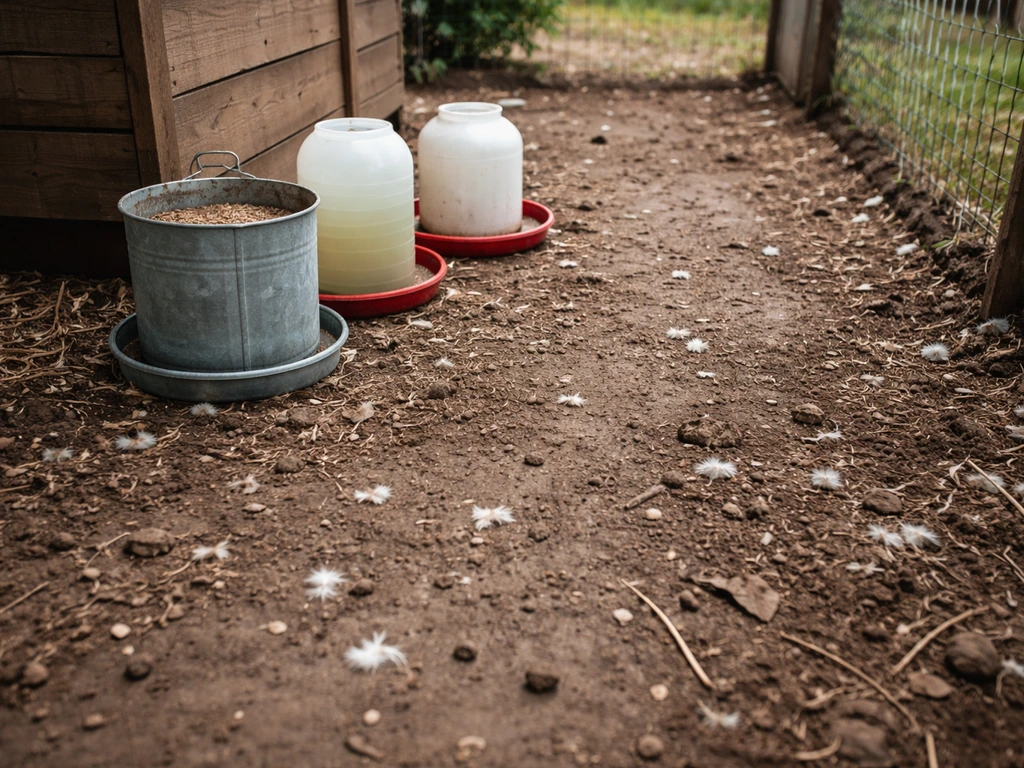
This is the most important part to understand if you're trying to protect birds. The virus doesn't appear out of nowhere. There is almost always an identifiable introduction pathway, and most outbreaks trace back to one of a small number of sources.
Wild birds and their droppings
APHIS is direct about this: wild birds carrying virus in their droppings, especially during migration seasons, are a primary source of HPAI introduction into poultry. Infected wild birds shed virus mainly through their feces and oral secretions. H5N1 HPAI viruses in particular show strong oropharyngeal (throat) shedding in studied wild species, which means contamination isn't just in droppings. It's in puddles, soil, and any surface those birds have been near. If your chickens share outdoor space with wild birds, or if wild birds can access feed, water, or the same soil, the exposure pathway is open.
Contaminated people: the most underestimated vector
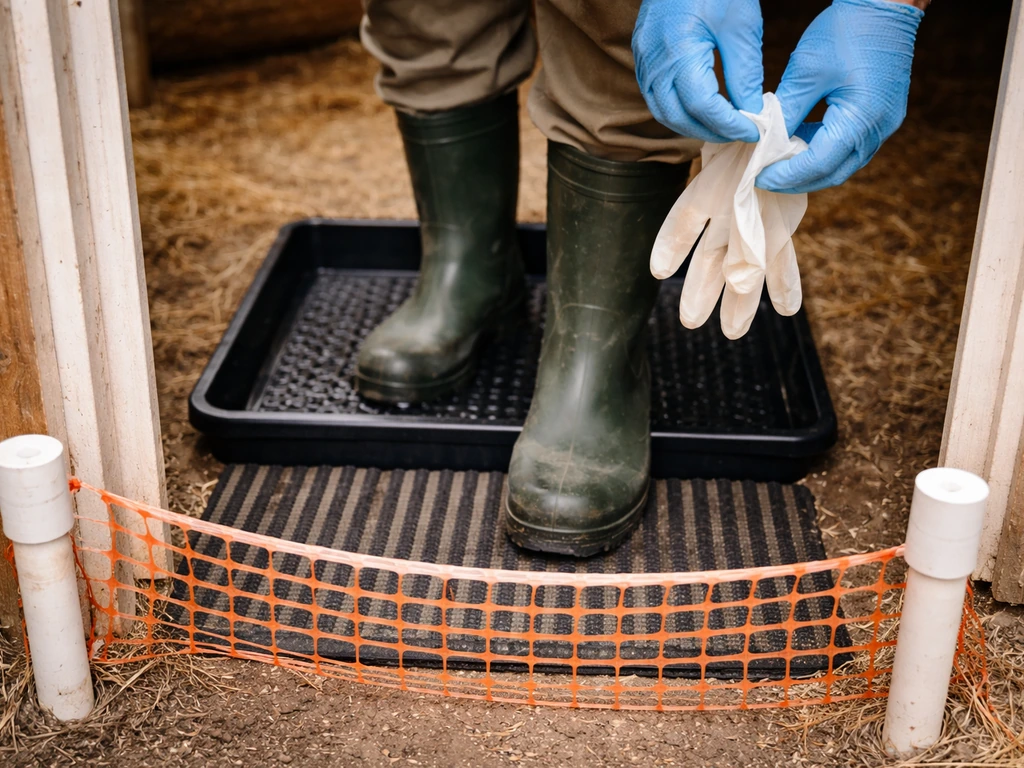
USDA research is clear on this: spread between poultry premises almost always follows the movement of contaminated people. Boots, clothing, hands, and hair can all carry viral particles from one farm to another. This is not a theoretical risk. Visitors to flocks, delivery drivers, veterinarians, and even the farmer themselves moving between different animal areas can carry contaminated material without knowing it. Airborne transmission from farm to farm is considered highly unlikely. The people moving between farms are the real bridge.
Contaminated equipment, vehicles, and supplies
The virus can survive for extended periods in the environment, particularly in cool and moist conditions. Egg flats, crates, feed bags, farm equipment, and delivery vehicles that have been in contact with infected material can all carry live virus. WOAH (the World Organisation for Animal Health) specifically flags contaminated boots, vehicles, and equipment as confirmed farm-to-farm transmission routes when biosecurity isn't enforced. Feed itself is a risk if stored in ways that allow wild birds or rodents to access it, which is why APHIS recommends covered, wildlife-proof feed storage as a basic biosecurity measure.
How bird flu spreads once it's inside a flock
Once the virus is in even one bird, the within-flock spread happens through direct and indirect contact. This is where density and shared resources become the enemy.
- Direct bird-to-bird contact: infected birds shed virus in droppings and respiratory secretions, and healthy birds in close proximity get exposed immediately
- Shared water sources: virus from droppings can contaminate water troughs or ponds quickly, giving all birds that drink from them exposure
- Shared feed: contaminated feces near or in feed areas expose birds that haven't yet come into direct contact with sick birds
- Shared litter and bedding: litter accumulates droppings and becomes heavily contaminated, and birds that scratch and peck at it are continuously re-exposed
- Human movement within the farm: workers who don't change boots or wash hands between areas of the farm can carry virus from an affected section to a clean one
The speed of within-flock spread is one reason HPAI is so devastating. By the time you notice clinical signs in some birds, a large portion of the flock may already be exposed. This is also why cleaning and disinfection protocols, when done properly after an outbreak, are so extensive. EPA-registered disinfectants are used on hard, non-porous surfaces, and APHIS has specific cleaning and disinfection frameworks that facilities must follow before restocking is permitted. Federal regulation requires cleaning and disinfection of premises, conveyances, and materials under APHIS supervision whenever necessary for control or eradication of avian influenza disease, including timing requirements for restocking in certain low-pathogenicity situations.
Wild birds and waterfowl: the reservoir you can't eliminate
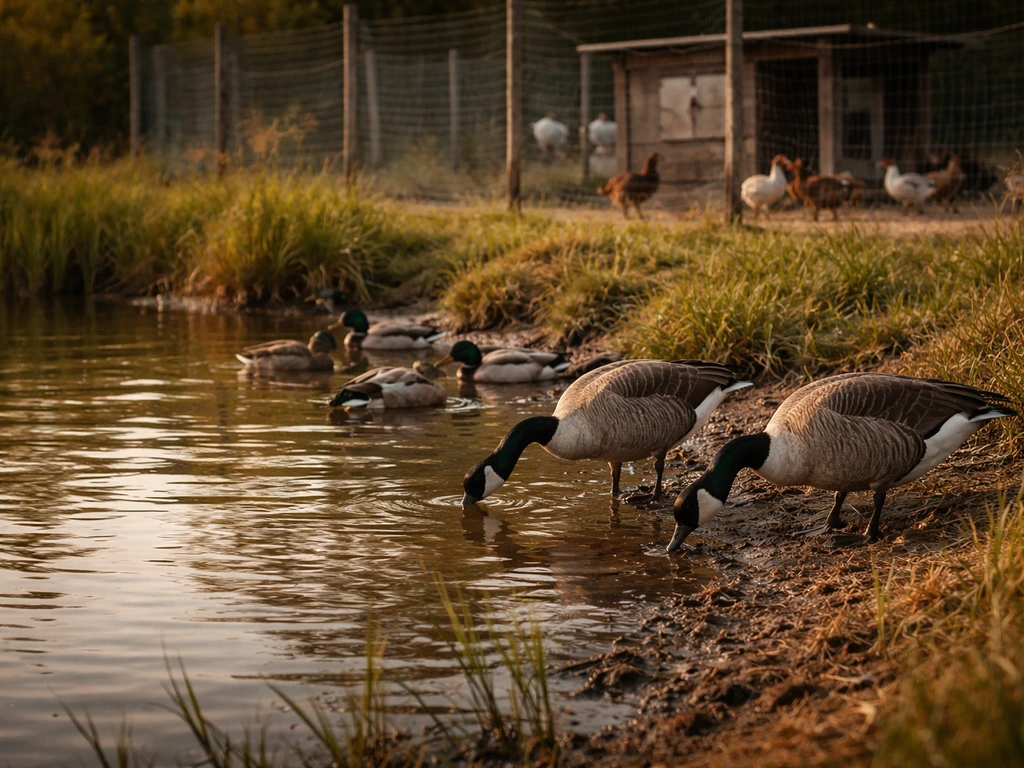
Wild waterfowl, especially ducks and geese, are the natural reservoir for avian influenza type A viruses globally. They carry these viruses as part of their normal biology, often with little to no illness themselves. During migration, infected birds move across continents, depositing virus in wetlands, fields, and any shared environments along the way. The timing of outbreaks in domestic poultry often tracks closely with migratory seasons for this reason.
For backyard flock owners especially, the CDC is explicit: backyard flocks can be exposed to wild birds carrying bird flu and become infected as a result. If your chickens have access to outdoor areas where migratory birds land, drink, or forage, you have a live exposure risk during peak migration periods. Even if you never see a sick wild bird, an apparently healthy one can be shedding virus.
Rodents that have been in contact with wild bird droppings can also carry contaminated material into feed storage areas, which is why rodent management is on APHIS's recommended biosecurity list. USDA APHIS’ [Defend the Flock](https://direct. aphis. usda.
gov/livestock-poultry-disease/avian/defend-the-flock/resources) resource hub consolidates biosecurity materials and free resources that support actions like protecting against wild birds and rodents/insects and maintaining safe water and feeding.
You can't eliminate wild birds from the environment, but you can manage the contact points. Covered runs, netted outdoor areas, and covered feed and water storage reduce the overlap between your flock's environment and wild bird activity substantially.
What this means for human safety and food handling
The same routes that spread virus between birds also create human exposure risk, so understanding the causes of bird flu in chickens is directly relevant to protecting yourself. Bird flu in people follows similar exposure routes to bird flu in flocks, especially when people have contact with infected birds or contaminated materials human bird flu is caused by. What pathogen causes bird flu is avian influenza type A virus human bird flu is caused by.
In other words, bird flu is caused by avian influenza type A viruses entering a flock and then spreading through contact and contaminated materials causes of bird flu. Infected birds and contaminated environments can expose people through contact with saliva, mucus, feces, and other secretions from infected animals.
The CDC identifies contaminated surfaces as a key exposure pathway: touching contaminated litter, bedding, equipment, or even water sources and then touching your eyes, nose, or mouth is how the virus gets from the environment to a person.
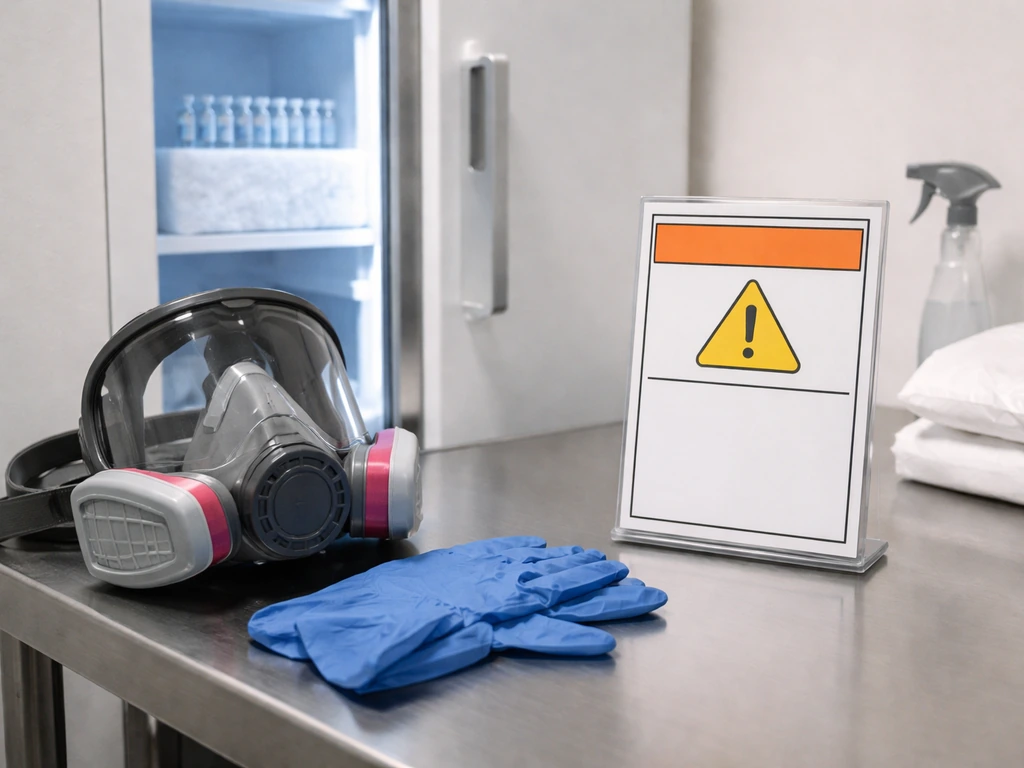
For most people who don't work with poultry, the risk is low. But for backyard flock owners, farm workers, and anyone handling sick or dead birds, the exposure is real and the precautions are straightforward. The CDC advises not touching sick or dead birds, their feces, litter, or any potentially contaminated water without appropriate personal protective equipment (PPE), which includes gloves, eye protection, and a well-fitted respiratory mask for close-contact situations. Workers in direct contact with potentially infected animals should use PPE and be careful not to transfer contaminated material from gloves or clothing to their face.
On the food safety side, properly cooked poultry and eggs are safe to eat. The concern is not the food itself when it's been cooked to the right temperature, but rather the handling of raw birds or eggs from a potentially infected flock without protection. If you're dealing with a suspected outbreak on your property, treat all materials from that flock as potentially contaminated until testing confirms otherwise.
It's also worth noting briefly that vaccines for avian influenza in poultry do exist and are used in some countries, but their role in outbreak control in the US is limited and subject to regulatory oversight. Vaccine availability doesn't eliminate the need for biosecurity because vaccinated birds can still potentially carry and shed virus without showing illness, which is one reason biosecurity and surveillance remain the primary control tools.
What to check and do right now to reduce your risk
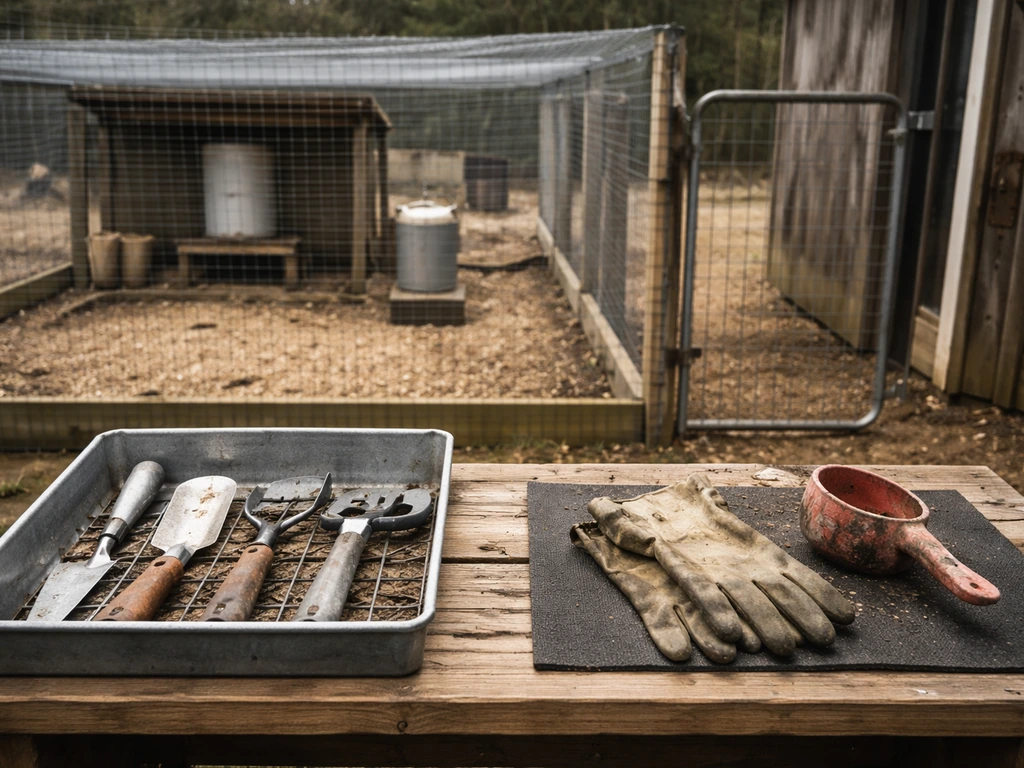
If you're reading this because you're worried about your flock or your farm, here's how to translate the causal chain above into immediate, practical action. Work through this list today.
- Assess your wild bird contact points: Walk your property and identify every place wild birds could access your flock's feed, water, or living space. Open-air feeders, uncovered water troughs, and gaps in fencing or netting are the priority. Block or cover them.
- Check your feed and water storage: Is your feed stored in a sealed, wildlife-proof container? If wild birds or rodents can get to it, you have an introduction pathway. Move feed indoors or into sealed bins and clean up any spilled grain that attracts wildlife.
- Audit who comes onto your property: Make a list of everyone who has contact with your birds or their environment. Visitors, delivery drivers, and farm workers who also visit other poultry operations are a risk. Implement a basic entry protocol: dedicated footwear or disposable boot covers, hand washing before and after contact with birds, and clean outer clothing.
- Set up a boot cleaning and disinfection station at every entry point to your bird area: A simple tray with an EPA-registered disinfectant approved for avian influenza and a brush for cleaning boot soles costs almost nothing and closes one of the most common introduction routes.
- Separate your equipment by zone: Tools, egg crates, and other materials that go into the bird area should not leave and come back without being cleaned and disinfected. Egg flats in particular have been flagged as a contamination risk.
- Know the warning signs to watch for: Sudden unexplained deaths, sharp drops in egg production, birds sitting hunched or lethargic, greenish or watery diarrhea, and swollen or discolored heads are all reasons to stop, isolate the affected area, and call your state veterinarian or USDA APHIS immediately. Do not wait.
- If you suspect an infection, do not move birds or equipment off your property: Movement is how the virus spreads to neighboring farms. Contain everything, report it, and follow the guidance of state and federal animal health officials. APHIS has a response framework specifically for this situation.
- Protect yourself while investigating: If you need to handle sick or dead birds, use gloves and a face mask at minimum, and avoid touching your face. Wash hands thoroughly with soap and water afterward.
A quick comparison of introduction risk by setup type
| Setup Type | Main Risk Factors | Priority Action |
|---|---|---|
| Backyard flock with outdoor access | Direct contact with wild birds and their droppings, shared water sources | Net or cover outdoor runs, switch to covered waterers, restrict wild bird access to feed |
| Small farm with multiple visitors | Contaminated footwear and clothing from people moving between premises | Mandatory boot dip, dedicated farm footwear, visitor log and entry protocol |
| Commercial operation with deliveries | Contaminated vehicles, egg crates, and feed deliveries | Designated delivery zones away from bird areas, clean/disinfect all incoming materials, restrict vehicle access |
| Farm near wetlands or flyways | High wild bird density during migration, contaminated surface water | Heightened monitoring during migration seasons, avoid letting birds access natural water sources, increase surveillance frequency |
The causal chain for bird flu in chickens is well understood: the virus lives in wild birds, it reaches domestic flocks through direct contact, contaminated people, or contaminated materials, and once it's inside a flock it spreads rapidly through shared droppings, water, feed, and close contact between birds. That chain has a lot of weak links you can actually address. Biosecurity doesn't require expensive infrastructure. It requires consistent habits. The farms that escape outbreaks during active HPAI periods are almost always the ones that treated biosecurity as a daily routine before the virus arrived nearby, not as an emergency response after it did.
FAQ
If I never see wild birds near my coop, can my chickens still get bird flu?
Not if the barn is already contaminated. The virus can be introduced on boots, clothing, equipment, crates, and even hands, and once inside it spreads through shared air, water, droppings, and contact. If you recently hosted visitors, deliveries, or a worker who also handled other poultry, treat that as a plausible introduction route even without seeing sick birds.
Can bird flu spread from farm to farm without anyone bringing birds?
Yes. The virus can be carried on people and objects that touch multiple premises, and it can also persist in cool, moist environments and on surfaces like egg flats, crates, feed bags, and vehicle surfaces. If you move between chicken areas on the same day (your own or someone else’s), do not assume “distance” alone prevents spread.
What’s the difference between normal coop cleaning and cleaning after bird flu exposure?
Start by separating “routine cleaning” from “after-outbreak disinfection.” After a suspected or confirmed outbreak, you need to follow a defined cleaning and disinfection protocol using EPA-registered disinfectants on appropriate surfaces, then wait for clearance timelines before restocking. The goal is to break the environmental persistence pathway, not just remove visible manure.
If my flock seems healthy, does that rule out bird flu?
LPAI can look mild or even produce no obvious illness early, but some H5 or H7 strains can later become high pathogenicity. Practically, that means you should not rely on the absence of symptoms to conclude your flock is safe during an HPAI period, especially if you have high-risk contact with wild birds or shared visitors/equipment.
Do rodents and pests matter for what causes bird flu in chickens?
Biosecurity isn’t only about wild birds. Rodent and traffic management matters because rodents can contaminate feed storage areas after contacting droppings, and shared surfaces like feeders, waterers, and bedding can serve as indirect spread points within a flock. A good next step is to tighten feed storage access and keep a written visitor and equipment log.
Is bird flu mainly spread by direct contact between chickens?
Bird flu viruses can be shed into feces and oral secretions, which means exposure risk includes contaminated litter, bedding, and water sources, not only direct pecking contact. If your flock uses outdoor puddles or shared soil with wild birds, that’s an environmental exposure pathway you can reduce with netted/covered access and clean, managed watering.
What early signs should make me treat bird flu as a possibility right away?
Egg production drops can happen, but sudden death with little warning is a major hallmark of highly pathogenic strains. If you see rapid losses, neurological signs, or a sharp decline in eggs, isolate the flock from other poultry and contact your veterinarian or the appropriate animal health authority promptly for testing.
If I vaccinate my chickens, do I still need strict biosecurity?
Vaccination does not eliminate the need for biosecurity because vaccinated birds can still potentially carry and shed virus, and it does not replace surveillance and movement controls during an outbreak period. If you vaccinate, confirm the vaccine’s intended strain and follow the same entry control, sanitation, and testing practices as an unvaccinated flock.
How does backyard risk differ from commercial flocks?
“Backyard” is not automatically low risk. CDC messaging emphasizes that backyard flocks can be exposed when wild birds are landing, drinking, or foraging nearby, including during migration. The key decision aid is your flock’s access to outdoor areas, water, feed, and soil that wild birds can reach.
What should I do first if I suspect bird flu in my backyard flock?
If you find sick birds, dead birds, or suspect contamination, avoid handling without appropriate PPE and minimize movement of people and items in and out of the area. Bag and contain litter or carcasses safely for disposal or testing, wash hands and change clothing if you must go in and out, and keep visitors away until you get guidance.
Next Articles
What Is the Cause of Bird Flu? Virus Spread in Birds
Bird flu is caused by influenza A viruses spreading through infected birds and poultry farms, with triggers for outbreak
Is Bird Flu in Europe Now? Risk, Symptoms, Safety Steps
Find out if bird flu is in Europe now, current risk, symptoms, food safety, and exact steps for handling exposure safely
What Is Being Done About Bird Flu: Response, Vaccines, Safety
How agencies detect, contain and treat bird flu, plus biosecurity, vaccines, human steps, and safe egg and poultry guida