
Bird flu is caused by avian influenza A viruses, a family of influenza viruses that naturally circulate in wild birds and can spill over into domestic poultry and, occasionally, into humans and other mammals. That is the short answer. The longer answer involves understanding which specific strains matter most, how the virus actually gets into a flock, and what conditions make an outbreak explode rather than fizzle out. All of that is covered below, in plain language.
What Is the Cause of Bird Flu? Virus Spread in Birds

Sarah Chen
13 Apr 2026
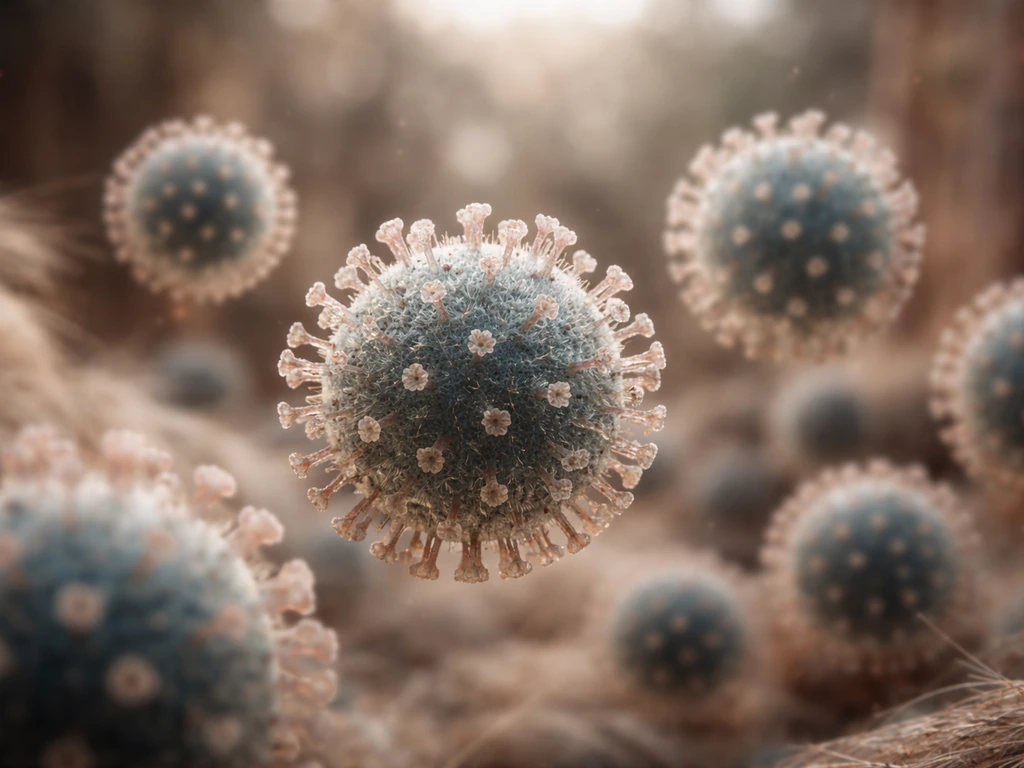
Bird flu basics: what it is and which viruses cause it
Avian influenza is caused by influenza A viruses, the same broad family responsible for seasonal human flu and pandemic flu strains. What makes them "avian" is that they primarily circulate in birds and are adapted to bird biology. These viruses are classified by two surface proteins: hemagglutinin (H) and neuraminidase (N). That is where the names H5N1, H7N9, and similar designations come from. If you want a precise breakdown of which virus causes bird flu, it is always an influenza A virus, but the specific H and N subtype determines how dangerous it is, who it tends to infect, and how it spreads.
Within avian influenza A viruses, there is a critical division: highly pathogenic avian influenza (HPAI) versus low pathogenic avian influenza (LPAI). The difference comes down to a specific feature of the hemagglutinin protein. HPAI viruses carry what is called a polybasic cleavage site on the HA protein, meaning multiple basic amino acid residues sit at the spot where the protein gets cleaved to activate the virus. LPAI viruses lack this feature. That structural difference is what allows HPAI to spread systemically through a bird's body rather than staying confined to the respiratory or intestinal tract, which is why HPAI kills birds so rapidly. Understanding what pathogen causes bird flu at this molecular level explains a lot about why some strains are so much more devastating than others.
The strain dominating headlines right now, and driving US poultry outbreaks since 2022, is HPAI A(H5N1) clade 2.3.4.4b. This clade has also been detected in wild birds across North America. H5N1 is not new, but this particular clade has proven unusually widespread and persistent.
How the virus gets into birds and poultry flocks in the first place
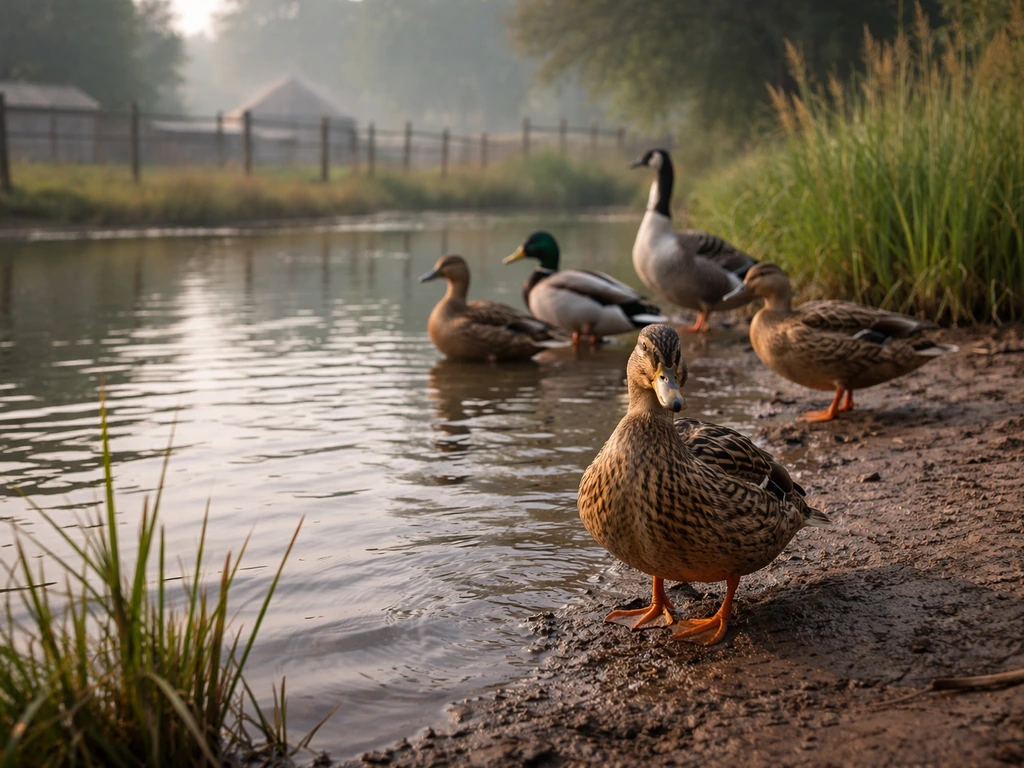
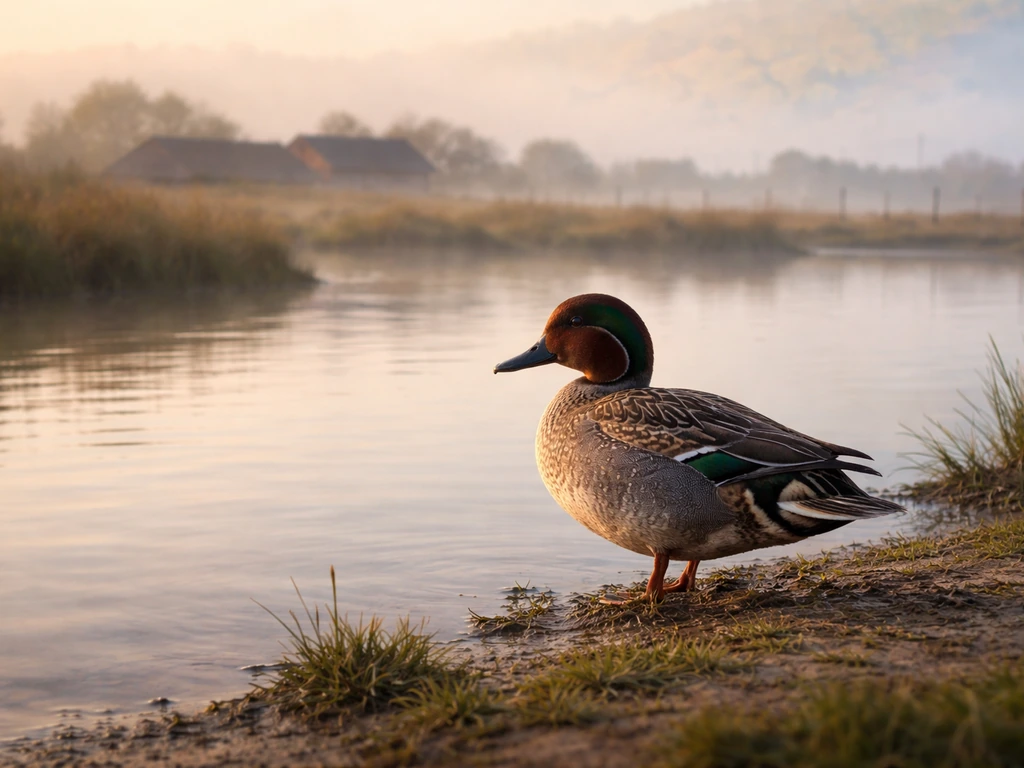
The root cause of virtually every poultry outbreak is an introduction from wild birds. Wild waterfowl and shorebirds, especially ducks, geese, and gulls, are the natural reservoir for avian influenza viruses. These birds often carry the virus without showing obvious illness, which makes them silent spreaders. Avian influenza viruses preferentially target the intestinal tract in waterfowl, and infected birds shed enormous quantities of virus in their feces. That fecal matter ends up in surface water, and other birds that drink or bathe in that water pick up the virus through the fecal-oral route.
The real danger for poultry farms starts when wild birds come into contact, directly or indirectly, with domestic flocks. If a wild duck flies over an open-air poultry house and its feces lands in the water supply or feed, that single event can introduce HPAI into hundreds of thousands of birds. How bird flu is caused inside a farm almost always traces back to one of these entry-point moments, after which the virus amplifies rapidly in the dense, susceptible population.
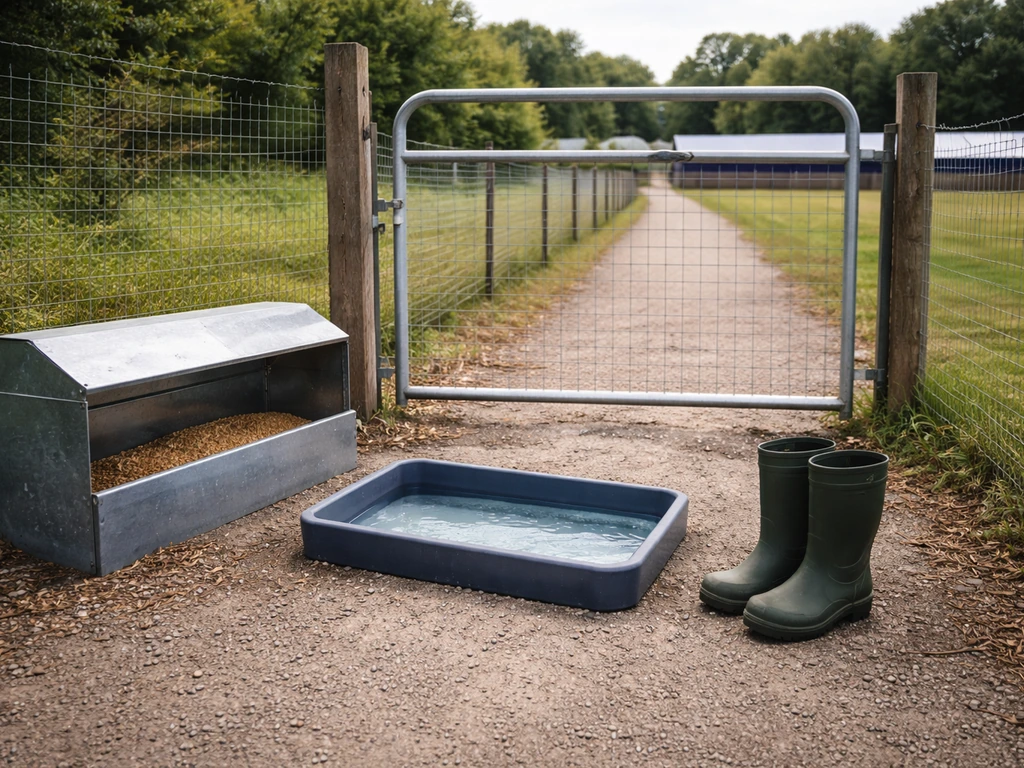
Once inside a flock, the most common bird-to-bird transmission route is contact with infected fecal material. The virus also spreads through direct contact with infected birds and through indirect contact with contaminated equipment, clothing, vehicles, and water. A single contaminated boot or a shared water line can carry the virus from one pen to another within the same operation. This is why biosecurity protocols on farms are so important, and why even brief lapses matter.
What turns an introduction into a full outbreak
An introduction of virus does not automatically become a major outbreak. Several amplifying factors push a small exposure event into something much larger. Understanding these is the key to understanding what the causative agent of bird flu actually needs to thrive and spread at scale.
Poultry farming density and biosecurity gaps
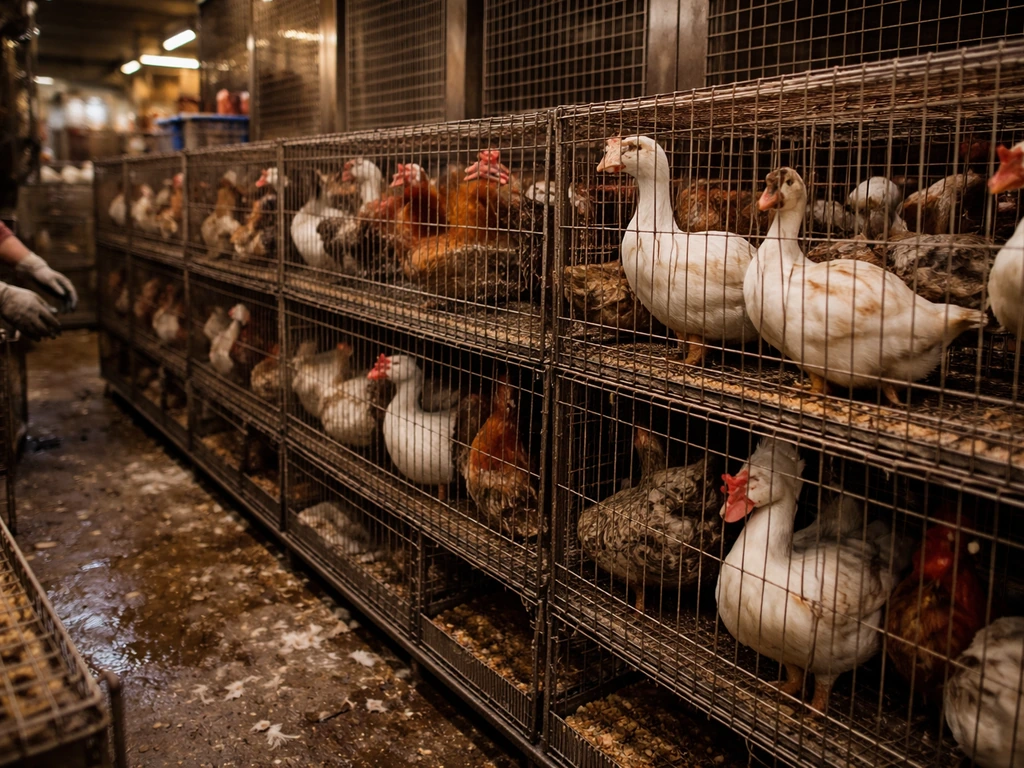
Commercial poultry operations house tens of thousands or even millions of birds in close proximity. A virus that spreads through fecal matter finds ideal conditions in a densely stocked barn. Any gap in biosecurity, whether it is unscreened ventilation openings, shared water systems, or workers moving between flocks without changing protective gear, gives the virus a pathway to run through the entire operation before it is even detected.
Live bird markets, trade, and transport
Live bird markets present a particular risk. Poorly regulated or unhygienic live poultry sales, combined with inadequate cleaning and disinfection of transport vehicles and cages, create conditions where virus from one flock can contaminate equipment that then visits multiple other farms or markets. The movement of poultry through trade networks is one of the primary ways HPAI spreads regionally and internationally. A bird that looks healthy in the morning can be shedding virus by afternoon, and the transport cage it rode in becomes a vector for the next shipment.
Seasonal and environmental factors
Winter in the Northern Hemisphere is consistently the highest-risk period for poultry operations. Two things happen simultaneously: wild migratory birds concentrate in large numbers at shared wetlands and water bodies, dramatically increasing the density of potential shedders; and lower temperatures extend how long the virus survives in the environment. A frozen pond or muddy field can hold viable virus much longer in January than in July. This seasonal pattern is well-documented and explains why most large poultry outbreak waves in the US and Europe peak in late fall and winter. Dense congregation of wild birds at confined shallow water bodies means that when one infected bird sheds virus, many others are exposed through that shared contaminated water.
How bird flu behaves differently in chickens versus wild birds
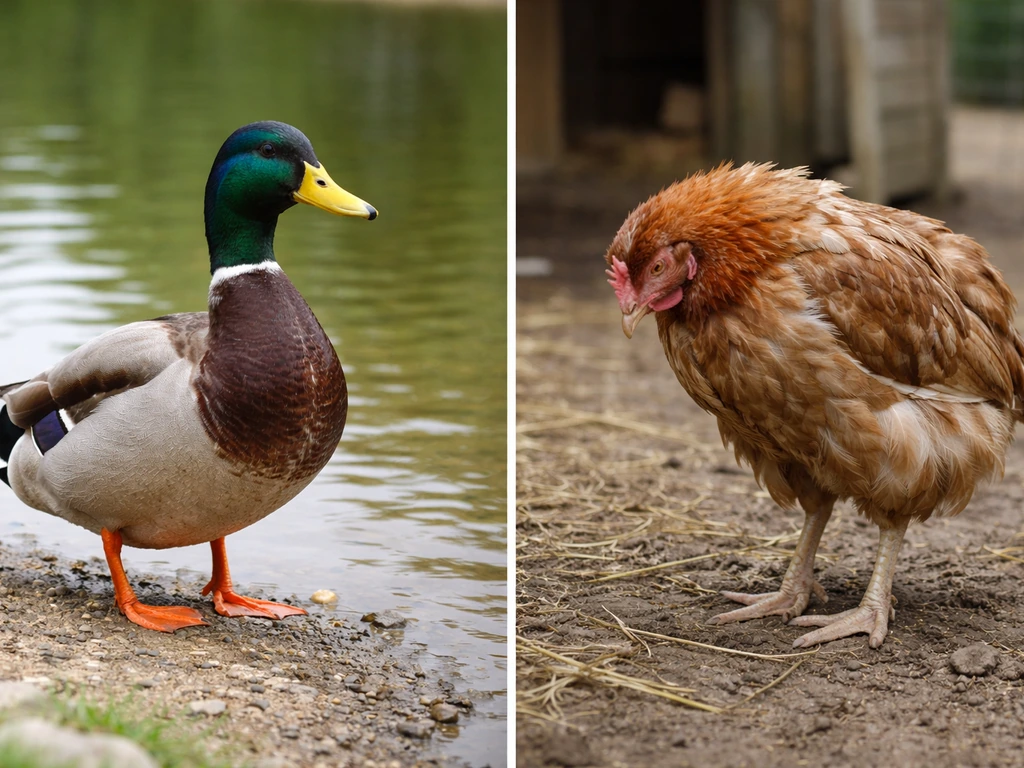
Wild waterfowl and domestic chickens experience avian influenza very differently. Wild ducks can carry LPAI and even some HPAI strains with minimal or no visible illness, acting as long-distance carriers during migration. Domestic chickens, turkeys, and other poultry have no natural adaptation to these viruses, so HPAI hits them catastrophically. Birds can go from appearing healthy to dead within 24 to 48 hours of HPAI infection, sometimes even faster. The mortality rate in unvaccinated commercial flocks infected with HPAI H5N1 can approach 100 percent.
This contrast is one of the most important things to understand about what causes bird flu in chickens specifically. It is not that chickens are uniquely vulnerable to the virus itself, but rather that they lack the evolutionary history with these viruses that wild aquatic birds have developed over millennia. HPAI viruses also evolve toward greater pathogenicity in domestic poultry. Research shows that HPAI H5 and H7 strains actually evolve from LPAI precursors through the gradual acquisition of multiple basic amino acid residues at the HA cleavage site, often while circulating undetected in poultry populations before a recognizable HPAI outbreak emerges.
Why a specific outbreak happened: common triggers and pathways
When people ask what caused the bird flu outbreak, or why bird flu happened in a particular region or at a particular time, the answer is almost always a combination of the same handful of factors. Here is how to think about it as a causal chain:
- Infected wild birds (usually migratory waterfowl) carry HPAI or LPAI into a new geographic area during seasonal movement.
- The virus enters a domestic flock through a biosecurity failure: contaminated water, feces from wild birds accessing feed or water, contaminated equipment, or infected birds introduced through trade.
- Inside the flock, the virus spreads rapidly through fecal contamination of shared water and direct contact between birds.
- LPAI strains may mutate toward HPAI in the dense poultry environment, making the outbreak suddenly much more severe.
- Human movement on and off the farm, plus the movement of birds through trade and transport, spreads the virus to neighboring operations before it is detected.
- Delayed detection, inadequate culling, or insufficient biosecurity response allows further amplification.
The USDA APHIS wild bird surveillance program exists specifically to break this chain at step one by detecting HPAI in wild bird populations early enough to give poultry producers and public health authorities time to respond before the virus reaches commercial flocks. Early warning is genuinely useful here, which is why reporting sick or dying wild birds to local wildlife authorities matters.
How bird flu infects humans and what drives spillover risk
Human infection with avian influenza is not caused by the same exposure routes as seasonal flu. The virus does not spread efficiently through casual human contact or airborne transmission in most circumstances. CDC lists exposure pathways for bird flu, including infectious virus from the blank" rel="noopener noreferrer">air in droplets or dust and exposure after touching materials contaminated with bird saliva, mucus, or feces. Instead, human bird flu is caused by direct or close contact with infected birds or contaminated environments. Specifically, blank" rel="noopener noreferrer">exposure to respiratory droplets, saliva, mucous, or feces from infected birds is the primary route. People can also be infected through contact with other infected animals, such as dairy cattle, which have been implicated in H5N1 transmission in the US.
The groups at highest risk are those with the most exposure: workers on commercial poultry farms affected by HPAI, backyard flock owners who handle sick or dead birds without protection, wild bird rehabilitators, and waterfowl hunters. CDC's risk assessments have consistently found that the general public faces low risk from HPAI H5N1 clade 2.3.4.4b viruses circulating in the US, but risk rises sharply with unprotected exposure to sick or dead birds. Close or prolonged contact without gloves, eye protection, and a well-fitted respirator is where human cases originate.
One crucial distinction: despite hundreds of human cases globally over decades, sustained human-to-human transmission of H5N1 has not been identified. Limited transmission between people has occurred only in very rare instances involving close, prolonged contact, and it has not continued beyond one or two generations. That is the single most important fact for putting personal risk in perspective. The virus is not spreading person-to-person in communities.
HPAI vs LPAI: a quick comparison
| Feature | HPAI (e.g., H5N1) | LPAI (e.g., H9N2) |
|---|---|---|
| Molecular marker | Polybasic HA cleavage site | Simple HA cleavage site |
| Disease severity in poultry | Rapid, near-total mortality possible | Mild respiratory/egg production effects |
| Spread in wild birds | Can spread; some strains cause illness | Common, usually no illness |
| Human infection risk | Low but documented with close exposure | Very rare, usually mild |
| Regulatory response | Mandatory reporting, culling, movement restrictions | Surveillance and monitoring |
| Seasonal risk elevation | Peaks in winter with wild bird migration | Year-round, less dramatic peaks |
Practical steps to reduce risk right now
If you are a poultry farmer or backyard flock owner, the most effective thing you can do is reduce opportunities for wild bird contact with your flock. Cover feed and water sources, net or screen open housing, and establish a strict one-way biosecurity perimeter where visitors and workers change footwear and clothing before entering poultry areas. Report any sudden unexplained deaths in your flock to your state veterinarian or USDA APHIS immediately; early detection is the single greatest factor in limiting spread.
If you handle wild birds, whether as a hunter, rehabilitator, or simply someone who found a dead bird, wear disposable gloves and avoid touching your face. Bag and dispose of carcasses according to your state's guidance, or report them to local wildlife authorities. Do not bring potentially infected wild birds into your home or near your backyard flock.
For most people reading this out of general concern, the key takeaway is proportionality. Bird flu is a serious agricultural and wildlife issue, and it warrants real monitoring and preparation. But the everyday risk to people who are not working directly with poultry or wild birds remains low. Stay informed through CDC and USDA APHIS updates, especially if you live near affected farms or major wild bird flyways, and follow any local guidance issued during active outbreaks in your region.
FAQ
Is there only one cause of bird flu, or multiple steps behind outbreaks?
A bird flu “cause” is not one single event, it is usually a two-part chain. First an avian influenza A virus is introduced from wild birds into the setting (often through contaminated water, feces, feed, or equipment), then it expands inside a dense domestic flock where biosecurity gaps let it amplify through contact and shared resources.
Can a virus start as low pathogenic bird flu and later become deadly?
Yes. Some subtypes are low pathogenic in birds but can still circulate silently, especially in wild waterfowl. A flock can later become highly pathogenic if the virus acquires additional genetic changes, particularly at the hemagglutinin cleavage site, so “what you see in the first cases” may not predict severity weeks later.
Does bird flu spread mainly through direct contact with sick birds, or something else?
In general, direct bird-to-bird contact is less important than contamination of the environment, especially fecal material. Even if birds look healthy, virus shedding can contaminate waterers, floors, and shared tools, so biosecurity should treat surfaces and workflow as transmission routes, not just visible sick birds.
If a poultry flock is vaccinated, does that mean bird flu cannot spread?
Vaccination status matters for clinical outcome, but it does not replace early detection. If vaccinated birds become infected, virus shedding and spread can still occur depending on vaccine design and match, which is why farms are typically still expected to report unusual deaths and follow movement controls.
What are the most common “small” biosecurity mistakes that lead to real outbreaks?
Biosecurity lapses that seem small, such as shared boots, transferring feed sacks between barns, or skipping disinfection between flocks, can create local spread. A common edge case is a worker or vehicle that never enters birds directly but still moves from one pen or site to another without changing protective clothing.
Why do bird flu outbreaks peak in certain seasons?
Seasonality is driven by both exposure and virus survival. In late fall and winter, migratory wild birds concentrate at the same wetlands and water bodies, and colder conditions can extend environmental persistence of virus, which together increase the chance that wild-bird contamination reaches poultry.
How exactly do live bird markets contribute to bird flu spread?
Live bird markets can amplify spread even when birds show minimal symptoms. The key issue is the movement of cages, transport vehicles, and shared cleaning practices between lots, so contaminated equipment can carry virus to many farms or buyers before clinical signs appear.
What exposure situations are most likely to cause human infection?
For many human cases, the exposure is close and specific, such as handling sick or dead birds, cleaning areas contaminated with secretions or feces, or working on farms without adequate respiratory and eye protection. Casual contact with neighbors or the wider community is not the typical exposure pattern.
Should people worry about catching bird flu from other people in their community?
Because sustained person-to-person spread has not been established for the major H5N1 clade circulating in the US, the practical risk reduction focus is on avoiding direct contact with infected birds and contaminated materials. Household members caring for a sick animal should use protective gloves, eye protection, and respiratory protection as recommended locally.
What should I do if I find a dead wild bird at home?
If you find a dead wild bird, do not bring it indoors or handle it barehanded. Instead, use gloves, bag it carefully, avoid touching your face, wash hands after removing gloves, and follow your state or local reporting guidance so authorities can assess and test safely.
Next Articles
Is Bird Flu in Europe Now? Risk, Symptoms, Safety Steps
Find out if bird flu is in Europe now, current risk, symptoms, food safety, and exact steps for handling exposure safely
What Is Being Done About Bird Flu: Response, Vaccines, Safety
How agencies detect, contain and treat bird flu, plus biosecurity, vaccines, human steps, and safe egg and poultry guida
What Countries Have Bird Flu Now: Updated List and How to Check
Updated list of countries with bird flu, how to verify current reports, and what to do for poultry and travel.