
Yes, Mexico has had confirmed bird flu cases. As of May 21, 2026, Mexico recorded its first confirmed human infection with avian influenza A(H5N1) in April 2025 (in the state of Durango), and a separate human case involving the A(H5N2) subtype was reported in May 2024. In poultry and wild birds, avian influenza activity has also been detected, including a confirmed A(H5N1)-positive wild bird in Tototlán, Jalisco.
Is There Bird Flu in Mexico? How to Check Updates

Sarah Chen
21 May 2026

WOAH’s HPAI Situation Report 81 compiles outbreak-situation reporting, including reports of HPAI activity in animals and regions such as detections in wild birds [detected, including a confirmed A(H5N1)-positive wild bird in Tototlán, Jalisco. ](https://www. woah. org/app/uploads/2026/05/hpai-situation-report-81.
pdf). That said, the overall risk to most people in Mexico remains low. Human infections are rare, linked almost exclusively to direct contact with infected birds or contaminated environments, and there is no evidence of sustained human-to-human transmission.
What the current outbreak status actually looks like

Here is what the timeline looks like as of today. In May 2024, a human case of avian influenza A(H5N2) was reported in Mexico, with genetic analysis showing 99% similarity to a virus strain found in birds in the State of Mexico. Then in April 2025, Mexico's IHR National Focal Point notified the WHO of the country's first confirmed human A(H5N1) infection, in Durango. On the animal side, surveillance has detected A(H5N1) in wild birds in Jalisco, and avian influenza continues to circulate in bird populations across the broader Americas region.
The broader regional picture, according to PAHO/WHO's March 2026 epidemiological update, is that between April 2022 and March 2026 there were 75 confirmed human A(H5N1) infections across five countries in the Americas. Critically, no new human cases in the Americas were reported between November 2025 and March 2026. The WHO's May 15, 2026 weekly update continues to note sporadic human infections globally, but those remain tied to animal-contact exposure, not community spread.
How to verify this for yourself right now
The single most important thing you can do is go straight to primary sources rather than relying on news headlines. Here are the specific places to check, and what each one tells you:
| Source | What to check | How often updated |
|---|---|---|
| WHO Disease Outbreak News | Confirmed human cases by country, including Mexico-specific reports | As events occur |
| WHO Avian Influenza Weekly Update | Week-by-week global human case counts and new country reports | Weekly |
| PAHO Epidemiological Updates | Americas-specific human A(H5N1) case tallies and regional trends | As needed / periodic |
| WOAH HPAI Situation Reports | Confirmed animal outbreaks submitted by member countries including Mexico | Periodic (every few weeks) |
| CDC Bird Flu & Travelers' Health pages | US-focused prevention guidance plus traveler risk framing for international destinations | Ongoing |
| SENASICA (gob.mx) | Mexico's national animal health authority; domestic poultry and wildlife surveillance results | As events occur |
When you visit these pages, look specifically for Mexico in any case or outbreak tables, check the report date so you know how current the data is, and pay attention to whether cases are in animals, wild birds, or humans. Those are three very different risk signals. The joint FAO/WHO/WOAH public health assessment (published May 18, 2026, based on data through March 1, 2026) is also worth bookmarking, as it explains how global risk is evaluated for high-pathogenicity H5 events rather than just listing case counts.
Bird flu versus other kinds of flu: an important distinction
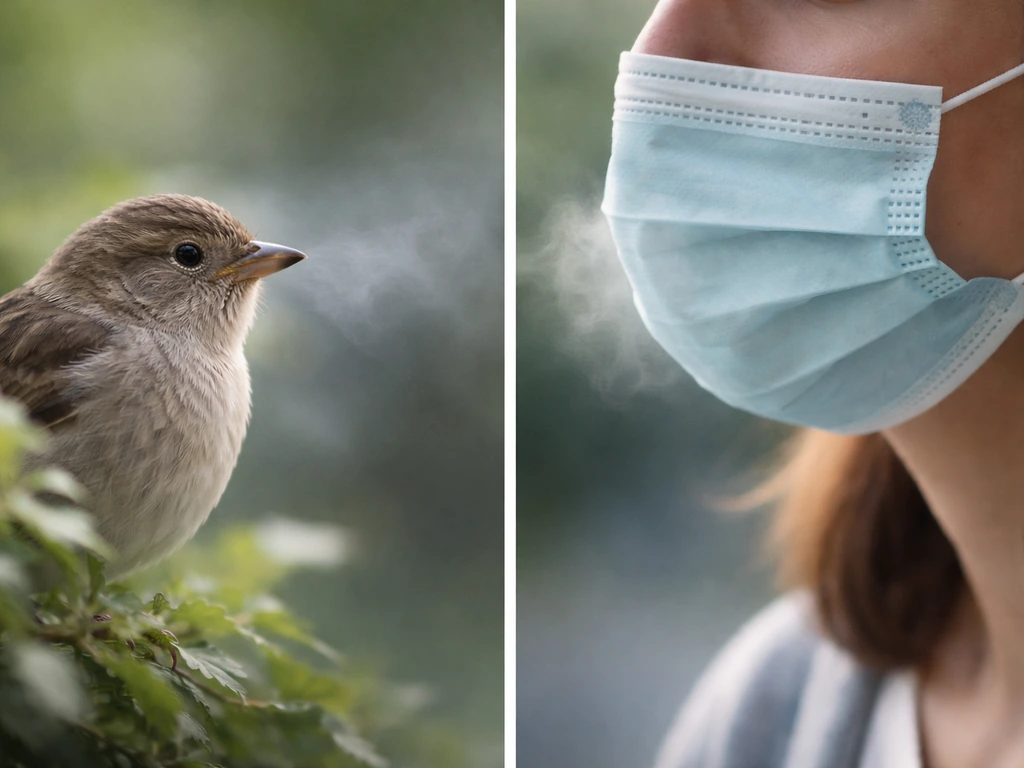
A lot of confusion happens because the word 'flu' gets used loosely. Bird flu, or avian influenza, refers specifically to influenza A viruses that naturally circulate in birds. The subtypes you hear about most often in Mexico's context are A(H5N1) and A(H5N2). These are completely different from seasonal human influenza (like H3N2 or H1N1), which is what your annual flu shot targets. Avian influenza viruses are not well adapted to infecting humans, which is why human cases remain rare even when outbreaks are widespread in poultry.
When you see a news headline saying 'bird flu detected in Mexico,' it almost always refers to avian influenza found in birds or poultry, not a human outbreak. That distinction matters enormously for how you interpret the risk. The concern with bird flu from a public health standpoint is the potential for a virus to mutate into a form that spreads easily between people, but that has not happened with current strains, and global health authorities continue to assess the overall risk to the general public as low.
The real risk to people in Mexico
For the vast majority of people in Mexico, the practical risk of getting bird flu is very low. According to WHO's most recent weekly update (May 15, 2026), human infections are primarily acquired through direct contact with infected poultry or contaminated environments. Simply being in Mexico, eating at restaurants, or visiting markets does not put you at meaningful risk.
The people with elevated exposure risk fall into a few specific categories:
- Poultry farmers, agricultural workers, and slaughterhouse workers who handle live or recently slaughtered birds in areas with active outbreaks
- People who visit live bird markets (tianguis de aves) or handle birds in uncontrolled settings
- Backyard poultry keepers who may have close, unprotected contact with sick or dead birds
- Hunters or wildlife researchers handling wild waterfowl, especially migratory species
If none of those describe you, your personal risk is low. If one or more do apply, keep reading, because the biosecurity and prevention section below is specifically for you.
Symptoms: what it looks like in humans versus in birds
In humans
Human A(H5N1) infections tend to be more severe than seasonal flu. Symptoms typically start with fever, cough, sore throat, and muscle aches, similar to a bad flu. But they can progress rapidly to shortness of breath, pneumonia, and in serious cases, acute respiratory distress syndrome (ARDS). Based on CDC's global case summaries, fatality rates among confirmed human H5N1 cases have historically been high, though detection may skew toward more severe cases. If you have had recent contact with sick or dead birds and develop respiratory symptoms within 10 days, seek medical attention and tell the healthcare provider about the exposure. Early antiviral treatment (oseltamivir/Tamiflu) is most effective when started quickly.
In birds and poultry
High-pathogenicity avian influenza (HPAI) in poultry often causes sudden, unexplained death in a flock with little warning. Before death, affected birds may show a sudden drop in egg production, swollen or discolored heads and combs, discharge from eyes or nose, difficulty breathing, and neurological signs like tremors or loss of coordination. In wild birds, you may simply find dead birds in an area without obvious cause, particularly ducks, geese, or shorebirds. If you find multiple dead wild birds or notice any of these signs in your flock, report it to SENASICA immediately and do not handle the birds without protection.
Is it safe to eat poultry and eggs in Mexico?
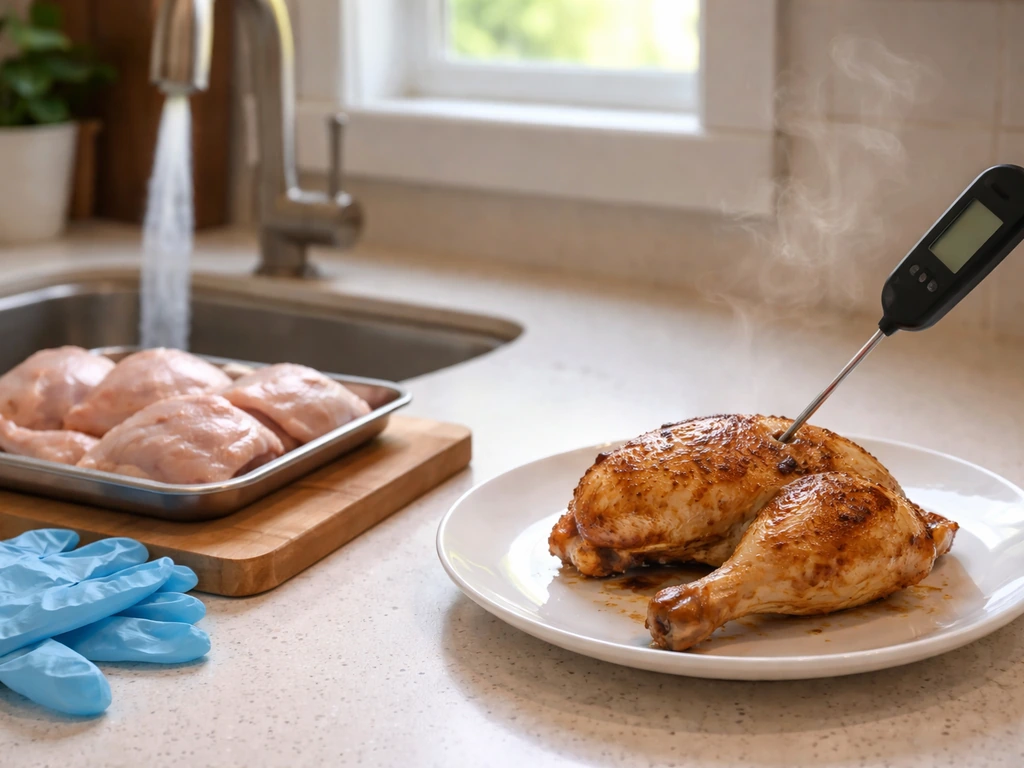
Yes, properly cooked poultry and eggs are safe to eat. Avian influenza viruses are killed by thorough cooking. The key standard is cooking poultry to an internal temperature of at least 74°C (165°F) throughout, with no pink meat remaining. For eggs, cook until both the yolk and white are firm. There is no evidence that properly cooked poultry or eggs transmit avian influenza to people.
The risk associated with food comes from handling raw poultry, not from eating cooked food. Wash your hands thoroughly with soap and water after handling raw poultry or eggs. Use separate cutting boards for poultry and other foods, and avoid touching your face while handling raw meat. These are standard food hygiene practices that apply regardless of any outbreak situation, and they are fully adequate protection.
You should avoid purchasing live poultry from informal markets if possible, and never buy or handle birds that appear sick or have been found dead. That is where genuine food-related transmission risk exists, not in the cooked meal on your plate.
What to do depending on your situation
If you're a traveler visiting Mexico
The CDC's Travelers' Health guidance for avian flu is reassuring: the risk for typical tourists is very low. Avoid live bird markets and poultry farms, don't touch wild or stray birds, and wash hands frequently. Eat only thoroughly cooked poultry and eggs. If you develop flu-like symptoms within 10 days of returning and had any contact with birds or poultry while traveling, tell your doctor. For comparison, similar guidance applies to travelers heading to other countries with active bird flu activity, including parts of the US (like California, which has had its own outbreak concerns).
If you're a consumer in Mexico
Continue buying and eating commercially produced poultry and eggs normally. Products sold through formal retail channels come from monitored supply chains. Cook everything thoroughly, follow basic kitchen hygiene, and you are well protected. There is no need to avoid poultry or eggs as a food category.
If you work with poultry or live near a farm
This is where you need to take the situation most seriously. Report any unusual illness or sudden unexplained deaths in your birds to SENASICA right away. Do not wait to see if the problem resolves on its own. Monitor your own health and that of coworkers for respiratory symptoms after any exposure. If a confirmed or suspected outbreak is happening nearby, follow official guidance on movement restrictions and flock management immediately. You may have seen reports asking whether California is in a state of emergency for bird flu, so it is worth checking current alerts from California public health and agriculture agencies California state of emergency for bird flu.
Prevention and biosecurity for households and farms
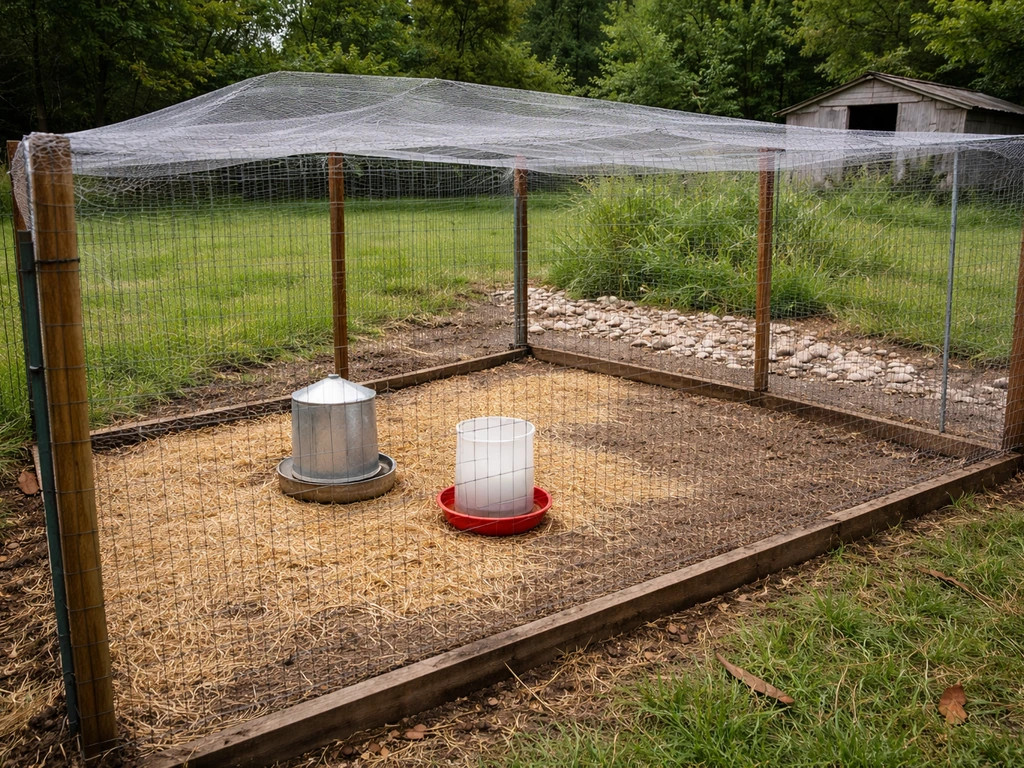
Whether you keep a few backyard chickens or run a commercial operation, these measures reduce your risk significantly:
- Keep your birds away from wild waterfowl and migratory birds, which are the primary reservoir for avian influenza viruses. Netting and covered enclosures help enormously.
- Use dedicated footwear and clothing when working with your birds, and change and wash them before leaving the farm area. This is the single most effective biosecurity habit.
- Limit visitors to your flock. Anyone entering bird areas should follow the same footwear and clothing protocols.
- Disinfect equipment, vehicles, and surfaces that contact your birds or their feed and water regularly.
- Source new birds only from reputable, verified suppliers and quarantine new arrivals for at least 30 days before introducing them to your existing flock.
- Do not bring live birds in from markets without knowing their health history.
- Wear gloves, eye protection, and an N95 mask when handling sick birds or cleaning contaminated areas.
- Wash hands with soap and water immediately after any contact with birds, their droppings, or their environment.
- Keep a record of bird mortality rates. A sudden spike is your earliest warning sign.
- Know SENASICA's reporting line and have it saved. In an outbreak situation, fast reporting protects you, your flock, and your neighbors.
For households that are not directly working with poultry, the prevention steps are simpler: standard hand hygiene, avoiding contact with wild birds (especially sick or dead ones), and safe food handling cover essentially all of your exposure risk. Bird flu is a genuine concern worth staying informed about, but for most people in Mexico today, following these practical steps is sufficient.
Keep checking the WHO weekly avian influenza update and PAHO's Americas epidemiological updates every few weeks. Outbreak status can change, and staying current on primary sources is far more reliable than waiting for news coverage to catch up. If you are trying to assess where cases are appearing right now, you may also want to check is bird flu in arizona as an adjacent, location-specific update.
Whether California is in a state of emergency for bird flu depends on the latest guidance from state and federal public health agencies California in a state of emergency for bird flu. If you are wondering, “is there bird flu in South Africa,” the most reliable approach is to check the latest official animal-health and WHO updates.
FAQ
If bird flu is in Mexico, should I stop eating poultry or eggs from grocery stores?
No. The risk is mainly from handling raw, potentially contaminated poultry. Continue using normal retail supply, but keep cooking poultry to at least 74°C (165°F) throughout, cook eggs until firm, and practice hand and cutting-board hygiene after touching raw products.
How do I tell whether a “bird flu” report is about humans versus birds?
Look at the case tables or headlines and identify the host category: animals or wild birds versus confirmed human infections. Human cases are the ones that change personal medical risk, while bird or poultry detections mainly affect exposure risk for people handling birds or working with farms.
What should I do if I find a dead wild bird or several dead birds near my home?
Do not touch the birds with bare hands. Keep pets away, avoid disturbing carcasses, and report the unusual die-off to SENASICA or the local animal-health channel named by official guidance. If you must move anything for reporting, use gloves or a protective method and sanitize afterward.
If I handle raw poultry, what hygiene steps actually matter most?
Prioritize preventing cross-contamination. Use separate boards and utensils for poultry, wash hands with soap and water right after handling, avoid touching your face during food prep, and thoroughly clean surfaces that contacted raw meat or juices.
What if I have symptoms after traveling in Mexico, do I need to get tested for bird flu?
Most flu-like illnesses are not avian influenza. Seek medical care if you develop respiratory symptoms within 10 days after returning and had direct exposure to sick or dead birds, poultry, or contaminated environments. Tell the clinician about the specific bird exposure so they can decide whether specialized testing is warranted.
Does having a pre-existing condition (asthma, COPD, diabetes) change my risk?
It may increase the risk of complications from any respiratory infection, including rare avian influenza cases. The overall avian influenza likelihood stays low, but if you have underlying lung disease and you have bird exposure plus fever or cough, you should contact a clinician sooner rather than waiting.
Can I get bird flu from touching chicken packaging or grocery store surfaces?
The main risk described is contact with infected birds or contaminated environments, not food retail packaging. Still, follow standard hygiene, wash hands after handling raw-food bags, and avoid touching your face before washing, especially after opening or rebagging raw meat.
What should I watch for in backyard chickens compared with normal illness?
Sudden flock changes raise concern, particularly unexplained death, sharp drops in egg production, abnormal facial swelling or discoloration, nasal or eye discharge, breathing trouble, or neurologic signs like tremors or loss of coordination. If you notice these or multiple dead birds, report immediately and avoid handling without protection.
If I am around poultry workers or farms, what are practical prevention steps beyond handwashing?
Use protective barriers when tasks involve sick or dead birds, avoid direct contact with carcasses, and change or disinfect clothing and footwear after the highest-risk activities. Limit time in areas where birds are ill, and ensure any shared tools or surfaces are properly cleaned before moving to other parts of your home or workplace.
Where should I check updates, and how do I avoid stale information?
Use primary weekly updates from global health authorities and confirm the report date shown on the page. Also check whether the latest entry is in humans or animals, because those signal different risks and can change quickly even when human spread is not occurring.
Next Articles

Is Bird Flu in Europe Now? Risk, Symptoms, Safety Steps
Find out if bird flu is in Europe now, current risk, symptoms, food safety, and exact steps for handling exposure safely
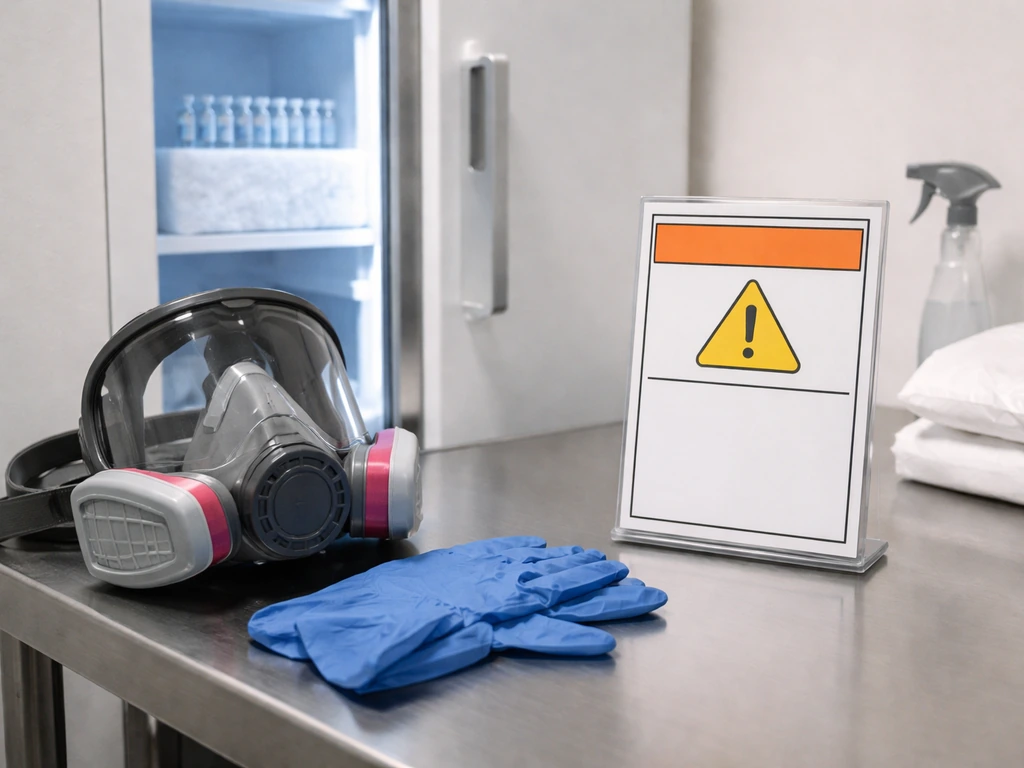
What Is Being Done About Bird Flu: Response, Vaccines, Safety
How agencies detect, contain and treat bird flu, plus biosecurity, vaccines, human steps, and safe egg and poultry guida

What Countries Have Bird Flu Now: Updated List and How to Check
Updated list of countries with bird flu, how to verify current reports, and what to do for poultry and travel.