
If you saw a Fox News segment about bird flu and landed here wondering whether you need to worry, the honest answer is: probably not much, but it depends on your situation. If you are specifically worried about reports like “big bird has the bird flu,” the safest approach is to check verified sources like the CDC and WHO rather than reacting to alarming headlines. As of today, June 2, 2026, the CDC considers the human health risk to the general U.S. public from highly pathogenic avian influenza (HPAI) A(H5N1) to be low. Only 22 human cases have been reported in the United States since 2022, and virtually all of them involved direct, close contact with infected animals or contaminated environments. No sustained human-to-human transmission has been detected anywhere. That said, understanding what bird flu actually is, what the real warning signs look like, and what steps to take if you work around poultry or livestock is genuinely worth your time.
Fox News Bird Flu: Real Risk, Symptoms, and What to Do

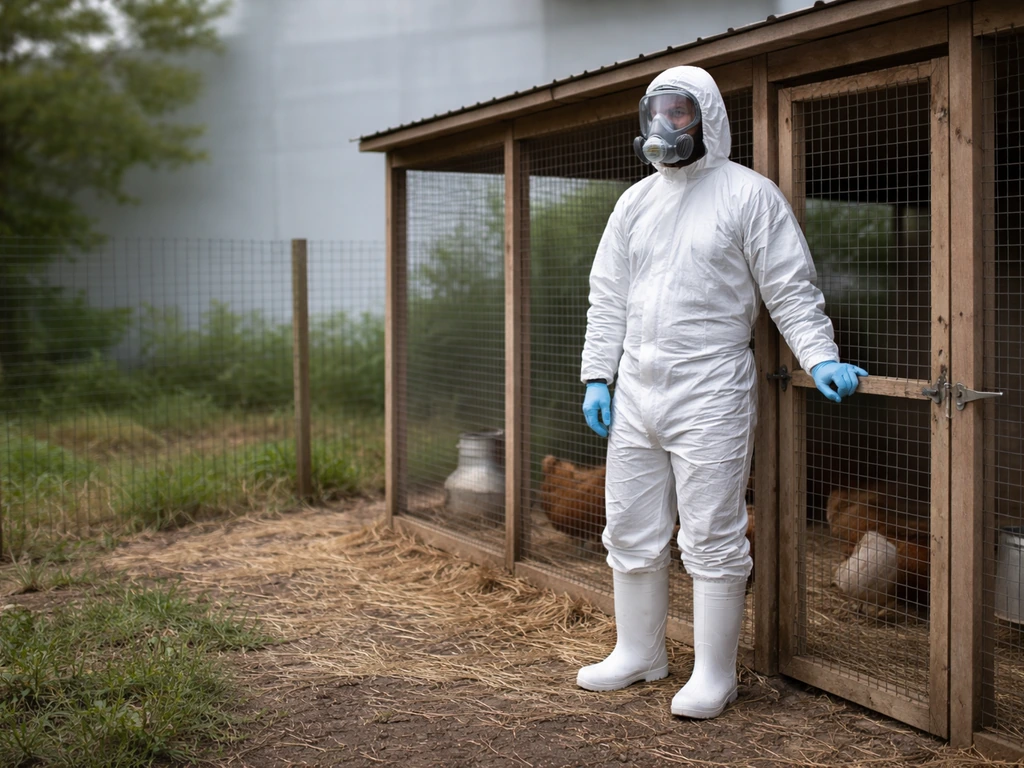
What "Fox News bird flu" actually means and what to check
When people search for "Fox News bird flu," they're almost always reacting to an alarming headline or TV segment and want to know whether the coverage reflects a real, immediate danger. Media coverage of bird flu tends to spike whenever a new human case is confirmed, a large commercial flock is culled, or a government agency updates its guidance. The WHO/FAO/WOAH public health assessment hub for recent highly pathogenic avian influenza A(H5) events is also updated periodically, including an entry based on data as of 1 March 2026 Media coverage of bird flu tends to spike whenever a new human case is confirmed, a large commercial flock is culled, or a government agency updates its guidance.. That doesn't automatically mean the situation has gotten dramatically worse. News cycles amplify singular events, and a single new case reported in one state can generate national coverage that feels much larger than the underlying risk.
When you see a bird flu headline on any news outlet, here are the specific things worth checking before deciding how concerned to be. Look for whether a human case involved confirmed direct animal exposure, because that's the dominant route of infection. Check whether there's any evidence of human-to-human transmission, because that's the key pandemic indicator and, as of the latest WHO disease outbreak notices, none has been detected. Note which species are affected and where the outbreak is geographically, since a commercial poultry outbreak in another state matters differently to a backyard flock owner in your county. And look for updates from CDC, USDA APHIS, or WHO rather than relying solely on the news summary, because those agencies publish granular case data and situation updates. Similar advice applies whether you encountered the story on Fox News, NBC News, CBS News, or science-focused outlets.
Bird flu basics: what avian influenza is (and isn't)
Avian influenza is a type of influenza A virus that circulates primarily in birds. The strains are classified by two surface proteins: hemagglutinin (H) and neuraminidase (N). The strain getting the most attention right now is H5N1, specifically a highly pathogenic (meaning severe in birds) version designated HPAI A(H5N1). "Highly pathogenic" refers to how deadly the virus is to domestic poultry, not to humans specifically. HPAI strains can wipe out entire flocks within days, which is why they trigger such aggressive agricultural responses.
Bird flu is not the same as seasonal flu. Seasonal influenza viruses are adapted to spread efficiently between humans. Avian influenza viruses are primarily adapted to birds, and most human cases happen because someone had unusually close contact with infected animals or heavily contaminated environments. For a true influenza pandemic to occur, the WHO notes that the virus would need to develop the ability to sustain efficient human-to-human transmission, and that capability has not emerged with current H5N1 strains. This distinction matters a lot when you're trying to calibrate whether a news story represents a genuine public health emergency or a legitimate but contained agricultural and occupational health concern.
How to read current bird flu news coverage without panicking
Media coverage is not the same as a risk assessment. Here are the verified sources and indicators I'd point you to when a bird flu story crosses your feed.
- CDC's H5 Bird Flu Current Situation page: updated on a routine cadence since July 2025, this is the best single-stop for confirmed U.S. human case counts, affected states, and whether surveillance is showing any unusual flu activity in people.
- USDA APHIS confirmed detections pages: track HPAI in commercial flocks, backyard flocks, and wild birds, with the wild bird surveillance page last updated May 22, 2026.
- WHO Disease Outbreak Notices (DONs): individual country-level reports that include transmission assessment. The most recent U.S.-related notices confirm no evidence of human-to-human spread.
- WOAH/FAO/WHO joint assessments: the joint public health assessment updated with data through March 1, 2026 remains one of the most comprehensive global overviews.
- PAHO/WHO Americas epidemiological updates: as of March 11, 2026, 75 human H5N1 infections occurred across five countries in the Americas between April 2022 and March 2026, with only two deaths and no new cases reported after November 2025.
The key indicators that would signal a genuinely elevated situation: a confirmed case with no identifiable animal exposure, multiple household cases without shared animal contact, or a WHO announcement about sustained community spread. None of those are present as of today.
Human risk: symptoms, incubation, and when to seek care
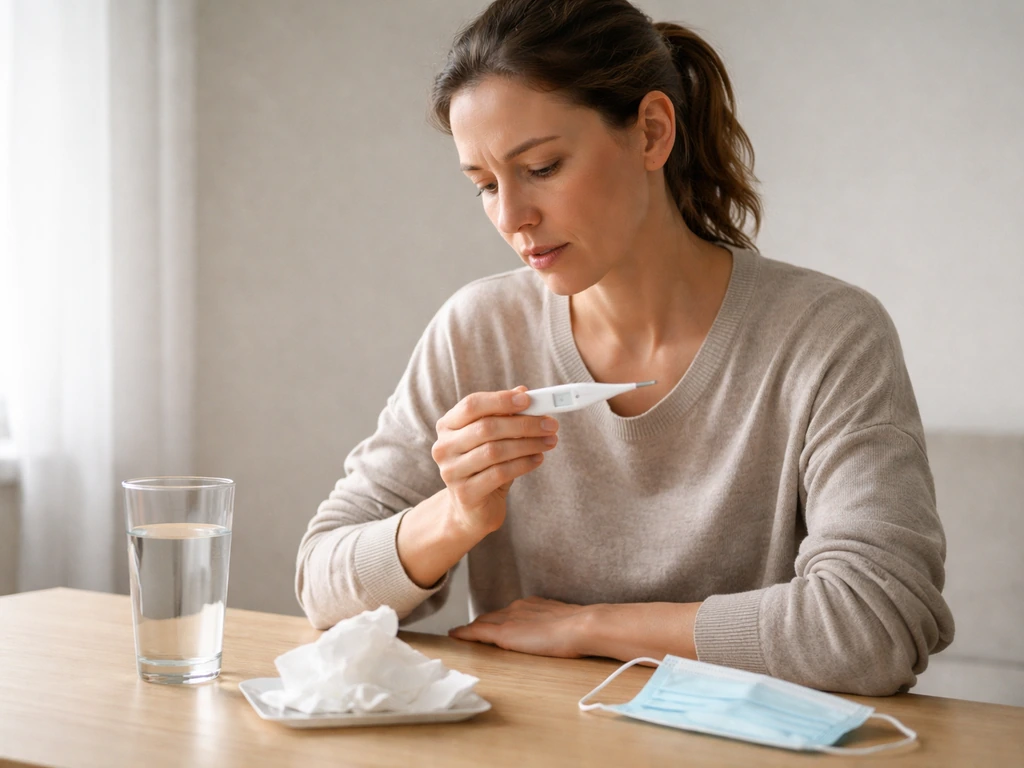
Understanding what bird flu actually looks like in people helps you avoid two traps: dismissing a real exposure, or catastrophizing a regular cold. The incubation period for H5 bird flu is about 3 days on average, with a range of roughly 2 to 7 days after exposure. Symptoms in humans range widely. The WHO describes presentations from mild flu-like illness or eye inflammation all the way to severe acute respiratory disease and, in some cases, death. In recent U.S. cases, eye redness (conjunctivitis) has been the predominant symptom, which makes sense given that many cases involved dairy farm workers whose eyes were exposed to contaminated material.
Here's a practical breakdown of the symptom spectrum you might see, from least to most severe.
| Severity Level | Common Symptoms | Action |
|---|---|---|
| Mild | Conjunctivitis (eye redness/discharge), runny nose, mild fever | Contact your doctor, mention animal exposure |
| Moderate | Fever, cough, sore throat, muscle aches, fatigue | Seek medical evaluation promptly, mention exposure history |
| Severe | Difficulty breathing, chest pain, altered consciousness, high fever | Go to emergency care immediately, inform providers of potential bird flu exposure |
The most important thing you can do, if you have any of these symptoms and you've recently been around sick or dead birds, infected livestock, or contaminated environments, is tell your healthcare provider exactly what the exposure was and when. CDC guidance specifies that anyone with relevant exposures who develops flu-compatible symptoms should get prompt medical evaluation, testing, and empiric antiviral treatment with oseltamivir (Tamiflu) twice daily for 5 days, started as soon as possible. If you had a potential exposure but no symptoms yet, you may still be offered oseltamivir as post-exposure prophylaxis (PEP). Testing for H5 bird flu is available, and the CDC is continuing to expand commercial testing access.
Poultry and farm risk: warning signs and what to do right now
If you keep poultry, whether a backyard flock of six chickens or a commercial operation, you need to know the warning signs of HPAI and what to do if you see them. HPAI strains can devastate a flock within days, and early reporting is not just a regulatory requirement but your best tool for limiting losses and potentially accessing indemnity compensation from USDA.
Warning signs in birds to watch for include:
- Sudden increase in bird deaths with no obvious cause
- Open-mouth breathing or gasping
- Swelling of the head, comb, wattles, or eyelids
- Discoloration (blue or purple tinting) of the comb and wattles
- Stumbling, tremors, or other neurological signs
- Dramatic, unexplained drop in egg production
- Watery or bloody diarrhea
- Runny nose or other respiratory distress
If you see any of these signs, do not wait to see if the birds improve. Report immediately to USDA at 1-866-536-7593. You can also contact your local cooperative extension service, a local veterinarian, or your state veterinarian. If your birds are sick or dying, the USDA APHIS “HPAI in Poultry” page instructs contacting a local veterinarian, cooperative extension service, or your state veterinarian contact your local cooperative extension service, a local veterinarian, or your state veterinarian.. The faster you report, the faster containment protocols can begin, and quick reporting also starts the clock on USDA APHIS's indemnity compensation process for affected flocks. APHIS has been continuously monitoring commercial and backyard flocks, wild birds, and dairy cattle since the current outbreak wave started in February 2022, and that surveillance infrastructure is designed to help you as much as it is to protect the broader food supply.
How bird flu actually spreads: transmission routes and common misconceptions
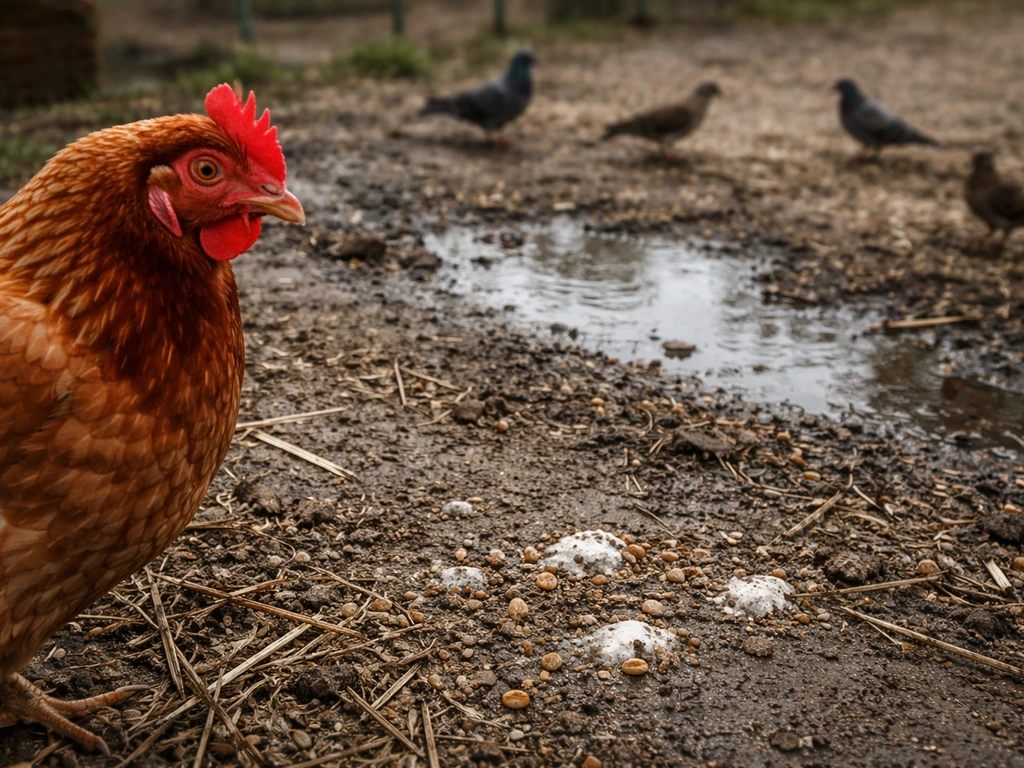
Bird-to-bird transmission is the primary driver of HPAI spread. The virus travels through respiratory secretions and feces of infected birds, and wild birds, especially waterfowl migrating along flyways, act as a reservoir and long-distance transport mechanism. WOAH notes that wild bird mixing during migration can increase the risk of spread and genetic reassortment, which is why wild bird surveillance functions as an early warning system. Infected wild birds can introduce the virus to domestic flocks through direct contact, shared water sources, or contaminated equipment and footwear brought in by people.
Human infections have occurred primarily through close, direct, unprotected contact with infected birds or animals (including dairy cattle), contaminated environments like poultry barns, or infected animal byproducts such as raw milk. There is no evidence that the virus spreads efficiently from person to person. This is the critical distinction that separates the current situation from a pandemic scenario. Most people going about their daily lives in cities and suburbs have essentially zero meaningful exposure pathway unless they're visiting farms, handling wild birds, or working in poultry or dairy operations.
A common misconception is that bird flu can spread through the air over long distances or through casual contact with an infected person. Current evidence does not support that. Another misconception is that eating poultry or eggs from a grocery store is a transmission risk, which is addressed directly in the next section.
Prevention for households and farms: hygiene, biosecurity, and PPE
For households and the general public
- Avoid touching wild birds, especially waterfowl, and do not handle sick or dead wild birds with bare hands. If you need to remove a dead bird, use gloves and a bag, then wash your hands thoroughly.
- Avoid visiting live bird markets or poultry farms if there's an active local outbreak unless necessary.
- If you have a backyard flock, keep it separated from wild birds by using covered runs, and do not share equipment with other flock owners without disinfecting first.
- Wash your hands with soap and water after any contact with live poultry, birds, or their environments.
- Do not consume raw milk or unpasteurized dairy products, since H5N1 has been detected in dairy cattle and the virus can be present in raw milk.
For farm workers and poultry/livestock handlers
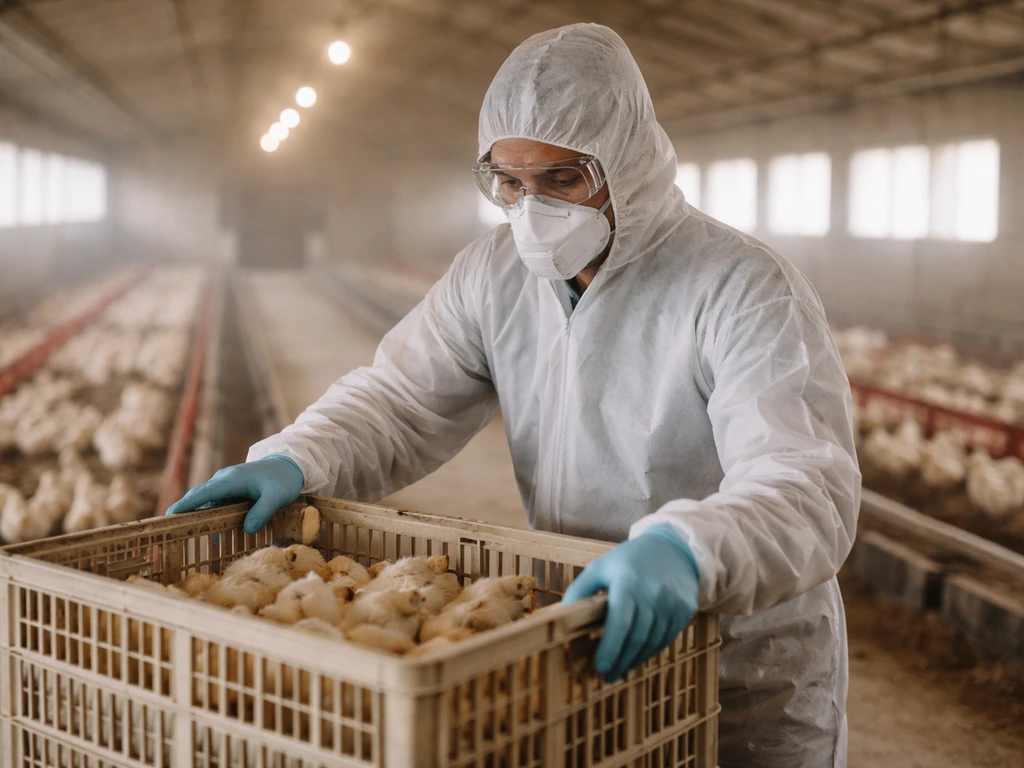
- Wear appropriate PPE when working with potentially exposed animals: respiratory protection (at minimum an N95 respirator), eye protection (goggles or face shield), gloves, and dedicated footwear or boot covers.
- Change and wash clothing worn in animal areas before leaving the farm, or use disposable coveralls.
- Disinfect boots and equipment between barn entries, and limit farm visitors during outbreak periods.
- Implement biosecurity protocols that restrict movement of people, vehicles, and equipment between farms.
- Monitor your own health for 10 days after any high-risk exposure. Report fever, respiratory symptoms, or eye irritation to your local health department immediately and mention your animal exposure history.
- Know that you may be eligible for oseltamivir post-exposure prophylaxis if you had a close, unprotected exposure to infected animals or contaminated environments.
Food safety and vaccines: what you actually need to know
Is it safe to eat poultry and eggs?
Yes, with proper handling and cooking. The CDC states clearly that cooking poultry, eggs, and beef to appropriate internal temperatures kills bacteria and viruses, including avian influenza A viruses. There is no evidence in the United States that anyone has gotten infected with avian influenza after eating properly handled and cooked poultry products. The key word is "properly." Cook whole poultry to an internal temperature of 165°F (74°C). Cook eggs until both the yolk and white are firm. FDA guidance also advises serving cooked eggs and egg-containing dishes immediately after cooking, rather than letting them sit at room temperature, which applies to general food safety as much as to any specific bird flu risk.
The practical takeaway: buying commercially processed poultry and eggs at a grocery store and cooking them thoroughly carries no meaningful bird flu risk. Avoid raw or undercooked poultry, runny eggs if you're in a high-risk group, and raw milk or unpasteurized dairy products.
What about vaccines for bird flu?
Here's where things get nuanced. As of today, there is no commercially available vaccine against avian influenza viruses, including H5N1, and the CDC does not recommend that the general public get vaccinated against bird flu. This is because, given the current low risk of widespread human infection, the calculus for a public vaccination campaign hasn't been reached. However, preparedness infrastructure does exist: two HPAI A(H5N1) candidate vaccine viruses have already been developed and made available to manufacturers, meaning that if the virus were to develop sustained human-to-human transmission, the process of scaling up vaccine production could begin relatively quickly. This is meaningfully different from being caught entirely flat-footed. Seasonal flu vaccines do not protect against bird flu, so getting your annual flu shot is still important for your health but won't cover H5N1.
Your practical next steps, right now
If you're a general member of the public who saw a bird flu headline: bookmark the CDC's H5 Bird Flu Current Situation page for accurate case counts, cook your poultry and eggs thoroughly, skip the raw milk, and leave wild birds alone. For ongoing science news bird flu updates, that same CDC H5 Bird Flu Current Situation page is the best adjacent place to check for real-time case counts and guidance. For specific, up-to-date summaries of bird flu developments, you can also see what CBS News is reporting alongside the official CDC updates CDC's H5 Bird Flu Current Situation page. That's genuinely it for most people.
If you work with poultry, dairy cattle, or other livestock: review your PPE protocols today, make sure you know the USDA reporting number (1-866-536-7593), and establish a habit of daily health self-monitoring after high-risk exposures. If you develop any flu-like symptoms or eye irritation within 7 days of an animal exposure, contact your healthcare provider and be explicit about the exposure.
If you have a backyard flock: know your bird illness warning signs, keep wild birds away from your flock as much as possible, and don't hesitate to call your state veterinarian if something looks wrong. Early reporting protects your flock, your neighbors' flocks, and potentially qualifies you for compensation.
The bottom line on alarming bird flu coverage is this: the situation is real and deserves monitoring, but the gap between what makes news and what poses a realistic risk to you personally is large. The public health and agricultural surveillance systems are actively watching this, the reporting tools exist, and the antiviral treatments work when started promptly. Staying informed through verified sources rather than news headlines alone is the most useful thing you can do.
FAQ
If I only saw a Fox News bird flu segment, how can I tell whether the story is based on a new human case or just an agriculture update?
Check whether the headline mentions a confirmed human infection and a reported exposure history. If it is framed mainly around flock culling, farm outbreaks, or animal surveillance without a human case, your personal risk is usually much lower. Then verify the same details against the CDC situation updates (case count by state, exposure type, and date of report).
What should I do differently if I had exposure but I am not sure whether it was “direct animal contact” versus “contaminated environment”?
Treat it as an exposure anyway and be specific with your clinician. Examples of “contaminated environment” include barns, milking areas, poultry dust, or handling manure soiled materials, even if you did not touch the animals directly. Your best next step is to call your healthcare provider promptly and describe the location, dates, and whether you had eye exposure or respiratory exposure, because that can affect how quickly testing and antivirals are considered.
I have eye redness, but no fever. Does that still count as a possible bird flu symptom?
Yes. Eye inflammation or conjunctivitis has been a common presentation in recent U.S. cases. If it starts within the symptom window after an animal or contaminated-environment exposure, contact a healthcare provider promptly and mention eye exposure, not just “cold symptoms,” because it can change the urgency and the choice of testing.
How long after a bird flu exposure is it too late to seek evaluation or treatment?
The incubation period described for H5 bird flu is about 2 to 7 days after exposure (average around 3). If symptoms start after that window, it makes H5 bird flu less likely but you should still seek care for other causes. For preventive post-exposure care, timing matters, so contact your clinician as soon as possible after a high-risk exposure, even before symptoms appear.
If I am sick, how do I avoid missing the “important details” during a rushed doctor visit?
Write down a short timeline before you call or go in: the date of the exposure, what you were doing (milking, handling poultry, cleaning barns, contact with wild birds), whether you had eye splash or wore respiratory protection, and when symptoms began. Bring it up early, then ask whether testing for H5 avian influenza is appropriate and whether empiric oseltamivir should be started while results are pending.
What are the biggest mistakes backyard poultry owners make after they notice sick birds?
Delaying reporting, moving birds between coops, and trying to “wait it out” are common errors. Another frequent mistake is using shared equipment (traps, buckets, boots, feed scoops) across birds without changing or disinfecting, which can spread pathogens within a yard. If you see the warning signs, report immediately and limit contact with the birds until guidance arrives.
Can I catch bird flu from handling store-bought eggs or chicken meat?
Proper cooking essentially removes the risk. The key caveat is “properly handled and cooked.” Avoid cross-contamination by not using the same cutting board or utensils for raw and ready-to-eat foods without washing and sanitizing, and do not taste raw batter or raw egg mixtures. If you are in a high-risk group, you can be extra careful with hygiene and food handling even if the food itself is cooked.
Is raw milk the main food-related risk, and what about pasteurized milk?
Raw or unpasteurized milk is the specific concern to avoid. Pasteurized dairy products are considered safe with respect to this route because pasteurization inactivates influenza viruses. If you are unsure about whether a product is pasteurized, check the label and choose pasteurized options.
Do I need to wear an N95 or other respirator when caring for poultry during an outbreak?
If you have close contact with potentially affected birds or contaminated areas, respirator use should follow your workplace or animal-health guidance and your PPE plan, not guesswork. For general public casual contact, respirators are usually unnecessary, but for farm or barn exposure, eye protection and appropriate respiratory protection matter because contaminated particles are a realistic exposure route.
What kind of symptom onset should trigger extra concern if I work around dairy cattle or poultry?
For people with occupational exposure, eye irritation plus flu-like symptoms is an especially important combination to report. Also pay attention to symptoms within about a week of a high-risk animal or contaminated-environment event, such as cleaning barns, handling sick or dead animals, or working without adequate PPE. If symptoms occur, contact a clinician and describe the exposure clearly.
Is there any vaccine I can get right now to protect me from H5N1 bird flu?
Vaccination is not routinely available for the general public. Candidate vaccine viruses exist for preparedness, but that does not translate into a widely available public vaccine today. Your most effective prevention steps remain exposure avoidance, proper PPE for occupational settings, and prompt medical evaluation if symptoms occur after an exposure.