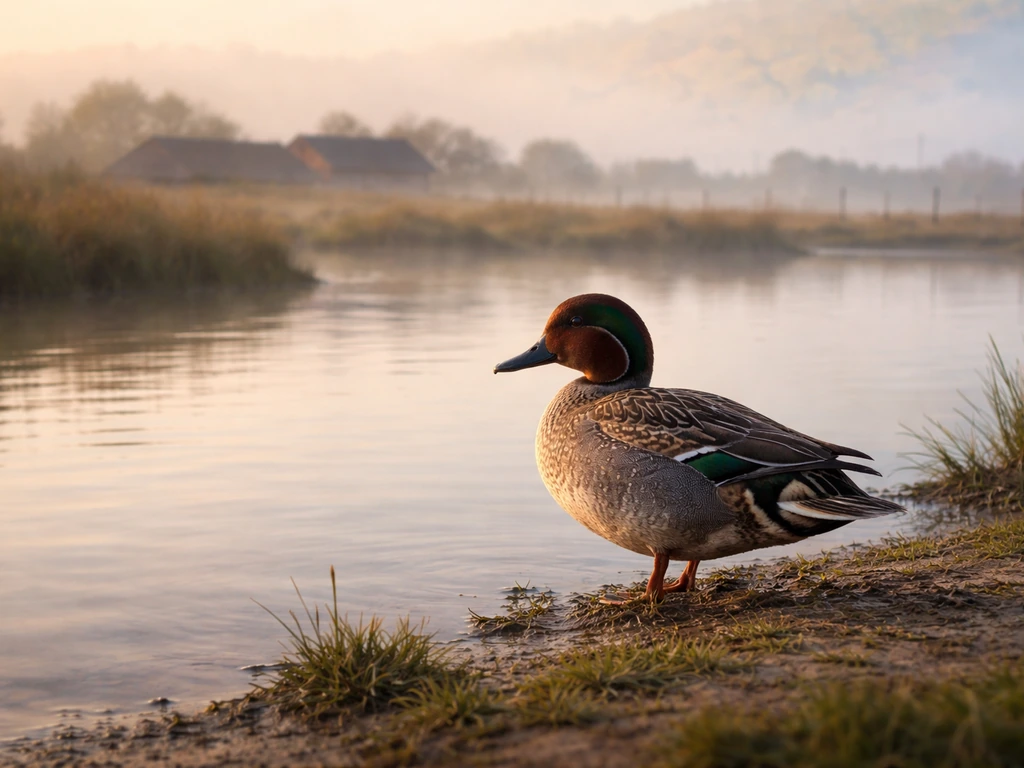
Bird flu, formally called avian influenza, does very different things depending on whether it infects a bird or a person. To understand what is bird flu disease, it helps to know it is avian influenza and how it can affect birds versus people. In birds, the highly pathogenic form (HPAI) is catastrophic: it can devastate an entire flock within days, causing severe neurological signs, organ failure, and near-total mortality.
What Does Bird Flu Do to Birds and People?

Sarah Chen
29 Apr 2026
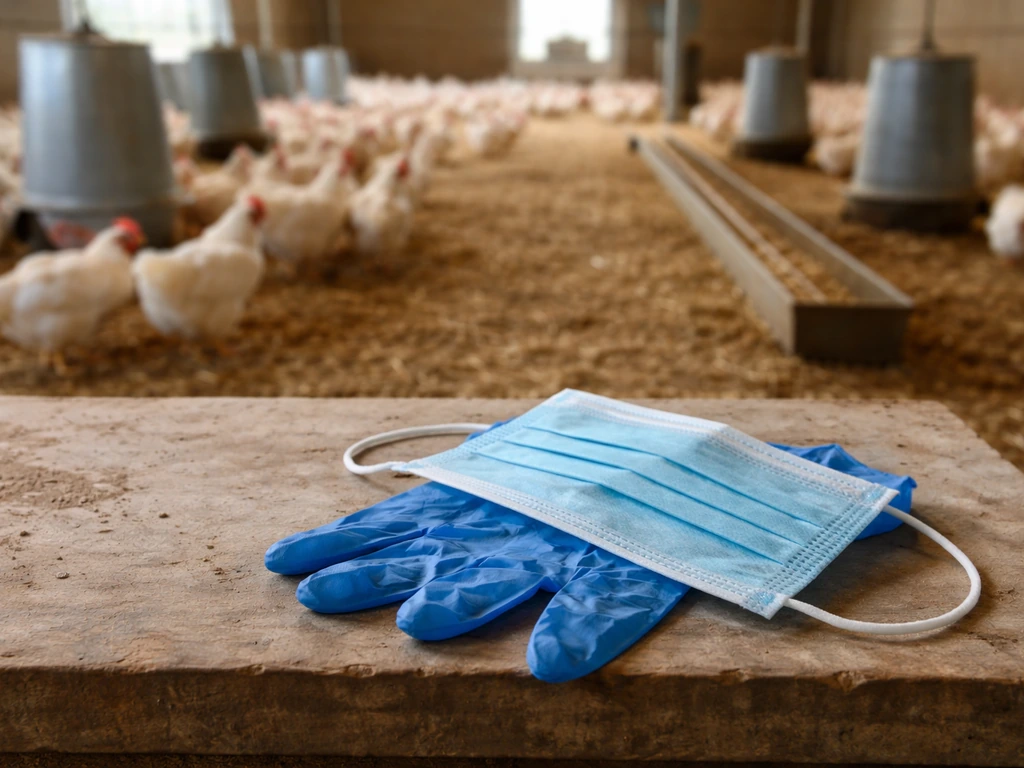
In people, infection is uncommon and mostly tied to direct contact with infected animals, but when it does happen, it can range from mild conjunctivitis (eye redness) to serious pneumonia.
The practical takeaway right now is that your risk as an average person is low, human-to-human spread is not happening in any sustained way, and there are clear steps you can take today whether you work on a farm, keep backyard poultry, or simply want to understand what you're actually dealing with.
If you want the full picture, it helps to understand how the virus spreads, enters the body, and causes disease in both birds and people how bird flu spreads.
What bird flu does to birds
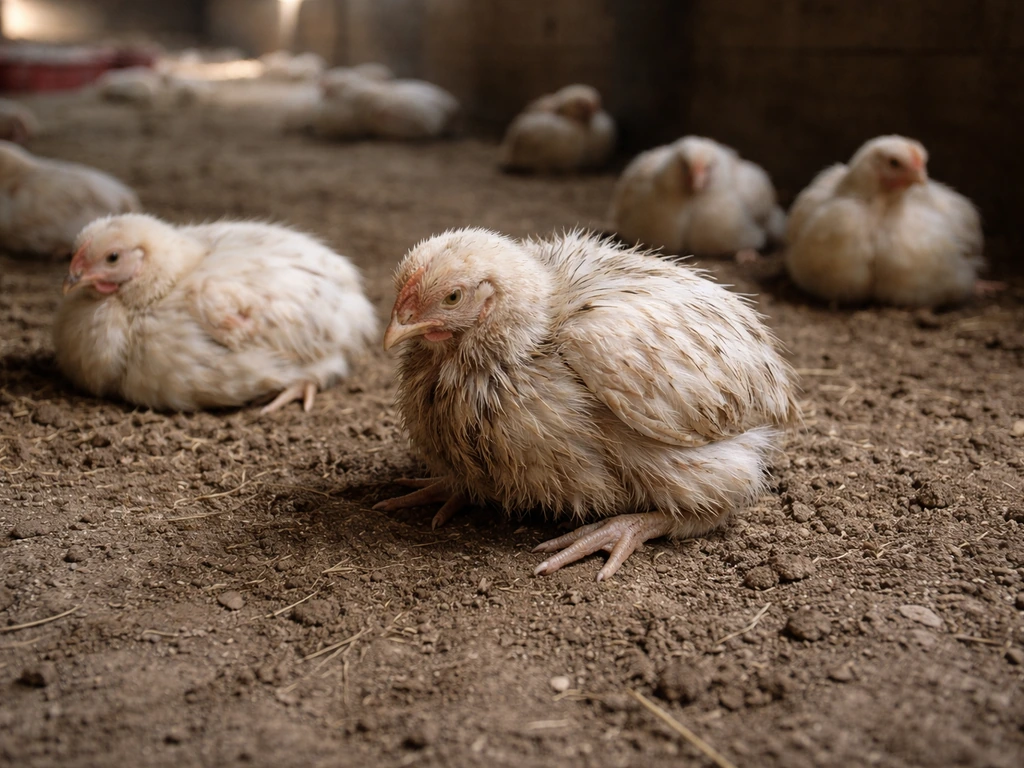
Not all avian influenza is equal. There are two pathogenicity categories you'll hear about constantly: LPAI (low pathogenic avian influenza) and HPAI (high pathogenic avian influenza). LPAI typically causes little or no visible clinical signs in birds, and the only early warning might be a slight uptick in mortality in a flock. It's often manageable through quarantine or controlled marketing rather than full depopulation. HPAI is a completely different animal. According to USDA/APHIS, HPAI can wipe out entire flocks of domestic poultry within days, and the World Organisation for Animal Health (WOAH) confirms it produces severe clinical signs and potentially very high mortality rates.
In birds infected with HPAI, you may see sudden death with no prior warning, or rapid progression through symptoms like lethargy, swollen heads, purple discoloration of the comb and wattles (indicating circulation failure), neurological signs such as twisted necks and loss of coordination, and a steep drop in egg production. Birds that were fine yesterday can be dead tomorrow. This speed is what makes HPAI so economically and biologically devastating to poultry operations.
When HPAI is confirmed on a farm, the response is aggressive by design. USDA/APHIS policy centers on rapid depopulation (stamping-out), strict quarantine, movement controls, and full carcass disposal, followed by cleaning, disinfection, and ongoing surveillance before any restocking. Trade restrictions and regulatory controls come with the territory too. It's a hard protocol, but it exists because allowing HPAI to spread through additional flocks would be far worse.
How avian influenza affects the human body
When a person does get infected with HPAI A(H5N1), the virus doesn't behave like your typical seasonal flu. It infects the respiratory tract and, in serious cases, can drive a severe inflammatory response that leads to pneumonia and respiratory failure. A confirmed U.S. case from April 2024 presented with only conjunctivitis, which is on the mild end. But in other countries, H5N1 has caused deaths. The honest range is: eye infection on the mild end, fatal pneumonia on the severe end.
The reason HPAI can be more dangerous than seasonal flu when it does infect humans is partly because our immune systems have no prior exposure history to these strains. H5N1 and similar novel avian influenza A viruses can trigger an outsized immune response, sometimes called a cytokine storm, where the body's own defenses damage lung tissue. This is why public health agencies take even a handful of human cases seriously and why prompt antiviral treatment matters so much.
How people actually get infected
The virus gets into a person the same basic way any respiratory pathogen does: through the eyes, nose, or mouth. What's different about bird flu is where those viral particles come from. CDC is clear that the primary route is direct or indirect contact with infected birds or contaminated environments. That means handling sick or dead birds, touching surfaces contaminated with bird droppings or secretions, and then touching your face. WHO adds that preparing infected poultry for consumption in a household setting is also a documented risk factor.
The people at highest risk are farm workers, cullers (the teams that carry out depopulation), and anyone with prolonged, unprotected contact with infected birds or contaminated surfaces. CDC notes that people usually get infected after close, unprotected exposure to infected birds or animals or contaminated environments, such as when respiratory/eye protection is not used prolonged, unprotected contact with infected birds or contaminated surfaces. Backyard poultry keepers are also in this group if they handle birds without protection during an active outbreak nearby. Simply being near birds, visiting a farm, or eating properly cooked poultry is not how people get bird flu.
Symptoms: birds versus humans, side by side
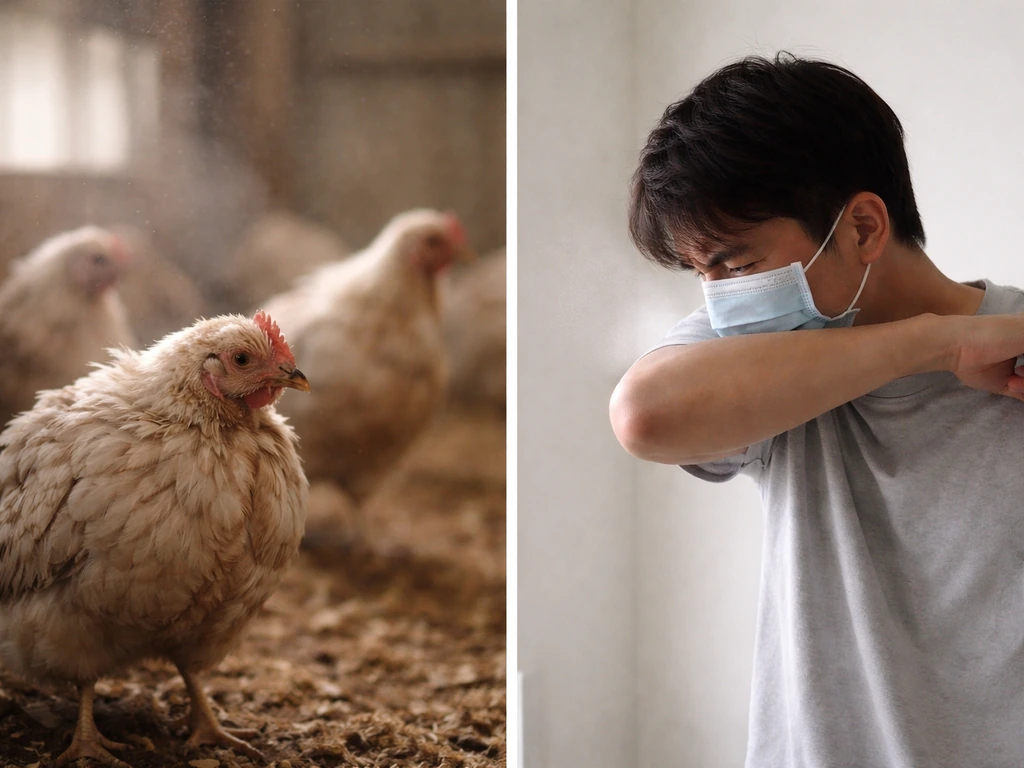
| Feature | In Birds (HPAI) | In Humans (H5N1) |
|---|---|---|
| Onset speed | Can be sudden; mass die-off within 24–48 hours | Symptoms typically develop 2–7 days after exposure (reported up to 7–10 days for H5N1) |
| Common early signs | Lethargy, swollen head, discolored comb/wattles, stopped eating | Fever, cough, sore throat, runny nose, muscle aches, headache, fatigue |
| Eye involvement | Watery eyes, conjunctival swelling | Conjunctivitis (eye redness/discharge) — can be the only symptom in mild cases |
| Respiratory signs | Open-mouth breathing, gasping | Cough, shortness of breath; severe cases develop pneumonia |
| Neurological signs | Twisted neck, loss of coordination, tremors | Rare, but severe cases can include altered consciousness |
| Severe outcome | Near-total flock mortality within days | Respiratory failure; fatal outcomes documented in other countries |
| Egg/reproductive impact | Sharp drop in egg production | Not applicable |
How worried should you actually be about spreading between people
Here's the part that matters most for everyday risk assessment: as of today, April 2026, there is no evidence of sustained human-to-human transmission of any currently circulating zoonotic H5 virus. WHO’s H5N1 Q&A notes that, based on current knowledge, the virus does not seem to easily infect humans or spread from person to person. WHO has stated directly that these viruses have not demonstrated sustained person-to-person spread. CDC investigated specific cases in the U.S. and found no evidence of human-to-human spread in those situations either. That distinction is huge. Bird flu is an animal-to-human problem right now, not a community-spread problem.
That doesn't mean experts are complacent. The concern with HPAI A(H5N1) is its pandemic potential if it ever mutates to spread efficiently between people. That's why surveillance, rapid case investigation, and outbreak response are treated seriously. But it does mean that a person working in an office, shopping at a grocery store, or eating at a restaurant has essentially no meaningful risk from bird flu today.
Prevention steps for households and farms
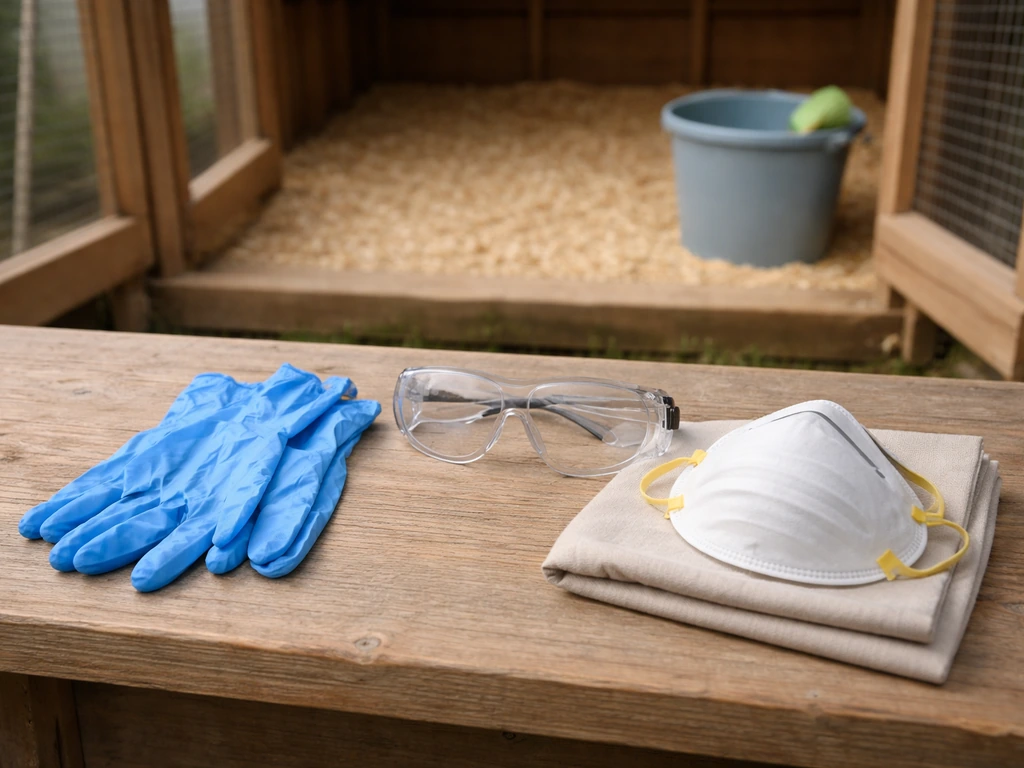
If you keep backyard poultry or work on a farm
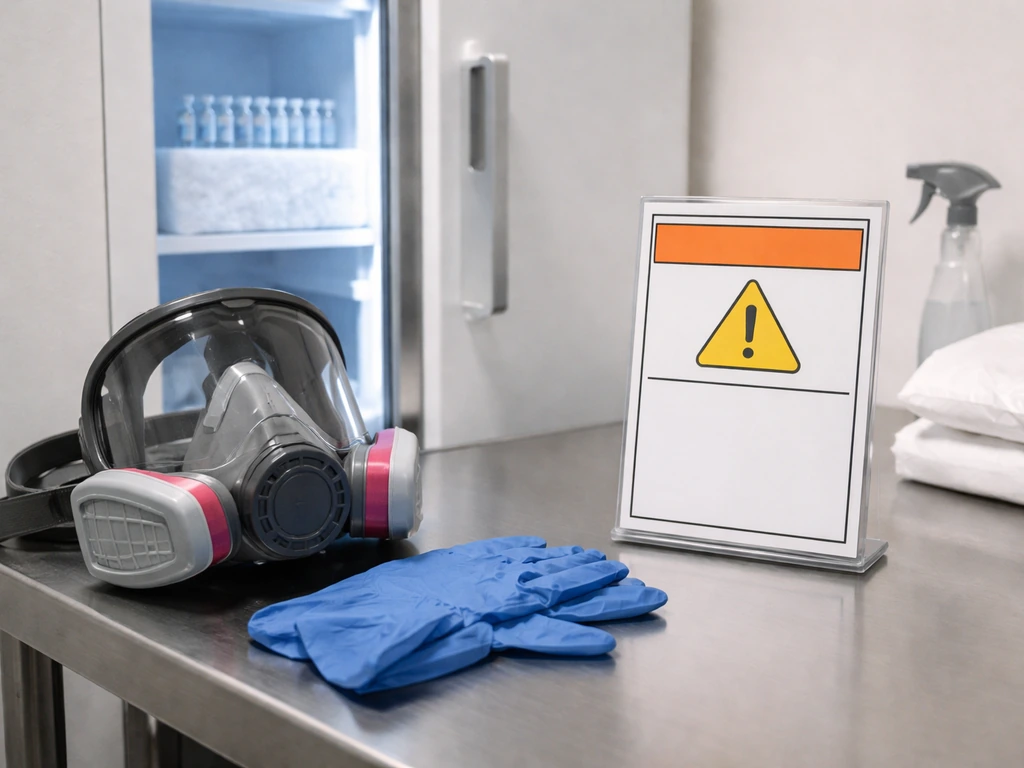
- Wear personal protective equipment (PPE): gloves, eye protection, and a well-fitted respirator (N95 minimum) when handling birds, cleaning coops, or working in any area with sick or dead poultry.
- Keep wild birds away from your flock: wild waterfowl are a primary reservoir for avian influenza and can shed virus without showing symptoms.
- Limit flock visitors: the more people and equipment moving between flocks, the higher the contamination risk.
- Disinfect footwear, clothing, and equipment before entering and leaving poultry areas.
- Report unusual mortality immediately to your state veterinarian or USDA/APHIS; early detection limits spread.
- Do not handle sick or dead wild birds with bare hands; use gloves and double-bag carcasses.
For households without direct bird contact
- Wash hands thoroughly with soap and water after any contact with birds, bird droppings, or surfaces in environments where birds are present.
- Avoid touching your face after handling live birds at markets, fairs, or farms.
- Follow proper food handling and cooking practices (more on this below).
- Stay current with seasonal influenza vaccines — they don't protect against H5N1, but reducing your baseline flu burden makes surveillance and diagnosis cleaner.
What to do if you think you've been exposed
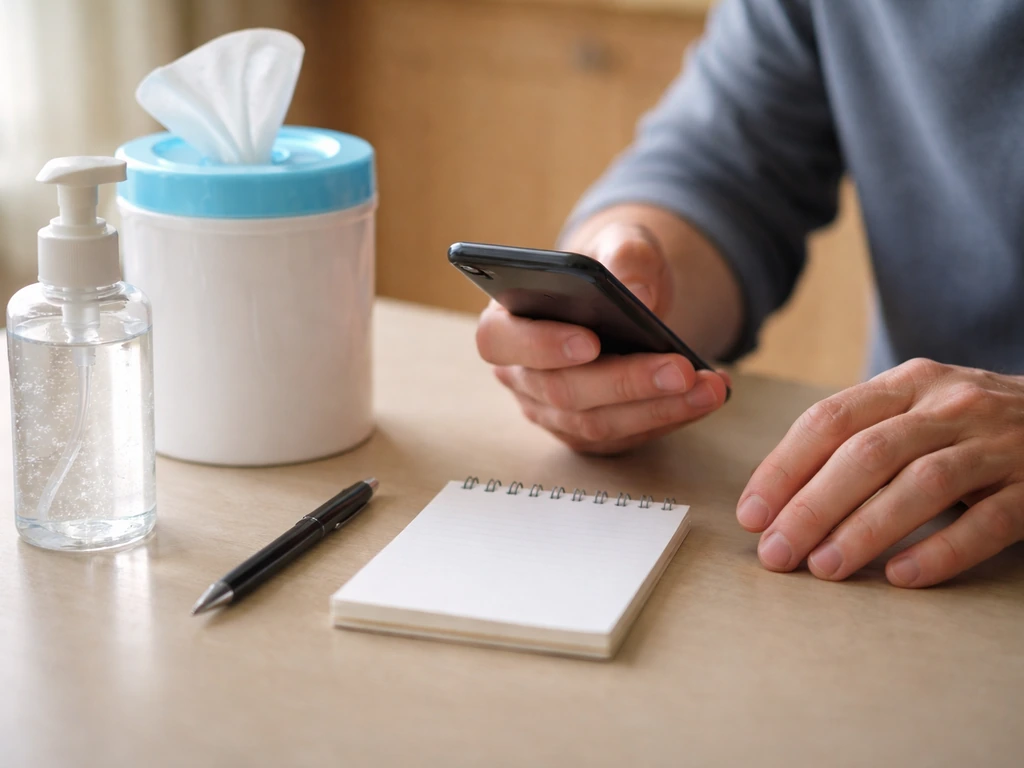
If you've had unprotected contact with birds you suspect were infected with avian influenza, or you worked in an environment where HPAI was confirmed and your PPE was compromised, here's the practical sequence to follow.
- Contact your state or local health department immediately, even before symptoms appear. Don't wait to see if you feel sick. They will assess your exposure level and may recommend post-exposure prophylaxis (preventive antiviral medication).
- Monitor yourself for symptoms for 10 days after your last exposure. CDC uses a 10-day monitoring window based on the incubation period for H5N1, which is generally 3–5 days but can extend to 7–10 days.
- Watch specifically for: fever, cough, shortness of breath, sore throat, runny nose, eye redness, muscle aches, or unusual fatigue.
- If symptoms develop during that 10-day window, call (don't just show up to) your healthcare provider or health department. Tell them explicitly about your potential bird flu exposure so they can triage you appropriately and arrange testing without putting other patients at risk.
- Oseltamivir (Tamiflu) is the primary antiviral used for both treatment and post-exposure prophylaxis. CDC recommends twice-daily dosing for post-exposure prophylaxis in novel influenza A cases. If treatment is needed, it works best when started within two days of symptom onset, so early reporting is critical.
- Avoid contact with other people as much as reasonably possible while you're monitoring, especially anyone immunocompromised.
When you call your provider or health department, be specific: describe what type of birds you were near, whether they appeared sick, how long you were exposed, and whether you were wearing PPE. That information directly shapes the public health response and the care you receive.
Food safety, eggs, and the vaccine situation
Cooking and handling poultry and eggs
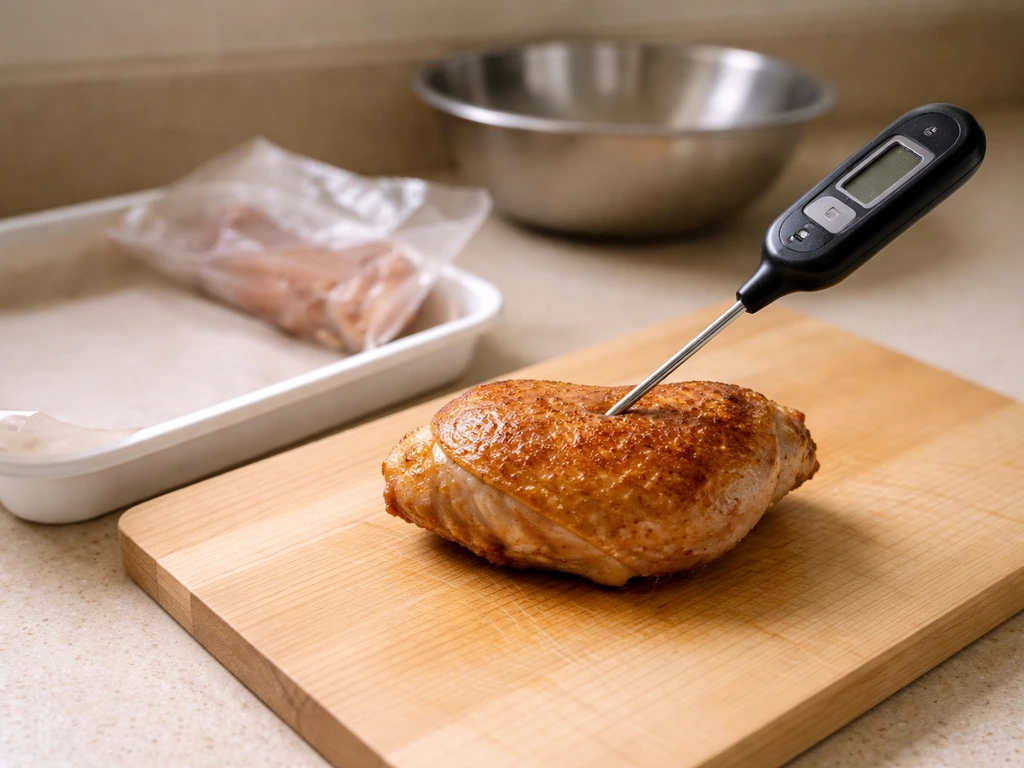
Properly cooked poultry and eggs are safe during HPAI outbreaks. FDA and CDC are consistent on this: cook all poultry to a minimum internal temperature of 165°F (74°C), and cook eggs until both the yolk and white are firm. The influenza virus does not survive proper cooking temperatures. The other key rule is preventing cross-contamination: keep raw poultry separate from other foods, use dedicated cutting boards, and wash hands and surfaces after handling raw poultry. These are standard food safety practices, and they apply here too.
Pasteurized milk is safe. CDC has addressed this directly in the context of HPAI detection in dairy cattle: pasteurization kills the virus, so commercially pasteurized dairy products carry no bird flu risk. Raw (unpasteurized) milk is a different story, and avoiding it is sound advice regardless of bird flu.
Vaccines and antivirals: what's available
The U.S. does have an FDA-licensed H5N1 monovalent vaccine (adjuvanted) that has been in the national stockpile since its approval in 2013. It is not widely distributed to the general public right now because the current risk level doesn't warrant mass vaccination, but it exists as a pandemic preparedness tool. If a strain capable of sustained human-to-human transmission emerged, that stockpile becomes relevant very quickly.
For treatment, oseltamivir (Tamiflu) is the frontline antiviral. CDC's most recent guidance, updated in March 2025, reiterates that it should be started as soon as possible for confirmed or suspected H5N1 infection, ideally within two days of symptom onset. The sooner, the better. This is why you don't want to wait and see if symptoms resolve on their own if you've had a real exposure.
Staying current with outbreak information
Bird flu is an active and evolving situation. USDA/APHIS publishes ongoing HPAI detection data by state and species, and CDC maintains a dedicated H5N1 bird flu response update page with case counts and new guidance. If you work in agriculture, poultry, or live animal markets, checking these sources monthly (or more frequently during active outbreaks) is genuinely useful, not just precautionary. State health and agriculture departments often have faster, more localized updates and are your first call for anything involving your own potential exposure.
The bottom line: bird flu is serious in birds, real but uncommon in humans, not spreading person-to-person, and manageable with the right precautions and prompt action. The anxiety around bird flu is understandable, but it's most useful when it drives practical steps rather than panic. Knowing what to do, and doing it quickly when it matters, is where the actual protection comes from.
FAQ
Is “bird flu” always the same thing, or does it depend on the type (H5N1, LPAI vs HPAI)?
No. Bird flu refers to avian influenza infections, but the label is often used to mean HPAI, especially H5N1, because it causes the most dramatic outbreaks in birds. LPAI infections can circulate with few visible signs in birds, so “bird flu” in news reports may not always mean the same severity.
If I saw sick birds nearby, does simply being in the same area mean I’m at high risk?
Yes, the risk is about exposure type, not closeness alone. Being near wild birds or visiting a farm without handling sick birds or contaminated materials is generally much lower risk than touching droppings, carcasses, or surfaces contaminated during an outbreak.
What should I do if I might have been exposed, but I am not sure it was H5N1?
If you suspect exposure, contact a clinician or your local health department rather than waiting for a routine “flu” test. Tell them you had unprotected contact with sick or dead birds (or contaminated environments) and when it happened, because diagnostic and treatment decisions for suspected H5N1 can depend on that timeline.
If I get symptoms after a known bird exposure, when is antivirals like oseltamivir actually useful?
Oseltamivir is most effective when started early, ideally within two days of symptom onset for confirmed or suspected H5N1, so the best “next step” is prompt medical evaluation if symptoms develop after real exposure.
Does everyone who had contact with birds need to start Tamiflu?
Antivirals are prescribed based on a clinician’s assessment and local guidance, not automatically for every person who had minor contact. The key decision inputs are the nature of the contact (direct bird contact or contaminated environment), duration, PPE use, and timing.
What are the most practical safety steps for backyard poultry keepers during a nearby HPAI outbreak?
For backyard flocks during an outbreak, you generally want to separate bird handling from food prep, avoid touching your face while managing birds, and disinfect tools and footwear after contact. If you have to cull or handle sick birds, use appropriate PPE and follow local guidance on disposal and movement restrictions.
How do I tell the difference between safe poultry contact and a real exposure?
You can have a poultry contact without meaningful exposure. For example, eating commercially processed poultry and eggs that were cooked properly has a different risk profile than handling raw birds or their secretions. Similarly, PPE matters most when you are doing tasks that generate splash or contact with droppings.
If poultry is cooked to 165°F, do I still need to worry about cross-contamination?
Cooking guidance addresses eating risk, but it does not remove the need to prevent cross-contamination. Wash hands after handling raw poultry, keep raw and ready-to-eat foods separate, and clean surfaces used for raw meat, because contamination can spread bacteria and other particles even if cooking eliminates the virus in the food itself.
What kitchen mistakes are most likely to create problems during HPAI outbreaks?
If you handle raw poultry at home, the safest approach is to follow standard food safety, then wash hands and sanitize utensils right after. Letting raw meat juices sit on counters or mixing utensils with other foods increases contamination risk, even though properly cooking the final dish reduces infection risk from the poultry.
Is pasteurized milk safe if H5N1 is detected in dairy cattle?
Yes, pasteurization is a key line of protection. Commercially pasteurized milk and dairy products are considered safe, but raw milk is treated differently and should be avoided regardless of bird flu status.
If there is an H5N1 vaccine in the national stockpile, why can’t everyone just get it now?
Vaccination is not for general everyday protection at this time, because it is not widely distributed to the public. If it becomes relevant, vaccination would be tied to specific risk categories and outbreak planning, usually for preparedness rather than routine use.
Should I be worried about bird flu spreading in schools, offices, or households like a typical contagious respiratory virus?
No. The article notes no evidence of sustained human-to-human spread for currently circulating zoonotic H5 viruses, so community transmission is not the main concern. Public health actions focus on detection, rapid investigation, and preventing spread in animal settings and close-contact exposures.