
Yes, bird flu has been detected in Colorado, in both wild birds and domestic poultry flocks, and there have been confirmed human cases tied to poultry and dairy cow exposures in the state. As of June 25, 2026, the current public health risk to the general public remains low according to the CDC, but Colorado residents who work with poultry, livestock, or waterfowl, or who keep backyard flocks, face meaningfully higher exposure risk and should know exactly what to watch for and who to call.
Is Bird Flu in Colorado Now? Cases, Symptoms, and Safety

Sarah Chen
25 Jun 2026
What's actually happening in Colorado right now
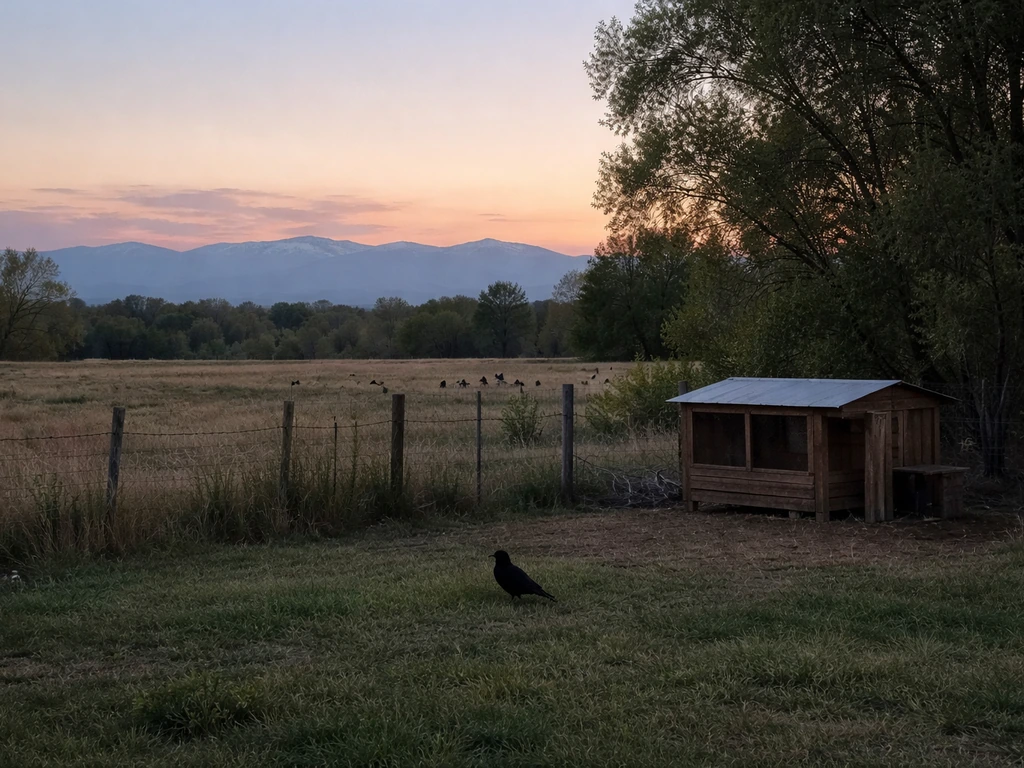
Colorado has had a real and documented HPAI (Highly Pathogenic Avian Influenza) presence. In January 2026 alone, the Colorado Department of Agriculture confirmed four separate detections: three in backyard flocks in Larimer and Logan counties, and one in a commercial egg-layer facility in Weld County. All affected premises had quarantines and control areas established as required by state and federal protocols. Wild bird detections have also been tracked at the county level by USDA APHIS, with HPAI showing up in Colorado wildlife on and off for several years as migratory birds move through the state.
On the human side, Colorado made national news in the summer of 2024 when four poultry workers were confirmed with HPAI A(H5) infections after working in affected flocks, and a separate human case was confirmed in July 2024 tied to the national dairy cow outbreak. Those cases are documented history now, but they matter because they show Colorado isn't just a theoretical risk zone. The virus has moved from birds to people here before, under specific exposure conditions.
Breaking down the case numbers: birds versus humans
This is where a lot of confusion happens, and it's worth slowing down. When you see "bird flu cases in Colorado," those numbers could mean very different things depending on which agency is reporting and what species they're tracking.
- Flock detections (commercial and backyard poultry): These are confirmed HPAI findings in a domestic flock, reported by USDA APHIS after lab confirmation at the National Veterinary Services Laboratories (NVSL). One "detection" can mean a small backyard flock or a facility with hundreds of thousands of birds.
- Wild bird detections: These are tracked separately by USDA APHIS Wildlife Services, broken down by county and by detection date, meaning the date NVSL confirmed the sample, not necessarily when the bird was found. Colorado sits along major migratory flyways, so wild bird detections tend to spike seasonally.
- Human cases: These are far rarer and are tracked by CDC, which distinguishes between "probable" cases (positive at a state public health lab, not yet confirmed at CDC) and "confirmed" cases (CDC lab testing verifies A(H5) infection). Colorado's five human cases from 2024 are in the confirmed category.
- Dairy/livestock-linked cases: HPAI spread into dairy cattle herds nationally in 2024, and one Colorado human case was linked to that outbreak, not direct poultry contact.
The bottom line: the number of flock detections in Colorado is significantly higher than the number of human cases, and that's expected. Bird-to-bird spread is efficient; bird-to-human transmission requires close, usually unprotected contact with infected animals or their environments.
Where these numbers come from and how often they update
Three agencies publish the data you should be checking, and they operate on different schedules.
| Agency | What they track | Update frequency |
|---|---|---|
| USDA APHIS | Commercial/backyard flock detections; wild bird detections by county | Ongoing; wild bird page last modified June 22, 2026; flock dashboard updated as confirmations come in |
| CDC | Human cases (probable and confirmed); public health risk assessment | Human case data updated on the first Friday of every month; current data runs through May 30, 2026, updated June 5, 2026 |
| Colorado Department of Agriculture | State-specific flock detections and press releases | As outbreaks are confirmed; check their Avian Influenza page for Colorado-specific news |
| CDPHE (Colorado Department of Public Health and Environment) | Human exposure monitoring, healthcare provider guidance | Updated as cases or guidance changes; no fixed schedule |
One important note: as of early 2026, CDC stopped reporting USDA animal detection data on its own website. If you want the most current flock and wild bird counts, you need to go directly to USDA APHIS, not CDC. CDC's focus is on the human case side of the equation.
What the actual risk looks like for Colorado residents
For most people in Colorado, the practical risk is genuinely low. The CDC's current assessment, as of March 2026, is that the public health risk to the general population remains low. You're not going to catch bird flu by being in Colorado, walking through a park, or even visiting a farm as a tourist. If you are wondering is bird flu in Oregon, the best source to check is USDA APHIS for the most current detections in wild birds and poultry.
Risk goes up significantly when you're in direct contact with infected animals or contaminated environments. CDPHE specifically identifies these groups as higher risk: CDPHE emphasizes that certain groups have higher risk based on exposure, including waterfowl hunters, poultry workers, backyard flock owners, and livestock or farm workers, and it also directs exposed healthcare providers to immediately report to local public health or CDPHE through the Viral Respiratory Program CDPHE specifically identifies these groups as higher risk:.
- Poultry farm workers and people who process or handle birds commercially
- Backyard flock owners who handle birds, clean coops, or collect eggs without protective gear
- Waterfowl hunters who handle harvested birds, particularly during fall migration seasons
- Dairy farm workers in herds where HPAI has been detected
- Veterinarians and wildlife rehabilitation workers handling sick or dead birds
If you're in one of those groups and you've had unprotected exposure to sick or dead birds, you're in a different risk category than a Denver resident who just read a headline. That distinction matters for whether and how you should seek medical evaluation.
Symptoms to watch for in both humans and poultry
In poultry and wild birds
- Sudden, unexplained death in the flock, especially multiple birds in a short period
- Significant drop in egg production
- Respiratory distress: coughing, sneezing, nasal discharge
- Neurological signs: loss of coordination, tremors, twisted neck (torticollis)
- Swelling of the head, neck, or wattles; blue or purple discoloration of unfeathered skin
- Diarrhea, lethargy, and loss of appetite
Colorado Parks and Wildlife asks you to report if you find three or more dead wild birds in a specific area within a two-week window, or if you observe live birds showing clinical signs. That threshold exists because a single dead bird is common for many reasons; a cluster of deaths in one location is a real red flag.
In humans after exposure
- Fever (often 100.4°F or higher) and chills
- Respiratory symptoms: cough, sore throat, shortness of breath
- Eye redness or discharge (conjunctivitis), which has been a notable symptom in some of the 2024 Colorado cases
- Muscle aches, headache, fatigue
- In more severe cases: pneumonia, difficulty breathing, and signs of respiratory failure
The monitoring window after exposure is 10 days. If you've had a significant exposure to infected or potentially infected birds and develop any of these symptoms within 10 days, that's when you call your local health department or CDPHE before heading to a clinic or ER, so they can guide appropriate testing.
How transmission actually works and why direct contact is the key factor
HPAI doesn't spread through casual proximity to birds the way the flu spreads between people in an office. The virus lives in infected birds' respiratory secretions and feces, and the primary routes of transmission to humans involve direct contact with those materials. That means handling sick or dead birds without gloves, cleaning a contaminated coop without a mask, or getting splashed by contaminated water or manure.
Aerosol exposure (breathing in viral particles in the air) is a real risk in high-density poultry environments during active depopulation or when birds are in respiratory distress, but it's not the same as walking past a bird outside. Contaminated surfaces like equipment, clothing, and vehicles can also carry the virus between farms, which is why biosecurity protocols focus heavily on controlling what moves on and off a property.
Human-to-human transmission of H5N1 has been documented in rare cases globally, but only after very close, prolonged, unprotected contact with a severely ill person. There is no evidence of sustained human-to-human spread in the U.S. The virus has not acquired the mutations needed for efficient person-to-person transmission, and that's a critical distinction from pandemic flu scenarios.
What to do right now: reporting, biosecurity, and food safety
If you suspect sick or dead birds
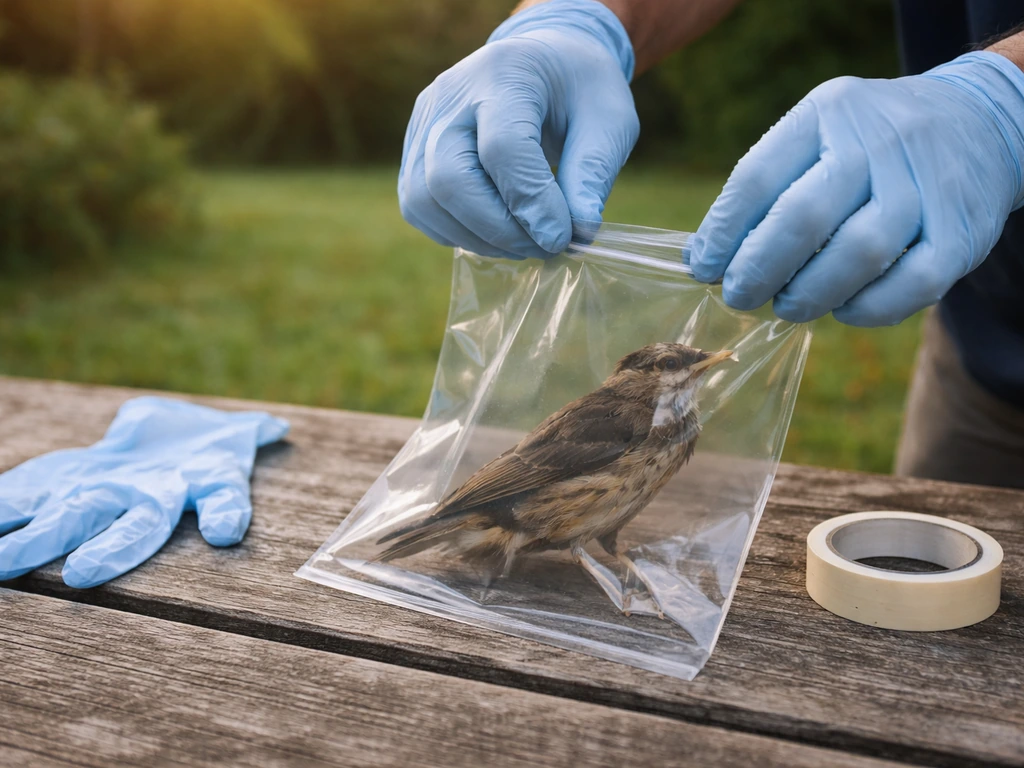
Colorado has clear reporting channels, and using them quickly matters for containing spread. Don't handle dead wild birds with your bare hands. For domestic flock concerns, call:
- Colorado State Veterinarian's Office: (303) 869-9130
- USDA Veterinary Services Colorado Office: (303) 231-5385
- Colorado State University Avian Health Hotline: (970) 297-4008
- For dead wild birds (3+ in a two-week window or birds showing clinical signs): Colorado Parks and Wildlife
Biosecurity for backyard and farm flocks
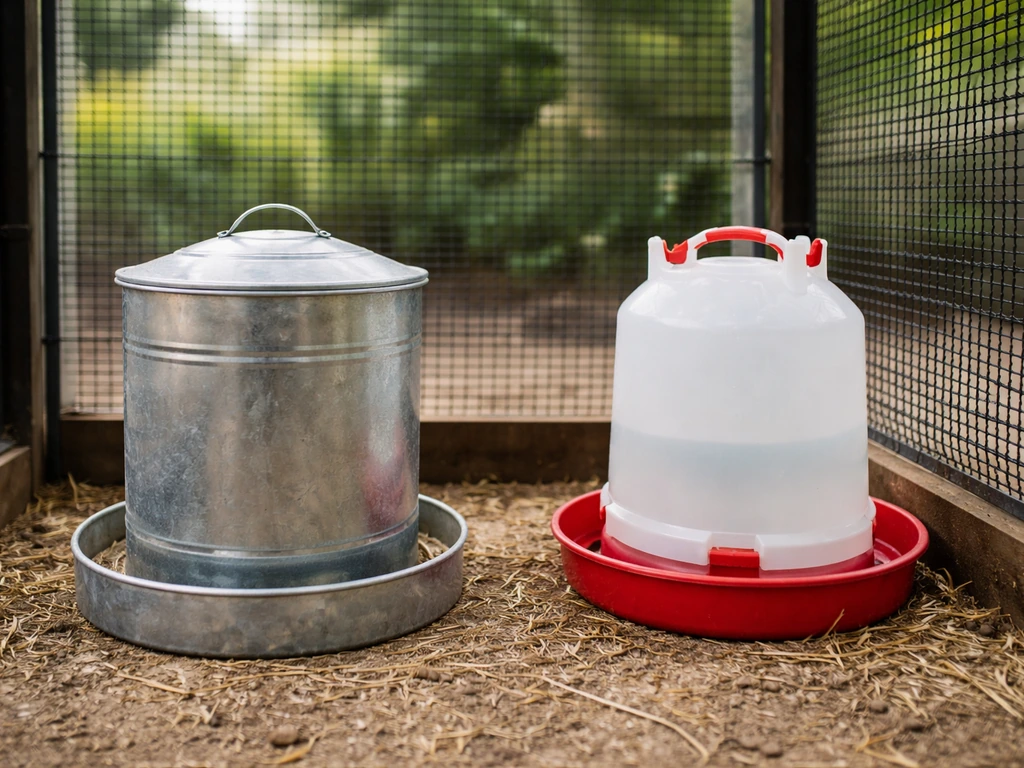
- Keep wild birds out of your flock's food and water sources; net and enclose feeding areas if possible
- Change clothes and clean footwear before and after handling birds, especially if you've visited another farm or poultry facility
- Disinfect equipment, cages, and tools that come into contact with birds
- Don't share equipment between flocks without thorough cleaning
- If you've been to a property with a known detection, consider a 24-72 hour buffer before returning to your own flock
- Monitor your flock daily for behavioral changes, appetite loss, or sudden deaths
Food safety: eggs and poultry meat
Properly cooked poultry and eggs are safe to eat. Cooking poultry to an internal temperature of 165°F (74°C) inactivates HPAI viruses. The same goes for eggs: cook until both the yolk and white are firm. The U.S. commercial poultry supply goes through inspection and surveillance, so what you buy at the grocery store carries no meaningful risk. If you keep backyard chickens in an area with active detections, avoid consuming eggs from visibly sick birds and wash hands thoroughly after collecting eggs.
Vaccines, antivirals, and what to do if you've been exposed
There is no currently approved H5N1 vaccine available to the general public. Vaccine candidates have been developed and stockpiled at the federal level, but as of mid-2026, mass public vaccination for H5N1 is not part of any active recommendation in Colorado or nationally. If that changes, CDPHE will be the primary source for Colorado-specific guidance.
On the treatment side, antivirals like oseltamivir (Tamiflu) are effective against H5N1 when started early. The CDC and CDPHE recommend that antiviral treatment begin as quickly as possible, without waiting for lab confirmation, when a clinician suspects flu in a hospitalized patient, a patient with severe or progressive illness, or a high-risk patient who's been exposed to infected animals. If you've had a significant exposure and develop symptoms, don't wait for test results before asking your provider about antivirals.
If you're a healthcare provider in Colorado and you've seen a patient with potential HPAI exposure, CDPHE's Viral Respiratory Diseases Program is the right contact. Testing for suspected avian influenza in symptomatic individuals is handled on a case-by-case basis in consultation with CDPHE, not as a routine walk-in test.
How Colorado compares to neighboring states
Colorado isn't alone in dealing with HPAI. Neighboring states like Montana and others in the broader region have seen detections in wild birds and domestic flocks as the same migratory flyways that run through Colorado also connect to surrounding states. States like Washington, Oregon, and Hawaii have had their own detection histories and public health responses. If you are wondering whether bird flu is in Washington State, you can check the latest detections reported by USDA APHIS for current wild bird and poultry findings States like Washington. What makes Colorado notable is that it had documented human cases tied to both poultry and dairy cow exposures in 2024, which put it in the spotlight more than most states at that time.
The key takeaway isn't that Colorado is especially dangerous compared to neighbors; it's that HPAI is an active, continent-wide situation that any state with poultry operations and migratory bird populations is navigating. Staying informed through blank" rel="noopener noreferrer">USDA APHIS and your state agriculture department is the practical move regardless of where you live in the region. If you're wondering, "is bird flu in Hawaii," the same approach applies: check USDA APHIS updates and your local state agriculture and public health sources for the latest detections and guidance.
FAQ
If I see “bird flu cases in Colorado” online, how do I know whether it’s animal or human data?
Use the species and location in the update, not just the word “cases.” For Colorado, flock and wild-bird detections come from USDA APHIS and can change quickly, while CDC updates focus on people. If an update says “HPAI detected in backyard flocks,” treat it as an animal exposure alert, not a sign of easy community spread.
When should someone in a higher-risk job start worrying about symptoms after an exposure?
If you work with poultry, livestock, or waterfowl, your “10-day window” is symptom-based. Start by noting the date of your last unprotected exposure (handling sick birds, cleaning contaminated areas, or being splashed by manure or wastewater), then watch for symptoms during the next 10 days and contact CDPHE or your local health department if symptoms appear.
What if I feel sick after contact with birds, but it seems like a regular cold?
Don’t rely on feeling well or having mild symptoms to decide. H5N1 illness can start like typical flu, and early antiviral treatment is most effective when started quickly. If you had significant animal or contaminated-environment exposure and develop fever, cough, sore throat, or breathing symptoms, call before going to urgent care or the ER so they can coordinate guidance and testing.
Should I report every dead bird I see in Colorado?
If you find one dead wild bird, many local agencies consider that not enough to trigger reporting. Report only when you meet the cluster threshold used by Colorado Parks and Wildlife (three or more dead wild birds in the same area within a two-week window), or if you observe live birds with clear clinical signs.
What are practical cleanup steps if I might have been exposed through coop or farm equipment?
If you’re cleaning coops, barn areas, or equipment after a suspected exposure, treat clothing and tools like potential contaminants. Wear disposable gloves and a well-fitting mask or respirator when available, bag used disposable items, and avoid taking contaminated boots or equipment into other areas or other properties.
If my backyard flock seems sick, should I call immediately even if no one is ill?
If you have a domestic flock concern, call promptly even if you are not sick, because containment depends on fast action. Early quarantine and movement control help prevent spread to other farms and backyard flocks, and waiting “to see if it improves” can increase risk.
Do I have to worry if I was around birds but didn’t touch anything?
For exposures that don’t involve bare-hand contact, such as brief observation from a distance outdoors, your risk is typically much lower. The key factor is whether you had unprotected contact with respiratory secretions, feces, or contaminated water and surfaces, or whether you cleaned or handled sick or dead animals without protective gear.
What counts as a “significant exposure” if I got splashed while near livestock or poultry?
If you got splashed with potentially contaminated water or manure, count that as a significant exposure, even if the splash was small. Immediately rinse exposed skin with soap and water, change out of contaminated clothing, and monitor symptoms for the next 10 days.
How can I make sure my doctor considers antivirals early if I suspect avian influenza?
Antivirals are a clinician decision, but you can improve your odds of being treated promptly by telling the provider upfront about the exposure date, type of contact (poultry, dairy cow exposure, wild bird handling), and onset of symptoms. Ask specifically whether HPAI testing and early antiviral use should be considered given your exposure history.
If there’s bird flu in Colorado, can I get vaccinated?
There is currently no public H5N1 vaccine for the general public, so prevention for most people is exposure control. If you are in a high-exposure role, ask your employer or local public health contacts about workplace guidance, protective equipment availability, and biosecurity practices rather than expecting vaccination to be an option.
Does safe cooking mean I don’t need to worry at all about eggs from backyard chickens?
Cooking guidance applies to food safety, but it does not cover exposure from handling sick birds or contaminated coop materials. If you choose to eat eggs or poultry from grocery sources, proper cooking matters, but if you collect eggs from backyard birds during active detections, avoid using eggs from visibly sick birds and wash hands thoroughly after collection.
How does bird flu spread between farms if it’s not airborne like typical colds?
HPAI can move between farms through equipment, clothing, vehicles, and people, not only through birds. If you visit multiple farms or care for more than one flock, practice “clean to dirty” workflow, keep a dedicated set of boots and clothing per property if possible, and avoid sharing tools across premises without disinfection.
Next Article
Is Bird Flu in Oregon Right Now? Current Status and What to Do
Find out if bird flu is in Oregon right now, case status, what it means, symptoms, and next steps for backyard flocks.