
Bird flu (avian influenza) is found on every inhabited continent right now, but the burden is not spread evenly. As of May 2026, the heaviest activity is in Europe, Asia, North America, and parts of South America, with detections spread across three very different settings: wild birds, commercial and backyard poultry flocks, and, far more rarely, individual humans. Where it shows up and how much it matters to you personally depends entirely on which of those settings you're asking about.
Where Is Bird Flu Found Now and Historically by Region

Sarah Chen
19 May 2026

What "bird flu found" really means

When a headline says bird flu has been "found" somewhere, it can mean at least three very different things, and mixing them up is where most confusion starts. The first is a detection in wild birds. Because surveillance programs like the USDA's wild bird monitoring are designed as early-warning systems, they pick up positive samples from healthy-looking birds during routine trapping and testing.
A positive swab from a mallard in a flyway survey does not mean there is a local outbreak; it means the virus is circulating in that migratory population. The second meaning is a confirmed outbreak in poultry, whether a commercial farm, a backyard flock, or a live bird market. This is a more serious event because it triggers culling, trade restrictions, and close human-exposure monitoring.
The third meaning is a confirmed human case, which is rare, almost always tied to direct animal contact, and tracked separately by health authorities. WOAH (the World Organisation for Animal Health) requires countries to submit quantitative data for poultry outbreaks (number of birds affected, deaths, disposals, vaccinations), while wild-bird detections can come through voluntary reporting channels. The practical takeaway: always check what host the detection was found in before deciding how to react.
There is also a pathogenicity distinction worth knowing. High pathogenicity avian influenza (HPAI) kills birds quickly and spreads fast in flocks; low pathogenicity avian influenza (LPAI) causes milder illness in birds. Nearly all the global alarm right now centers on HPAI A(H5) viruses, particularly the H5N1 subtype, clade 2.3.4.4b, which the CDC describes as "blank" rel="noopener noreferrer">widespread in wild birds worldwide." When you read surveillance reports, look for the HPAI label to understand severity.
Where bird flu is found right now
Based on data through early 2026, here is where the virus is most active across different regions.
Europe
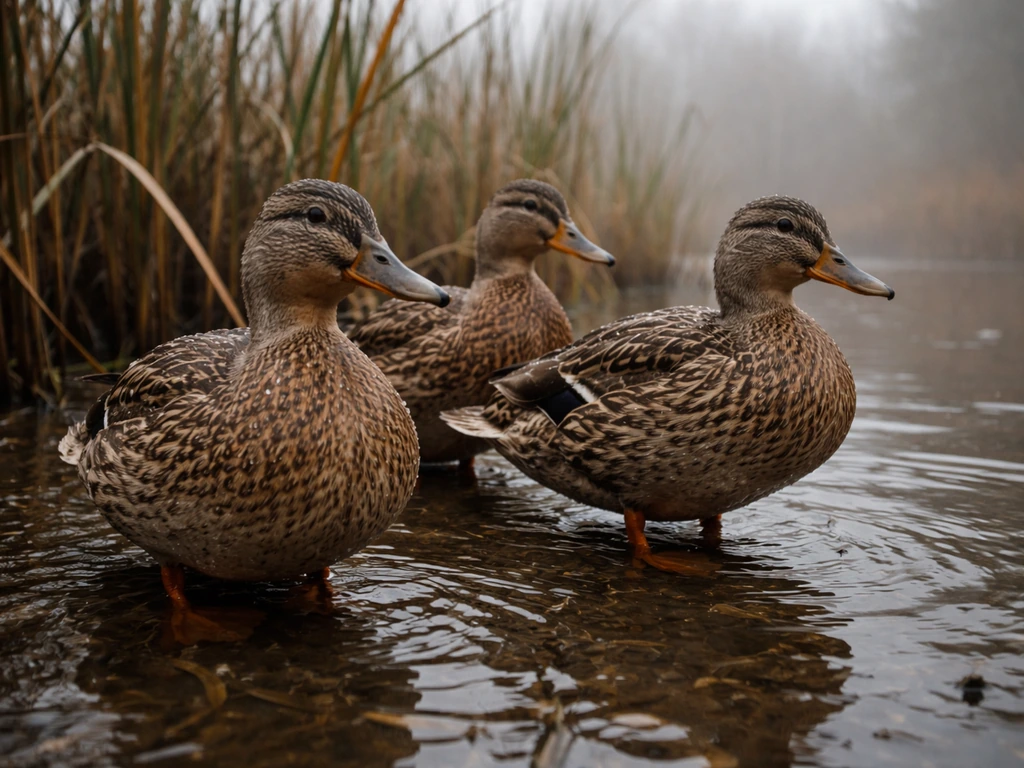
Europe is currently one of the most heavily affected regions. Between late November 2025 and late February 2026, authorities across 32 European countries reported 2,514 HPAI A(H5) detections: 406 in domestic birds and a striking 2,108 in wild birds. Waterfowl bore the brunt of wild-bird detections. More than 90% of poultry outbreaks were linked to primary introduction from wild birds, which tells you how tightly the two populations are connected. Countries from the UK and the Netherlands through Poland, Hungary, France, and Germany have all had confirmed poultry outbreaks in the current season.
Asia
Asia is where HPAI H5N1 has been endemic in poultry for decades. Countries including China, Vietnam, Indonesia, Bangladesh, and India continue to report both poultry outbreaks and, in some cases, sporadic human infections tied to live bird market exposure. FAO's avian influenza dashboard has flagged ongoing risk assessments for live bird markets in countries like Indonesia. The WHO Western Pacific regional office publishes weekly avian influenza updates (issue 1045 as of May 15, 2026) that track ongoing circulation in the region. China specifically also has a history with H7N9, a distinct subtype that emerged in early 2013 and infected hundreds of people before aggressive live-market closures brought it under control.
North America

In the United States, HPAI continues to affect wild bird populations across all four major migratory flyways, according to USGS reporting from March 2026. The USDA APHIS confirms detections in both commercial and backyard flocks at the state and county level, and the CDC maintains a data map showing the latest confirmed poultry detections. The U.S. outbreak has also spread into dairy cattle, an unprecedented development that added a new "found" category to the tracking picture. Canada has reported similar wild-bird and poultry detections tied to the same migratory flyways.
South America and the Caribbean
PAHO and WHO reported that between April 2022 and March 2026, 75 human A(H5N1) infections were confirmed across five countries in the Americas. The animal-side picture shifted notably in 2025: wild-bird detections declined while poultry outbreaks grew in dominance. Countries including Chile, Colombia, Ecuador, Peru, and Argentina have all reported poultry cases. Seabirds and marine mammals along the Pacific coast were particularly hard hit in earlier years.
Africa and the Middle East
Egypt has historically been one of the most persistent hotspots globally for H5N1 in poultry and human cases. Sub-Saharan Africa, including Nigeria and Ghana, has experienced recurring HPAI outbreaks in commercial poultry, often linked to backyard farming and live market systems. The Middle East has seen outbreaks particularly in countries with large poultry sectors and overlapping wild-bird migratory routes.
Where bird flu has been found historically

Understanding the history helps you put current reports in context. H5N1 was first detected in humans in 1997 in Hong Kong SAR, tied to live poultry markets. That initial outbreak was contained, but the virus reemerged in Asia in 2003 and spread widely. H7N9 emerged in China in early 2013 and caused hundreds of human infections before live-market closures drove it down.
The H5N8 lineage followed a well-documented migration path: it emerged in China in late 2013, reached South Korea and Japan in early 2014, moved through Siberia and the Beringia region by summer 2014, and arrived in Europe and North America along migratory flyways by fall and winter of 2014. [German authorities confirmed Europe's first H5N8 poultry outbreak on November 6, 2014, in a flock of 31,000 fattening turkeys in northeast Germany. ](https://www. ecdc.
europa. eu/en/publications-data/rapid-risk-assessment-outbreaks-highly-pathogenic-avian-influenza-ah5n8-europe)
The current dominant strain, H5 clade 2.3.4.4b, represents what FAO describes as an "unprecedented geographic expansion" in wild birds from roughly 2020 to 2024. Before that wave, HPAI in wild birds in North America and South America was rare. Now it is routine. FAO states plainly that HPAI has spread worldwide and become endemic in poultry populations in many countries, meaning it is no longer an occasional visitor to those regions but a persistent presence that requires ongoing management.
| Region | Historical milestone | Current status (as of 2026) |
|---|---|---|
| East/Southeast Asia | H5N1 in HK markets (1997); H7N9 in China (2013); H5N8 origin (2013) | Ongoing endemicity in poultry; live-market risk; sporadic human cases |
| Europe | First H5N8 poultry outbreak Nov 2014 (Germany) | High activity: 2,514 detections across 32 countries (Nov 2025–Feb 2026) |
| North America | H5N8 arrived via migratory flyways 2014–2015; large HPAI wave from 2022 | Widespread in wild birds across all 4 flyways; ongoing poultry & dairy cattle detections |
| South America | HPAI arrived 2022; seabird/marine mammal mortality events | Shift to poultry predominance in 2025; 75 human cases in Americas since Apr 2022 |
| Africa/Middle East | Egypt endemic for H5N1 since mid-2000s; recurring sub-Saharan outbreaks | Persistent poultry outbreaks; market-linked human exposure risk in some areas |
Why some places see more outbreaks than others
Three factors explain most of the geographic pattern: migratory flyways, poultry farming density, and the degree of contact between wild birds and domestic flocks.
Migratory flyways are the highways the virus travels on. Wild waterfowl, especially ducks and geese, carry the virus long distances without always showing symptoms. The four major North American flyways (Atlantic, Mississippi, Central, and Pacific), the East Asian-Australasian Flyway, and the Central Asian Flyway all act as conduits connecting infected populations across continents. That is why new detections so reliably track autumn and spring migration seasons.
Poultry farming density concentrates risk. Countries or regions with large numbers of backyard and semi-commercial farms in close proximity to wild wetlands face higher introduction risk. Biosecurity gaps (open-air housing, shared water sources, poor rodent control) allow wild-bird viruses to jump into flocks. The EFSA finding that more than 90% of European poultry outbreaks trace back to wild-bird introduction makes this connection concrete.
Live bird markets are a special case. In parts of Asia and Africa, markets where multiple species are traded and slaughtered in close quarters create sustained amplification opportunities. FAO has specifically assessed markets like those in Bogor, Indonesia, as ongoing risk sites. These markets were the source environment for early H5N1 and H7N9 human cases.
Climate and habitat also matter. Wetlands, coastlines, and grain-growing areas attract migratory waterfowl, bringing them into closer contact with farm animals and humans. Regions where these habitats overlap with high poultry density tend to see repeated introduction events.
How to check if bird flu is in your area today
There are reliable, free sources that give you current data without the amplification of news headlines. Here is where to look and what each one tells you. Here is where to look and what each one tells you where is bird flu outbreak.
- USDA APHIS (aphis.usda.gov): The most granular U.S. source. Updated regularly with confirmed HPAI detections in commercial flocks, backyard flocks, and wild birds, searchable by state and county. This is the right first stop if you live in the U.S. and want to know about nearby poultry detections.
- CDC Bird Flu data map (cdc.gov): Surfaces the same USDA-confirmed poultry detections alongside any confirmed human exposures or infections in the U.S. It is less granular than USDA but useful for a combined animal-and-human picture.
- WOAH WAHIS (wahis.woah.org): The global standard for official government-reported animal disease events. Covers both HPAI alerts (immediate notifications) and six-month situation reports by country. Situation Report 81, covering March 2026 data, is the most recent full global snapshot.
- FAO Avian Influenza Dashboard (fao.org): Interactive maps and charts showing outbreak locations, affected species, and circulating subtypes globally. Good for a visual overview of where activity is concentrated.
- WHO Avian Influenza Weekly Updates (who.int/western-pacific): The WHO Western Pacific office publishes weekly situation reports (the most recent is issue 1045 from May 15, 2026) covering new animal-linked human cases and regional animal surveillance highlights.
- EFSA/ECDC Joint Reports (efsa.europa.eu): For European readers, these quarterly overviews give the most rigorous count of poultry and wild-bird detections by country.
- PAHO Epidemiological Updates (paho.org): For readers in the Americas, PAHO publishes regular updates on H5N1 in both animals and humans across the region.
A practical cadence: if you work with poultry or live near a commercial farm, check USDA APHIS or your national equivalent weekly during active migration seasons (fall and spring). If you are trying to figure out where is the bird flu, these same official weekly updates are the best place to start. For the general public, a monthly check of WOAH or FAO's dashboard is enough to stay reasonably informed. WHO and PAHO publish frequently enough that a weekly scan covers significant human-case developments. Be skeptical of media reports that don't link to an official outbreak confirmation because preliminary detections and confirmed outbreaks are often conflated.
How location affects your actual risk
The CDC's current position is that the public health risk to the general population remains low. That is a measured and accurate statement, but it needs some unpacking because your specific situation matters a lot.
If you work directly with poultry, dairy cattle, or wild birds, your exposure risk is meaningfully higher than a person with no animal contact. CDC's interim recommendations are explicit that people with direct contact with sick or dead wild or domestic birds, or with livestock in confirmed HPAI zones, should receive monitoring and, in some cases, antiviral chemoprophylaxis. If you are a poultry farmer, backyard flock keeper, or wildlife rehabilitator, you should already be following USDA and CDC guidance on PPE, which includes gloves, eye protection, and an N95 respirator when handling birds in affected areas.
If you are in a region with active detections but have no direct animal contact, your personal risk is very low. The virus does not spread easily from animals to humans, and sustained human-to-human transmission has not been documented with the current circulating strains. Food safety risk from properly cooked poultry and eggs is also extremely low. Standard cooking temperatures (74°C / 165°F for poultry) inactivate the virus reliably. The risk is not in your supermarket chicken; it is in unprotected exposure to sick or dead birds.
Geographic proximity to a wild-bird detection, as opposed to a poultry farm outbreak, matters less than many people think. Wild-bird detections in a migratory flyway are spread across enormous areas. A positive sample from a goose 50 miles away does not mean your backyard chickens are in imminent danger, though it does mean you should make sure your flock housing minimizes contact with wild waterfowl. A confirmed HPAI outbreak at a commercial farm in your county is a different situation and warrants closer attention to your local agricultural authority's guidance.
If you are traveling internationally and wondering about destination risk, live bird markets in Asia and Africa carry the most consistent human-exposure risk. Avoid direct contact with poultry in market settings, and follow standard hand hygiene. Countries with endemic H5N1 in poultry (Egypt, parts of Southeast Asia) have had ongoing human case histories for years, so destination-specific WHO and FAO advisories are worth checking before travel.
For a deeper look at specific regional questions, the patterns described here connect closely to what is currently happening in particular places, how severity varies by location, and how countries like China fit into the global picture. For context on China specifically, look at how avian influenza risk is tracked through outbreaks in poultry and live-bird market exposure. Surveillance data, outbreak locations, and risk assessments all update frequently, so bookmarking two or three of the official sources listed above will always give you a more current picture than any single article can. If you want to know where bird flu is in the world right now, focus on the latest outbreak locations and risk assessments from official dashboards.
FAQ
When news says bird flu was “found” in my area, does that mean an outbreak in local chickens?
It depends on the host and confirmation level. A “found” report in wild birds usually means the virus is circulating in that migratory population, it does not automatically mean an outbreak in your nearby poultry. A confirmed poultry outbreak is what triggers farm-level containment actions and human exposure monitoring, so check whether the report is wild bird detection, poultry outbreak, or confirmed human case.
How far away can a wild-bird detection be and still matter to backyard poultry?
No. Active wild-bird detections can be widespread along migration flyways, a positive sample from a waterfowl survey site does not guarantee a nearby backyard flock will be infected. A higher signal is a confirmed poultry outbreak within your county or immediate region, which suggests local introduction and spread into domestic birds.
Does it matter whether a report says HPAI versus low pathogenicity avian influenza?
If you handle birds, treat “HPAI” as the higher-consequence flag. The article notes that most current concern centers on high pathogenicity avian influenza, especially H5 clade 2.3.4.4b. For your planning, prioritize alerts that specify HPAI in poultry or direct exposure risk to sick or dead birds, rather than just generic “avian influenza” wording.
If I do not work with animals, should I change anything if bird flu is reported in my country?
For the general public, food safety and casual contact are usually not the main driver of risk. The practical risk window is unprotected contact with sick or dead birds (wild or domestic) and exposure in outbreak zones. If you have no animal contact, properly cooked poultry and eggs are considered very low risk, and grocery-level “where it’s found” headlines typically do not change day-to-day precautions.
Why does the U.S. reporting include dairy cattle, and does that change risk advice?
Yes, dairy cattle is a special “found” category discussed in the U.S. section. If you work with livestock, you should follow veterinary and public health guidance for confirmed HPAI zones and suspected animal cases, because this changes which exposure pathways are relevant and may affect monitoring or prophylaxis decisions.
If I travel, are live bird markets the main place where people pick up risk?
Live bird markets are a recurring high-exposure context in parts of Asia and Africa. The article highlights that markets with close-quarter slaughter and multiple species trading can create sustained amplification and have been linked to earlier human case histories. If you travel to such settings, avoid direct contact with birds, and be strict about hand hygiene.
Is bird flu always the same virus, so should guidance differ by subtype?
Not always. H5N1 has been the dominant strain discussed, but other subtypes (like H7N9 historically) show that outbreaks can involve different viruses with different human histories. When deciding what guidance to follow for travel or exposure, prioritize official updates that specify the currently detected subtype and affected hosts.
What wording should I look for in official updates to know whether action is warranted?
Most confusion comes from mixing early-warning detections with confirmed outbreaks. If you want practical action steps, look for confirmation language tied to poultry outbreaks, including measures like culling or trade restrictions, rather than only routine wild-bird surveillance positives.
How often should I check updates, and what’s the common mistake with timing?
For working professionals, a useful mistake is relying on social media timing, because data can lag and headlines can oversimplify. Use the article’s suggested cadence, check official weekly updates during fall and spring migration, and treat monthly dashboard checks as a baseline for non-working roles.
What practical biosecurity steps matter most for backyard flocks when wild-bird detections are reported?
If you keep backyard birds, your risk reduction should focus on contact prevention with wild waterfowl, especially when wild-bird positives are reported along migration routes. The article specifically notes that wild-bird detections are not a guarantee of imminent spread, but they are a signal to tighten flock housing and reduce opportunities for wild birds to enter areas where poultry can access shared water or feed.
Next Article
Where Is Bird Flu Outbreak Now? Latest Location Updates
Find where bird flu outbreaks are reported now, poultry vs human cases, and how to verify and respond safely.