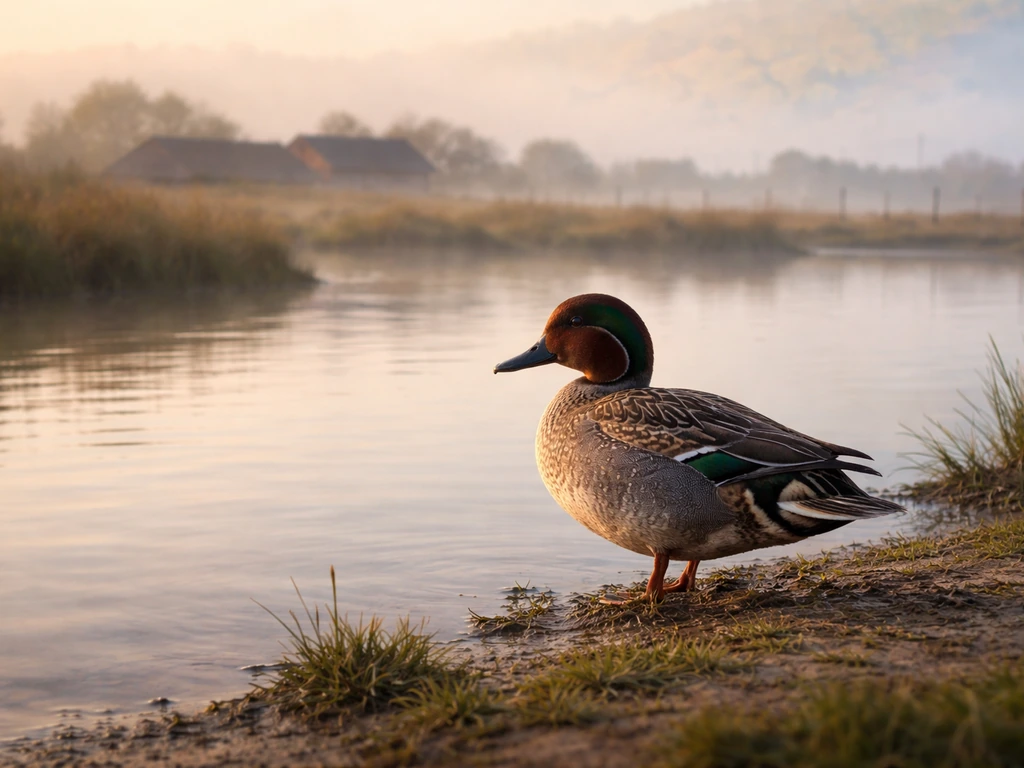
As of April 22, 2026, avian influenza (bird flu) is actively circulating in wild birds and poultry across multiple continents, with human cases reported in a handful of countries. In other words, the best way to know where bird flu is in the world is to check the latest official wildlife and poultry outbreak reports. The short answer: bird flu is not confined to one place.
Where Is the Bird Flu Now? Live Outbreak Tracking Guide

Sarah Chen
22 Apr 2026

It moves with migratory wild birds, spreads through poultry farms, and occasionally jumps to people who have direct contact with infected animals. Below you'll find where it is right now, how to verify that for yourself using the most reliable sources, and what it actually means for your risk depending on whether you're a concerned member of the public or someone working with birds.
How to find the latest bird flu location data
The most reliable real-time sources are government and international animal health databases that are updated on fixed schedules. For livestock detections specifically, the USDA APHIS “HPAI Confirmed Cases in Livestock” map/table is updated each weekday and shows both new confirmed cases in the last 30 days and cumulative confirmed cases by State government and international animal health databases. Here are the ones worth bookmarking:
- CDC's U.S. wild-bird HPAI A(H5) detection map: Updated daily after 4 p.m. Eastern time. It breaks down detections by state and county, so you can see exactly where samples have tested positive in wild birds across the U.S.
- USDA APHIS Confirmed Cases in Livestock map and table: Covers poultry flocks and other livestock (including dairy cattle, which became relevant in 2024). If the map looks stale, refresh the page — APHIS specifically notes that users may need to do this to load the latest data.
- CDC human monitoring data: Since the monitoring process was streamlined in July 2025, updates on people who were exposed to infected animals are published on the first Friday of every month. This is the right place to check if you're worried about human cases in the U.S.
- WOAH (World Organisation for Animal Health) WAHIS database: WOAH member countries submit immediate notifications when a new outbreak is confirmed, and then follow-up reports weekly until the event is resolved. This is the gold standard for international animal disease tracking.
- FAO's EMPRES-i avian influenza dashboard: A global view that pulls from animal health reports worldwide and highlights human infections associated with animal outbreaks. Useful for a one-stop international picture.
One thing to keep in mind: these sources update on different schedules, so you may see a lag between a local news report and official confirmation. A detection that shows up in a local news story on a Monday might not appear in the WOAH weekly follow-up until later in the week. When in doubt, go to the primary source rather than aggregating from news coverage, which can misrepresent both the scale and the significance of a detection.
Understanding what "bird flu location" actually means
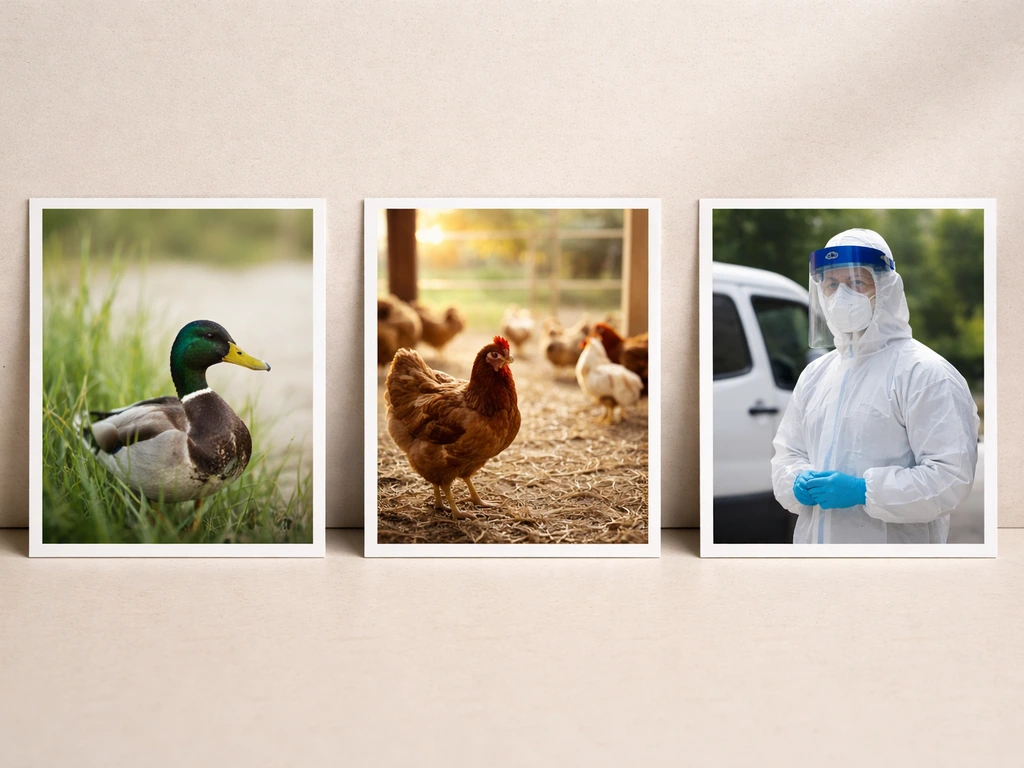
When you see a headline saying bird flu has been found somewhere, it matters a great deal what kind of detection it is. There are three separate categories, and they carry very different implications for risk and response.
Detections in wild birds
This is by far the most common type of detection and the one that covers the widest geographic area. Highly pathogenic avian influenza (HPAI), particularly the H5N1 strain, has become effectively endemic in global wild bird populations, especially waterfowl like ducks, geese, and shorebirds. A positive test on a dead wild bird in a county means the virus is present in that environment. It does not mean there is an active poultry outbreak nearby, and it does not mean people in that area are at elevated risk unless they are handling sick or dead wild birds directly.
Outbreaks in poultry and livestock
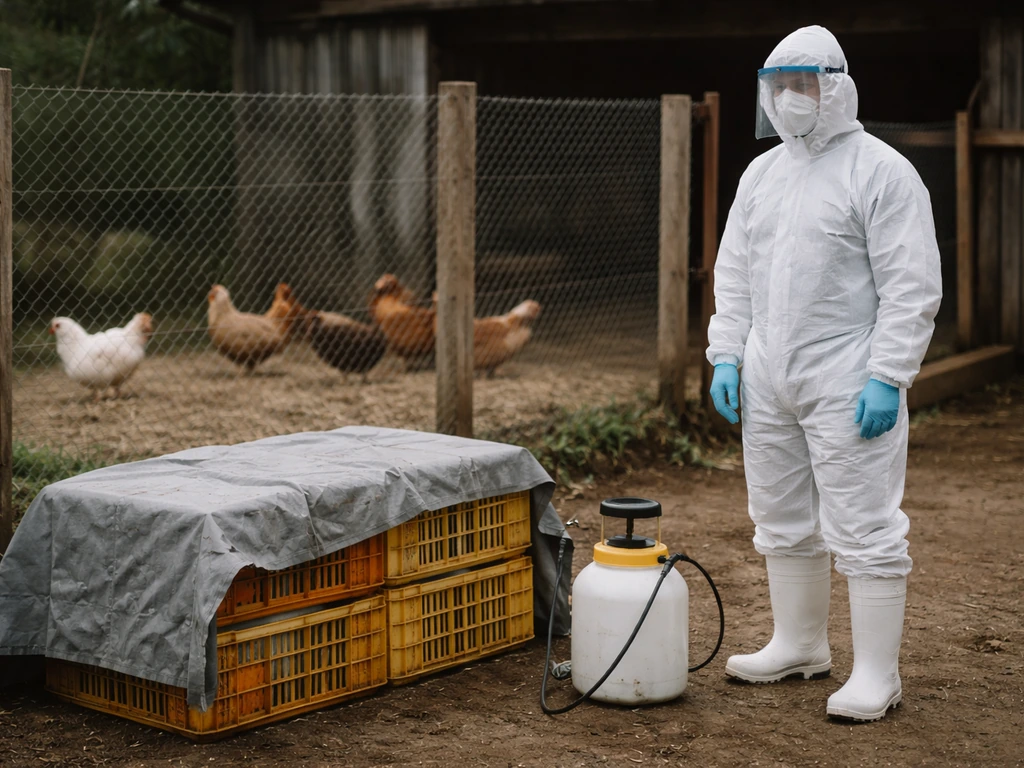
A poultry outbreak is more serious from an agricultural and food supply standpoint. When HPAI is confirmed on a commercial flock, the standard response involves culling the entire flock (often tens of thousands of birds), imposing movement restrictions in a surrounding zone, and tracing any birds or equipment that left the farm. These outbreaks spread fast within a flock but are contained through these control measures. Human risk is still low but elevated compared to wild-bird detections, especially for farm workers with prolonged, unprotected contact.
Human cases
Human infections with avian influenza are rare and almost always linked to direct contact with infected birds or contaminated environments. Confirmed versus suspected cases are tracked separately: a confirmed case requires laboratory verification of the specific strain, while a suspected case is someone with exposure history and symptoms who is being tested. Human-to-human transmission of the current H5N1 strain remains very limited and has not led to sustained spread anywhere in the world as of today.
Current outbreak status by region (April 2026)

Here is a snapshot of where bird flu activity is concentrated globally right now. Because outbreak maps change frequently, treat this as orientation rather than a definitive list and verify with the sources above for the most current picture.
| Region | Status in Wild Birds | Poultry Outbreaks | Human Cases |
|---|---|---|---|
| United States | Widespread HPAI A(H5) detections across multiple states, tracked daily by CDC | Ongoing confirmed cases in commercial flocks; dairy cattle affected in some states | Sporadic cases, mostly in farm workers; tracked monthly by CDC |
| Europe | Persistent detections in migratory and resident waterfowl across many EU member states | Active outbreaks in poultry farms in several countries, with movement restrictions in place | Rare; occasional isolated cases in people with direct bird contact |
| Asia (including China) | Widespread circulation, particularly during migratory seasons | Frequent outbreaks in commercial and backyard poultry, especially in Southeast and East Asia | The highest number of reported human H5N1 and other avian flu strains globally; China reports H5N6 and H9N2 cases alongside H5N1 |
| Africa | Detected in wild birds and migratory species along flyways | Active outbreaks in several countries, particularly in West and East Africa | Occasional human cases reported; surveillance capacity varies by country |
| South America | Ongoing detections following the spread of HPAI into the region in recent years | Outbreaks in poultry farms and significant mortality in marine bird colonies | Very few confirmed human cases reported to date |
| Middle East | Detections in migratory species | Periodic outbreaks in poultry | Rare isolated cases |
The situation in Asia, and particularly in China, deserves a closer look because it involves multiple avian influenza strains circulating simultaneously in both animals and people. If you are asking, “what is the bird flu in China,” that usually refers to ongoing avian influenza activity and its varying risk to people depending on exposure. If you are trying to understand where bird flu is worst globally or what specific strains are active in China, those are questions that involve a deeper breakdown of strain-specific data and regional surveillance capacity. If you want the practical answer to where bird flu is worst, focus on recent high-risk poultry outbreaks and regions with sustained activity rather than one-off wild bird findings where is bird flu the worst.
How bird flu gets from one place to another
Understanding why outbreaks appear where they do helps make sense of the maps. Bird flu does not spread randomly. It follows predictable routes tied to wildlife movement and agricultural practices.
Wild bird migration
Migratory waterfowl are the primary reservoir and long-distance transport mechanism for HPAI. As birds travel along flyways (the established migration corridors that cross continents), they shed virus in their droppings, feathers, and secretions. Any poultry farm or backyard flock near wetlands or open water along these flyways faces elevated exposure risk during migration seasons, typically spring and fall in the Northern Hemisphere. This is why U.S. detections in wild birds tend to spike in those periods.
Farm-to-farm spread
Once the virus enters a poultry facility, it can spread quickly between flocks through shared equipment, vehicles, workers' clothing and footwear, and even the air in closely spaced barns. Live bird markets, where birds from multiple sources are sold, are a particularly high-risk environment because they mix birds with different exposure histories in close contact.
Contaminated environments
The virus can survive in cool, wet environments like ponds, muddy fields, and even the surface of eggs or feathers for hours to days. People who handle infected carcasses or work in environments contaminated with bird droppings without protective gear are at risk. This is particularly relevant for hunters, wildlife rehabilitators, and farm workers.
What a nearby detection actually means for your risk
This is where a lot of the anxiety comes from, and it is worth being direct. If a wild bird detection is reported in your county, your personal risk as someone who does not handle birds is essentially unchanged from baseline. The virus is in the environment among wild birds, which is unfortunately the new normal for many parts of the world. The situations that meaningfully elevate personal risk are much more specific:
- Direct, unprotected contact with sick or dead wild birds
- Working on or visiting a farm with a confirmed HPAI outbreak without wearing appropriate personal protective equipment (PPE)
- Handling raw, unprocessed poultry from an area with active outbreaks without standard hygiene precautions
- Visiting live poultry markets in regions where avian influenza is actively circulating in animals
The general public going about their daily life near a reported wild-bird detection does not need to take extraordinary precautions. The risk profile is very different from someone with regular occupational exposure to birds. That said, it is reasonable and smart to stay informed, especially if you keep backyard chickens, ducks, or other poultry.
What to do next: steps for the public and for farmers
For the general public
- Check your regional CDC or agriculture department page for local detections. Use the CDC wild-bird map for U.S. county-level data, updated daily.
- Do not handle sick or dead wild birds with bare hands. If you find a dead bird, report it to your state wildlife agency and leave it alone or use gloves and a bag if removal is necessary.
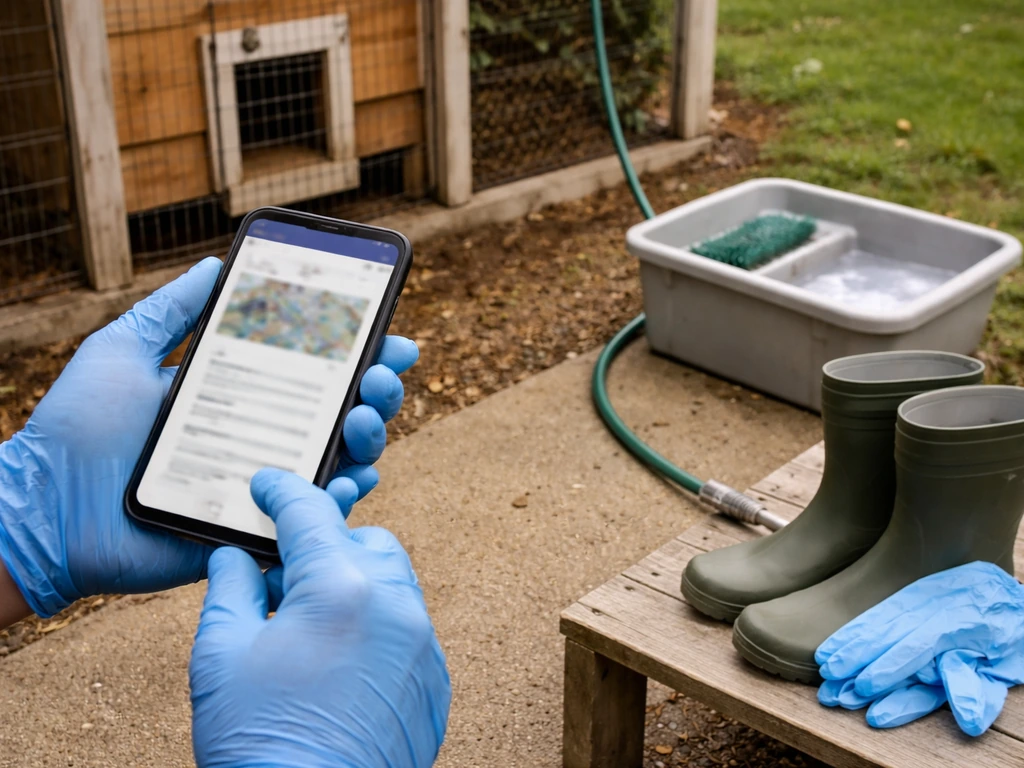
- Wash hands thoroughly after any contact with birds, bird droppings, or environments where birds congregate.
- If you develop flu-like symptoms after any contact with wild or domestic birds, tell your doctor about the exposure. Early treatment with antivirals like oseltamivir (Tamiflu) is most effective when started promptly.
- Stay updated using official sources rather than social media, where outbreak reports are often exaggerated or missing key context.
For poultry farmers and backyard flock owners
- Implement enhanced biosecurity during migration seasons and whenever nearby detections are reported. This means limiting flock access to outdoors, especially near water sources that attract wild birds.
- Change footwear and clothing before entering poultry areas, and clean and disinfect equipment between uses.
- Know the signs of HPAI in your birds: sudden, unexplained deaths; severe drops in egg production; respiratory distress; neurological signs like loss of coordination. Report unusual mortality to your state veterinarian or USDA APHIS immediately.
- Keep records of all visitors, vehicles, and movements in and out of your farm. This is critical for contact tracing if an outbreak occurs.
- If you are working in an area with confirmed outbreaks, wear appropriate PPE: N95 respirator or better, eye protection, gloves, and coveralls.
- Register your flock with your state agriculture department if you have not already. This makes it faster to get support and information during an outbreak.
Food safety: what you actually need to know
Commercially produced poultry and eggs in countries with functioning food safety systems are safe to eat. Regulatory testing and the culling of affected flocks mean that infected birds do not enter the commercial food supply. The risk from eating properly handled and cooked poultry or eggs is not a meaningful concern.
That said, proper handling and cooking matter not just for bird flu but for all foodborne pathogens. Cooking poultry to an internal temperature of 165 degrees Fahrenheit (74 degrees Celsius) kills avian influenza virus. Washing hands and surfaces after handling raw poultry, and keeping raw poultry away from other foods, are standard practices that apply here too.
Raw or undercooked eggs carry a small but real risk in areas with active outbreaks, particularly if eggs come from backyard flocks in affected areas. Fully cooked eggs pose no concern. If you collect eggs from your own flock and there is a confirmed outbreak in your area, cook eggs thoroughly and apply extra hygiene when handling them before cooking.
Unpasteurized (raw) milk from dairy cattle in areas with confirmed H5N1 in cattle is a specific concern that emerged in 2024 and remains relevant. Pasteurized milk is safe. Avoid raw milk from any region with confirmed livestock infections, and if you keep dairy animals, discuss testing protocols with your veterinarian.
The bottom line on food safety is straightforward: buy from commercial sources with regulated inspection, cook poultry and eggs properly, practice standard kitchen hygiene, and avoid raw milk. These habits protect you from avian influenza and a long list of other food safety risks at the same time.
FAQ
Where is bird flu right now if I live in a specific country or state, and what exact wording should I look for in updates?
Search the wildlife database for “avian influenza” detections and separately check the poultry section for “HPAI” confirmations in premises. If a report only says “wild bird” without a farm or flock confirmation, treat it as environmental presence rather than an active poultry outbreak nearby.
How can I tell whether a bird flu report is about wild birds versus a commercial poultry outbreak?
Check whether the detection is labeled as a wild bird (often “found dead” or “surveillance”) or as a poultry premise event (often described as “confirmed in a flock” or “outbreak at a farm”). Premise events typically trigger movement controls and culling, which is not the case for most isolated wild bird findings.
Why do I sometimes see bird flu news in my area before it appears in the official databases?
Officials often update on different cadences, and they may also wait for lab verification or strain confirmation before posting. For decisions that affect travel or farm biosecurity, rely on the entry that includes lab-confirmed strain details rather than the first local media mention.
What’s the difference between “suspected” and “confirmed” bird flu in humans, and does it change what I should do?
A suspected human case usually means there is compatible exposure plus symptoms, but lab confirmation is pending. The day-to-day risk for most people stays low regardless, because the main risk driver is direct exposure to sick or dead birds, especially in occupational settings.
If I find a dead bird or see one acting oddly, where should I report it and what should I do immediately?
Report it to your local wildlife or public health authority so it can be tested. Avoid handling it with bare hands, keep pets away, and wash thoroughly if you touch any feathers, droppings, or surfaces contaminated during cleanup.
Does where bird flu is found in wild birds mean people in that area should avoid outdoor activities?
Usually no. For most residents, baseline risk near a wild bird detection is unchanged, since risk rises primarily with direct handling of sick or dead birds or contaminated materials. Use common-sense precautions like hygiene after outdoor work near wetlands if you have frequent exposure.
If there is a detection near my neighborhood, should I stop feeding backyard birds?
Don’t guess, check the local guidance that matches your situation. If officials advise temporary measures, follow them, and in the meantime avoid handling dead birds, clean feeders and bowls regularly, and discard old or contaminated feed. Use gloves when cleaning.
Can bird flu spread through eggs or egg products sold in stores?
Commercially produced eggs and poultry from regulated supply chains are typically managed through surveillance, testing, and flock control measures. The higher practical risk is with raw or undercooked eggs from backyard flocks in areas with active outbreaks, where hygiene and thorough cooking matter most.
What if I buy eggs or poultry from a local farmer at a market, how do I judge risk from “where is bird flu”?
Ask whether the seller participates in routine testing and follows regulated handling and storage practices. Risk assessment improves when products come from established supply chains that can trace flocks and enforce biosecurity, rather than from informal backyard sourcing in outbreak areas.
How does seasonality affect where bird flu shows up, and when should I be most alert?
Wild bird detections often increase during migration periods, especially spring and fall in the Northern Hemisphere. If you keep poultry or do regular outdoor work near waterfowl habitats, consider stepping up hygiene and biosecurity during those peak windows rather than year-round without cause.
If I keep poultry or dairy animals, what is a practical next step after I learn there is bird flu nearby?
Review your biosecurity plan immediately, focusing on limiting contact with wild birds, disinfecting footwear and equipment, and preventing shared equipment or feed exposure. For dairy, ask your veterinarian about current testing expectations and biosecurity measures tailored to your herd and local status.
Is it ever safe to travel to an area with bird flu, and what should I avoid once there?
Travel is usually low-risk for typical activities, but avoid contact with sick or dead birds, don’t enter areas with poultry carcass disposal or outbreak controls, and follow local advisories for markets or farms if they are mentioned. If you are a hunter, wildlife worker, or rehabilitator, follow stricter PPE and cleaning protocols.
Does cooking poultry to 165°F guarantee safety even during active outbreaks?
Cooking poultry to an internal temperature of 165°F (74°C) is the key kill step for avian influenza. Also prevent cross-contamination by keeping raw meat and egg surfaces away from ready-to-eat foods, and wash hands and utensils promptly, since illness risk can come from handling errors even when cooking is correct.
What about raw milk, and how do I decide if I should avoid it in relation to where bird flu is reported?
If there are confirmed H5N1 livestock infections in a region, avoid raw milk from that area. Pasteurization is the safety measure, so if you want to be cautious, base decisions on official livestock infection status rather than general reports about bird detections in wild birds.
Next Article
Is Bird Flu in Europe Now? Risk, Symptoms, Safety Steps
Find out if bird flu is in Europe now, current risk, symptoms, food safety, and exact steps for handling exposure safely