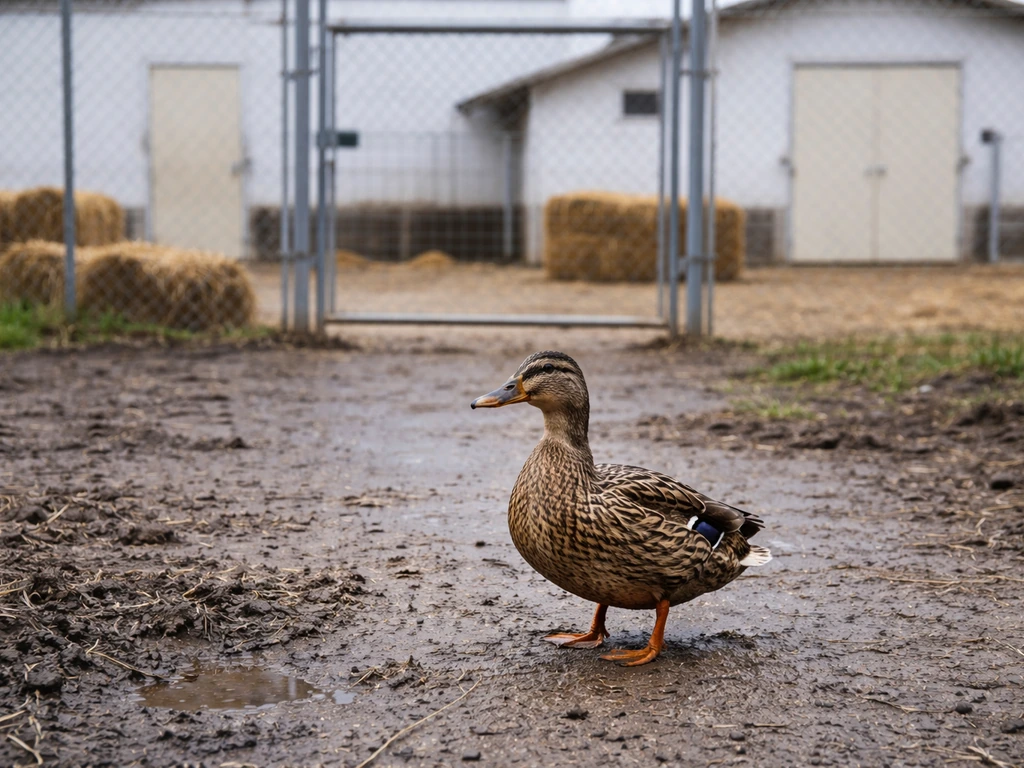
Yes, wild birds do get bird flu, and they have been carrying avian influenza viruses for decades. However, bird flu is not equally likely to affect all birds, because susceptibility varies by species and by whether the strain is low or highly pathogenic. In fact, wild birds, especially migratory waterfowl like ducks, geese, and shorebirds, are considered the natural reservoir for avian influenza A viruses.
Does Bird Flu Affect Wild Birds? Risk and What to Do

Sarah Chen
5 Jun 2026
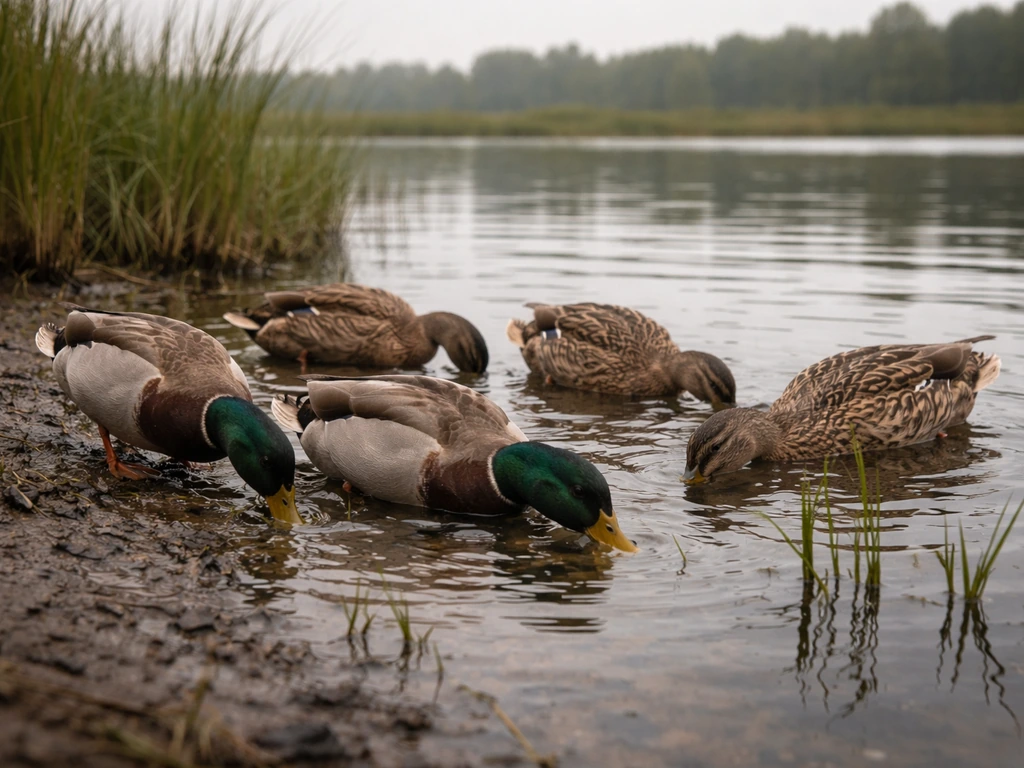
That means the virus circulates in wild bird populations continuously, worldwide, whether or not there's a headline-making outbreak at the time. The more important question for most people is what that actually means for their backyard flock, their pets, or their own health, and the honest answer is that the risk level depends heavily on how much contact you have with wild birds or the environments they pass through.
Wild birds and bird flu: the scope and the evidence
Wild birds have been documented carrying avian influenza viruses across every continent where they've been studied. The USDA Animal and Plant Health Inspection Service (APHIS) maintains a continuously updated database of highly pathogenic avian influenza (HPAI) detections in wild birds across the United States, logging each case by date, location, virus classification, and host species. That database isn't short. Since the significant H5N1 clade 2.3.4.4b wave that hit North America starting in late 2021, detections in wild birds have numbered in the thousands of individual cases and have been found in dozens of species.
This isn't a new phenomenon or a sign that something has suddenly gone wrong. Wild birds, particularly waterfowl and shorebirds in the orders Anseriformes and Charadriiformes, have co-evolved with low pathogenic avian influenza (LPAI) viruses for so long that many carry and shed those strains without getting seriously sick. What changed with recent outbreaks is the spread of highly pathogenic strains into populations that don't have that same built-in tolerance, including raptors, seabirds, and colonial nesting species, leading to significant die-offs in species that historically were rarely affected.
What 'bird flu' actually means when we're talking about wild birds

"Bird flu" is a catch-all term for avian influenza A viruses, which are classified by two proteins on their surface: hemagglutinin (H) and neuraminidase (N). There are 18 known H subtypes and 11 N subtypes, creating a huge number of possible combinations. In wild birds, you'll hear about strains like H5N1, H5N8, H7N9, and others. For practical purposes, the key split is between low pathogenic (LPAI) and highly pathogenic (HPAI) strains.
LPAI strains are the ones waterfowl have lived with for a long time. They cause mild or no symptoms in those birds, and wild ducks or geese may carry and shed the virus without you ever knowing. HPAI strains, particularly the H5 clade 2.3.4.4b variants now circulating globally, are a different story. These can cause rapid, fatal illness in domestic poultry and have increasingly caused serious illness and death in wild bird species that weren't historically vulnerable, including bald eagles, pelicans, and certain gulls. USDA APHIS tracks these HPAI detections specifically because they pose the bigger threat to poultry and other species.
Wild birds spread these viruses primarily through their migration routes. A flock moving down the Pacific Flyway or the Atlantic Flyway can carry a strain from Canada into the southern United States in a matter of weeks, which is exactly why APHIS frames its wild bird surveillance program as an early-warning system to help reduce the risk of spread to poultry and other populations. The timing of die-offs in wild birds often signals what may be coming for nearby farms if biosecurity isn't tight.
What sick or dying wild birds might look like
Knowing what to watch for matters, especially if you live near water, wetlands, or any area with migratory bird activity. With HPAI, wild birds can go from appearing healthy to dead very quickly. You're more likely to come across dead birds than obviously sick ones, because the progression in susceptible species can be rapid. That said, here are the signs worth noticing:
- Sudden death with no obvious cause, particularly in waterfowl, raptors, or colonial seabirds
- Neurological signs: circling, head tilting, loss of coordination, inability to fly or walk normally
- Lethargy or extreme weakness, birds that don't flee when approached
- Respiratory distress: labored breathing, open-mouth breathing, discharge from the eyes or nostrils
- Multiple dead birds of the same or different species in the same location (cluster die-offs are a major red flag)
Not every dead bird signals HPAI, and it's worth staying calm if you find one. Birds die from many causes, including window strikes, predators, disease, and cold weather. The concern level goes up when you see multiple unexplained deaths clustered together, especially in species like ducks, geese, swans, eagles, or pelicans.
How bird flu moves from wild birds to poultry and people
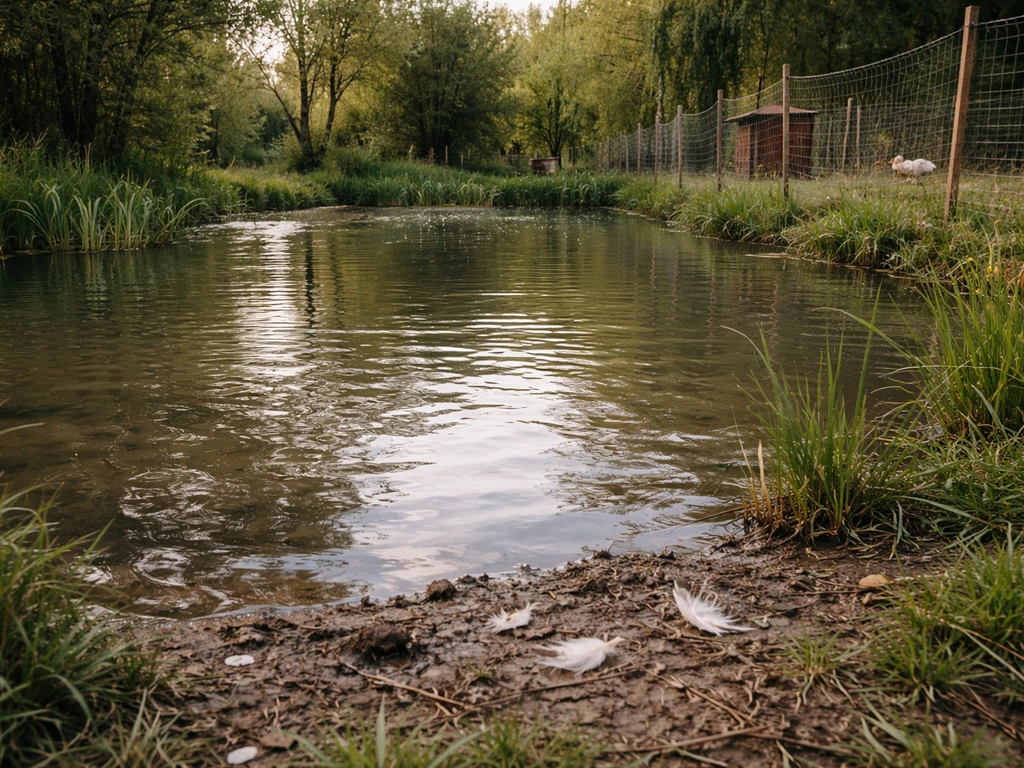
Wild birds transmit avian influenza primarily through their droppings, respiratory secretions, and contaminated water. A wild duck shedding HPAI virus in a pond that your chickens drink from, or landing in your yard and leaving droppings, is a legitimate transmission route. The CDC confirms that backyard flocks can become infected through direct or indirect exposure to wild birds carrying the virus. "Indirect" is the part people often underestimate: contaminated soil, water, equipment, clothing, or vehicle tires can all carry the virus from a wild bird area into a flock.
For humans, the transmission route from wild birds is much more constrained. The primary pathway for human infection in any documented outbreak has been direct, close, unprotected contact with infected birds or their materials, not casual exposure like walking past a wild bird or seeing one in your yard. People who have contracted H5N1 or other avian influenza strains have typically had prolonged, direct contact with infected poultry or, in some agricultural cases, infected dairy cattle. Wild bird exposure alone, without that close unprotected contact, represents a very low individual risk.
Real-world risk: what this means for you, your pets, and backyard birds
If you have backyard chickens, ducks, or pet birds that spend any time outdoors, wild birds are your biggest biosecurity concern. The CDC is direct about this: avian influenza A viruses can spread to backyard flocks through exposure to wild birds, resulting in infection. That's not speculation, it's the documented route in a large proportion of backyard flock outbreaks. The practical risk is real and ongoing, particularly during peak migratory seasons in spring and fall.
For most people who don't handle birds professionally, the personal health risk from wild bird exposure is genuinely low. You're not going to catch bird flu by spotting a sick bird in your yard or walking by a dead one on a trail. The risk jumps meaningfully only when you get into direct, unprotected contact with an infected bird's body fluids, droppings, or respiratory secretions, especially without gloves or eye protection. Pet dogs or cats that catch or mouth wild birds in outbreak areas have been a concern flagged by public health authorities, since they could theoretically carry contaminated material back to you, but documented human infections through this route remain extremely rare.
It's worth noting that questions about which specific groups of people face the highest personal health risk go beyond wild bird exposure alone. Doctors and public health agencies note that bird flu risk is highest for people with close, unprotected exposure to infected birds, poultry, or potentially affected dairy cattle. Who bird flu affects can vary by exposure level and by which avian influenza strain is circulating, but the highest risk is typically tied to close contact with infected birds or animals who bird flu affects and who is most at risk. Those considerations tie into broader questions about underlying health conditions, occupational exposure, and age factors, which are part of the wider picture of who bird flu affects and who is most at risk.
What to do if you find a sick or dead wild bird
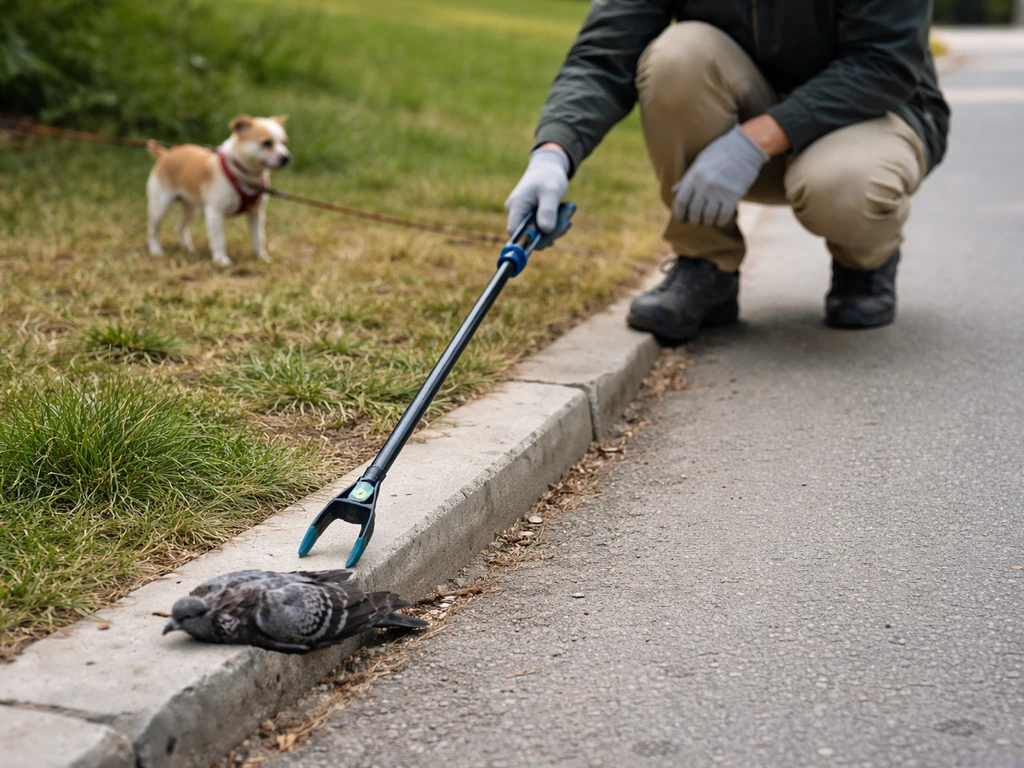
The most important rule is simple: don't touch it with your bare hands. Beyond that, here's what to actually do:
- Keep your distance. Don't handle the bird, and keep children and pets away from it.
- Note the details. Take note of the species if you can identify it, the number of dead or sick birds, the exact location, and whether there are other species affected nearby. A photo from a safe distance is helpful.
- Report it. Contact your state wildlife agency or state veterinarian's office. You can also contact USDA APHIS Wildlife Services at 1-866-4-USDA-WS (1-866-487-3297). Reporting is genuinely useful; it feeds into the surveillance network that acts as an early warning for nearby farms and communities.
- If you must move the bird, for example to prevent a pet from accessing it, use double plastic bags as gloves to pick it up without touching it directly, then seal the bag and dispose of it in a covered trash bin. Do not compost it.
- Wash your hands thoroughly with soap and water immediately after, even if you only touched the ground nearby. If you had any direct contact, change your clothing and wash them separately.
- Monitor yourself. If you develop fever, cough, sore throat, or eye irritation within 10 days of any contact with a sick or dead wild bird, contact your healthcare provider and mention the exposure.
The CDC recommends that anyone handling suspected infected animals or materials use personal protective equipment (PPE), including gloves, eye protection, and a well-fitting mask where available. For most people finding a single dead bird on a trail, this level of caution may seem excessive, but for anyone spending time in an area with multiple dead birds or working in a wildlife or agricultural context, PPE is not optional.
Protecting your household, flock, or farm
Whether you have a few backyard hens or a larger operation, the principles are the same: limit wild bird contact, and practice consistent hygiene. Here's what actually works:
For backyard flock owners
- House birds indoors or in covered runs that prevent wild birds from landing in the same space or sharing food and water
- Store feed in sealed containers so it doesn't attract wild birds to your property
- Remove standing water where wild birds might congregate and shed virus
- Don't share equipment like feeders, waterers, or crates with other flock owners without disinfecting first
- Change clothes and footwear before entering your flock area if you've been somewhere wild birds congregate (ponds, wetlands, parks)
- Watch your birds daily. Early signs of HPAI in domestic birds include sudden drops in egg production, lethargy, swollen heads or wattles, and unexplained deaths. Report suspected cases to your state veterinarian immediately
- Keep a log of any unusual bird activity near your property, especially during migration seasons
For farms and commercial or semi-commercial operations
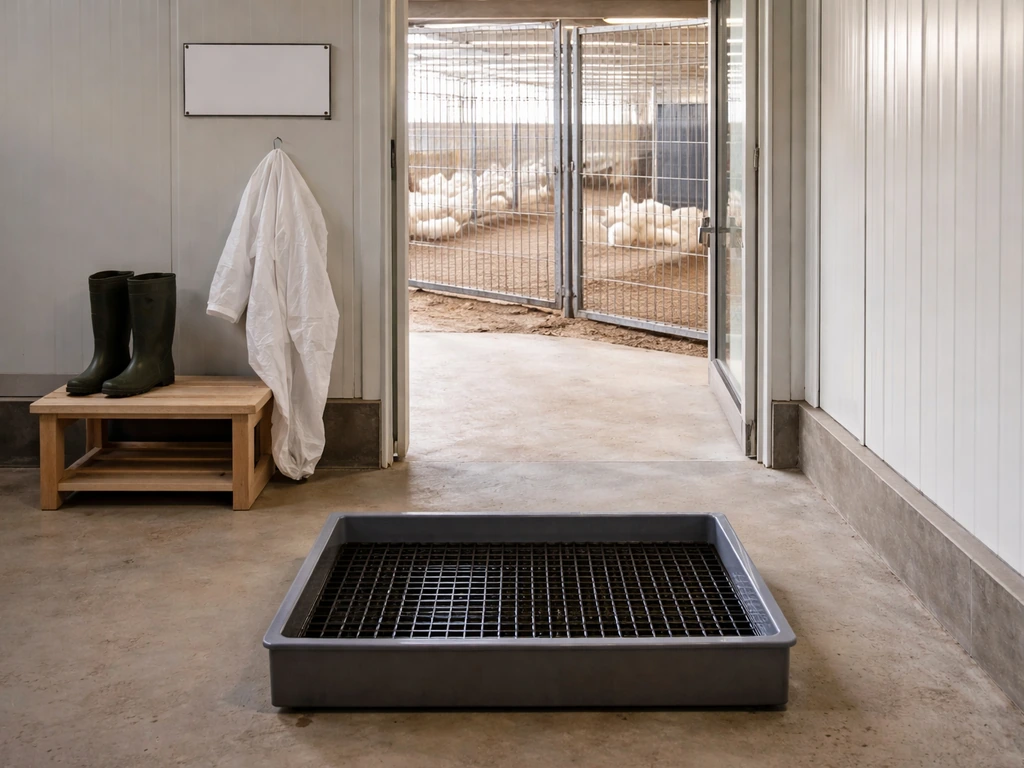
- Implement formal biosecurity protocols: controlled access to bird areas, dedicated footwear and outerwear for poultry zones, and disinfection stations at entry points
- Monitor USDA APHIS HPAI detection reports for your state and neighboring states so you can heighten precautions when wild bird detections are active nearby
- Work with your state animal health official or extension service to develop or review your biosecurity plan before an outbreak reaches your region, not after
- Ensure workers handling birds know the signs of illness and understand the reporting chain
- Follow USDA APHIS enhanced biosecurity guidance during high-risk periods, particularly spring and fall migration
Food safety at home
If you're not raising birds but you're worried about food safety, the reassurance is straightforward: properly cooked poultry and eggs are safe. As for your question about chicken meat, bird flu is mainly a concern around exposure to infected birds or contaminated environments, and standard food handling and thorough cooking keep the risk very low properly cooked poultry and eggs are safe. Avian influenza viruses are inactivated by standard cooking temperatures.
Poultry cooked to an internal temperature of 165°F (74°C) and eggs cooked until yolks and whites are firm present no risk from avian influenza. The risk around food is not about eating properly handled, thoroughly cooked products; it's about raw handling in environments where infected birds are present, which is primarily an occupational or farm-level concern, not a grocery store one.
The bottom line and your next steps
Wild birds are genuinely part of the avian influenza picture, they carry these viruses, they spread them along migration routes, and they can introduce HPAI into backyard flocks through direct or indirect contact. That's not alarmism, it's just how the virus moves through the world.
But for the vast majority of people, the practical risk is manageable with straightforward actions: don't handle sick or dead wild birds with bare hands, report die-offs to wildlife authorities, keep your domestic birds separated from wild birds, and practice basic hygiene after any potential exposure.
If you have a backyard flock, the single most effective thing you can do today is assess whether wild birds can physically access your birds' food, water, or living space, and fix that if they can. That one step closes off the most common transmission route. For everything else, stay informed through USDA APHIS and CDC updates, especially during fall and spring migrations when wild bird movement and HPAI detections historically peak.
FAQ
If I see a sick or dead wild bird, can I catch bird flu just by being nearby?
No. Casual contact like walking past a wild bird or seeing one in your yard is not considered a meaningful route for human infection. The practical risk rises mainly with prolonged, close, unprotected contact with an infected bird or its droppings and respiratory secretions, typically in specific outbreak contexts.
How can I tell whether a dead wild bird likely has HPAI versus something else?
Window strikes, predators, severe weather, and other infections can all cause dead birds that are unrelated to HPAI. What increases concern is a cluster of unexplained deaths in nearby locations, especially among susceptible groups (such as ducks, geese, swans, eagles, pelicans, or gulls) within a short time window.
What’s the single most effective thing I can do to protect my backyard chickens or ducks from wild birds?
Not usually. Avian influenza risk for backyard flocks is most about wild birds contaminating shared areas, like pond water, open feed, or accessible outdoor runs. If you prevent wild birds from reaching your birds’ food, water, and living space (and you keep stored feed covered), you address the most common transmission pathway.
Should I worry if my dog or cat brings me a wild bird?
Dog and cat contact is a “possible bridge,” not an automatic danger. To reduce risk, keep pets from mouthing or carrying wild birds, and if a pet has been in contact with a dead bird or droppings, wash hands thoroughly and clean any contaminated surfaces with an appropriate disinfectant before letting people or other animals touch them again.
What should I do practically if I need to remove or bag dead wild birds for reporting?
Use protective barriers. If you find dead birds and you have to move them for reporting, wear gloves and eye protection, avoid sweeping or hosing debris that can aerosolize particles, and place the material into a sealed bag or container before disposal. Then wash hands and change clothes if you had direct contact.
Does occupational or farm work change the risk compared with just living near wetlands?
Yes, in a different way than backyard exposure. If you work with animals, handle carcasses, clean barns, or manage poultry or potentially affected cattle, your risk can be higher because you may have more frequent, closer, and less-protected contact than the general public. Follow workplace PPE and hygiene steps even when you believe the exposure is “minor.”
If bird flu is in wild birds, is there any risk from eating eggs or chicken?
Food from properly cooked poultry and eggs is not the main concern. The higher risk scenario is raw handling, where droplets or residue from contaminated environments could be transferred to your hands, tools, or surfaces during cleanup. Cook thoroughly, but also use good hygiene when cleaning areas that could have wild bird contamination.
When should I increase precautions during migration season, even if I do not see dead birds yet?
HPAI detections can affect your planning even before you see obvious die-offs. If local wildlife reporting indicates HPAI activity, tighten biosecurity immediately during that time window, especially in spring and fall when migratory movement is highest.
Next Article
Does Bird Flu Affect All Birds? Hosts, Spread, and Safety Steps
Explains if bird flu affects all birds, which species are at risk, cross-species spread, and safety steps today.