
Bird flu has been around for well over a century. Avian influenza viruses were first documented in poultry in Europe in 1878, and the highly pathogenic strains we worry about today trace back to a 1996 detection in farmed geese in Guangdong, China. The first confirmed human infection with the H5N1 subtype happened in Hong Kong in 1997. So when bird flu feels "new" right now, what's actually new is the scale and geographic reach of the current outbreak wave, not the virus itself.
How Long Has Bird Flu Been Around? Timeline and Risks

Sarah Chen
24 Apr 2026

When bird flu first appeared
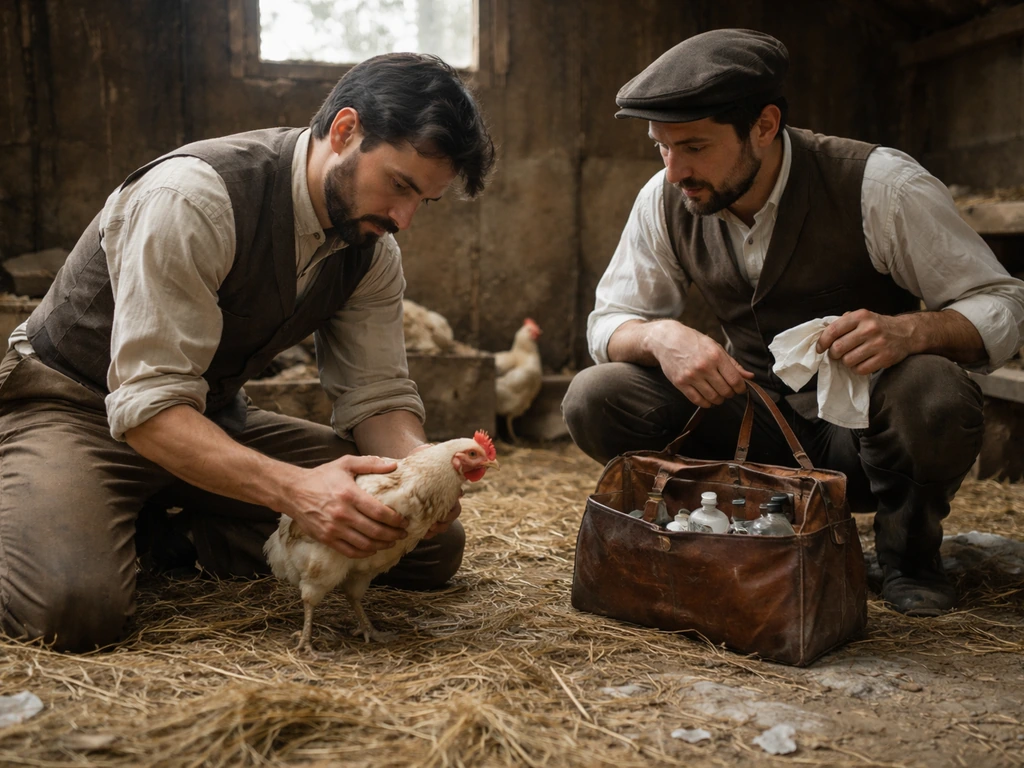
The history of avian influenza goes back to 1878, when Italian veterinarians described a devastating illness in poultry they called "fowl plague." At the time, no one knew it was caused by an influenza virus, but looking back, this is recognized as one of the earliest recorded descriptions of highly pathogenic avian influenza (HPAI), meaning a form of bird flu that spreads fast and kills a high proportion of infected birds.
The modern chapter of the H5N1 story starts in 1996. Scientists identified the A/goose/Guangdong/1/1996 virus, commonly called the Gs/Gd lineage, in farmed geese in southern China. This strain is the direct genetic ancestor of every H5N1 outbreak that has followed, including today's global wave. It didn't get there overnight either. Researchers believe the low-pathogenic precursor was introduced into domestic poultry from wild migratory waterfowl through a process called reassortment, where influenza viruses essentially swap genetic segments. That reassortment likely happened multiple times before the Gs/Gd/96 lineage emerged in the form that would go on to infect humans.
Milestones in human infections and major outbreaks
The first confirmed human case of H5N1 bird flu was a 3-year-old boy in Hong Kong who died in May 1997. By December of that year, there had been 18 confirmed human cases with 6 deaths. Contact with live poultry in markets was identified as the source for 17 of those 18 cases. This was a watershed moment: it proved, for the first time, that an avian influenza virus could infect and kill people.
H5N1 went relatively quiet in humans after Hong Kong authorities culled the city's entire poultry population in late 1997, but it never disappeared from birds. It re-emerged with force in 2003 and 2004, spreading across Asia and eventually into Africa, Europe, and beyond. WHO confirmed a child in Hong Kong with H5N1 in February 2003, explicitly noting the 1997 outbreak as the historical baseline. Since then, H5N1 has caused hundreds of human infections over the years, with a fatality rate that has historically been very high among confirmed cases, though actual infection rates in the broader population are harder to measure.
A separate subtype, H7N9, emerged in humans in China in early 2013. By late April 2013, WHO had confirmed 109 laboratory cases with 22 deaths in just a few months, showing that H5N1 is not the only avian influenza subtype capable of causing serious human illness. Chinese public health officials rapidly shared genome sequences, which helped accelerate global response.
The current outbreak wave escalated sharply starting around 2021. Since then, HPAI H5N1 has spread across an unprecedented range of bird and mammal species globally, prompting WOAH (the World Organisation for Animal Health) to describe it as a panzootic, meaning a pandemic affecting animals across multiple continents. In April 2024, a person in the United States tested positive for H5N1 following exposure to infected poultry. By May 2024, additional U.S. cases were linked to exposure to infected dairy cattle, marking a notable new agricultural context for human risk.
How bird flu has circulated in birds over time
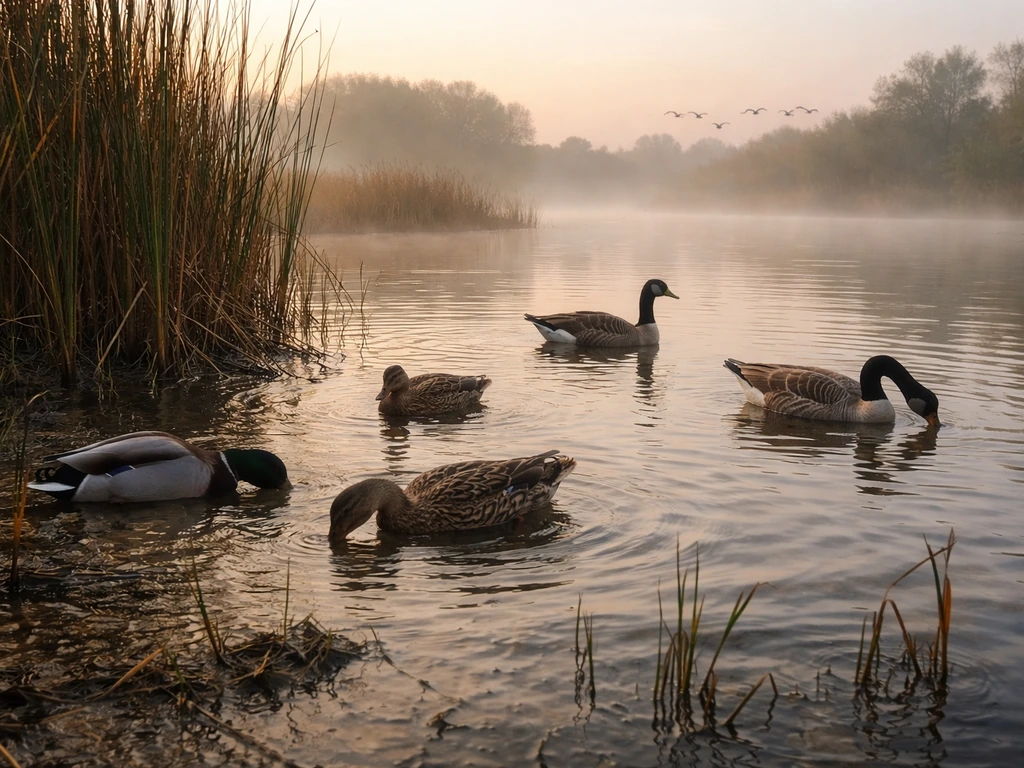
Avian influenza viruses have circulated in wild birds, particularly waterfowl like ducks and geese, for a very long time. Wild birds often carry low-pathogenic avian influenza (LPAI) strains with few or no symptoms. The problem arises when these viruses spill into domestic poultry populations, where they can mutate into highly pathogenic forms that cause massive die-offs.
Wild bird migration plays a huge role in how the virus spreads geographically. WOAH notes that when unusual weather patterns shift migratory routes, for example a cold winter around the Black Sea pushing birds westward into Europe, that can carry the virus into new regions. This pattern helps explain why outbreaks can seem to "come out of nowhere" in places that hadn't seen bird flu recently.
Since 2021, something has shifted in the ecology of H5N1. Research published in Nature in 2023 found that H5N1 has improved its ability to persist in wild bird populations, making geographic spread much more efficient than in previous decades. The virus is now regularly killing wild birds in mass mortality events, which was much less common before. FAO describes this as a "paradigm change" in avian influenza epidemiology. The virus is now infecting a broader range of wild bird species and, increasingly, mammals, which is a big part of why it's receiving so much attention right now.
Why it feels "new" even though it's been around for decades
There are a few reasons bird flu can feel like a sudden arrival when it's anything but. First, public attention tends to spike during visible outbreaks and quiet down between them. The 1997 Hong Kong outbreak got significant coverage, then faded. The 2003/2004 re-emergence got more coverage. Each new wave feels like a fresh crisis even though the same basic viral lineage has been in circulation since 1996.
Second, and more importantly, the current situation genuinely is different in scale. WHO Europe stated clearly in July 2024 that the virus causing current H5N1 outbreaks is not new, having first emerged in 1996/1997, but acknowledged that the geographic reach and species range have expanded dramatically since 2021. More regions are affected, more mammal species are infected, and the overlap with agriculture and food systems is getting harder to ignore. That increased visibility is real, even if the virus itself has been around for decades.
Third, for people in regions or industries that hadn't been directly affected before, like U. The CDC MMWR report reiterates April 1, 2024 Texas worker details and frames the risk as higher for people with direct exposure to infected animals or contaminated materials higher risk with direct exposure to infected animals or contaminated materials. S. dairy farmers or poultry workers in countries without prior H5N1 history, this genuinely is a first encounter with meaningful risk. That local "newness" is legitimate even if the global history is long.
Common misconceptions worth clearing up
- "Bird flu is the same as seasonal flu." It isn't. Seasonal flu is caused by human-adapted influenza A and B strains that circulate efficiently between people. Avian influenza viruses like H5N1 and H7N9 are genetically and functionally distinct, and most humans have no pre-existing immunity to them. That's part of what makes them a pandemic concern.
- "Bird flu only started in the last few years." The Gs/Gd H5N1 lineage has been in birds since 1996 and in humans since 1997. The current intensification is real, but the virus is not new.
- "Bird flu is going to cause a pandemic any day now." Current evidence shows the virus does not spread efficiently between people. Human cases remain tied almost entirely to direct animal exposure. That risk profile could change, and researchers monitor it closely, but widespread person-to-person transmission has not been documented as of April 2026.
- "Eating chicken or eggs will give you bird flu." Properly cooked poultry and eggs are safe. FDA guidance is clear that cooking to standard safe temperatures and avoiding cross-contamination are effective protections. The virus is not transmitted through food that has been properly prepared.
- "Bird flu in wild birds is always a new strain." Wild birds have carried low-pathogenic avian influenza for a very long time. What's changed recently is that highly pathogenic strains are now persisting in wild bird populations more effectively than before.
A quick look at how the H5N1 timeline breaks down
| Period | Key Development | Human Impact |
|---|---|---|
| 1878 | "Fowl plague" described in European poultry | None identified at the time |
| 1996 | Gs/Gd H5N1 lineage identified in geese, Guangdong, China | No human cases yet |
| 1997 | First human H5N1 cases in Hong Kong (18 cases, 6 deaths) | First confirmed human deaths from H5N1 |
| 2003/2004 | H5N1 re-emerges and spreads across Asia, Africa, Europe | Ongoing sporadic human cases; high fatality rate |
| 2013 | H7N9 emerges in humans in China (109 cases by late April) | New subtype confirmed in humans; 22 deaths |
| 2021 onward | Global panzootic: unprecedented species range, mammal spillovers | U.S. human cases in 2024; dairy cattle link identified |
What to do today: understanding your actual risk and taking practical steps
For most people, the risk of catching H5N1 bird flu remains very low. Human infections are almost always tied to direct, close exposure to infected birds or, more recently, infected dairy cattle. If you don't work with poultry or livestock and you're not handling sick or dead wild birds, your day-to-day risk is minimal. That said, it makes sense to stay informed, especially if you're in a region experiencing active outbreaks.
For households and the general public

- Cook poultry to an internal temperature of 165°F (74°C) and eggs until both the white and yolk are firm. This kills avian influenza viruses and is your most reliable food safety protection.
- Avoid touching sick or dead wild birds with bare hands. If you need to handle one, use gloves and wash your hands thoroughly afterward.
- Watch for symptoms if you've had direct exposure to potentially infected animals: fever, cough, sore throat, difficulty breathing, or eye redness (conjunctivitis). Seek medical care promptly and tell the provider about your animal exposure.
- Follow updates from your local or national public health authority during active outbreak periods. Risk levels can shift, and guidance gets updated as conditions change.
For poultry farmers and agricultural workers
- Biosecurity is your first line of defense. Restrict access to your flocks, keep wild birds out of feed and water sources, and disinfect equipment and vehicles that move between properties.
- Use appropriate personal protective equipment (PPE) when working with birds during outbreak periods. CDC guidance recommends respirators plus eye and face protection, not just a basic mask. Equally important: follow safe removal (doffing) procedures so you don't transfer contamination from the PPE itself.
- Report unusual deaths or illness in your flock to your state veterinarian or local agricultural authority immediately. Early detection and rapid reporting are central to containing outbreaks before they spread.
- Have a carcass disposal plan in place before you need one. EPA guidance emphasizes that proper planning for disposal and decontamination of equipment matters enormously during outbreak response.
- Monitor yourself and your workers for symptoms after any high-risk exposure and know where to seek medical evaluation quickly.
Staying informed and knowing when to worry
The WHO avian influenza Q&A recommends that people in regions experiencing active outbreaks take extra precautions around live animals and monitor themselves for symptoms including fever, cough, and difficulty breathing. If you've had close contact with sick birds or mammals and develop any of those symptoms within 10 days, that's the window to seek care and mention your exposure history to a doctor.
For deeper context on related questions, you may also want to understand how long a bird flu illness typically lasts in a person who gets infected, how long a bird flu vaccine provides protection, and what the incubation period looks like from exposure to first symptoms. Recovery time depends on the specific infection and treatment, but knowing how long bird flu lasts helps you understand what to expect if someone becomes ill how long a bird flu illness typically lasts. For dogs, the answer to how long bird flu lasts can be different and depends on the severity of illness and how quickly treatment begins how long a bird flu illness typically lasts in a person who gets infected. If you're considering vaccination, it's also helpful to understand how long a bird flu vaccine protection lasts for the specific vaccine and situation how long a bird flu vaccine provides protection. The incubation period for bird flu is the time from exposure to when symptoms begin, and it can vary by subtype. The duration of symptoms depends on the specific subtype and how quickly treatment is started how long a bird flu illness typically lasts. Those details help complete the picture of what an actual human infection involves, as opposed to the broader historical question this article covers.
The bottom line is that bird flu is not a new threat that emerged from nowhere. Nature (2025) notes that highly pathogenic H5N1 viruses of the A/goose/Guangdong lineage have spread globally since emerging in 1996, with dispersal involving wild birds and domestic poultry transmission dynamics blank" rel="noopener noreferrer">longstanding veterinary and public health challenge. It's a longstanding veterinary and public health challenge that has been escalating in scope since 2021. Understanding that history makes the current situation clearer and more manageable, and it puts you in a better position to respond practically rather than reactively. Scientists and public health agencies say there is no single end date for bird flu, but control efforts can reduce outbreaks over time when will bird flu end.
FAQ
Is bird flu the same thing as H5N1, or are there different bird flu viruses?
Bird flu is a broad label for many avian influenza subtypes, such as H5N1 and H7N9. Different subtypes have different histories in humans, different typical fatality rates among confirmed cases, and different patterns of spread and exposure, so the “how long it’s been around” answer depends on which subtype you mean.
When people ask “how long has bird flu been around,” do they mean in animals or in humans?
In animals, the virus has been described in poultry since the late 1800s. In humans, the first confirmed H5N1 case dates to 1997, but other avian influenza subtypes have had their own human timelines. Mixing animal and human timelines can make the history sound inconsistent.
If the H5N1 lineage dates to 1996, why do new outbreaks keep appearing years apart?
A virus lineage can persist in wild birds at low levels, then spark larger outbreaks when it spills into domestic poultry and the virus changes through mutation and reassortment. Control measures like culling can reduce spread locally, but they do not eliminate circulation across wild bird populations.
Does “birds only” mean bird flu cannot infect mammals?
Not necessarily. The article notes increasing mammal infections since 2021, which is why the risk conversation has expanded beyond poultry. Even when human cases are rare, mammal infections can be a sign the virus is adapting in ways that warrant extra monitoring.
What kind of contact actually matters for human risk, especially with dairy cattle?
The main driver is close exposure to infected animals or contaminated material, such as handling sick livestock, working in barns with active illness, or exposure to unprotected respiratory secretions and aerosols. Routine food consumption is not the same exposure pathway as farm or milking-area contact.
If I’m not a poultry worker, do I still need to worry about symptoms or take precautions?
For most people, day-to-day risk is very low, but precautions are still sensible in regions with active outbreaks if you handle sick or dead wild birds, clean areas with visible bird droppings, or live near flocks where illness is occurring. In those situations, the practical focus is avoiding direct contact and improving hygiene, not worrying about casual transmission.
How long after exposure would symptoms typically show up, and why does that matter?
The time between exposure and first symptoms, the incubation period, can vary by subtype and the circumstances of exposure. That variation affects when to seek care, which is why guidance commonly uses a short monitoring window (for example around 10 days) after close contact.
Can bird flu come from cooked food or from eating products from affected farms?
Human infections have generally been linked to close exposure to live or sick animals, not to properly handled and cooked food. The higher-risk step is preventing exposure during farm work or handling of animals, because the main concern is the virus reaching the respiratory tract through nearby aerosols or secretions.
Why do outbreaks sometimes appear “suddenly” in a new country, even though the virus has been around for decades?
Geography can shift quickly when wild bird movements change, for example due to unusual weather patterns altering migration routes. Those events can carry viruses into new areas where domestic poultry are more vulnerable, so the timing looks abrupt even though circulation elsewhere has been ongoing.
What should someone do if they find sick or dead wild birds?
Avoid direct handling. Use gloves if cleanup is unavoidable, keep children and pets away, disinfect surfaces afterward, and report unusual die-offs to local wildlife or public health channels. Direct contact is the practical “mistake” that increases exposure risk.
Is there an “end date” for bird flu, or can it persist indefinitely?
Public health agencies generally treat bird flu control as something that can reduce outbreaks over time rather than a problem with a guaranteed end date. Even if cases drop in one region, ongoing circulation in wild birds can restart outbreaks elsewhere, so surveillance remains important.
Next Article
How Long Does Bird Flu Last in Humans and Birds
How long bird flu lasts in humans and birds, including symptom duration, contagious period, and how long outbreaks persi