For poultry, you are asking about how fast the virus kills or spreads through a flock, which in highly pathogenic strains can be days. For outbreaks and seasons, you are asking something bigger, and that depends on surveillance, containment speed, and weather. This guide walks through each version of the question so you can figure out which one applies to your situation right now.
How long bird flu lasts in humans

When a person gets infected with avian influenza (most commonly H5N1 or H7N9), the illness timeline depends a lot on severity. In milder cases, the acute phase can resolve within one to two weeks. In severe cases that progress to pneumonia or respiratory failure, the timeline extends significantly. For H5N1, reviewed hospitalized cases show a median time from illness onset to death of roughly 9 to 11 days for those who do not survive.
H7N9 cases tend to move slightly slower, with a median onset-to-death interval of around 11 to 18 days in WHO-reviewed data, and a median ICU stay of about 15 days (with a wide range of 7 to 36 days). Those numbers represent the most serious end of the spectrum. Most people exposed to bird flu, especially in the current U. S.
dairy-farm-linked H5N1 wave, have had mild illness with conjunctivitis or flu-like symptoms that resolved within a week or two.
The key practical point: if you have confirmed or suspected avian influenza exposure and symptoms are getting worse after the first few days rather than better, that is the signal to escalate care immediately. Antiviral treatment with oseltamivir (Tamiflu) is recommended promptly for confirmed or suspected H5N1 infection, and earlier treatment is consistently associated with better outcomes. Do not wait to see if things improve on their own once symptoms are already progressing.
When symptoms appear and how quickly they come on
The incubation period for bird flu (the time between exposure and the appearance of symptoms) is typically 3 to 5 days, though some cases have been reported as late as 7 to 10 days after exposure, depending on the viral subtype and dose of exposure. For avian influenza A(H5) viruses, respiratory symptoms typically begin [about 3 days after exposure](https://www. cdc. gov/bird-flu/signs-symptoms/index.
html), with a range of about 2 to 7 days. This is why public health authorities monitor exposed individuals for at least 10 days after their last known contact with infected birds or animals. If you want a deeper look at how this window is defined and why it matters, there is a thorough breakdown in this article on what is the incubation period for bird flu.
Symptom onset can feel abrupt, much like seasonal flu. Fever, cough, and body aches often appear together within a short window. What distinguishes H5N1 and H7N9 from typical flu is how quickly respiratory symptoms can worsen in some patients, sometimes progressing to severe pneumonia within a few days of onset. This is why the median time from symptom onset to hospital admission in H7N9 cases is only about 4.5 days, a sign that serious cases deteriorate fast enough that people are often already in hospital within the first week.
How long bird flu is contagious in humans
For practical public health monitoring, CDC guidance treats an infected person as potentially contagious starting one day before symptom onset and continuing until their illness resolves. Australian (NSW Health) guidance operationalizes this slightly more specifically: infectious from 1 day before symptom onset until 7 days after symptom onset, or until acute symptoms have fully resolved, whichever is longer. So if your symptoms linger for 12 days, you are considered potentially contagious for that full period plus the day before things started.
One important reassurance: avian influenza does not spread easily between people. H5N1 and H7N9 have shown very limited, rare, and non-sustained human-to-human transmission in documented cases. The contagiousness monitoring is done out of an abundance of caution, not because sick people are routinely infecting those around them. The virus is not efficiently adapted to spread in the way seasonal flu does. That said, close contacts of confirmed cases (household members, caregivers) should still be monitored during the window described above, and standard respiratory precautions apply.
What affects how long someone stays contagious
- Illness severity: more severe cases typically have longer courses, meaning the contagious window extends further
- Antiviral treatment: early oseltamivir treatment can shorten the duration of active viral shedding
- Immune status: immunocompromised individuals may shed virus for longer periods
- Viral subtype: different strains (H5N1 vs. H7N9 vs. H5N2) have different replication dynamics
- Whether the illness fully resolves: symptoms that relapse or persist reset the contagious clock
How long bird flu lasts in chickens and other birds
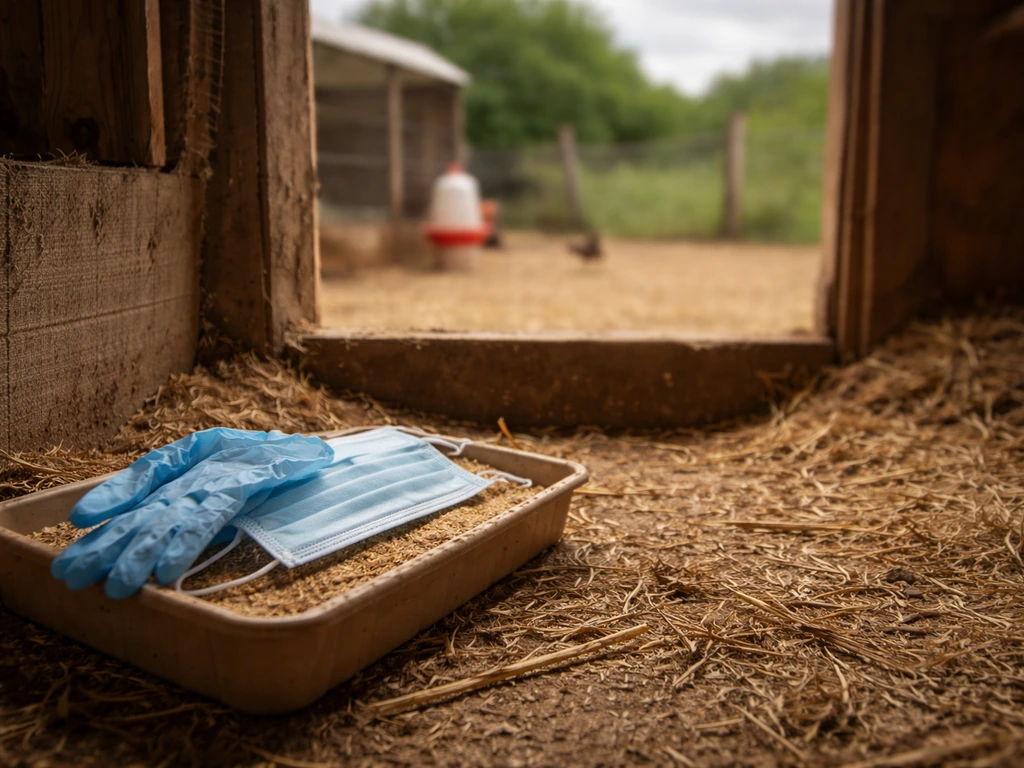
This is where the answer changes dramatically based on which form of avian influenza you are dealing with. There are two main types: low pathogenic avian influenza (LPAI) and highly pathogenic avian influenza (HPAI). LPAI strains may cause mild illness in a flock, and birds can survive and recover over days to weeks. HPAI, particularly H5N1 strains, is a different story entirely. In HPAI outbreaks, mortality in an affected flock can be near 100%, and death can occur within 24 to 48 hours of the first signs of illness. Birds do not 'live with' HPAI in any meaningful sense. The flock-level question is less about individual survival and more about how fast the virus moves through the entire group.
For biosecurity planning, regulatory agencies use a 21-day critical incubation window at the flock level. This accounts for multiple 7-day virus replication cycles within a flock and ensures that surveillance can catch any birds that were exposed but not yet symptomatic when initial cases were found. FAO and USDA APHIS both use a minimum 21-day fallowing period after depopulation and disinfection before restocking is allowed, specifically to ensure any remaining virus has had time to become non-infectious and surveillance can confirm clearance.
If you are a poultry farmer dealing with a potential HPAI case, the 21-day window is the number to know. It is not arbitrary: it reflects the layered biology of how the virus cycles through a flock and how long environmental contamination can remain a risk. The question of how the virus survives in the environment after the flock is gone is covered in the section below.
Outbreak duration and what 'bird flu season' actually means
Bird flu does not have a clean seasonal pattern the way influenza in humans does. H5N1 activity in poultry and humans has been documented year-round, though analyses of global data from 2004 to 2013 show that timing does correlate with temperature and with the movement of migratory birds. In the Northern Hemisphere, poultry outbreaks tend to cluster in late autumn through early spring, when migratory waterfowl are active and cold temperatures help the virus persist in the environment. But 'season' is a loose concept here, and the U.S. has seen HPAI outbreaks in spring migration as well.
Individual farm outbreaks can be contained within weeks if detection and depopulation happen quickly, though the downstream surveillance and restocking period extends the timeline to at least 21 days post-cleanup. Regional or national outbreaks, like the ongoing U. S. HPAI H5N1 situation affecting dairy cattle and poultry, can persist for months to years depending on how widely the virus has established itself in wild bird reservoirs.
Wild birds are the long-term host, and as long as they are circulating the virus, domestic poultry remain at risk seasonally. If you are wondering about the bigger picture of when we might see sustained reduction in outbreak pressure, that is genuinely uncertain. There is a thoughtful discussion of that question in this piece on when will bird flu end.
How long the bird flu virus survives in the environment
This is a practically important question for both farmers and anyone who has had contact with infected animals or their environment. Avian influenza virus is not fragile. Under the right conditions, it can survive well outside a host. Here is what the evidence shows:
| Surface or material | Approximate survival time | Key condition |
|---|
| Skin (human or animal) | ~5 hours | Ambient conditions |
| Some fabrics | ~1 day | Ambient conditions |
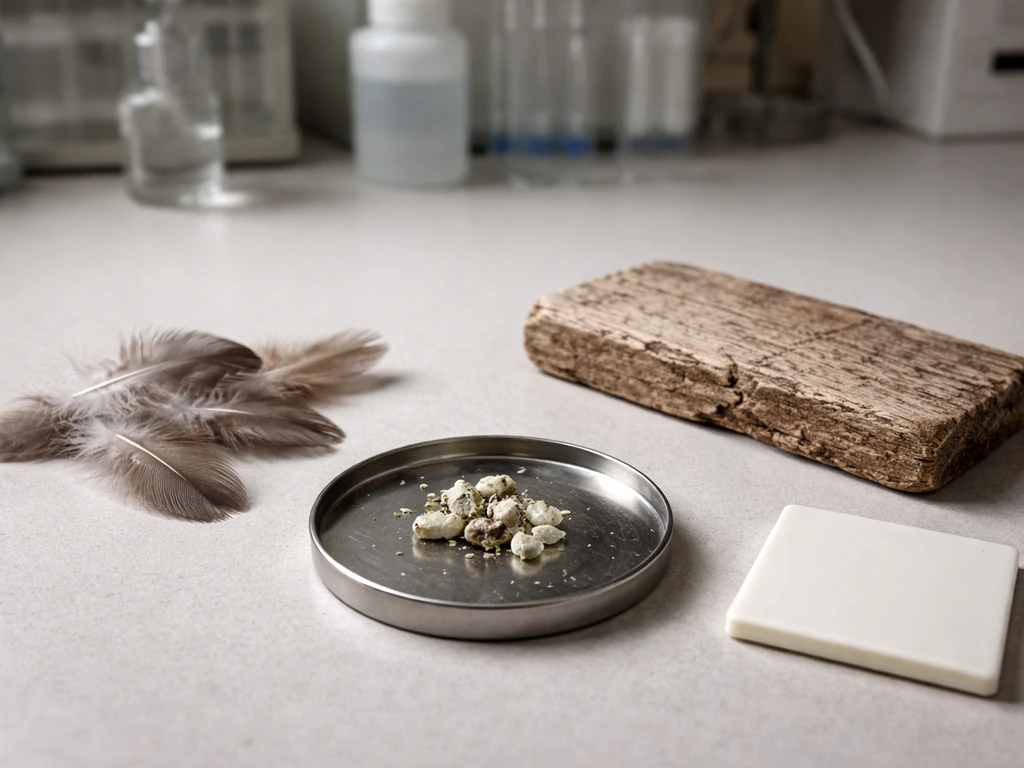
| Feathers | ~15 days | Ambient conditions |
| Soil | ~18 days | Ambient conditions |
| Water | ~21 days | Ambient or cool conditions |
| Water at 4°C (refrigerator cold) | Extended (weeks or longer) | Cold temperature slows inactivation |
| Direct sunlight (32–35°C) | <30 minutes to inactivation | UV and heat accelerate destruction |
| Shade at 25–32°C | Up to 4 days or more | Without UV exposure, heat alone is slower |
The practical takeaway from these numbers is that water and soil are the most persistent reservoirs after an outbreak. This is why drainage, manure management, and thorough disinfection of water sources are non-negotiable parts of farm biosecurity. Sunlight is your friend: UV exposure is one of the fastest ways to inactivate the virus on outdoor surfaces, which is why timing of cleaning and allowing surfaces to dry in direct sunlight matters. Cold environments, including refrigerated egg-washing water or feeders left in winter conditions, can keep the virus viable much longer than most people expect.
For households and individuals (not farms), the main environmental concern is contact with feces, feathers, or secretions from infected birds. Washing hands thoroughly with soap and water after any contact with wild birds or their environments is the simplest and most effective step. Disinfectants effective against influenza viruses (bleach solutions, quaternary ammonium compounds) work well on hard surfaces and kill the virus reliably when used correctly.
Human vs. poultry timelines side by side

| Timeline milestone | Humans (H5N1/H7N9) | Poultry (HPAI) |
|---|
| Incubation period | 3–5 days typical; up to 7–10 days | Up to 21 days (flock-level tracing window) |
| Onset of visible symptoms | Rapid (often within 5 days of exposure) | 24–48 hours in HPAI; slower in LPAI |
| Contagious period | 1 day before onset until illness resolves (7+ days) | Flock spreads rapidly once introduced |
| Acute illness duration (survivors) | ~1–2 weeks mild; longer in severe cases | HPAI: most birds die within days |
| Onset to death (severe cases) | Median ~9–11 days (H5N1) | 24–72 hours in HPAI flocks |
| Post-outbreak clearance | Symptoms resolve; no carrier state | 21-day fallow period required before restocking |
What about other animals, like dogs?
Dogs and other domestic mammals can also be exposed to avian influenza, particularly in farm environments or through contact with infected birds. The disease course in dogs is not as well characterized as in humans or poultry, but it is a real concern for farm households. If you have dogs on a farm dealing with an HPAI outbreak, keeping them away from infected birds, feces, and carcasses is essential. For a dedicated look at how the illness plays out in dogs specifically, this article covers how long does bird flu last in dogs in detail.
Do vaccines change how long bird flu lasts?
Vaccination is relevant both for poultry (where it is used in some countries to reduce flock susceptibility) and increasingly for humans at occupational risk. For individuals, an approved H5N1 vaccine exists and is being stockpiled, though broad public vaccination is not currently recommended in the U.S. for the general population. Whether you are a farmworker or a policymaker thinking about preparedness, the durability of vaccine-induced immunity matters. You can find a detailed breakdown of how long does bird flu vaccine last if that is relevant to your situation.
When to get medical care and what to do right now

If you have had direct contact with sick or dead poultry, wild birds, or infected mammals in the past 10 days and you develop fever, cough, eye redness, or difficulty breathing, contact your doctor or local health department before going to a clinic. Mention the exposure history specifically, because that changes how you are evaluated and whether antivirals are started promptly. Do not self-treat and wait it out if symptoms are worsening.
For poultry farmers, the action steps are: report suspected HPAI to your state veterinarian and USDA APHIS immediately, implement strict biosecurity to prevent spread to adjacent flocks, and do not attempt to restock for at least 21 days after full cleanup and disinfection, pending regulatory clearance. The speed of your response directly affects how long the outbreak lasts for your operation and potentially for your neighbors.
Bird flu has been causing sporadic human cases and poultry outbreaks for decades. Understanding the actual timelines, rather than worst-case headlines, helps you make better decisions. If you are curious about the broader history and how long this virus has been a concern, the context in this article on how long has bird flu been around is genuinely useful for putting current events in perspective.