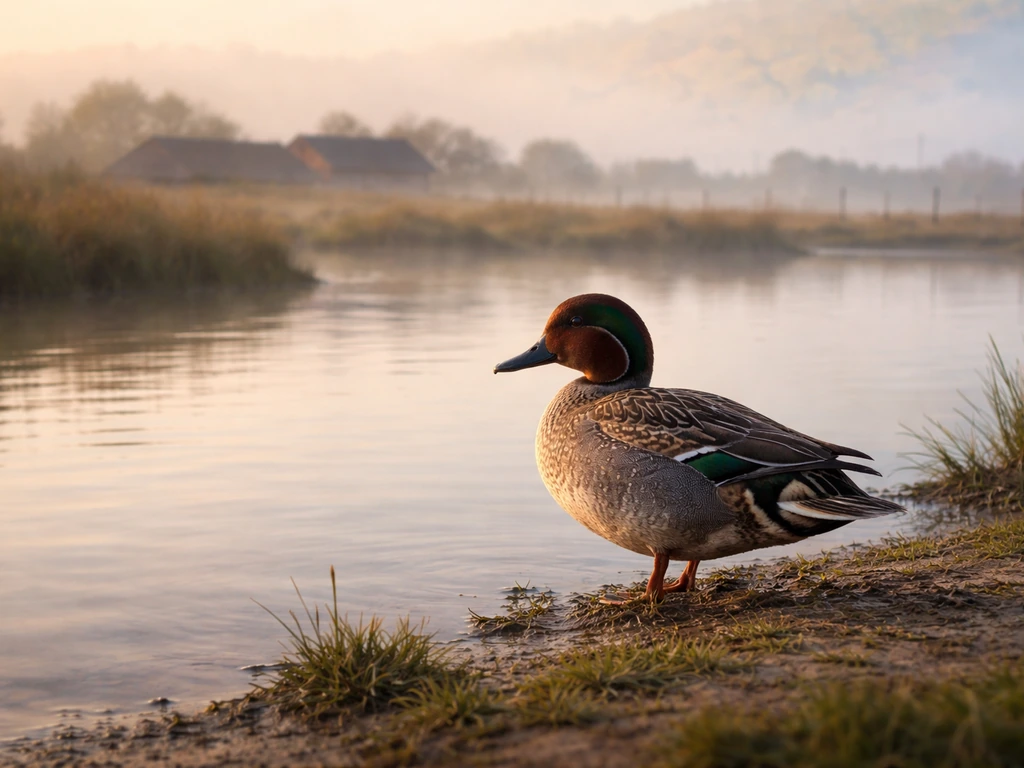
Bird flu does not have a single end date, and that is not a dodge, it is the honest answer. What we can say is this: individual outbreaks on farms or at a specific wild-bird site typically resolve within weeks to a few months, official "freedom from infection" status can be declared after as little as 28 days of clean surveillance following the last confirmed case, but global circulation of highly pathogenic avian influenza (HPAI) strains like H5N1 has been rolling in seasonal waves since 2004 and is still actively detected in wild birds, poultry, and occasionally humans in 2026. The question is not really "when does it end" globally, it is "when does it end near me, for my flock, or for my own risk", and that is something you can actually track and act on.
When Will Bird Flu End? Timelines and What Determines It


How long bird flu outbreaks typically last
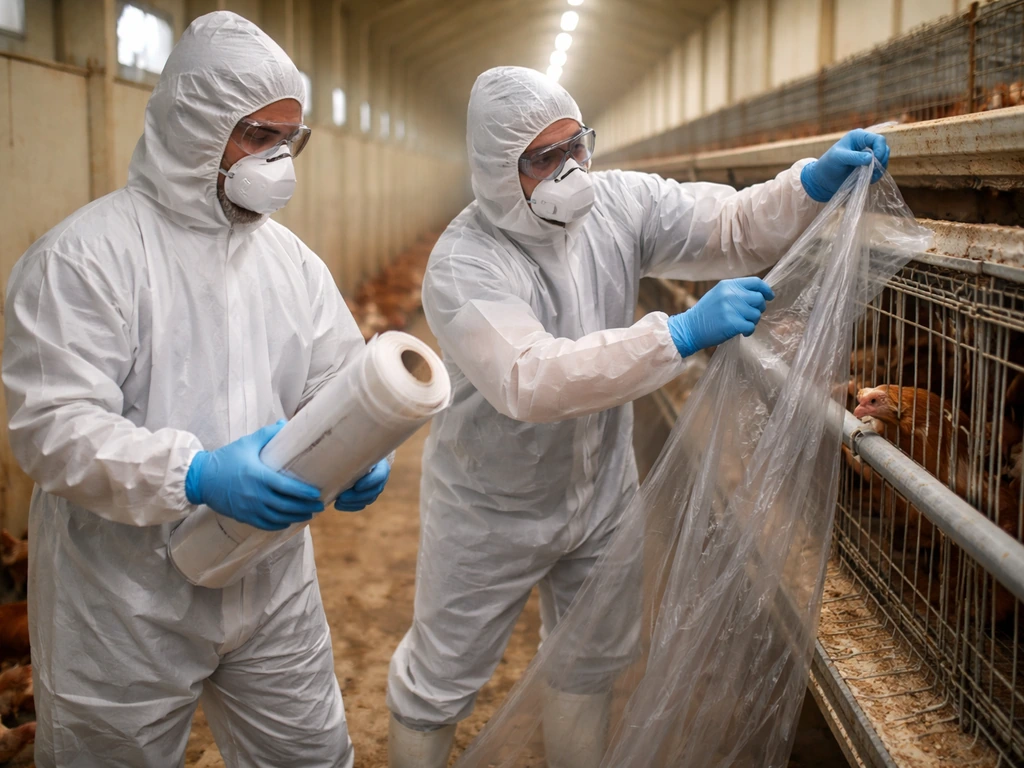
At the level of a single site or flock, outbreaks can be remarkably short. A detailed micro-epidemiology study tracking H5 HPAI in wild swans at Fleet Lagoon found the outbreak period, measured from the first to the last confirmed positive case, was just 33 days for H5N1, 32 days for H5N8, and 31 days for H5N6. That gives you a real-world window: if a wild-bird cluster is isolated and conditions do not favor ongoing spread, the virus can burn through a local population and fade out in roughly one month.
On a poultry farm, the timeline is structured around response, not just biology. Under USDA APHIS guidance in the US, once a flock is stamped out (depopulated and removed), the premises goes through cleaning, disinfection, and a fallow period, commonly 21 days, after which environmental sampling must show no remaining virus before restocking is approved. The clock does not start until disinfection is complete and the environment is confirmed clean. Globally, the WOAH Terrestrial Animal Health Code sets a minimum of 28 days of surveillance demonstrating absence of infection after the last stamping-out and disinfection before a country or zone can officially regain free status for HPAI. The WOAH Terrestrial Animal Health Code provides the minimum waiting and surveillance language used internationally to support regaining “free status” after HPAI control measures blank" rel="noopener noreferrer">WOAH Terrestrial Animal Health Code sets a minimum of 28 days of surveillance demonstrating absence of infection. For lower-pathogenicity strains (LPAI) with a stamping-out policy, that waiting period extends to three months.
At a regional or national scale, timelines stretch much further. The biggest surge in HPAI H5N1 in wild birds and poultry in the early era ran from 2004 to 2006, spanning multiple seasons. We have seen the same pattern since H5N1 clade 2.3.4.4b emerged as a global concern: wave after wave tied to wild-bird migration, not a single outbreak with a neat finish. That seasonal rhythm is one of the most important things to understand about this virus.
What determines when bird flu ends
Several overlapping factors control whether an outbreak fades or keeps going. Understanding them helps you interpret the news and your own local risk.
- Wild-bird migration timing: WOAH data show a consistent global seasonal pattern for HPAI — outbreaks are at their minimum in September, begin rising in October, and peak around February. Migration brings infected birds into new areas, reseeding virus in poultry-dense regions. This is the single biggest driver of why the virus keeps returning rather than disappearing.
- Environmental survival: Cold temperatures increase how long avian influenza viruses survive outside a host. Winter conditions can extend the window during which contaminated environments, water, equipment, or fomites remain infectious — delaying fade-out.
- Biosecurity and culling speed: On farms, rapid depopulation and rigorous disinfection are the fastest ways to end a premises-level outbreak. Delays in detection or slow response extend the active period and increase the risk of spread to neighboring flocks.
- Surveillance intensity: More testing means more detections. A country that ramps up wild-bird and farm surveillance may appear to have "more" cases — but it is actually catching what was already circulating. Genuine fade-out requires sustained surveillance showing absence, not just a reduction in reported cases.
- Reservoir persistence in wild birds: As long as the virus circulates in migratory wild birds, reintroduction into domestic poultry is always possible. There is no eliminating it from wild birds the way you can from a farm.
- Human transmission dynamics: For the outbreak to become a human pandemic, the virus would need sustained human-to-human transmission — something H5N1 has not achieved as of May 2026. Human cases remain sporadic and linked to direct animal contact.
Where things stand right now: active strains and current detections
As of early 2026, bird flu has not ended globally. EFSA and ECDC data covering late November 2025 through late February 2026 recorded 2,514 HPAI H5 detections across 32 countries in Europe alone, split between 406 in domestic birds and 2,108 in wild birds. That is a heavily active winter season. In Latin America and the Caribbean, 25 HPAI outbreaks were reported to WOAH between January and March 2026, showing continued spread well into the year. WHO is still maintaining cumulative human H5N1 case counts through its 31 March 2026 update, meaning confirmed human infections are still being recorded and tracked.
The dominant strain of concern continues to be HPAI A(H5N1) clade 2.3.4.4b, which has driven unprecedented spread in wild birds and poultry across multiple continents since 2021-2022. Other H5 subtypes (H5N2, H5N8, H5N6) have caused localized outbreaks in specific regions. The US has seen H5N1 detections in dairy cattle as well as poultry, which added a new dimension to the monitoring picture. You can check up-to-date status through USDA APHIS for US farm-level detections, CDC for US human case data, WOAH's global situation reports, and WHO for international human case counts.
What "bird flu ending" actually means in practice
This is worth being precise about, because "ending" means very different things depending on the scale you are talking about.
| Scale | What 'ending' means | Typical timeline |
|---|---|---|
| Single farm (HPAI) | Depopulation complete, disinfection done, environmental sampling clean, fallow period fulfilled (commonly 21 days in US) | 4–10 weeks from detection to restocking approval |
| Country/zone free status (HPAI) | Last stamping-out and disinfection complete, then 28 days of surveillance showing no infection (WOAH standard) | 28+ days after last positive premises is resolved |
| Country/zone free status (LPAI with stamping-out) | 3 months of surveillance after disinfection of all affected establishments | 3+ months after last positive |
| Wild-bird site outbreak | First to last confirmed positive in the local population — can be as short as 31–33 days | Roughly 1 month if not reseeded |
| Global/seasonal circulation | No universally agreed endpoint; ongoing as long as wild-bird reservoir maintains the virus | Indeterminate — has continued in waves since 2004 |
The practical takeaway: for your farm or your local area, "ending" is measurable and official, it is defined by testing, disinfection completion, and a clean surveillance period. At the global level, what you are really watching for is a sustained reduction in detections across consecutive seasons, which has not happened yet with the current H5N1 clade.
What to do right now: guidance for households and farmers
For households and concerned individuals
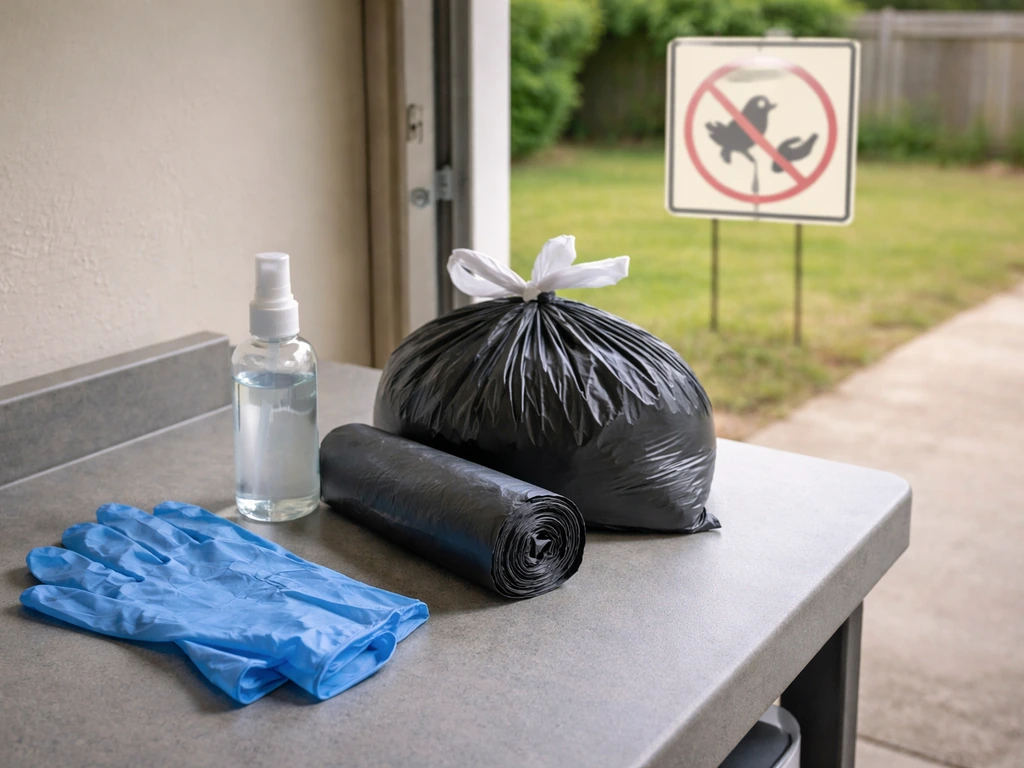
The risk to the average person without direct animal exposure remains low, but there are a few concrete steps that make real sense while HPAI detections are still occurring.
- Avoid unprotected contact with sick or dead wild birds, poultry, or other domesticated birds. If you find a dead bird, do not handle it bare-handed — report it to your local wildlife or agricultural authority.
- Cook all poultry and eggs to an internal temperature of 165°F (74°C). This temperature kills avian influenza A viruses, and it is the CDC-recommended threshold. Do not consume raw or undercooked poultry products from areas with active detections.
- If you keep backyard chickens or ducks, treat them with the same biosecurity mindset as a small farm: limit contact with wild birds, use separate footwear for the coop, and report any unusual deaths or illness immediately.
- Follow your national health agency (CDC in the US, ECDC in Europe) for updates specific to your region. Checking WOAH situation reports or USDA APHIS for US state-level detection maps takes about five minutes and gives you a real picture of what is active near you.
- If you have had close, unprotected contact with infected birds and develop fever, cough, or respiratory symptoms within 10 days, contact your healthcare provider and mention the exposure. Early treatment matters significantly.
For farmers and flock owners
- Biosecurity is your primary tool right now. That means controlled access to poultry houses, dedicated footwear and clothing for barn entry, bird-proof housing where possible, and no sharing of equipment between farms without disinfection.
- Know the reporting requirements in your jurisdiction. In the US, HPAI is a federally reportable disease — early reporting triggers federal response support and is critical to containing spread. Delayed reporting extends the outbreak.
- If you have a mortality event or clinical signs consistent with HPAI (sudden high mortality, severe respiratory signs, neurological symptoms, drop in egg production), call your state veterinarian or USDA APHIS immediately. Do not wait for laboratory confirmation.
- Understand the restocking timeline before you need it. After a confirmed HPAI detection, expect at least 21 days of fallow after clean disinfection before restocking is considered, and environmental sampling must come back negative. Plan your financial and operational continuity with that window in mind.
- Monitor wild-bird activity near your operation during the October-to-February high-risk window, and increase surveillance intensity during those months.
Vaccines, treatments, and what changes the long-term picture
Treatment for humans who develop severe bird flu already exists. CDC recommends oseltamivir (brand name Tamiflu) as the first-line antiviral for confirmed or suspected H5N1 bird flu in humans, and timing matters, treatment started as early as possible produces better outcomes. If you or someone you know develops symptoms after bird exposure, that context needs to go to the doctor immediately so treatment can begin without waiting for lab results.
On the vaccine side, there is an FDA-approved adjuvanted H5N1 monovalent vaccine in the US Strategic National Stockpile, developed as a pandemic preparedness tool. It is not commercially available to the general public today, it is stockpiled for rapid deployment if sustained human-to-human transmission begins. That is the trigger for mass deployment, and health authorities have clear plans for that scenario. Separate from human vaccines, poultry vaccination programs are used in some countries as an outbreak-control tool, though their use is debated and monitored carefully because vaccinated flocks can mask ongoing infection if surveillance is not maintained alongside vaccination.
What actually shortens the global timeline? A few things could genuinely shift the trajectory: a sustained warm period reducing environmental virus survival, improved international coordination on wild-bird surveillance and reporting, wider adoption of biosecurity on farms in high-risk areas, and, critically, the virus not acquiring the genetic mutations that would enable efficient human-to-human spread. Researchers and agencies are watching the virus's evolution closely for exactly those changes. The good news is that H5N1 has been circulating in bird populations for over two decades without making that pandemic leap. The candid reality is that as long as the wild-bird reservoir maintains the virus, seasonal reintroduction into poultry and sporadic human cases are expected to continue.
It is also worth knowing that related questions, like how long a human case of bird flu lasts, what the incubation period looks like, or how long protective vaccines remain effective, are all part of understanding your personal risk picture and are worth looking into if you have had a potential exposure or work closely with animals. If you are looking at a specific situation in dogs, the key question is how long bird flu symptoms or infection can persist, which depends on the dog’s exposure and severity of illness. Protective effect and guidance for vaccination can vary by the specific vaccine used and the person or flock being vaccinated how long protective vaccines remain effective. The incubation period in humans, for instance, is a key factor in how quickly you should seek care after an exposure event. The incubation period for bird flu in people is the time between exposure and the onset of symptoms incubation period in humans. These pieces fit together into a broader picture of what the outbreak looks and feels like at the individual level versus the population level.
The bottom line for today, May 4, 2026: bird flu has not ended. That is why people often ask how long has bird flu been around and what keeps it circulating bird flu has not ended. At the global level it is still actively circulating in wild birds and poultry across dozens of countries, and human cases are still being reported. But "ending" is happening constantly at the local and premises level for farms that go through proper stamping-out and surveillance protocols. Your best move is to check what is happening in your specific region using official sources, follow the food safety and exposure-avoidance steps above, and understand that the risk to you personally remains low as long as you are not in direct, unprotected contact with infected animals.
FAQ
Can bird flu be considered “over” if there are no new reports for a while?
It can be officially declared only after testing and surveillance show no virus, not simply because there are no headlines. For poultry, the timeline usually starts after depopulation and disinfection are completed, then a defined clean surveillance window follows, so a quiet week does not automatically mean an area is “over.”
Why do bird flu cases sometimes come back after seeming to settle down?
Yes, but “fewer detections” does not equal “no virus.” Because the source is often wild birds, outbreaks can reappear after a lull if migration or local ecology brings the virus back, especially during seasonal peaks.
If one farm clears, does that mean the whole region is free of bird flu?
The official “free from infection” concept is different from local outbreak duration. A premises or flock might clear within weeks to a few months, while the country or region can remain under active monitoring for much longer because other sites and wild-bird areas can still be shedding.
How reliable is a single negative test for determining when bird flu has ended at a site?
Not necessarily. A negative test on one date is helpful, but the clearance decision depends on follow-up sampling during the surveillance period and on whether the environment was confirmed clean after disinfection, so a single negative result should not be treated as an end date.
Does the human incubation period change when bird flu “ends” for a community?
Incubation time affects when people get sick after exposure, but it does not change when an animal outbreak is considered over. Human incubation is mainly relevant for seeking care quickly, while the farm or zone timeline is driven by animal testing, disinfection completion, and surveillance rounds.
Can vaccination make it look like bird flu ended when it actually didn’t?
It depends on the country and the strategy. If poultry vaccination is used, it can reduce clinical disease and detectable virus in the flock, but that can also hide ongoing circulation unless surveillance distinguishes infected from vaccinated animals, which is why authorities often pair vaccination with intensified monitoring.
What situations can delay restocking or official clearance after stamping-out?
Yes, for some farms the “clock” effectively restarts when key actions are completed. If disinfection is delayed or sampling does not meet clearance criteria, the surveillance and restocking timeline can extend beyond the typical minimum periods mentioned in guidance.
Does warmer weather usually mean bird flu will end soon?
Warming alone is not a guarantee. A sustained warm period could reduce environmental survival, but ongoing wild-bird circulation and repeated reintroduction into poultry can keep detections going, so “summer is coming” is not a sufficient indicator for ending.
If someone develops symptoms after bird exposure, should they wait for test results?
Oseltamivir decisions depend on clinical suspicion plus exposure context, so you generally do not wait for lab confirmation if symptoms after bird exposure raise concern. Early initiation is the key practical point discussed in the article.
How do I translate “bird flu is still circulating” into my own risk timeline?
There is not one personal end date. Your practical timeline is “while there are local detections and while you have meaningful exposure risk.” People who work with birds or have direct contact risk should follow local guidance and treat new exposures as time-sensitive for monitoring and care-seeking.