What bird flu actually is, and how it differs from your regular flu
Avian influenza is caused by influenza A viruses. All influenza A viruses are named by two surface proteins: hemagglutinin (H) and neuraminidase (N). That is where the "H5N1" or "H7N9" designations come from. For example, A(H7N2) means the virus carries hemagglutinin type 7 and neuraminidase type 2. There are 18 known H subtypes and 11 known N subtypes, and different combinations behave very differently in terms of how dangerous they are and which species they infect.
The seasonal flu shot you get every autumn is designed against influenza A and B strains adapted to spread efficiently between humans. Bird flu strains, by contrast, are adapted to birds and do not spread easily between people at all. That is the single most important distinction to understand. When bird flu occasionally infects a person, it is almost always through direct exposure to infected animals, not from another person coughing nearby.
Within bird flu, there are two severity categories: low pathogenicity avian influenza (LPAI) and high pathogenicity avian influenza (HPAI). HPAI is the serious one. Under the World Organisation for Animal Health (WOAH) definition, HPAI in poultry involves H5 or H7 subtypes, or any influenza A virus with an intravenous pathogenicity index above 1.2, roughly translating to at least 75% mortality in infected chickens. The H5N1 strain that has dominated headlines since 2022 is HPAI, which is why it gets so much attention.
Where outbreaks are happening right now and what real cases look like
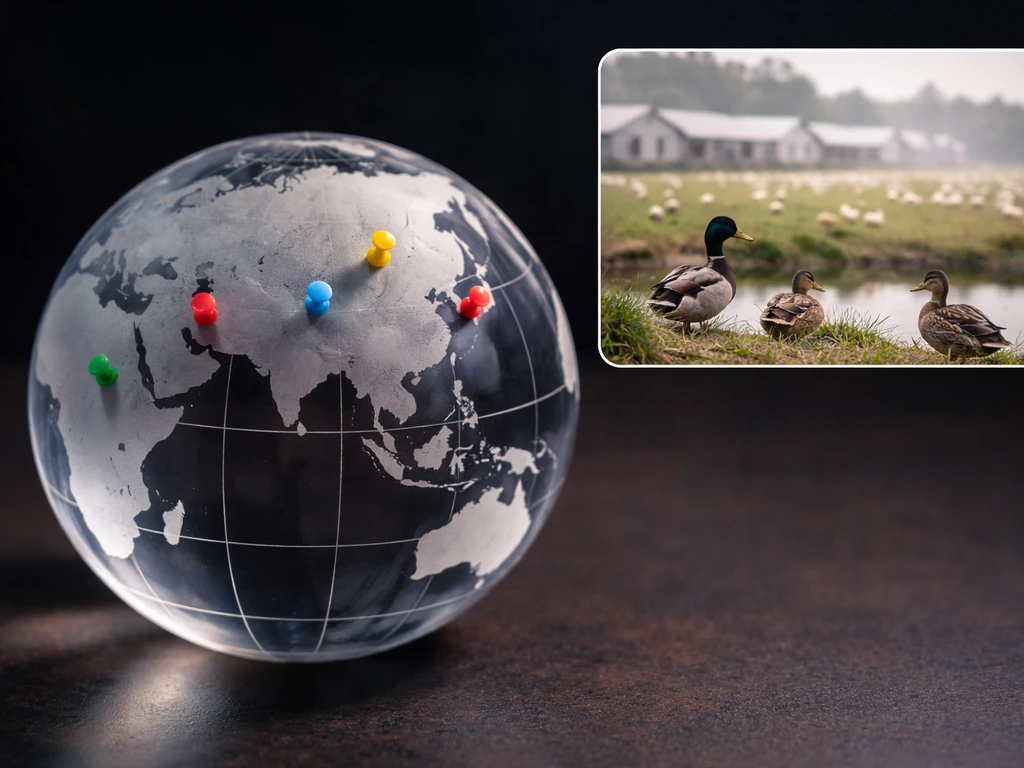
Bird flu has been in continuous global circulation for years. In 2025 alone, nine countries confirmed 508 outbreaks in birds, with thousands of additional detections in wild birds, according to PAHO and WHO data. WOAH actively monitors HPAI across both poultry flocks and wild bird populations, and the FAO tracks "AIV with zoonotic potential" events across multiple H5 and H7 subtypes worldwide. In the United States, USDA APHIS has tracked HPAI detections in wild birds continuously since January 2022, and those detections span dozens of states.
Human cases, while much rarer, are also confirmed and documented. Between April 2022 and March 2026, 75 people in five countries in the Americas were confirmed infected with H5N1, resulting in two deaths, based on PAHO and WHO surveillance data. Globally, WHO has maintained a cumulative confirmed human case database for H5N1 going back to 2003. Between late November 2025 and late February 2026, the ECDC reported 10 new human cases (none fatal) in Cambodia and China. These are not rumored or speculative infections. They are laboratory-confirmed, publicly reported, and tracked in real time.
Whether bird flu is "happening now" near you specifically is a separate and important question, and one where checking current USDA or CDC outbreak maps is the only reliable answer since the situation changes week to week. You can also use the latest alerts and local health guidance from agencies like the CDC and USDA to confirm whether infections are being reported in your area is bird flu happening now.
How bird flu spreads to humans and who faces the most risk
The CDC is clear on this: the primary route of human infection is direct or close exposure to animals carrying bird flu, including infected poultry, wild birds, and other infected mammals. This means touching sick or dead birds, working around contaminated surfaces or feces, or being in enclosed spaces where infected birds are present. It does not mean walking past a duck pond or eating a properly cooked chicken breast.
Notably, CDC guidance states that infection can occur even without directly touching a bird, for example when breathing in particles in contaminated environments. This is especially relevant for poultry workers, backyard flock owners, hunters, and wildlife biologists. Since 2022, multiple domestic cats in the United States have also been confirmed infected with H5N1, typically after hunting or consuming infected birds, which is a reminder that the virus can move through a wider range of animals than just poultry.
Human-to-human transmission is where bird flu differs most sharply from seasonal flu. Very limited spread from one sick person to another has been documented in a handful of international investigations involving very close, prolonged contact. But sustained human-to-human transmission, the kind needed for a pandemic, has not been identified for any current bird flu strain. WHO confirms this directly. That status can change if the virus mutates, which is why ongoing surveillance matters so much.
The people at highest risk of exposure right now are:
- Poultry farm workers, especially those working with infected or potentially exposed flocks
- Backyard flock owners and anyone who handles live birds regularly
- Hunters and wildlife handlers who come into contact with wild birds
- Veterinarians and veterinary staff working with poultry or wild birds
- Anyone who lives in or travels to regions with active HPAI outbreaks in animals
- People who consume raw or undercooked poultry products, particularly in parts of Southeast Asia
What bird flu looks like in humans and in birds
Symptoms in humans
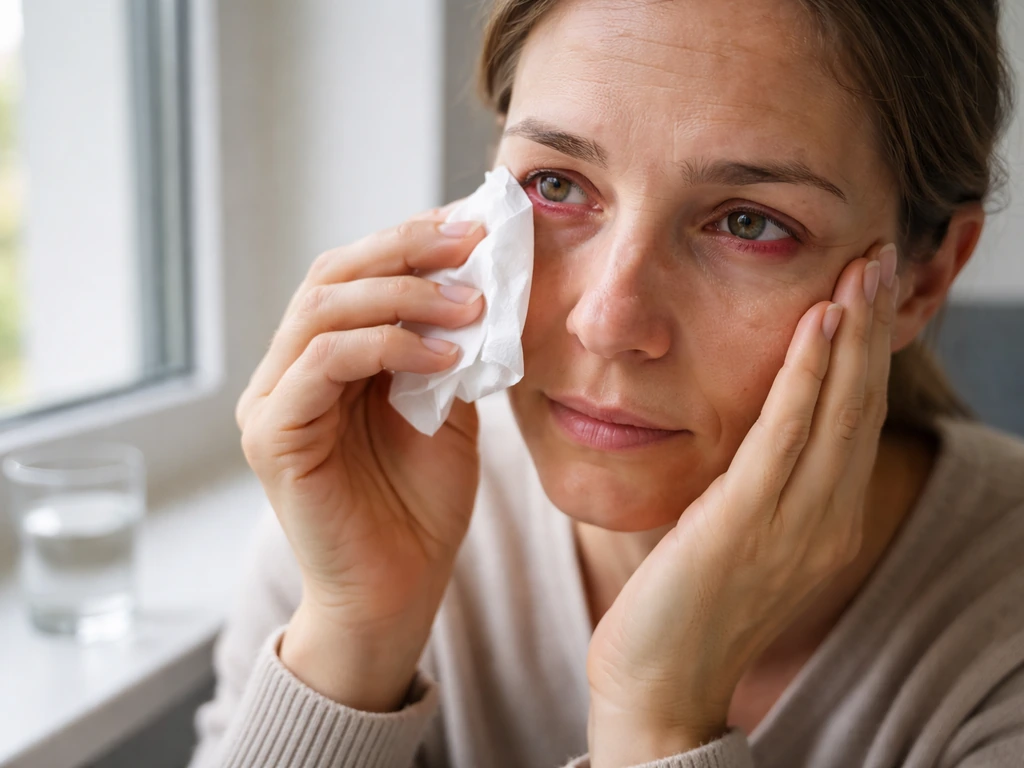
Human bird flu does not always look the same. WHO describes a clinical spectrum ranging from conjunctivitis (red, irritated eyes) and mild upper respiratory or gastrointestinal symptoms all the way to severe pneumonia, acute respiratory distress, encephalitis (brain inflammation), and death. The CDC's guidance for H5N1 specifically lists eye redness, fever at or above 100°F (37.8°C), and cough as symptoms to watch for. Severe cases can deteriorate rapidly, which is why early medical attention after a known exposure is so important.
If you develop any flu-like symptoms, including fever, cough, or eye irritation, within 10 days of a high-risk exposure to birds or contaminated environments, treat that combination seriously. Do not wait to see if it passes on its own.
Symptoms in poultry and birds
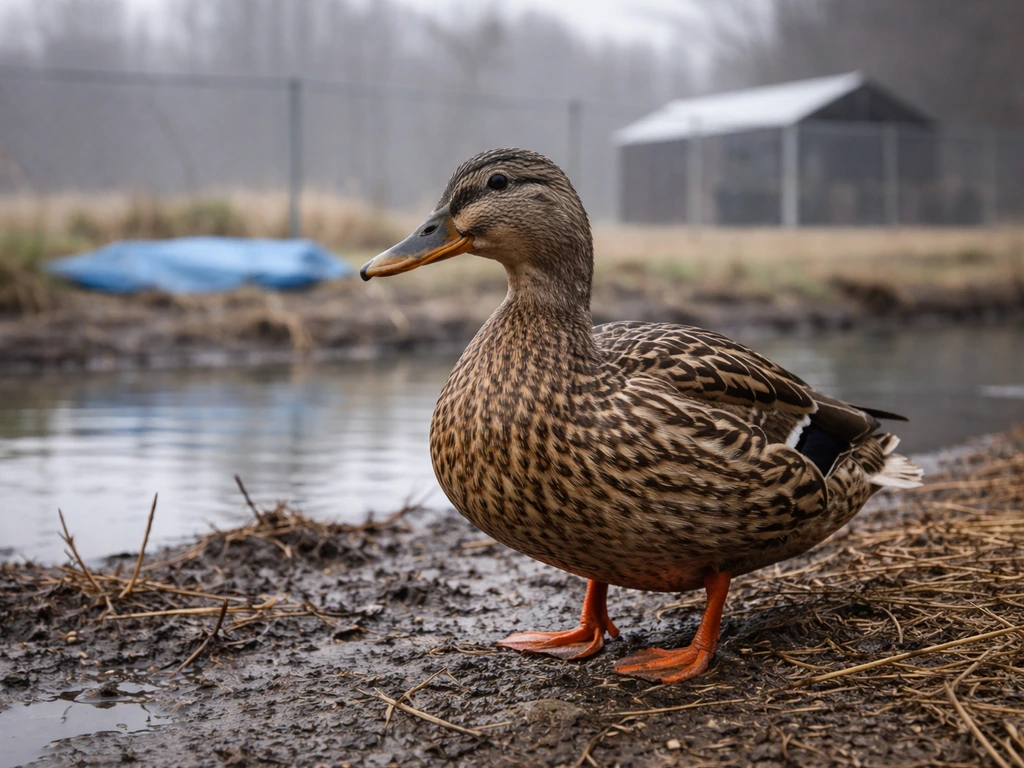
In poultry, HPAI can move shockingly fast. USDA APHIS lists sudden death with no prior symptoms as one of the most common presentations, meaning birds can die before you notice anything is wrong. Other signs include a sudden sharp drop in egg production, soft-shelled or misshapen eggs, respiratory distress (gasping, nasal discharge), lack of appetite, and neurological signs like loss of coordination. Wild birds, particularly waterfowl like ducks and geese, can carry and spread HPAI while showing little to no illness themselves. There is no treatment for HPAI in poultry.
Is it safe to eat poultry and eggs during an outbreak?
Yes, with proper handling and cooking. The CDC states there is no evidence that anyone in the United States has been infected with avian influenza through eating properly handled and fully cooked poultry products. The key rule is straightforward: cook poultry and eggs to an internal temperature of 165°F (74°C). FDA provides Q&A guidance on egg safety during highly pathogenic avian influenza outbreaks, emphasizing proper cooking temperature and preventing cross-contamination. That temperature kills avian influenza A viruses along with other pathogens.
Raw or undercooked poultry is a different story, especially in regions with active outbreaks. CDC notes that consuming raw poultry products, including blood, has been a documented source of infection in parts of Southeast Asia. FDA and USDA-FSIS have also conducted joint risk assessments on HPAI risk from shell eggs and egg products, confirming that commercially produced eggs that are properly handled and cooked carry no meaningful risk to consumers.
| Food Item | Risk if properly cooked (165°F) | Risk if raw or undercooked | Practical guidance |
|---|
| Poultry (chicken, turkey, duck) | No identified risk | Potential infection risk, especially during outbreaks | Cook to 165°F internal temp; wash hands and surfaces after handling raw meat |
| Shell eggs | No identified risk | Low risk, but avoid raw preparations during outbreak periods | Cook until yolks and whites are firm; avoid dishes with raw eggs |
| Egg products (pasteurized) | No identified risk | Pasteurization reduces risk significantly | Use pasteurized products as directed on packaging |
| Commercially processed poultry products | No identified risk | Not applicable (already cooked) | Follow label instructions; heat to 165°F when reheating |
How to protect yourself and your flock
For individuals and households
WHO advises that anyone who lives in or visits areas with active bird flu outbreaks in poultry or wild birds should take precautions and monitor their health. The basics are not complicated but they do matter, especially if you have any exposure to birds.
- Avoid touching sick, dead, or wild birds with bare hands
- Wash hands thoroughly with soap and water after any contact with birds, their droppings, or their environments
- Wear gloves and a well-fitting mask (N95 or equivalent) if you must handle potentially infected birds or work in contaminated areas
- Avoid bringing wild birds or sick poultry into your home
- Cook all poultry and eggs to 165°F internal temperature
- If you develop symptoms within 10 days of a bird exposure, contact a healthcare provider immediately and mention the exposure
For poultry owners and farmers
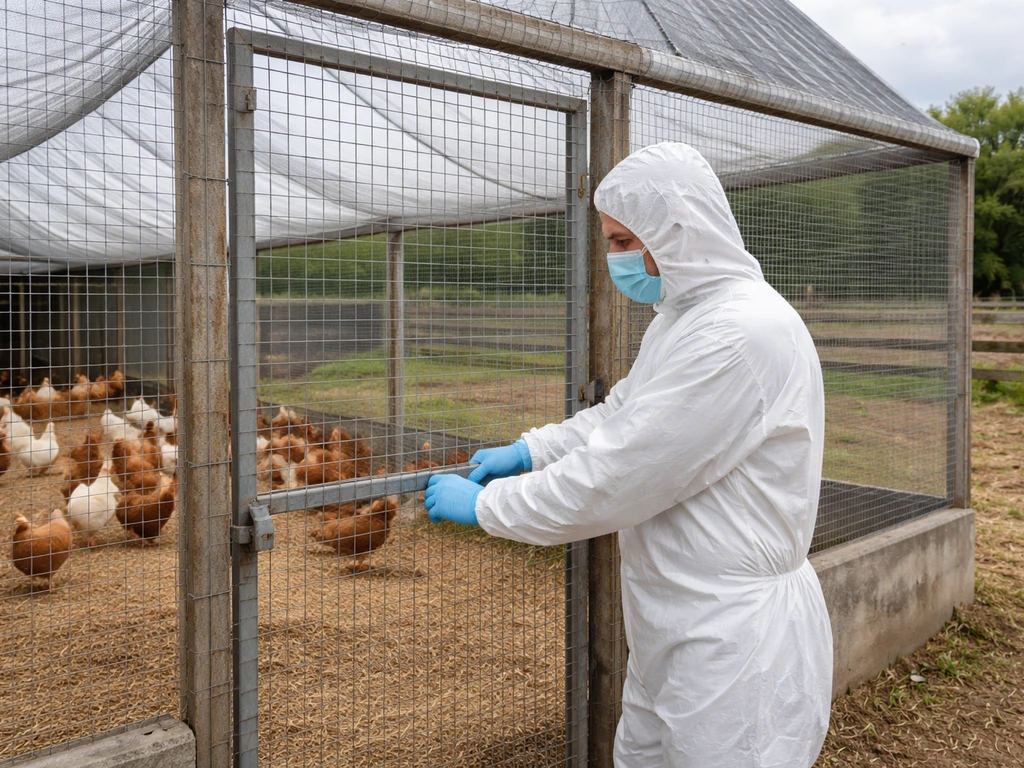
Biosecurity is the core of flock protection. Wild birds, especially waterfowl, are the primary vector for introducing HPAI into domestic flocks. Every point of contact between wild birds and your poultry is a potential entry point for the virus.
- Keep poultry indoors or in covered enclosures during periods of high wild bird activity, especially during migratory seasons
- Prevent wild birds from accessing poultry feed, water sources, and living areas
- Use dedicated footwear and clothing in poultry areas, and clean and disinfect them before leaving
- Limit who enters your poultry areas and require visitors to follow biosecurity protocols
- Do not share equipment with neighboring farms without disinfecting it first
- Monitor your flock daily for signs of illness including sudden deaths, drop in egg production, or respiratory symptoms
- Report any unusual mortality or suspected HPAI to your state veterinarian or USDA APHIS immediately
On vaccines for poultry: vaccination programs for birds exist and are used in some countries, but in the United States, USDA policy on poultry vaccination is specific and tied to trade and eradication strategy, so check directly with USDA APHIS for current guidance. For humans, there are no widely available commercial bird flu vaccines as of now, but the U.S. government maintains stockpiles of candidate vaccines for H5N1 for emergency use. The antiviral oseltamivir (Tamiflu) is the recommended treatment for bird flu in humans and should be started as soon as possible when bird flu is suspected, especially in hospitalized patients.
What to do if you think you have been exposed
If you have had direct or close contact with a sick or dead bird, a bird flu-positive flock, or a contaminated environment, here is what to do immediately:
- Call your local or state public health department right away. Do not simply walk into an emergency room without calling first, since they need to prepare for potential avian influenza cases.
- Monitor yourself for symptoms (fever at or above 100°F, cough, eye redness, or respiratory symptoms) for 10 days after the exposure.
- Stay home and away from other people if you develop symptoms, to reduce any potential for spread while testing is arranged.
- Tell your healthcare provider about the exposure specifically. OSHA guidance for workplace exposures similarly instructs workers with symptoms after bird contact to stay home and limit contact with others until test results are known.
- Follow the instructions of your local health department, which will arrange testing and, if needed, treatment with oseltamivir.
California's CDPH guidance is a useful model for how this works in practice: people with possible bird flu exposure are instructed to contact their local public health department immediately to arrange for testing and treatment, and isolation can stop once a negative test result comes back. The process is set up to be fast and practical, not punitive.
The bird flu situation changes frequently, and the best information is always the most current. These are the primary sources worth bookmarking:
- CDC Bird Flu Situation Summary (cdc.gov): includes maps of USDA-reported H5N1 detections in wild birds and poultry in the U.S., updated regularly
- USDA APHIS (aphis.usda.gov): tracks HPAI detections in wild birds and poultry across the United States with location-level detail
- WHO Disease Outbreak News and the WHO avian influenza Q&A page: global human case reports and risk assessments
- WOAH HPAI situation reports: global poultry and wild bird outbreak numbers by country
- FAO Global AIV with Zoonotic Potential page: tracks multiple H5 and H7 strains with zoonotic risk by country and date
- PAHO for the Americas region: tracks human H5N1 cases and outbreak data across North and South America
Whether you are trying to understand the current outbreak picture, assess whether bird flu is active near you, or figure out how bad things are this particular year, those sources give you the factual, up-to-date picture. If you are wondering is bird flu coming back, it helps to compare what is happening now with the latest USDA and CDC outbreak updates for your area. If you want to answer is bird flu bad this year, start by checking recent outbreak updates and local guidance for your area how bad things are this particular year. Bird flu is real, it is being actively tracked, and the information you need to make good decisions is publicly available and not hard to find.