
Yes, bird flu is still around as of April 2026. If you are asking about the bird salmonella outbreak, the key is to check the most recent public health updates for your area.
Is the Bird Flu Still Around? Current Risk and What to Do

Sarah Chen
19 Apr 2026
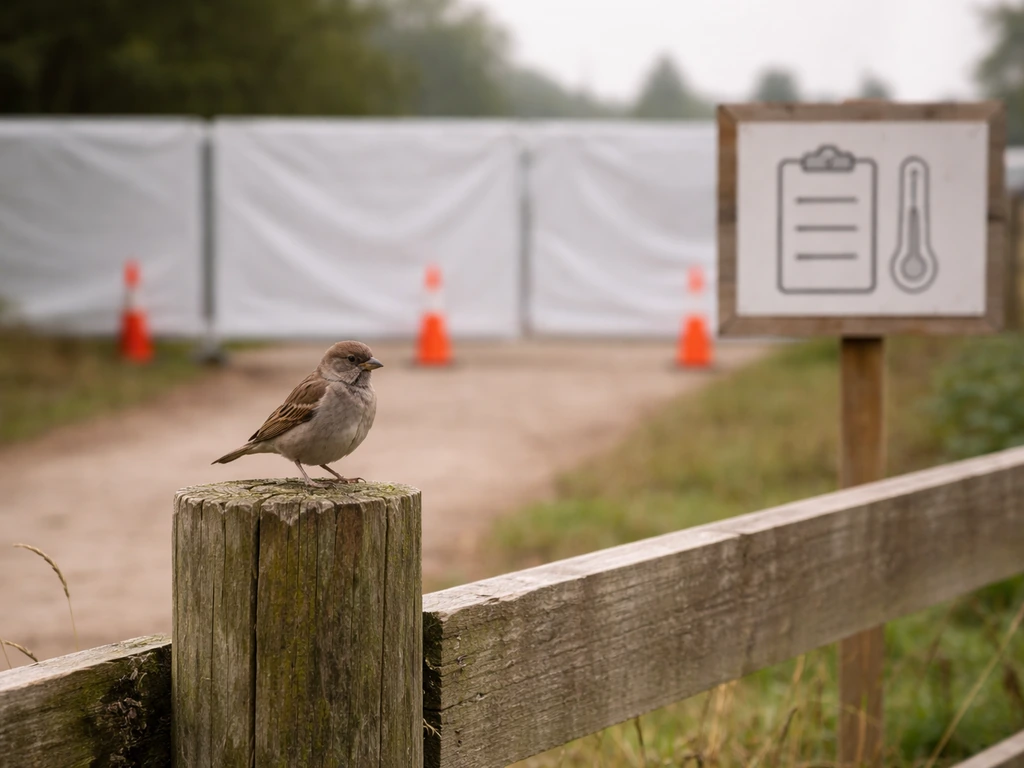
That is not a reason to panic, but it is worth understanding what 'still around' actually means in practical terms, because the answer looks very different depending on whether you are a backyard flock owner, a farmer, a grocery shopper, or someone who just read a headline.
The short version: avian influenza continues to circulate in wild bird populations and poultry flocks globally, human cases remain rare and mostly tied to direct animal contact, and properly cooked food from commercial sources is safe to eat. The longer version, including what to watch for and what to do, is below.
What 'still around' actually means for bird flu today
Bird flu, or avian influenza (AI), is not a seasonal illness that comes and goes like the common cold. It is a family of influenza viruses that circulates persistently in wild birds, especially waterfowl, and regularly spills over into domestic poultry. Highly pathogenic avian influenza (HPAI), the more dangerous strain category, has been moving through global bird populations for years. WOAH, the World Organisation for Animal Health, tracks these events continuously and is explicit that 'avian influenza continues to spread' despite ongoing control efforts including culling of infected flocks and strict biosecurity protocols.
So when people ask whether bird flu is still around, the honest answer is that it never really went away. What changes over time is the intensity of activity in different regions, which species are affected, and how close the virus gets to people. Right now, in April 2026, we are in an active period.
FAO (the UN Food and Agriculture Organization) is currently tracking a 'current wave' of avian influenza viruses with zoonotic potential, meaning viruses that can potentially infect humans, using data collected since October 1, 2025. FAO’s Avian influenza dashboard aggregates global outbreak patterns, including outbreak locations, affected species, and circulating virus subtypes, and provides context on risk drivers such as the role of wildlife, poultry systems, and surveillance or vaccination [tracking a 'current wave' of avian influenza viruses with zoonotic potential](https://www.
fao. org/animal-health/animal-diseases/avian-influenza/dashboard/en). That wave is real and ongoing. Whether it directly affects your risk depends on where you live and what you do.
To get a clear, up-to-date answer on whether bird flu is getting better, it helps to check the latest surveillance reports for your region is bird flu getting better. Bird flu, or avian influenza (AI), is not a seasonal illness that comes and goes like the common cold is bird flu getting better.
Is bird flu still spreading, and where to check current activity

Globally, yes, bird flu is still spreading. In the Americas specifically, the picture in early 2026 is a shift in where the virus is showing up: PAHO/WHO reported in March 2026 that detection in wild birds has declined since mid-2025, while outbreaks are now more concentrated in domestic poultry and farmed birds. That shift actually increases the risk of exposure for people who work with or keep poultry, even as the wild bird reservoir appears somewhat quieter.
For human cases in the Americas, the count between April 2022 and March 2026 reached 75 confirmed H5N1 infections across five countries, but crucially, there were no additional human cases reported between the November 2025 and March 2026 PAHO/WHO updates. That is a meaningful pause, though not a conclusion. That is a meaningful pause, even as you may still wonder whether bird flu is slowing down in your area compared with earlier waves is bird flu slowing down. WHO also issued a disease outbreak notice for a human A(H5N5) case in the United States, with contact tracing finding no further cases among that person's contacts and no evidence of human-to-human transmission.
To check current activity, these are the most reliable sources to bookmark:
- CDC's A(H5) Bird Flu Surveillance and Human Monitoring page, which provides U.S.-specific situation updates
- FAO's Avian Influenza Dashboard, which maps global outbreak locations, affected species, and circulating virus subtypes
- WOAH's Alerts system, which publishes immediate notifications after verification
- PAHO/WHO epidemiological updates for the Americas
- ECDC's Weekly Communicable Disease Threats Report for European context
- Your national or state/provincial agriculture and public health department websites for local conditions
Risk for people: who is most at risk and how exposure happens
For most people going about daily life, the risk from bird flu right now is genuinely low. The virus does not spread easily from birds to people, and as of 2024, a joint FAO/WOAH/WHO assessment confirmed there has been no reported human-to-human transmission of A(H5N1) viruses since 2007. That is the single most important fact for understanding why bird flu has not become a pandemic despite circulating for decades.
That said, exposure risk is not zero for everyone. The people most at risk are those with direct, close contact with infected or potentially infected birds. This includes poultry farm workers, backyard flock owners, people who handle sick or dead wild birds, veterinarians and wildlife responders, and anyone involved in live bird markets or poultry processing. The transmission route in virtually all documented human cases has been direct contact with infected birds or heavily contaminated environments, not casual or airborne spread. Whether can bird flu mutate matters because changes in influenza viruses can affect how easily they spread and which animals or people they can infect.
If you are not handling birds, your exposure risk through everyday activities is extremely low. Eating commercially produced and properly cooked poultry and eggs is not a documented source of infection. Touching a healthy-looking wild bird, on the other hand, is something to avoid, especially during active outbreaks in your area.
Signs and symptoms to watch for in birds and in people
In birds and poultry
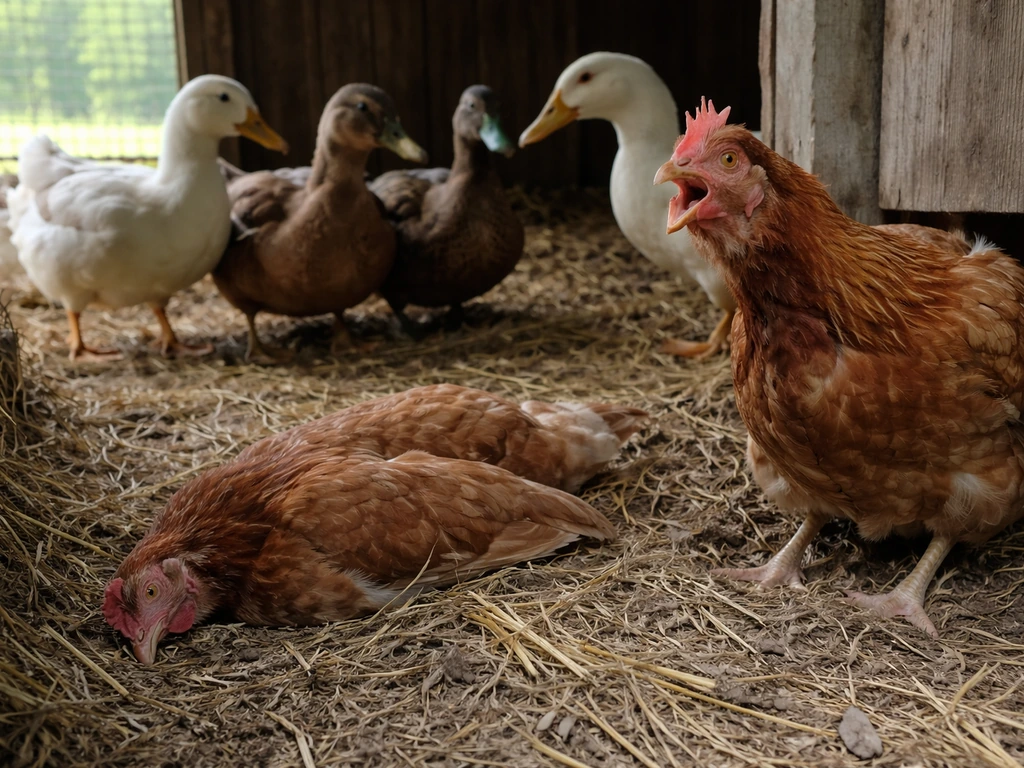
HPAI moves fast in poultry flocks and the signs are hard to miss once they appear. If you keep chickens, ducks, or other birds, watch for sudden unexplained death (sometimes with no prior symptoms), severe drop in egg production, swollen heads or faces, purple or blue discoloration of combs and wattles, neurological signs like twisting of the head or loss of coordination, and birds sitting huddled and unresponsive. If you see multiple birds showing these signs, treat it as urgent and report it immediately rather than waiting to see if they improve.
In people
Human bird flu cases from recent H5 infections in the U.S. have most commonly shown eye redness and irritation (conjunctivitis) as the predominant symptom, along with respiratory symptoms and fever in some cases. More severe cases can progress to pneumonia and respiratory distress, though this has been more commonly seen with older H5N1 strains circulating in other parts of the world. If you have had direct contact with sick or dead birds and develop any of these symptoms within 10 days, that combination is the key trigger for seeking medical advice and telling your provider about the exposure. Symptoms alone, without a known exposure to birds, are much more likely to be ordinary seasonal flu or another respiratory illness.
Food safety: is it actually safe right now
This is one of the most common questions, and the answer is reassuring. CDC states clearly that there is currently no evidence in the U.S. that anyone has gotten infected with avian influenza A viruses after eating properly handled and cooked poultry products. The key word is 'properly cooked.' Cooking poultry and eggs to an internal temperature of 165°F (74°C) kills avian influenza viruses along with other bacteria and pathogens. That standard applies whether you are cooking a whole chicken, ground poultry, or eggs.
Commercial poultry and eggs

Commercially produced poultry and eggs go through inspection and processing systems that include USDA and FDA oversight. FDA has published specific guidance on egg safety during HPAI outbreaks and participated in a joint risk assessment with USDA FSIS examining the human health impact of HPAI in poultry and egg products. The conclusion from that work supports confidence in the commercial supply when standard cooking practices are followed. There is no need to avoid chicken or eggs from the grocery store.
Backyard flock eggs
Backyard eggs deserve more caution, not because they are inherently dangerous, but because backyard flocks have less disease monitoring, more exposure to wild birds, and owners handle them more directly. If your flock is healthy and you are following biosecurity practices, cooking eggs thoroughly remains protective. But during an active local outbreak, or if your birds are showing any signs of illness, pause egg collection until you have had your flock assessed and cleared.
Prevention and practical steps for flocks, farms, and backyard owners
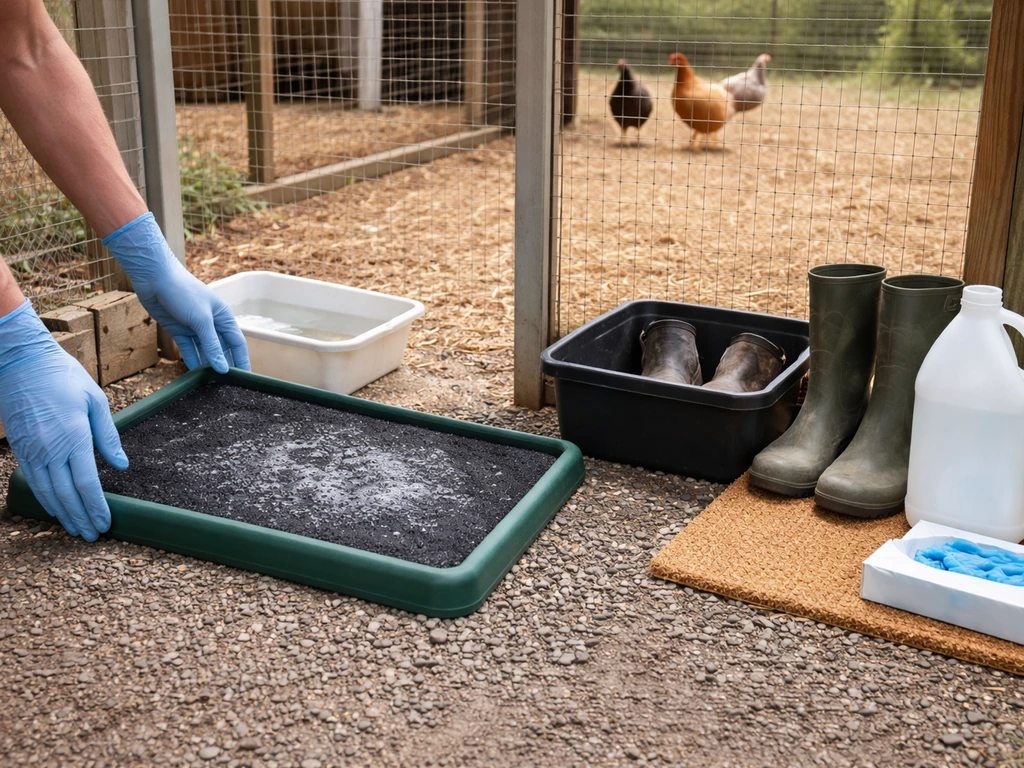
Biosecurity is the most effective tool available right now, both for protecting your birds and for reducing your own exposure risk. The core principles from USDA APHIS's Defend the Flock program are straightforward, and following them consistently makes a real difference.
- Keep your flock separate from wild birds: use covered runs, secure feed storage, and covered water sources to reduce wild bird contact
- Limit who enters your bird areas: visitors, vehicles, and equipment from other farms are all potential carriers of the virus
- Clean and disinfect footwear, clothing, and equipment every day or after use in poultry areas
- Use footbaths correctly: remove droppings, mud, and debris from boots before stepping into the disinfectant footbath, and keep the bath solution clean and refreshed
- Wear personal protective equipment (PPE) including gloves and eye protection when handling birds or cleaning coops, especially if there is any active outbreak in your area
- Do not bring wild birds or birds of unknown health status into your flock
- Report sick or dead birds promptly rather than waiting to see if the situation resolves
For commercial farm operators, movement controls are critical: limiting farm traffic, keeping records of all visitors and vehicles, and coordinating with your state veterinarian on current regional risk levels. These are not theoretical precautions. WOAH's control framework centers on preventing introduction and slowing spread between flocks, and farm-level biosecurity is where that happens in practice.
When to seek help and how to report a concern
If you keep birds and see signs consistent with HPAI, do not wait. In the U.S., contact your state veterinarian or call USDA APHIS at 1-866-536-7593. In other countries, contact your national animal health authority. Early reporting is not just good practice for your flock. It is how outbreaks get contained before they spread to neighboring farms. Delaying out of concern about what reporting might mean for your birds is understandable, but rapid response genuinely reduces total losses and protects other flocks in your area.
On the human health side, if you have had direct contact with sick or dead birds (wild or domestic) and develop fever, respiratory symptoms, or eye irritation within 10 days, call your doctor or public health authority before showing up in person. Mention the bird exposure explicitly because it changes how your provider will evaluate and test you. In the U.S., your state or local health department can guide you on testing and monitoring. CDC also maintains guidance for clinicians and public health responders.
Vaccines, treatment, and how control measures work right now
For people, there is currently no widely available commercial vaccine against H5N1 or related strains for general public use, though candidate vaccines have been developed and some are held in national strategic stockpiles for use in an escalating scenario. If the situation were to change, those stockpiles and accelerated production programs would be the first line of response. The picture may evolve, so checking current CDC guidance is the right move if you have specific concerns about your risk. CDC maintains a page titled “A(H5) Bird Flu: Current Situation” that summarizes the U.S. public health situation and posts A(H5) monitoring data monthly on its surveillance page CDC “A(H5) Bird Flu: Current Situation” page.
For treatment, antiviral medications are the primary tool. CDC guidance and a specific Health Alert Network notice (HAN 00464) recommend initiating treatment with oseltamivir (Tamiflu) as early as possible for hospitalized patients with confirmed, probable, or suspected HPAI A(H5N1) infection. The emphasis on 'as soon as possible' matters: antivirals work best when started early in the course of illness, which is another reason to contact a provider promptly rather than waiting to see if symptoms worsen.
For poultry, control measures center on what WOAH describes as 'stamping out': culling infected animals and those in close contact, combined with movement controls and enhanced biosecurity. Poultry vaccines do exist and are used in some countries, but their use is carefully managed because they can complicate disease surveillance if not paired with rigorous monitoring. The U.S. approach has historically prioritized stamping out over vaccination, though this continues to be evaluated as the virus persists.
The broader point is that the system for monitoring and responding to bird flu is active and functioning. WOAH, FAO, WHO, CDC, and national authorities are tracking outbreaks in near real time. That is genuinely reassuring, even if it also means the news cycle will periodically surface a new case or outbreak report. A new detection reported quickly and transparently is a sign the system is working, not a sign that something has gone catastrophically wrong. Staying informed through the sources listed above, rather than relying on headlines alone, gives you a much more accurate picture of where the real risks actually are.
| Factor | General Public | Backyard Flock Owners | Farm/Poultry Workers |
|---|---|---|---|
| Current risk level | Very low | Low to moderate (depends on local activity) | Moderate (direct animal contact) |
| Main exposure route | None in typical daily life | Direct contact with own birds or wild birds | Daily contact with potentially infected flocks |
| Key precaution | Cook poultry/eggs to 165°F; avoid dead wild birds | Biosecurity, PPE, report sick birds promptly | Full biosecurity protocol, PPE, movement controls |
| When to call a doctor | Only if bird contact + symptoms within 10 days | If bird contact + symptoms within 10 days | Any respiratory or eye symptoms after bird exposure |
| Food safety concern | None with properly cooked commercial products | Cook backyard eggs thoroughly; pause if flock is ill | Follow workplace safety and hygiene protocols |
FAQ
If I already have backyard birds, what should I do differently during an active local outbreak?
If you keep chickens or ducks, make a quick “risk pause” rule for yourself: during any confirmed local HPAI detection, stop collecting eggs for home use until your flock is checked, wear dedicated boots and gloves when entering the coop, and avoid contact with wild birds (including bird feeders and standing water) because these are common ways backyard birds get exposed.
What should I do if I see a dead or sick wild bird in my yard?
If you find a single dead wild bird, avoid handling it directly. Use gloves, a mask if there is heavy decaying material, and contain it (double bag) for your local wildlife or public health reporting channel. Do not sweep it up with bare hands or compost it, since contaminated material can be a higher exposure risk than most other everyday activities.
How can I be sure my cooking is enough to protect me from bird flu?
Cooking guidance is the practical answer: poultry and eggs are generally considered safe when prepared to the recommended internal temperature (165°F/74°C for poultry, and eggs cooked until firm). A key mistake is relying on color or timing alone, especially with ground poultry or thick cuts, because undercooked centers are where pathogens survive.
Are backyard eggs riskier than store-bought eggs during bird flu waves?
Backyard eggs are not automatically unsafe, the issue is uncertainty and higher contact risk. During periods when bird flu activity is reported nearby, the most protective approach is to ensure birds are healthy, improve biosecurity, and pause egg collection if your flock shows any illness, then resume only after you are confident the flock is not exposed (for example, after a vet or animal health assessment).
When should symptoms make me worry about bird flu versus just seasonal flu?
If you have no known bird exposure, symptoms like fever, cough, sore throat, or runny nose are more likely to be ordinary respiratory viruses. The decision trigger in the article is the combination of recent direct exposure to sick or dead birds (wild or domestic) plus symptoms within about 10 days, which is when you should call a clinician and mention the exposure.
What specific details should I share with my doctor if I think I had bird exposure?
For clinicians and public health decisions, the exposure history matters more than the symptom label. You should explicitly tell the provider whether you handled sick or dead birds, cleaned coops, worked in poultry processing, visited a live bird market, or had occupational contact with poultry, because that changes what tests or monitoring are considered appropriate.
If I might have been exposed, should I wait for test results or seek treatment right away?
If you start feeling ill but you had contact with birds, avoid waiting to “see if it gets worse” before contacting care. Antivirals work best when started early, and the key practical step is calling ahead (phone or patient portal where available) so the clinic can prepare questions and any needed infection control decisions.
Is there a bird flu vaccine available for everyday people who keep birds?
There is no widely available public vaccine mentioned in the article. That means prevention relies more on avoiding exposure (biosecurity, PPE for bird handling, and not touching wild birds) and on acting quickly if you do have direct bird contact and symptoms. A common mistake is expecting vaccination to be an option for individual risk management.
If there is a human case reported, does that automatically raise my risk from person-to-person spread?
If you hear about “human-to-human transmission,” treat it as an alert to check the newest guidance rather than assume spread is ongoing. As the article notes, confirmed human transmission events have not been sustained historically, so your personal risk still hinges on direct animal contact, not casual exposure to sick people.
How can I tell whether bird flu is improving or worsening where I live?
The practical approach is to watch your local situation through surveillance updates, not national news. If you are a backyard owner or poultry worker, prioritize local animal health notices and state or national animal authority reports, because the intensity can shift geographically (wild birds quieter in one area does not automatically mean risk is zero in that same area for poultry).