As of May 2026, bird flu is not getting dramatically better or worse in a clean, linear way. Recent reports suggest the overall pattern is still active and uneven, so “slowing down” depends on which signals you look at and for how long is bird flu slowing down. The situation is still active: outbreaks in poultry continue globally, the Americas remain a hotspot, and sporadic human cases keep being recorded. But it's also not a runaway emergency. What's actually happening is a grinding, uneven pattern of flare-ups and partial containment that requires you to watch a few specific data signals rather than wait for a simple 'all clear' or 'crisis' headline.
Is Bird Flu Getting Better or Worse Right Now?

Sarah Chen
30 May 2026
What 'Getting Better or Worse' Actually Means

When people ask whether bird flu is getting better, they're usually asking one of four different questions at once, and conflating them leads to confusion. The four things actually worth tracking are: case counts in poultry and wild birds, the geographic spread of outbreaks, human infection numbers and severity, and whether control measures (like culling, movement restrictions, and biosecurity enforcement) are keeping pace with the virus. 'Better' means all four are trending in a favorable direction simultaneously. Right now, that's not uniformly true anywhere in the world.
It also helps to understand that HPAI (Highly Pathogenic Avian Influenza) operates in cycles. Outbreaks often spike during migratory bird seasons, then partially recede, then re-ignite when wild birds move again. So a single month of lower numbers doesn't mean the threat is over, and a bad month doesn't mean things are spiraling out of control. You're looking for a sustained trend, not a snapshot.
Where the Outbreak Stands Right Now: Birds and Humans
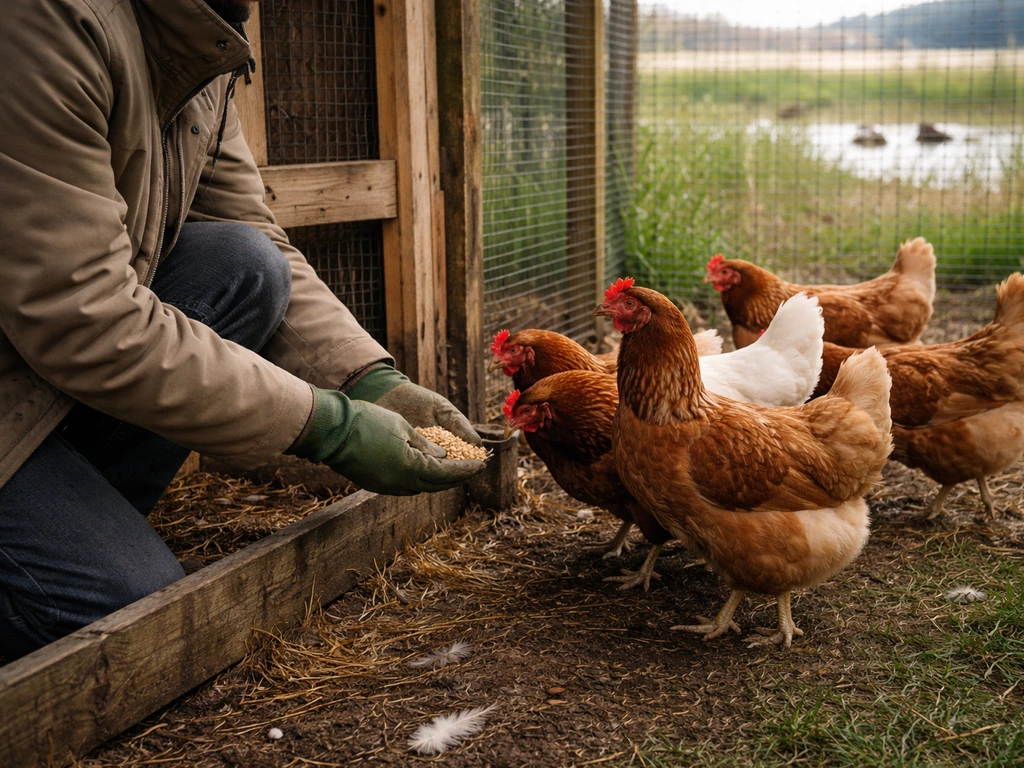
The most reliable global bird flu data comes from WOAH (the World Organisation for Animal Health), which publishes monthly HPAI Situation Reports. In Situation Report 81, covering information submitted to WOAH in March 2026, WOAH reported that approximately 5.6 million poultry birds died or were culled in that single month alone, with the majority of those losses concentrated in the Americas. That is a significant number. It tells you the virus is still moving actively through commercial and backyard flocks, and that depopulation (culling infected flocks to stop spread) is still a primary control tool being used at scale.
On the human side, the CDC tracks a global epidemiology curve for H5N1 going back to 1997. Since then, 25 countries, including the United States, have reported a cumulative total of more than 1,000 sporadic human infections with H5N1, with a reported fatality rate of around 48%. That fatality figure sounds alarming, but it reflects decades of data skewed toward severe cases that were sick enough to be hospitalized and tested. Milder infections are routinely missed. Still, the number confirms this is a virus that can be seriously dangerous when it does infect people. As of mid-2025, the CDC streamlined its A(H5) bird flu updates into routine influenza reporting, which means you can check CDC's 'A(H5) Bird Flu: Current Situation' page and FluView for the latest U. CDC’s “A(H5) Bird Flu: Current Situation” page notes that CDC streamlined its A(H5) bird flu updates with routine influenza data updates and updated reporting cadences starting July 7, 2025. S. human case data.
The most important signal to watch for worsening risk is any confirmed evidence of efficient human-to-human transmission. So far, that has not happened with H5N1 or the current circulating H5N2 and H5N6 strains. Every confirmed human case to date has been linked to direct animal exposure. That remains the critical line between 'serious but contained' and 'pandemic-level concern.'
Why Bird Flu Trends Shift: The Drivers Behind the Numbers
Bird flu trends don't move randomly. Several well-understood forces push them up or down, and knowing these helps you interpret any news you read.
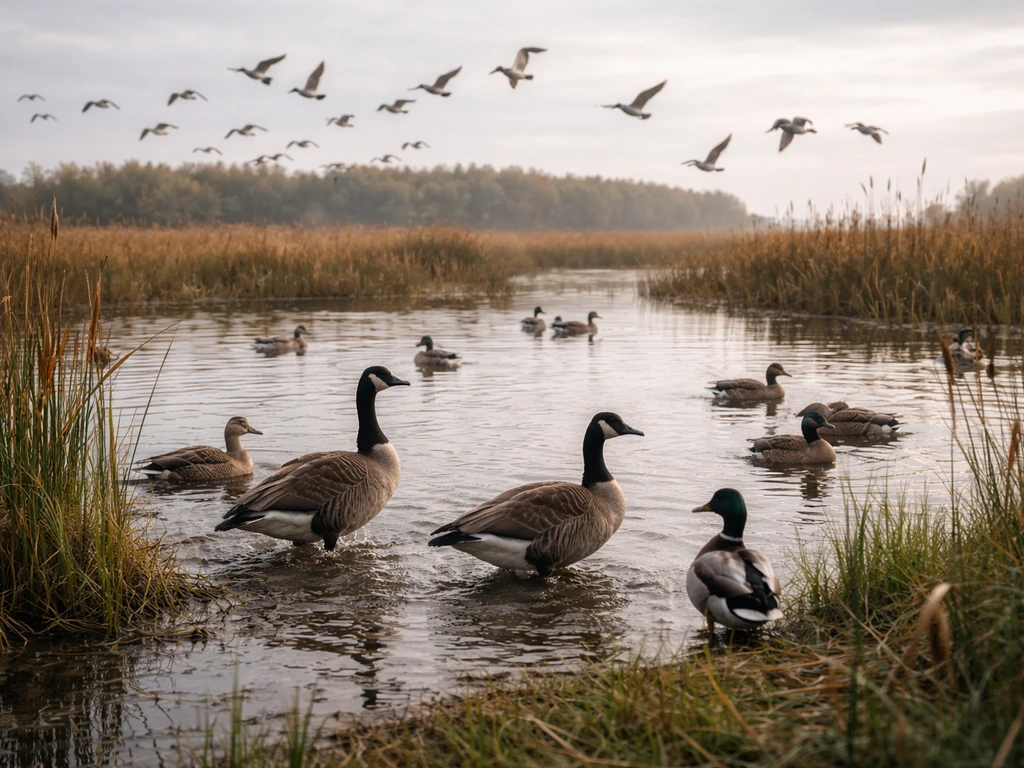
- Migratory bird seasons: Wild waterfowl like ducks and geese are the primary natural reservoir for HPAI. When they migrate in spring and fall, they carry the virus across vast geographic ranges and introduce it to new poultry operations. Outbreaks reliably spike during these windows.
- Viral variants: HPAI H5N1 has evolved into multiple clades (genetic subgroups), and the currently dominant clade 2.3.4.4b has shown unusual ability to infect mammals including dairy cattle, foxes, sea lions, and domestic cats. Shifts in variant behavior are a key reason surveillance never stops.
- Biosecurity quality: On farms where strict biosecurity is enforced (controlling visitor access, wild bird exclusion, equipment sanitation), outbreaks are more likely to be caught early and contained. Farms with gaps become amplification sites.
- Culling speed and scope: How quickly infected flocks are identified and depopulated directly affects how far a local outbreak spreads. Delays in testing or slow government response widen the geographic footprint.
- Surveillance intensity: Sometimes case counts go up because more testing is happening, not because the virus is spreading faster. Conversely, apparent 'improvements' in data can reflect reduced testing capacity rather than actual containment.
The question of whether bird flu could mutate into a more human-adapted form is a separate but related concern. The virus has shown it can infect mammals more readily than it used to, which is why virologists watch it closely. But current evidence does not show it has acquired the mutations needed for efficient person-to-person spread.
Transmission Routes and Who Is Actually at Risk
For the general public, the real-world risk of catching bird flu remains very low. The virus does not spread easily to humans, and there is no documented sustained human-to-human transmission. The vast majority of human cases globally have involved people who had prolonged, direct exposure to infected birds or their secretions, often in live bird markets, backyard flocks, or commercial poultry operations without adequate protective equipment.
The groups with meaningfully elevated risk are specific and worth naming clearly.
- Poultry farm workers and veterinarians who handle live or dead birds, clean coops, or assist with flock depopulation during an outbreak are the highest-risk group.
- Dairy farm workers in regions where H5N1 has been detected in cattle herds face exposure risk through contact with infected milk or respiratory secretions from cattle.
- People who handle wild birds, including hunters, wildlife rehabilitators, and researchers, have direct contact risk.
- Household members of infected individuals have some theoretical exposure risk, though documented household transmission has been rare and not confirmed as sustained person-to-person spread.
- The general public going about normal daily life, not handling birds or raw poultry beyond normal cooking, faces very low risk.
The primary exposure routes are: direct contact with infected birds (touching, handling, being near respiratory secretions or feces), contact with contaminated environments (coops, equipment, surfaces), and in recent cases involving dairy cattle, contact with raw unpasteurized milk. Airborne transmission over distances is not a demonstrated route for human infection under normal conditions.
Symptoms to Watch For: In People and in Birds
In Humans
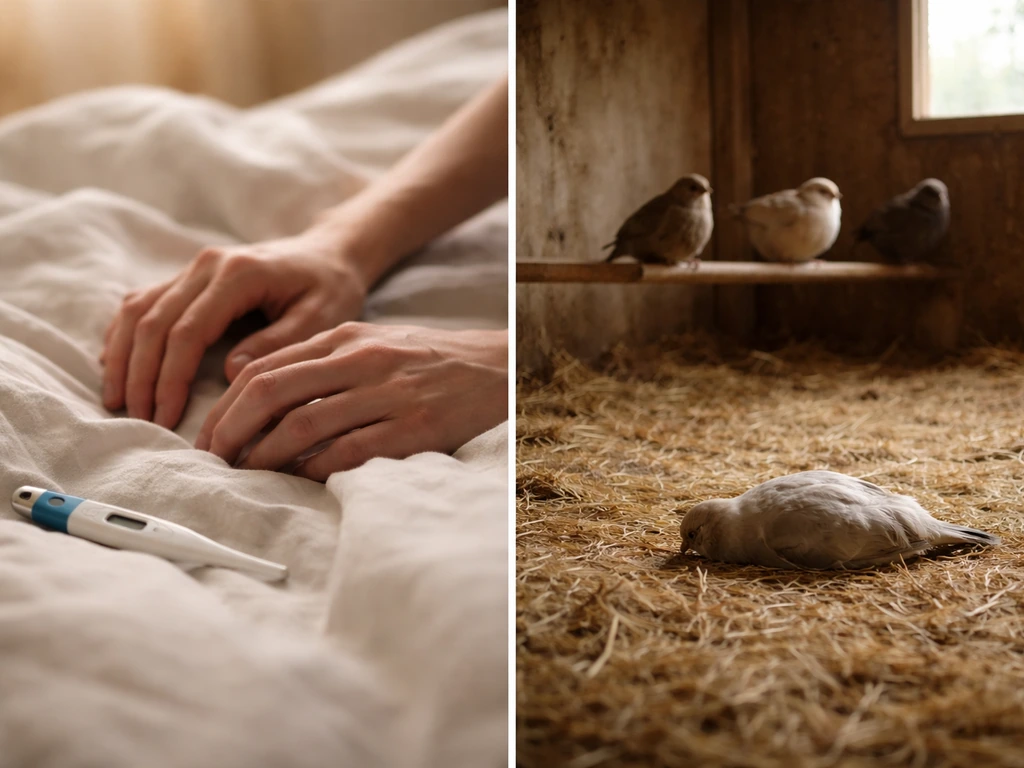
Human H5N1 infection typically appears 2 to 5 days after exposure, though the incubation period can stretch to 10 days. Early symptoms look a lot like seasonal flu: fever (often high, above 38°C or 100.4°F), cough, sore throat, muscle aches, and fatigue. What distinguishes severe bird flu cases is the speed at which respiratory symptoms can progress. Shortness of breath and pneumonia can develop within days in serious cases. Some patients also develop conjunctivitis (eye redness and discharge), which is a useful distinguishing symptom when it appears alongside flu-like illness after a bird exposure. If you've had direct contact with infected or dead birds and develop any of these symptoms within 10 days, seek medical care immediately and tell your provider about the exposure. Don't wait.
In Poultry and Wild Birds
HPAI in poultry often moves fast and the signs can be stark. Sudden, unexplained death in a flock with no prior illness is a classic red flag. Other warning signs include: dramatic drops in egg production, swelling or discoloration (purple or blue) of the head, comb, wattles, or legs, neurological signs like lack of coordination or tremors, diarrhea, and birds sitting in unusual postures or appearing unresponsive. In wild birds, finding multiple dead birds of the same species in a short period in the same location, especially waterfowl or raptors, is reason to report to your state or local wildlife agency. Do not handle dead wild birds with bare hands.
Prevention and Biosecurity: Steps That Match the Current Risk Level
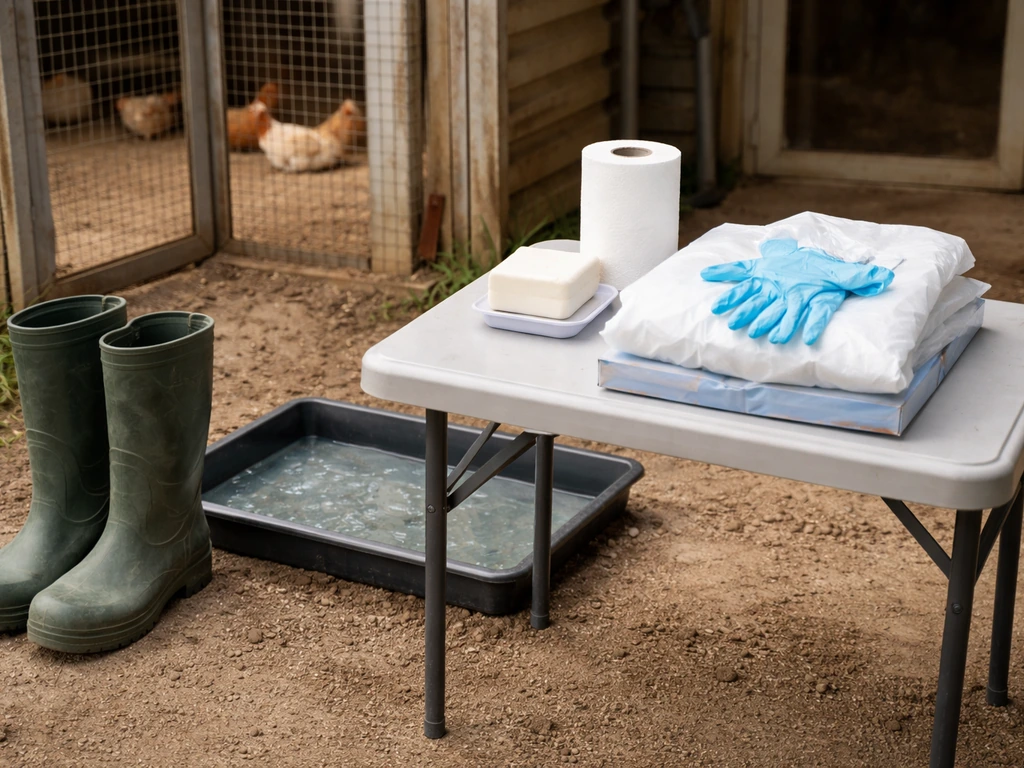
Whether the trend is improving or worsening, some baseline protective actions always apply. If the situation in your region is active or worsening, you ratchet up the intensity. Here's how to think about it practically.
| Action | Always | When Outbreaks Are Active Nearby |
|---|---|---|
| Avoid handling wild or dead birds with bare hands | Yes | Yes, strictly enforce |
| Wash hands after any contact with live poultry or birds | Yes | Yes, use alcohol-based sanitizer too |
| Wear gloves and eye protection when handling sick birds | Yes | Yes, add N95 respirator |
| Report sick or dead poultry flocks to state animal health officials | Yes | Immediate reporting required |
| Restrict farm access to essential personnel only | Recommended | Strictly enforce with visitor logs |
| Prevent wild bird access to feed, water, and coops | Best practice | Critical priority |
| Disinfect footwear and equipment between areas | Best practice | Mandatory with biosecurity logs |
| Monitor flock health daily and document changes | Best practice | Twice daily, formal records |
For the general public not working directly with birds, the most important prevention steps are: avoid contact with wild birds that appear sick or are found dead, do not visit live poultry markets or handle live poultry in regions with active outbreaks unless necessary, and follow normal hand hygiene around any raw poultry products. If you keep backyard chickens, apply the same biosecurity principles poultry farmers use, especially around preventing contact with wild birds.
Food Safety: What's Safe to Eat and How to Handle It
Properly cooked poultry and eggs from regulated commercial supply chains are safe to eat. The HPAI virus is killed by standard cooking temperatures. Poultry should reach an internal temperature of 165°F (74°C), and eggs should be cooked until both the white and yolk are firm. There is no documented case of a person contracting bird flu from eating properly cooked poultry or eggs.
Raw or undercooked poultry is a different matter. Avoid eating raw or minimally cooked poultry products, including dishes that use raw eggs, in regions with active outbreaks. Cross-contamination during preparation is a realistic concern: use separate cutting boards for raw poultry, wash hands thoroughly after handling raw meat, and clean all surfaces and utensils that contact raw poultry with hot soapy water.
One area that deserves specific attention given recent developments: raw or unpasteurized milk from dairy cows. In regions where H5N1 has been detected in dairy cattle herds, raw milk has tested positive for live virus. Pasteurized commercial milk is safe. Raw milk from infected herds is not. If you're in an area with active cattle outbreaks, do not consume unpasteurized milk or dairy products made from it.
Vaccines, Treatment, and What to Do After a Possible Exposure
Antiviral treatment is available and effective when started early. Oseltamivir (Tamiflu) is the primary antiviral used for H5N1 in humans, and it works best when given within 48 hours of symptom onset. If you've had a confirmed or likely exposure to infected birds and develop flu-like symptoms, contact a healthcare provider immediately, mention the exposure, and ask specifically about antiviral prophylaxis or treatment. Don't wait for test results to start a conversation about antivirals if your provider considers the exposure significant.
On vaccines: the U.S. government has developed and stockpiled candidate H5N1 vaccines. As of mid-2026, those vaccines are not approved for general public use, but the strategic national stockpile holds pre-pandemic vaccine candidates that could be deployed rapidly if human-to-human transmission were confirmed. Some H5N1 vaccine candidates have shown good immune responses in clinical trials. For poultry, vaccines against HPAI do exist and are used in some countries (including some programs in the U.S.), though vaccination in poultry is complicated by trade implications and the challenge of differentiating vaccinated from infected birds.
If you think you've been exposed, here's a practical sequence to follow: note the date, nature, and duration of your exposure, monitor yourself for symptoms for 10 days, call your doctor or local public health department if symptoms develop (do not simply walk into an ER without calling ahead, so they can prepare appropriate precautions), and follow any post-exposure guidance from your state or local health department. Poultry workers on farms with active outbreaks should already be enrolled in occupational health monitoring programs, and if they're not, that gap should be addressed with farm management immediately.
The bottom line right now: bird flu is neither resolved nor out of control. Millions of birds are still being lost each month, human cases continue to be reported sporadically, and surveillance is ongoing. The risk to most people is low but not zero, and it shifts based on your occupation, location, and behaviors. If you are specifically wondering whether the bird salmonella outbreak is over, the best answer depends on the most recent local public-health updates and any new case reports is the bird salmonella outbreak over. Staying informed through reliable sources like the CDC's current situation updates and WOAH's monthly reports, applying the practical steps above, and knowing when to seek medical care quickly are the best tools you have today.
FAQ
If poultry outbreaks are down this month, does that mean is bird flu getting better? (or just temporarily quieter?)
Bird flu can look “better” in one data stream and not in others. A practical check is whether outbreak control is improving in a sustained way, for example fewer new poultry premises affected in multiple reporting periods, not just a single month drop. If human cases remain sporadic but severity and hospitalized numbers are stable or rising, overall risk for individuals may not be improving even if some poultry indicators ease.
How long should I wait to see symptoms after exposure to infected birds or animals?
Incubation matters for judging “how fast” cases are appearing. If you are exposed, symptoms typically emerge within 2 to 5 days, but they can take up to 10. So a local uptick may lag by up to about 10 days behind increased exposure risk. Waiting a week after heightened contact may miss early cases that start near day 2 or 3.
What would count as a real worsening signal beyond just more headlines or more cases?
The article focuses on H5 strains and human-to-human transmission as the key escalation signal. Another warning sign people miss is the change in the pattern of exposure for new patients, for example infections that can no longer be clearly linked to bird or animal contact. If you hear about “unexplained” cases without a relevant exposure history, treat that as a reason to follow updates closely.
When should I contact a clinician instead of waiting for test results if I’m worried about bird flu?
For most people, the main decision is whether to seek medical advice immediately. If you had direct bird exposure (handling sick or dead birds, contact with secretions, or exposure in a dairy cattle setting with raw unpasteurized milk) and develop flu-like symptoms within 10 days, you should call ahead and discuss antivirals. Do not wait for test results before requesting assessment, because treatment timing is critical for effectiveness.
Does antiviral treatment help, and do I need to start it immediately for bird flu risk?
Oseltamivir works best when started within about 48 hours of symptom onset, so the key is timing, not whether the diagnosis is confirmed yet. If symptoms start and you had a significant exposure, you should ask your provider to consider immediate antiviral therapy or prophylaxis based on that exposure history.
If someone in my household gets sick after bird exposure, what should we do to protect others?
Household precautions depend on your exposure, not on whether someone else in your home is sick. If you are sick after bird exposure, focus on preventing contamination from your respiratory secretions and limiting direct contact with potentially contaminated items (tissues, bedding, surfaces you touched). Because sustained human-to-human transmission has not been documented, you typically do not need household-wide “lockdown,” but you should follow the clinician or local health guidance for isolation and cleaning.
I heard bird flu is in dairy or poultry, can I still eat eggs and chicken safely?
Food risk is about preparation. Proper cooking (poultry to 165°F/74°C and eggs until both yolk and white are firm) makes the risk from eating essentially negligible for documented cases. The higher-risk scenarios are raw or undercooked products, cross-contamination in kitchens, and any ingestion of raw or unpasteurized milk from affected areas.
What if I work with poultry, but my workplace does not have an exposure monitoring plan in place?
In the U.S., workplace guidance for poultry workers and farm staff is often handled through occupational health monitoring, but you may need to confirm your coverage. If you work with birds and your employer has not enrolled you in an exposure monitoring program during active outbreaks, that gap should be raised with farm management and occupational health so symptoms and exposure reporting are handled promptly.
If vaccines exist for bird flu, why aren’t they enough to solve the problem for everyone?
Vaccines for the general public are not currently used in the U.S., but that does not mean there is no protection strategy. For individuals with high exposure risk, focus on early antiviral access planning and strict biosecurity, and watch for updates about any future deployment. For poultry, vaccination programs exist in some countries, but their use can vary because it complicates surveillance for infected birds.
What should I do if I find dead wild birds near my home, and should I report it?
For wild birds, the key is to avoid handling. Report multiple dead birds of the same species in the same location promptly to your local wildlife agency, and do not pick them up with bare hands. If you need to approach a site for any reason (for example, animal removal), use appropriate protective equipment and follow local instructions.
Why do bird flu numbers seem to swing a lot depending on the country, and how should I interpret that?
A common mistake is treating “case numbers” as interchangeable across countries. Some places may detect and report cases differently, and outbreaks can be driven by local poultry operations, backyard exposures, or wild bird migration patterns. When comparing regions, look at both the number and the spread over time, and consider whether control actions (movement restrictions, culling, biosecurity) have been sustained.
Next Article
Is the Bird Flu Still Around? Current Risk and What to Do
Is bird flu still around? Learn today’s risk, signs in birds and humans, and practical precautions to protect flocks.