
As of early July 2026, bird flu activity in humans is at a low point globally. WHO's Western Pacific weekly update reported zero new human H5N1 infections in the week of June 26 to July 2, 2026, and PAHO noted no new human cases in the Americas as of March 2026. That said, animal outbreaks in poultry and wild birds are still active in multiple regions, a new HPAI season started in October 2025 and continued into spring 2026, and scattered human cases continue to appear worldwide when people have direct contact with infected animals. So the honest answer is: human cases have quieted, but the virus hasn't gone away.
Is Bird Flu Slowing Down? What Current Trends Mean

Sarah Chen
10 Jul 2026
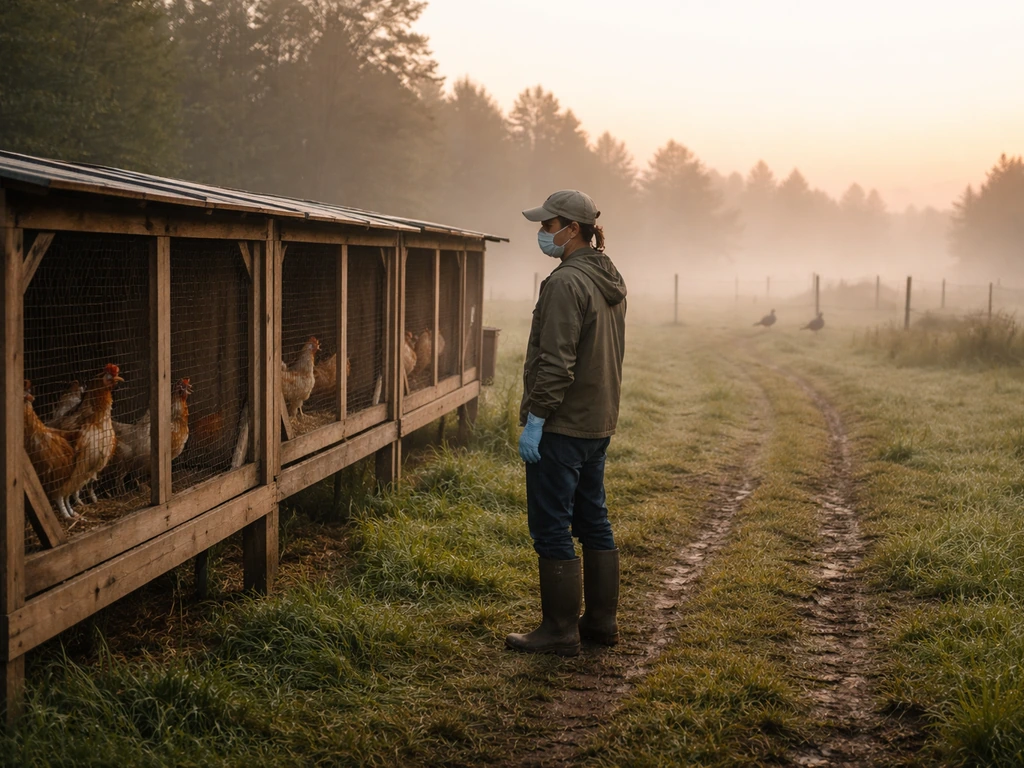
What 'slowing down' actually means for bird flu

Bird flu (avian influenza, primarily the H5N1 subtype but also others like H5N2 and H7N9) doesn't slow down uniformly across all the ways we track it. There are really four separate signals you need to look at, and they often don't move together.
- Human case counts: the number of confirmed people infected, reported to WHO or CDC over a given window
- Poultry outbreak detections: new confirmed cases in commercial, backyard, and live-market flocks reported to WOAH (the World Organisation for Animal Health)
- Wild bird detections: surveillance-detected infections in migratory and resident wild birds, tracked by agencies like USGS and USDA APHIS
- Geographic spread: whether outbreaks are confined to existing hotspots or expanding into new regions or countries
A week with no new human cases doesn't mean poultry flocks are clean. And a drop in wild bird detections doesn't always mean farms are safe. These signals can move in opposite directions, especially across seasons. When you see headlines saying bird flu is 'slowing down,' it's worth asking which of these four signals the reporter is actually describing.
Where to check the latest outbreak data yourself
The best sources publish on different schedules, so knowing where each one lives saves a lot of time. Here's what I actually use and recommend, depending on whether you're tracking human cases or animal detections. For example, USDA APHIS maintains a wild-bird surveillance page that lists individual detection events by date, location, and subtype, and explains how further testing helps clarify subtype and lineage.
For human cases
- WHO Avian Influenza Weekly Update (Western Pacific): published weekly, directly states whether any new human H5N1 infections were confirmed in the reporting window. This is your fastest read on the human situation.
- CDC 'A(H5) Bird Flu: Current Situation' page: CDC streamlined its A(H5) reporting starting July 7, 2025, aligning updates with routine influenza reporting cadences. It includes a global epi-curve showing case counts over time since 2003, which is useful for spotting whether the recent trajectory is flat or rising.
- ECDC Avian Influenza Overview: published quarterly, not weekly. Good for medium-term trend analysis but not for this-week updates. The March–May 2026 edition reported 19 confirmed human infections across six countries between late February and early June 2026, including 3 deaths.
For animal and poultry outbreaks
- WOAH HPAI Situation Reports: published monthly, with Situation Report 81 covering March 2026 data and confirming the new HPAI season that started in October 2025 was still active. Includes totals for birds that died or were culled.
- USDA APHIS 'HPAI Confirmed Cases in Livestock': updated every weekday, shows new confirmed livestock cases in the last 30 days plus cumulative counts. Essential if you're in the U.S. and care about farm-level risk.
- USDA APHIS Wild Bird Detections: lists individual detection events with dates, locations, and subtypes. Between September 2025 and January 2026, USGS documented 241 bird mortality events involving more than 126,000 wild birds across 28 U.S. states.
- FAO Avian Influenza Dashboard: interactive map with outbreak locations, affected species, and virus subtypes globally. Good for a quick geographic overview.
Signals that bird flu is genuinely easing vs. false alarms
Reading trend data correctly is genuinely tricky, and there are a few common ways people get misled, in both directions.
Real signs of improvement

- Multiple consecutive weeks with no new confirmed human cases reported by WHO
- Declining poultry outbreak counts in WOAH reports over two or more monthly reporting periods
- Wild bird detections dropping across all four U.S. flyways simultaneously, not just one region
- Geographic contraction: outbreaks concentrated in fewer countries or regions than in prior months
Common false alarms to watch for
- Reporting delays: a quiet week on WHO's update doesn't always mean no infections occurred—it may mean countries haven't finished testing or reporting yet. ECDC's quarterly cadence makes this especially notable; months can pass before a trend shift is officially described.
- Testing changes: if a country reduces its surveillance intensity (fewer tests, narrower criteria), case counts will fall on paper without the virus actually retreating. Check whether the underlying surveillance system changed.
- Sector shifts: PAHO documented that in the Americas during mid-2025, wild bird detections declined while poultry outbreaks grew. A drop in one sector masked continued pressure in another.
- Short windows: the Reddit discussions summarizing a 10-month window of only 12 global human cases naturally look reassuring, but sporadic global cases are the baseline for H5N1, not a new low. Context from the CDC's historical epi-curve matters here.
The current picture: humans vs. poultry and wildlife
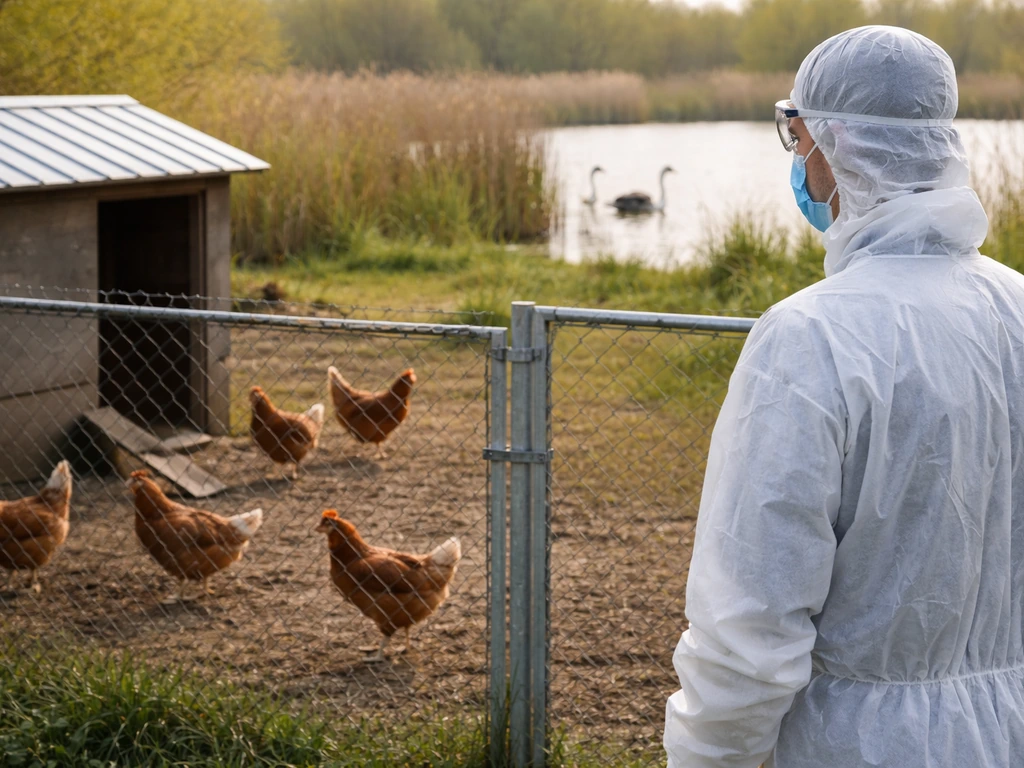
| Signal | Current Status (as of July 2026) | Trend Direction |
|---|---|---|
| Human H5N1 cases (global) | Zero reported in the June 26–July 2 WHO window; 19 confirmed globally in the Feb–June 2026 ECDC period | Quiet but not zero for the year |
| U.S. poultry outbreaks | New HPAI season active since October 2025; APHIS weekday map tracks ongoing livestock confirmations | Ongoing, check APHIS for current week |
| Wild bird detections (U.S.) | 241 mortality events involving 126,000+ birds across 28 states from Sept 2025–Jan 2026 | Widespread but stabilizing post-winter |
| Global poultry (WOAH) | HPAI season continued through March 2026 per Situation Report 81 | Active; monthly reports lag by weeks |
| Americas human cases | No new human cases as of PAHO's March 2026 update | Sporadic; animal risk persists |
The pattern here is consistent with what bird flu does historically: human infections are sporadic and tied directly to animal contact, not to community spread. The virus circulating in animals is the reservoir, and as long as that reservoir is active, the human case count can tick up again with any high-exposure event. Whether bird flu is 'getting better' in the animal sense is a separate question from whether it's quieter in humans right now.
Why bird flu trends shift over time
Understanding why the numbers move helps you interpret them better. There are four main drivers.
Seasonality and wild bird migration
Migratory waterfowl are the main long-distance carriers of HPAI viruses. They move H5N1 along flyways during spring and fall migration, which is why WOAH's Situation Report 81 frames activity around an 'HPAI season' starting each October. Wild bird detections tend to peak during and just after migration periods. The FAO's dashboard ties outbreak risk directly to these wildlife-poultry interface events, which is why a reduction in wild bird detections in summer doesn't necessarily mean the risk has fundamentally changed.
Culling, biosecurity, and outbreak response
When H5N1 is confirmed on a commercial farm, the standard response is rapid culling of the affected flock and strict movement controls on neighboring operations. This is the main tool for reducing poultry outbreak numbers in the short term. Good farm biosecurity (restricting visitor access, using dedicated equipment, limiting wild bird contact with flocks) slows introduction in the first place. Both approaches genuinely suppress the animal trend signals, but they don't eliminate the virus from wild reservoirs.
Farm density and live-bird markets
Regions with dense poultry farming or active live-bird markets sustain virus circulation more effectively than areas with lower flock density or closed-chain commercial systems. This is one reason trend data looks so different between Southeast Asia, Europe, and North America even within the same reporting period.
Surveillance intensity
More testing equals more detections. USGS has tested more than 3,400 wild bird carcasses and 12,400 swab samples in a single multi-year period. When surveillance expands, apparent case counts often rise before they fall. When surveillance is cut back, counts drop without the virus disappearing. Always consider whether a trend reflects viral activity or testing volume. Also keep an eye on whether the virus can bird flu mutate, because evolutionary change can affect how quickly trends shift.
What this means for your risk level right now
For most households, the immediate risk from bird flu remains very low. H5N1 does not spread person-to-person in any sustained way, and confirmed human cases globally remain rare. Your actual risk depends almost entirely on whether you have direct contact with infected birds or contaminated environments. The WHO and CDC are both clear on this: the primary exposure pathway is handling sick or dead poultry, defeathering or slaughtering birds, or coming into contact with environments contaminated by infected birds or their droppings.
Handling birds and wild animals
- Do not touch sick or dead wild birds with bare hands. Use gloves or a bag inverted over your hand, and wash hands thoroughly with soap and water afterward.
- Avoid bringing wild bird carcasses indoors. If you need to dispose of one, check your local wildlife agency's guidance.
- Keep children and pets away from dead or visibly sick birds found outdoors.
Food safety
Properly cooked poultry and eggs are safe to eat. WHO's guidance is consistent: cook eggs until both yolk and white are firm, and cook poultry to an internal temperature of 74°C (165°F). Avoid raw or undercooked poultry products and raw milk from animals in areas with active outbreaks. Don't slaughter birds that died unexpectedly or appear sick for home consumption.
General hygiene
- Wash hands with soap and water after any contact with birds, including backyard flocks
- Change clothes if you've been handling wild birds or spent time in environments with heavy bird traffic
- Avoid touching your eyes, nose, or mouth after handling birds before washing hands
Practical next steps for farmers, poultry workers, and backyard flock keepers
If you work with poultry or keep a backyard flock, the current situation warrants ongoing vigilance even if headlines are quieter. Active HPAI outbreaks in your region can shift quickly, and the cost of a confirmed case on your property is enormous in terms of culling and response.
Biosecurity steps to take now
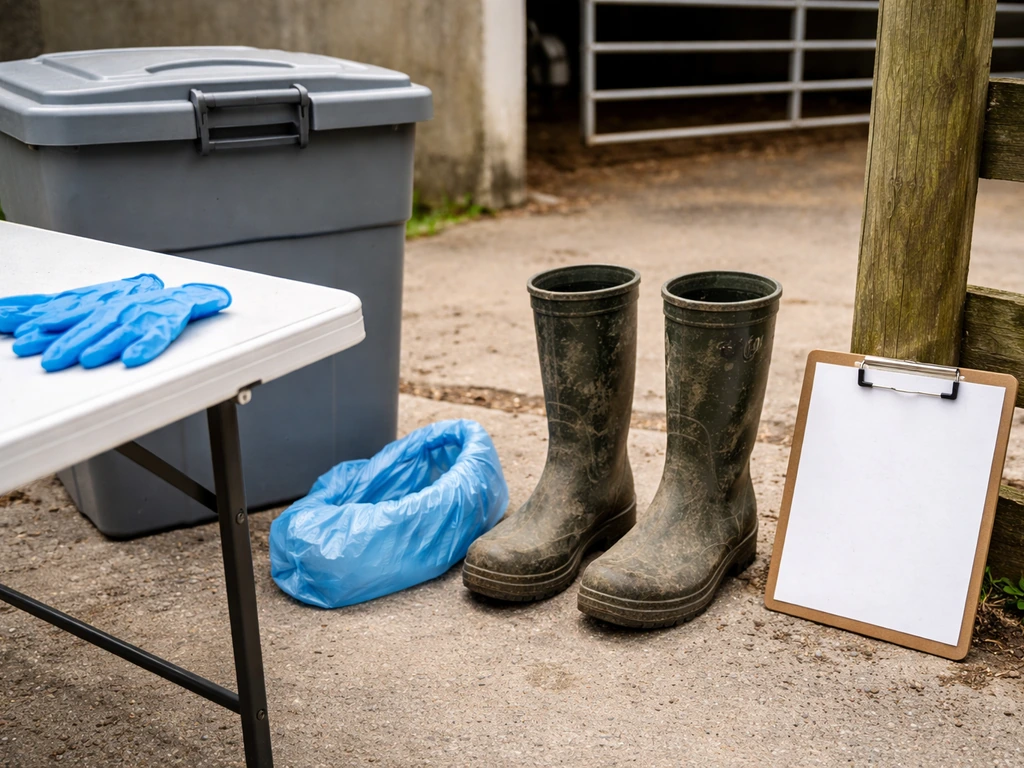
- Check the USDA APHIS HPAI Confirmed Cases in Livestock map today and set a reminder to check it weekly. It updates every weekday and shows new cases in the last 30 days.
- Restrict access to your property and poultry housing. Limit visitors, and require anyone entering bird areas to change footwear or use boot covers.
- Keep wild birds away from your flock. Use covered housing, bird netting over outdoor runs, and remove standing water sources that attract waterfowl.
- Use dedicated equipment (shovels, feed bins, water containers) for each poultry area. Don't share tools between flocks or properties.
- Report any unusual bird deaths to your state veterinarian or USDA APHIS immediately. Early detection dramatically improves your ability to protect the rest of your flock.
Worker protection
OSHA and CDC are both clear that workers with direct, unprotected contact with infected animals or their products face the highest human risk. If you're depopulating a flock, handling sick birds, or working in a known outbreak zone, use appropriate PPE: gloves, eye protection, and respiratory protection (at minimum an N95 respirator). USDA APHIS Directive 6800.1 provides specific worker-protection guidance for outbreak response, and it's worth reviewing before an event, not during one. If you develop fever or respiratory symptoms within 10 days of exposure to sick or dead poultry, notify your healthcare provider and mention the exposure.
Your quick-reference checklist
- Check APHIS and WHO updates this week to confirm current outbreak status in your area
- Review and reinforce biosecurity on your property: access control, equipment separation, wild bird exclusion
- Confirm your PPE supply is stocked and that all workers know when and how to use it
- Make sure everyone on your operation knows the reporting chain: who to call if you see sick or dead birds
- If you've had recent direct exposure to sick birds and feel unwell, call your doctor and describe the exposure
- Bookmark the FAO Avian Influenza Dashboard and WOAH Situation Report page for monthly check-ins on the global animal situation
Bird flu isn't gone, and whether it's 'slowing down' depends on which metric you're watching and where. The human case count is genuinely quiet right now, but animal outbreaks are still active in multiple regions. That gap between human and animal signals is normal for H5N1 and doesn't mean the risk has fundamentally changed. Staying informed through the right sources, blank" rel="noopener noreferrer">practicing basic hygiene around birds, and keeping biosecurity sharp if you keep or work with poultry are the right moves regardless of where the trend is heading this week.
FAQ
Does “no new human bird flu cases” mean bird flu is under control everywhere?
Not necessarily. A quiet week in human reporting usually reflects low exposure events, slower detection of sporadic infections, or reporting timing. You still need to check whether poultry and wild bird outbreaks are active in your area, because human risk stays tied to direct contact with infected animals or contaminated environments.
Why do headlines say it’s slowing down, but my local news shows animal outbreaks continuing?
Because those headlines may be describing different signals, such as wild bird detections versus commercial farm confirmations versus human case counts. These can move out of sync by season and by where surveillance is strongest, so animal activity can remain while human cases stay rare.
How should I interpret a drop in dead wild birds or test positives during summer?
A summer reduction often coincides with lower migration-driven wildlife exposure, not a disappearance of the virus. Also, testing coverage can change by region and funding, so fewer detections can reflect fewer samples as well as lower viral circulation.
Can surveillance changes make bird flu trends look like they are improving when they are not?
Yes. Expanding testing can temporarily increase detections, and cutting back can make counts fall even if the virus persists. When you compare weeks or months, look for changes in testing volume, not just the raw number of positive results.
If bird flu is still active in animals, should I still be worried about eating eggs and poultry?
For most households, properly cooked eggs and poultry are considered safe, but the key is handling and cooking. Keep raw poultry and their juices separate from ready-to-eat foods, wash hands and surfaces after prep, and avoid undercooked products during local outbreaks.
What should backyard flock owners do differently if outbreaks are quiet in humans?
Treat it as “lower human cases, ongoing animal risk.” Reinforce biosecurity now, reduce contact between your birds and wild birds, limit visitors, use dedicated footwear and equipment, and monitor your flock closely for sudden illness or increased mortality.
Is it safe to slaughter or eat birds that died unexpectedly at home?
No. Birds that die suddenly or appear sick should not be slaughtered for home consumption. Follow local public health or agriculture guidance for reporting and safe disposal, because home handling can increase exposure to contaminated materials.
How quickly can bird flu activity rebound after culling or farm closures?
Rebound can happen if surrounding sources remain infectious. Even after culling, farms near active outbreaks can face renewed introductions from wild birds, contaminated equipment, or movement from neighboring operations. That is why movement controls and biosecurity around the perimeter matter for weeks to months, not just immediately after a detection.
What symptoms should I watch for after exposure to sick or dead birds?
Bird flu in humans is rare, but if you develop fever or respiratory symptoms within about 10 days after direct exposure, contact a clinician promptly and mention the specific animal contact or environment (handling sick birds, defeathering, or contact with droppings). Early communication helps appropriate testing decisions.
Do I need the same level of protection as farm workers if I just assist occasionally?
Risk scales with exposure. If you are handling sick or dead birds, cleaning contaminated areas, or entering outbreak zones without protection, the risk is higher than casual observation from a safe distance. Use appropriate PPE for the task, and avoid helping during active events unless you can follow the required safety procedures.
If H5N1 does not spread person-to-person, why do health agencies still track it closely?
Because even with limited sustained person-to-person spread, sporadic infections can occur when people have intense exposure to infected animals. Agencies track it to detect unusual patterns early, including any changes in transmissibility, severity, or clusters that do not match the usual exposure pathway.