Bird flu is not gone. As of June 30, 2026, avian influenza (H5N1 and related subtypes) is still circulating in birds across multiple regions of the world, and sporadic human cases continue to be reported. That said, activity levels vary enormously by location, season, and species, so whether bird flu is 'over' in your specific area depends on where you are and what you're tracking.
Is Bird Flu Gone? Is It Over in Your Area Now

Sarah Chen
30 Jun 2026
For a direct answer to whether bird flu is getting better, it depends on the location and which indicators you’re looking at, such as detections in birds and outbreaks in poultry whether bird flu is 'over' in your specific area. The honest answer is: globally, no; locally, it depends, and here's exactly how to find out.
What 'bird flu over' actually means
When people ask 'is bird flu over,' they usually mean one of a few different things: has the virus disappeared from birds entirely, have human cases stopped, or has the situation in their country calmed down? Those are three separate questions with three different answers, and conflating them is where most confusion comes from.
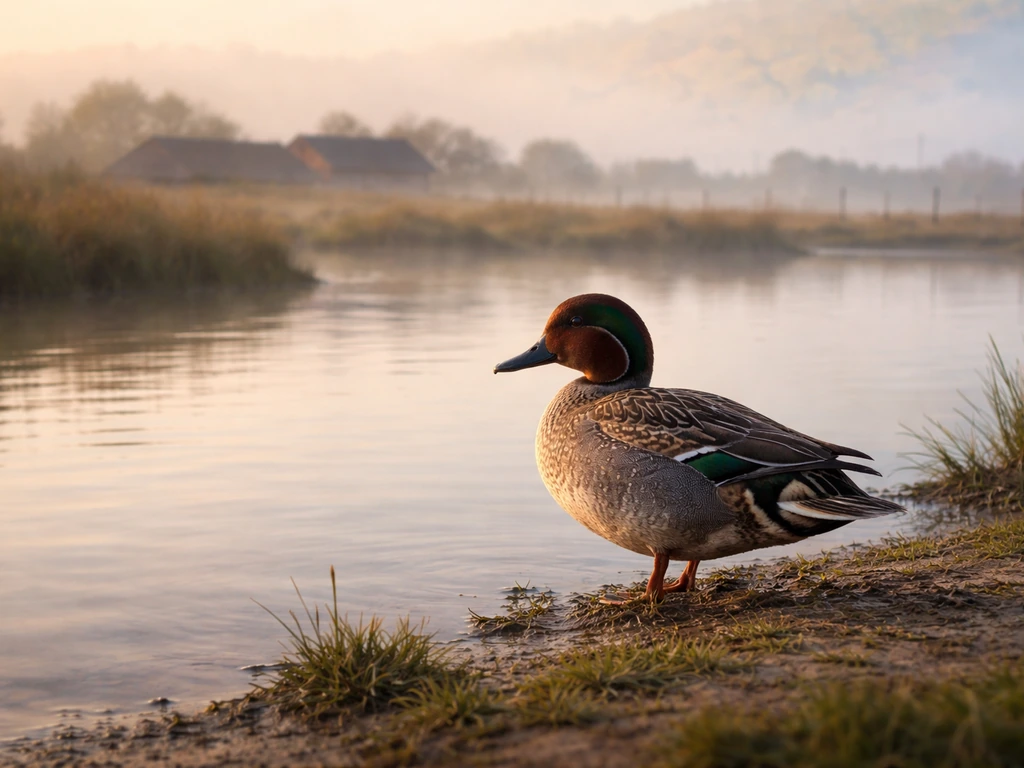
Avian influenza doesn't work like a short-term outbreak that starts and ends cleanly. It circulates in wild bird populations year-round, flares in poultry during cooler seasons when migratory birds are moving, then quiets down in warmer months, only to return. 'Less active' is not the same as 'gone.' EFSA (the European Food Safety Authority) captured this well in its spring 2026 reporting: HPAI circulation in waterfowl hit a five-year high in autumn/winter, then detections declined starting in spring 2026. The decline was real, but blank" rel="noopener noreferrer">between late February and early June 2026 alone, EU member states still reported 186 outbreaks in poultry and 763 detections in wild birds. That's a slowdown, not an ending.
So when you see headlines saying bird flu is 'fading' or 'cases have dropped,' read them carefully. They almost always refer to a regional seasonal dip, not eradication. The virus doesn't disappear, it retreats into wild reservoirs and waits for conditions to spread again. Whether bird flu is slowing down or getting better in a given region is a fair question, but 'gone' is rarely the right word.
How to check the current status in your area
The fastest way to get an accurate, up-to-date picture is to go directly to official surveillance sources. Here are the ones worth bookmarking, depending on what you need to know:
| Source | What it covers | How often updated |
|---|---|---|
| WOAH HPAI Situation Reports | Animal outbreaks globally, submitted by member countries through WAHIS | Monthly situation reports (Situation Report 81 covers March 2026 data) |
| FAO Global AIV with Zoonotic Potential | Global bird flu with human-spillover risk; joint FAO/WHO/WOAH assessments | Periodic updates with stated data cutoffs (e.g., 'as of 1 March 2026') |
| WHO Avian Influenza Weekly Update | Human cases worldwide, by subtype and country | Weekly PDFs — the Western Pacific office lists issues into June 2026 (Update #1046 covers 15–21 May 2026) |
| CDC Global Human Cases tracker | H5N1 human cases globally, 1997–present | Continuously updated visual tracker |
| USDA APHIS | US poultry and animal outbreaks by state | Ongoing; includes backyard flock detections |
| Your national/regional agriculture or health ministry | Country-specific or regional outbreak declarations | Varies; often weekly or as events occur |
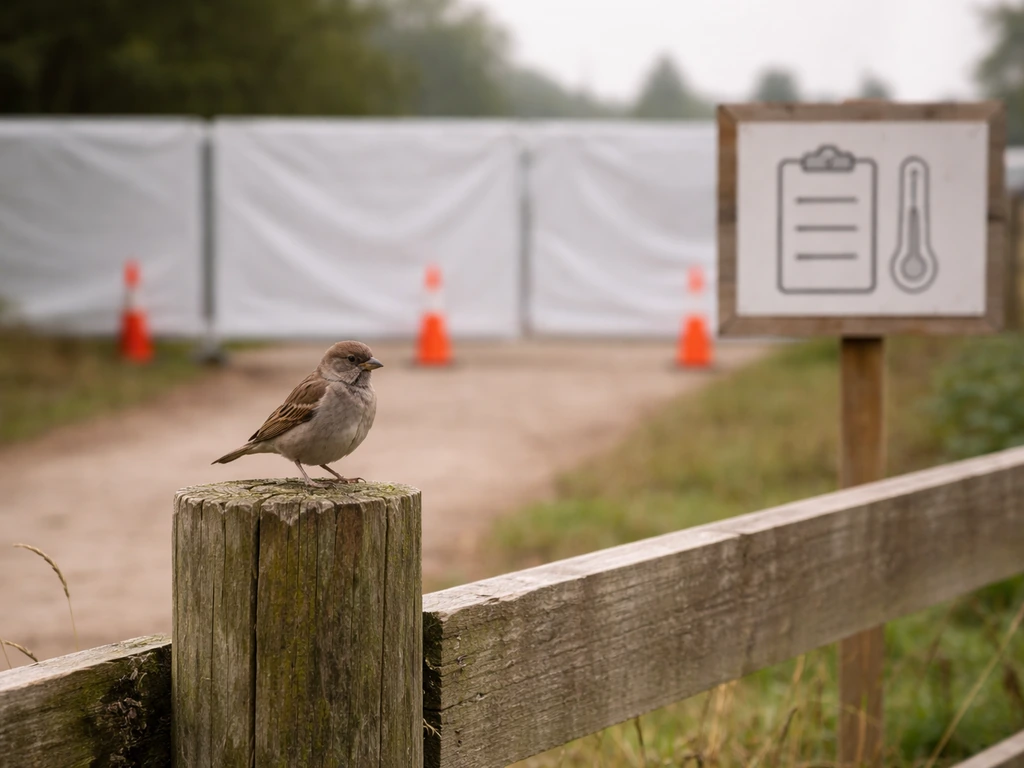
For the US specifically, USDA APHIS and CDC are your go-to sources for both animal-side and human-side surveillance. For Europe, the EFSA/ECDC joint reports give the most detailed regional picture. For a global snapshot, the WHO Weekly Update PDFs are probably the clearest single document, WHO Update #1046 noted that no new human H5N1 cases were reported in the week of May 15–21, 2026, which sounds reassuring but represents just one week in one subtype. Always check the date on what you're reading.
Bird outbreaks vs. human cases: two different scorecards
One of the most important things to understand is that bird-side activity and human-side cases don't move in lockstep. You can have widespread poultry outbreaks with very few or zero human infections. You can also have a single human case in a country with minimal reported bird activity, simply because surveillance in birds isn't perfect everywhere. Like other influenza viruses, bird flu can mutate, so health guidance may evolve as new strains are detected can bird flu mutate.
Right now, in mid-2026, bird-side activity is ongoing. The WOAH Situation Report 81 confirms continued global reporting of HPAI outbreaks in animals through March 2026. On the human side, cases have been sporadic. PAHO and WHO noted in March 2026 that there were no additional human H5N1 cases in the Americas since the previous update in November 2025, a gap of several months with no human cases in that region. However, elsewhere, a fatal human H5N1 case was reported from Bangladesh as recently as late April 2026, flagged in UK outbreak monitoring for week ending May 3, 2026.
What this means practically: the absence of human cases in your country does not mean bird flu has been eradicated from birds. In many outbreaks, human cases may stop appearing for a while, but they usually do not just “go away” on their own without ongoing surveillance and public health measures does bird flu in humans go away on its own. And the presence of bird outbreaks in another region doesn't automatically put you at personal risk if you're not in direct contact with poultry. These are separate risk profiles that need to be tracked separately.
How to tell if an outbreak is truly ongoing or winding down

There's no official 'all clear' declaration for bird flu the way there might be for a contained food recall. Instead, you're looking at patterns across a few key indicators:
- Last detection date: If the most recent confirmed case (animal or human) in your area was more than a full migratory season ago, the immediate local risk has likely passed for now — but that doesn't mean the next season won't bring re-introduction.
- Continued active monitoring: Ongoing surveillance (USDA APHIS testing, WHO weekly updates, EFSA joint reports) means authorities are still watching. If they're still publishing frequent updates, the situation isn't considered resolved.
- Subtypes in circulation: H5N1 is the high-pathogenicity subtype that gets the most attention, but H5N2, H7N9, and others also circulate. A drop in H5N1 detections doesn't mean all avian influenza activity has stopped.
- Seasonal context: Outbreaks typically peak in autumn and winter in the Northern Hemisphere as migratory birds move south. A spring/summer lull is expected and historically reliable — but it's a pause, not a conclusion.
- Poultry depopulation events: Large-scale culling of flocks in your region is a strong signal that active HPAI has been confirmed nearby.
Whether bird flu is still around in your area is fundamentally a monitoring question, and the sources listed above give you the live data to answer it. Don't rely on news headlines alone, they tend to cover spikes and crises, not the quieter ongoing baseline.
What to do right now, depending on your situation
For the general public
If you're not working with poultry and don't keep birds, your personal risk from bird flu is very low. The practical steps are simple: don't touch sick or dead wild birds with bare hands. If you find a dead bird, report it to your local wildlife or agriculture authority and leave it alone. Wash your hands thoroughly after any outdoor activity where contact could have occurred. That's genuinely the extent of what most people need to do.
For backyard flock keepers
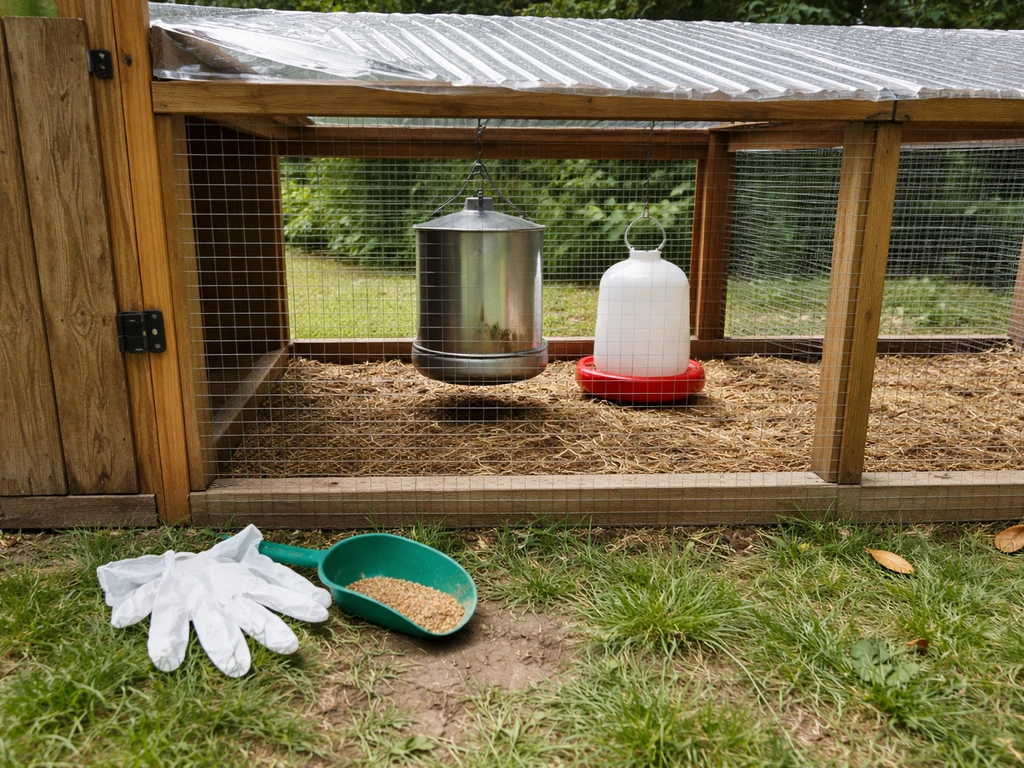
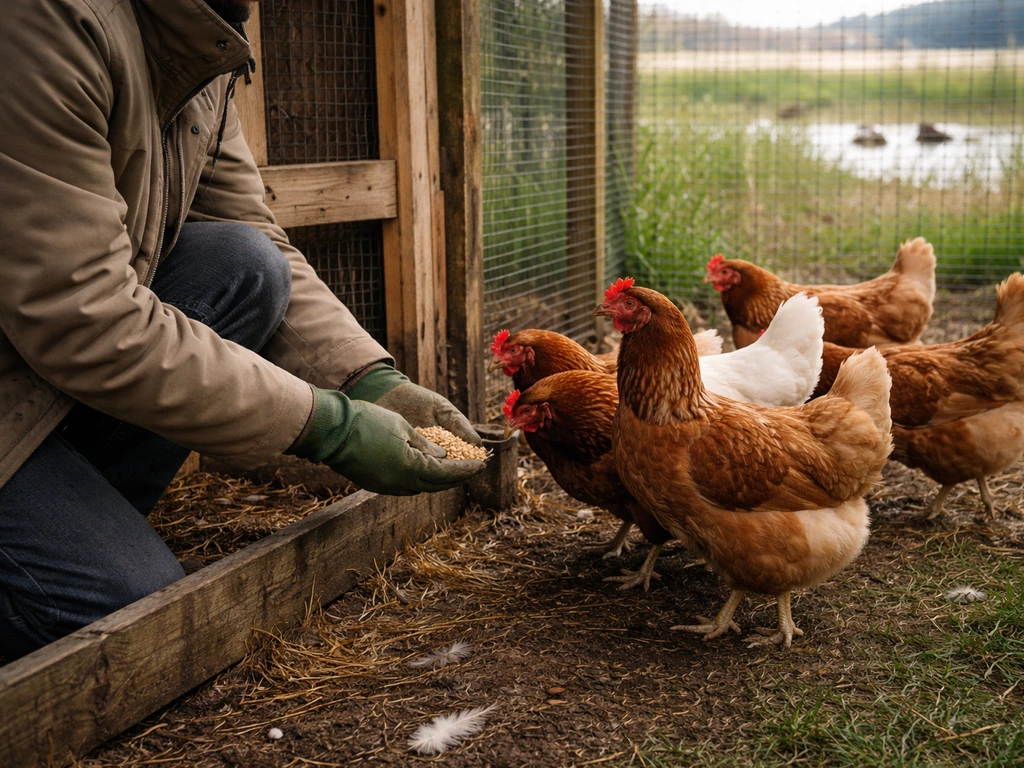
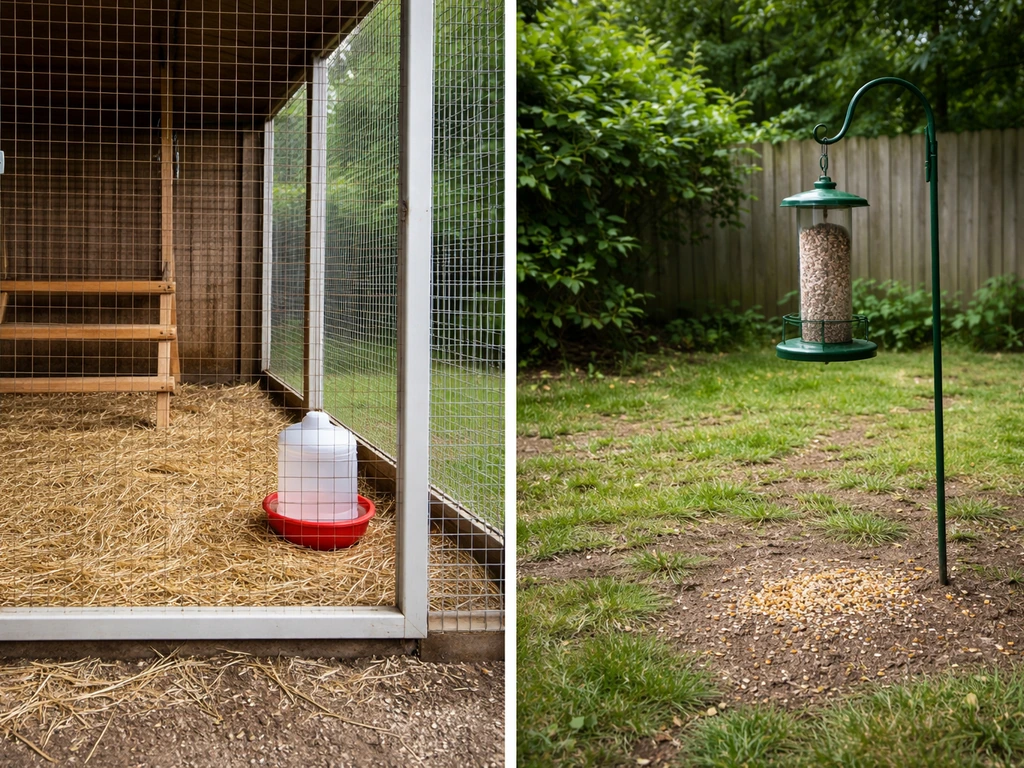
Backyard flocks are a real exposure risk, both for the birds and for you. CDC is direct about this: owners whose flocks become infected and who are exposed to sick birds are at higher risk of getting bird flu. USDA APHIS's 'Defend the Flock' program outlines biosecurity steps that are worth following whether or not there's an active outbreak near you, because the best time to set up biosecurity is before you need it.
- Keep your flock separated from wild birds — don't let them share water sources or feed areas.
- Limit visitors to your flock area and require footwear cleaning or dedicated farm boots.
- Monitor your birds daily for sudden death, drops in egg production, respiratory symptoms, or neurological signs.
- If you see signs of illness in multiple birds quickly, report it immediately to your state veterinarian or USDA APHIS — don't wait.
- If your flock is confirmed or suspected infected, wear gloves, eye protection, and a respirator when handling birds, and follow your state's guidance on quarantine.
For commercial poultry farmers and agricultural workers
Commercial poultry workers face the highest ongoing exposure risk. During active outbreaks, especially during depopulation (culling infected flocks), the risk of occupational exposure is significant. Proper PPE (gloves, goggles or face shield, N95 respirator, coveralls) is non-negotiable during any contact with potentially infected birds or contaminated environments. CDC's interim recommendations for HPAI A(H5N1) prevention in workers lay out specific PPE requirements and a 10-day monitoring period following potential exposure. Follow your state health department's guidance, and make sure you know the contact number for your state or local health department before you need it.
Is it safe to eat chicken and eggs right now?
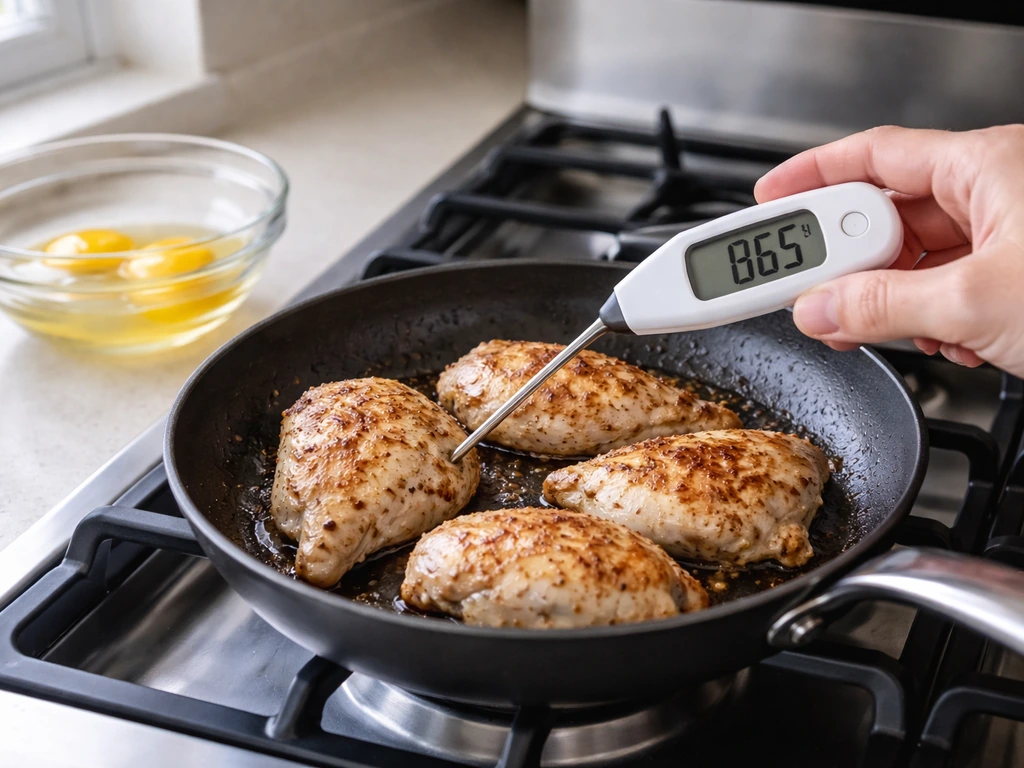
Yes, properly cooked poultry and eggs are safe to eat. This hasn't changed. CDC, FDA, and FoodSafety.gov all confirm that cooking poultry and eggs to an internal temperature of 165°F (74°C) kills avian influenza viruses, along with bacteria like Salmonella. You don't need to stop eating chicken or eggs because of bird flu activity.
A few specific food safety habits to maintain during periods of bird flu activity:
- Cook all poultry (chicken, turkey, duck) to an internal temperature of 165°F — use a meat thermometer, not color as a guide.
- Cook eggs until both whites and yolks are firm. Avoid runny eggs or dishes with undercooked egg if you're in a higher-risk group.
- Reheat cooked egg dishes (casseroles, quiches) to 165°F before serving.
- Keep raw poultry and eggs refrigerated. Wash hands, cutting boards, and surfaces that contact raw poultry thoroughly.
- Don't handle or consume birds you've found dead, or birds that appeared sick before slaughter.
Commercially sold poultry and eggs go through inspection and handling standards that make them safe under normal cooking conditions. The main food safety risk during bird flu outbreaks is cross-contamination in your kitchen, the same hygiene practices that prevent Salmonella apply here too.
Symptoms, exposure risk, and when to call a doctor
Bird flu in humans doesn't look like one fixed thing. Recent US H5 cases have had eye redness (conjunctivitis) as the predominant symptom. Other presentations range from mild flu-like illness to severe respiratory disease. WHO describes the range as eye inflammation, fever, cough, sore throat, and in serious cases, pneumonia or acute respiratory distress. Some strains, particularly H5N1, have historically been associated with high fatality rates in severe cases, though the profile of any given outbreak can differ significantly.
You are at meaningful risk of human exposure only through direct contact with infected birds or their environments. This means live or dead infected poultry, contaminated surfaces on farms or live bird markets, and household handling or slaughter of infected birds. Person-to-person transmission of current H5N1 strains remains rare and hasn't been sustained in community settings, this is one of the key distinctions between the current situation and a pandemic scenario.
If you've had direct exposure to birds that were sick or confirmed infected, CDC recommends a 10-day self-monitoring period. If you develop any symptoms during that window, fever, cough, eye redness, difficulty breathing, don't just go to an urgent care walk-in. Call your state or local health department first so they can coordinate testing and antiviral treatment through the right channels. Testing typically involves nose and throat swabs and possibly an eye swab if you have conjunctivitis. Antivirals like oseltamivir (Tamiflu) are most effective when started early, which is another reason to call sooner rather than waiting to see how you feel.
Prevention steps after exposure are straightforward: avoid touching your face, wash hands frequently with soap and water, and monitor your temperature daily. If you're a worker with repeated exposure (poultry farm, live market), talk to your employer and state health department about occupational monitoring protocols, there are formal guidance documents from CDC that cover this in detail.
The bottom line: bird flu isn't gone, but for most people reading this, the risk of personal illness is genuinely low right now. What's important is knowing how to check the real status in your area, following basic food safety and hygiene habits, and knowing who to call if you've had actual exposure to sick birds. If you're also asking, "is the bird salmonella outbreak over," the timeline can be different from bird flu, so check your local public health updates. That's the practical difference between informed caution and unnecessary alarm.
FAQ
If there haven’t been any bird flu cases in people where I live, is bird flu gone?
No. Even if there have been no recent human cases in your country, the virus can still circulate in wild birds and reappear in poultry seasonally. The “all clear” question should be answered by bird and poultry surveillance (detections and outbreaks), not by whether you personally have seen human news in your area.
What indicators should I check to tell whether bird flu is actually slowing down locally?
Look for multiple signals together, not just one headline. A helpful combination is (1) whether there are recent detections in wild birds, (2) outbreaks in poultry, and (3) how many new reports are occurring in the last few weeks versus months. A short-term dip can happen, while ongoing low-level circulation still means “not gone.”
How do I estimate my personal risk from bird flu if I do not keep chickens?
For most people, exposure risk is tied to direct contact with sick or dead wild birds, contaminated farm or market environments, or handling infected poultry. If you only eat commercially prepared poultry and eggs, and you cook them thoroughly, your risk from bird flu is considered low. Cooking temperature matters, but cross-contamination in the kitchen is still the main preventable issue.
Can bird flu spread from person to person, and should I worry about household contacts?
Yes, but it depends on the transmission pattern and your level of contact. Person-to-person spread for current H5N1 strains is rare and not sustained in community settings, but if you have had direct exposure to infected birds (or their environments), you should follow exposure monitoring and call the local health department if symptoms develop.
If I had contact with a suspected sick bird, how long should I monitor myself for symptoms?
Often you can. If you had direct exposure, CDC’s general approach in your scenario is a 10-day self-monitoring window, and you should call the state or local health department first if you develop symptoms. They can coordinate appropriate testing and antiviral decisions, which are most effective when started early.
What should I do if I find a dead wild bird in my yard?
If you find a dead bird, don’t process it yourself. Use gloves or tools to avoid bare-skin contact, keep people and pets away, and report it to your local wildlife or agriculture authority for safe handling and testing. This prevents accidental contamination and gives surveillance teams usable data.
What are common mistakes people make with protection during an active outbreak?
Bad PPE habits are a common mistake, especially for workers or anyone helping during culling or clean-up. If you are in a situation involving potentially infected birds or contaminated environments, basic protection like gloves and eye/face protection is not enough. N95 respirators and coveralls are often part of recommended prevention, and monitoring after exposure may be required.
Do I need different guidance if the bird flu virus changes over time?
Yes, but it varies. Bird flu viruses can change over time, which can affect risk assessments and guidance. Because of that, you should avoid relying on “last year’s rules,” instead check the most recent local health guidance during ongoing circulation.
If someone gets sick after a bird exposure, what symptoms should trigger a call to health authorities?
Not necessarily. Symptoms can start mildly and some presentations can be atypical, including eye redness (conjunctivitis) in some cases. If you develop compatible symptoms after a known exposure, act early and involve your local health department rather than waiting to see if it “goes away.”
Who should I call first if I think I had direct exposure to bird flu?
The “right” number is the state or local health department, or the public health line provided by your area. Keep that contact saved before an event happens, and call them before you go to urgent care if you had direct exposure, so they can coordinate testing and treatment through the correct pathway.