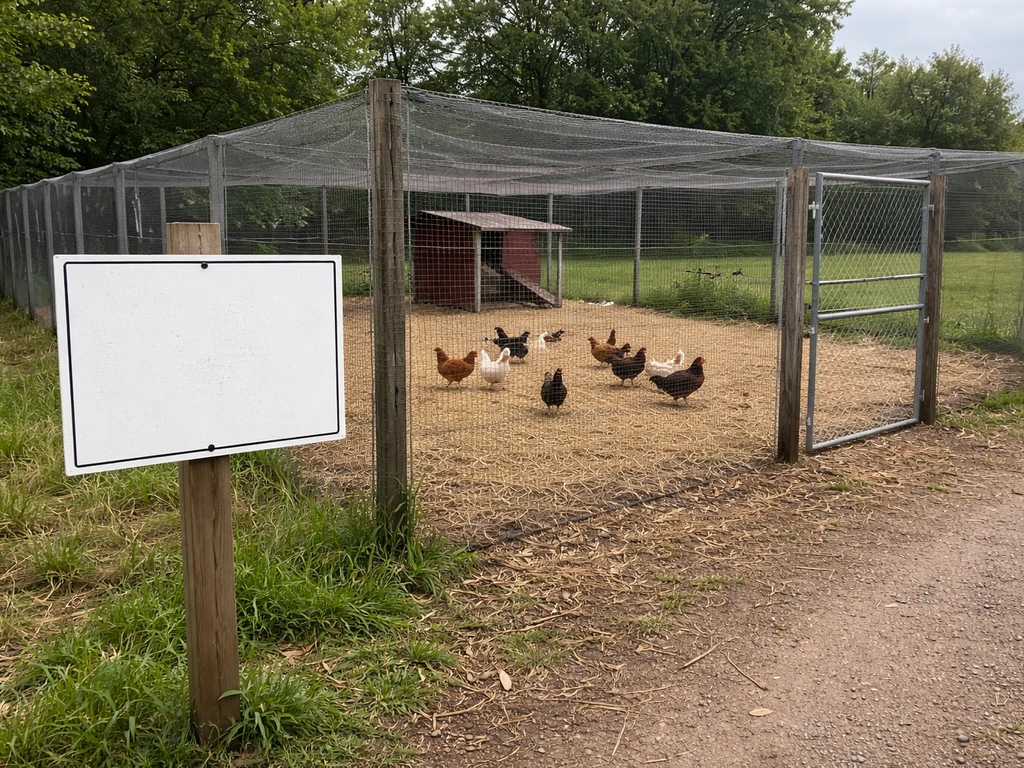
Bird flu is a real disease, and yes, it does tend to do exactly what people are worried about: it circulates in wild birds, periodically spills into poultry flocks and other animals, and very occasionally infects people who are in close contact with infected animals. That's the short version of what "they tend to do that" really means. The good news is that bird flu spreading easily between people is not what's happening right now. Human cases remain rare and are almost always tied to direct animal exposure, not community transmission. So if you heard something alarming and want to know what's actually going on and what to do today, here's the full picture.
Bird flu guide: what it is, symptoms, spread, and what to do today

Sarah Chen
18 May 2026
What "Bird Flu" Actually Is (and Why the Phrase Sounds So Casual)
"Bird flu" is the common name for avian influenza, a disease caused by avian influenza A viruses. These are influenza viruses, just like the seasonal flu you get vaccinated against each year, but they are primarily adapted to birds rather than humans. WHO clarifies that avian influenza (bird flu) is caused by influenza viruses that mainly affect birds but can also affect mammals, including humans primarily adapted to birds rather than humans. The CDC and WHO both define them this way: influenza A viruses that naturally circulate among wild birds worldwide and can cause infections in domestic poultry, mammals, and sometimes people.
There are multiple subtypes. The ones that matter most right now are named by their surface proteins: H5N1, H5N2, H7N9, and others. The CDC tracks several subtypes known to cause human infections, including H5, H6, H7, H9, and H10 strains. Currently, it's the A(H5) family that's spreading globally in wild birds and causing sporadic outbreaks in U.S. poultry and, more recently, dairy cattle. That's the strain getting most of the headlines.
It's also worth separating bird flu from regular seasonal flu. Seasonal flu is caused by influenza viruses already adapted to human-to-human transmission. Bird flu viruses are not well-adapted to spreading between people, which is a critical distinction. The concern with bird flu is not that it's like a bad flu season. The concern is that if a strain mutated enough to spread efficiently between people, that would be a much bigger problem. For now, that hasn't happened with current strains.
The informal phrase "yeah, they tend to do that" actually captures something true about avian influenza: it's a persistent, recurring phenomenon. Bird flu outbreaks in poultry happen regularly. Occasional human spillover cases happen. That pattern has been consistent for decades, which is exactly why public health systems track it so closely.
How Bird Flu Spreads: Birds to Birds, and Rarely to People
Spread between birds
Among birds, avian influenza spreads efficiently and fast. Wild waterfowl (ducks, geese, shorebirds) are natural carriers and often don't get visibly sick, but they shed the virus through their saliva, mucus, and feces. When wild birds mix with domestic poultry, or when contaminated equipment, clothing, vehicles, or water contacts a flock, the virus can spread rapidly. USDA APHIS classifies strains as either low pathogenicity (LPAI, causing few or no signs in birds) or highly pathogenic (HPAI, causing severe illness and high mortality in poultry). HPAI H5N1 is the highly pathogenic strain currently spreading widely.
Spread to people
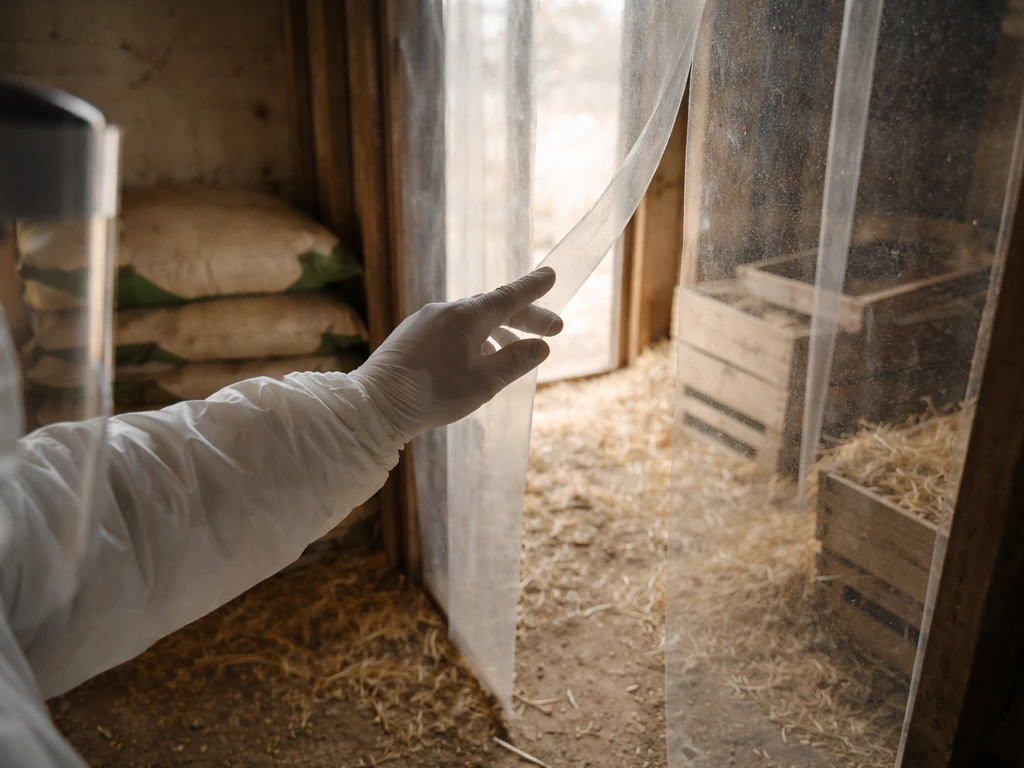
Human infections are rare and almost always come from direct, close contact with infected animals or heavily contaminated environments, not from other sick people. The main exposure routes that have led to human cases include handling sick or dead poultry, working in live animal markets, contact with infected dairy cattle (a newer development in the U.S.), and being in enclosed spaces with infected birds. Casual contact with healthy birds in a typical backyard setting carries very low risk. There is currently no confirmed sustained human-to-human transmission with circulating H5 strains.
What to Watch For: Symptoms in People and Signs in Birds
In humans
If a person is infected with an avian influenza virus, symptoms typically appear within 2 to 5 days of exposure. The range is wide, from mild to life-threatening, depending on the strain and the individual. WHO reports that exposure to animal influenza viruses can cause human infection, with symptoms ranging from mild flu-like illness or eye inflammation to severe acute respiratory disease and, in some cases, death. According to WHO, symptoms can include:
- Fever (often high, above 38°C / 100.4°F)
- Cough, sore throat, and runny nose
- Muscle aches and fatigue
- Eye redness or discharge (conjunctivitis), which can sometimes be the only symptom
- Shortness of breath or difficulty breathing in more severe cases
- In serious cases: pneumonia, acute respiratory distress syndrome (ARDS), and organ failure
The timeline matters here. Mild cases may resolve within a week, similar to regular flu. Severe cases can deteriorate quickly within days of respiratory symptoms appearing. If you've had known exposure to infected birds or animals and develop any of these symptoms, don't wait to see if it passes.
In poultry and birds
With LPAI strains, birds may show minimal signs: slightly reduced egg production, mild respiratory symptoms, or nothing at all. With HPAI, the signs are hard to miss and can include sudden death with no prior symptoms, a sharp drop in egg production, swelling around the head and eyes, purple discoloration of combs and wattles (from poor circulation), neurological signs like loss of coordination, and birds going off feed and water quickly. If you see multiple birds in your flock dying suddenly or acting severely ill at the same time, that's a significant warning sign requiring immediate reporting.
Who Actually Needs to Worry Most
The people at highest risk of bird flu infection are those with frequent, direct exposure to infected animals. That includes commercial poultry workers, backyard flock owners who handle sick birds, dairy farm workers (given recent U.S. H5N1 detections in cattle), wildlife rehabilitators handling sick wild birds, and hunters who handle harvested waterfowl without protection. If you fall into any of these categories and aren't using appropriate precautions, your risk is meaningfully higher than the general public.
For people with no animal contact, the risk of catching bird flu in 2026 is very low. If you are wondering whether bird flu is going around in your area, look at current CDC and USDA APHIS updates and your local poultry health alerts is bird flu going around. You are not going to get it at a grocery store, a restaurant, or by being near healthy birds in a park. The concern is not general community exposure. It's occupational and situational exposure to infected animals.
Children, elderly individuals, and immunocompromised people aren't necessarily at higher risk of exposure, but if they do get infected, they may face a harder clinical course. People who develop pneumonia or ARDS from bird flu have historically had high mortality rates with certain strains, which is why any suspected case deserves prompt medical attention rather than watchful waiting at home.
Preventing Bird Flu: What to Do at Home and on the Farm
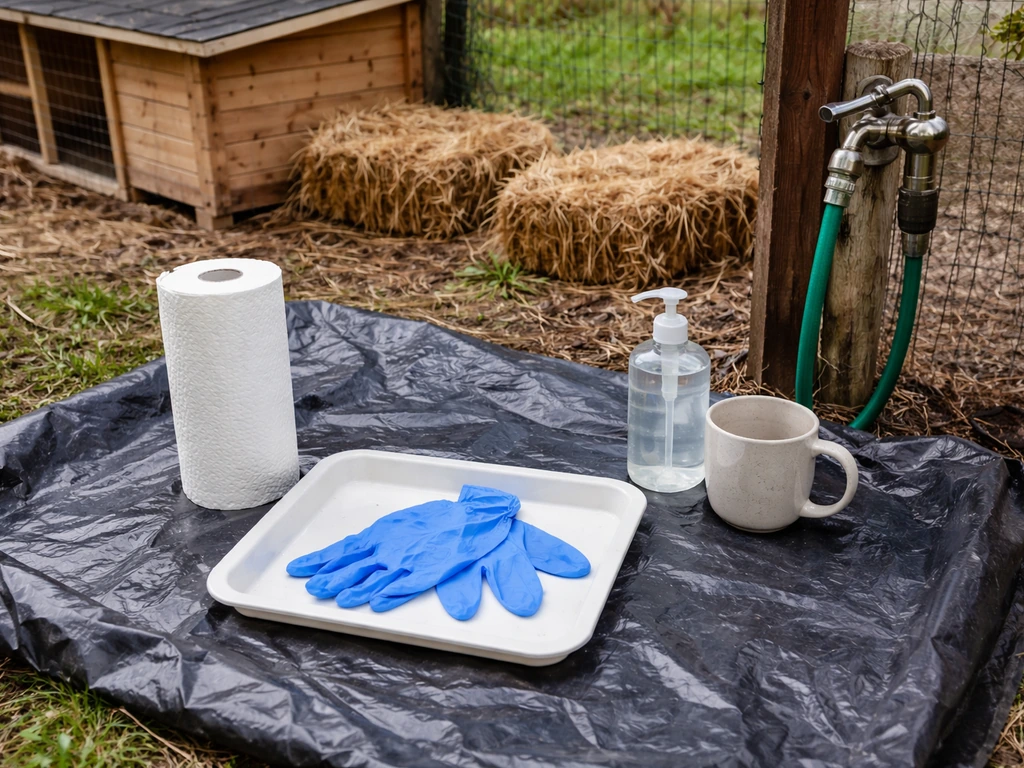
For households and backyard flock keepers
- Avoid touching sick, dead, or wild birds with bare hands. Use gloves or a plastic bag as a barrier.
- Wash hands thoroughly with soap and water after any contact with birds, their droppings, or anything they've touched.
- Keep backyard flocks separated from wild birds as much as possible: covered runs, netting over outdoor areas, and secure feed storage help prevent wild birds from mingling with your flock.
- If you find a dead wild bird, don't handle it. Contact your local animal health or wildlife authority for guidance on safe disposal.
- Avoid visiting live bird markets or poultry operations during active outbreaks unless necessary.
For farms and poultry operations
Biosecurity is the single most important tool for preventing HPAI from entering a commercial or small farm flock. USDA APHIS recommends a layered approach, and these are the practical steps that matter most:
- Establish and enforce a clean/dirty line between the outside world and your poultry housing. All visitors, vehicles, and equipment should be treated as potential vectors.
- Require dedicated farm clothing and footwear that stays on-site. No outside shoes in the barn, ever.
- Disinfect vehicles and equipment before they enter and leave the premises, especially during active outbreaks in your region.
- Control rodent and wild bird access to feed, water, and housing structures.
- Monitor your flock daily for behavioral changes, drops in egg production, or any signs of illness.
- Have a mortality disposal plan that doesn't attract scavengers, who can spread the virus further.
Personal protective equipment (PPE) for high-risk situations
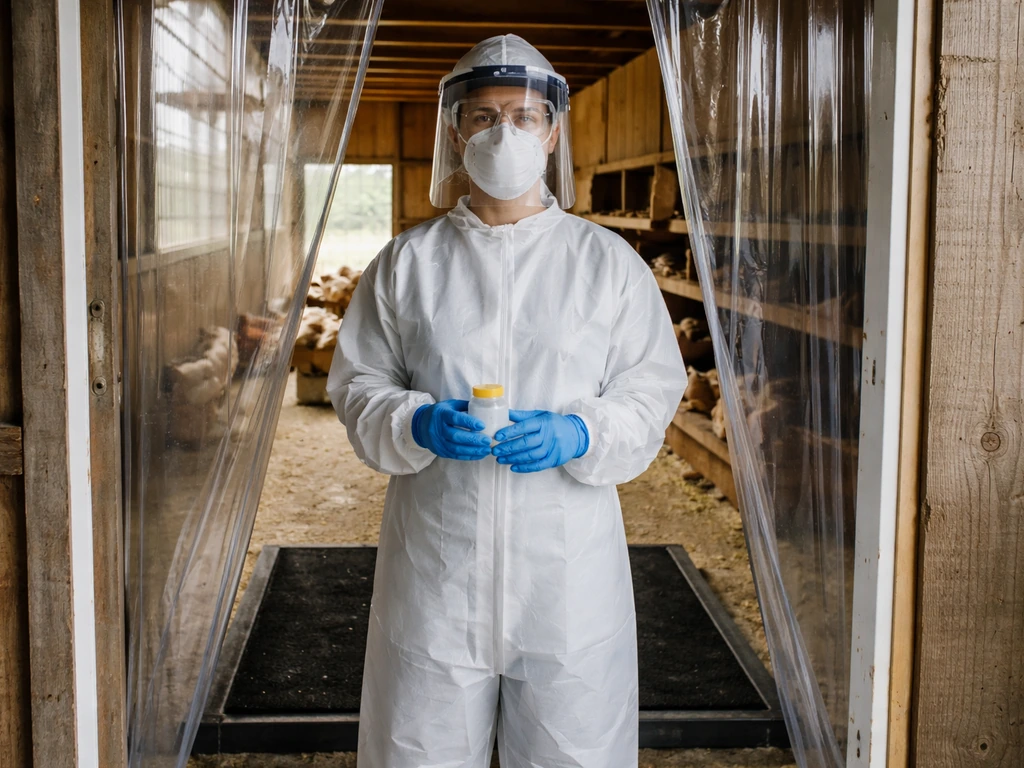
If you're handling sick birds, cleaning out a potentially infected flock, or working in a confirmed outbreak area, PPE is not optional. Recommended gear includes an N95 respirator (not a cloth mask), goggles or a face shield, waterproof gloves, and a disposable or dedicated coverall. After removing PPE, wash hands immediately. Antivirals like oseltamivir (Tamiflu) may be recommended as preventive medication for people with significant exposure during an active outbreak. That's a decision made with a healthcare provider or public health official, not something to self-prescribe.
Is It Safe to Eat Chicken and Eggs Right Now?
Yes, properly cooked poultry and eggs are safe to eat. Heat kills avian influenza viruses. Cooking poultry to an internal temperature of 165°F (74°C) eliminates the virus. Eggs cooked until both the yolk and white are firm are also safe. There is no documented case of anyone getting bird flu from eating properly cooked food.
Where you do need to be careful is handling. Raw poultry can carry the virus on its surface if the bird was infected, which is why standard food-safety hygiene matters even more during an outbreak period. Here's what to do:
- Wash hands with soap and water before and after handling raw poultry or eggs.
- Use separate cutting boards for raw poultry and other foods.
- Avoid rinsing raw poultry in the sink, which can spray contaminated droplets onto surfaces.
- Don't consume raw or undercooked poultry, runny eggs, or unpasteurized egg products.
- Refrigerate raw poultry promptly and keep it separate from ready-to-eat foods.
- Clean and disinfect all surfaces and utensils that touched raw poultry.
Raw milk is a separate concern. Recent U.S. H5N1 outbreaks in dairy cattle have detected the virus in unpasteurized milk. Pasteurized milk from commercial sources is safe. Unpasteurized (raw) milk from farms with infected or possibly infected herds carries real risk and should be avoided.
Your Next Steps Today: When and How to Get Help
If you're feeling sick after animal exposure
Contact a doctor or your local public health authority right away, and tell them specifically about your exposure. Don't just show up to an emergency room without calling ahead, because bird flu cases require special precautions to protect staff and other patients. When you call, be ready to explain what animals you were around, when and how long the exposure happened, whether the animals were sick or dead, and what symptoms you're experiencing and when they started. Antiviral treatment (oseltamivir) works best when started early, so timing your call matters.
If you have sick or dying birds on your property
Do not wait. Contact your state veterinarian or the USDA APHIS emergency hotline immediately. In the U.S., the USDA APHIS number for reporting animal disease is 1-866-536-7593. You can also contact your local cooperative extension service or state department of agriculture. Do not move birds off your property, do not try to sell or give away birds from an affected flock, and do not handle sick or dead birds without PPE. Prompt reporting protects neighboring farms and allows for rapid response that may prevent a much larger outbreak.
If you have no exposure but want to stay informed
Keep an eye on CDC and USDA APHIS situation reports, which are updated regularly during active outbreaks. If you own backyard birds, sign up for your state's poultry health alerts. If you're in an area with active HPAI detections in wild birds, increase biosecurity on your property as a precaution even if your flock seems healthy. Bird flu does tend to follow seasonal patterns with certain peaks, and staying ahead of it is much easier than responding after a flock is already affected.
The bottom line: bird flu is a real and recurring threat to poultry and, rarely, to people. It's taken seriously because it has the potential to cause severe illness when it does infect humans, and because the possibility of a more transmissible strain emerging is always a background concern. But it's not a reason to panic about eating chicken or going outside. Know your exposure level, take the appropriate precautions for your situation, and act quickly if something looks wrong. That's genuinely all anyone can do, and it's enough.
FAQ
If I see a sick or dead bird in my yard, what should I do immediately (and what should I avoid)?
Keep people and pets away, and do not touch it with bare hands. If it is safe to approach, use gloves and place it in a sealed plastic bag or container for reporting. Contact your state or local wildlife agency or poultry authority rather than trying to dispose of it yourself, and avoid moving other animals, feed, or equipment that could transfer contamination between areas.
Can I get bird flu from touching contaminated surfaces like cages, boots, or garden tools after an outbreak nearby?
Yes, virus can be carried mechanically on surfaces, especially from feces or saliva-contaminated materials. To reduce risk, remove shoes and coveralls before entering living areas, disinfect footwear and equipment used around birds, and keep feed and water containers closed. If you handled suspected material, wash hands thoroughly and avoid touching your face until after handwashing.
How do I tell the difference between normal backyard sickness and something that could be HPAI in poultry?
Look for sudden, unusual illness patterns affecting multiple birds at once, rapid deterioration, neurological signs, or purple discoloration around the head and combs. A sharp drop in egg production can also be a clue. If several birds are dying suddenly or you see severe respiratory signs, neurological problems, or birds going off feed and water quickly, treat it as urgent and report it.
Is it safe to keep working with my backyard flock if I’m in an area with HPAI detections in wild birds?
It can be safe with stronger biosecurity, but you should tighten “entry” controls. Limit visitors, keep wild birds away from feed and water, cover coops and outdoor runs where feasible, and avoid bringing in hay, equipment, or water sources from areas with confirmed outbreaks. If you have to check birds during high-risk periods, use dedicated clothing and footwear for the flock.
What if my kid or an older adult had close contact with a sick bird, do they need different steps than everyone else?
The key difference is not necessarily exposure prevention steps, it is how quickly they should be assessed if symptoms appear. Children and older adults may develop more severe respiratory illness if infected, so if symptoms start after a clear exposure, call a clinician or local public health authority promptly and mention the animal contact and timing.
Do I need to throw away backyard eggs or stop eating eggs during an outbreak?
If eggs are properly collected and stored and the birds were not themselves being culled due to confirmed infected flock actions you are authorized to handle, eggs cooked thoroughly are considered safe to eat. The bigger risk is handling: wash hands, clean surfaces, and avoid cross-contamination between raw products and ready-to-eat foods. When authorities advise culling or special disposal, follow those instructions rather than personal judgment.
Is raw milk ever a safe option when there are H5N1 detections in cattle nearby?
Avoid unpasteurized milk from farms that have infected or possibly infected herds, even if the milk looks and smells normal. Pasteurized milk from commercial sources is the safer choice. If you are unsure about a dairy’s status, do not taste or test raw milk at home, treat it as higher risk.
If someone in my home might have bird flu, should we all isolate like we would for COVID or seasonal flu?
In most situations, bird-to-human spread is not occurring through casual household contact. However, if a person has symptoms after a known animal exposure, contact healthcare first and follow their instructions for masking and precautions. Tell the clinic about the animal exposure so they can protect staff and decide on testing and treatment.
When would antivirals like oseltamivir actually be used, and should I request them right away?
They are most effective when started early, typically soon after symptom onset, and they are used for confirmed or strongly suspected cases or certain high-risk exposures based on clinician or public health guidance. For suspected exposure from handling infected animals, call promptly and ask about evaluation and whether early treatment is appropriate rather than trying to self-start medication.
What reporting steps are different for a poultry farm versus a backyard owner?
A poultry farm should follow state and USDA APHIS biosecurity and outbreak reporting workflows, often through veterinary channels and mandated reporting processes. Backyard owners should still report unusual mass illness or sudden deaths promptly to the state veterinarian or local authority, but you should not attempt to transport birds for “testing errands,” and you should avoid moving birds or sharing equipment until instructed.
I heard there is no human-to-human spread, so why do clinics ask about bird exposure so carefully?
Because rare human infections are usually tied to specific animal or environment exposures, clinicians need that timeline to decide whether bird flu is plausible and whether to test and treat early. Also, even when sustained spread is not happening, precautions help protect healthcare workers and other patients if an unusual case occurs.
Next Article
Is Bird Flu Going Around? Current Risk and What to Do
Find out if bird flu is currently spreading, key risk facts, symptoms, and practical steps for people and poultry owners