
Bird flu is not a separate virus from influenza A. USDA APHIS describes avian influenza (bird flu) as a contagious viral disease of domestic and wild birds and directs readers to farm biosecurity resources. It is a subset of it. Influenza A is the broad virus family, and bird flu (avian influenza) refers specifically to influenza A strains that originate in and primarily circulate among birds. Think of it this way: all bird flu viruses are influenza A viruses, but most influenza A viruses are not bird flu. The ones circulating in people every winter, like A(H1N1) and A(H3N2), are influenza A too, just adapted to humans rather than birds. Understanding that relationship is the fastest way to cut through the confusion around this topic.
Influenza A vs Bird Flu: Key Differences and Risk

Sarah Chen
6 May 2026
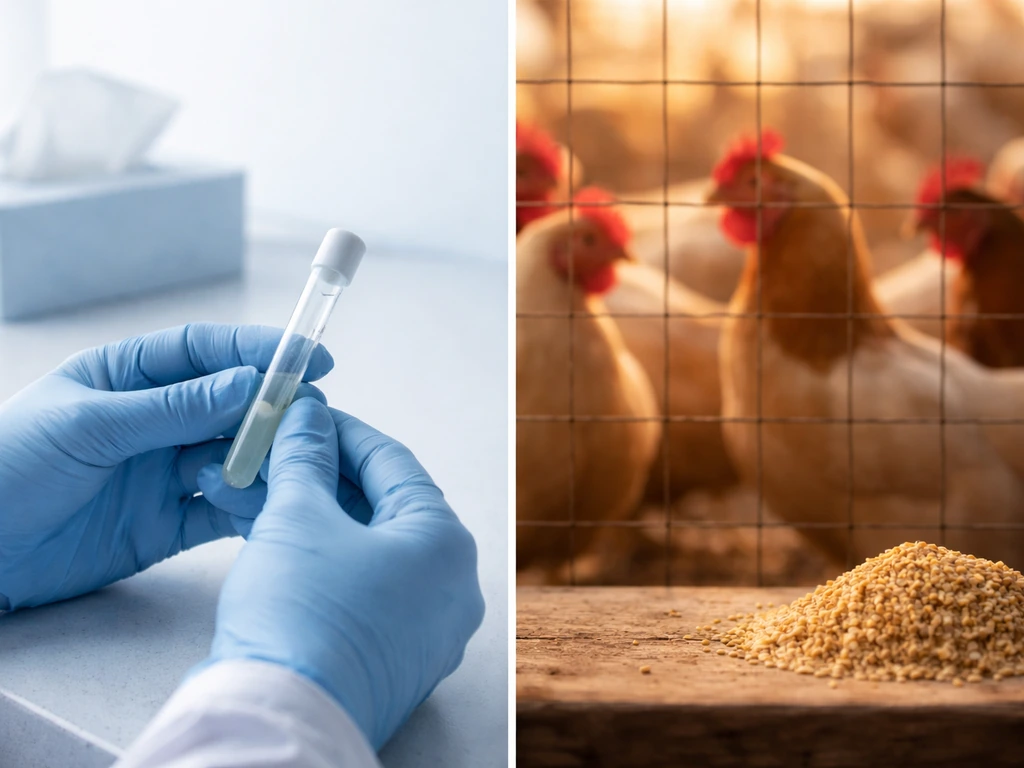
Quick definitions and why this comparison matters
Influenza viruses are divided into four types: A, B, C, and D. Type A is the only one that causes pandemics, infects a wide range of animals (birds, pigs, horses, seals, humans), and gets subdivided into subtypes based on two surface proteins: hemagglutinin (H) and neuraminidase (N). That is where the H and N numbers you see in strain names come from. So A(H1N1) means influenza A virus with hemagglutinin type 1 and neuraminidase type 1.
Avian influenza (bird flu) is the disease caused when influenza A viruses that primarily circulate in birds infect domestic or wild bird populations and, occasionally, spill over into mammals including humans. The term 'bird flu' is a disease label rooted in the host and clinical context, not a separate virus classification. This distinction matters because it changes how you think about risk, transmission, and what a positive influenza A test actually tells you.
People ask this question for a real reason: they hear 'influenza A positive' from their doctor, or they see bird flu headlines, and they want to know if those are the same threat. They are not interchangeable in practice, even though they share a biological category. Knowing the difference helps you make smarter decisions about exposure, testing, treatment, and when to escalate concern.
How bird flu fits inside the influenza A family
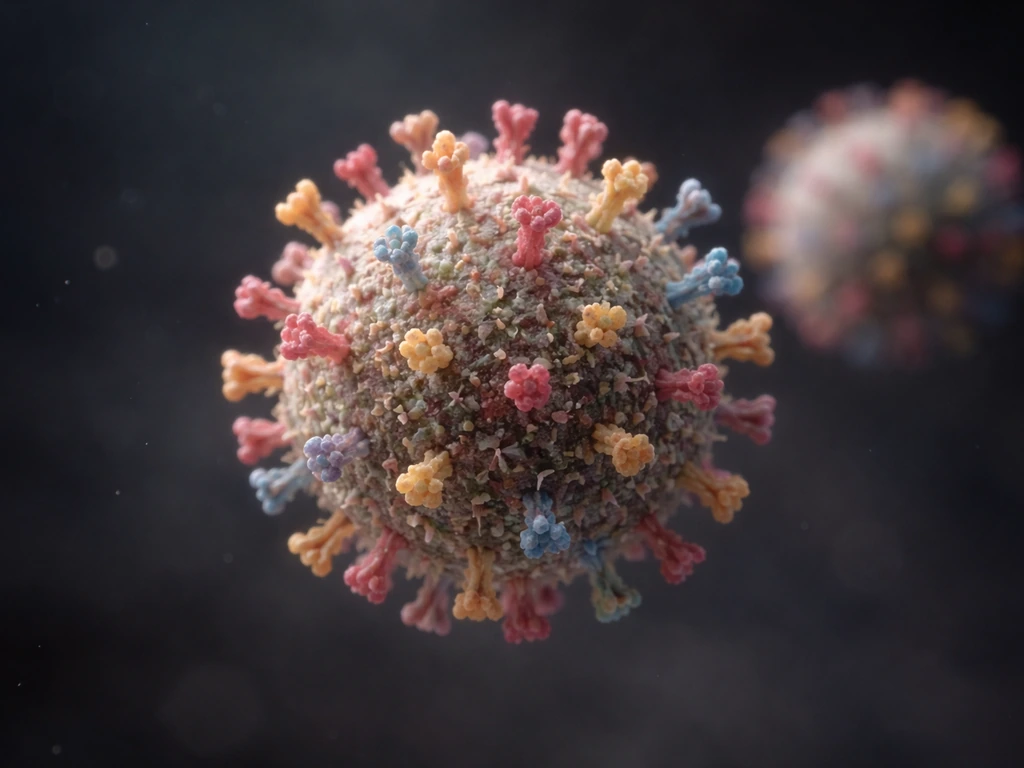
Influenza A viruses infect a wide range of mammalian and avian species and are classified by their HA and NA protein combinations. Currently, 18 known hemagglutinin subtypes (H1 through H18) and 11 neuraminidase subtypes (N1 through N11) exist across the full influenza A family. Most of those subtypes circulate in wild birds, especially waterfowl, which act as the natural reservoir for influenza A viruses globally.
Human seasonal flu involves just a handful of those subtypes, mainly A(H1N1) and A(H3N2), which have adapted over generations to spread efficiently person-to-person. Bird flu involves subtypes like A(H5N1), A(H7N9), A(H5N6), and A(H9N2), among others. The CDC has documented human infections across multiple avian subtypes including A(H3), A(H5), A(H6), A(H7), A(H9), and A(H10), with A(H5N1) and A(H7N9) accounting for the majority of reported human cases historically.
Avian influenza strains are also classified by how dangerous they are to poultry. Highly pathogenic avian influenza (HPAI) strains cause severe disease and can wipe out entire flocks within days. Low pathogenic avian influenza (LPAI) strains cause milder illness in birds but can still infect people. This HPAI versus LPAI distinction matters a lot for farm response and public health monitoring, even when it does not change the basic biology of what influenza A is.
Transmission: how people and poultry actually get infected
In poultry and wild birds
Avian influenza spreads rapidly through bird populations via direct contact between infected and healthy birds, shared water sources, contaminated feed, equipment, and even clothing or footwear carried between farms. Wild waterfowl are natural carriers and often show no symptoms, but they can introduce the virus to domestic flocks with devastating speed. HPAI strains are particularly brutal for commercial poultry: a flock can go from apparently healthy to mass mortality in a matter of days.
In people
Human infections with avian influenza viruses are sporadic. They typically happen after direct or indirect exposure to infected birds, poultry, or contaminated environments, not through routine community spread the way seasonal flu travels. The CDC identifies people with close or prolonged contact with infected birds as being at greater risk. That includes backyard poultry farmers, commercial poultry workers, live bird market workers (handling, slaughtering, evisceration, or carcass disposal are all classified as high-risk activities), and wild bird or waterfowl hunters.
Exposure routes include direct contact with sick or dead birds, their secretions, droppings, or contaminated surfaces. The good news is that the virus does not currently spread efficiently from person to person. Sustained human-to-human transmission would represent a significant shift in the risk picture, but that is not where things stand today. If you have not had direct contact with birds or a contaminated environment and you test positive for influenza A, seasonal flu is almost certainly the explanation.
| Factor | Seasonal Influenza A (Human Strains) | Avian Influenza A (Bird Flu Strains) |
|---|---|---|
| Primary host | Humans | Wild birds and domestic poultry |
| Human spread | Efficient person-to-person | Rare; mostly direct animal contact |
| Common human subtypes | H1N1, H3N2 | H5N1, H7N9, H5N6, H9N2, others |
| Typical exposure setting | Community, household, workplace | Farms, live bird markets, wild bird contact |
| Risk level for most people | Moderate (seasonal epidemic) | Low (no direct bird exposure) |
| Risk for farm/poultry workers | Standard seasonal flu risk | Elevated; exposure monitoring required |
Symptoms: what bird flu looks like versus regular flu

In people
This is where the overlap gets frustrating. Bird flu and seasonal flu share a lot of symptoms: fever, malaise, cough, sore throat, and muscle aches. You cannot reliably tell them apart by symptoms alone, which is why exposure history matters so much for clinical decision-making. That said, some features are more distinctive in recent avian influenza cases. Eye redness (conjunctivitis) has been the predominant symptom among recent U.S. cases of avian influenza A(H5) infection. That is less common in standard seasonal flu and worth flagging to your doctor if you have had bird contact.
Moderate to severe bird flu in people can progress to shortness of breath, difficulty breathing, pneumonia, and cases severe enough to require hospitalization. The WHO notes that A(H5N1) in particular has caused deaths from pneumonia complications. People with severe disease may remain contagious for several weeks, which is longer than typical seasonal flu. If you have had direct bird or animal exposure and develop any respiratory illness or eye symptoms within 10 days, treat that combination seriously and contact a healthcare provider promptly.
In birds
HPAI in domestic poultry is often dramatic in its speed and severity. Signs include sudden death with no prior warning, lack of energy, appetite loss, loss of coordination, purple discoloration or swelling of the head and wattles, diarrhea, nasal discharge, coughing, sneezing, and sharply reduced egg production or soft or misshapen eggs. LPAI strains typically cause milder illness, sometimes just a dip in egg production or mild respiratory signs. Any unexplained sudden deaths or rapid illness spreading through a flock should trigger immediate contact with a veterinarian and your state's animal health authority.
Diagnosis: how clinicians and labs tell them apart

A standard rapid flu test or even a rapid molecular assay that comes back positive for influenza A does not tell you which influenza A subtype you have. A positive rapid influenza diagnostic test for influenza A cannot differentiate seasonal human influenza A viruses from influenza A viruses circulating among animals rapid influenza diagnostic test (RIDT) for influenza A cannot differentiate seasonal human influenza A viruses from influenza A viruses circulating among animals. It confirms you have influenza A virus, but it cannot distinguish A(H1N1) from A(H5N1). That subtype identification requires specific laboratory testing, typically using reverse transcriptase polymerase chain reaction (RT-PCR) assays developed for particular strains. The CDC has developed rRT-PCR assays capable of detecting specific avian influenza subtypes like H5 and H7N9.
In practice, the decision to send specimens for avian influenza-specific testing is based on a combination of clinical picture and exposure history. A clinician seeing someone with influenza A symptoms who works on a poultry farm or recently handled sick birds will think very differently about the case than one seeing a patient with no animal contact. The best specimen types for molecular testing are nasopharyngeal swabs, washes, aspirates, and nasal or throat swabs. The CDC is clear that testing for specific avian influenza subtypes should be done when patients meet both clinical and epidemiological criteria.
Early diagnosis is genuinely important here. The CDC states that early diagnosis and prompt antiviral treatment can reduce complications and lower the risk of transmitting avian influenza A(H5) virus to close contacts. If you have relevant exposure and symptoms, do not wait to see if you feel better on your own before contacting a provider.
Prevention for households and farms
For households and individuals

- Avoid direct contact with wild birds, sick or dead birds, or their droppings if at all possible.
- Wash your hands thoroughly with soap and water after any contact with birds or poultry, their environments, or potentially contaminated surfaces.
- Do not touch your face, eyes, or mouth after handling birds without washing hands first.
- If you keep backyard chickens or other poultry, monitor them closely and report any unexplained illness or sudden deaths to your state's animal health authority.
- If you had direct exposure to infected or potentially infected animals, monitor yourself for illness symptoms for 10 days after your last exposure. If new exposures happen, restart monitoring from day one.
- Anyone caring for or visiting a flock with confirmed or suspected avian influenza should use appropriate personal protective equipment (PPE), including gloves, eye protection, and respiratory protection.
For farms and agricultural operations
Biosecurity is the frontline defense for poultry operations. USDA APHIS provides biosecurity assessment resources specifically for flock protection, and working through those guidelines is one of the most valuable things a farm owner can do before an outbreak reaches their area. Core biosecurity principles include controlling who and what enters the farm (people, equipment, vehicles), preventing contact between domestic flocks and wild birds, using dedicated footwear and clothing for poultry areas, and having a clear protocol for reporting sudden illness or death in the flock. The CDC's interim recommendations for HPAI A(H5N1) also include specific infection prevention and control measures for workers, including PPE requirements, antiviral chemoprophylaxis for exposed workers, and exposure monitoring protocols.
Treatment and vaccines: what is actually available
Antivirals
Oseltamivir (brand name Tamiflu) is the primary antiviral recommended for both treatment and post-exposure prophylaxis in bird flu cases. It has the most human data among flu antivirals for this use. For hospitalized patients with confirmed, probable, or suspected avian influenza associated with severe disease, the CDC recommends starting oseltamivir as soon as possible, regardless of how long the person has been sick. Other neuraminidase inhibitors including zanamivir (inhaled) and peramivir (intravenous) are also options, particularly when oral medication is not feasible.
For people without symptoms who had high-risk exposure, oseltamivir can be offered as post-exposure prophylaxis (PEP), ideally started as soon as possible after exposure. Antiviral treatment should not be withheld while waiting for test results if clinical suspicion is high and the patient has relevant exposure history. Reddit discussion about H5N1 reflects clinician concern about starting treatment for suspected avian influenza A(H5) patients without waiting for test results blank" rel="noopener noreferrer">Do not wait for test results. These decisions should be made by or in consultation with a clinician and, ideally, public health authorities who can also facilitate appropriate testing.
Vaccines
There is no licensed bird flu vaccine available to the general public right now. However, the CDC has developed candidate vaccine viruses (CVVs) for HPAI A(H5N1) that are nearly identical to the hemagglutinin protein of recently circulating clade 2.3.4.4b A(H5N1) viruses. These are part of pandemic preparedness stockpiling efforts. The WHO also maintains and updates candidate vaccine viruses for A(H5N1) as part of its global readiness process. The regular seasonal flu vaccine does not protect against bird flu strains, though getting the seasonal flu vaccine remains important for reducing overall influenza A burden and avoiding co-infections that complicate diagnosis.
Food safety and the misconceptions worth clearing up

One of the most common fears that surfaces during bird flu outbreaks is whether it is safe to eat chicken and eggs. The clear and consistent answer from public health authorities is yes, properly handled and cooked poultry and eggs are safe to eat. The CDC states there is no evidence that anyone in the United States has gotten infected with avian influenza A viruses after eating properly handled and cooked poultry products. The key word is properly.
Cooking destroys influenza viruses. The USDA recommends cooking poultry to an internal temperature of 165°F (measured with a food thermometer). For eggs, cook them until the yolks are firm, and reheat any egg-containing dishes to 165°F before serving. The risks come from the other end of the spectrum: eating undercooked or raw poultry, drinking unpasteurized or raw milk, or handling raw poultry without good hygiene practices. Pasteurized dairy products are safe. Raw milk is not recommended under any circumstances, and that risk exists independently of bird flu.
Another misconception worth addressing directly: a bird flu outbreak in another state or country does not make your grocery store chicken unsafe. Commercial poultry supply chains include inspection processes, and the cooking step is the final and reliable kill step for any influenza virus that might theoretically be present. The food safety guidance has not changed because of avian influenza outbreaks, and there is no reason to stop eating poultry or eggs based on outbreak news alone.
What to do right now based on your situation
If you tested positive for influenza A and have had no direct contact with birds or animals: you almost certainly have seasonal flu. Follow standard care guidance, rest, stay hydrated, and talk to your doctor about whether antivirals make sense for your specific situation.
If you work with poultry, visited a live bird market, handled sick or dead birds, or had close contact with animals suspected of avian influenza infection: contact your healthcare provider and your local or state health department. Tell them your exposure history clearly and specifically. Do not wait for symptoms to appear before making that call. Monitor yourself for illness for 10 days from your last exposure. If you develop fever, respiratory symptoms, or eye redness during that window, seek care immediately and mention the exposure.
If your flock is showing signs of sudden illness or death: contact your state's animal health authority or the USDA APHIS immediately. Do not wait to see if the situation resolves on its own. Rapid reporting is how outbreaks get contained, and it protects neighboring farms as much as it protects yours.
The broader question of whether influenza A and bird flu are the same thing (or how they compare in severity to regular flu) is one that comes up a lot, and reasonably so given how much the terminology overlaps in news coverage and clinical settings. If you are asking “is influenza a bird flu,” the short answer is no, but bird flu is a specific kind of influenza A whether influenza A and bird flu are the same thing. The core relationship is straightforward: bird flu lives inside the influenza A family, not alongside it. Your risk depends almost entirely on your exposure, and your next step depends on what that exposure was. If you are still wondering whether bird flu is bird flu a coronavirus, remember that it is caused by influenza A, not coronaviruses.
FAQ
If my test says “influenza A positive,” does that mean I have bird flu (avian influenza)?
“Influenza A positive” means only that influenza A is present, not which subtype. Even a molecular flu panel that reports influenza A usually does not provide H5 or H7 confirmation, so you still need exposure history and, if criteria are met, subtype-specific RT-PCR testing.
What symptoms or timing should make me contact a doctor urgently after possible bird exposure?
For birds, the most common early red flag is sudden illness or death spreading through a flock quickly, especially in commercial poultry. For people, the key escalation is respiratory symptoms (or eye redness) occurring after high-risk bird exposure, particularly within about 10 days of the last contact.
If influenza A is confirmed, could it still be something else, like pneumonia from another pathogen?
A positive influenza test does not rule out other infections. Clinicians may treat symptoms and still evaluate for complications like pneumonia, and if bird exposure history is strong they can pursue additional diagnostic steps beyond routine influenza testing.
Should antiviral treatment be delayed until subtype testing confirms bird flu?
Oseltamivir works best when started early. If a clinician suspects avian influenza based on both symptoms and exposure, they may start treatment right away rather than waiting for subtype results.
If I am not sick, can I still get antiviral prophylaxis after bird exposure?
Not necessarily. Post-exposure prophylaxis is typically considered for people without symptoms who had high-risk exposure (for example, close, prolonged contact with infected birds). The decision depends on the exact exposure and timing, and it is individualized with a clinician.
Do I count as high-risk if I was around poultry but I did not touch sick birds directly?
Yes, especially in farms, because the risk often comes from contaminated surfaces and contact routes. If you handled sick or dead birds, cleaned areas with bird secretions, or wore contaminated clothing or footwear, you may qualify as high-risk even without direct “touching” the birds.
How should I interpret news headlines if I tested positive for influenza A but had no bird contact?
The bird flu risk picture changes with how you were exposed, not with how your test label reads. If you had no relevant animal or contaminated-environment exposure, influenza A in most cases is seasonal, even if headlines mention bird flu.
What information should I gather before reporting a suspected avian influenza case in my flock?
For farms, report sudden flock illness or death immediately, and also keep records of dates, locations, and any potential contacts (vehicles, equipment, workers). Those details help animal health authorities assess likely exposure routes and contain spread faster.
If I get the seasonal flu shot, does it protect me against bird flu?
Seasonal flu vaccination does not prevent avian influenza, but it can still reduce your chance of getting seasonal influenza and help avoid confusion if you develop flu-like illness. It also lowers the odds of co-infection that could complicate symptom interpretation and testing.
Is there a bird flu vaccine available for the general public, and who would actually get it?
Candidate vaccine viruses exist as part of preparedness, but there is not a licensed bird flu vaccine for routine public use. For now, protection for most people relies on exposure avoidance, rapid testing when indicated, and appropriate antivirals for those at risk.
Next Article
Is Influenza a Bird Flu? Human vs Avian Differences
No, influenza A/B in people is not automatically bird flu. Learn how human flu differs from avian influenza and next ste