If you searched this question because you or someone you know just tested positive for influenza A, you almost certainly have seasonal flu, not bird flu. Human-to-human spread of avian influenza is rare and typically requires direct, close contact with infected birds or contaminated environments. Keep reading and I'll walk you through everything you need to know to figure out which situation actually applies to you.
What "influenza A" and "influenza B" really mean

Influenza viruses are grouped into types based on differences in their core proteins. The main ones that infect people are influenza A and influenza B, and the CDC treats these as distinct virus groups. Influenza B circulates only in humans (and, occasionally, seals) and is responsible for a significant chunk of seasonal flu illnesses every winter. It does not have the wide animal reservoir that influenza A has, which is part of why it is generally considered less pandemic-prone.
Influenza A is the more complicated one. The WHO explains that influenza A viruses are further subdivided using two surface proteins: hemagglutinin (abbreviated H, with 18 known subtypes numbered H1 through H18) and neuraminidase (abbreviated N, with 11 known subtypes numbered N1 through N11). Those H and N numbers are what you see in names like H1N1, H3N2, or H5N1. H1N1 and H3N2 are the seasonal human influenza A subtypes you hear about every flu season. H5N1 and H5N2 are avian influenza subtypes, which is where bird flu enters the picture. When a doctor says you have "influenza A," they almost always mean one of the human-adapted seasonal subtypes, not an avian strain.
The confusion is understandable. If you read that bird flu is "influenza A" and your test result also says "influenza A," it is natural to wonder if they are the same thing. They are not. The subtype matters enormously. Standard rapid flu tests used in clinics do not distinguish between avian and human influenza A subtypes, which is why exposure history becomes so important in any diagnosis.
For a closer look at exactly how these two categories compare, the breakdown of influenza A vs bird flu goes deeper into the subtype differences and why that distinction matters clinically and epidemiologically.
What bird flu actually is and which subtypes matter
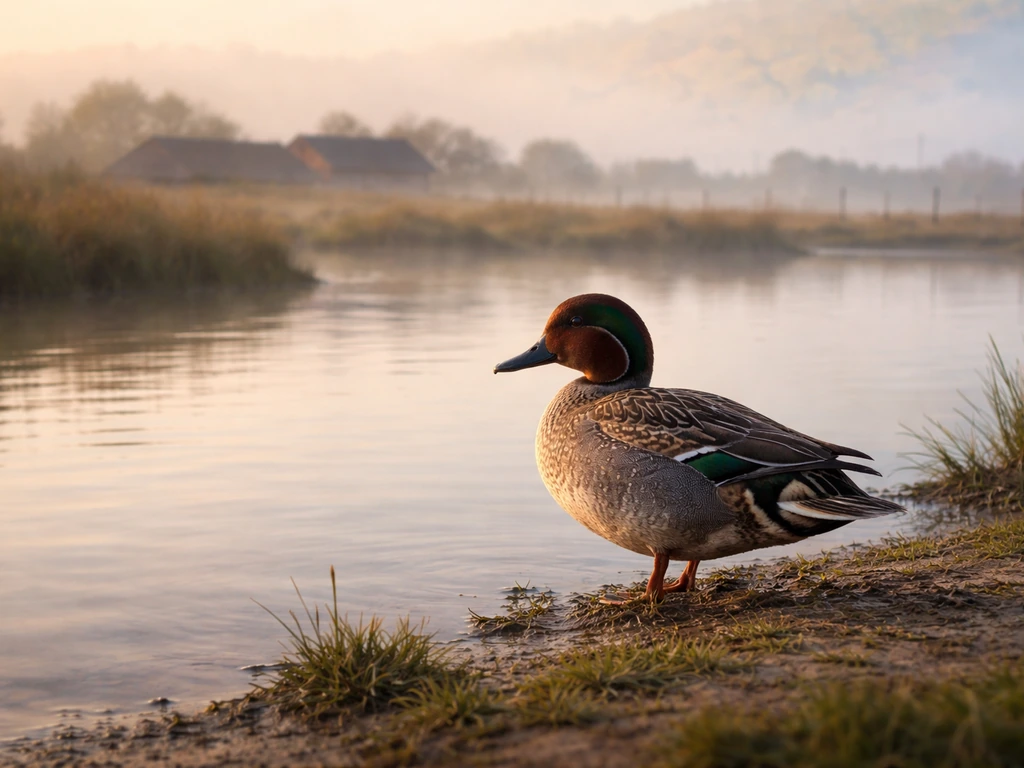
Avian influenza, or bird flu, is defined by the CDC as infection with avian (bird) influenza Type A viruses. These viruses evolved primarily in wild waterfowl and have spread into domestic poultry populations. The most concerning subtypes for human health right now are H5N1, H5N2, H5N8, and H7N9. Of these, H5N1 has received the most global attention because of its relatively high fatality rate in confirmed human cases and because it has been found in dairy cattle herds in the United States since early 2024.
Avian influenza viruses are classified as either low pathogenicity (LPAI) or high pathogenicity (HPAI), based on how severely they affect birds, not necessarily how dangerous they are to humans. HPAI H5N1 is the current dominant strain in global bird populations and is the one responsible for recent human infections in farm workers. The WHO is clear that this virus mainly affects birds but can also infect mammals, including humans, when exposure is close and direct. That is a different transmission profile from seasonal flu entirely.
A question that comes up often is whether bird flu and seasonal flu overlap or whether one is just a worse version of the other. If you want the direct comparison, there is a solid breakdown of whether bird flu is worse than regular flu that covers severity, hospitalization rates, and mortality data side by side.
One more important distinction: bird flu is not related to coronaviruses. Both have caused pandemic concern in recent years, but they are completely different virus families. If that comparison is something you have wondered about, the question of whether bird flu is a coronavirus is answered clearly and the structural differences between the two virus families are explained in detail.
Symptoms: what bird flu looks like in humans vs poultry
In humans

Human infections with avian influenza A viruses can range from mild to severe, and the symptom picture overlaps significantly with seasonal flu, which is why exposure history is so critical. Common early symptoms include fever (often high, above 38°C/100.4°F), cough, sore throat, muscle aches, and fatigue. Some people also develop conjunctivitis (eye redness and irritation), which is less common in seasonal flu and can be a useful clue if you had bird contact. In more severe cases, illness can progress to pneumonia, acute respiratory distress, and multi-organ failure. The H5N1 strain has historically had a higher rate of severe disease and death compared to seasonal flu, though many mild infections may go undetected and unreported.
The progression timeline in severe cases tends to be faster than typical seasonal flu. Many patients who developed serious illness from H5N1 reported rapid deterioration within days of onset. That said, recent human cases in the United States, particularly among farm workers exposed to infected dairy cattle, have been milder on average, with conjunctivitis being a prominent feature. So the presentation is variable depending on the strain and the person's overall health.
In poultry and birds
Knowing what sick birds look like is practical information if you work with poultry or found a dead or dying bird. Signs of HPAI in chickens, turkeys, and other domestic birds include sudden death (sometimes with no prior symptoms in HPAI), swollen head and neck, blue or purple discoloration of the comb and wattles, neurological symptoms like twisting of the head and neck, diarrhea, and a sudden sharp drop in egg production. In wild waterfowl, birds may appear disoriented, unable to fly, or found dead in unusual numbers. Stumbling, circling, or head tremors in birds that are still alive are red flags.
If you see these signs in a backyard flock or on a farm, do not handle the birds without protection. Report immediately to your state veterinarian or the USDA Animal and Plant Health Inspection Service (APHIS) hotline. Do not wait to see if things improve.
How bird flu spreads vs how seasonal flu spreads
This is one of the most important practical differences between the two, and getting it right matters for how you assess your own risk.
| Feature | Seasonal Human Flu | Avian Influenza (Bird Flu) |
|---|
| Primary host | Humans | Birds (wild and domestic) |
| Main transmission route | Respiratory droplets between people | Direct contact with infected birds or their secretions/droppings |
| Human-to-human spread | Efficient and common | Rare; not sustained community spread as of April 2026 |
| Contaminated surfaces | Can survive hours on hard surfaces | Virus present in droppings, feathers, contaminated water, equipment |
| Food-related transmission | Not a meaningful route | Raw or undercooked poultry/eggs from infected flocks (properly cooked food is safe) |
| Airborne spread | Yes, in enclosed spaces | Possible in close contact with infected birds in enclosed settings |
| Incubation period | 1 to 4 days | 2 to 5 days, sometimes up to 14 days |
Seasonal flu spreads primarily when an infected person coughs, sneezes, or talks near others. It does not require animal contact. Avian influenza, by contrast, typically requires close, direct contact with infected birds, their droppings, saliva, or nasal secretions, or with contaminated surfaces in environments where infected birds have been present. The virus can also be found in unpasteurized milk from infected dairy cattle, which became a documented exposure route in the U. Cleveland Clinic Health Essentials also flags concerns about raw, unpasteurized milk and notes that pasteurized milk is considered safer unpasteurized milk from infected dairy cattle. S. in 2024. Sustained human-to-human transmission of avian influenza A has not been established as of April 2026, which is why it remains a serious concern rather than an active pandemic.
People often wonder whether the relationship between these viruses means one can turn into the other, or whether having had seasonal flu offers any protection against bird flu. The article on whether influenza A is the same as bird flu addresses those questions in more depth, including what cross-immunity research currently shows.
If you think you were exposed: what to do right now
First, assess your exposure honestly. Have you been in close contact with live or dead birds (wild or domestic) in the past two weeks? Have you visited a farm, poultry market, or environment where birds were present? Have you consumed unpasteurized dairy products? Have you had contact with someone known to have avian influenza? If the answer to all of these is no, and you have flu symptoms, you almost certainly have seasonal flu. See your primary care provider and follow standard flu guidance.
If you have had any of the exposures above and now have flu-like symptoms or eye irritation, take these steps:
- Call your doctor or local health department before going in person. Tell them about your potential bird or animal exposure specifically. This allows them to prepare and use proper precautions.
- Avoid contact with other people as much as possible while you wait for guidance. Do not go to a crowded emergency room without calling first.
- Monitor your temperature. A fever above 100.4°F (38°C), especially combined with respiratory symptoms or eye redness after bird exposure, is the combination that warrants urgent medical evaluation.
- Do not try to self-diagnose with a standard home flu test. Home rapid antigen tests cannot differentiate between avian and human influenza A subtypes.
- If symptoms are severe (difficulty breathing, chest pain, confusion, lips or face turning blue), call 911 or go to the emergency room immediately and tell them about your exposure history on arrival.
- Antiviral treatment with oseltamivir (Tamiflu) is recommended for suspected avian influenza cases and works best when started within 48 hours of symptom onset, so do not delay seeking care.
If you are a poultry or dairy farm worker who was recently part of an outbreak response or worked around sick animals, your state health department may already be conducting monitoring. Check whether you have been contacted as part of that effort, and proactively report any symptoms even if mild.
Prevention: what actually works for households and farms
For households and the general public
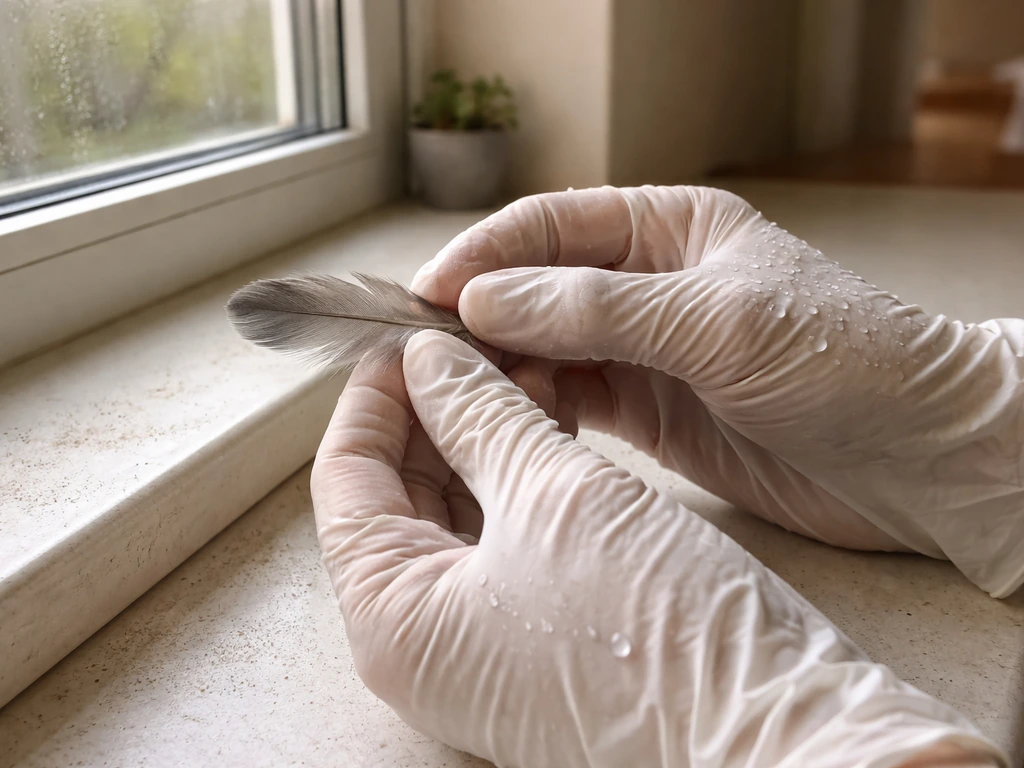
For most people, the risk of bird flu is genuinely low, but there are straightforward steps that reduce it further. Avoid handling wild birds, especially if they appear sick or are found dead. If you do need to move a dead bird (say, from your yard), use gloves and a plastic bag and wash your hands thoroughly afterward. Do not let children handle wild birds.
Food safety is simpler than people think. Cook poultry to an internal temperature of at least 165°F (74°C) and eggs until both yolk and white are firm. Properly cooked food from even an infected flock is safe to eat. The virus is heat-sensitive and does not survive proper cooking. Avoid unpasteurized (raw) milk and dairy products, which have been an identified exposure route in the current U.S. H5N1 situation.
- Wash hands with soap and water after contact with any birds, poultry, or animals
- Avoid touching your eyes, nose, or mouth after being in environments where birds are present
- Do not consume unpasteurized milk or raw or undercooked poultry and eggs
- Keep backyard poultry separated from wild birds as much as possible
- Get your annual seasonal flu vaccine: it will not prevent bird flu, but it reduces the chance of simultaneous seasonal flu infection, which can complicate any clinical picture
For poultry workers and farmers: biosecurity first

If you work with poultry or on a dairy farm, biosecurity is your most effective tool. The USDA's biosecurity recommendations include limiting farm access to essential personnel only, requiring dedicated footwear and clothing for barn entry, cleaning and disinfecting equipment between uses, and preventing wild birds from accessing poultry housing and feed. Quarantining new or returning birds before integrating them into a flock is also critical.
Personal protective equipment (PPE) matters when handling potentially infected animals. At minimum, wear gloves, eye protection, and a well-fitting respirator (N95 or better) when working around sick birds or during depopulation events. Disposable coveralls and boot covers add another layer of protection. Shower and change clothes before leaving a farm site during an active outbreak.
Vaccines: what is available and for whom
As of April 2026, there is no widely available approved bird flu vaccine for the general public in the United States. The seasonal influenza vaccine does not protect against avian influenza A strains like H5N1. The U.S. government has developed candidate vaccines for H5N1 and maintains stockpiles, but these are not currently recommended for routine public use. They are intended for deployment if sustained human-to-human transmission were to develop.
What the seasonal flu vaccine does accomplish is protecting you against the circulating human influenza A and B strains. Getting it every year is still absolutely worth doing, both for your own health and because it reduces the chance of a person being infected with both a human and an avian flu strain simultaneously, which is the scenario public health officials are most concerned about from a pandemic evolution standpoint. Some states and the CDC have at times offered antiviral prophylaxis (preventive oseltamivir) for farm workers with high-risk exposures, so check with your local health department if you work in an affected area. CDC (Yellow Book) recommends antiviral treatment for all suspected cases of human infection with avian influenza viruses antiviral prophylaxis (preventive oseltamivir).