
Bird flu is worse than regular flu in one critical way: if you actually catch it, your odds of dying are dramatically higher. The H5N1 strain of bird flu carries a case fatality rate above 50% in reported human cases since 1997, and WHO data puts it even higher at around 66% for H5N1 and 61% for H5N6 based on confirmed cases reported globally. Regular seasonal flu, by contrast, kills less than 1% of those infected in most years.
Is Bird Flu Worse Than Regular Flu? Human Risks Compared

Sarah Chen
31 May 2026
But here is the part that matters just as much: bird flu is extraordinarily hard to catch. No sustained human-to-human transmission has ever been documented. So while bird flu is far deadlier per infection, seasonal flu actually kills more people overall because it spreads so efficiently. Whether bird flu is "worse" depends entirely on which lens you use.
How severity is actually measured
When public health agencies compare flu strains, they look at several overlapping measures: symptom severity, how quickly illness progresses, hospitalization rates, ICU admission rates, and case fatality rate (CFR, meaning the proportion of confirmed cases who die). No single number tells the whole story, which is part of why bird flu comparisons can be so confusing.
Seasonal flu: widespread but manageable for most
Seasonal influenza causes a familiar pattern: fever, body aches, cough, fatigue, and sometimes gastrointestinal symptoms. The CDC's FluSurv-NET data for the 2024-25 season reported 127. CDC describes its approach for classifying seasonal influenza severity each season using thresholds based on multiple surveillance indicators, including laboratory-confirmed influenza-associated hospitalization rates from FluSurv-NET and other measures such as ILI and deaths [FluSurv-NET data](https://www. cdc.
gov/flu/php/surveillance/index. html). 1 hospitalizations per 100,000 people, which was a high-severity season by historical standards. Across all seasons, older adults and people with chronic conditions face the highest risk of hospitalization and death.
The annual U. S. death toll from seasonal flu typically runs into the tens of thousands, not because the virus kills efficiently per case, but because it infects tens of millions of people.
Bird flu in humans: rare but brutal
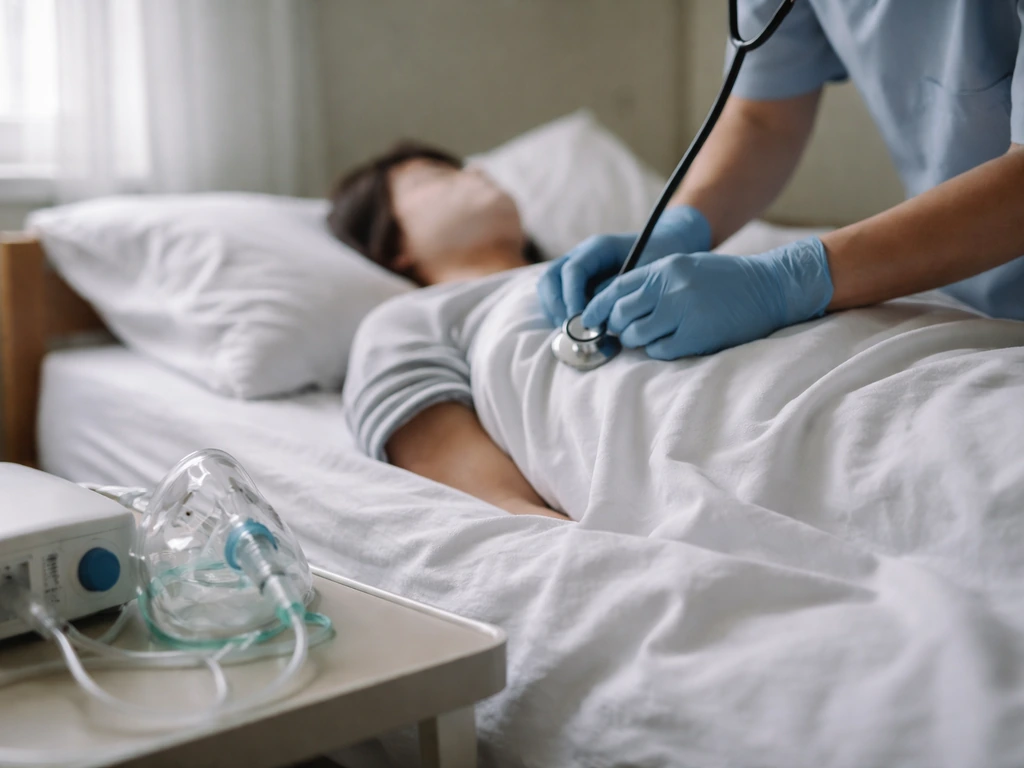
Human H5N1 infection typically starts with fever and cough within two to five days of exposure, then progresses rapidly to lower respiratory disease, pneumonia, and in severe cases, acute respiratory distress syndrome (ARDS). The ECDC describes this as a swift deterioration that can unfold within days. One distinctive feature of recent U. S.
H5N1 cases is that eye redness and conjunctivitis have been prominent early symptoms, sometimes appearing just one to two days after exposure. CDC also notes that H5N1 tends to replicate at higher levels and for longer in the lower respiratory tract compared with seasonal flu, which helps explain why it is so hard to survive once it takes hold.
Severity data may even undercount milder cases, since people with mild symptoms are less likely to seek testing, meaning the true CFR could be somewhat lower than the reported figures.
| Metric | Seasonal Flu | Bird Flu (H5N1) |
|---|---|---|
| Case fatality rate | Less than 1% in most seasons | Greater than 50% in reported cases; ~66% per WHO WPRO |
| Typical symptom onset | Fever, cough, body aches, fatigue | Fever, cough, progressing rapidly to pneumonia; eye symptoms common in recent U.S. cases |
| Speed of progression | Days to weeks, most recover | Can deteriorate within days to ARDS |
| Annual U.S. hospitalizations | 127.1 per 100,000 (2024-25 season) | Extremely rare; sporadic cases only |
| Human-to-human transmission | Efficient and sustained | Not sustained; no documented ongoing chains |
Bird flu vs COVID-19: how the risks stack up
This comparison is useful because COVID-19 showed the world what happens when a novel respiratory virus achieves efficient human-to-human spread. Bird flu H5N1 has a much higher CFR than COVID-19 had even at its worst, but COVID-19 spread globally because it passed easily between people. H5N1 has not done that. The pandemic risk scenario public health experts genuinely worry about is H5N1 acquiring mutations that enable sustained transmission, at which point its lethality could make it far more catastrophic than COVID-19. For now, though, an average person's real-world risk of catching bird flu is essentially zero compared with the near-certainty of COVID-19 exposure during active surges.
Who faces the most risk from bird flu today? People with direct, unprotected exposure to infected poultry, livestock, or contaminated environments, particularly poultry workers, dairy farm workers, and veterinarians. OSHA has specifically flagged these groups as having the highest occupational exposure risk, including after H5N1 was detected in U.S. dairy cattle herds starting in 2024. For the general public without those exposures, the day-to-day risk from bird flu remains very low.
Bird flu vs swine flu: different problems
Swine flu (H1N1, the 2009 pandemic strain) sits on the opposite end of the spectrum from H5N1. The 2009 H1N1 virus spread rapidly person-to-person around the world, triggering a pandemic, but its CFR was actually lower than typical seasonal flu in many populations. It was particularly dangerous for younger adults and pregnant women, unlike seasonal flu, which hits the elderly hardest.
Bird flu H5N1 flips that equation: it spreads poorly between humans but kills more than half of those who are confirmed infected. Unlike seasonal influenza A, influenza A bird flu typically spreads poorly between humans but can be far more deadly when it infects people H5N1. Swine flu was a transmissibility problem. Bird flu is a lethality problem.
If H5N1 ever gained the transmissibility of the 2009 H1N1, the consequences would be in a different category altogether.
| Characteristic | Bird Flu (H5N1) | Swine Flu (H1N1 2009) | Seasonal Flu |
|---|---|---|---|
| Human-to-human spread | Not sustained | Efficient; caused pandemic | Efficient; annual epidemics |
| Case fatality rate | >50% in confirmed cases | Lower than typical seasonal flu | Less than 1% most seasons |
| Highest-risk group | People with animal/farm exposure | Younger adults, pregnant women | Older adults, immunocompromised |
| Global spread potential | Low currently; pandemic risk if mutated | High; demonstrated in 2009 | High; annual circulation |
Transmission routes and why they change everything
Understanding how bird flu spreads explains why the death rate is so high but the total number of human cases is so low. WHO is clear that the primary risk for human infection with avian influenza is direct exposure to infected live or dead animals, or to environments heavily contaminated with infected droppings or secretions, such as live bird markets. You do not catch bird flu by walking past someone with it.
You do not catch it from properly cooked poultry or eggs. The handful of cases where very limited person-to-person transmission might have occurred all involved prolonged, close, unprotected contact with a severely ill person. No sustained chains of transmission have ever been documented, and contact tracing of U. S.
and global cases consistently fails to find additional cases among contacts.
This transmission barrier is the single biggest reason why bird flu has not become a mass-casualty event despite its terrifying CFR. It is also why the question of whether it is "worse" than regular flu depends on context. For a poultry farmer handling sick birds without PPE, the exposure risk is real and the consequences of infection are severe. For someone in a city with no animal contact, the practical risk today is negligible.
It is worth noting that some related questions, like whether influenza A is the same as bird flu, involve important distinctions. Bird flu strains are a subset of influenza A viruses, but not all influenza A is bird flu. In particular, influenza A viruses such as H5N1 are the strains most people mean when they compare influenza A vs bird flu. Seasonal flu also includes influenza A strains, which is part of why the naming gets confusing.
Red flags, high-risk groups, and what to do after exposure
If you have had direct contact with sick or dead poultry, wild birds, livestock (including dairy cattle), or a known infected environment in the past 10 days, pay close attention to your health. CDC recommends monitoring for symptoms starting from the first day of exposure through 10 days after the last exposure.
Symptoms to watch for
- Eye redness or discharge (conjunctivitis), which can appear within 1-2 days of exposure
- Fever (often above 38°C / 100.4°F)
- Cough, sore throat, or runny nose
- Muscle aches and fatigue
- Shortness of breath or difficulty breathing, which is a serious warning sign requiring immediate care
- In some cases, diarrhea or vomiting
Who is at highest risk
- Poultry workers and farm workers with direct animal contact
- Dairy farm workers, particularly those working with sick cattle
- Veterinarians and wildlife biologists handling wild birds or livestock
- Healthcare workers caring for confirmed or suspected H5N1 patients without adequate PPE
- People with underlying medical conditions, since these groups also face worse outcomes from seasonal flu and are more likely to qualify for post-exposure antiviral prophylaxis
What to do right now if you are concerned
- Contact your healthcare provider or local health department immediately if you have had animal exposure AND develop any symptoms listed above. Do not wait.
- Tell your doctor specifically about the exposure: what animal, what level of contact, when it happened, and whether you used any protective equipment.
- Antiviral treatment with oseltamivir (Tamiflu) should be started as soon as possible if bird flu is suspected; timing matters significantly for outcomes.
- Post-exposure prophylaxis (preventive antivirals) may be considered for high-risk exposures, particularly within the first two days, based on clinical judgment and exposure type.
- Self-monitor for 10 days after your last exposure and stay home from work if symptoms develop.
Practical prevention steps for today
For the general public
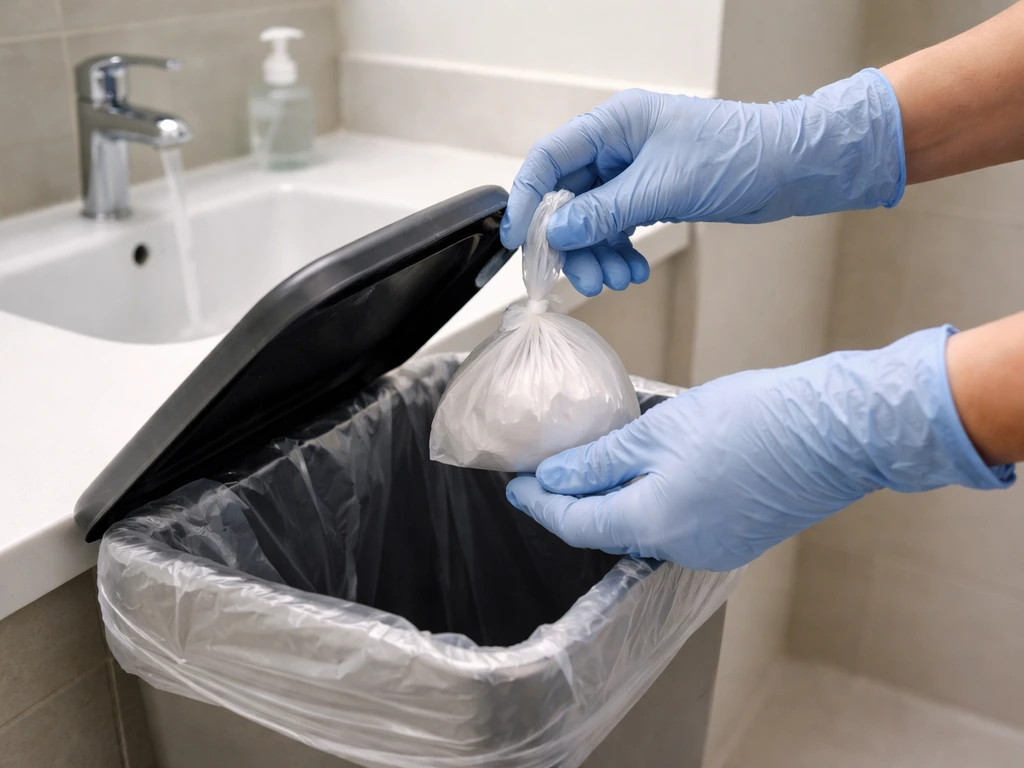
- Avoid touching sick or dead birds, including wild birds, with bare hands
- Do not visit live bird markets in areas with active outbreaks if you can avoid it
- Cook poultry to an internal temperature of at least 74°C (165°F) and cook eggs until both the white and yolk are firm; properly cooked food does not transmit avian influenza
- Wash hands thoroughly with soap and water after any contact with birds or poultry products
- Get your annual seasonal flu vaccine; it will not protect you from H5N1, but it reduces your overall flu burden and lowers the theoretical risk of co-infection with both strains simultaneously
For farm and agricultural workers
- Wear appropriate PPE when working with poultry or livestock: gloves, eye protection (goggles or face shield), an N95 respirator or higher, and protective clothing
- Do not handle sick or dead birds without full PPE; report sick animals to your supervisor and local animal health authorities
- Shower and change clothes after working in animal areas before going home
- Follow your farm's biosecurity protocols strictly, including vehicle decontamination and restricting visitor access during active outbreaks
- Know your local public health contact in advance so you are not scrambling to find it if you think you have been exposed
On vaccines: what is and is not available
There is no publicly available, routinely recommended vaccine against H5N1 for humans. WHO does not recommend avian influenza vaccination as a routine measure. Candidate vaccines exist and are being developed under pandemic preparedness frameworks, but they are not something you can get at a pharmacy today. The annual seasonal flu shot does not provide protection against H5N1. This is an important gap to be honest about: personal protection right now relies almost entirely on avoiding exposure and using appropriate PPE if exposure is unavoidable.
Quick checklist: what to do if you are worried today
- Assess your actual exposure risk: have you had direct contact with birds, poultry, livestock, or known contaminated environments in the past 10 days?
- If yes and you have symptoms: call a healthcare provider now, mention the exposure explicitly, and ask about oseltamivir treatment.
- If yes but no symptoms yet: begin symptom monitoring daily for 10 days after last exposure and contact your local health department to report the exposure.
- If no direct animal exposure: your risk from bird flu is extremely low; focus on standard seasonal flu precautions and the annual flu vaccine.
- Stay informed through CDC and WHO updates if you live or work in an area with active H5N1 detections in animals.
FAQ
If bird flu has a higher death rate, why do people still say regular flu kills more overall?
For most people, “worse” in the everyday sense is usually not about lethality, it is about likelihood of infection. Bird flu currently spreads poorly between people, so unless you have poultry or livestock exposure, your chance of catching it is far lower than the chance of getting seasonal flu during flu season.
What symptoms matter most if I might have been exposed to bird flu, and how do I know it is not just regular flu?
Look for a combination of severe lower-respiratory symptoms, fast worsening over a few days, and any relevant exposure in the prior 10 days. Because early symptoms can include eye redness or conjunctivitis, a single symptom like pink eye is not proof, but it is a reason to seek medical advice if exposure risk is present.
Can I catch bird flu from a family member who is sick with a “flu-like” illness?
Bird flu does not reliably spread through casual contact, but it can be riskier when there is prolonged, close, unprotected exposure to someone who is severely ill. If you are a household contact of a person suspected of bird flu, the safest move is to contact your local public health or a clinician for guidance rather than assuming you are automatically safe or automatically infected.
Why might the reported fatality rate for bird flu overstate the danger for everyone who gets infected?
Yes. The reported case fatality rate can look higher when mild or untested infections go undetected. If only the most severe cases are confirmed, the denominator is smaller, which can make fatality estimates rise compared with the true risk among all infections.
Does the regular flu shot protect against bird flu, and what can I do if there is no bird flu vaccine?
There is currently no routine, publicly available human vaccine for H5N1, and the seasonal flu shot does not protect against bird flu. If you are in a high-exposure job, the practical prevention stack is exposure avoidance, PPE use, and prompt medical evaluation after exposure rather than relying on vaccination.
After exposure, when should I start watching for symptoms and when should I seek care?
If you had direct contact with sick or dead poultry, wild birds, livestock, or a known contaminated environment, monitoring from the first day after exposure through 10 days after the last exposure is the key timeframe to follow. Even if symptoms feel mild at first, worsening respiratory symptoms within those days should be treated as urgent.
Is bird flu something I can get from eating poultry or eggs?
Properly cooked poultry and eggs are considered safe in terms of transmission, meaning you should not expect bird flu from eating food that is handled and cooked correctly. Food risk is not the same as exposure risk from handling animals or contaminated environments.
Who is actually at highest risk in real life, and how should I estimate my risk if I work around animals?
The occupational risk is highest for people with direct, unprotected contact with infected animals or contaminated settings, not for general office or community settings. If your work involves poultry, dairy farms, veterinary care, or handling wild birds, your risk assessment should be based on your specific tasks and PPE practices.
If I develop symptoms after exposure, what should I do first, and what details should I tell the clinician?
Do not wait for a test result if you develop significant symptoms after a high-risk exposure. Contact a clinician or urgent care early, mention the specific exposure date and type (for example, sick/dead birds, dairy cattle, live bird markets), and ask about targeted testing and infection control steps.
How could bird flu become more dangerous than regular flu in the future, and what would have to change?
If H5N1 ever gained sustained human-to-human transmission, the “worse” comparison would likely shift from lethality-per-case to widespread spread, which would raise overall deaths. Right now, the main public health concern is that a transmissibility change would transform the risk landscape.