Influenza A is not the same as bird flu, but bird flu is a type of influenza A. Think of it like this: influenza A is the broad category, and bird flu (avian influenza) is one specific group of strains within that category. So when you see a headline about "influenza A," it could be referring to a seasonal human flu, a bird flu, a swine flu, or something else entirely. The strain designation (like H5N1 or H7N9) is what tells you which virus you're actually dealing with and what the actual risk looks like.
Is Influenza A the Same as Bird Flu? Plus Swine Flu

Sarah Chen
15 May 2026
Influenza A vs bird flu: the direct answer

Influenza A is one of the four main types of influenza viruses (A, B, C, D). It's the only type responsible for flu pandemics, and it infects a wide range of animals including birds, pigs, horses, seals, and humans. Bird flu, also called avian influenza, refers specifically to influenza A viruses that primarily circulate in birds. So yes, bird flu is influenza A, but not all influenza A is bird flu. Influenza A and bird flu overlap in some cases, but bird flu specifically refers to avian influenza strains bird flu is influenza A. A seasonal flu shot protects against specific influenza A strains adapted to humans, not avian strains like H5N1.
To quickly clear up some of the common wording variants people search for: "Is avian influenza the same as bird flu?" Yes, completely interchangeable terms. "Is flu A the same as bird flu?" No. Flu A is the broader group; bird flu is a subset. "Is influenza A bird flu?" Only if the specific subtype is an avian strain. The label "influenza A" alone tells you the virus type, not its host adaptation or danger level. Influenza A vs bird flu is often confusing because “influenza A” is a broad virus type, while “bird flu” refers to specific avian-adapted influenza A strains.
How influenza A viruses are actually classified
Influenza A viruses are classified by two surface proteins: hemagglutinin (HA) and neuraminidase (NA). There are 18 known HA types (H1 through H18) and 11 known NA types (N1 through N11). The combination of these two gives you a subtype, written as H#N#. So A(H5N1) means influenza A with HA protein type 5 and NA protein type 1. That's the main bird flu strain that public health agencies have been tracking most closely. The CDC explains that “antigenic characterization” analyzes how a virus’s antigenic (immune-response) properties relate to other viruses to assess vaccine and immune protection (see CDC: Understanding Influenza Viruses) Understanding Influenza Viruses | Influenza (Flu) | CDC.
Beyond subtype, influenza A viruses are further broken down into lineages and then into genetic clades and sub-clades based on similarity in the HA gene sequence. This is why you'll see references to "clade 2.3.4.4b" in outbreak reports. For example, the HPAI A(H5N1) clade 2.3.4.4b viruses that emerged around 2020 spread rapidly via migratory birds into Africa, Asia, and Europe before eventually showing up in U. WHO states that during 2020, HPAI A(H5N1) clade 2.3.4.4b viruses arose and spread predominantly via migratory birds to parts of Africa, Asia, and Europe. S. dairy cattle. The clade number is essentially a genetic address that helps scientists track how a virus is evolving and spreading globally.
Among the influenza A subtypes that have caused human infections, A(H5N1) and A(H7N9) have been responsible for the most reported cases. Others including HPAI A(H5N6) and LPAI A(H9N2) have also caused human infections in recent years. HPAI stands for Highly Pathogenic Avian Influenza, which causes severe disease and very high mortality in infected poultry. LPAI (Low Pathogenic) typically causes mild or no obvious illness in birds. This distinction matters a lot when assessing outbreak severity.
Bird flu vs swine flu: what's actually different
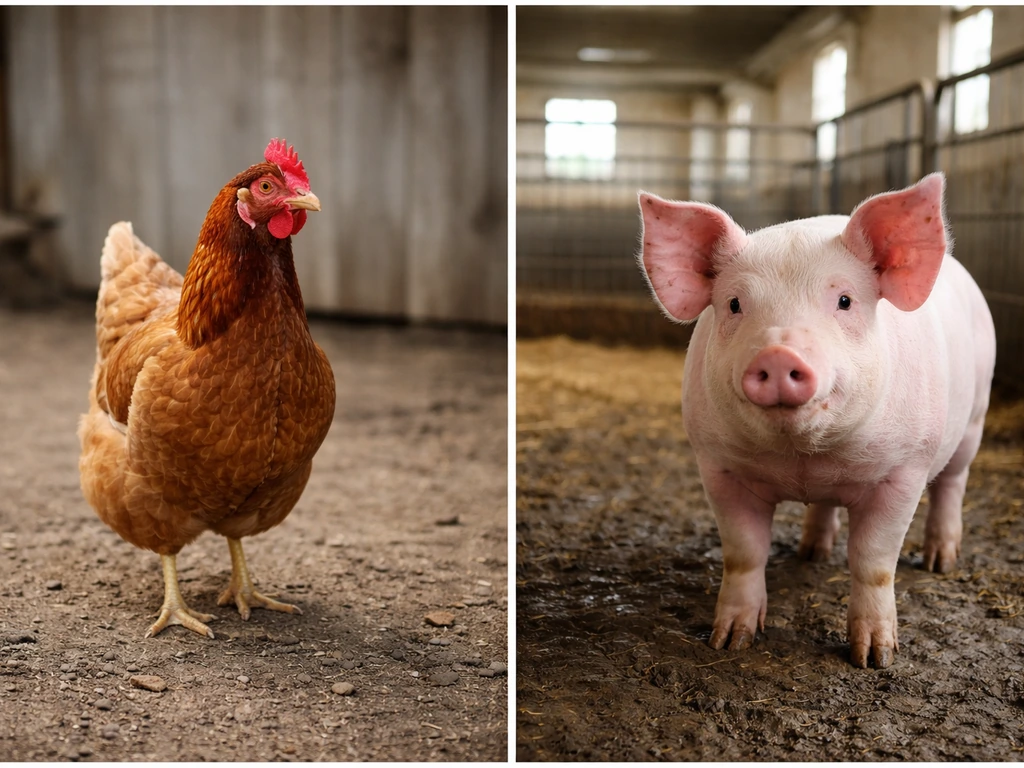
Both bird flu and swine flu are influenza A viruses, but they are adapted to different animal hosts and involve completely different subtypes. Swine influenza is a respiratory disease of pigs caused by influenza A viruses that regularly circulate in pig populations. The main swine influenza viruses circulating in U.S. pigs in recent years have been swine triple reassortant H1N1, H3N2, and H1N2 strains. When a person gets infected with one of these pig-adapted strains, it's called a "variant" influenza infection and is written with a "v" (for example, H3N2v).
So no, bird flu and swine flu are not the same thing. They share the influenza A label, but they involve different subtypes, different animal reservoirs, and different transmission routes. Bird flu risk for humans comes mainly from contact with infected birds or contaminated poultry environments. Swine flu risk for humans comes mainly from contact with infected pigs or environments like swine barns, especially at agricultural fairs.
CDC states that variant flu in people is usually after contact with infected pigs or surfaces and environments contaminated with swine influenza A viruses, such as a swine barn contact with infected pigs or environments like swine barns.
One important shared feature: in both cases, sustained human-to-human transmission has not been consistently documented, which is why neither has triggered a pandemic on its own (though the 2009 H1N1 pandemic involved a swine-origin virus that had already adapted to spread between people).
| Feature | Bird Flu (Avian Influenza) | Swine Flu (Variant Influenza) |
|---|---|---|
| Virus type | Influenza A | Influenza A |
| Primary host | Birds (wild and domestic poultry) | Pigs |
| Common subtypes in humans | H5N1, H7N9, H5N6, H9N2 | H1N1v, H3N2v, H1N2v |
| Main human exposure route | Infected birds, contaminated poultry environments | Infected pigs, swine barns/fairs |
| Human-to-human spread | Not sustained | Not sustained |
| Can labs distinguish from seasonal flu? | Only in specialized public health labs | Only in specialized public health labs |
| HPAI designation possible? | Yes (e.g., HPAI H5N1) | No (HPAI is specific to avian strains) |
What bird flu looks like in people and in poultry
Symptoms in people
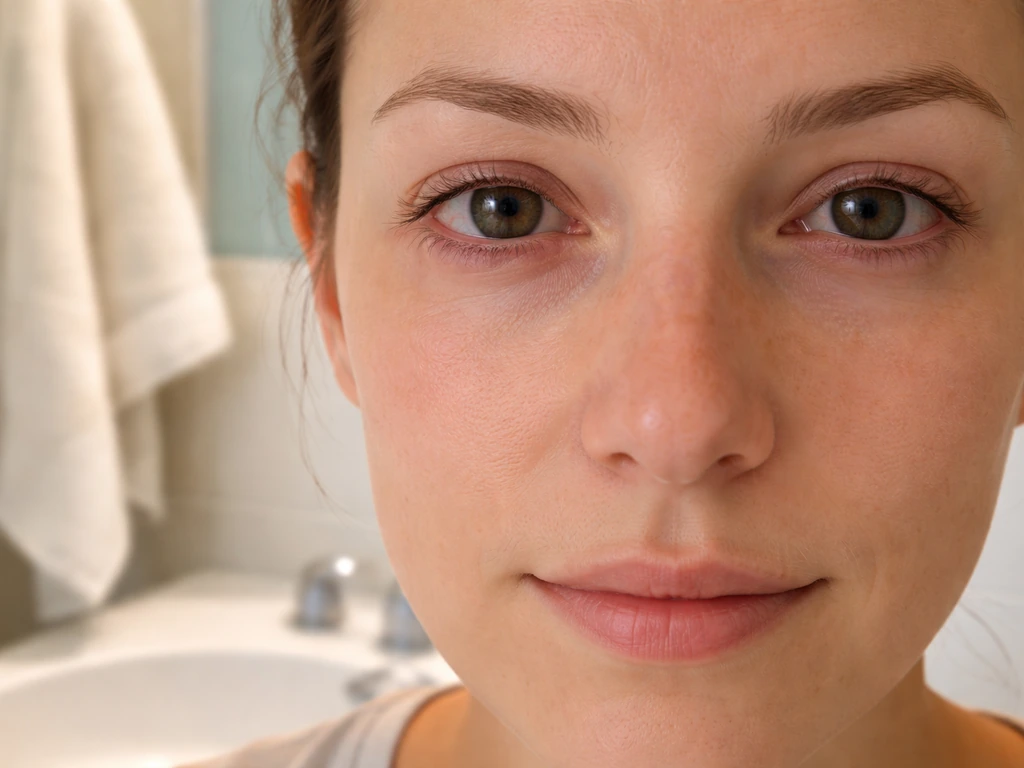
Among U.S. human cases of A(H5) bird flu, eye redness and irritation (conjunctivitis) has been the most commonly reported symptom, which is somewhat unusual compared to typical flu. Respiratory symptoms and fever have also been reported. Other symptoms that have shown up include cough, diarrhea, nausea, vomiting, and in more serious cases, shortness of breath or difficulty breathing. In H5N1 cases reported globally, WHO describes symptoms including high fever (above 38°C/100.4°F), muscle aches, cough, sore throat, and general feeling of illness. The tricky part is that clinicians can't tell bird flu apart from regular seasonal flu or other respiratory illnesses just by looking at symptoms. Specialized lab testing is required to confirm it.
Symptoms in poultry
If you keep chickens or other domestic birds, knowing what HPAI looks like in poultry is genuinely important. HPAI can kill nearly an entire flock within days, with mortality rates approaching 100%. Signs to watch for include difficulty breathing, diarrhea, sudden weakness or decreased activity, and swelling of the face and neck. A sudden, unexplained drop in egg production can also be an early warning sign. LPAI strains, by contrast, typically cause only mild respiratory signs or minor drops in egg production with low death rates. If you see rapid, unexplained deaths in your flock, especially combined with any of those signs, contact your state veterinarian or USDA APHIS immediately.
How bird flu spreads and who's actually at risk
The primary risk factor for getting bird flu is direct exposure to infected live or dead birds, or to environments contaminated with their saliva, mucus, or feces. This includes live bird markets, poultry farms during an outbreak, and even wild bird habitats in some cases. The CDC specifically advises against touching contaminated materials like litter or bedding from birds with confirmed or suspected avian influenza. Unprotected people who work with infected animals or contaminated materials are at the highest risk, which is why farm workers and poultry handlers need specific protections.
For the general public with no direct bird contact, the risk of catching bird flu is very low. blank" rel="noopener noreferrer">WHO and CDC both confirm that sustained human-to-human transmission of avian influenza viruses has not been identified. Very limited transmission between people in close household or healthcare contact might have occurred in rare documented instances, but this is not the normal pattern. The virus has not adapted to spread efficiently between people, which is what separates a zoonotic (animal-to-human) spillover event from a true human pandemic.
- Poultry farmers and agricultural workers during active HPAI outbreaks
- People who handle sick or dead wild birds without protective gear
- Workers at live bird markets
- Veterinarians and wildlife biologists working with infected animals
- Household members or healthcare workers with very close, unprotected contact with an infected person (rare)
Prevention: what to actually do at home and on the farm
For households and the general public
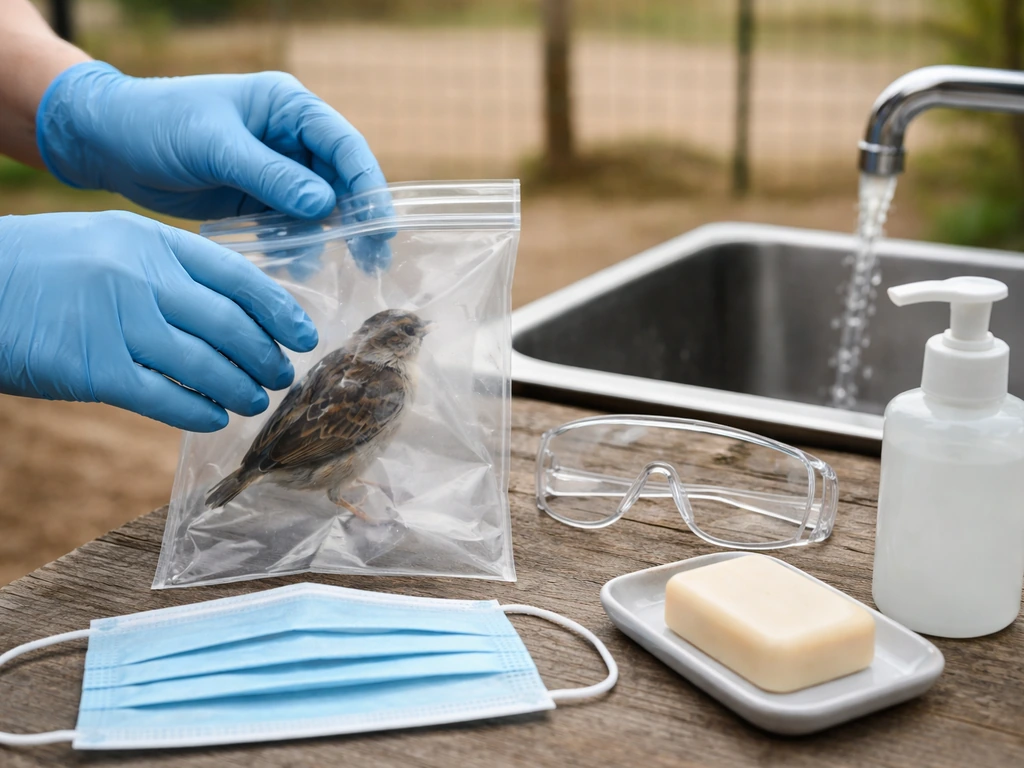
- Do not touch sick or dead wild birds with bare hands. If you need to move a dead bird, use gloves and a plastic bag.
- Wash hands thoroughly with soap and water after any contact with birds or poultry, live or dead.
- Keep backyard poultry away from wild birds and their droppings as much as possible.
- If you visit a farm, live bird market, or poultry operation during an outbreak, follow any posted biosecurity protocols and wash hands and change clothes before going home.
- Monitor your health for 10 days after any exposure to potentially infected birds and seek medical attention promptly if you develop symptoms.
Farm and flock biosecurity
- Restrict access to poultry houses. Require visitors to use biosecure footwear or boot covers, and provide hand sanitizer at entry points.
- Use dedicated clothing and equipment for each poultry house. Don't move tools between facilities without cleaning and disinfection.
- Prevent contact between domestic poultry and wild waterfowl, which are a major reservoir for HPAI viruses.
- Promptly report unusual illness or unexplained deaths in your flock to your state veterinarian or USDA APHIS.
- Workers with direct poultry contact during an active HPAI outbreak should wear recommended personal protective equipment including gloves, goggles, and respiratory protection.
- Follow USDA APHIS biosecurity guidance specific to your operation type, which is updated regularly during active outbreaks.
Is it safe to eat chicken and eggs? And when should you see a doctor?
Food safety and properly cooked poultry
Properly cooked poultry and eggs are safe to eat. Both WHO and CDC are clear on this: there is no evidence that avian influenza viruses can be transmitted to humans through properly prepared and cooked poultry or egg products. Cooking poultry to an internal temperature of 165°F (74°C) and cooking eggs until both the yolk and white are firm will kill avian influenza viruses. The key word is "properly cooked." Runny eggs or undercooked poultry carry broader food safety risks regardless of bird flu, so the standard advice to cook poultry thoroughly is both a bird flu precaution and a general food safety rule.
For commercially sold eggs and poultry products, the existing inspection and processing systems add additional layers of protection. FDA and USDA have conducted joint risk assessments for human health impact from HPAI during active outbreaks. As a practical matter, poultry from flocks with confirmed HPAI infection is not permitted to enter the food supply. This doesn't mean you should panic about store-bought products during an outbreak, but it does mean you should handle raw poultry with the same hygiene practices you always should: wash hands, use separate cutting boards, and cook to temperature.
When to seek medical help
If you've had direct exposure to birds or poultry suspected or confirmed to have HPAI, and you develop any flu-like symptoms within 10 days, seek prompt medical evaluation. Don't wait to see if it gets better on its own. CDC recommends that people in this situation be evaluated for possible influenza testing and antiviral treatment. The antiviral oseltamivir (Tamiflu) is the recommended treatment and works best when started as early as possible, ideally within 48 hours of symptom onset. WHO similarly recommends antivirals as soon as possible for patients with confirmed avian influenza infection who have progressive, complicated, or severe illness.
When you call or arrive at a medical facility, mention your exposure history clearly: what animals you were around, when, and for how long. This is critical because clinicians cannot distinguish bird flu from regular seasonal flu based on symptoms alone. Lab confirmation requires specialized testing that standard clinical labs don't run. Public health labs need to be involved. Emergency warning signs that require urgent care regardless of exposure history include difficulty breathing, persistent chest pain or pressure, confusion, and severe or persistent vomiting.
On the question of vaccines: as of May 2026, there is no widely available commercial vaccine for H5N1 for the general public. Candidate vaccines exist and have been developed for potential pandemic response use, but routine vaccination against bird flu is not currently recommended for the general population. Seasonal flu vaccination is still worthwhile because it protects against human-adapted influenza A and B strains, and staying current with your flu shot reduces the chance of co-infection with seasonal flu during an outbreak response. If your occupation puts you at elevated risk of bird flu exposure, check with your employer and local public health agency about any specific guidance or investigational vaccine programs that may be available.
FAQ
If my test says “influenza A,” does that automatically mean it is bird flu?
“Influenza A” is the virus type, and “bird flu” is an avian-adapted subset. If you only see “influenza A” on a lab report without the subtype (like H5N1) and specimen type, you should assume it is not automatically bird flu and wait for the subtype or confirmatory results.
Why can’t doctors just confirm bird flu with the same test used for regular flu?
Influenza A results can come from many settings, including seasonal flu surveillance and non-avian respiratory infections. Bird flu evaluation usually requires follow-up testing that identifies the specific subtype and subtype lineage, then routes the case to specialized public health or reference laboratories.
If symptoms start more than 10 days after bird exposure, should I still be evaluated for bird flu?
The 10-day window in the article is for people with confirmed or suspected HPAI exposure who develop symptoms. If you had exposure but symptoms start after that window, the chance of bird-flu-related illness is lower, but you should still seek care for any serious symptoms and tell the clinician about the exposure so they can decide what testing is appropriate.
If I have red eyes, does that mean I likely have bird flu instead of seasonal flu?
Conjunctivitis can be a clue, but it is not proof. Other flu viruses and even non-influenza infections can cause red eyes, so diagnosis still depends on lab confirmation and an exposure history consistent with avian contact.
How do clinicians decide when to test for bird flu if symptoms overlap with normal respiratory infections?
H5N1 and other avian strains can cause severe disease, but severity does not reliably correlate with how “sick” you feel right away. Because symptoms overlap with other respiratory illnesses, the decision to test and treat should be driven by exposure risk plus clinical severity, not just mildness early on.
What symptoms mean I should get urgent care even if I am unsure about avian exposure?
Staying home is reasonable for mild illness, but severe warning signs (trouble breathing, chest pain or pressure, confusion, or severe persistent vomiting) should trigger urgent care regardless of exposure history. For known bird-flu exposure, even non-severe symptoms merit prompt medical evaluation to discuss testing and antivirals.
What exposure details should I report to a clinician (farm vs. pet birds, household vs. workplace)?
If you had workplace or household exposure, consider it “relevant information” even if you did not directly handle birds. Tell the clinician about locations visited (farm, live bird market, barns), timing, and whether you had any contact with birds, manure, or contaminated bedding.
Does a seasonal flu shot protect me from bird flu in an outbreak?
Yes, but only in the specific sense that the seasonal vaccine contains influenza components that target human-adapted strains. It does not cover avian subtypes like H5N1, so it should not be framed as protection against bird flu specifically, even though it can reduce the chance of getting seasonal influenza during an outbreak response.
I work with chickens or poultry, what should I ask my employer or occupational health about?
If your job involves poultry, you may be told to follow additional workplace protocols even when community risk is low. Ask about respirators, eye protection, procedures for handling animals and carcasses, and what to do if workers develop symptoms after known exposure.
If cooking is safe, what is the main risk when handling raw poultry at home?
Cooked poultry and eggs are considered safe when properly prepared, and contamination risk mainly relates to raw handling. The practical difference is to prevent cross-contamination by washing hands and utensils after touching raw products, not to rely on cooking alone if hygiene is skipped.
If bird flu is mainly an animal-to-human spillover, do I still need precautions around sick household members?
Even if human-to-human spread is not consistently documented, it can still be appropriate to use standard precautions around someone who is sick. If you were exposed and develop symptoms, avoid close contact with others, follow facility instructions, and wear appropriate protection during caregiving, especially in healthcare or household settings.
If bird flu is suspected, should treatment start before test confirmation?
When bird flu is suspected, clinicians may prescribe antivirals and order specialized testing through public health channels. Getting treated early is important, and delays often reduce benefit, so contacting care promptly after symptom onset matters even before results return.
Next Article
Influenza A vs Bird Flu: Key Differences and Risk
Understand influenza A vs bird flu: how avian influenza differs, human risk, symptoms, testing, and prevention for peopl