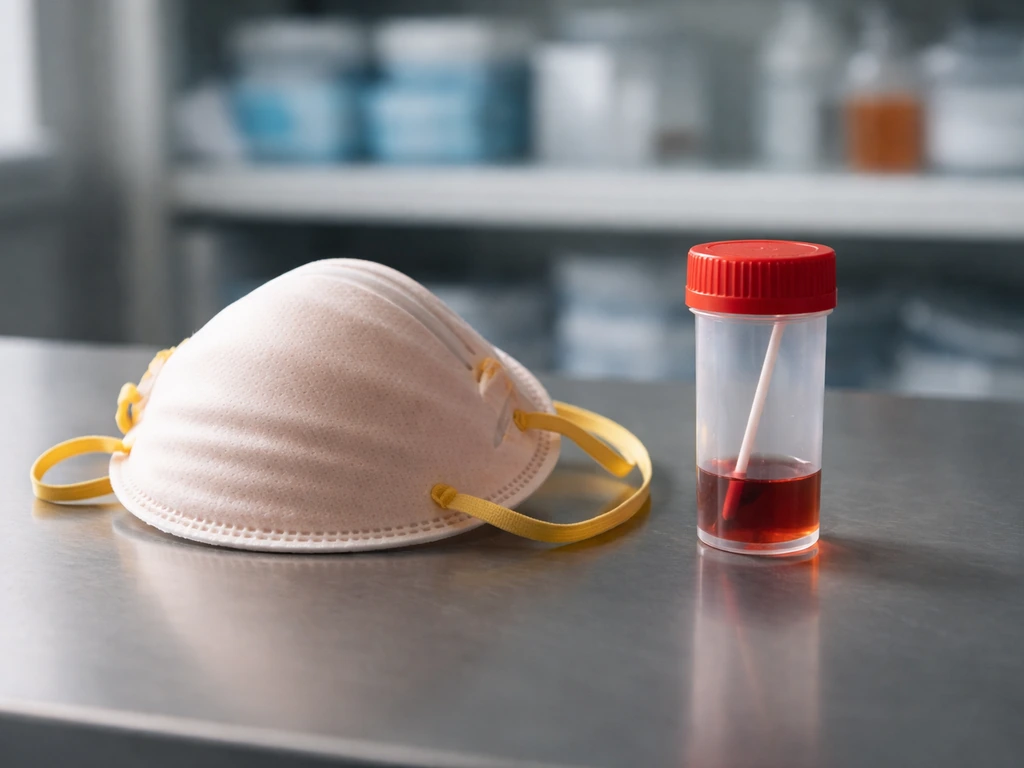
Bird flu is not a coronavirus. Bird flu is caused by avian influenza A viruses, which belong to the Orthomyxoviridae family. Coronaviruses (including SARS-CoV-2, which causes COVID-19) belong to a completely separate family called Coronaviridae. These are different virus types with different structures, different replication strategies, and different transmission patterns. The confusion is understandable because both can cause respiratory symptoms and both generate intense media coverage, but at the biological level they have nothing in common.
Is Bird Flu a Coronavirus? Key Facts, Symptoms, and Risk

Sarah Chen
2 Jul 2026

Why people mix up bird flu and coronavirus
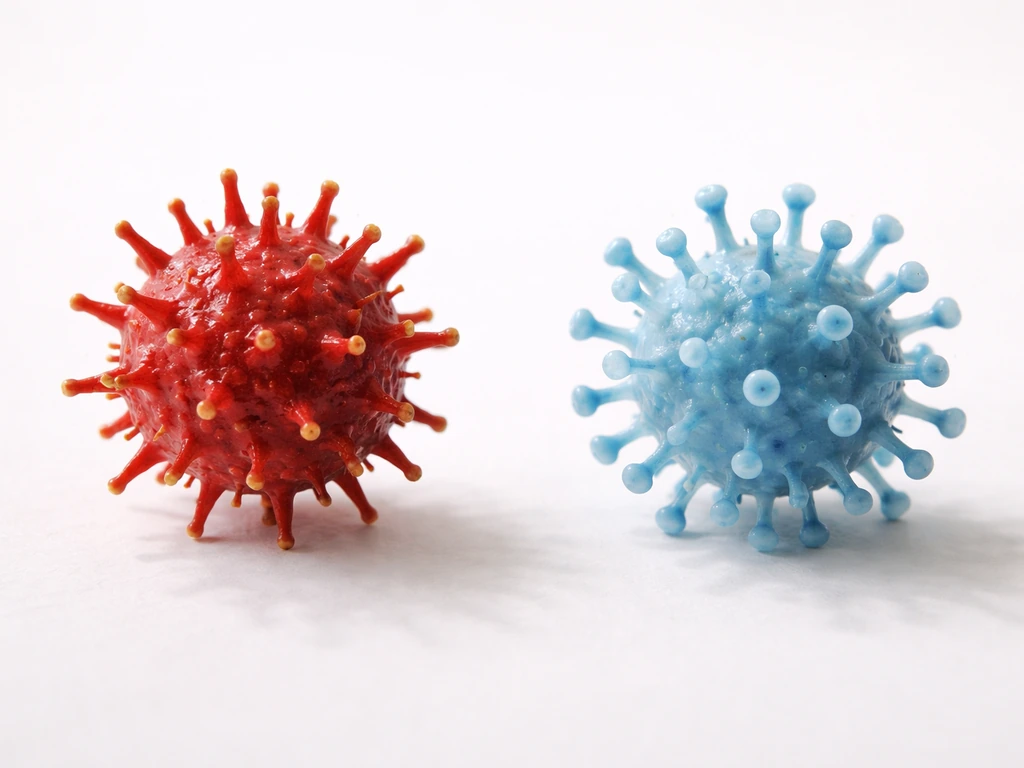
The conflation happens for a few reasons. Both viruses generate pandemic-level headlines. Both can cause fever, cough, and respiratory illness. And after living through COVID-19, many people have a mental shortcut that lumps every scary respiratory virus under the same umbrella. But the overlap is mostly superficial. Avian influenza A viruses share more in common with seasonal flu than with any coronavirus. Influenza A viruses in humans, such as seasonal flu and pandemic strains, are in the same influenza family, but that is different from the specific bird-flu situation. They replicate differently, they're treated differently (with antivirals like oseltamivir rather than COVID-specific treatments), and their typical transmission route from animals to humans involves direct or very close contact with infected birds or contaminated environments, not the kind of sustained human-to-human airborne spread that made COVID-19 a pandemic. Keeping that distinction clear actually matters for knowing what to worry about and what to do.
What actually causes bird flu and how it spreads
Bird flu is caused by avian influenza type A viruses, most notably the H5N1 subtype, which the WHO characterizes as a highly infectious respiratory pathogen in birds. The virus circulates primarily among wild aquatic birds and can spread rapidly through domestic poultry flocks. Bird-to-bird transmission happens through direct contact and through shared contaminated water, feed, or surfaces.
Human infections are relatively rare and almost always tied to specific exposure events. The CDC identifies two main routes: breathing in virus-laden droplets or dust while near infected birds, or touching a contaminated surface (think a coop floor, feeder, or soiled equipment) and then touching your eyes, nose, or mouth. The CDC explicitly flags saliva, mucus, and feces from infected birds as the key contaminated materials to avoid. This is a fundamentally different risk profile from a coronavirus like SARS-CoV-2, which spreads efficiently from person to person through respiratory droplets even without animal contact. Many people wonder whether bird flu is worse than regular flu, and the answer depends on severity and how easily the infection spreads is bird flu worse than regular flu. Sustained human-to-human transmission of bird flu has not been established.
Farm settings carry the highest risk. Poultry workers, backyard flock owners, and anyone handling sick or dead birds have meaningful exposure potential. The broader public, with no direct animal contact, faces a very low day-to-day risk.
Symptoms in people versus signs in poultry
What bird flu looks like in humans
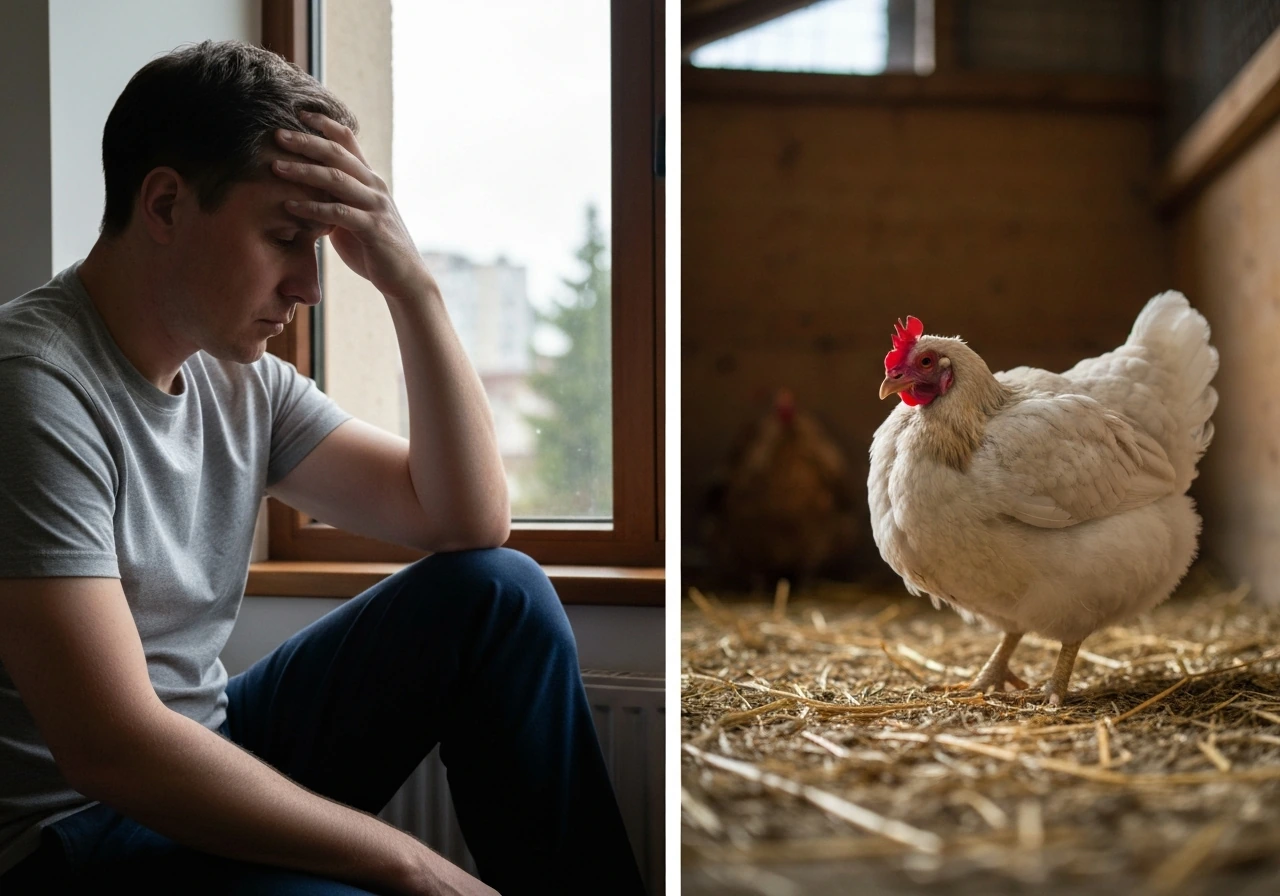
Human symptoms range widely. Mild cases can look like a standard flu: fever at or above 100°F (37.8°C), cough, and fatigue. More notable is that among recent U.S. cases of avian influenza A(H5), eye redness and irritation (conjunctivitis) has actually been the predominant symptom, which is different from what most people expect. In more severe cases, the WHO notes that illness can progress to pneumonia, severe respiratory disease, and in some situations death. The incubation period (the time from exposure to symptoms) is generally estimated at 3 to 5 days, though it can stretch to 7 to 10 days in some H5N1 cases. Eye symptoms specifically can appear within 1 to 2 days of exposure.
Signs of bird flu in poultry
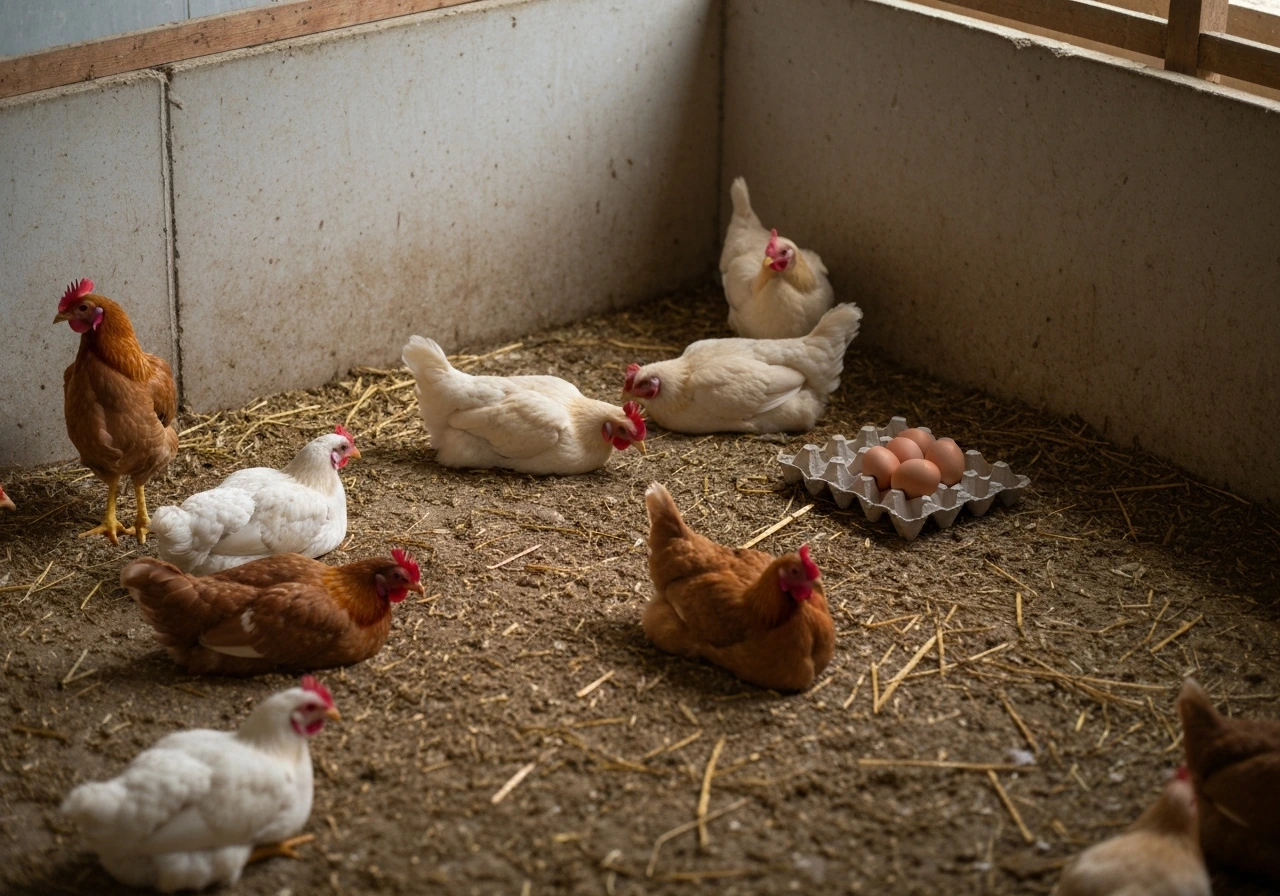
In birds, highly pathogenic avian influenza (HPAI) moves fast and hits hard. Watch for sudden, unexplained death in a flock, dramatic drops in egg production, birds that stop eating or drinking, swollen or discolored combs and wattles, respiratory distress (labored breathing, gasping), or neurological signs like lack of coordination. If you see these signs in your flock, contact your state veterinarian or USDA's emergency line immediately. Do not wait.
Your actual risk right now and what to do about it
For most people reading this, the practical risk of getting bird flu is low. You are not going to catch it by walking past a chicken at a farmers market or eating a cooked egg. The real exposure scenarios are specific: handling sick or dead birds (wild or domestic), working in a poultry facility with an active outbreak, visiting a live bird market, or coming into contact with environments heavily contaminated with bird droppings or secretions.
If you do have that kind of exposure and then develop symptoms (especially eye redness, fever, or respiratory illness), the CDC is clear: contact your local or state health department and seek prompt medical evaluation. If symptoms develop after exposure, the CDC advises seeking antiviral treatment with oseltamivir and coordinating with local or state health departments. This is different from COVID-era guidance, where most mild cases were managed at home with monitoring. With bird flu, if you meet the exposure criteria, you should be tested and evaluated quickly because the treatment window for antivirals matters.
The CDC also recommends that anyone with a known exposure to infected birds or animals monitor their health daily for symptoms and restart that monitoring period any time they have a new exposure event.
How to reduce your risk: households and farms
For households and backyard flock owners
- Do not touch sick, dead, or wild birds with your bare hands. Use gloves and dispose of them properly.
- Avoid touching your face after any contact with birds or their environments. Wash hands thoroughly with soap and water.
- Keep backyard flocks separated from wild birds as much as possible. Covered runs and netted areas help.
- If a bird in your flock shows signs of illness or sudden death, report it to your state veterinarian before attempting to handle carcasses.
- Avoid live poultry markets or areas with known active HPAI outbreaks if you are immunocompromised or have high-risk health conditions.
- Avoid raw or unpasteurized milk and dairy products. The FDA has flagged raw milk as a specific concern in the context of H5N1 in dairy cattle.
For farmers and poultry workers
Biosecurity is your first and most effective line of defense. USDA APHIS emphasizes dedicated footwear and a footbath to disinfect boots before entering and leaving any poultry area. Use EPA-registered disinfectants with label claims specifically covering avian influenza virus. WOAH (World Organisation for Animal Health) identifies movement restrictions, rigorous hygiene along the entire production and marketing chain, active surveillance, and minimizing environmental viral contamination as the pillars of HPAI control.
When working directly with potentially infected birds or contaminated environments, the CDC recommends a full personal protective equipment (PPE) setup: fluid-resistant coveralls, a waterproof apron, an N95 respirator or better, safety goggles or a face shield, a head cover, gloves, and boots. The logic is straightforward: you want to prevent virus transfer to your eyes, nose, or mouth both during exposure and when removing contaminated gear afterward. Proper doffing (removal) technique is just as important as putting PPE on correctly.
Is it safe to eat chicken, eggs, and poultry products?
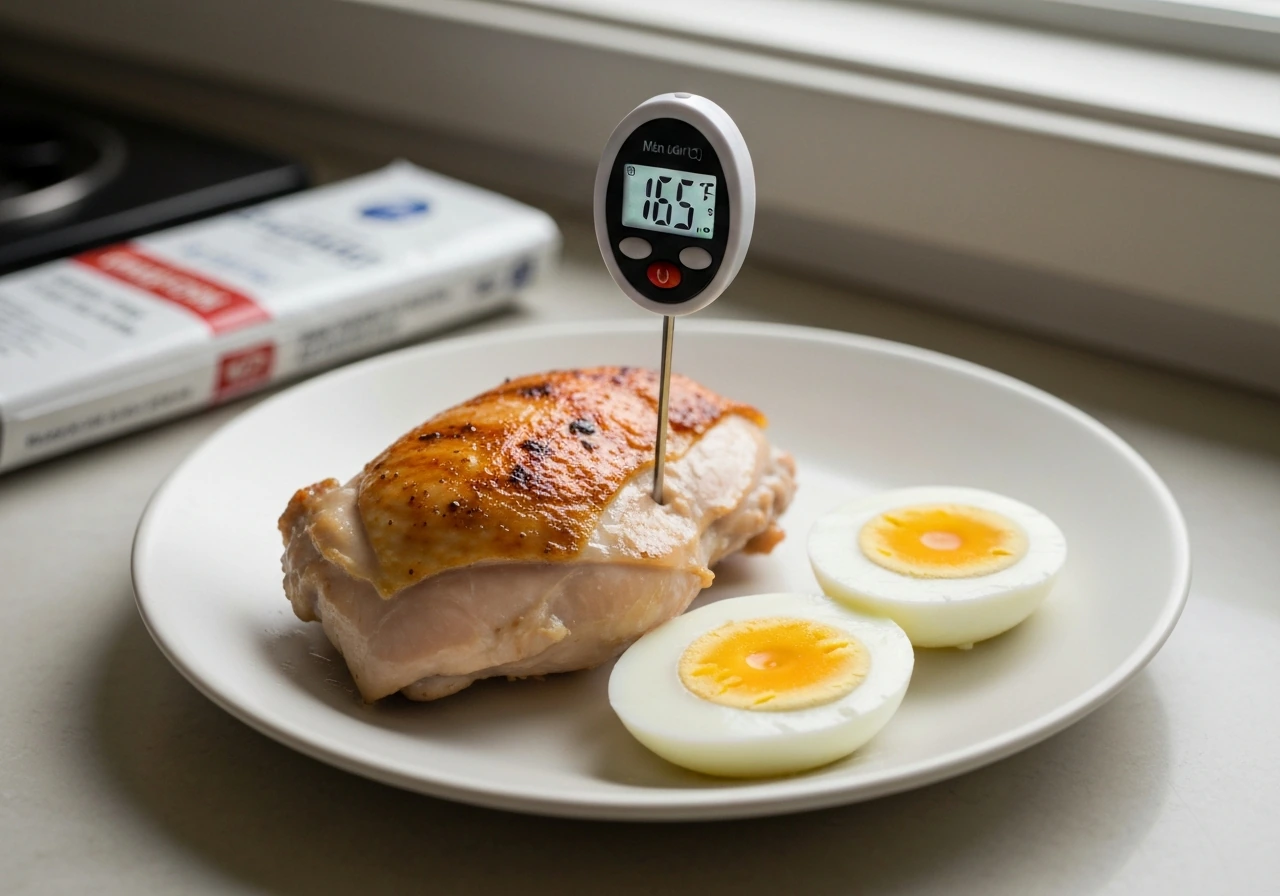
Yes, with proper cooking. The CDC and USDA are consistent here: cooking poultry and eggs to an internal temperature of 165°F (74°C) kills avian influenza A viruses along with other pathogens. There is no evidence that anyone in the U.S. has been infected with bird flu through properly handled and cooked poultry products. The FDA similarly states that properly prepared food is not a transmission route.
The risks are more nuanced with raw or undercooked products. Historical evidence from Southeast Asia has linked a small number of infections to consumption of uncooked poultry or poultry products. Avoid runny eggs and undercooked poultry during active outbreak periods. For kitchen hygiene, the USDA recommends cleaning cutting boards that have contacted raw poultry with a chlorine bleach solution.
The one category that deserves extra caution is raw (unpasteurized) milk. The FDA has specifically flagged unpasteurized dairy as a concern in the context of H5N1 circulation in dairy cattle herds. Stick to pasteurized dairy products.
| Food/Product | Safety Status | Key Requirement |
|---|---|---|
| Cooked poultry (chicken, turkey, duck) | Safe | Internal temp 165°F (74°C) |
| Cooked eggs | Safe | Internal temp 165°F (74°C); avoid runny yolks during outbreaks |
| Commercially processed poultry products | Safe | Proper handling and cooking |
| Pasteurized milk and dairy | Safe | Pasteurization neutralizes the virus |
| Raw/unpasteurized milk | Avoid | FDA flags this as a risk with H5N1 in dairy cattle |
| Raw or undercooked poultry | Avoid | Virus not inactivated below 165°F |
Testing, treatment, and vaccines: where things stand
Getting tested and diagnosed
If you have relevant exposure and symptoms, your clinician can collect multiple specimen types for testing. For patients with both respiratory symptoms and conjunctivitis, the CDC recommends conjunctival swabs plus nasopharyngeal swabs plus combined nasal/oropharyngeal swabs, each in separate transport media. In severe respiratory illness, lower respiratory tract specimens (endotracheal aspirate, bronchoalveolar lavage, or induced sputum) have higher diagnostic yield for H5N1 and H7N9. Testing is coordinated through state health departments and the CDC.
Treatment with antivirals
The primary treatment is oseltamivir (Tamiflu), which the CDC recommends because it has the most human data among antivirals used for bird flu. For outpatients who meet exposure criteria and develop influenza-compatible illness or conjunctivitis, the CDC recommends prompt evaluation, testing, and empiric oseltamivir at twice-daily dosing for 5 days. For hospitalized patients, treatment should start as soon as possible regardless of how long it has been since symptom onset. Post-exposure prophylaxis (preventive treatment for exposed persons before symptoms develop) is also part of the CDC's interim guidance. This antiviral approach is distinct from COVID-19 treatment, which uses different drug classes.
Vaccines: what exists and what's realistic
There is no bird flu vaccine recommended for the general public right now. What does exist is a targeted preparedness infrastructure. The FDA has approved an H5N1 monovalent adjuvanted vaccine called AUDENZ for people 6 months and older who are at increased risk of exposure to the H5N1 subtype. This is a stockpile and occupational-risk tool, not a mass-vaccination campaign. The CDC also prepares candidate vaccine viruses (CVVs) from novel avian influenza strains with pandemic potential, which are designed to be effective against currently circulating H5N1 viruses in birds and poultry. Additionally, mRNA vaccine platforms targeting the current H5N1 clade (2.3.4.4b) are in research and development, mirroring the technology used in COVID-19 vaccines, though these are not yet widely deployed. The short version: a vaccine pathway exists, it's being actively developed, but it isn't something you can currently walk into a pharmacy and get unless you are in a high-risk occupational category.
The broader question of how bird flu compares to regular seasonal flu in terms of severity, and how influenza A subtypes relate to one another, is a useful thread to pull if you want to understand the full picture of avian versus human influenza strains. It is also helpful to compare influenza A vs bird flu, since both are influenza A viruses but differ in which subtypes circulate and how they spread to people. The key takeaway here is that bird flu is fundamentally an influenza story, not a coronavirus story, and the tools used to fight it (antivirals, influenza-specific vaccines, farm biosecurity) reflect that.
FAQ
If I have symptoms after being around birds, do I need to assume it is bird flu or could it still be something else like seasonal flu or COVID?
Do not assume. Bird-flu symptoms overlap with several respiratory illnesses, including seasonal influenza and other infections. The practical step is to match your exposure event to the CDC criteria, then get prompt medical evaluation so clinicians can test for influenza A (including H5) rather than treating it as “just another cold.”
Can bird flu spread from person to person through casual contact like sharing a room or sitting near someone on a bus?
Current evidence does not support sustained human-to-human spread the way COVID-19 did. The higher-risk scenario remains exposure to infected birds or heavily contaminated environments. If you have close contact with a confirmed case, seek guidance from your local health department, because recommendations can change with evolving investigations.
Does it matter whether the birds were sick, dead, or just “seemed fine” at the time?
Yes for risk assessment. Bird-to-human exposure is most likely when birds are actively shedding virus, which is more common during outbreaks and in situations with visibly ill birds. However, contamination can occur in environments like coops, feed areas, and shared water, so even if birds look “off,” treat the area as potentially contaminated.
Is cooked poultry safe if it is homemade, or only safe if it is from a store?
Homemade is safe if cooking is thorough. The key determinant is internal temperature reaching 165°F (74°C) and avoiding cross-contamination of utensils and surfaces with raw juices. Quick-sizzle or partially cooked dishes can leave pockets too cool, so reheat leftovers until steaming hot.
What about eggs, and does the “165°F” rule apply the same way to egg dishes?
Yes, the same principle applies because bird-flu viruses are inactivated by adequate heat. Dishes with runny yolks or undercooked whites are higher risk, especially during active outbreak periods. If you want a conservative approach, cook until both yolk and white are firm.
Can I catch bird flu by touching a contaminated surface and then not touching my face for hours?
Risk is still tied to whether you later transfer virus to mucous membranes (eyes, nose, mouth). If you touch contaminated surfaces, wash hands promptly and avoid touching your face. Waiting hours increases the chance of accidental face-touching, so hand hygiene soon after exposure is the safer move.
Is eye irritation like conjunctivitis always a sign of bird flu after exposure?
No. Conjunctivitis has been prominent in some reported H5 cases, but it can also occur with other viral or bacterial illnesses. If conjunctivitis appears after a relevant bird exposure, treat it as a signal to seek prompt evaluation, because testing and antiviral timing matter.
How long should someone monitor their health after an exposure event?
The article notes daily monitoring and restarting monitoring after new exposure. Practically, follow your local health department or CDC-aligned guidance for the monitoring window based on the most likely incubation period for the suspected virus, and do not stop early if you have additional exposures during the monitoring period.
If a clinician suspects bird flu, what should I ask about testing and turnaround time?
Ask whether they plan to collect the correct specimen types for your symptom pattern, for example conjunctival plus upper respiratory swabs if you have eye symptoms with respiratory illness. Also ask when results are expected and whether testing is routed through the state health department, since coordination can affect timing and treatment decisions.
Do I need to start oseltamivir immediately if bird flu is suspected, even before test results return?
Often yes, for people who meet exposure criteria and have influenza-compatible illness or conjunctivitis, because antiviral benefit is time-sensitive. The decision is clinician-led, but you can emphasize your exposure history and symptom onset date, and ask about starting treatment while awaiting results if you meet the recommended criteria.
Is there a vaccine I can get at a pharmacy for personal protection?
Not for the general public. There is an H5N1 vaccine product used for people at increased occupational risk, and otherwise the current approach is targeted vaccination and preparedness. If you have a job involving poultry exposure, ask an occupational health or public health contact whether you qualify for vaccination.
What should I do if I work with poultry and I develop symptoms, but I am unsure whether I had the right exposure?
Treat it as a potential influenza exposure incident. Notify your supervisor or occupational health, stop handling animals if advised, and contact your local/state health department or clinician promptly. Provide a specific timeline of tasks and any sick or dead bird contact so they can determine whether you meet testing and treatment criteria.
Does pasteurization fully address the raw milk concern?
Yes. The guidance highlights unpasteurized milk as the concern in areas with H5N1 circulation in dairy cattle. Stick to pasteurized dairy products, and avoid homemade or farm unpasteurized products, since pasteurization is what reduces the transmission risk.
Next Article
Is Bird Flu Worse Than Regular Flu? Human Risks Compared
Compares bird flu vs regular flu and COVID-19 and swine flu by severity, spread, risk groups, symptoms, and prevention s