Bird flu never really went away. What happened is that avian influenza kept circulating quietly in wild bird populations around the world, occasionally flaring into poultry outbreaks, while public attention came and went. If you want the full context behind today’s outbreaks, it helps to understand the history of the bird flu and how HPAI spread over time. You may be asking when outbreaks started, but the virus has been circulating in wild birds for decades. Between late 2021 and 2025, North America and Europe saw some of the largest HPAI (highly pathogenic avian influenza) outbreaks on record in domestic and wild birds. As of May 2026, the virus is still present in wild bird reservoirs globally, detection and surveillance systems are actively running, and the occasional human case still occurs after close exposure to infected birds or contaminated environments. For the earliest confirmed human deaths linked to H5N1, reporting traces back to 2003 in Hong Kong first bird flu death. It has not disappeared. It has ebbed.
What Happened to the Bird Flu? Timeline, Risk, and What to Do Now

What "bird flu" actually means and which strains can affect humans
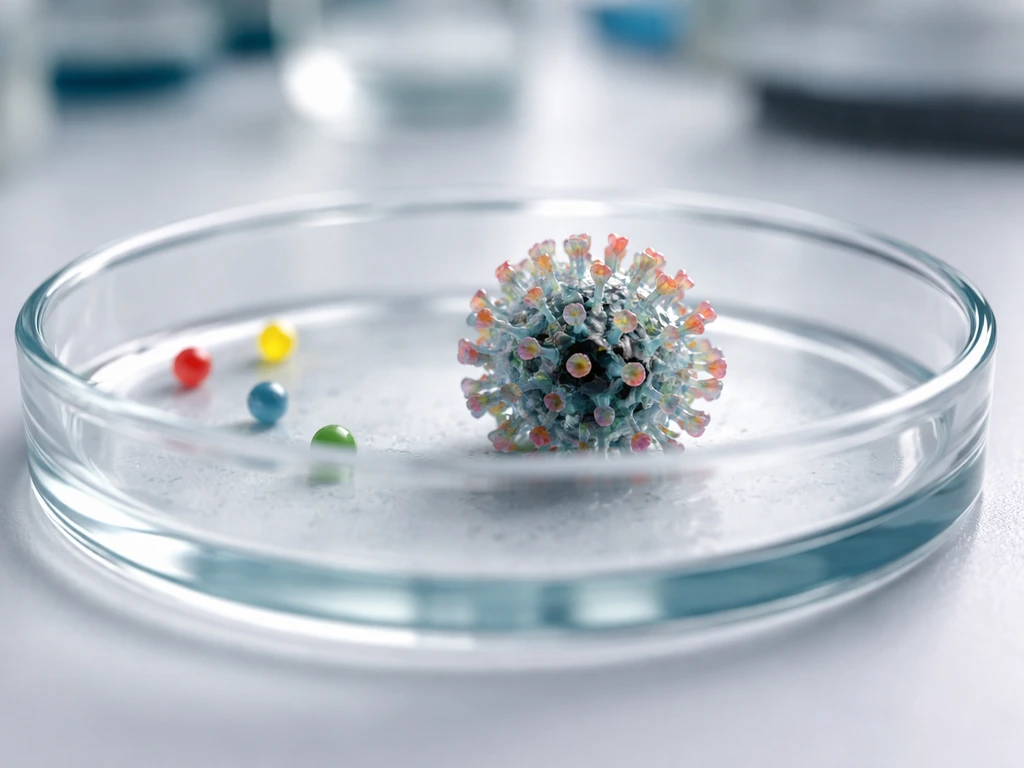
"Bird flu" is shorthand for avian influenza, a family of influenza A viruses that primarily circulate in birds. Not all avian influenza strains are the same, and that distinction matters a lot when you're trying to understand risk. Strains are classified by two surface proteins: hemagglutinin (H) and neuraminidase (N), which is why you see names like H5N1, H7N9, or H5N2. They're also split into LPAI (low pathogenicity avian influenza, which tends to cause mild illness in birds) and HPAI (highly pathogenic avian influenza, which can be rapidly fatal in poultry).
The strains with the most documented human cases have been A(H5) subtypes (especially H5N1) and A(H7N9). These are the ones WHO and CDC track most closely for human risk. A(H7N2), to give another example, has caused conjunctivitis and mild respiratory illness in a small number of people in the UK and US since 2002. The first recognized human cases of H5N1 were reported in 1997, which helps anchor when bird flu began being widely documented as a human health concern Since 2002. The case fatality rate for H5 and H7N9 infections in humans has historically been higher than seasonal flu, though reported human cases remain rare because person-to-person transmission is very limited. "Bird flu" can refer to dozens of subtypes with genuinely different risk profiles, so when someone says "bird flu disappeared," it's worth asking which strain they mean, in which species, and in which country.
Why it seemed to slow down: outbreak cycles, surveillance, and media attention
Avian influenza outbreaks in poultry tend to spike during fall and winter migration seasons and then drop in spring and summer as migratory bird movement settles down. USDA APHIS has been direct about this: outbreaks in birds are expected to ebb and flow as virus levels change in different areas based on wild bird movement. So what looks like "bird flu is over" is often just a seasonal lull. The virus is still in the wild bird reservoir. It hasn't burned out. It's waiting for the next migration cycle.
Public attention follows a similar cycle, but it's driven by headline-worthy events: a massive poultry cull, a human case, or a novel spillover (like the H5N1 detections in US dairy cattle that made news in 2024). When those events fade from coverage, people assume the problem is gone. Surveillance data tells a different story. ECDC reported 2,896 HPAI A(H5) detections in Europe across domestic and wild birds in just the September to November 2025 window alone, covering 29 countries. USGS mapping of H5 and H5N1 detections in North American wild birds from 2021 to 2025 shows ongoing, geographically widespread presence, not disappearance. The reason the disease appears to cycle is real biology: virus levels rise and fall with migratory flyways, flock immunity, and environmental conditions. Cold temperatures allow the virus to survive longer in the environment, which is part of why winter outbreaks tend to be more severe.
Research from USGS focuses specifically on how HPAI viruses persist across seasons and move between migratory flyways. H5 HPAI strains that originally circulated in Asia spilled into wild birds and then traveled to Europe, Africa, and North America through bird migration routes. That's not a one-time event. It's an ongoing dynamic that explains why new outbreaks keep appearing in previously unaffected regions.
Where bird flu lives now and how it actually spreads
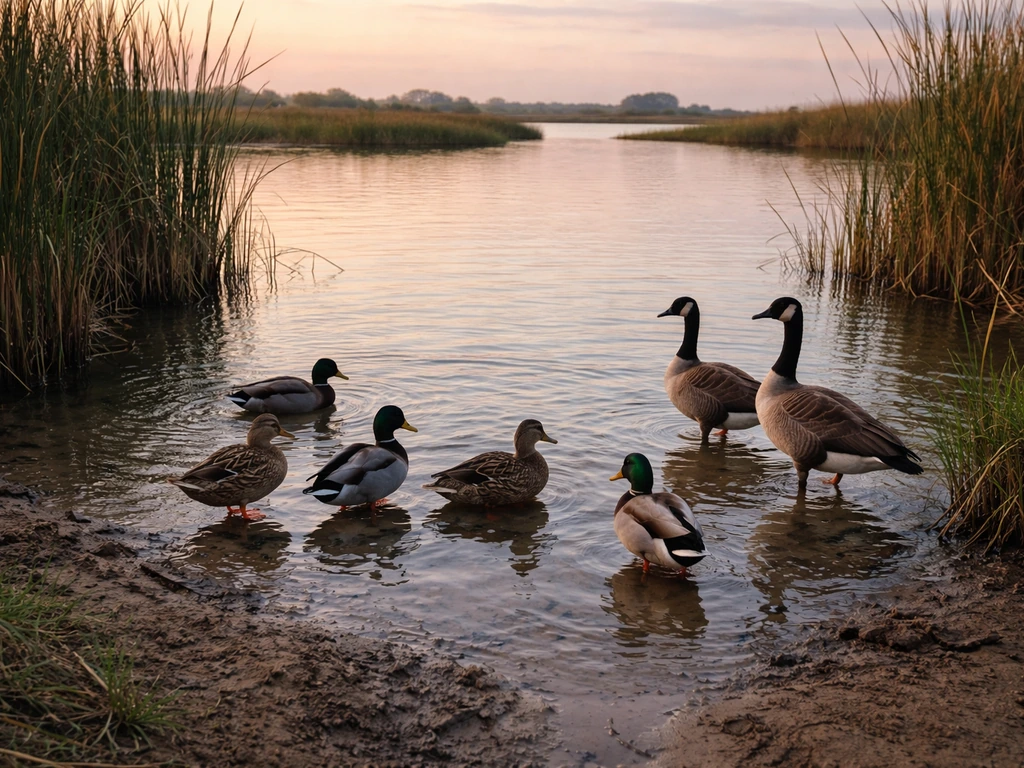
The primary reservoir is wild aquatic birds, particularly waterfowl like ducks and geese. These birds often carry the virus without getting sick, which is what makes them such effective long-distance spreaders. From wild birds, the virus can spill into domestic poultry when infected wild birds come into contact with farm flocks, share water sources, or contaminate the farm environment. From there, it can move flock to flock through shared equipment, contaminated boots, vehicles, or even people who move between farms without proper biosecurity. WOAH has specifically called out farm equipment and contaminated footwear as vectors when biosecurity isn't in place.
Human infections are uncommon but real. CDC confirms that human cases have occurred sporadically in many countries, almost always after unprotected, direct exposure to infected poultry or contaminated environments like live bird markets or infected farms. The virus does not spread easily between people, which is the critical factor keeping this from becoming a pandemic scenario right now. That long-running pandemic question is also why health agencies keep tracking when the bird flu pandemic would realistically start and how likely it is right now. Most human cases traced back to a clear animal or environmental exposure event, not contact with another sick person.
In the US, surveillance now covers commercial and backyard bird flocks, wild birds, and (following the 2024 dairy cattle outbreak) dairy herds as well. Live bird markets have also been flagged by FAO as a potential amplification point for virus transfer. The short version: the virus is circulating in wild birds worldwide, it regularly tests the perimeter of poultry operations, and people who work closely with birds or contaminated environments carry the most meaningful exposure risk.
What to watch for: symptoms in birds vs. symptoms in people
Sick birds: what HPAI looks like in a flock
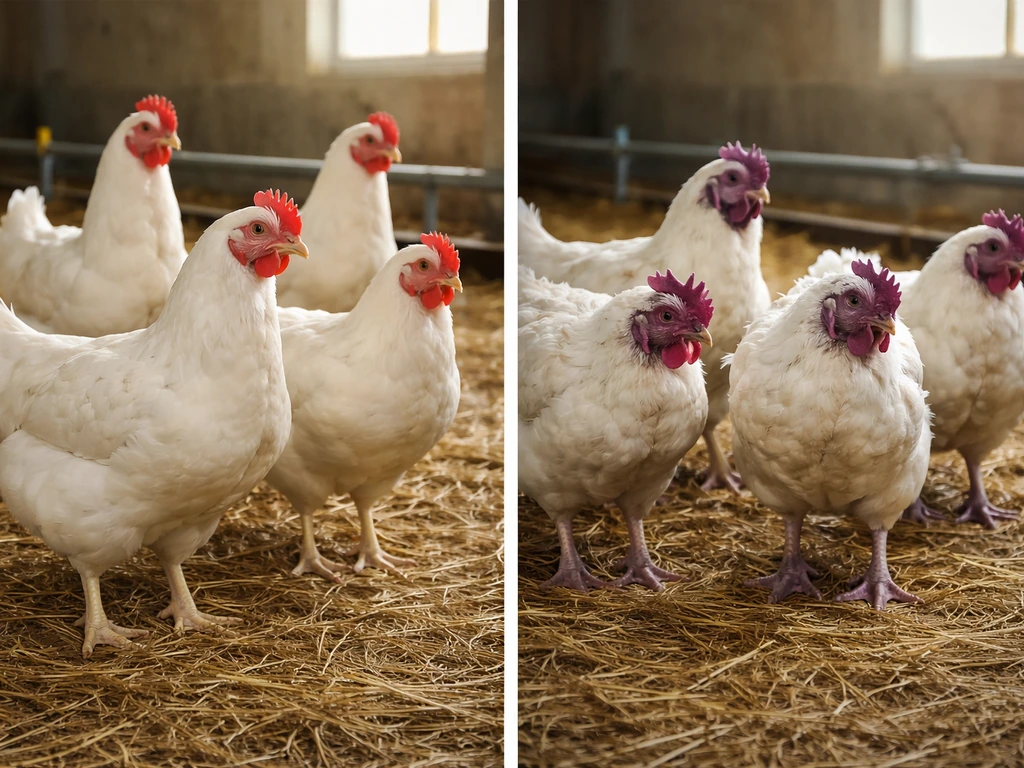
HPAI in domestic poultry can move extremely fast. Birds may go from apparently normal to dead within 24 to 48 hours in severe cases. Signs to watch for include swelling and purple or blue discoloration of the comb, wattles, and eyelids, as well as sudden drops in egg production, neurological signs like lack of coordination, and rapid unexplained deaths across a flock. USDA APHIS is clear that if you're seeing these signs, you should report them immediately and not wait to see if birds recover on their own. The speed of HPAI spread between flocks makes early reporting one of the most important things a poultry owner can do.
Human symptoms: what to look for after a potential exposure
In people, avian influenza illness ranges from mild to severe. Mild cases often look a lot like ordinary flu or even pink eye. CDC's Health Alert Network guidance lists symptoms including cough, sore throat, eye redness or discharge (conjunctivitis), fever or feeling feverish, runny nose, fatigue, and muscle or joint pain. Eye symptoms can appear just 1 to 2 days after exposure. Respiratory symptoms typically start around 3 days after exposure, but the range is 2 to 7 days. Severe cases can progress to pneumonia, shortness of breath, and difficulty breathing, and WHO notes that the case fatality rate for H5 and H7N9 strains has been meaningfully higher than seasonal flu in documented cases. If you develop any of these symptoms after known exposure to sick or dead birds, that exposure history is important information for your doctor.
| Feature | Birds (HPAI) | Humans (avian influenza A) |
|---|---|---|
| Onset speed | Rapid, sometimes 24–48 hours to death | 2–7 days after exposure |
| Early visible signs | Swollen/discolored comb, wattles, eyelids; sudden deaths | Eye redness/discharge (1–2 days); fever, cough, sore throat (~3 days) |
| Severe progression | Near-100% flock mortality in HPAI outbreaks | Pneumonia, respiratory failure in severe human cases |
| Key action | Report to USDA APHIS immediately | Tell your doctor about bird exposure; seek care if symptoms develop |
| Monitoring period | Ongoing flock surveillance | 10 days after last exposure to infected birds/environment |
How outbreaks get controlled in poultry operations
The main tools used to stop HPAI from spreading once it's in a poultry flock are depopulation (culling the infected flock to remove the virus source), movement controls (restricting the movement of birds, eggs, equipment, and people in and out of affected areas), biosecurity audits, and active surveillance of nearby flocks. USDA APHIS uses a stamping-out policy: infected flocks are depopulated to prevent the virus from amplifying and spreading further. This is a difficult reality for farmers, but it's the most effective tool available at the flock level.
Before a farm can restock after an HPAI event, USDA APHIS requires mandatory biosecurity assessments to identify and close any gaps that allowed the virus in. Pre-movement testing and active surveillance of flocks in buffer zones around affected farms are also part of the response framework. These controls don't eliminate the virus from the environment, but they break the chain of transmission and reduce how far and fast an outbreak spreads.
Biosecurity on an ongoing basis, not just during outbreaks, is the most important preventive measure for any poultry operation. This means keeping wild birds away from flocks and feed, using dedicated footwear and clothing for the flock area, disinfecting equipment between uses, and limiting who comes onto the farm and how. The virus can survive for extended periods in cold environments and can hitch a ride on boots, tires, or shared equipment. Those are the real entry points.
Is bird flu still a risk for people? Food handling and real-world exposure guidance
For most people who aren't handling live or dead birds, the practical risk is very low. WHO is clear that the primary risk factor for human infection is direct exposure to infected animals or contaminated environments, not foodborne transmission through properly handled products. That said, food safety practices still matter, particularly if you're consuming products from flocks affected by or at risk for HPAI.
CDC confirms that pasteurization kills avian influenza A viruses in milk. FDA reinforces this for dairy processors and specifically recommends against using milk from infected cows for raw milk or raw milk cheese products. For poultry and eggs, cooking all the way through (no pink meat, fully set eggs) is the key step. Properly cooked poultry and eggs from commercial supply chains are considered safe. The risk comes from unpasteurized or undercooked products, or from direct contact with infected birds.
For people who have had direct or close exposure to sick, dead, or well-appearing birds from an infected flock, or who have been in a contaminated environment, CDC recommends monitoring for illness for 10 days after the last exposure. This includes watching for any new respiratory illness or conjunctivitis. Your local health department may ask for daily check-ins during that window. If you develop symptoms, contact a healthcare provider and tell them about your exposure. Clinicians can prescribe antivirals like oseltamivir (Tamiflu) for treatment, and CDC notes it has the most human data among flu antivirals for this purpose. In some cases, oseltamivir may be offered as post-exposure prophylaxis if there has been a significant PPE breach.
What to do today: practical next steps for households and poultry owners
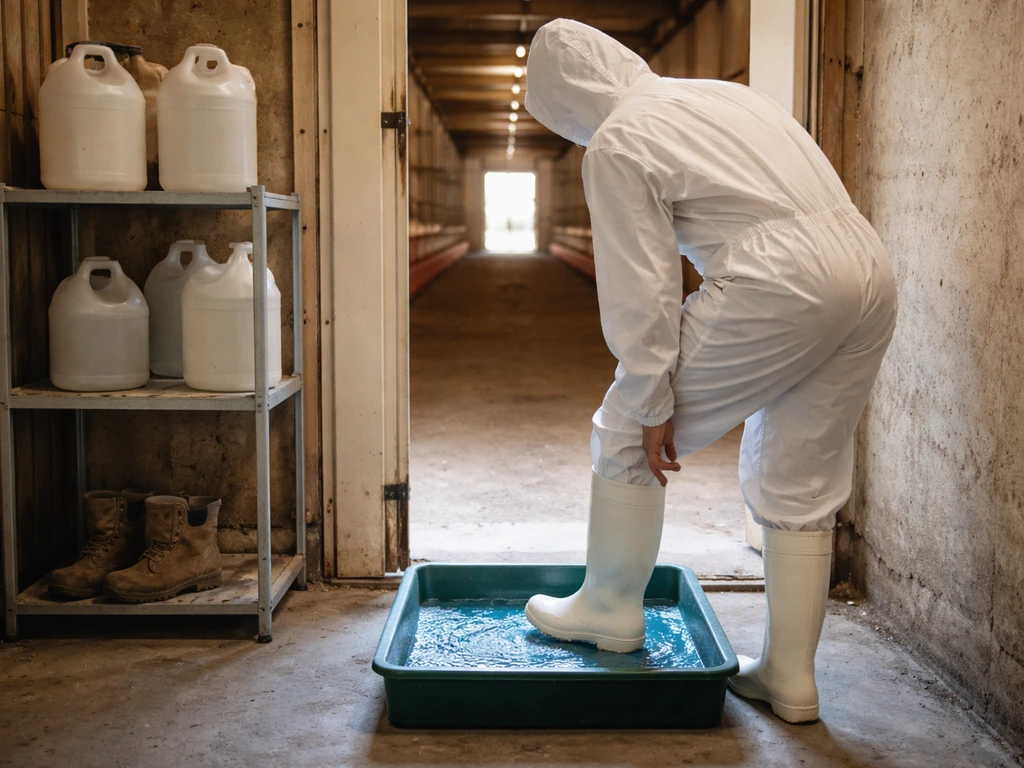
If you raise backyard or commercial poultry
- Audit your biosecurity right now: Are wild birds able to access your feed, water, or housing? That's your biggest gap to close.
- Use dedicated boots and clothing inside the flock area. Change before leaving and launder clothes that have been in contact with birds before wearing them again.
- Disinfect equipment, tools, and vehicles that move between areas. This includes anything a visitor or delivery driver might bring onto your property.
- Know the signs of HPAI in birds (sudden deaths, swollen discolored combs/wattles, neurological symptoms, sharp egg production drops) and report suspected illness immediately to USDA APHIS. You can reach the Area Veterinarian in Charge for your state through USDA APHIS contacts.
- If you're working in or around a confirmed HPAI-affected area, wear appropriate PPE: gloves, eye protection, and a well-fitting respirator at minimum. Continue using PPE in contaminated areas until there are no longer infected birds, eggs, feces, or contaminated litter on the property.
- Monitor your own health for 10 days after any significant exposure to potentially infected birds. Watch for eye irritation, respiratory symptoms, or fever.
If you're a household consumer concerned about bird flu
- Buy pasteurized dairy products and avoid raw milk or raw milk cheeses, especially during active outbreak periods.
- Cook poultry and eggs thoroughly. This is effective at inactivating avian influenza viruses.
- Avoid handling sick or dead wild birds. If you find dead waterfowl in numbers, contact your state wildlife agency.
- If you visit farms, live bird markets, or poultry operations during an outbreak, wash your hands thoroughly and avoid touching your face before cleaning up.
- If you develop flu-like symptoms or conjunctivitis within 10 days of bird exposure, tell your doctor about the exposure. Treatment with oseltamivir is most effective when started early.
On vaccines and medical preparedness
There is no broadly available commercial vaccine for avian influenza strains for the general public as of May 2026. Candidate vaccines exist and have been developed in response to H5N1, but deployment would depend on public health guidance if a more serious spillover situation emerged. Seasonal flu vaccines do not protect against avian influenza strains. The most effective personal protection remains reducing exposure: biosecurity on farms, PPE during high-risk contact, and prompt medical attention with disclosure of exposure history if symptoms develop.
The bottom line is that bird flu didn't disappear. It followed the pattern it always has: it surges, it gets controlled in poultry through difficult but effective measures, it persists in wild birds, and then it waits for the next migration season to test the next flock's defenses. Understanding that cycle is the most useful thing anyone dealing with this issue can take away. The threat is real and ongoing, the human risk remains low for people without bird exposure, and the practical tools to reduce that risk, whether you're a poultry farmer or just someone who buys eggs, are straightforward and available right now.
FAQ
Does “bird flu is over” mean the virus is gone from a country or continent?
Usually no. A “quiet” period typically means fewer detections or fewer visible events (like poultry deaths or culls), not that surveillance has stopped or that wild-bird reservoirs have been eliminated. The virus can continue circulating at low levels and then rise again with migration, colder weather, or new spillover into domestic birds.
Which “bird flu” subtype is the most relevant for current risk?
It depends. Different subtypes (for example H5N1 versus H7N9) have different track records in humans and different patterns in birds. If you are seeing headlines, check the reported subtype and location, because risk messaging and response measures can vary by subtype and by whether it is detected in poultry versus only in wild birds.
Is it possible to get bird flu from eating properly cooked poultry or eggs?
The article’s risk framing points to direct exposure as the main driver, not foodborne transmission through properly handled products. The practical rule is to avoid undercooked items and to follow normal kitchen hygiene. If a product comes from a flock under restrictions, follow local guidance for whether it is intended to enter the food supply.
What should a poultry owner do if birds look sick but the cause is unclear?
Report promptly rather than waiting for recovery. Because severe HPAI can progress from apparently normal to rapid death within a day or two, delaying can increase spread to neighboring flocks. Also isolate the area, restrict movement of people and equipment, and avoid moving birds “to see if they improve,” until authorities advise.
How long should someone monitor themselves after exposure to sick or dead birds?
For people with direct or close exposure to infected animals or contaminated environments, CDC recommends monitoring for 10 days after the last exposure. If symptoms appear, contact a healthcare provider and clearly describe the exposure timing and type, including whether there was unprotected contact or contact with live bird markets or farms.
If someone had contact with birds but wears PPE, do they still need to watch for symptoms?
PPE reduces risk, but it does not always eliminate it, especially if there was a PPE breach (for example a mask or glove failure, contact through broken skin, or unprotected exposure to birds’ secretions). If you had any uncertainty about PPE effectiveness or had significant exposure, it is reasonable to follow public-health guidance for the monitoring window and ask your local health department what level of follow-up is recommended.
Can the virus spread from one person to another in households?
Person-to-person spread has been very limited historically. Still, if someone is sick after confirmed bird exposure, standard infection-control precautions are important while they are evaluated. Follow local health guidance for testing or isolation if a clinician or health department suspects influenza infection related to exposure.
Is pasteurization the only safety step needed for milk?
Pasteurization is the key step for killing avian influenza A viruses in milk. The additional practical point is to avoid unpasteurized milk products, including raw milk and raw milk cheese, from areas or sources associated with infected cows. For dairy processors, follow prescribed controls for sourcing, heat treatment, and product handling.
What does “PPE breach” mean in real-world terms for exposure?
It generally refers to situations where protection is not intact during potentially infectious contact. Examples include touching birds’ secretions or contaminated surfaces without appropriate eye protection, working with no gloves, handling carcasses without proper barrier clothing, or removing PPE and then touching your face before performing hand hygiene.
How should backyard flock owners improve biosecurity if they can’t fully keep wild birds out?
Focus on the highest-value barriers: prevent wild-bird access to feed and water, use dedicated footwear and clothing for the flock area, and disinfect equipment between uses. If you cannot eliminate contact, reduce opportunities for shared contamination, such as covering coops and sealing gaps that allow waterfowl to reach run areas.
How soon after an outbreak can a farm restock?
Restocking is not immediate. After an HPAI event, USDA APHIS requires mandatory biosecurity assessments and closure of gaps, along with controls like pre-movement testing and surveillance in buffer zones around affected premises. Plan for delays that can extend beyond the initial cull period, even after visible birds are removed.
When Was the Bird Flu Pandemic? Key Dates and What to Know
Clarifies bird flu pandemic timing, key outbreaks and years, and how future risk is assessed and updated safely.